
In the beautiful city of Victoria, BC, many might think an earthquake is just a distant worry. But the truth is, we live in a region that’s prone to seismic activity, making it essential to have a clear and practical evacuation plan ready. Knowing what to do before, during, and after an earthquake can save lives. This guide will walk you through everything from finding the fastest escape routes to packing an emergency kit that will keep your family safe. So, let’s dive into some important steps everyone can take to prepare for the unexpected and ensure our loved ones remain secure in this charming coastal community.
A comprehensive Victoria, BC Earthquake Evacuation Plan should include clearly defined evacuation routes, designated meeting points for families, essential emergency supplies lists, and communication strategies for staying connected. Additionally, it is crucial to regularly review and practice the plan to ensure all residents are familiar with the steps to take before, during, and after an earthquake.
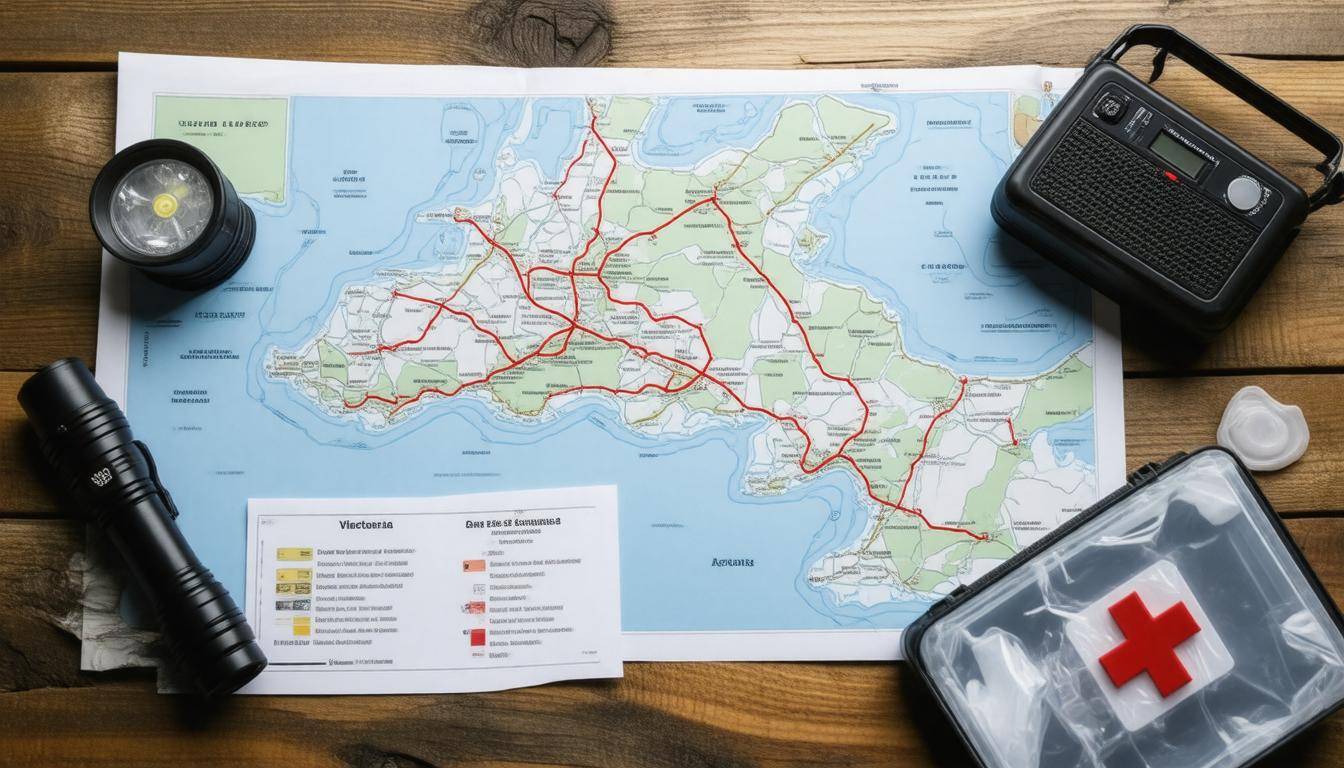
Victoria, BC Earthquake Evacuation Overview
The reality of living in Victoria, BC is that earthquakes are not just a distant concern but an ever-present risk. Nestled on the Pacific Ring of Fire, this charming city lies in wait of seismic activities that could result in significant disruptions. Local agencies are acutely aware of this vulnerability, which is why they’ve devised comprehensive evacuation plans tailored to various potential earthquake scenarios.
According to recent modeling data, a sizeable 7.0-magnitude earthquake centered near Vancouver could cause substantial damage across Victoria and adjacent areas, affecting thousands of buildings and displacing many residents. This urgency underlines the importance of having a well-structured evacuation plan in place—a necessity rather than a luxury.
The primary goal of these protocols is twofold: to safeguard lives and ensure a swift escape route in case of an emergency. It’s important to note that the average expected time to evacuate urban areas like Victoria is around 30-60 minutes, depending on the quake’s severity and location. For this reason, planning ahead is vital.
Ensuring you know your nearest evacuation routes—there are 15 designated paths throughout Victoria—can significantly impact your ability to exit quickly and safely during an emergency.
Preparation begins at home. Residents should take proactive steps by familiarizing themselves with these routes and understanding their personal evacuation plans, particularly how they would navigate them during chaos.
Emergency Preparedness Tips
-
Have Basic Supplies: Maintain emergency supplies at home for at least three days, including essentials like water, non-perishable food, medicine, diapers, and candles.
-
Create a Go Bag: Assemble a ‘go bag’ containing a radio, flashlight, first aid kit, knife, spare eyeglasses, tin foil blanket, and water purification tablets for quick escape.
-
Designate Communication Points: Choose one person outside your immediate area to serve as a point of contact post-earthquake. This helps reduce the strain on local communication networks.
As you prepare for any potential emergencies, it’s also wise to consider the risks involved during an actual quake itself.
Falling debris can pose serious threats; it might be safer to stay indoors than venture outside during the shaking. Understanding these dynamics enhances your decision-making during an earthquake event. Being informed creates confidence—a critical component for safe navigation through potentially chaotic situations.
With this awareness in mind, navigating through emergency situations becomes more manageable. Next, we will look into key paths that can lead you to safety during an evacuation.
Recommended Evacuation Routes
The effectiveness of evacuating during an earthquake largely depends on knowing the best routes to safety ahead of time. The City of Victoria has designated several evacuation routes designed to help residents reach safety. These routes take into consideration factors like safety from potential landslides, accessibility, and the least congested paths in times of calamity.
Let’s explore the suggested evacuation routes available for residents. The first route, Bastion Square to Beacon Hill Park, serves as a vital lifeline for those in the downtown area. This path not only leads you to one of Victoria’s most beloved parks, but it’s also strategically chosen as a temporary evacuation point where emergency services may be stationed. Being familiar with this route means that if an earthquake strikes while you are at nearby shops or cafes, you’ll know exactly where to head.
An alternative pathway through central Victoria is the Douglas Street to Hillside Avenue route, ideal for midtown residents. This avenue is significant because it runs parallel to some major emergency services; knowing this route allows swift access out of potentially hazardous environments. Since you may find yourself in different parts of town throughout the day, it’s beneficial to familiarize yourself with all these options.
Lastly, for residents on the southern side of the city, Dallas Road to Fort Rodd Hill presents a less congested escape route. Not only does this path offer a scenic coastal view, but its relative spaciousness during emergencies can also enable quicker movement away from the danger zones. Visualize this: instead of getting stuck in traffic with flocks of other evacuees or attempting to navigate narrow streets, you can efficiently make your way along a less-crowded coastal road.
To make sure you’re prepared when that moment comes, I recommend visiting the Victoria Emergency Management Agency (VEMA) website where maps of these routes are available. Furthermore, keep a printed map handy in case of internet or GPS failure during an emergency. Having tangible resources can make all the difference when technology doesn’t cooperate.
Understanding these specified paths beforehand greatly enhances your readiness and confidence in a crisis situation. With this knowledge under your belt, it’s essential next to consider how to access safe havens once you’re on your way.
Locating Nearest Shelters
Victoria is well-equipped with various designated emergency shelters that serve as safe havens during times of crisis, especially in the aftermath of an earthquake. Each shelter is strategically placed around the city to ensure accessibility for everyone. Familiarizing yourself with these locations ahead of time not only prepares you but also provides peace of mind, knowing where to go when urgency overrides normalcy.
Emergency Shelters
Some key shelters include:
Save-On-Foods Memorial Centre: Situated in a central location, this venue can accommodate a large number of evacuees with the necessary amenities. It’s a prominent site for community gatherings, adding to its accessibility during urgent situations. The sheer size allows it to function effectively as a hub for those seeking refuge.
Victoria High School: Perfectly positioned in the Fernwood area, this shelter affords families a recognizable landmark and a sense of security amidst chaos. Having such sites close by means you don’t have to wander far with children in tow or when carrying essential items.
University of Victoria: This facility is ideal for longer stays, outfitted with provisions for food and medical supplies. Here, residents can find respite until they can safely return home or until additional arrangements are made.
A 2018 report highlighted the city’s impressive capability to shelter over 10,000 individuals across its array of emergency facilities. This statistic not only emphasizes the city’s preparedness but also encourages residents to take action and familiarize themselves with their options during an evacuation.
Preparing ahead by knowing these shelter locations reduces stress during emergencies. In chaotic moments, clear access points help maintain order and guide individuals toward safety efficiently.
It’s highly encouraged for residents of Victoria to visit local government websites, where these shelter maps are often posted. Additionally, participating in community workshops on emergency preparedness will further solidify your understanding of evacuation plans and enhance your readiness.
Understanding shelter locations is just one piece of the puzzle; equipping yourself with essential supplies is equally critical as you navigate potential emergencies. Let’s now explore what items you should include to ensure you’re fully prepared.
Preparing Your Emergency Supplies Kit
To weather any emergency, particularly one as unpredictable as an earthquake, having a well-stocked emergency supplies kit can mean the difference between chaos and calm. The Federal Emergency Management Agency (FEMA) emphasizes that your supplies should ideally last for at least 72 hours, offering a critical buffer while you access safety. Consider this kit not just as a collection of items, but as a vital lifeline that you and your loved ones can rely on when it matters most.
Essential Items
-
Water: Aim for one gallon per person per day. Hydration is non-negotiable, especially during stressful situations.
-
Non-perishable Food: Pack enough suitable food for each family member. Think along the lines of canned goods, granola bars, or dried fruits—items that are easy to prepare and have a long shelf life.
-
First Aid Kit: Don’t forget important medications. Include adhesive bandages, antiseptic wipes, gauze pads, scissors, and pain relievers. Customize this kit according to your family’s specific medical needs.
-
Clothing & Bedding: Warm clothes and sleeping bags are essential, particularly if you need to stay outside or relocate after an earthquake to prevent exposure to the elements.
-
Tools: Here’s where multipurpose tools shine. Pack flashlights with extra batteries, whistles to signal for help, and knives for various purposes including food preparation or shelter building.
-
Important Documents: Keep copies of critical documents like ID, insurance policies, and medical records stored in a waterproof container for easy access.
Your emergency supplies kit isn’t something you set up once and forget about. It’s crucial to periodically check and update the kit’s contents. This ensures everything is functional and not expired—not only can it save you from disappointment later on, but it also gives you peace of mind knowing you’ve taken proactive measures to safeguard your family’s welfare.
With your kit prepared and available at all times, you’re now one significant step closer to ensuring everyone in your household knows what to do when the time comes for action. As we continue, let’s explore how to effectively navigate these procedures as a family unit.
Family Evacuation Procedures
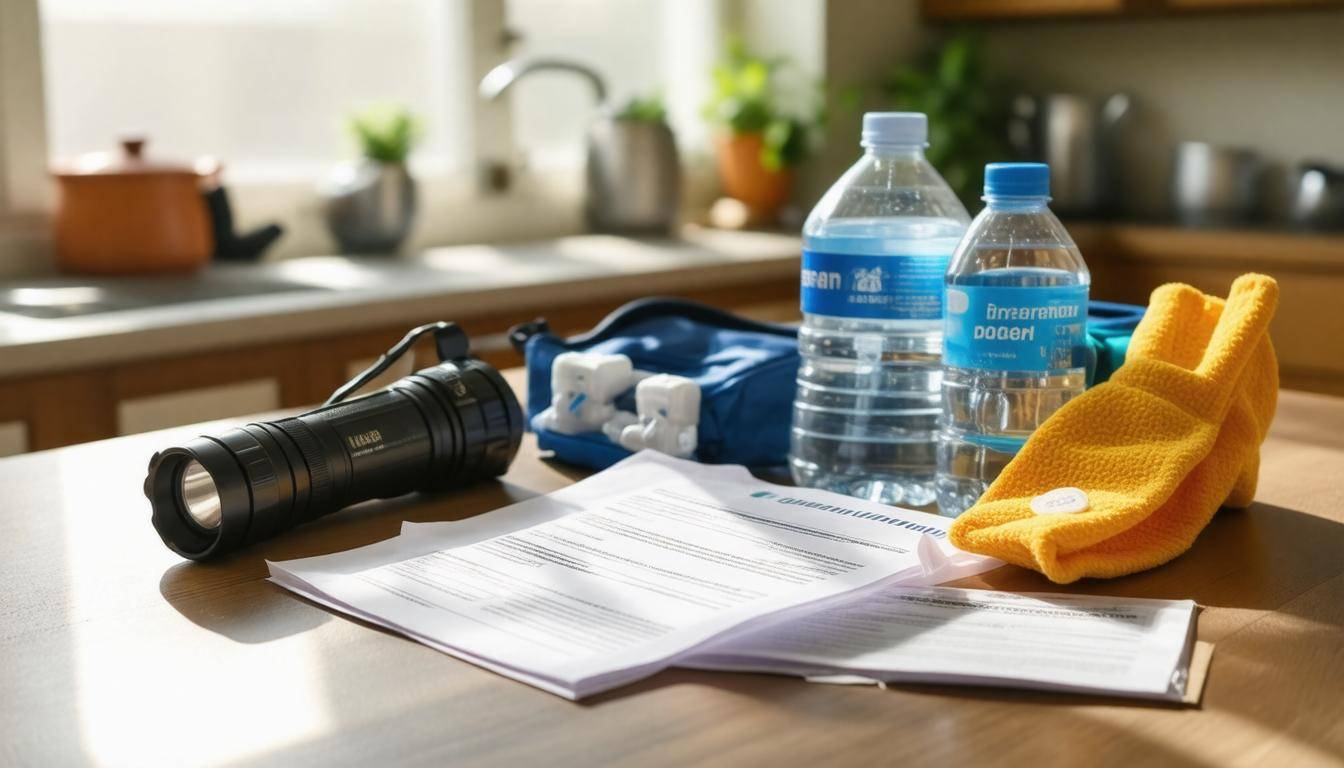
Having a solid and rehearsed evacuation plan is essential for every family. Knowing what to do and where to go can save precious time and reduce chaos during an emergency. It begins with clear communication; you need to decide who does what. Assign roles based on each person’s strengths and capabilities. For instance, one adult might be responsible for gathering the emergency kit while another checks on the children or pets. This division of tasks streamlines the evacuation and makes each member feel involved and empowered.
Next, having designated rally points plays a pivotal role in ensuring everyone can reunite safely.
Rally Points
Establishing both a primary and secondary meeting location is critical. Your primary spot should be easy to remember and within a reasonable distance from your home, such as a nearby park or community center. The secondary location serves as an alternative should the first become inaccessible or unsafe—perhaps a friend’s house or a local school. Make sure all family members are familiar with these locations, providing a sense of direction amidst uncertainty.
Yet simply knowing where to go isn’t enough; regular practice will instill confidence in your family’s ability to respond effectively.
Practice Drills
Conducting regular evacuation drills is an effective way to ensure everyone knows their roles and how to navigate the house safely during an emergency. Incorporate scenario-based drills with the kids—practice evacuating from different rooms so that everyone learns how to find their way out quickly and efficiently. Make it engaging by timing them or turning it into a game. And don’t forget this vital aspect: Teach everyone how to safely shut off utilities like gas and electricity if necessary.
A well-rehearsed plan coupled with practiced drills not only sharpens skills but also fosters confidence in individuals when it’s most needed.
Being prepared means being proactive rather than reactive. By regularly revisiting these procedures, families can approach an earthquake with not only readiness but also resilience, turning potential panic into organized action.
With these essential strategies in place, it’s important to consider what actions should follow after the tremors subside to ensure ongoing safety and well-being.
Post-Earthquake Safety Activities
After the shaking stops, the first impulse might be to seek safety outside or call loved ones. However, after making sure everyone around you is okay, it’s essential to take a methodical approach to ensure both your safety and that of your home.
Just imagine standing in your living room after an earthquake, surveying the space not only as a place of comfort but also fraught with potential hazards. This realization prompts action: checking for injuries, inspecting your surroundings, and understanding how to proceed safely.
Immediate Safety Steps
It’s critical to navigate this situation thoughtfully:
-
Checking for Injuries: Before anything else, assess yourself and others nearby for injuries. Administer first aid where necessary and don’t hesitate to call emergency services if someone requires professional medical attention.
-
Inspect Your Home: After ensuring everyone is safe, inspect your home for structural damages. Look for cracks in walls, ceilings, or foundations; these could signify serious issues. If you notice promising signs like bulging walls or leaning structures, evacuate immediately.
-
Turn Off Utilities: If authorities recommend it or if you suspect any leaks—particularly gas—safely turn off utilities like gas, electricity, and water. Uncontrolled appliances can pose serious risks during disasters like fires or flooding.
Now that you’ve taken stock of injuries and potential hazards within the home, it’s vital to stay informed about the situation surrounding you.
Stay Informed
Communication becomes increasingly important after an earthquake. Use battery-powered radios or smartphones (if networks are available) to receive updates from local authorities about safety measures and evacuation procedures. Accurate updates aid in understanding the scope of the disaster and necessary safety protocols.
It is particularly useful to designate a single contact person in a distant location who can relay messages between family members—it minimizes network congestion while ensuring everyone is accounted for.
Documenting Damage
Another essential post-earthquake task involves documenting any damage for insurance purposes. Take photos of affected areas – this evidence will prove invaluable when claiming insurance coverage. Ensure that all electric appliances that were affected are well documented as well.
Prepare for Aftershocks
Always remain vigilant as the threat from aftershocks is real. These smaller tremors can occur minutes, hours, or even days after the main event. It’s crucial to keep an emergency bag packed with essentials like water, non-perishable food, medications, clothing supplies, and a flashlight readily accessible. This preparedness gives peace of mind during such uncertain times.
With these preparations made and information gathered, accessing community connections can additionally provide support and resources post-earthquake.
Community and Government Support
Victoria’s framework for post-earthquake support is not only impressive but also essential for ensuring the safety of its residents. The cooperation between the government, emergency services, and local organizations creates a comprehensive safety net. This network allows residents to feel secure knowing dedicated agencies are ready to assist them in times of need.
Available Support
Several key entities make this support system robust. Foremost among them is the Victoria Emergency Management Agency (VEMA), which stands at the forefront of disaster response. They provide real-time updates and disseminate crucial information on safety measures during emergencies. By following VEMA on social media or regularly checking their website, residents can stay informed about immediate evacuation procedures or shelter locations.
While VEMA provides critical information, the Red Cross plays a vital humanitarian role by supplying food, water, medical aid, and emotional support. During stressful situations such as earthquakes, having reliable access to these basic needs can drastically improve the well-being of those affected.
Additionally, community centers often spring into action as distribution points for essential supplies. These hubs serve as gathering spaces where people can find food, clothing, and other necessities while reconnecting with neighbors. Local resident John Lecrae shared his experience: “During last year’s quake, the community center was a lifesaver for us. They provided everything we needed while our power was out.” His account emphasizes how invaluable these centers can be when immediate resources are scarce.
Understanding how these resources operate is only part of the equation; knowing how best to access them can truly empower individuals facing an earthquake situation.
Beyond these organizations, it’s beneficial to familiarize yourself with local safety protocols and training programs offered by authorities like Emergency Management BC. They provide essential knowledge on preparing disaster kits and developing communication plans with your family ahead of time. Taking initiative to participate in community drills or public meetings improves overall preparedness and fosters a sense of unity in facing potential disasters together.
When every member of the community is educated about available options and engages actively in preparedness initiatives, it strengthens resilience against earthquakes. In this way, individuals do not only rely on government assistance; they become active participants in ensuring their safety post-disaster. A prepared community is a strong community, and Victoria exemplifies this ethos beautifully through its unwavering support structures.
With this understanding of local resources and preparedness efforts established, let’s now turn our attention to effective ways families can maintain clear lines of communication during emergencies.
Communication Strategies During Emergencies
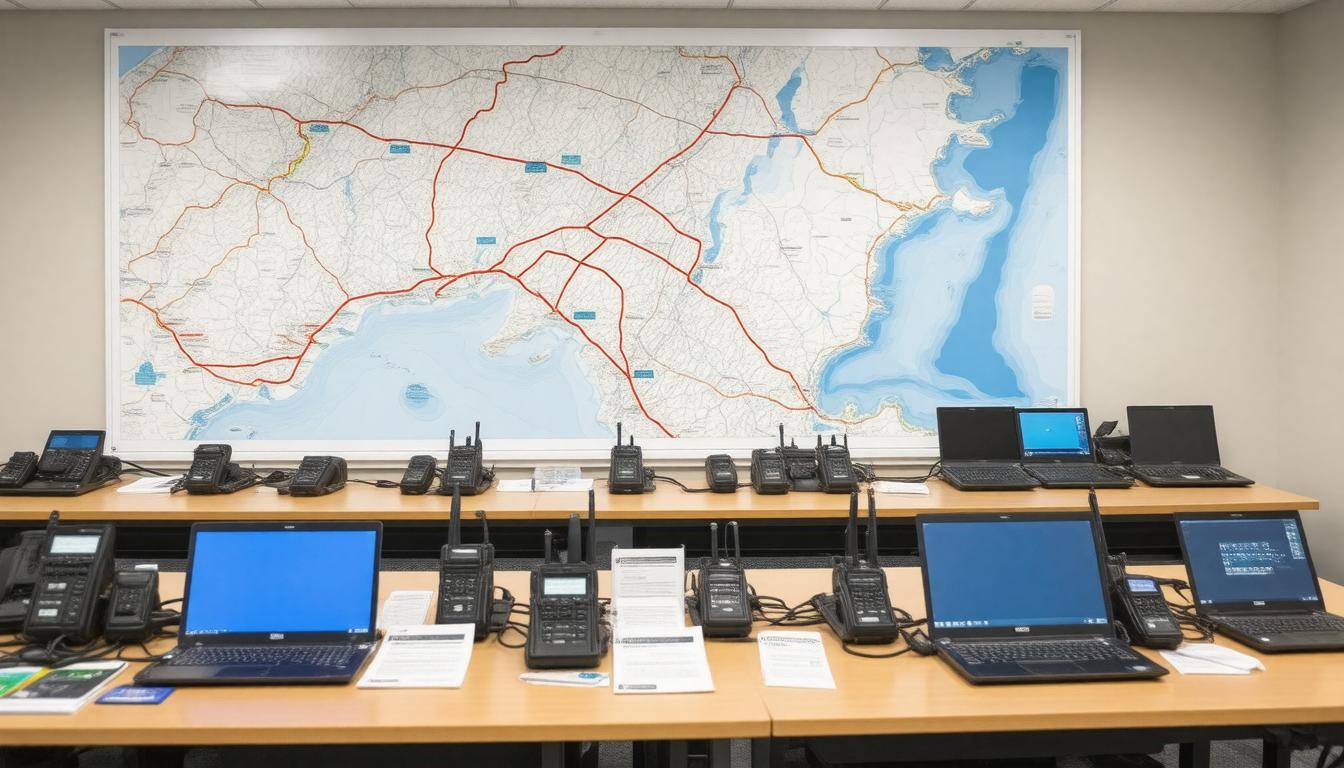
Effective communication can indeed save lives, and understanding how best to achieve that during natural disasters is of utmost importance. When the ground shakes and chaos ensues, a reliable communication plan can be your best lifeline. Those precious moments following an earthquake can dictate what happens next, so having the right strategies in place significantly enhances your family’s safety.
Staying Connected
To begin with, it’s essential to use text messaging over voice calls when a disaster strikes. Why? Because text messages often manage to get through even when cellular networks are congested. This lightweight form of communication is less demanding on resources, meaning your messages could ripple through where a call cannot get through. So, before any tremors rattle your home, practice sending quick texts to one another now—it can effectively share updates among family members when it really matters.
Beyond texting, another important tool is having emergency radios on hand. Keeping a battery-operated radio allows you to receive updates from local authorities even when the power is out and other communication channels have failed. Whether you choose a handheld model or a more sophisticated emergency weather radio, ensure it’s stocked with fresh batteries and easily accessible in your home.
It’s also wise to consider using social media platforms like Twitter for real-time information. Local agencies often tweet out important public alerts and evacuation notices in emergencies. By setting up notifications on your phone for specific accounts, you can stay informed without wasting time scrolling during chaotic moments.
As part of your family’s comprehensive communication strategy, designate an out-of-province contact—someone who isn’t affected by the same local conditions—to check in with after an earthquake. This relieves congestion on local networks while ensuring that at least one trusted person knows where everyone is.
Consider methods such as SMS group chats or messaging applications like “Zello” or “WhatsApp,” which can function over Wi-Fi when cellular connections become strained. These tools provide easy access for sharing updates and coordinating meeting points post-disaster.
Finally, take some time for family meetings to outline these strategies clearly. Everyone should understand their roles and responsibilities during emergencies—from knowing the correct evacuation route to keeping track of who has communicated with the designated contact. Clarity can alleviate stress during crisis situations.
By refining these communication strategies ahead of time, all family members will remain informed, connected, and ultimately safer when facing potential earthquakes or other disasters head-on.
In preparing for earthquakes and emergencies, proactive planning in communication can make all the difference. Stay vigilant and ensure everyone knows their role for enhanced safety.
How often should residents practice their earthquake evacuation drills?
Residents should practice their earthquake evacuation drills at least twice a year. Regular drills help ensure that everyone knows their roles and the best escape routes, which can significantly reduce panic during an actual emergency. According to the Federal Emergency Management Agency (FEMA), communities that conduct drills regularly are 30% more likely to respond effectively in a crisis, thus improving overall safety and preparedness.
Are there community resources or support systems available for those needing help with their evacuation plans?
Yes, Victoria, BC has several community resources and support systems in place to assist individuals with their evacuation plans. Local organizations such as the Greater Victoria Emergency Management Agency (GVEMA) provide essential information on emergency preparedness and evacuation routes. They also offer workshops and training programs aimed at fostering community resilience. According to reports, over 75% of residents are aware of these resources, highlighting their effectiveness in ensuring that citizens are well-prepared for emergencies. Additionally, there are support networks, including neighborhood groups and local volunteers, that can provide assistance during an evacuation.
How can residents stay informed about earthquake alerts and warnings in the region?
Residents in Victoria, BC, can stay informed about earthquake alerts and warnings by subscribing to local emergency services notification systems and following agencies like Emergency Management BC on social media. Utilizing the ShakeAlert system, which provides real-time notifications of seismic activity, can also enhance preparedness; according to recent studies, timely alerts can reduce injury risk by up to 30%. Additionally, having a family communication plan and regularly checking local news outlets ensures residents remain aware of potential risks and safety measures during an earthquake event.
What supplies should be included in an emergency kit for an earthquake evacuation?
In an emergency kit for earthquake evacuation, you should include essential supplies such as water (one gallon per person per day for at least three days), non-perishable food (at least a three-day supply), a flashlight with extra batteries, a first aid kit, necessary medications, personal hygiene items, important documents, and a multi-tool. According to the Federal Emergency Management Agency (FEMA), preparedness can significantly reduce panic during an emergency; having these items ready not only ensures basic survival but also promotes safety and efficiency in the evacuation process.
What specific areas in Victoria are most at risk during an earthquake?
In Victoria, the areas most at risk during an earthquake include waterfront zones and older buildings constructed before modern seismic codes were implemented. The downtown region and neighborhoods near the Inner Harbour, such as James Bay and Fairfield, are particularly vulnerable due to their proximity to the ocean and historical infrastructure. According to geological studies, these zones may experience more intense shaking, increasing the likelihood of damage in a significant seismic event. It’s crucial for residents and visitors in these areas to familiarize themselves with evacuation plans and safety measures.