
When emergencies strike, the time to think about evacuation is not when the threat is at your doorstep. A well-planned evacuation can save lives and make sure everyone gets to safety quickly. Imagine being stuck in a never-ending line of cars while the storm closes in around you—it’s stressful! To prevent this from happening, it’s essential to have smart traffic management in place. By mapping out routes, thinking ahead, and using technology to keep everyone informed, we can help create a smoother escape. Let’s dive into some practical tips on how to manage evacuation traffic effectively, ensuring safety for all involved.
For effective evacuation traffic management, it is crucial to plan ahead by identifying primary and alternate routes, ensuring that all involved parties are informed about these routes. Additionally, staying updated on real-time traffic conditions through local news or mobile apps can help avoid congested areas and facilitate a smoother evacuation process.
Prioritizing Evacuation Routes
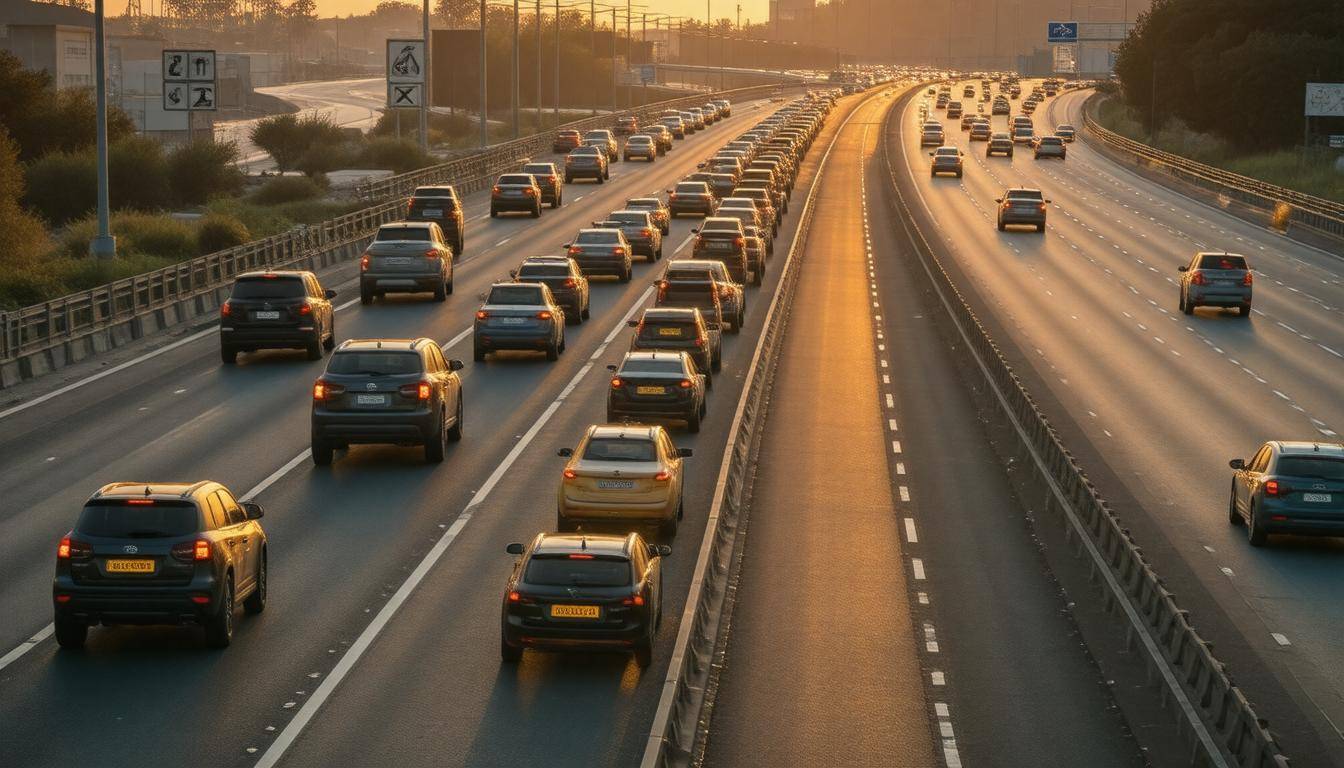
Selecting the right evacuation route can mean the difference between a safe escape and a trapped situation during emergencies. A major aspect that needs consideration in route prioritization is road capacity; simply put, how many vehicles a road can handle at once. Wider roads and highways are generally the preferred choices because they enable faster travel with multiple lanes, facilitating better traffic flow. In cases where large gatherings of people are trying to leave simultaneously—such as during hurricanes or severe storms—this feature can significantly decrease evacuation times.
Additionally, analyzing historical congestion data proves invaluable in route selection. Traffic counts provided by local Departments of Transportation (DOTs) offer insights into typical volumes and peak times, helping to identify when certain routes may be heavily congested. For instance, a highway that is usually light on weekdays might become packed if everyone is trying to leave town on Friday afternoon before a storm hits. Understanding these patterns allows first responders to advise on alternative paths even before an evacuation order is given.
By incorporating various factors like road capacity and historical data into route planning, authorities maximize efficiency and minimize traffic jams during evacuations.
Integrating Real-Time Data
One of the best ways to enhance route effectiveness is utilizing real-time traffic data from navigation apps such as Waze or Google Maps. During crisis situations, these applications can dynamically adjust your route based on live conditions reported by users, allowing for proactive decision-making when obstacles arise. People stuck in traffic suddenly deploying these apps may find options that lead them around standstill points or accidents that crop up unexpectedly.
Authorities often keep an eye on traffic data from these platforms as well. During emergencies, the ability to monitor traffic trends enhances their responsiveness and helps deploy resources where they are most needed.
As we prepare for potential evacuations, remember that having an understanding of all available options—from wide highways with high capacities to alternative back roads—coupled with real-time adaptations from apps can provide not just a more efficient escape but a safer one too.
Building on this foundation of prioritizing routes and integrating technology, we can explore comprehensive strategies to further enhance traffic management in critical situations.
Effective Traffic Management Strategies
Implementing effective traffic management strategies during an evacuation can reduce chaos and ensure a smoother and timely exit for all residents. One notable strategy is contraflow traffic, which transforms inbound lanes into outbound ones on major highways. This method effectively doubles the evacuation capacity by allowing more vehicles to exit congested areas quickly. Imagine an ocean of cars surging like a current down the highway, rather than slowly inching along—a significant improvement when time is of the essence.
Another vital tactic is staggered evacuation orders. By organizing evacuations in waves based on specific zones or neighborhoods, traffic flow can be significantly improved. This prevents overloading the roads with too many vehicles at once, which can lead to gridlock and frustration. Picture an orchestra where each section starts playing at designated times; this coordination creates harmony instead of chaos.
As we consider these strategies, we cannot forget the need for emergency vehicles to navigate through the chaos effortlessly.
That’s where dedicated lanes for emergency services come into play. Keeping certain lanes open specifically for ambulances and other emergency response vehicles ensures that they can move freely without being caught in traffic. This is crucial because emergency responders often have far fewer options available during crises, and every second counts when saving lives.
Additionally, maintaining clear signage and directions is essential for effective evacuation management. Utilizing electronic boards along highways—along with highway advisory radios—provides live updates on best routes and current road conditions. This real-time communication aids drivers by steering them away from clogged streets and guiding them toward safer paths out of harm’s way.
Each of these strategies interrelates to create a more efficient evacuation experience, ultimately aiming to protect lives and minimize panic during emergencies.
With these crucial strategies in mind, it’s essential to focus on developing a comprehensive plan that guides residents through the complexities of evacuation procedures.
Creating an Evacuation Plan
An effective evacuation plan tailored to individual needs can make a dramatic difference during emergencies. At its core, an evacuation plan is a roadmap to safety, designed to streamline efforts when time is of the essence.
The first step in this process is identifying safe zones where you and your family can go when disaster strikes. This could be community shelters or the homes of friends and relatives located outside the affected areas. Knowing these safe havens ahead of time not only provides peace of mind but also enables you to plan the best routes for reaching them swiftly, which can be crucial when every second counts.
Planning your route becomes even more vital as conditions may change unexpectedly during an event.
Next, it’s important to map multiple routes to your designated safe zones. This isn’t just about having a main road picked out; instead, think in terms of alternatives that you could take if your initial route is blocked by debris or heavy traffic. Utilizing detailed maps or navigation apps can aid in plotting these paths effectively. It’s a good practice to familiarize yourself with lesser-known back roads or detours so that when congestion strikes, you have options ready at hand.
Once you’ve mapped out your routes, don’t forget about preparing for the unexpected.
One key aspect of a successful evacuation plan is packing an emergency kit filled with essentials to cover immediate needs once you’ve evacuated. Items like non-perishable food, clean water, medications, flashlight with extra batteries, and important documents should all be included. It’s critical that this kit is easily accessible—ideally stored in a backpack that can be grabbed quickly as you exit your home. Additionally, make a habit of periodically checking the contents to ensure nothing has expired or needs replacing; this will save you the worry at the moment you need it most.
With all these pieces in place, it’s crucial to involve everyone who might need this information.
Finally, it’s essential to communicate your evacuation plan clearly with all family members. Share details about the safe zones, routes, and emergency kit locations so everyone knows their roles and responsibilities. Conducting practice evacuations helps familiarize everyone with procedures and ensures they know what to do without hesitation during an emergency situation. Remember that familiarity breeds confidence; when people know they have a sound strategy in place, they feel less anxious about potential calamities.
Proactively addressing these elements not only strengthens individual plans but also enhances community resilience as challenges arise. With preparedness firmly in place, let’s explore how local and state entities contribute to ensuring safety during evictions.
Role of Local and State Authorities
Local and state authorities are the backbone of any successful evacuation plan. Their coordinated actions ensure efficiency in traffic management and play a crucial role in safeguarding lives during emergencies. Each level of authority has specific responsibilities that contribute to a well-orchestrated evacuation, making awareness vital when the time comes to leave.
Pre-Evacuation Planning
Before an emergency strikes, authorities engage in meticulous pre-evacuation planning. This phase often involves conducting thorough risk assessments to identify vulnerable areas, potential hazards, and population densities. By analyzing these factors, officials can craft effective strategies for managing traffic flow.
Mapping out primary and secondary evacuation routes is essential, enabling smoother exits while accounting for likely bottlenecks along major pathways. Establishing emergency response protocols ensures that resources are mobilized efficiently when needed. Understanding this groundwork helps communities remain resilient during crises.
During Evacuation
When the order to evacuate is given, local police and state troopers spring into action. They don’t just direct traffic; they also enforce contraflow lanes that allow vehicles to use roadways typically designated for incoming traffic. The result? A streamlined movement of residents toward safety rather than gridlock on familiar routes.
Furthermore, coordination with federal agencies like FEMA provides additional resources, including support teams equipped to manage larger-scale evacuations effectively. This collaborative effort means individuals have trustworthy guidance as they navigate heavy traffic and high-stress situations.
Post-Evacuation
Once the immediate threats have passed and evacuees begin to return home, it’s essential that local and state authorities manage the process of re-entry carefully. Clearing roads of debris is a top priority, ensuring safe passage for civilians returning to potentially hazardous areas.
Moreover, comprehensive assessments of infrastructure damage are critical to maintaining public safety. Recognizing that roads might be unusable introduces another layer of complexity to the process of returning home.
Awareness of these roles enables individuals to appreciate the importance of preparation before an evacuation order is issued and know who to rely on throughout the process, enhancing safety significantly as they transition into the intricate systems designed for managing traffic flow effectively during emergencies.
Ensuring Safe Traffic Flow
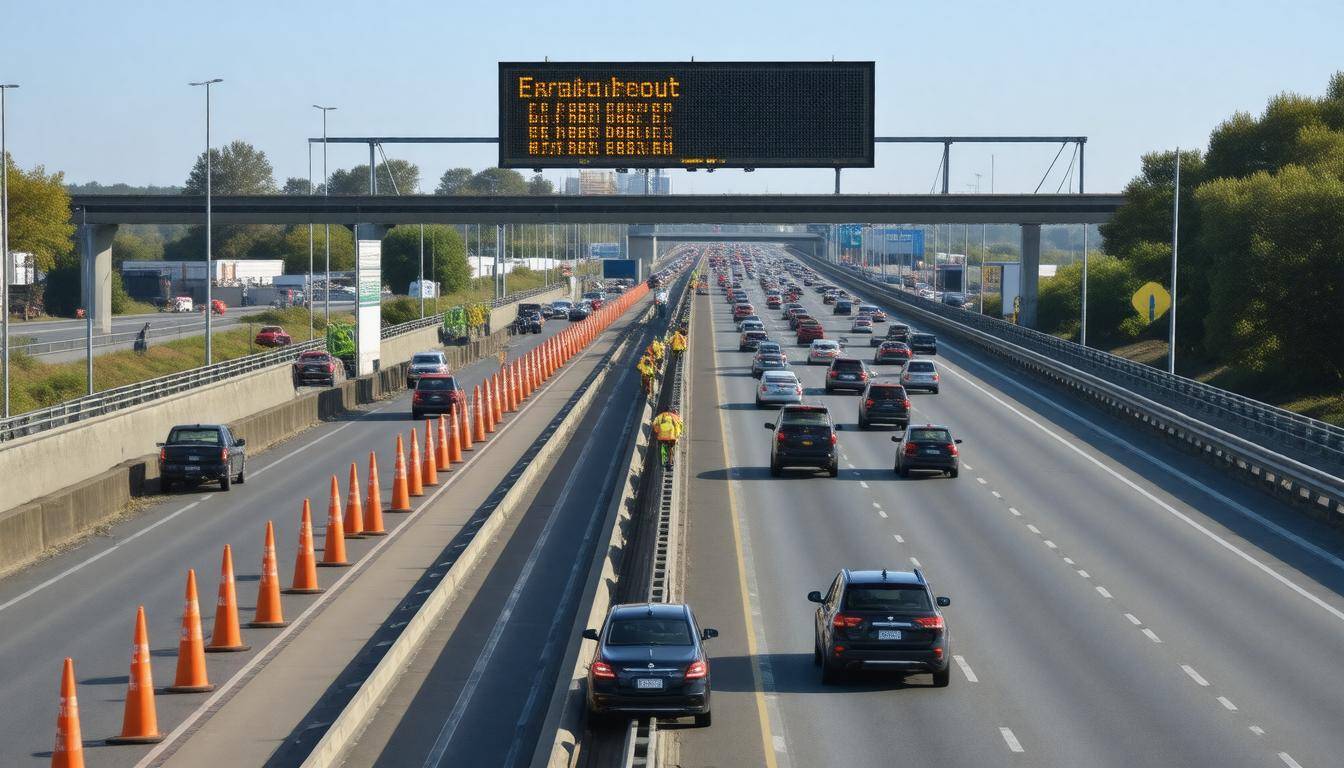
Maintaining a smooth traffic flow during an evacuation is more than a logistical challenge; it’s a matter of public safety and wellbeing. When large groups of people need to leave an area swiftly, every second counts. This is where effective strategies come into play, involving a combination of sophisticated technology and dedicated personnel on the ground.
Use of Intelligent Transportation Systems (ITS)
One key element in managing evacuation traffic is the incorporation of Intelligent Transportation Systems (ITS). These advanced traffic management systems utilize real-time monitoring methods such as CCTV cameras and traffic sensors to predict congestion points before they become major bottlenecks. Just imagine a virtual watchtower keeping an eye on every movement, making sure that any sign of trouble can be addressed before it escalates into gridlock. According to ITS America, cities that employ these systems have achieved up to a 20% increase in traffic efficiency during emergencies. The ability to adjust signals in real-time or reroute vehicles based on current conditions significantly helps to ease congestion and enhance safety.
“Real-time data can transform the way we manage emergencies,” says an urban mobility expert.
Human Element
While technology plays a pivotal role, we can’t overlook the human element in ensuring safe traffic flow. Trained personnel stationed along key routes can respond quickly to unanticipated situations that may arise during an evacuation. Whether it’s managing traffic at intersections or directing vehicles away from hazardous areas, their oversight is vital. Their quick judgment can often mean the difference between maintaining a steady flow and plunging into chaos.
Moreover, enhanced communication among responders is essential. If a problem is identified—say a tree blocking a road—the ground team must coordinate rapidly with emergency services to clear the route while keeping motorists informed of alternative paths.
Refining traffic management during evacuations requires blending these technological innovations with well-trained individuals who understand how to react effectively under pressure. With proper implementation, this synergy not only facilitates smoother evacuations but also ensures public safety remains paramount throughout the ordeal.
As we examine the tools and resources available for optimal coordination and communication during traffic management, let’s explore how these elements come together to support evacuation efforts effectively.
Traffic Management Tools and Resources

In any emergency situation, having the right tools at your disposal can mean the difference between chaos and order. Various resources play a pivotal role in ensuring efficient traffic flow on roadways, especially during evacuations. Among these, navigation apps stand out for their ability to provide real-time traffic updates. Apps like Waze and Google Maps not only guide users along the fastest routes but also offer information about congestion, accidents, or hazards ahead. The integration of user-generated data means that if an unexpected blockage occurs, other users will immediately receive alerts about alternative routes.
Additionally, Traffic Management Centers (TMCs) act as the eyes and ears of the roadway infrastructure. These centers monitor live traffic conditions and disseminate crucial information through push notifications that can reach drivers via apps or text messages. They serve as a reliable source for updates on road closures or significant delays, ensuring that drivers can make informed decisions before they even hit the road.
You might be surprised at how effective Highway Advisory Radios can be too; these systems broadcast live updates over AM/FM stations during critical situations when you need immediate information. Imagine being in your car, unsure about road conditions, only to hear vital snippets about accidents nearby or suggested detours while on your morning commute—this is precisely the kind of timely information that advisory radios provide.
Another essential resource is the use of Variable Message Signs (VMS). These electronic displays are strategically placed along major roads and highways, offering instantaneous visibility of current road conditions like detours or speed advisories. These signs can change dynamically; one moment they might warn of a lane closure due to construction, and the next, they could remind drivers to slow down in the event of adverse weather conditions. Their visibility helps prevent bottlenecks before they happen, allowing for smoother transitions during high-stress scenarios.
But let’s not forget: using these tools isn’t just about keeping up with traffic; it can also help avoid that dreaded ‘stuck-in-traffic-with-no-movement’ feeling we all know too well!
Each of these tools enhances our capacity for safer evacuations and informed driving decisions during emergencies. Understanding their functions and integrating them into our everyday travel habits paves the way for heightened preparedness and awareness on the road.
Communicating with the Public
Clear and effective communication is not just helpful during evacuations—it’s vital. During times of crisis, the clarity of your message can mean the difference between chaos and order. Imagine a scenario where an emergency arises, and instructions are barely heard or misunderstood. People get anxious, crowded roads become panicked highways, and confusion reigns supreme. Therefore, it’s crucial to establish multi-faceted communication strategies that reach everyone.
Utilizing Multiple Channels
To ensure that information flows seamlessly, authorities should utilize a combination of communication channels. This includes traditional media like TV and radio, which have consistently proven their reliability.
In tandem, digital platforms such as social media are essential; they breathe life into communication by enabling real-time updates that can be shared with just a click. For instance, mobile alerts serve as instant connections to individuals, cutting through noise with timely notifications.
“Imagine receiving a direct alert on your phone while stuck in traffic; that immediate communication could help guide you away from danger.”
Digital billboards play an important role too, offering real-time directions that can help pedestrians and motorists navigate chaotic environments safely. By broadcasting information through various outlets, you increase the chances of reaching diverse audiences effectively. As more people engage with different media, utilizing multiple platforms becomes crucial in ensuring that every individual has access to necessary information during emergencies.
Accuracy and Frequency
However, it’s not enough to simply spread the word; the accuracy and frequency of the information provided needs to be prioritized. During Hurricane Irma, continuous updates disseminated through social media and dedicated emergency apps allowed residents to make swift decisions based on real-time conditions outside their doors. These timely updates empowered individuals to act responsibly while remaining safe.
Consistency is fundamental in messaging as well; when messages are clear, coherent, and reliable, misinformation is less likely to take root. Structure your communications so that everyone receives the same accurate data at the same time—this unity helps mitigate panic and keeps later communications straightforward.
Engaging citizens before emergencies arise is equally important. Regular training sessions or community drills can keep them informed about procedures and channels used in crises. Incorporating routine reminders about your emergency plan fosters a proactive mindset among residents towards their safety.
Navigating these intricate communication strategies sets the stage for understanding how to manage traffic concerns after an evacuation event unfolds.
Post-Evacuation Traffic Handling
Once the immediate threat has subsided and it’s safe for residents to return home, several important considerations arise. Traffic management plays a central role in this phase, as the number of vehicles on the road can surge dramatically. It requires careful coordination and an understanding of how post-evacuation scenarios typically unfold.
Coordinated Return
To minimize congestion and chaotic conditions, it’s vital that authorities coordinate the return of evacuees. This involves staggering the return based on regions that were least affected first. By doing so, backups caused by too many cars attempting to funnel back at once can be avoided. Imagine this as a reverse evacuation; just as everyone left in a rush, they must now return with measured caution.
Traffic control points should be set up along these routes, allowing for better flow and improved safety.
As evacuees begin to make their way back, another critical step involves ensuring the safety of the roads themselves.
Inspecting Road Safety
Before allowing residents to return, thorough inspections of roads should be conducted. This includes checking for dangers such as debris from fallen trees, damaged bridges, or downed power lines. It’s essential that all hazards are cleared before any vehicles hit those roads again. Such inspections ensure safe passage and significantly reduce further accidents during this high-stress period.
Ensuring that routes are safe can also involve proactive communication with local utility companies and road maintenance crews to expedite necessary repairs or clearances. Being thorough here pays off by instilling confidence among returning residents.
Equally important is addressing the emotional toll that evacuations can bring upon individuals.
Psychological Support
The transition back home isn’t solely about physical safety; residents often face emotional challenges as well. The experience of evacuation can leave many feeling anxious or overwhelmed, making psychological support crucial at this time.
Setting up help desks along key return routes can offer residents not just logistical assistance but also a place to collect their thoughts and access emotional support. Trained professionals can provide reassurance amidst potential feelings of disorientation when entering familiar areas that might look different after an emergency.
Additionally, community centers and local agencies should be ready to assist families with resources such as food supplies or housing information while they readjust to their routines. By considering both traffic management and residents’ emotional wellbeing, authorities can create a smoother transition for everyone involved.
In summary, both strategic planning for traffic flow and emotional support are essential elements for successful post-evacuation management. Properly addressing these aspects ensures everyone’s safe return home is as seamless as possible.