
When volcanic eruptions threaten, it’s easy to feel overwhelmed by the chaos that unfolds. But being fully prepared can be your best defense against panic and uncertainty. A well-thought-out evacuation kit will not only ease your mind but also ensure you have the essentials necessary for quick action. In Luzon, where volcanic activity is a real threat, packing an effective evacuation kit could be the difference between safety and distress during a crisis. With my experience in preparing for emergencies, I’ve put together this complete guide to help you assemble a kit that meets your family’s unique needs—because when the ground shakes and ash clouds roll in, you want to be ready.
A Luzon volcanic eruption evacuation kit should include critical items such as bottled water, non-perishable food, first aid supplies, a flashlight with extra batteries, a whistle, protective masks to guard against ash inhalation, and important documents stored in a waterproof container. Additionally, ensure you have clothing suitable for changing weather conditions and any necessary medications for family members.
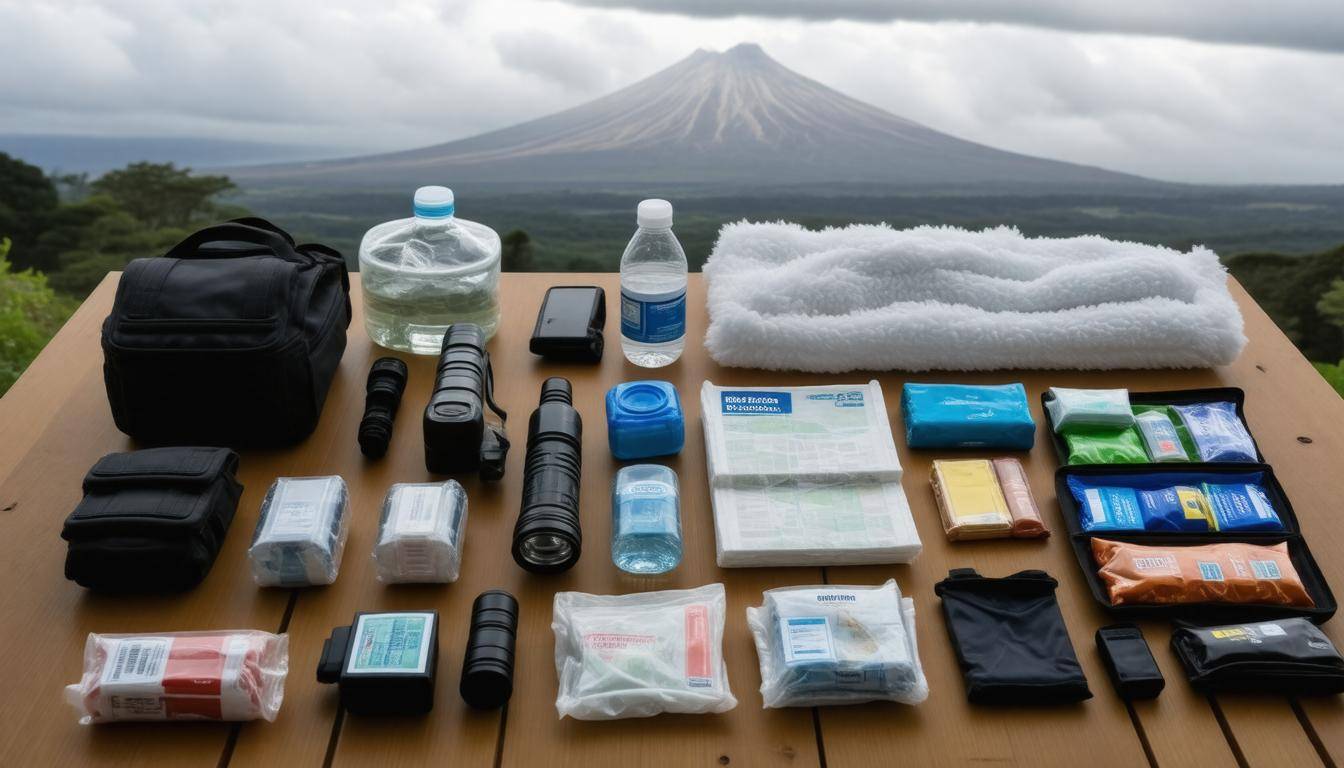
Essential Luzon Evacuation Kit Items
When it comes to your safety and well-being during an emergency, having the right items readily available in your evacuation kit can make all the difference. One of the most critical components is a First Aid Kit, which must contain essentials like bandages, antiseptic wipes, medical tape, pain relievers, tweezers, scissors, and any prescribed medications. Don’t forget to check the expiration dates on everything! As someone who has had their fair share of minor mishaps, I’ve learned that it’s better to be overprepared than to face an injury without proper supplies.
The next indispensable item is a reliable flashlight along with extra batteries. In case of power outages caused by ashfall or other disruptions, having light can not only help you navigate safely but also bring a sense of comfort. It’s worth investing in durable flashlights that come equipped with backup features because these small details matter when you really need them.
Let’s not overlook the value of a quality multi-tool in emergency situations. Think about it: whether you need to cut something, tighten screws, or open cans, a versatile tool can serve multiple purposes when you’re on the move. It’s like having an entire toolbox packed into one handy device. Opt for one that feels good in your hand and offers solid functionality.
Additionally, keeping your devices charged is crucial.
This brings us to yet another essential item: a portable charger or power bank. During emergencies, communication can be key for updates about your evacuation status or staying connected with loved ones. A high-capacity power bank allows you to charge your mobile devices under challenging conditions. Just think back to when storms knocked out power—being able to reach out for help was invaluable.
Lastly, don’t forget to pack emergency contact information. Having written contacts for family, friends, and emergency services is more important than many realize. In times of crisis when panic sets in, flipping through your phone might not be an option if the battery dies or if signals are lost in chaotic scenarios. Jot down key numbers on paper and keep them together with your emergency documents.
With these essential items securely packed away in your kit, you’ll be better prepared for the immediate challenges that may arise during a volcanic eruption. Now let’s shift our focus towards how to ensure you have adequate nourishment during such critical events.
Food and Water Supplies
It’s imperative to understand that food and water are not just important; they are lifelines in a crisis. Preparing at least a three-day supply of non-perishable food and water for each family member is crucial when planning your evacuation kit. This timeframe allows flexibility during emergency situations where you may face delays in reaching safety or accessing resources.
Think about items that are easy to pack, nutritious, and won’t spoil quickly. Canned goods, such as vegetables, fruits, and beans, provide not only calories but also vitamins to sustain you during trying times. Protein bars and dried fruits come in handy as well; they’re lightweight, compact, and provide quick energy boosts.
Don’t forget the simple yet vital can opener if you’re bringing canned foods. There’s nothing quite as frustrating as being hungry and having no way to open your meals. The same goes for ensuring proper utensils for food consumption—you wouldn’t want to find yourself needing a spoon only to realize it wasn’t included.
When it comes to water quantity, the Red Cross provides valuable guidance by recommending a minimum of one gallon of water per person per day. This recommendation covers both drinking and basic hygiene needs like washing hands or brushing teeth. Therefore, if you have four family members, you’ll need to carry at least 12 gallons of water for a three-day duration, which can get heavy fast. Consider using durable containers that won’t break easily so that your precious supplies remain safe.
Including water purification tablets is an excellent precautionary measure should your initial water supply run low. If you find yourself in a position where you need to access untreated water from natural sources or even stored supplies that may have been compromised, these tablets can ensure it’s safe to drink again. Remember to always check the expiration date of these tablets before packing them away and replace them as necessary.
With sustenance well-planned, shifting focus to how you can ensure your personal safety in times of crisis becomes paramount.
Personal Protective Items
Personal protective equipment (PPE) is your first line of defense in the chaotic environment created by a volcanic eruption. The fine volcanic ash can cause significant respiratory problems as it infiltrates the airways, impeding normal breathing and potentially leading to long-term health issues. This is why N95 masks are absolutely essential; they filter out particulates from the air, ensuring that you can breathe safely even when surrounded by ash-laden clouds. If you’ve ever experienced dust storms or been near construction sites, you’ll know just how quickly debris can become overwhelming—not to mention dangerous.
The importance of having the right gear can’t be overstated. Just like wearing a seatbelt reduces injury in case of an accident, using effective PPE minimizes exposure to hazards during a volcanic eruption.
Along with N95 masks, goggles are equally critical. They protect your eyes from both ash and larger debris that may be airborne. You might not realize it until faced with a cloud of fallout, but ash can irritate and damage your eyes quite severely if given the chance. Many prefer goggles with a snug fit and anti-fog properties to maintain clear visibility even in adverse conditions.
Next come the gloves, which provide essential hand protection when you need to move debris or handle rough materials in an emergency situation. Forgetting gloves can lead to cuts and scrapes that could be easily avoided, especially considering volcanic rocks can be both sharp and jagged.
It’s also worth noting that durable boots should not be overlooked. When navigating through unstable or uneven terrain littered with ash, these boots will bring much-needed traction and support. Look for those that provide ankle support and have slip-resistant soles; after all, no one wants to risk a sprained ankle while escaping danger.
Remember, investing in good protective gear isn’t merely precautionary—it’s about ensuring that you’re equipped to handle the unforeseen challenges that arise during such an emergency.
Lastly, don’t forget about helmets. With falling debris being one of the unpredictable hazards associated with seismic events, a sturdy helmet becomes incredibly valuable for head protection. Whether it’s from fragments expelled during eruptions or even collapsing structures around you, a helmet could make all the difference between safety and injury.
Now that we’ve established the essential personal protective items you should include in your evacuation kit, let’s transition into organizing these essentials so they are ready when you need them most.
Packing Tips for Your Kit
When preparing your Luzon volcanic eruption evacuation kit, it’s essential to pack it in a way that allows for quick retrieval and easy transportation. One key principle is to layer by use: place the items you’ll need first at the top of the kit. This might include essentials like your first-aid supplies, flashlights, and medications. Imagine reaching for your bag under pressure and finding exactly what you need without wasting precious seconds.
Furthermore, utilizing clear bags for organization adds another layer of practicality to your packing strategy. Not only do these bags allow you to quickly identify contents at a glance, but they also provide a waterproof barrier against any environmental moisture, keeping your items safe and dry. Choose sealable varieties that can easily be opened with one hand, which can be incredibly beneficial during an evacuation scenario.
Another important tip involves weight distribution within the kit. While packing, aim for a balanced load that prevents strain on your back or shoulders. Place heavier items close to the center of the backpack or nearest to your spine while ensuring lighter items are on the outside. This approach will help maintain your center of gravity and ensure comfort as you move.
Using travel-size items is also vital when it comes to maximizing space in your evacuation kit. Instead of full-sized toiletries, look for compact versions that take up less room but still offer the necessary functionality. Not only will this save space, but it will also reduce weight, allowing you to carry more essential supplies without overloading yourself.
It’s crucial to check the weight of your kit regularly; make sure it isn’t too heavy for you to carry over long distances. A well-packed evacuation kit should weigh comfortably enough that you can walk swiftly if needed. If it feels cumbersome, consider reassessing its contents and prioritizing what’s truly essential.
Utilizing these strategies ensures effective preparation for potential emergencies. Transitioning from packing a well-organized kit leads us to explore how families can create their own robust plans in critical situations.
Family Emergency Plans
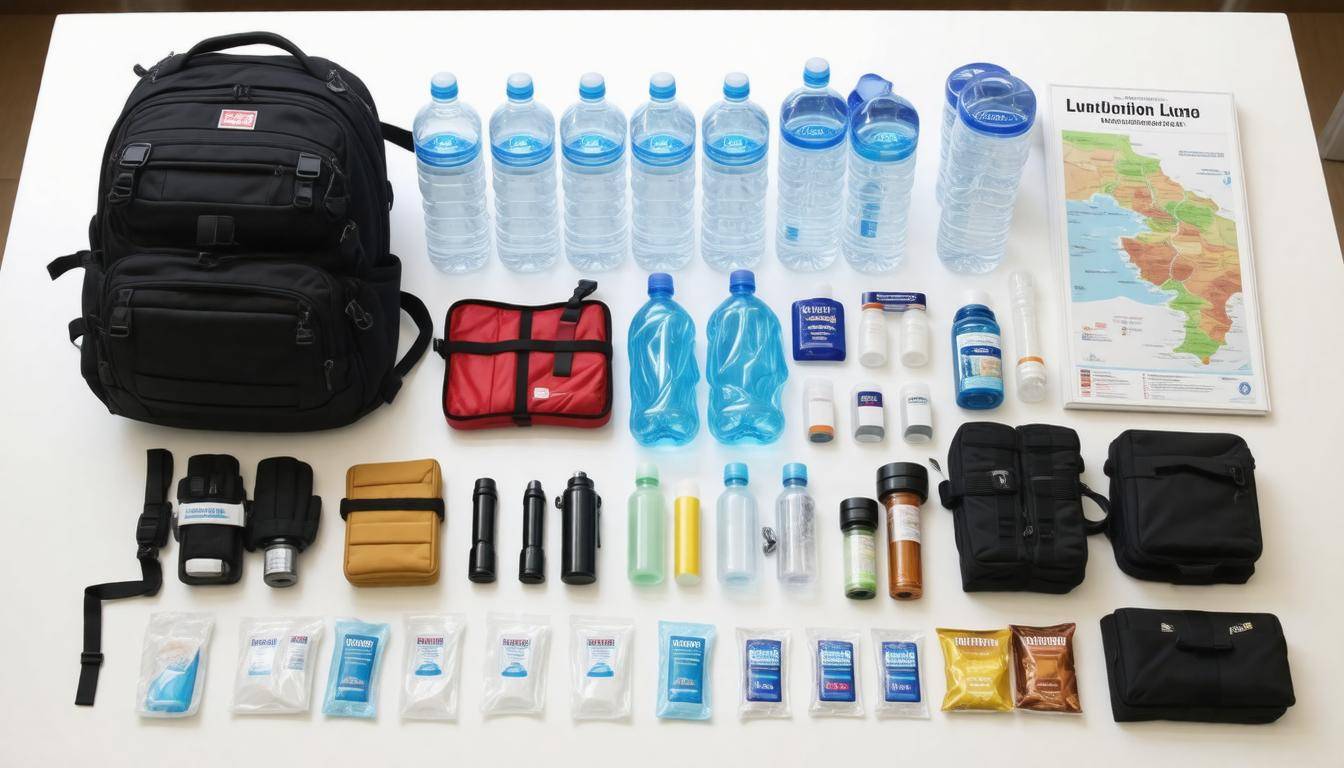
A family emergency plan serves as a lifeline when chaos strikes, giving each member clarity on their roles and responsibilities. It’s essential to have open conversations with all family members, outlining specific actions everyone must take. Involving everyone in the discussion fosters a sense of unity and preparedness that can significantly alleviate anxiety in high-stress situations.
Creating a Family Plan
Designate a Meeting Place:
First off, agree on a safe, predetermined location outside of the danger zone where everyone can gather. This could be a neighbor’s house, a community center, or even a park that’s well outside the reach of volcanic activity. The key here is to choose a spot everyone knows and can easily access without confusion. For instance, if your home is on one side of town and your emergency meeting place is on the opposite end, make sure everyone understands the best routes to take.
Once you’ve chosen this meeting point, it’s time to move on to communication strategies.
Communicate:
In emergencies, communication can become chaotic. Before trouble arises, establish how your family will stay in touch. Ensure everyone has the necessary contact information for each other and outside emergency contacts—perhaps relatives who live further away. Use technology wisely; consider creating a group chat or using messaging apps designed for emergencies so that everyone stays informed.
Communication alone isn’t enough; assigning tasks helps streamline your efforts.
Assign Roles:
Efficiency during an evacuation is vital. Assign specific responsibilities based on each person’s strengths. Perhaps one family member is good at gathering important documents while another excels at keeping calm under pressure or taking care of pets. Clearly defined roles help keep things organized and empower individuals to take action confidently in stressful moments.
Finally, preparation doesn’t stop with planning; it requires practice as well.
Practice Drills:
Create a habit of practicing your evacuation plan regularly. Conduct drills just like fire drills at school; rehearse what needs to be done step-by-step and ensure that every member feels confident in their role. These practice sessions are invaluable as they familiarize families with the plan and promote muscle memory when it’s time for serious action. Enjoyable yet informative, you could even turn it into a game to motivate younger family members.
Remember, the more prepared you are ahead of time, the smoother your response will be when faced with an unforeseen emergency like a volcanic eruption. Regularly updating this plan ensures it evolves alongside your family’s needs as circumstances change over time.
With these foundational elements in place, you’ll be poised for effective response should the unthinkable occur. Next, let’s explore how to navigate critical pathways and gather safely during an evacuation.
Evacuation Routes and Assembly Points
Knowing your exit strategies can mean the difference between safety and chaos. First things first, familiarize yourself with the local government’s designated evacuation routes; they are meticulously planned to ensure up-to-date safety protocols. These routes have been designed to minimize risks and often lead directly to assembly points equipped to handle evacuees. Active participation in drills, if available, can help rehearse these routes, offering you a sense of confidence when it becomes necessary to navigate them.
The assembly points themselves are critical hubs where families can regroup after evacuating. They serve as collection areas equipped with resources such as drinking water, food supplies, and medical attention. Familiarizing yourself with these points beforehand can ease anxiety during a chaotic situation. Luzon has identified several reliable assembly areas including schools, community centers, and open spaces like sports fields—these locations offer ample room for people to congregate while still providing vital aid.
| City | Evacuation Route | Assembly Point |
|---|---|---|
| Manila | Main roads to the east | Quirino Grandstand |
| San Fernando, La Union | Southbound via MacArthur Highway | City Plaza |
| Legazpi City | Use the Bicol Access Road | Albay Astrodome |
Each city in Luzon has its own specific evacuation guidelines tailored to the needs of its residents. Make sure you have access to this information on hand, be it through printouts or saved on your smartphone. Carrying a printed map can also come in handy, particularly when cell services may become unreliable during an emergency situation.
Planning ahead is crucial; regular checks of route conditions can contribute significantly to ensuring that you’re ready on the day that counts. Knowing where construction zones might block passage or if alternative paths exist will further fortify your plan.
Moreover, staying updated with real-time alerts from local news or emergency notifications can keep you informed about any changes to established routes or new hazards to avoid. It might also be beneficial to set up a family communication plan where all members are briefed on expected meet-up locations in case separation occurs during evacuation.
Understanding these critical evacuation logistics will set the groundwork for safe movement during an emergency. Being prepared now allows you to respond effectively when the unexpected happens.
Tips for Safe Evacuation
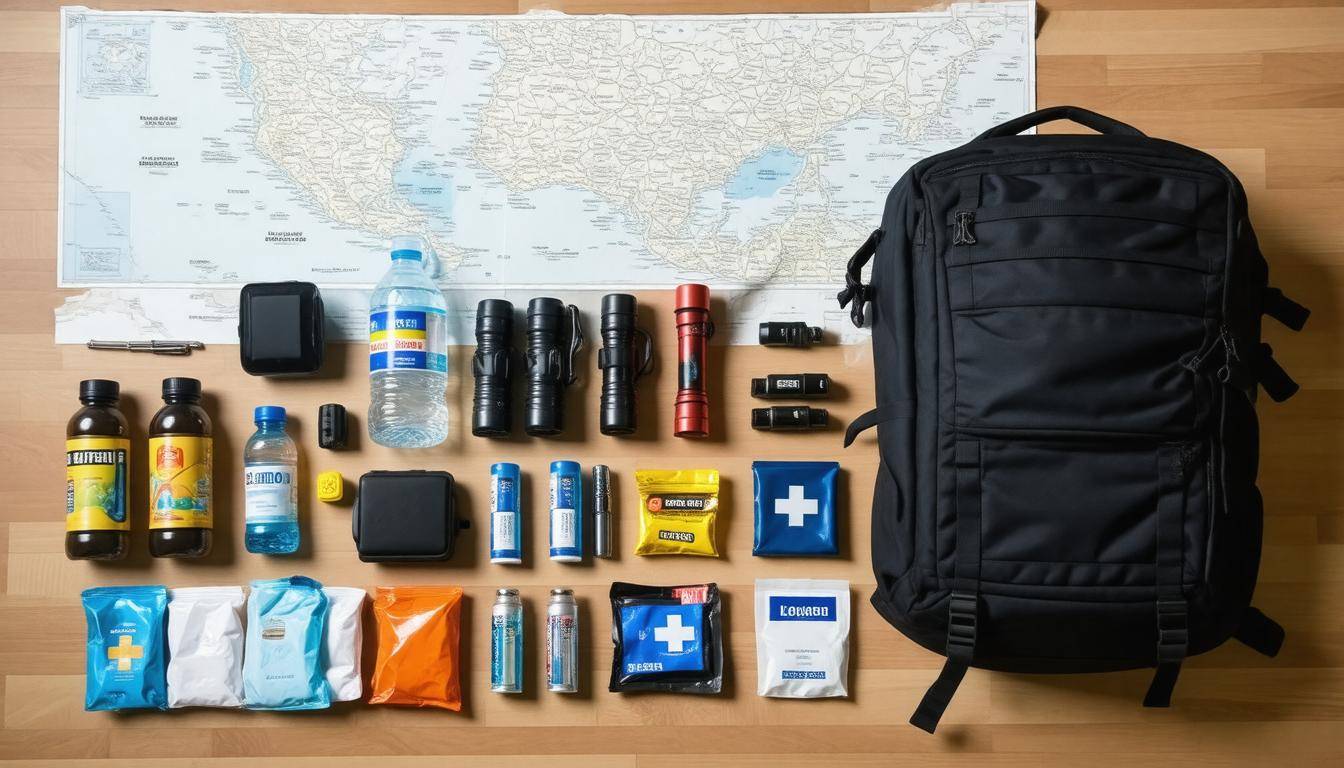
During an evacuation, keeping safety as a priority can make all the difference. The first piece of advice that cannot be overstated is to stay calm. Panic can lead you to make hasty decisions—like forgetting essential items or taking dangerous risks on uncertain terrain. Taking deep breaths and reminding yourself to keep focused will help ensure you think clearly and act rationally.
Following this, it’s crucial to follow authorities. Keep an ear out for instructions from local emergency services or any public announcements. They possess the knowledge and training necessary to guide you safely through an emergency, often providing critical information that could save lives. Do not dismiss their directives simply because they might differ from your preconceived plan.
On top of staying updated, it’s vital to remain informed. Leverage technology at your disposal; mobile apps and local radio stations are excellent resources for real-time updates on volcanic activity and changing conditions on the road. This might include potential road closures or changes in air quality due to ash fall. Being informed allows you to make decisions when navigating your route.
As you prepare to evacuate, remember to avoid overloading vehicles. It can be tempting to pack everything you think you might need; however, excess weight can hinder your vehicle’s mobility, making it harder to maneuver through traffic or reach your destination safely. Focus instead on what you absolutely need—such as vital documents, medications, food, and water. Efficiency matters in emergencies.
Lastly, keeping to designated routes is crucial during an evacuation. While the urge may arise to take shortcuts—especially if you’re familiar with the area—it’s important only to take detours if you are certain they are safe and passable. Designated routes have been vetted for safety and traffic patterns during emergencies; veering off won’t just add unnecessary risk but may also delay your escape.
By remaining calm and informed while following proper channels and approved evacuation routes, you set the stage for an organized escape. Let’s now turn our focus toward ensuring that your kit remains ready and relevant over time.
Regular Kit Maintenance and Updates
An evacuation kit is only as good as its condition. Regular maintenance and thoughtful updates are essential to ensure it’s ready when you need it most. Think of it like maintaining a vehicle: if you neglect routine checks, you may find yourself stranded at the worst possible moment. To prevent such situations, here are some practical maintenance steps to keep your evacuation kit effective and up-to-date.
Maintenance Steps
Schedule biannual checks of your kit. Every six months is ideal for this task; it sets a routine to look through all the items. Check for expired medications and food items, replacing them as necessary. Don’t forget to update emergency contact information as phone numbers can change over time, ensuring that all family members have access to these details.
Conduct seasonal adjustments to the contents of your kit. For colder months, pack warmer clothing essentials like thermal layers, gloves, and hats. For hotter months, consider including additional hydration supplies and lighter clothing options to help keep you cool. Tailoring your kit to the seasons not only provides comfort but also enhances safety when evacuating under varying weather conditions.
Maintaining a robust evacuation plan doesn’t end with personal preparation; it also involves ensuring that everyone in your household knows what to expect.
Next comes the necessity of conducting a family review concerning both the kit’s contents and your evacuation plan. Regular discussions about what’s in the kit and where it’s located can foster confidence during emergencies. This ensures younger children understand what they need to bring during an evacuation while reminding adults of their responsibilities. Familiarity with this process helps reduce panic when every second counts.
Update Based on New Information: Stay informed regarding changes or new recommendations from local authorities related to emergencies. Sometimes new hazards might emerge based on recent events or government advisories, potentially requiring modifications to what’s included in your kit. Keeping abreast of these developments ultimately bolsters your family’s preparedness.
Are you ready? Keeping your evacuation kit updated can make all the difference during a volcanic eruption emergency.
Preparation today can lead to peace of mind tomorrow, ensuring both safety and security for you and your loved ones.