
When emergencies strike, every second counts. But for individuals with mobility impairments, that urgency can feel even more daunting. Evacuating safely requires careful planning and teamwork, ensuring that no one is left behind in a crisis. This guide takes you through the essential components of a Mobility Impairment Evacuation Plan, highlighting steps to create a safe and accessible environment for all. With thoughtful preparation and clear communication, we can transform panic into preparedness, making sure everyone knows how to navigate emergencies effectively.
The “Mobility Impairment Evacuation Plan: Complete Guide” covers essential strategies for ensuring safe and efficient evacuations for individuals with mobility challenges, including preparation steps, response strategies, and special considerations. It emphasizes the importance of communication, accessibility assessments, and training staff to assist those in need during emergencies.
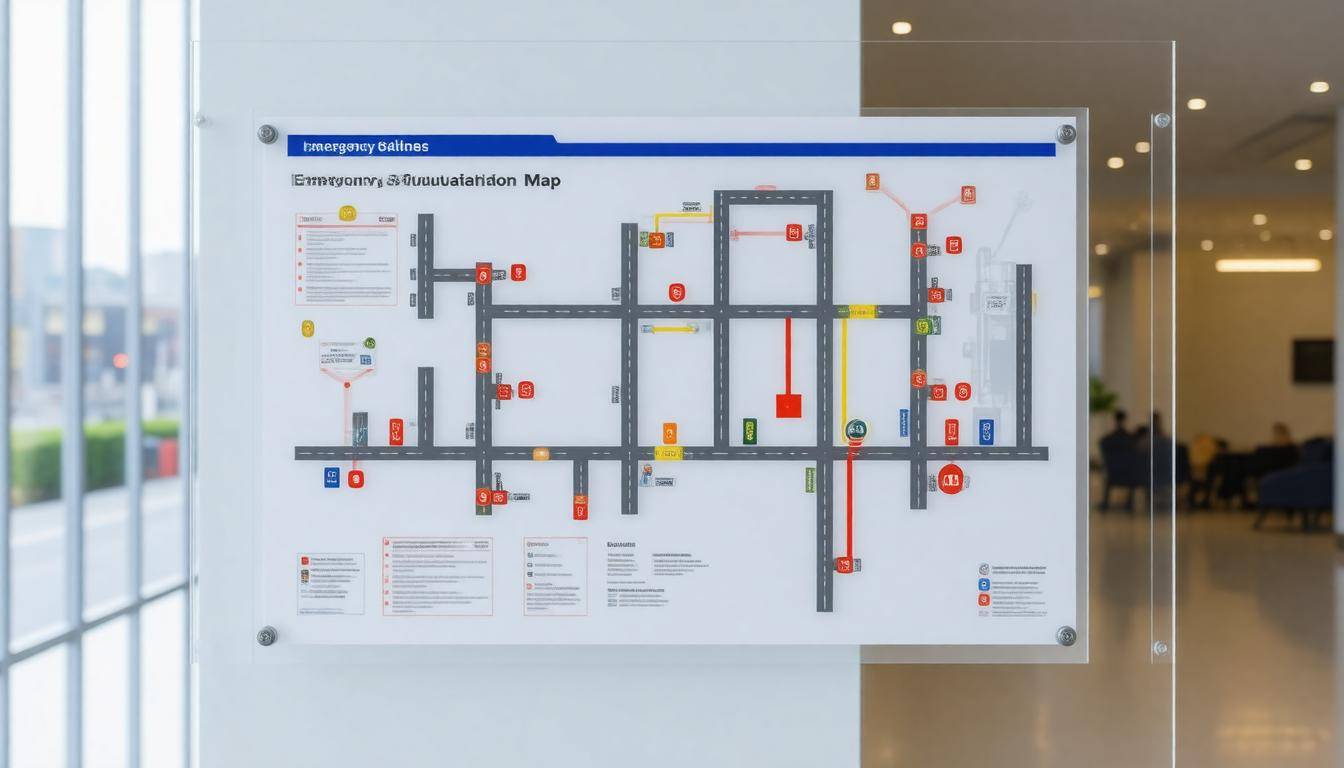
Key Evacuation Components
Plan Framework
A robust evacuation plan framework is the backbone of ensuring that everyone, especially those with mobility impairments, can exit safely during an emergency. It starts with identifying responsible personnel who will oversee the evacuation process.
Beyond assigning roles, it’s essential to outline clear and precise evacuation procedures. This means not only having detailed maps of escape routes but also ensuring they are compatible with local regulations. A well-crafted plan aligns with legal standards and considers various needs, leading to inclusivity and safety for all. According to the National Fire Protection Association, effective implementation of such plans has been shown to significantly reduce injury rates by up to 50%.
Among the most crucial aspects of this framework is creating a detailed map outlining emergency exits.
Equipment Accessibility
Equipment accessibility plays an equally pivotal role in an effective evacuation strategy. To ensure safety, specialized evacuation equipment—such as evacuation chairs—should be easily accessible at strategic locations throughout the facility. This minimizes delays when every second counts.
It’s important to remember that simply having the equipment available isn’t enough; staff must be well-trained in its use.
Conducting quarterly training sessions on how to operate these pieces of equipment will build confidence and competence among staff members. Many successful organizations have integrated regular drills simulating real-life situations for practicing evacuation chair usage. These exercises not only familiarize employees with the logistics but also strengthen their interdepartmental communication under stressful circumstances.
The proactive approach not only improves individual preparedness but also fosters a culture of awareness throughout the organization.
Enhancement of communication methods during emergencies ties seamlessly into ensuring both readiness and execution efficiency when evacuating individuals requiring additional assistance.
Identifying Safe Exits
Safe exit identification is crucial for a successful evacuation during an emergency. It’s not just about knowing where to go; it’s ensuring that everyone can get there without hindrance. Creating and maintaining accessible routes means assessing every exit point for potential barriers and ensuring pathways are clear at all times. There’s nothing more unsettling than needing to escape only to find your way blocked or dangerous.
Accessibility Assessment
Regular accessibility assessments are essential. By routinely checking all designated exits, you ensure that they remain wheelchair-friendly and free from obstructions. Picture this: a hospital in Ohio realized one of its designated exits had a step leading up to it, rendering it inaccessible for many patients in wheelchairs. Quick action was taken; they installed a ramp to rectify the situation immediately. This instance demonstrates how simple modifications can have profound effects on safety.
In addition to checking for physical barriers, it’s also vital to consider transitions between different surfaces. For example, ramps should have smooth transitions and be built with appropriate slopes—ideally not exceeding a 1:12 pitch—to avoid difficult ascents or descents. Remember, the minimum width of accessible exits should be 32 inches (81 cm) to comfortably accommodate wheelchairs. Regular checks will help maintain these standards and ensure everyone’s safety during emergencies.
But identifying exits is not enough if they are not clearly marked.
Marking and Maintenance
Effective exit signage is paramount in guiding individuals toward safe egress points. A well-thought-out approach involves installing clear, visually distinct signage coupled with adequate lighting. Research shows that a study by the University of Maryland found that nearly 75% of people were able to locate an exit quicker when it was well-lit and properly marked. This statistic emphasizes the need for visibility—during an emergency, stress levels are high, and confusion reigns; clear indications of safe routes can make all the difference.
Furthermore, consider incorporating Braille and raised characters into your signage to cater to individuals with visual impairments. Signs should be positioned at a height of 48 inches (122 cm) from the floor so that they are easily accessible to everyone. Beyond just initial installation, regular maintenance of signs is critical; keep them clean and replace any faded or damaged signs promptly.
With the right strategies in place for identifying safe exits and ensuring accessibility, we can enhance our overall emergency planning efforts. Next, let’s explore effective systems for communication that ensure everyone knows how to navigate these safe paths during a crisis.
Creating Communication Systems
An efficient communication system serves as the heartbeat of your mobility impairment evacuation plan. This system not only ensures that everyone is informed about safety protocols but also caters specifically to the unique needs of individuals with mobility impairments.
To achieve this, it’s essential to implement multi-channel communication strategies that address diverse needs, ensuring that no one is left in the dark during critical situations.
Multi-Channel Communication
Utilizing various communication channels is a powerful strategy for keeping everyone informed. Imagine a scenario where emergency notifications are sent out through emails, followed closely by text messages and loudspeaker announcements. This layered approach helps reach individuals in multiple ways, accommodating different preferences and ensuring that important information doesn’t slip through the cracks.
A study from New York illustrated just how impactful this can be; by employing both loudspeakers and texts during emergency drills, they were able to cut down on response times by 20%. Such statistics underline the potency of a comprehensive communication strategy.
Yet having diverse channels at our disposal is only half the battle in ensuring effective communication.
Alerts and Notifications
Automated alert systems play an equally crucial role in improving communications during an emergency. These systems should be designed specifically to cater to individuals with mobility impairments, sending instant notifications about emergencies directly to their devices. The feasibility of such systems is backed by data from the Emergency Management Journal, which notes that automated alerts can slash notification times by as much as 40%.
Imagine receiving timely updates directly to your smartphone or watch, allowing you more time to react appropriately.
Think about it: wouldn’t you prefer knowing your escape plan before the smoke begins to creep under the door?
It’s also wise to think about how these notifications are delivered. For example, providing captions for auditory alerts or using flashing lights alongside verbal instructions can ensure that people with hearing impairments get critical information without delay. Similarly, tactile alerts—vibrations or prompts on mobile devices—can reach individuals who may not notice visual or auditory signals.
Clearly, crafting robust communication systems isn’t merely an afterthought; it’s a vital element of effective planning.
Creating a responsive communication framework involves implementing multi-channel approaches and automated alerts tailored for everyone’s unique needs. By anticipating challenges and addressing them head-on with thoughtful communication strategies, we foster an environment where safety is prioritized and everyone has a clear escape route during emergencies.
With communication systems set in place, the next crucial step involves equipping staff with the right knowledge and skills to handle emergencies effectively.
Training Programs for Staff
Training programs are fundamental in ensuring that all personnel are equipped with the skills they need to assist during an evacuation. The importance of this preparation cannot be overstated. Regular training not only builds confidence within your team but also directly enhances the safety and effectiveness of evacuations. A study revealed that consistent training can improve evacuation efficiency by a staggering 30%.
Importance of Regular Training
To put this into perspective, employees who participate in regular evacuation drills become familiar with procedures and learn how to handle unique challenges during an emergency, such as assisting individuals with mobility impairments. As a best practice, it’s recommended to schedule quarterly training sessions that cover various essential topics. These sessions should address everything from the proper use of evacuation equipment to emergency communication protocols and the specific needs of individuals requiring assistance.
“Our quarterly training ensures everyone knows exactly what to do, reducing panic and confusion during actual emergencies.” This testimonial from a staff member at a California-based firm highlights how effective training fosters readiness and cooperation among employees.
Customized Role Assignments
Another crucial aspect of effective training is the implementation of customized role assignments. By designating specific roles—such as floor wardens or buddy assistants—you ensure that every team member knows their responsibilities during an emergency. These roles create a system of accountability where each staffer is recognized as integral to the safety of those requiring extra assistance. Such structured responsibilities clarify expectations and provide reassurance that no individual will be left behind when panic sets in.
Furthermore, these roles should align with personalized evacuation strategies for those with mobility impairments. For instance, buddy assistants might be trained specifically on using evacuation chairs while floor wardens could focus on checking specific areas for unaccompanied individuals. This tailored approach cultivates an environment where support is readily available, reinforcing a community commitment to safety.
As we transition to examine the next phase, remember: creating a culture of preparedness through training equips everyone with the confidence and knowledge needed to respond effectively in critical situations.
Executing the Evacuation Plan
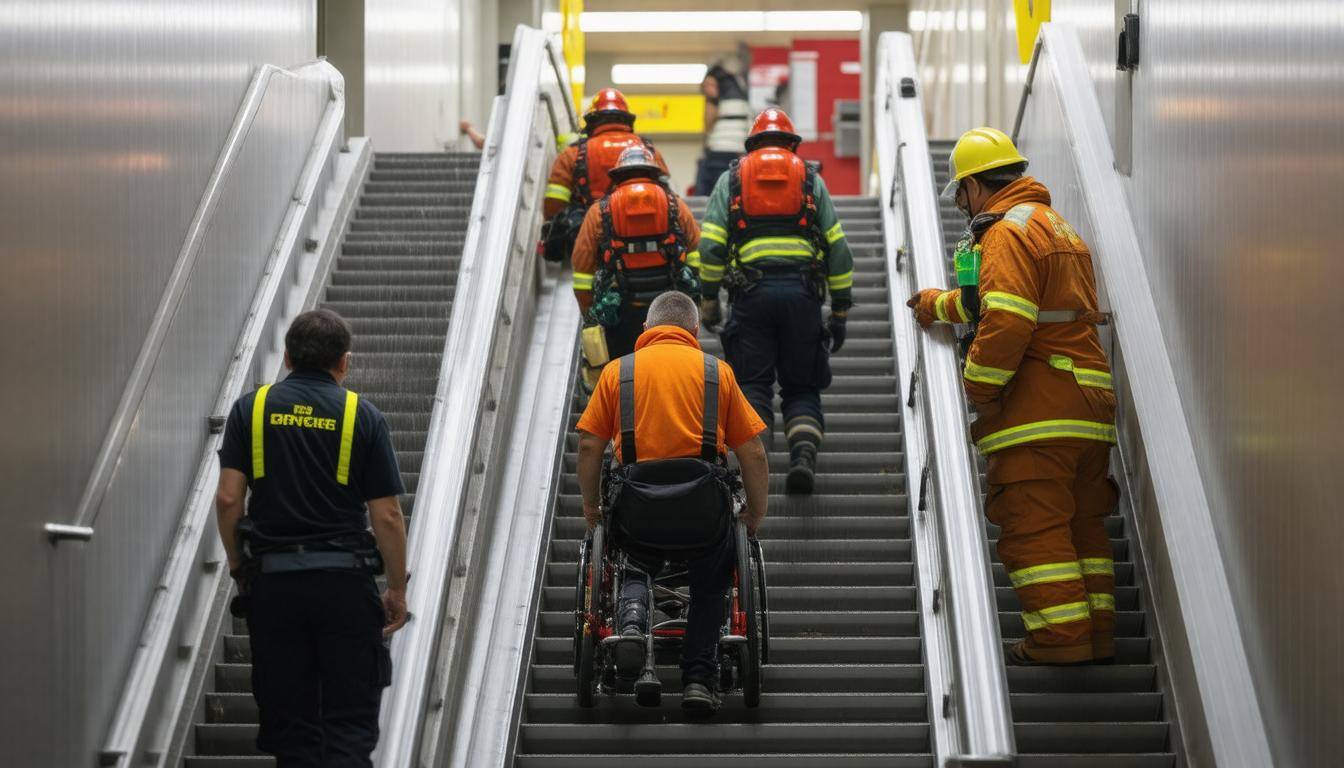
The execution of your Mobility Impairment Evacuation Plan should be both comprehensive and precise. It is essential that all team members are familiar with the protocol to respond effectively when the need arises. Smooth execution is not only about speed; it’s about ensuring safety, clarity, and confidence for everyone involved.
Conducting Drills
Regular evacuation drills aren’t just a formality—they’re an opportunity for your team to practice the procedures outlined in your evacuation plan. Scheduling these drills will help solidify everyone’s understanding of their roles and responsibilities while highlighting any weaknesses in your strategy.
During these drills, it’s important to follow certain key steps to make the process run efficiently. One major step includes activating the emergency alarm, which serves as a critical signal for everyone to begin evacuating. Following that, staff should guide individuals towards safe exits, taking care to communicate clearly and calmly. If the situation requires it, utilizing evacuation chairs becomes necessary, especially for those needing additional support to exit safely.
Remember: Drills help create familiarity among individuals with mobility impairments, allowing them to understand their options and feel more prepared during real emergencies.
While conducting these drills is vital, paying close attention to how they unfold can be even more impactful.
Monitoring and Evaluation
Effective monitoring starts during your drills. Using video recordings and having observers take notes can reveal whether your evacuation plan meets its goals. Observers can listen for communication effectiveness, assess the timing of actions taken, and note any confusion among participants.
Your analysis of these records will prove invaluable. Are there spaces where bottlenecks develop? Do personnel understand their roles sufficiently? Assessing these factors allows you to refine the plan and tackle any lapses in procedure before a real emergency strikes.
The goal here isn’t just to pass an inspection but to genuinely prepare everyone involved for scenarios that may arise during an unexpected crisis. Remember the statistics—evacuation times can be significantly longer for individuals with mobility impairments compared to those without. Thus, a well-practiced plan is crucial in ensuring everyone’s safety.
With this strategic foundation laid out, we can now explore what happens after individuals have successfully evacuated during an emergency.
Post-Evacuation Steps
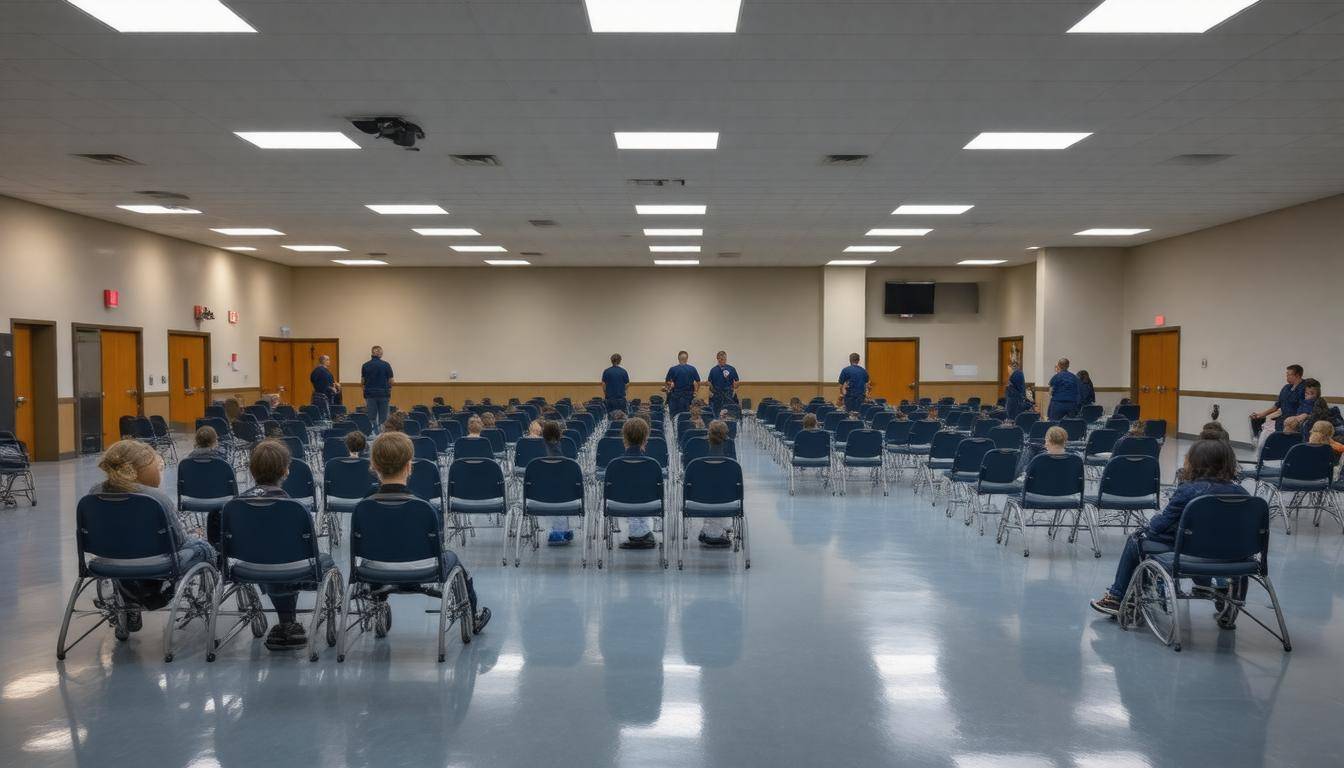
First and foremost, after evacuating, it’s essential to relocate individuals to a designated safe area. This space should be free from hazards and easily accessible for those who may still have mobility limitations. Creating a safe haven helps ensure comfort while allowing emergency personnel to perform their duties effectively. A designated safe area should be equipped with necessary medical supplies and assistance options.
Shelter and Accounting
Once everyone is gathered in the safe area, taking accurate attendance becomes critically important. Confirming everyone’s presence reassures anxious individuals that they are safe and ensures that emergency services can accurately conduct their assessments. Many institutions find methods like roll-calling or headcounts effective in this regard.
Speaking from experience, I’ve seen settings where teachers and administrative staff effectively use lists to quickly tally everyone present following an evacuation drill; this practice assures both staff and students of safety while enabling prompt reporting of any missing persons.
Following accounting for everyone, facilitate a debriefing session as soon as possible.
Debriefing and Feedback
Conducting a debriefing session provides an invaluable opportunity to gather feedback from all participants about their evacuation experience. This step is vital for identifying strengths and weaknesses within your evacuation plan. Engaging individuals in open discussions about what worked well can buoy morale and reassure them that their voices are important. Conversely, discussing challenges faced during the evacuation will highlight areas needing improvements or adjustments.
“Feedback is a gift.” – a motto that rings particularly true in emergency preparedness.
Documenting this feedback enhances the immediate response strategy and contributes to developing long-term action plans for future drills and actual emergencies. By incorporating insights from various perspectives, including those who require mobility assistance, you foster an environment of inclusivity and thoroughness.
Continual collaboration among all parties involved in planning can lead directly to significant improvements in safety protocols and overall effectiveness of emergency strategies.
Supporting Mobility Needs
When considering how to support individuals with mobility impairments during evacuations, it’s crucial to establish specific provisions that cater directly to their unique requirements. These accommodations can significantly enhance the safety of everyone involved.
For instance, tactile paving is an excellent example—a simple yet effective solution that can make a world of difference for visually impaired individuals navigating towards exits. By incorporating such features into the design of evacuation routes, we create an inclusive environment that fosters confidence and understanding amid emergencies.
Research from the Journal of Disability Policy Studies indicates that implementing such accommodations can improve evacuation speed by up to 15%. This means a quicker, safer escape for individuals who may otherwise struggle to navigate through crowded or chaotic environments. This improvement isn’t just about speed; it’s about empowering individuals with disabilities to participate fully in emergency drills and actual emergencies without feeling vulnerable.
Next, it’s essential to consider other practical strategies that bolster the efficacy of evacuation plans.
Effective communication is vital during an evacuation. Individuals with mobility impairments may need tailored instructions for evacuating safely. It’s not sufficient to merely state “exit this way”; rather, clear, detailed guidance is essential. Using both verbal instructions and visual aids can be beneficial—think about installing digital displays that illustrate exit paths or providing mobile apps that guide users through the evacuation process step by step.
Furthermore, collaboration with those who require these accommodations is just as critical. Such dialogues lead to personalized evacuation plans where individuals can express their preferences for assistance and outline potential barriers they might encounter during an emergency. When people actively involve themselves in developing these plans, not only do we address accessibility issues, but we also instill a sense of empowerment in participants.
As the plan comes together, logistical considerations become paramount for any successful mobilization strategy.
One practical step involves consistently documenting each person’s abilities and needs within an evacuation log. This log acts as an efficient reference during emergency situations, helping personnel easily identify which individuals require immediate attention and what kind of assistance they may need. Moreover, integrating systems like buddy systems effectively ensures that personnel are actively checking on colleagues who may require extra support during an emergency.
In practice, a well-structured buddy system fosters teamwork while creating an additional layer of safety for all involved; just imagine two colleagues assisting each other—it not only enhances security but promotes a sense of community and mutual responsibility.
Beyond these considerations, it’s also helpful to assess structural logistics continually. Regular evaluations ensure that all evacuation routes remain accessible and devoid of barriers that could impede movement, such as furniture or equipment. Program regular drills that include individuals using mobility aids, so staff gain invaluable experience in managing diverse needs effectively.
By fostering an environment where everyone’s needs are considered, we take significant steps towards ensuring the safety and effectiveness of our emergency strategies.
With these essential components in place, enhancing overall procedures can further improve our readiness and response capabilities during emergencies.
Enhancing Evacuation Protocols
Continual improvement of evacuation protocols is essential, especially for individuals with mobility impairments. Safety doesn’t just happen; it needs to be built into your plans and procedures. A significant part of this involves ensuring that everyone involved in the evacuation process understands how to assist those who need help, making the experience smoother for everyone.
Feedback Loop Implementation
One effective strategy is creating a robust feedback loop where both staff and individuals can contribute their experiences and suggestions for improvements. This isn’t merely about collecting opinions; it’s about actively engaging with the community to refine emergency plans based on real-world insights. By taking these suggestions seriously, you create a living document—a plan that evolves rather than remains static.
It’s advisable to schedule regular meetings or surveys, perhaps once every semester, to allow for fresh ideas and persistent evaluation of the current plan. Note-taking during discussions can reveal weaknesses previously unconsidered and inspire new strategies. Sharing any changes made in response to feedback shows that voices matter and encourages further participation!
Integration of New Technologies
In an age where technology offers innovative solutions daily, why not apply these advancements directly into your evacuation protocols? Imagine utilizing real-time location tracking systems that could pinpoint exactly where individuals are during an emergency and guide them along the safest evacuation routes. Real-time data is invaluable for ensuring safety, especially for individuals with mobility impairments.
For instance, one university took a forward-thinking leap by integrating AI technology to predict potential bottlenecks in their existing evacuation plans. With simulation models analyzing movement patterns, their team identified specific choke points where foot traffic tends to stall, leading to updates in their paths and protocols. The result? A marked increase in overall efficiency during drills and actual emergencies alike, providing peace of mind to both individuals with mobility needs and emergency responders.
These enhancements—feedback loops and advanced technology—don’t just improve responsiveness; they also create an inclusive culture that fosters safety awareness across the entire community. By taking proactive measures, you’re genuinely prioritizing everyone’s well-being in challenging moments.
In closing, we recognize that effective evacuation plans for individuals with mobility impairments are vital for ensuring safety during emergencies. By fostering continuous improvement and leveraging technology, we can build a safer environment for all.
What role do first responders play in executing an effective mobility impairment evacuation plan?
First responders play a crucial role in executing an effective mobility impairment evacuation plan by ensuring the safety and accessibility of individuals with disabilities during emergencies. They are trained to assess situations quickly, provide necessary assistance, and utilize specialized equipment to facilitate safe evacuation. Statistics show that timely intervention by first responders can reduce injury rates among people with mobility impairments by up to 50%, highlighting the importance of their role in emergency preparedness and response efforts.
What key features should be included in a comprehensive mobility impairment evacuation plan?
A comprehensive mobility impairment evacuation plan should include key features such as designated evacuation routes that are accessible, trained personnel to assist individuals with mobility challenges, and readily available equipment like wheelchairs or other mobility aids. Additionally, regular drills and clear communication about procedures are essential for preparedness. According to the National Fire Protection Association, nearly 12% of the population has some form of mobility impairment, highlighting the importance of including these considerations to ensure safety for all during emergencies.
Are there specific legal requirements that facilities must meet regarding evacuation plans for individuals with disabilities?
Yes, facilities are required to comply with the Americans with Disabilities Act (ADA), which mandates that evacuation plans accommodate individuals with disabilities. This includes ensuring accessible routes and providing necessary assistance during emergencies. According to the National Fire Protection Association (NFPA), approximately 26% of adults in the U.S. have some form of disability, highlighting the importance of inclusive safety measures for effective evacuation planning. Compliance not only protects lives but also mitigates legal liability for facilities.
How can businesses and public facilities improve their evacuation procedures for people with mobility challenges?
Businesses and public facilities can improve their evacuation procedures for people with mobility challenges by implementing clear signage, installing ramps and elevators, conducting regular evacuation drills that include mobility-impaired participants, and training staff on specific assistance techniques. According to a study by the National Fire Protection Association, over 40% of individuals with disabilities feel that emergency procedures do not adequately consider their needs. By proactively addressing these concerns, organizations not only comply with legal obligations but also foster an inclusive environment that enhances overall safety for everyone during emergencies.
How can individuals with mobility impairments prepare their own personal evacuation plans?
Individuals with mobility impairments can prepare their personal evacuation plans by identifying accessible routes, creating a network of support with family or neighbors, and assembling an emergency kit tailored to their needs, including mobility aids and medications. It’s crucial to practice the plan regularly and ensure that all involved parties are aware of their specific requirements. According to the National Fire Protection Association, nearly 1 in 6 people in the U.S. has some form of disability, making it essential for those individuals to have a clear and effective plan to ensure their safety during emergencies.