
When emergencies strike, the chaos can feel overwhelming—not just for those directly affected, but also for their loved ones. For individuals with special needs, navigating through this turmoil often requires extra planning and support. Knowing where to access special needs evacuation services is a critical part of being prepared. Imagine facing a natural disaster like a hurricane, while worrying about how to communicate your specific health requirements or mobility challenges. Understanding the registration process in your state ensures that you can get the help needed when every moment counts. This article will guide you through essential resources across the nation, empowering you to take proactive steps toward safety for yourself and your community.
To register for special needs evacuation services in your state, you should visit your local emergency management agency’s website or contact them directly for specific registration procedures and requirements. Most states have a dedicated registry that helps ensure individuals with special needs receive necessary assistance during emergencies, so it is important to provide accurate information to aid effective planning and response.
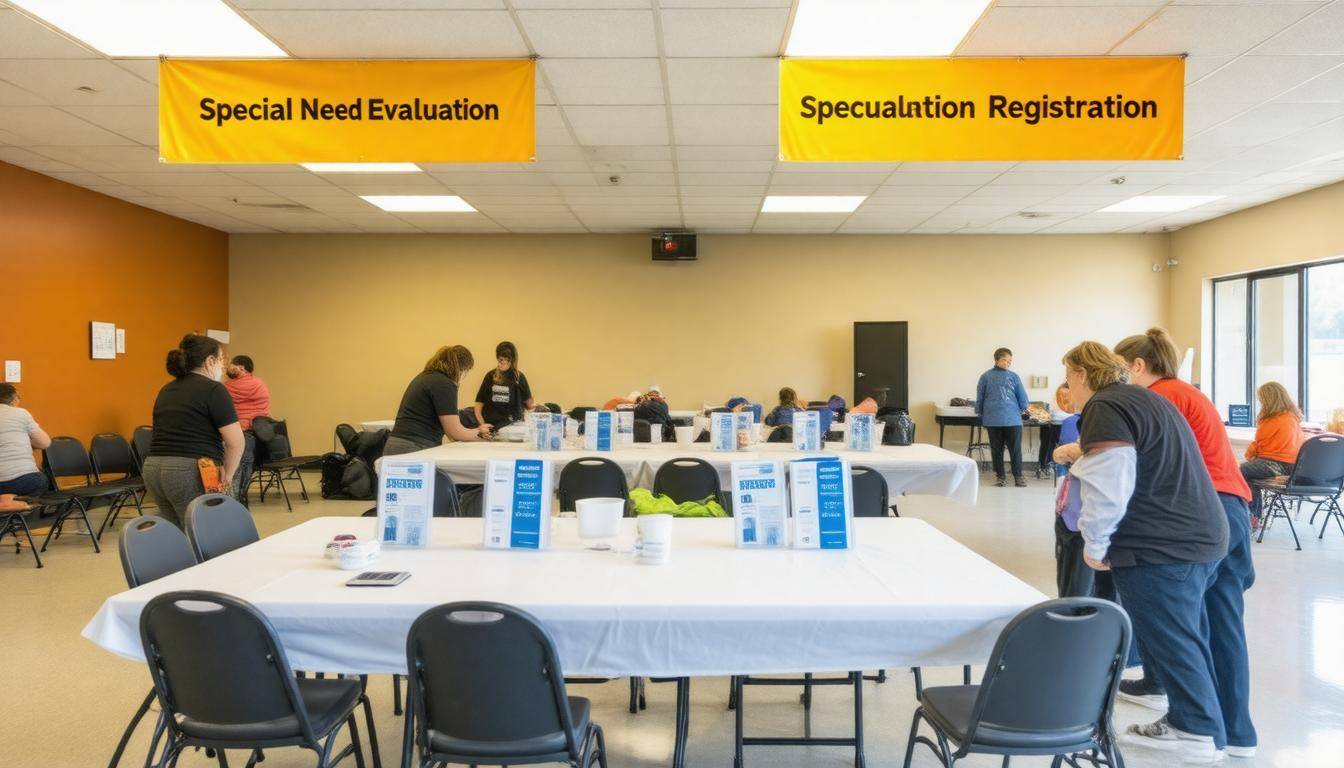
Special Needs Evacuation Registration Overview
The Special Needs Evacuation Registration serves as a lifeline for individuals with disabilities or specific medical conditions, ensuring that they receive necessary support during emergencies, such as hurricanes or floods. This process involves submitting personal details to local emergency management agencies, paving the way for timely assistance when time is of the essence. By providing information about their unique needs and circumstances, registered individuals can help first responders understand how best to assist them under pressure.
Key Components of Registration
At its core, registration is about sharing crucial information. Individuals must compile and submit personal data, including medical histories, specific needs such as mobility limitations or reliance on life-sustaining equipment, and emergency contacts.
For example, in Florida, the registry mandates comprehensive details that could be life-saving during an evacuation—information like whether you require wheelchair access or have other significant health considerations.
This underscores the need for precise data collection; every detail you provide can determine not only your safety but also that of your caregivers or family members assisting you.
However, the importance of registering does not end there. It is equally critical for registrants to understand that simply signing up does not guarantee automatic support during a crisis. A key point to keep in mind is that communication with local emergency management agencies is essential. This means keeping your emergency contacts updated and informing agencies of any changes in your situation, such as moving to a new address or experiencing a shift in your health status.
Additionally, privacy concerns are addressed through state statutes like Florida Statute 252.905, which protects registry information from public records requests. This adds another layer of reassurance for individuals about the confidentiality of their sensitive information while still ensuring they are prioritized during emergencies.
As we navigate these complexities together, it’s crucial to remember that effective preparation begins with awareness and action on our parts. We must take charge by recognizing our own unique needs and proactively registering well ahead of any anticipated emergencies.
Understanding what goes into registering for special needs evacuation assistance and the steps required afterward creates a solid foundation for preparing for potential emergencies we all face. Moving forward, it’s important to consider the underlying reasons why registration is vital for individual safety and community resilience in challenging times.
Purpose and Importance of Registration
Evacuation scenarios can quickly turn chaotic, creating higher stakes for those with special needs. By registering with local agencies, individuals ensure their unique requirements are recognized and prioritized. This process serves several critical purposes that bolster not only individual safety but also community resilience. For instance, registration allows timely assistance from first responders who are pre-informed about specific needs, such as mobility aids or medical equipment. When first responders have this knowledge beforehand, they can tailor their approach, making evacuations smoother and more efficient.
Additionally, registration plays a vital role in resource allocation. Emergency planners can better allocate necessary resources like medical supplies or transportation tailored to the registered individuals. Without this information, it’s a bit like throwing darts blindfolded—there’s no way of knowing where help is needed most. In situations where time matters, this foresight can be lifesaving.
Nobody wants to feel panicked during an already stressful situation. Therefore, registration significantly enhances peace of mind. Knowing there’s a plan in place eases anxiety for both individuals and their families. Imagine sitting at home as a storm approaches; comprehending that your essential information is available to emergency personnel can transform feelings of helplessness into reassurance.
A 2022 Red Cross survey indicated that 70% of individuals with disabilities reported a significant improvement in emergency response effectiveness when registered with evacuation assistance programs. This statistic isn’t just a number; it reflects real lives potentially saved or improved simply because individuals took proactive steps in their preparation.
However, the intricate details regarding registration processes can vary widely across states, making it even more crucial to navigate these systems correctly. Having an understanding of specific state requirements and procedures will further enhance preparedness and response strategies when emergencies arise.
State-Specific Procedures and Requirements
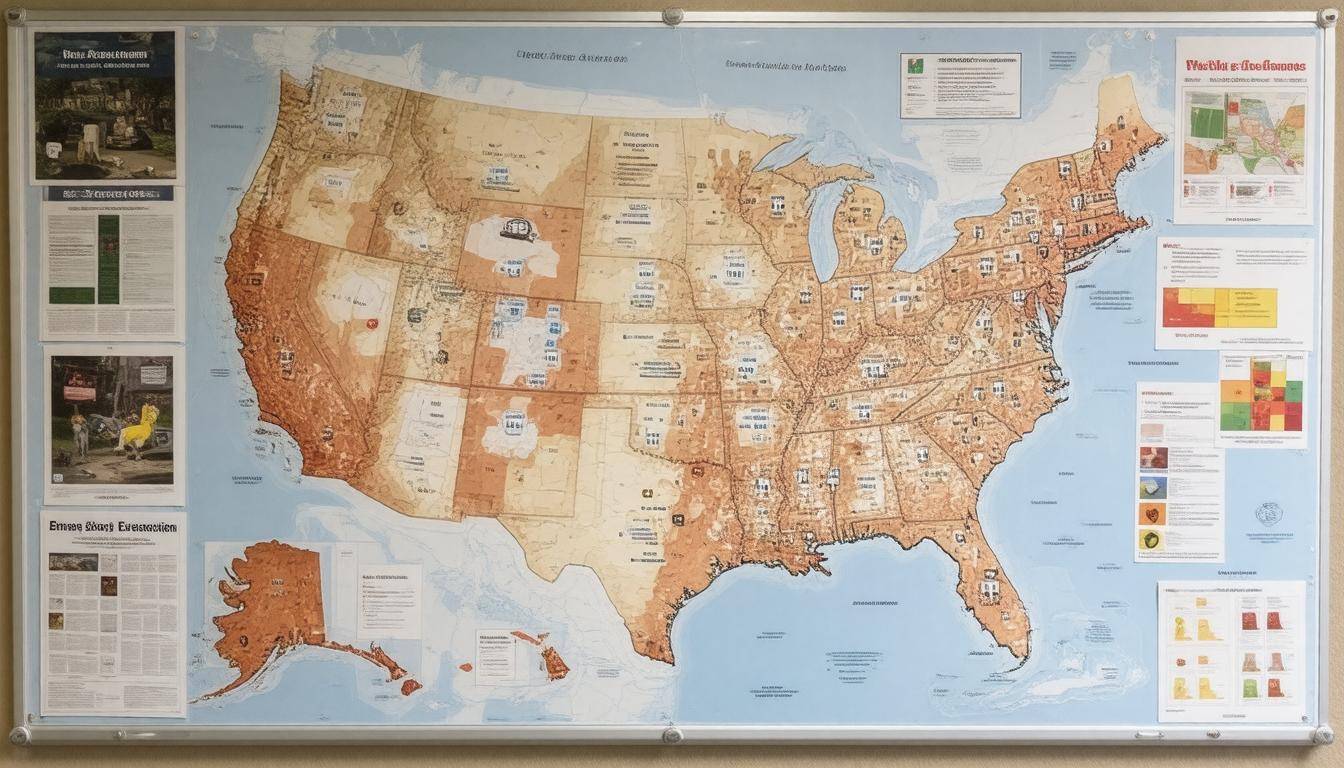
It’s important to understand that each state in the U.S. has tailored procedures for registering individuals with special needs for evacuation during emergencies. For instance, Florida mandates that residents complete their registration online through the Department of Health’s website. What sets Florida apart is the emphasis on annual updates; this means that as circumstances change—such as a shift in medical conditions or contact information—residents must keep their information current to ensure seamless assistance when disaster strikes.
Similarly, California employs the “CA Special Needs Alert” system, which allows residents to register through their local county’s emergency services. This localized approach enables tailored support based on regional needs and highlights how understanding your local emergency management resources can make a difference in crisis situations. Engaging with local services often opens doors to additional community support and information that can prove invaluable during emergencies.
Over in New York, the integration with the NY-Alert system is a particularly useful feature. Residents not only sign up for special needs registration but also gain access to real-time updates and notifications regarding emergencies. This can provide peace of mind and critical information that might affect decision-making during urgent situations.
Here’s an overview of specific state registration requirements:
| State | Registration Method | Key Requirements |
|---|---|---|
| Florida | Online via Dept of Health | Annual updates, medical specifics |
| California | County-level registration | Disability type, emergency contacts |
| New York | Integrated with NY-Alert | Real-time updates, access to alerts |
By knowing these specific requirements, individuals are better equipped to navigate the complexities of evacuation preparedness.
This insight into state-specific protocols sets the foundation for honing in on crucial resources like emergency contact details and essential information that can further enhance preparedness efforts.
Emergency Contacts and Key Information
Providing accurate emergency contact details is vital. It ensures that those who might need to reach you or help provide assistance can do so quickly, especially during a disaster when confusion reigns. One effective strategy is to list multiple contacts, making sure they reside in different geographical areas. This precaution helps avoid the scenario where all your contacts may be affected by the same disaster and unable to reach you. It’s important to include primary caregivers, medical professionals, and close family members, capturing the breadth of support you’ll need.
In your list, it might be beneficial to have some contacts prepared with whom you’ve had discussions about emergency planning. This gives them insight into your specific needs should an evacuation be necessary. For instance, caregivers should be aware of any medications you take or special equipment that needs moving. Simultaneously, ensure these contacts understand their role in assisting you. Open communication can greatly enhance their ability to respond when time is short.
While contacts form the basic network of support, local resources also play a significant role in your overall preparedness strategy.
Familiarize yourself with local resources that can assist during emergencies like shelters, food banks, and transportation services tailored for individuals with special needs. Local emergency management agencies are often your best bet for reliable information as they coordinate resources during disasters. Having the contact information for these agencies readily available means no time is wasted when urgent action is required.
Useful local resources to consider include:
-
Emergency Management Agencies: They prepare communities for disasters and often offer specific support for those with accessibility needs.
-
Disability Advocacy Organizations: These groups can provide additional guidance on shelters and help navigate the registration process for those requiring special accommodations.
-
Medical Service Providers: If you depend on particular services or have complex health needs, having direct lines to medical offices or home health services can streamline communication in crisis moments.
Establishing strong connections with community resources can enhance your preparedness. Understanding the availability of local support will further empower individuals during crises.
Local Support Networks and Services
Communities often come together to create safety nets for individuals with special needs during emergencies. Local support networks play a crucial role in this framework, providing resources that can make a significant difference in times of crisis. For example, transportation services are vital when evacuating vulnerable populations. Many cities offer paratransit services, specifically designed for those who may not be able to use regular public transportation due to mobility limitations. This ensures that individuals can evacuate safely and swiftly when necessary.
Likewise, medical assistance is another essential component of local support networks.
When disasters strike, having on-call healthcare professionals available can be a matter of life and death for those with specific medical needs. These professionals could include trained nurses or emergency medical technicians (EMTs) prepared to provide necessary care in shelters or during transportation. Think about the peace of mind it brings knowing there’s someone ready to assist with medications or medical equipment right when you need it most.
According to the Texas Division of Emergency Management, “Approximately 10% of Texans may need some form of assistance during emergencies.” This statistic highlights the importance of ensuring that all community members are effectively supported.
Shelters also represent a cornerstone of local emergency planning.
Designated special needs shelters have become increasingly common across communities. These shelters are equipped with facilities tailored to accommodate medical conditions, including healthcare staff and necessary equipment for residents. The experience shared by Maria Hernandez exemplifies this vital service: “During Hurricane Irma, the local Red Cross shelter was a lifeline for my son who requires dialysis.” Stories like Maria’s remind us how critical these shelters are in safeguarding lives during emergencies.
In addition to these direct supports, local networks can also provide essential information on how community members can prepare ahead of time. Engaging individuals in emergency preparedness planning can help mitigate chaos when disaster strikes. Regularly scheduled meetings where citizens learn about their available resources and discuss their unique challenges can foster community cohesion and collaboration.
Thus, comprehensive local support networks not only provide immediate response resources but also build resilience within communities.
Investing attention and resources into these support systems fulfills an ethical obligation towards our neighbors and fortifies our collective security against future challenges. Prioritizing inclusive emergency planning and effective communication paves the way for safer environments where everyone has the opportunity to thrive.
As we navigate the complexities of emergency preparedness, understanding how to create plans that account for all individuals is paramount to fostering unity in times of crisis. Let’s explore strategies that ensure everyone is included in these important discussions.
Accessible Planning for Disabilities
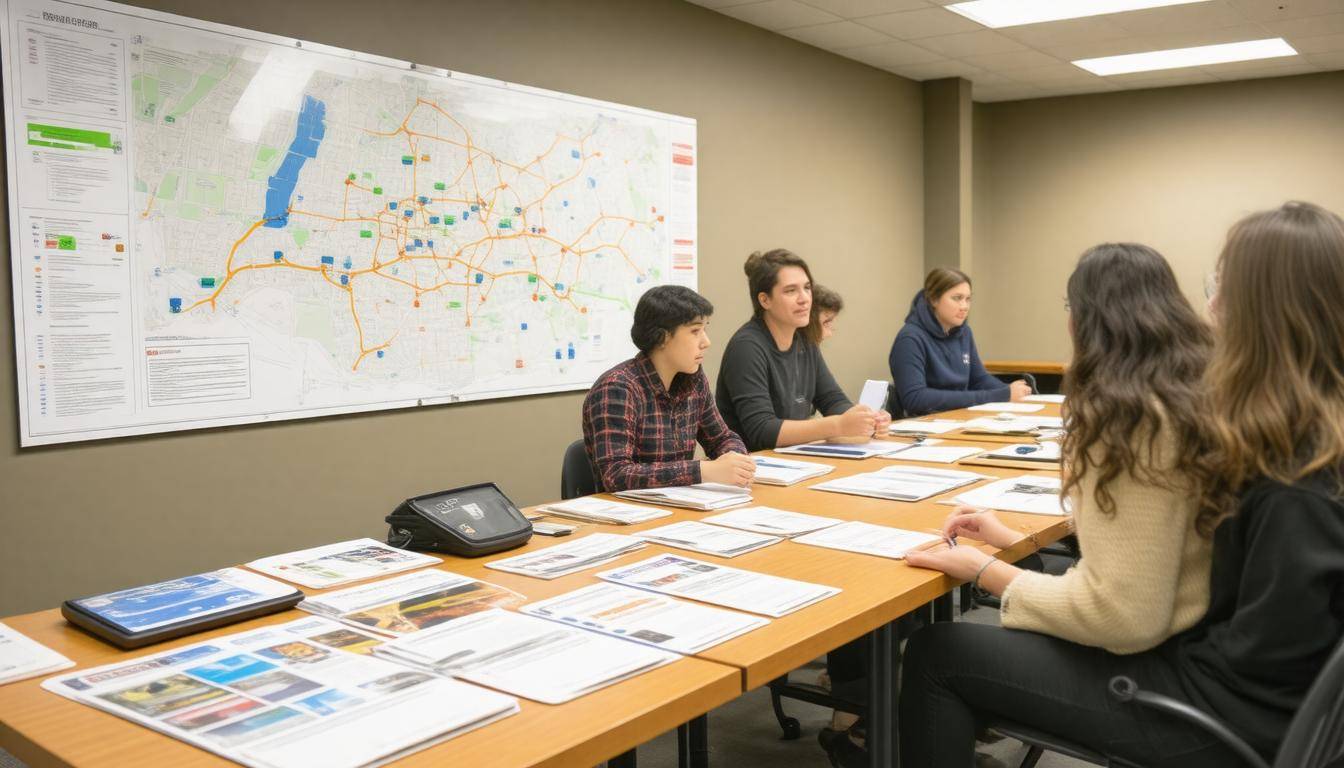
Preparing for emergencies must account for the unique needs of individuals with disabilities. The latest studies show that proper planning can significantly enhance the safety and well-being of disabled individuals during crises. When we create an accessible plan, we address various aspects to ensure everyone can respond effectively when faced with disasters, allowing every individual to feel secure regardless of their abilities.
Step-by-Step Planning
The process begins with a careful evaluation of specific needs. This involves assessing mobility challenges, medical requirements, and potential communication barriers. Ask yourself what particular assistance or adaptations are necessary for different situations. For instance, if a person uses a wheelchair, it’s crucial to identify accessible evacuation routes ahead of time. This foresight makes all the difference when seconds count.
Next on the list is crafting a comprehensive checklist. It should feature essential items including medications, medical devices, personal documents like identification and health insurance information, as well as emergency contact numbers. Having these items ready ensures they won’t be forgotten in the fraught moments just before an emergency strikes. Always double-check that these essentials are easily accessible from your designated safe area—this may mean having a visible bag near the exit.
Now it’s time to develop a solid communication plan. Establishing a way to relay important information is vital, particularly if regular communication channels fail during a crisis. Consider diverse methods such as visual aids, apps that support text-to-speech features, or even buddy systems where trusted friends help each other during emergencies. Don’t forget to keep resources like a charged power bank handy for phones—ensuring you stay connected during critical times.
In emergencies, time is of the essence; effective preparation can save lives.
As we continue exploring these critical preparations, understanding how to navigate safety protocols becomes equally important for ensuring everyone’s well-being in challenging situations.
Safety and Health Measures
When an emergency strikes, having a solid plan in place can be the difference between safety and chaos, especially for those who need special medical attention. Every individual deserves the comfort of knowing they are prepared for the unexpected, but this preparation requires foresight.
For instance, when packing your emergency kit, consider not just general items but specific needs that cater to your situation. This includes not only essential medications but also personal care items such as hygiene products, mobility aids, or any devices you rely on regularly.
Key Safety Measures
One vital component is medication management. It’s recommended to keep at least a three-day supply of your essential medications readily available. Doing so isn’t just a matter of convenience; it can significantly impact health outcomes during emergencies. In fact, experts suggest that 60% of emergency-related deaths among seniors could be avoided through better medication management during evacuations. Taking this statistic seriously can inspire individuals to prioritize their health before disaster strikes.
Furthermore, assembling a well-rounded emergency kit is another cornerstone of preparedness. Your kit should include basic first aid supplies, flashlights with extra batteries, and non-perishable food items tailored to any specific dietary requirements you may have. Think about including high-energy snacks like protein bars or dried fruit—these will help sustain energy levels should you find yourself in a prolonged situation without access to immediate resources.
Moving beyond physical items, it’s crucial to consider mental wellness during stressful situations. The unpredictability of emergencies can cause anxiety and fear. Having a support network or numbers to reach out to can ease worries and provide emotional support when needed.
Preparing all these items is key; however, understanding what’s happening in real-time is equally important for making informed decisions in critical moments.
Staying Informed During Emergencies
Real-time information can indeed be the difference between a smooth evacuation and a panicked scramble. Being prepared means knowing where to turn for information when it matters most. This is particularly important for individuals with special needs, who may require tailored assistance. Therefore, understanding reliable sources of information becomes essential in your emergency preparedness strategy.
Reliable Sources
To navigate through the chaos of an emergency, consider utilizing a variety of reliable sources for updates. Having multiple perspectives can help ensure that you don’t miss vital information that could impact your safety. First and foremost, official channels should be at the top of your list. Following updates from local emergency management offices, the Federal Emergency Management Agency (FEMA), and organizations like the Red Cross ensures that you’re receiving verified information directly from those responsible for disaster response.
Trustworthy sources provide specialized advice suited to different needs, enabling everyone—including those with mobility or communication challenges—to make informed decisions.
Mobile alerts also play a significant role in staying informed. Signing up for text alerts from your state’s emergency notification system can give you tips specific to your area, ensuring you’re among the first to know about evacuations or changing conditions. These alerts are designed to cut through the noise, delivering timely messages straight to your device.
Yet, let’s not overlook social media as part of this equation. Platforms like Twitter have become essential tools during emergencies—think of them as digital town criers. Many local agencies use social media to disseminate real-time information quickly. By following relevant accounts and setting up notifications, you can receive updates as they happen.
It’s important to verify any information you come across on these platforms since not everything shared online is accurate.
Gathering information during emergencies is like having multiple lifelines in a survival game—each source increases your odds of making confident choices. The more avenues you explore, the better prepared you’ll be for what comes next.
Ultimately, by blending various channels—official alerts, mobile notifications, and active social media monitoring—you create a robust support network that prepares you and your loved ones for whatever situation arises during emergencies. For individuals with special needs, this well-rounded approach is especially beneficial as it tailors an emergency preparedness plan to meet their unique circumstances and requirements.
In an unpredictable world where every second counts, leveraging multiple reliable sources can significantly enhance your emergency preparedness efforts. Stay proactive and ensure you have all necessary resources at your fingertips.
Can caregivers or family members register on behalf of individuals with special needs?
Yes, caregivers or family members can register on behalf of individuals with special needs. This provision is crucial as it ensures that those who may not be able to advocate for themselves receive the necessary support during emergencies. Studies have shown that up to 28% of individuals with disabilities rely on family or caregivers for assistance in emergency situations, highlighting the importance of including these advocates in the registration process to enhance safety and preparedness.
What happens if I don’t register but need evacuation assistance during an emergency?
If you don’t register for evacuation assistance during an emergency, you may face significant challenges in receiving timely help. Without being on the official list, first responders may not be aware of your specific needs or location, potentially delaying your evacuation and complicating rescue efforts. According to FEMA, individuals with disabilities are more likely to experience difficulties in emergencies; hence, registered individuals are prioritized during evacuations to ensure their safety. Remember, preparation is key—registering can make all the difference when minutes count!
How does the Special Needs Evacuation Registration process work in my state?
The Special Needs Evacuation Registration process in your state typically involves registering with local emergency management offices, where you provide information about your specific needs during an evacuation, such as medical conditions or mobility issues. Some states have online portals for easy registration, while others may require paper forms. It’s crucial to check your state’s emergency management website for guidelines and deadlines, as proper registration can significantly improve response times during emergencies—data shows that communities with robust special needs programs experience a 30% faster evacuation rate.
Are there deadlines for registering for special needs evacuation in my state?
Yes, many states do have deadlines for registering for special needs evacuation, typically to ensure that those in need receive timely assistance during emergencies. These deadlines can vary significantly by state and may range from weeks to months before an expected disaster. For example, some states require registration at least 30 days prior to hurricane season to effectively plan and allocate resources. It’s crucial to check your state’s specific guidelines as failing to register on time could result in delays during an emergency response.
What information do I need to provide when registering for special needs evacuation?
When registering for special needs evacuation, you typically need to provide personal information such as your name, address, and contact details, along with specific information about your medical conditions, mobility issues, required medications, and assistance needs. Additionally, it’s crucial to include emergency contacts and any special equipment or services you may require during evacuation. According to the Federal Emergency Management Agency (FEMA), nearly 6 million Americans have disabilities that could necessitate specialized evacuation plans, highlighting the importance of accurate registration for effective disaster response.