
When it comes to homemade fuel storage, you might think it’s as simple as tossing a few jugs in the garage. But the reality is far from that! Proper fuel storage is a serious matter, demanding attention to safety and best practices that many overlook. Whether you’re a DIY enthusiast or someone just trying to save on energy costs, knowing how to handle and store fuels safely can prevent accidents and keep your home safe. From selecting the right containers to understanding how temperature and ventilation play vital roles, there are crucial steps you need to follow. This guide will walk you through everything you need to know to create a secure and efficient homemade fuel storage solution. Let’s dive in!
When creating homemade fuel storage solutions, it is crucial to follow local regulations and guidelines to ensure safe handling and storage of fuels, including utilizing appropriate containers designed for fuel storage. Additionally, maintain a safe distance from ignition sources, ensure proper ventilation in storage areas, and have fire safety equipment, such as extinguishers and spill containment supplies, readily available.
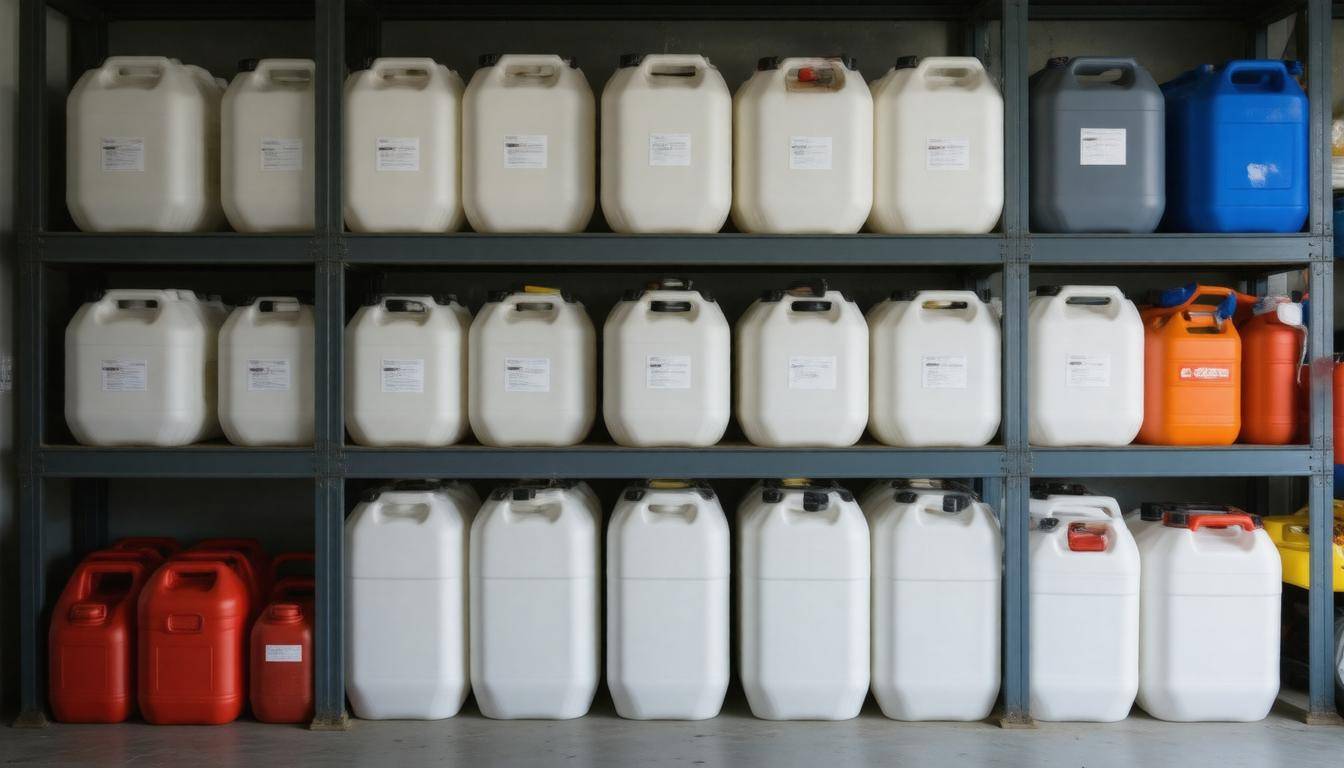
Essential Safety Measures for Fuel Storage
Safety should always be the top priority when handling homemade fuel. One of the foremost steps is to label all containers clearly. This might seem simple, yet clear labeling serves as a proactive measure against potential hazards. Each container should state its contents and include the date of storage. Imagine reaching for a container without knowing if it’s flammable or expired; confusion in these moments can lead to catastrophic consequences.
Beyond simply labeling, it’s critical to be prepared for emergencies.
It’s crucial to have fire extinguishers and spill containment supplies handy whenever you’re working with fuels. Having these tools available can be the difference between a minor mishap and a major disaster. The Ventura County Fire Department (VCFD) emphasizes that accessible firefighting equipment helps minimize risks significantly. Position your extinguishers near fuel storage areas and ensure they are regularly checked and maintained. It’s an undervalued precaution—one that can bring peace of mind.
After securing appropriate safety gear, proper ventilation becomes another vital aspect of safe fuel storage.
Ventilation Considerations
Storing fuel in a well-ventilated area is key to preventing harmful fumes from accumulating, posing a serious fire hazard. Many people overlook how dangerous volatile vapors can be; even slight temperature increases can escalate the risk of ignition if fumes gather in an enclosed space. Aim to store fuels outdoors or in garages with ample airflow. When indoors, avoid proximity to ignition sources—think electrical outlets or pilot lights—as these can ignite even the slightest hint of vapor.
Remember: Keeping your storage area cooler is beneficial! Ideally, maintain temperatures under 70°F (21°C). Higher temperatures increase volatility; thus, keeping fuels cool preserves their integrity and drastically reduces danger.
In light of these precautions, consider the inherent qualities of the materials you use for fuel storage.
Notably, using flame-retardant materials for constructing storage solutions cannot be stressed enough. Experts recommend utilizing double-walled steel containers because they effectively minimize risks associated with fuel evaporation and leaks. Such specifications don’t merely raise safety standards—they elevate them to ensure the long-term sustainability of your homemade storage solutions.
To tie everything together, being proactive about safety with written instructions increases accountability.
Always bear in mind that educating everyone in your household about emergency response procedures related to homemade fuel storage is just as necessary as employing sound storage methods. Regular training sessions on how to handle spills or fires could spell the difference between a safe space and an unmanageable emergency situation. Conducting yearly drills reinforces awareness and ensures that everyone knows what actions to take swiftly should something go wrong.
These essential safety measures underline not only the importance of preparation but also the significance of location when selecting where to store your fuel safely.
Choosing the Right Storage Location
Selecting the right spot to store homemade fuels can significantly minimize risks associated with leaks, fire hazards, and health issues stemming from harmful fumes. For instance, a detached garage or shed located away from your home is often ideal. This isolation not only keeps potentially dangerous materials distanced but also creates a clear path for emergency access—an essential consideration if something were to go wrong.
When choosing a location, ensure it is well-ventilated. Proper airflow prevents the buildup of toxic gases that can occur when fuels are stored in cramped conditions. The general rule of thumb is to have at least one square foot of ventilation area per one hundred square feet of storage space. This guideline helps keep air circulating and reduces fire risks, allowing by-products to disperse safely into the atmosphere.
Beyond ventilation, moisture control plays a critical role in maintaining fuel quality.
It’s imperative that the chosen area be devoid of leaks and excessive humidity. Storing fuels in damp environments jeopardizes their integrity and increases the risk of corrosion on storage containers. Ideally, strive to maintain humidity levels below 50%. This safeguards your fuel and prolongs the lifespan of your containers, ensuring you don’t face sudden leaks or spills.
Additionally, avoiding extreme temperature fluctuations is vital. Fuel should generally be kept between 60°F (15°C) and 80°F (27°C). Temperatures outside this range increase volatility and lead to degradation over time. In particular, basements and lower-lying areas should be avoided altogether, as they are prone to flooding which could contaminate your stored fuels.
Accessibility in your storage solution is another important factor to consider.
Choose a spot that allows for easy access during regular inspections or refills; ideally keeping it within 10 to 20 feet of a clear path for emergencies. This strategy ensures safety while encouraging consistent upkeep. Regular checks empower you to monitor fuel quality and identify issues before they escalate into problems.
Remember: Contact local authorities or agencies like the VCFD (Ventura County Fire Department) to gain insights into additional safety regulations pertinent to your area. Understanding these rules is crucial for compliance and enhances the overall safety of your storage solutions.
As we consider safer methods for storing homemade fuels, it’s essential to examine various types of containers suited for this purpose.
Container Options for Storing Homemade Fuel
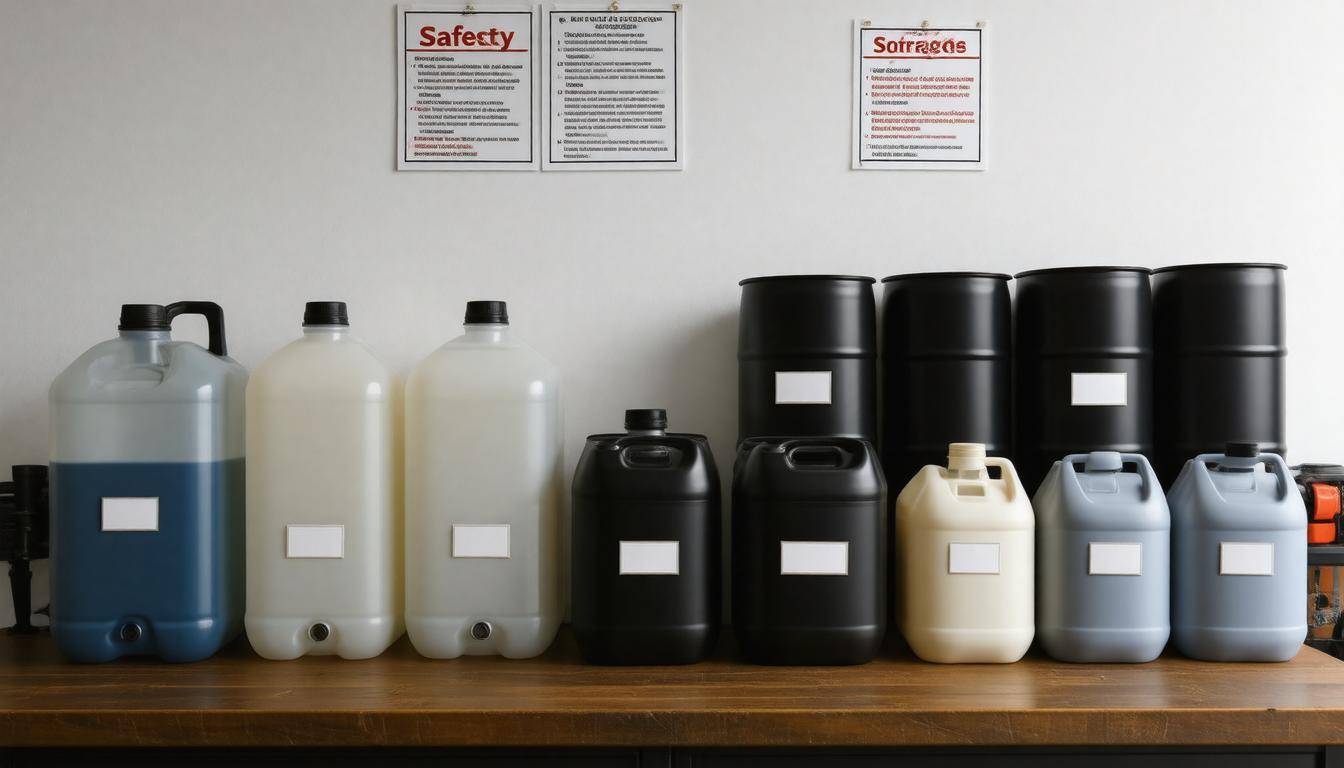
When it comes to storing fuel, not all containers are created equal. Choosing the right one is crucial in ensuring your safety and maintaining the integrity of the fuel itself. It’s important to select containers made from appropriate materials like high-density polyethylene (HDPE), which has become a popular choice among DIY enthusiasts. This type of plastic is robust and resistant to corrosion, effectively keeping your fuels safe without risking leakage. While HDPE containers can be slightly more expensive than regular jugs, consider this as a wise investment towards protecting both yourself and your property.
Comparing Container Materials
To expand on the earlier introduction of container materials, let’s examine some common choices to help clarify which options may work best for you.
| Material | Pros | Cons |
|---|---|---|
| HDPE | Corrosion-resistant, Durable | May be more expensive |
| Metal (Steel) | Durable, Often Approved for Storage | Can corrode if not coated, Heavy |
| Glass | Chemically inert, No interaction with fuel | Fragile, Heavy |
As shown in the table, HDPE stands out because it’s specifically designed to handle different types of fuels without deteriorating. On the other hand, steel containers are also reliable but may corrode over time if exposed to moisture unless they’re coated. The weight of steel can be a concern when transporting or maneuvering the container.
And then there’s glass—while it provides an inert surface that won’t chemically react with fuel, it poses a significant risk due to its fragility. Any accidental bump could lead to dangerous spills or breakage.
Additionally, always ensure that any container you use is specifically labeled for fuel storage; this simple precaution can prevent mishaps that result from misinterpretation of a container’s original purpose.
While convenience may tempt you to repurpose existing containers such as water jugs—many in community forums have discussed the practicality of these alternatives—it’s essential to remember that using makeshift containers can introduce risks. Never compromise on safety by cutting corners with improper vessels. Experimentation in repurposing might inspire creativity but often leads to unforeseen complications.
Take your time considering your options. Proper storage protects not only your fuel but ultimately safeguards your home and family. Using materials designed specifically for this purpose enables you to enjoy the benefits of homemade fuel while minimizing hazards in your workspace or garage.
With a solid understanding of container options and their implications, let’s move forward and explore how you can effectively craft these storage solutions tailored to your needs.
Building DIY Storage Solutions
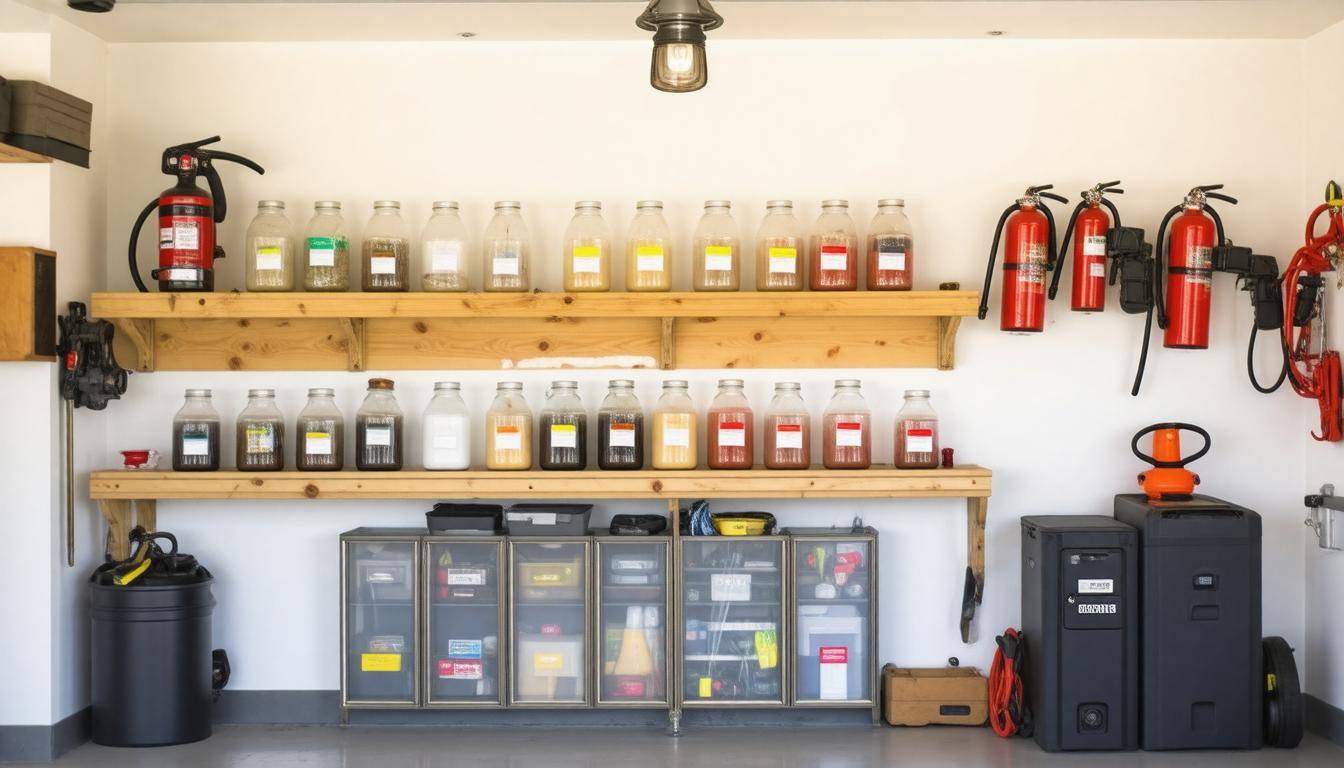
Constructing your own storage solutions opens the door to customized efficiency while ensuring safe fuel management. But as you embark on this DIY journey, keep safety as your guidepost. You’ll need to design a system that meets both organizational and safety standards while accommodating different types of fuels.
Step-by-Step Guide
Step I – Planning and Design
Good design is integral to a successful storage system. Start by carefully planning out your storage layout. Picture an organized structure where each type of fuel has its dedicated space, clearly marked to avoid mix-ups—this isn’t just for aesthetics. It helps prevent hazardous situations, especially since different fuel types could react dangerously if stored together.
For instance, think of having separate compartments for solids, liquids, and gases. While sketching your plan, incorporate adequate ventilation into each compartment; maintaining airflow will prevent harmful gas buildup and enhance safety.
“A well-thought-out design minimizes risks and maximizes efficiency.”
When contemplating ventilation, aim for around one square foot of vent space for every 100 square feet of storage area. This guideline will go a long way towards maintaining a safe atmosphere in your designated fuel storage zone.
Step II – Materials and Assembly
Once you’ve drawn up your design, the next critical phase involves material selection and assembly.
Selecting the right materials is vital in constructing stable and compliant storage systems. High-density polyethylene (HDPE) sheets are ideal due to their chemical resistance and durability against UV exposure. For structural integrity, consider using treated wood or metal brackets—each offers different benefits depending on your environmental conditions and needs.
Ensure that all materials comply with local safety standards; improper choices can jeopardize not just your setup but also your home’s safety.
As you assemble the structure, ensure that everything is securely fitted—use screws or bolts designed for heavy-duty use so that nothing wobbles during operation. Before placing any fuel inside, conduct stability tests on your compartments. Taking shortcuts during this stage can mean the difference between a dependable storage solution and an accident waiting to happen.
Finally, label each container clearly with the contents and associated hazard warnings. Standardized symbols will help anyone interacting with the storage area quickly recognize potential risks. Consistent labeling contributes significantly to overall safety.
By prioritizing design and material choice while adhering strictly to safety guidelines, an effective homemade fuel storage system comes to life—one that meets your needs while safeguarding your environment from potential hazards. As we transition from planning and assembly, it’s crucial to focus on mitigating risks associated with volatile substances in our next discussion.
Preventing Flammable Gas Leaks
The importance of proactive measures in preventing flammable gas leaks cannot be overstated. In storage solutions, even the smallest oversight can lead to catastrophic results. Regular inspections are key; think of them as routine health check-ups for your storage area.
Ensuring that your tanks and containers are intact and secure is the most basic, yet vital step. It involves assessing the physical state of your storage equipment, looking for any signs of damage or corrosion, and making necessary repairs promptly.
A friend of mine faced severe consequences due to a small unnoticed gas leak in their storage area. The leak was so subtle that it took weeks to discover, resulting in expensive repairs and a temporary evacuation of their home. This incident emphasizes that regular checks and preventive measures are indispensable but also lifesaving.
One effective method to enhance your safety measures is the installation of gas detectors. These devices serve as sentinels for your space, alerting you at the first hint of a leak. Modern gas detectors can differentiate between various gases, providing you with specific information on what type may be leaking.
When choosing a detector, ensure it is suitable for the type of gas you’re storing; options like methane sensors are great for identifying issues before they escalate.
Alongside installing detectors, set a schedule for routine inspections of all storage containers and areas dedicated to holding gas. It’s best practice to spot-check each container monthly and conduct deeper checks quarterly. This includes checking connections and valves, ensuring there are no pooling liquids underneath tanks, and verifying that caps are secured tightly.
Keeping a log of these inspections can not only help you remember what was checked during each visit but can also be useful if an incident were ever to occur.
Finally, always maintain good ventilation around gas storage areas. Proper airflow minimizes the risk of gas accumulation in case of a leak, reducing the likelihood of ignition. If you find yourself in a situation where you suspect a leak, evacuate immediately and contact professionals rather than attempting to manage it yourself.
Implementing these strategies fosters a safer environment for everyone involved while staying vigilant against potential hazards is essential. Let’s now explore effective techniques for maintaining fuel integrity over extended periods.
Best Practices for Long-Term Fuel Storage
Long-term storage requires keen attention to detail, as improper fuel storage can lead to safety hazards and wasted resources. One of the most critical aspects of effective fuel storage is ensuring that you store fuel in a cool, dry place with stable temperatures. Extreme temperature fluctuations can cause the fuel to degrade, leading to inefficiencies or potential hazards when it’s time to use it.
Think about how we often keep perishables in a refrigerator for optimal freshness; it’s similar but even more crucial with fuels. The right environment truly makes all the difference.
Additionally, rotating your fuel stock every six months is vital to keeping it fresh and usable. Much like checking food items in your pantry periodically, applying this practice to your storage can prevent long-term degradation. By using older fuel first and replenishing it with fresher supplies, you’re maximizing your investment and ensuring reliability in emergencies when you need fuel the most.
Naturally, the addition of stabilizers is an excellent strategy to extend the shelf life of your fuel. These specially formulated substances help maintain fuel’s potency by reducing oxidation and chemical breakdown.
It’s quite similar to preserving fruits in syrup—just as they stay fresh longer through stabilization, so too does your fuel benefit from such enhancements.
Remember too that avoiding direct sunlight is crucial in protecting your stored fuel from evaporation or breakdown. Direct exposure can rapidly increase temperatures within storage containers, instigating reactions that compromise the fuel’s effectiveness. Picture leaving a drink outside on a hot day; it warms up quickly and might even spoil.
Likewise, ensure your stored fuel resides in shaded areas or inside enclosed spaces away from sunlight to preserve its quality over time.
Treating your fuel like any precious resource that requires thoughtful management ensures its reliability when energy stressor events arise. With diligence and attention applied through these best practices, you can secure not just a supply of energy but peace of mind knowing that you are prepared for unforeseen circumstances.
Now that we’ve established critical practices for maintaining energy supplies during crises, let’s shift our focus toward safeguarding the environments where these resources are kept to further enhance their longevity.
Protecting Your Storage Environment
Safeguarding your fuel storage area starts with understanding the risks it poses. For starters, installing smoke detectors in and around your storage space can alert you to any potential fires before they escalate. Additionally, utilizing temperature regulators ensures that your storage remains within safe limits. By keeping temperatures between 50°F to 70°F (10°C to 21°C), you prevent fuel degradation, which is vital for maintaining the integrity of your stored materials.
Furthermore, placing fuels on shelves or stands helps keep them off the ground. This simple act minimizes the risk of water damage from flooding or spills while enhancing air circulation around your containers. Without proper airflow, stagnant air can lead to unpleasant odors and create an environment conducive to mold or container corrosion. Think of it as giving your fuel a “breath of fresh air,” promoting its longevity.
Proper ventilation is another key consideration. Creating adequate ventilation—ensuring at least one square foot of airflow for every hundred square feet of storage—is critical in preventing harmful gas accumulation. Gas buildup can become a serious hazard if left unchecked.
To further shield your storage environment from unforeseen circumstances, consider incorporating fire extinguishers and spill containment supplies nearby. The Ventura County Fire Department emphasizes the necessity of having this equipment readily available as it plays a crucial role in emergency situations. It’s also prudent to keep different types of fuels organized and clearly labeled to avoid mix-ups that could lead to contamination or dangerous reactions, serving as a protective measure against accidents.
Regular inspections of both your storage conditions and the containers themselves will help identify wear and tear before they turn into real issues. Consider forming a routine schedule for these checks—this ensures compliance with local regulations while providing peace of mind as you manage your homemade fuel storage solutions with ease.
With these preventive measures established, let’s transition into exploring important questions surrounding safe fuel handling and storage practices.
FAQs on Safe Fuel Storage
Frequently asked questions can provide quick solutions to common concerns that arise when storing fuels at home. One of the most pressing questions often involves gas smells.
What should I do if I smell gas?
If you catch a whiff of gas, your immediate reaction should be one of caution and urgency. Start by ventilating the area; open windows and doors to introduce fresh air. Next, avoid any sources of ignition—this means no flipping switches or using electrical devices that could spark. It’s wise to have a gas detector handy for locating the leak source. But if you find yourself unsure, don’t hesitate to call emergency services.
Another common concern that homeowners share relates to fuel mixtures.
Can I store different types of fuel together?
It’s generally advised against storing different types of fuel together. Mixing fuels can lead to unintended chemical reactions that could create dangerous scenarios, including fires or explosions. Not only does keeping fuels separate enhance safety, but it also simplifies your management tasks, as each type has its own storage requirements. For instance, solid fuels like charcoal should never be mixed with liquids like gasoline, which can ignite more easily.
Understanding why these precautions matter emphasizes the importance of safe storage practices.
Each time you consider these questions and their answers, remember that safety is your top priority in fuel storage. By being proactive and taking the right measures, including adherence to local regulations, you can significantly reduce risks associated with storing fuels at home. Just like setting up a well-thought-out system in any game, thoughtful organization and safety measures turn your homemade fuel storage solution into a secure haven.
In ensuring proper practices are followed, you not only maintain a safe environment but also protect your valuable resources for future use.