
Flash floods can happen in a heartbeat, turning a peaceful day into chaos. For residents of Brunei, where heavy rain and hilly terrain can quickly lead to rising waters, having a solid preparation plan is more important than ever. It’s not just about knowing that floods are possible; it’s about being ready when they do happen. This guide aims to equip you with essential tips and resources to help keep you and your loved ones safe, ensuring you’re proactive rather than reactive in the face of nature’s sudden challenges. With the right knowledge and preparations, we can all stand resilient against unpredictable weather and its impact on our lives. Let’s dive deeper into understanding what causes these flash floods and how you can be prepared to handle them effectively.
Your Brunei Flash Flood Preparation Guide should include essential tips such as staying informed about weather alerts through local news and government notifications, creating an emergency kit with supplies like water and first-aid items, and establishing a clear evacuation plan for your family. Additionally, it is crucial to understand local flooding history and engage with community preparedness programs to enhance collective safety efforts during emergencies.
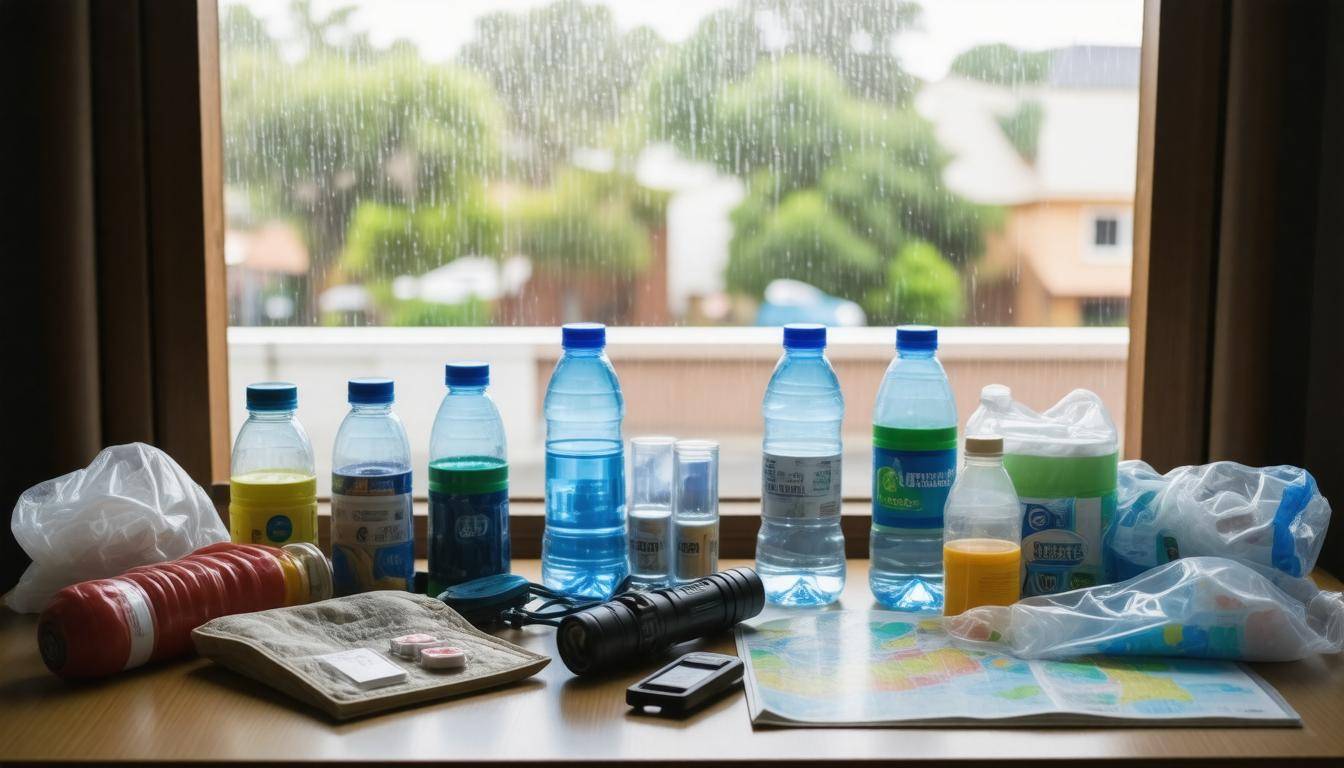
Causes of Flash Floods in Brunei
Flash floods in Brunei primarily stem from several interrelated factors that converge, particularly during the rainy season. One of the leading causes is heavy rainfall that often exceeds what the land can naturally absorb. With an average annual rainfall exceeding 3,200 mm, Brunei’s climate contributes significantly to rapid runoff. This phenomenon is especially pronounced during the monsoon months from November to March when rainstorms can be intense and relentless.
The topography of Brunei also plays a significant role in flood dynamics. Approximately 70% of the land is hilly, which allows water to flow swiftly downhill. As rain accumulates on these slopes, it runs off quickly into low-lying areas, overwhelming drainage systems and causing localized flash flooding. Places like Kampong Ayer and parts adjacent to the Brunei River are particularly vulnerable as they are situated in lower elevations, making them prime targets for sudden deluges.
It’s interesting to note that urbanization has exacerbated the situation; the capital city, Bandar Seri Begawan, has undergone considerable development over recent years. This urban expansion often leads to reduced natural drainage due to excessive concrete and asphalt surfaces that do not absorb water well. Consequently, rainwater faces limited pathways for runoff, increasing the risk of flooding in urban areas.
Climate change adds another layer to this challenge. Predictions point toward more frequent extreme weather events, including heavy downpours and prolonged periods of rain, requiring residents to remain vigilant. Deforestation further compounds these issues by removing vital vegetation that stabilizes soil and promotes water absorption. This loss means that, during heavy rains, soil erosion becomes more prevalent, resulting in less water being absorbed into the ground—heightening flood risk.
Additionally, understanding specific river systems helps identify flood-prone regions. Brunei’s rivers can overflow rapidly during intense rainfall, resulting in swift flooding of surrounding areas. By keeping accurate historical data on flooding frequency and intensity in various regions, residents can make more informed decisions regarding their flood preparedness strategies.
Recognizing the underlying causes enables us to implement practical safety measures that can better equip communities for potential flash floods while enhancing overall resilience against such natural disasters. Let’s now consider how individuals can fortify their homes and neighborhoods against these challenges.
Home Safety Precautions
Protecting your home begins with identifying potential vulnerabilities and addressing them before disaster strikes. One critical aspect is to make flood-resistant modifications to your property. For instance, elevating electrical appliances and outlets at least 12 inches above potential flood levels is essential. This simple adjustment can prevent dangerous electrical hazards and damage to expensive equipment during a flood.
Flood-Resistant Home Modifications
Another wise investment is installing backflow valves in your plumbing system. These valves act as guardians, preventing sewage backup during heavy rainfall, which can lead to unsanitary conditions inside your home. Similarly, placing sandbags at doorways or other vulnerable openings serves as an immediate barrier against water entry, helping keep the interior of your home dry.
It’s surprising how these small changes can yield meaningful protection. Installing sandbags could be a straightforward DIY project that’s worth every minute spent.
Now that we’ve covered some key modifications, it’s important to focus on regular maintenance. A proactive approach can drastically reduce risks associated with flash floods. For example, clearing gutters and drainage systems regularly is essential for effective water diversion. If debris clogs these channels, it can lead to overflow and flooding around your property.
Regular Maintenance
Local resident Ali Ahmad remarked about his experience, “Regular maintenance of our drainage system significantly reduced water accumulation during the last flood.” Such words ring true in many communities where ignored drainage systems have resulted in unnecessary damages.
In addition to these practical steps, creating an emergency plan for your family can’t be overlooked. Make sure everyone knows evacuation routes and has access to an emergency kit loaded with necessities like food, water, and first aid supplies.
While individual efforts are crucial, communities must come together to tackle this issue comprehensively, pooling resources to fortify homes against the looming threat of flash floods. Exploring communal strategies will only enhance those individual preparations further.
Community-Wide Efforts
A unified community response can significantly mitigate the impact of flash floods. When neighbors come together to share resources and knowledge, everyone benefits. This collaboration can make the difference between chaos and calm during an emergency. In Brunei, for example, engaging in neighborhood watch programs has proven effective for many communities. By forming groups to monitor weather updates and disseminate information, residents can significantly increase their preparedness levels.
Neighborhood Watch Programs
Imagine your neighborhood coming together to keep one another informed about changing weather conditions. In Bandar Seri Begawan, this type of initiative has led to remarkable success in reducing flood-related damage. The mere act of sharing critical information can empower individuals and families to respond promptly if hazardous conditions arise. Residents who are aware of impending storms can move furniture to higher ground or stock up on necessary supplies, ensuring they are well-prepared to face rising waters.
As communities form these watch programs, the collective engagement fosters a sense of responsibility and shared accountability among residents. This not only helps in emergencies but also strengthens social ties within the neighborhood.
Community Infrastructure Projects
However, individual actions bolster a community’s flood resilience; collaborative projects with local authorities are essential too. Advocating for improved drainage systems and constructing flood barriers protects not just one home but many. When neighbors unite with local governments to push for such developments, they’re creating a more robust defense against natural disasters. The pooling of resources provides access to better technology and expertise that might be beyond what a single household could afford.
Collective action ensures greater protection for everyone involved. It allows neighborhoods to utilize their collective power efficiently—whether it’s through lobbying for policy changes or organizing fundraising events for community infrastructure projects. For instance, communities can collaborate with engineers and environmental experts to identify areas prone to flooding, working together on initiatives that enhance or build new drainage systems that can responsibly handle excess rainwater.
While strong community initiatives lay an excellent foundation, it’s equally important for each family unit to establish individualized emergency protocols that cater specifically to their unique situations.
Building an Emergency Plan
A well-thought-out emergency plan is indispensable, especially in a country like Brunei, where flash floods can arrive unexpectedly during the rainy season. It’s about creating a comprehensive set of strategies that your family can rely on when every second counts. The first step is to identify escape routes.
Identifying Escape Routes
Begin by mapping out multiple evacuation routes from your home, ensuring they lead to higher ground or safe havens. Ideally, these routes should be clear and known to all family members.
Take the time to walk these paths together so that each person feels comfortable navigating them if the need arises. Families in areas like Tutong could mark community centers as their meeting points. This is critical because knowing where to go quickly can save lives when conditions worsen.
While knowing where to go is vital, it’s equally important to establish how you’ll communicate during these emergencies.
Communication Strategy
Establishing a family communication plan ensures that everyone stays connected even when chaos ensues. Include alternative methods in case traditional lines fail—this might include social media, messaging apps, or even ham radios depending on your resources. Conduct regular drills involving the communication plan; this builds familiarity and reinforces necessary steps during an emergency.
As part of your preparations, consider using waterproof bags to store important contact numbers and emergency documents. This may include phone numbers of relatives outside the flood zone, as well as insurance information and local emergency contacts. Keeping this information readily accessible will be simpler for everyone when stress levels are high.
Equipping your home with a preparedness kit can drastically improve your ability to cope during a flood.
Having an emergency kit at hand is just as crucial as the escape routes and communication strategies you’ve established. This kit should include essential items tailored to your needs; consider what your family would require to stay safe during a flood event or if you’re displaced for several days.
Include one gallon of water per person per day for at least three days, non-perishable food, a flashlight with extra batteries, first-aid supplies, blankets, and any medications necessary for family members.
Lastly, don’t forget about pets! Ensure they have their supplies too—food, leashes, and any necessary vaccinations or documents should be part of this crucial kit. A little foresight now can make a world of difference when faced with an unexpected flood situation.
With these plans in place—escape routes mapped out, communication established, and a readiness kit prepared—you’re setting a solid foundation for navigating challenges ahead.
Crafting a Preparedness Kit
An emergency kit should be tailored to fit your family’s specific needs during a flash flood, encompassing essential items that can sustain you until help arrives or conditions normalize. At its core, your kit should include an abundance of bottled water—experts recommend having at least one gallon per person per day for three days. This quantity ensures hydration is taken care of, even under challenging conditions where clean water might not be available.
Essential Items
- Bottled Water: At least a three-day supply for each family member is crucial.
- Non-Perishable Food: Stock up on items like canned goods, granola bars, or dried fruits that require no cooking and have a long shelf life.
- First-Aid Kit: A well-stocked first-aid kit with bandages, antiseptic wipes, and any needed prescriptions can make a significant difference.
- Medications and Prescriptions: Keeping an ample supply of necessary medications is vital, especially for chronic health conditions.
- Flashlights with Extra Batteries: In case of power outages, having a reliable light source ready will keep you safe and reduce panic.
- Waterproof Bags for Important Documents: Protect vital documents such as insurance policies, identification, and medical records from getting damaged.
- Clothing and Blankets: Include warm clothing suitable for the weather and sturdy shoes along with compact blankets to offer comfort.
The preparation process does not stop here; consider adding personal hygiene items such as soap, hand sanitizer, and feminine hygiene products to your kit, because safety also involves cleanliness in emergencies.
Witnessing the impact firsthand can serve as a boost to our motivations. A family in Kuala Belait remarked, “Our emergency kit was our lifeline during a sudden flood last year.” Their experience underscores the necessity of being proactive rather than reactive. Although it may take some time to assemble these supplies, once they are gathered, you’ll feel an incredible sense of security knowing you’re prepared.
Creating an emergency kit can literally mean the difference between chaos and calm during a flash flood situation. As we shift from preparation to action, it’s essential to understand the steps that need to be taken when faced with an imminent threat.
Immediate Response Actions
When a flash flood warning goes off, every second counts. The first step is always to evacuate promptly if local authorities advise it. In this situation, it’s best to follow the instructions you’ve prepared ahead of time, relying on your emergency plan.
Make sure everyone in your family wears life jackets if water levels are high, as this can be critical for safety even in shallow waters. Some people underestimate just how powerful water can be; after all, even six inches of moving water can knock you off your feet, potentially sweeping you away.
Once you’ve decided to leave, it’s important to avoid walking through moving water at all costs. You may think you’re strong enough to brave it, but currents can be deceptive and much more powerful than they appear. Instead, if safe evacuation routes have been mapped out, follow them carefully and stay alert for updates about conditions along your path.
As you evacuate, remember that driving through flooded roads is also dangerous.
It’s crucial to heed the advisories regarding travel during floods because vehicles can easily be swept away by even mild currents. In fact, statistics from the National Disaster Management Centre highlight that most flood-related fatalities occur when individuals attempt to drive through flooded areas. This point cannot be stressed enough: if you encounter a flooded road, turn around and find another way.
Understanding the roles of various special agencies or community groups might help enhance your preparedness. For example, while the National Disaster Management Council oversees flood preparedness in Brunei, public sentiment has often raised concerns over their effectiveness; thus, staying informed through other sources like community meetings can empower residents in emergencies.
Prioritize communication with family members during these urgent situations. Designating a meeting point where everyone should gather ensures no one gets left behind. Discussing this before the arrival of storms means fewer panicked moments as conditions worsen.
With all immediate actions addressed, we now shift our focus towards rebuilding and planning strategies to better handle such events in the future.
Post-Flood Recovery
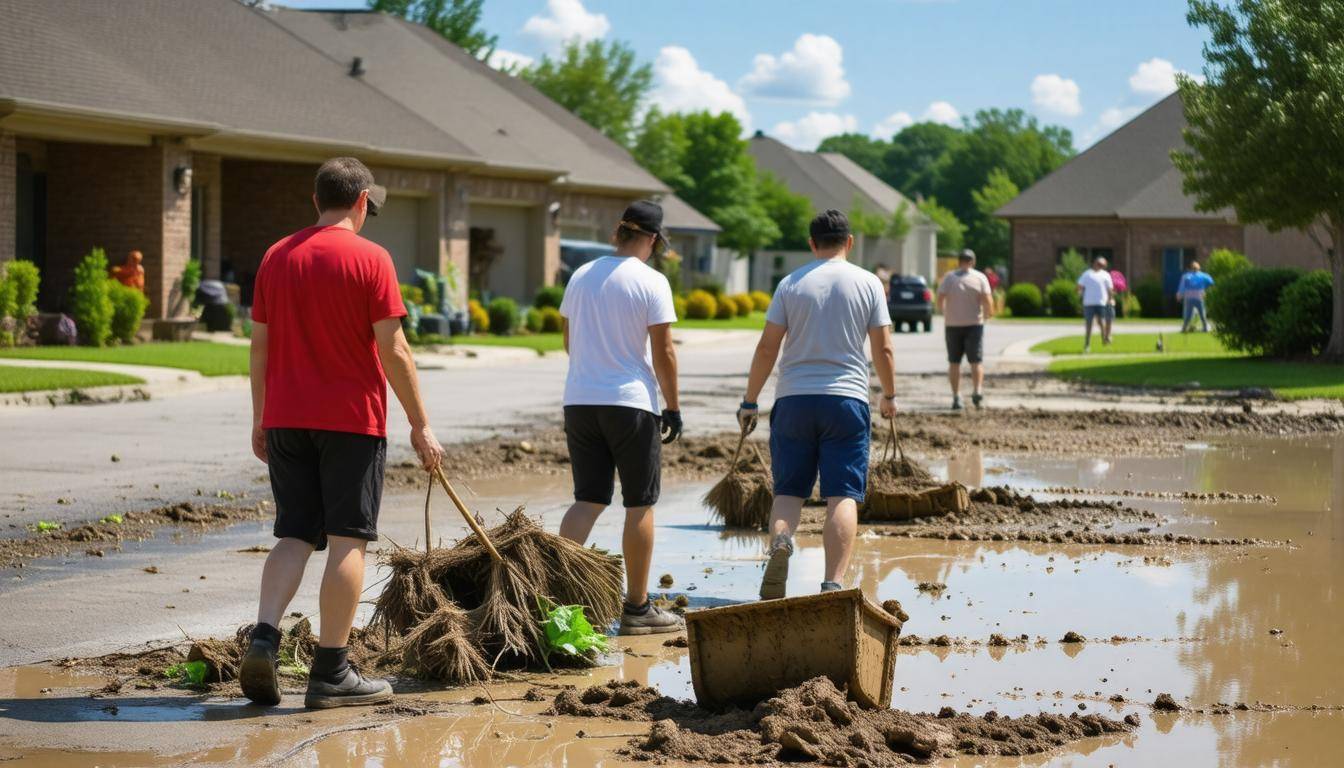
Recovery efforts following a flood can be overwhelming, both physically—navigating through debris and restoring your home—and emotionally as you cope with the loss and disarray. The first priority should always be assessing the damage to make informed decisions on how to proceed without compromising your safety. As you venture back into your home, take your time to carefully inspect your surroundings.
Assessing Damage
Start by examining your home for any obvious signs of structural damage, as this is critical before re-entering. Look for cracks in walls, sagging ceilings, or displaced floorboards; these could be indicators of weakening support beams or extensive water damage. Additionally, check for gas leaks—this can often be done by observing if there is any hissing sound coming from pipes or by smelling for gas closely around appliances.
It’s also vital to investigate your electrical systems. Turn off the main power supply before proceeding. If you notice frayed wires or sockets that have been submerged in water, it’s best not to attempt turning the electricity back on until a professional has assessed the situation.
Water contamination is another serious concern after flooding. If floodwaters infiltrated your home, they bring a cocktail of contaminants with them. Checking for residual waterlogged areas that could harbor harmful bacteria is essential. You may also want to collect samples of contaminated water for testing if local authorities provide services for this purpose.
Health Precautions
During cleanup, wear protective clothing—gloves, boots, and even masks are highly recommended to guard against molds and other pathogens that could lead to infections or respiratory issues. Floodwaters may carry hazardous materials that can persist long after the waters have receded.
Studies have shown a noticeable surge in waterborne diseases immediately following flooding events. Individuals who neglect hygiene during cleanup efforts are at a higher risk of contracting illnesses such as leptospirosis or gastroenteritis. This emphasizes just how necessary it is to keep proper sanitation measures in mind while cleaning post-flood.
Keep hand sanitizers and disinfectants at hand while you tackle the mess. Clean surfaces thoroughly—using soap and water first, then disinfecting high-touch spots like doorknobs and fridge handles to eradicate any lingering germs.
Taking advantage of local resources can significantly ease the recovery process.
Many communities offer frameworks for assistance tailored specifically for those affected by natural disasters like floods. This might include local disaster relief organizations ready to provide immediate help—such as food supplies, shelter options, or financial assistance for impacted families. Don’t hesitate to reach out; sometimes your neighbors can also be a tremendous source of support when rebuilding begins.
As you navigate these challenges, understanding the types of resources available in your area can play a crucial role in facilitating recovery.
Local Resources and Assistance

In Brunei, various local agencies stand ready to offer help during times of need, providing essential support that can make all the difference. One of the best places to start is by connecting with governmental and non-governmental organizations designed specifically for disaster management. For instance, Brunei’s National Disaster Management Centre is a cornerstone for emergency relief. They not only provide crucial information but also coordinate responses during disasters. If you ever find yourself in need, don’t hesitate to contact them at +673 238 2668.
| Resource | Contact Information |
|---|---|
| National Disaster Management Centre | +673 238 2668 |
| Brunei Red Crescent Society | +673 234 1701 |
| Local Health Clinics | Various Locations |
Beyond official resources, community support plays a pivotal role in navigating the aftermath of flooding. Community centers often serve as temporary shelters where people can find safety, warmth, and companionship during challenging times. These locations frequently organize aid distribution initiatives, offering food and necessities to affected families.
Engaging with local volunteers within these spaces can be immensely beneficial; not only do they provide material support, but they can lend an empathetic ear and emotional support that fosters resilience.
Building a stronger sense of community preparedness is vital in enhancing resilience against flash floods. Hosting neighborhood gatherings where residents can practice safety protocols or share personal experiences related to flood preparedness can establish a robust support network.
Moreover, staying connected with your neighbors is invaluable; they can be a source of immediate assistance during emergencies when time is crucial.
As we move forward into preparation strategies, being informed about your local resources empowers you to act confidently when the unexpected happens. Keeping handy contacts and staying attuned to community initiatives can facilitate not only your recovery but also foster camaraderie and collective strength within your community.
In summary, preparedness combined with local resources creates a shield against the unpredictability of flash floods and strengthens community bonds that will endure beyond challenging times.
How can residents stay informed about impending flash floods or severe weather warnings?
Residents in Brunei can stay informed about impending flash floods or severe weather warnings by subscribing to local weather alert services, following the Brunei Meteorological Department’s updates on social media, and utilizing mobile apps that provide real-time alerts. It’s crucial to have a battery-operated radio on hand as well, as reports suggest that timely information can significantly reduce panic and increase preparedness levels during emergencies—a study indicated that communities receiving timely alerts can lower the risk of injury and property damage by over 30%.
What resources or organizations are available in Brunei to assist with flood preparation and response?
In Brunei, the National Disaster Management Centre (NDMC) plays a crucial role in flood preparation and response, offering essential resources such as early warning systems and disaster response training. Local organizations like the Fire and Rescue Department provide support during emergencies, while the Department of Environment, Parks and Recreation contributes to community awareness programs. Statistics show that effective preparedness can reduce flood-related fatalities by up to 50%, emphasizing the importance of engaging with these organizations for safety measures.
What items should be included in an emergency kit for flash flood preparedness?
An emergency kit for flash flood preparedness should include essential items such as water (at least one gallon per person per day for three days), non-perishable food, a flashlight with extra batteries, a first aid kit, necessary medications, a whistle to signal for help, and personal documents (IDs and insurance information) in a waterproof container. According to FEMA, having an emergency kit significantly increases your chances of staying safe during unexpected disasters, as nearly 60% of deaths from natural disasters occur due to delayed evacuation or lack of preparedness.
What steps should families take to create an effective evacuation plan during a flash flood?
Families should start by identifying the safest evacuation routes away from flood-prone areas, ensuring everyone knows these paths. It’s essential to establish a meeting point for family members in case of separation and to have an emergency kit ready that includes water, food, first aid supplies, and important documents. Statistics show that 90% of flood-related fatalities occur in vehicles, highlighting the importance of avoiding driving during a flash flood. Regularly practicing the evacuation plan can greatly increase readiness and reduce panic during actual emergencies.
What specific areas in Brunei are most at risk of flash floods?
Areas in Brunei most at risk of flash floods include the low-lying regions and riverbanks, particularly in the capital, Bandar Seri Begawan, and surrounding districts such as Tutong and Belait. These areas are vulnerable due to their geographical location and drainage systems that can become overwhelmed during heavy rainfall. According to reports prior to 2023, over 50% of flash flood incidents occurred in these regions during monsoon seasons, highlighting the need for effective flood preparedness strategies.