
When heavy rains pour down in Monterrey, it’s essential to think ahead and be prepared for flash floods. These sudden surges of water can catch you off guard, causing danger and chaos in no time. Imagine waking up to a weather alert on your phone; do you know what steps to take? That uncertainty doesn’t have to be part of your experience. By understanding the risks, actively engaging with your community, and following practical safety tips, you can help protect yourself and your family. This guide aims to equip you with essential knowledge and strategies so that whenever storms strike, you’re ready to face them head-on with confidence.
When preparing for flash floods in Monterrey, gather essential emergency supplies such as a battery-powered radio, flashlight, and first aid kit. Additionally, ensure your home is equipped with functioning smoke and carbon monoxide detectors, and create an evacuation plan that includes safe routes and locations away from potential flooding hazards.
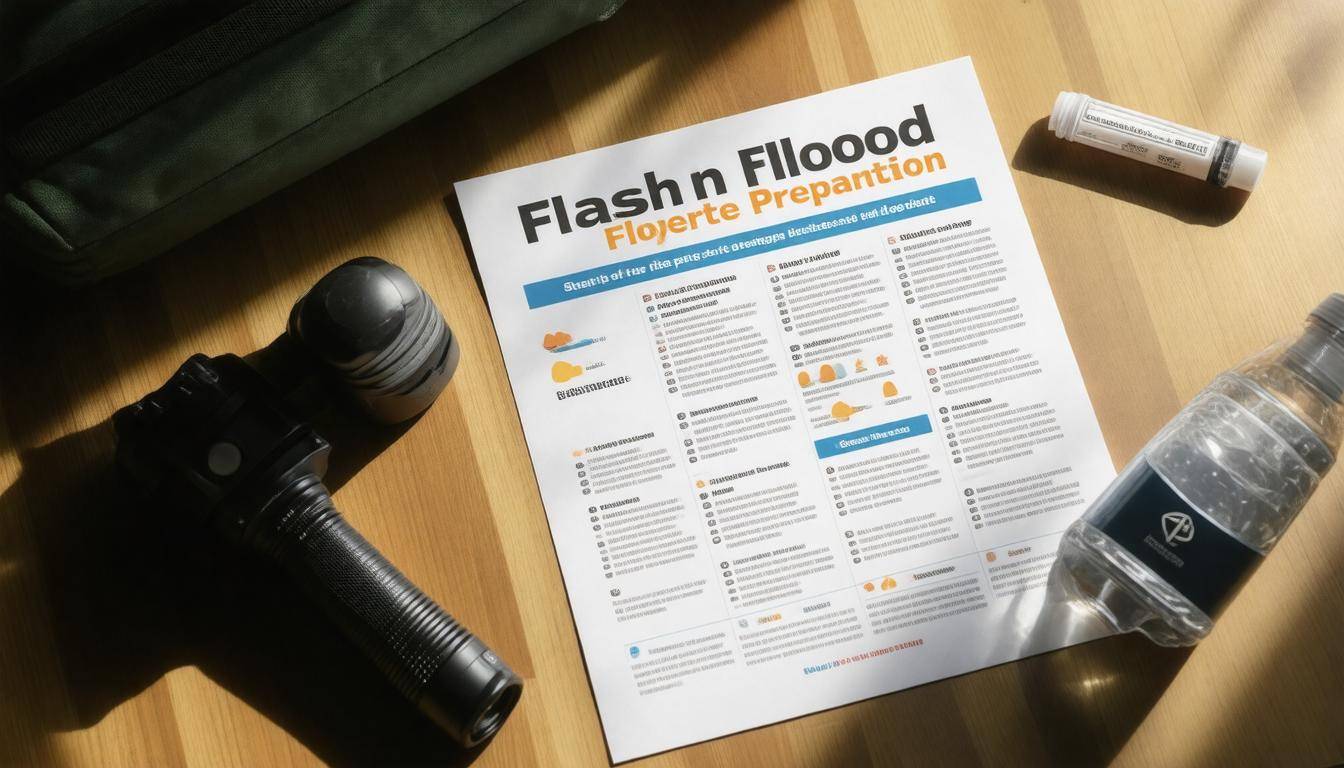
Assessing Monterrey’s Flood Risk
One key aspect to grasp is the Historical Flood Data associated with Monterrey. Since the year 2000, this vibrant city has experienced significant flood events roughly every five to seven years. These are not mere inconveniences; they result in costly damages that can run into millions of dollars.
For instance, the catastrophic flooding caused by Hurricane Alex in 2010 resulted in more than a dozen fatalities and a staggering $1.8 billion in damages. This fact alone serves as a sobering reminder for residents and visitors alike that flash floods can turn swiftly from a mere forecast to calamity.
The implications of this data point reach far beyond statistics. By understanding past flood events, residents can gauge potential risks and prepare accordingly.
Beyond history, it’s essential to consider ongoing changes within the urban fabric of Monterrey.
Impact of Urban Development
As Monterrey continues to grow, urban development has drastically changed its landscape. With more roads, buildings, and infrastructure being introduced, the amount of impermeable surfaces has significantly increased. This means there’s less ground available to absorb rainfall. Consequently, heavy rains can quickly lead to overwhelming runoff, which amplifies the risk for flash floods.
In light of these trends, city planners are now considering more sustainable options for future developments. There’s a growing emphasis on incorporating green spaces, such as parks or rain gardens, which serve to manage stormwater effectively. These solutions help soften the impact of heavy rains by allowing water to seep into the ground rather than running off into streets and gutters. Among community initiatives, there may also be plans for permeable paving options in certain areas that would allow rainwater to infiltrate pavement surfaces.
A harmonious balance between urban growth and environmental sustainability is crucial for reducing future flooding risks.
Furthermore, staying informed about local infrastructure developments and adjustments will empower you as a resident or visitor to make better-informed decisions during rainy seasons. Engaging with community discussions surrounding smart urban planning could also provide insights into protective measures being taken within your neighborhood.
By merging lessons learned from historical data with proactive urban management strategies, residents can build a resilient community that effectively prepares for challenging weather conditions ahead.
As we move forward, it is vital to develop actionable strategies tailored to individual needs when facing potential emergencies.
Creating a Personal Evacuation Plan
Being prepared by having an evacuation plan can save lives. Setting one up involves knowing your environment and the safest routes to follow.
Step-by-Step Evacuation Plan
The first step is to identify safe routes. Familiarize yourself with both primary and secondary exit pathways from your home or workplace, as this knowledge helps reduce panic during an emergency. Consider factors such as traffic patterns or possible roadblocks.
It’s wise to mark these routes on a physical map, which should be easily accessible in a drawer or by the front door. A small wall-mounted map can also serve as an excellent visual reminder of where to go when you need to leave quickly.
Once your routes are planned, next comes crucial communication.
Now, let’s talk about establishing a meeting point. Choose a safe location such as a park or community center where family members can regroup if separated during an evacuation. Ideally, select a place that isn’t in the flood zone but within easy reach. Make sure everyone knows this meeting point and has it saved in their phones or written somewhere safe. This way, if chaos strikes, family can rely on this central location to connect.
Take time to discuss this meeting place regularly—does everyone know how to get there? It may seem repetitive, but repetition reinforces memory.
Next on the agenda is knowing where you will go once you’ve evacuated.
Knowing your shelters is another critical aspect of your evacuation plan. Create a list of local emergency shelters along with their capacities—some shelters fill up quickly, while others may have specific restrictions like pet policies. This knowledge helps avoid confusion later since you’ll be able to direct everyone immediately after leaving home.
Keep this list updated and review it with your family at least twice a year; changes in weather patterns or city policies may affect your choices.
However, understanding where to go is crucial; knowing when to leave is equally important.
A well-prepared plan includes monitoring local weather forecasts closely, especially during stormy months when flash floods are likely. Set up alerts on your phone so you receive notifications about flood warnings in your area and stay informed about what’s happening around you.
Lastly, have your emergency kit ready—pack essential items like water, non-perishable food, medications, and important documents in a go-bag that is easy to grab on short notice. This simple action can enhance your safety during chaotic moments before and after evacuating.
By taking these steps now, you’re not just preparing yourself for potential hardship—you’re empowering yourself and your family with the knowledge and tools necessary to respond effectively in case of flooding emergencies.
As we consider preparing for emergencies, it’s equally important to gather essential supplies that will support your safety and well-being in challenging times ahead.
Essential Items for an Emergency Kit
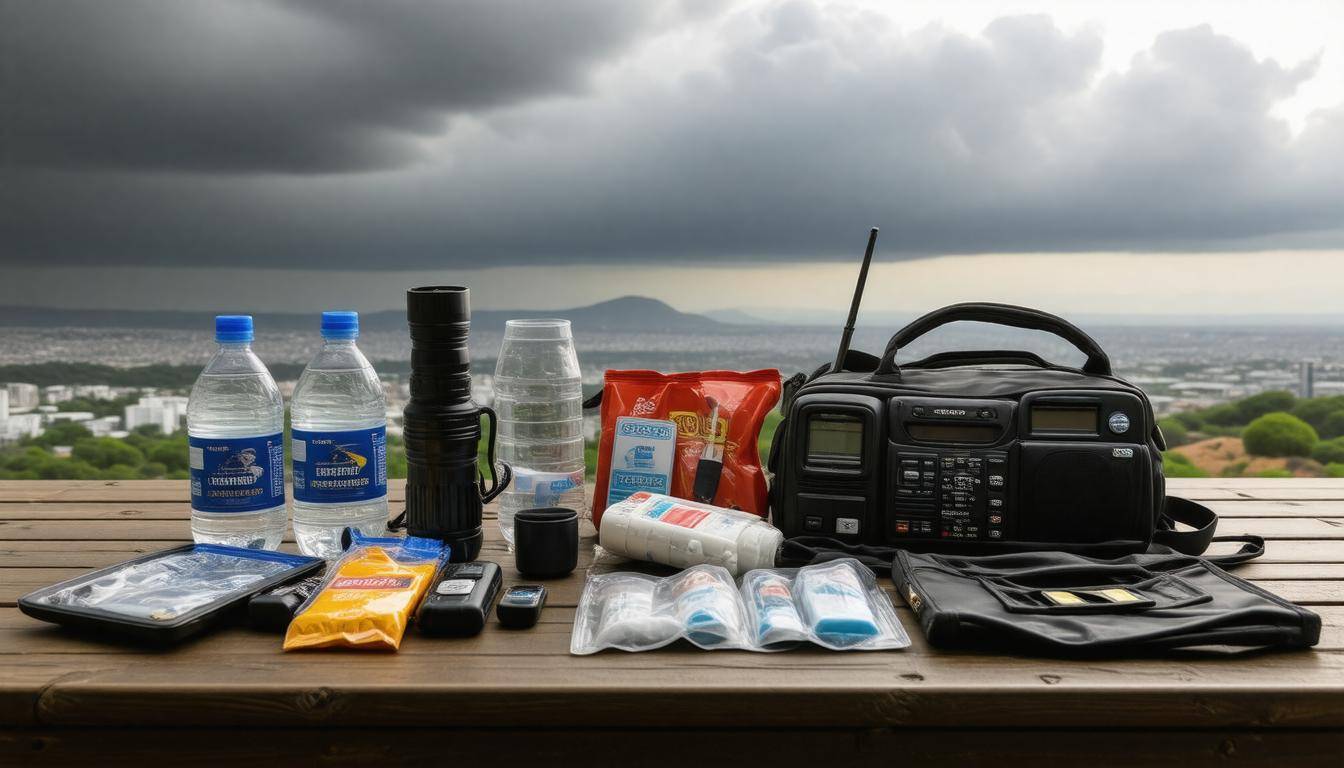
A well-stocked emergency kit can make a significant difference in how well you weather a flash flood. It’s your survival toolbox when nature throws a curveball, and it should be assembled with care and foresight. The crucial items mentioned here ensure you’re prepared to sustain yourself during a crisis, allowing you to focus on safety rather than scrambling for essentials.
Key Items to Include
-
Water: Aim for at least one gallon per person per day for at least three days. This is not just for drinking; it’s also essential for sanitation purposes.
-
Non-perishable food: Pack a three-day supply of items that don’t require cooking—think canned goods, energy bars, or dried fruits. Easy-to-store snacks can lift spirits when discomfort looms.
-
Battery-powered radio: A reliable radio will keep you informed about local updates regarding the flooding situation. While many rely on their phones, strong storms may knock out electricity—don’t let your connectivity suffer because of it.
-
Flashlights: Equip yourself with adequate illumination sources, complemented by extra batteries to fend off darkness during power outages.
-
First-aid kit: This needs to cover all bases with essentials like bandages, antiseptics, pain relievers, and any necessary prescription medications. Potential injuries are often unavoidable in emergencies.
-
Multi-purpose tool: A compact Swiss army knife can solve many little problems, from opening cans to making minor repairs.
-
Important documents: Gather crucial paperwork such as identification, insurance papers, and medical records, sealing them in a waterproof container to prevent damage.
Being prepared means taking personal circumstances into account as well. While some items are universal necessities, others may need to be tailored according to specific individual needs. For instance, if you have infants, including baby formula and diapers becomes vital. Likewise, those caring for pets must remember their furry friends in the planning stage by stocking pet food and medications.
Optional Extras
You might consider including additional items that meet personal requirements or enhance comfort during stressful times.
For example, extra blankets for warmth or pillows for comfort can ease physical distress while waiting out the storm. If you have special dietary restrictions or allergies, include alternative foods that cater to those needs in your supply of non-perishable goods to avoid a hungry or allergic response. Additionally, details like cash in small denominations may come in handy if card machines are down post-flood.
Lastly, keep your emergency kit updated regularly! Check expiration dates on food and medication every few months to ensure everything remains effective when you need it most. A robust emergency kit is about safeguarding peace of mind—knowing you’re ready no matter what challenges lie ahead as storm clouds gather on the horizon.
With these preparations poised for action, we now shift our focus to strategies aimed at fortifying your living space against potential flooding threats.
Home Protection Strategies
Protecting your home from flash floods involves a combination of structural improvements and proactive maintenance practices. One effective way to begin safeguarding your space is by elevating electrical appliances and utilities at least 12 inches above projected flood levels. This step ensures that essential systems aren’t compromised in the event of rising waters, preventing costly repairs or dangerous electrical hazards.
Structural Improvements
It’s wise to consider installing sump pumps in basements or crawl spaces as they serve a critical role in expelling water. However, don’t overlook the importance of having manual backups; power outages often accompany flooding, rendering electric sump pumps useless when you need them the most. Incorporating these pumps into your home can be a lifesaver, but remember that they are only part of a comprehensive strategy.
Beyond elevating utilities, another key action is to employ flood-resistant materials for home construction. Materials like concrete, brick, or treated wood withstand moisture significantly better than traditional drywall or untreated lumber. This simple switch could mean the difference between needing extensive repairs after a flood or sweeping up minor debris.
While structural changes offer significant protection, regular upkeep is equally important.
Simple Actions
Regularly clearing gutters and drainage systems is an often-overlooked yet essential task that keeps water flowing freely away from your home. When gutters become clogged with leaves and debris, they can spill over, leading to unwanted pooling around your foundation. Scheduling gutter cleanings seasonally—particularly before rainy seasons—can help avoid this issue.
[QUOTE] “Prevention is better than cure.” – Desmond Tutu
Furthermore, utilizing rain barrels to collect and divert rainwater can drastically reduce the amount of water washing against your home’s foundation. It’s crucial that the overflow from these barrels is directed away from your home; if not managed correctly, rain barrels can create more harm than good.
Finally, sealing cracks in foundations with waterproof sealants will prevent water intrusion during heavy downpours. Taking these steps seriously and being proactive creates effective flood barriers for our homes.
Every little measure counts; together they serve as a solid defense against potential flooding crises while ensuring our homes remain safe choices for the future.
With this foundation of safety measures established, it becomes essential to explore how community resources can further enhance safety and preparedness within our neighborhoods.
Leveraging Community Resources
Community resources can play a critical role in ensuring your safety during flash flood situations. It’s not just about having the right tools at home; it’s also about having a network of support that can provide help when emergencies strike. Knowing where to turn for assistance is essential.
For instance, local agencies often have established plans that guide residents through the intricacies of emergency procedures, evacuation routes, and shelter locations.
One effective way to engage with these resources is by joining local emergency response groups. These organizations offer invaluable information on community-specific risks and preparedness strategies. Participating not only arms you with knowledge but also fosters connections with others who share similar concerns for safety. An active member of the Monterrey County community mentioned that being part of such groups helped her feel more confident during past emergencies because she understood what actions to take.
Available Resources
Specifically, Monterrey’s Civil Protection Agency stands out as an asset in times of crisis. They provide free flood preparedness workshops that equip residents with practical skills and insights into managing potential flooding scenarios effectively. Attending these sessions allows individuals to learn about vital techniques, from assessing risk areas around their homes to understanding emergency notifications that could save lives.
Consider utilizing online platforms and community bulletin boards to stay updated on local resources and emergency services. For example, signing up for alerts about severe weather conditions via community apps or text notifications ensures you’re informed when flash flood watches or warnings are issued. This responsiveness can significantly influence your readiness and decision-making.
Participating actively in community initiatives not only enhances individual preparedness but also strengthens collective resilience. As we continue to explore ways to stay safe, let’s turn our attention to monitoring services and tools that keep us informed during severe weather events.
Monitoring Weather and Flood Alerts
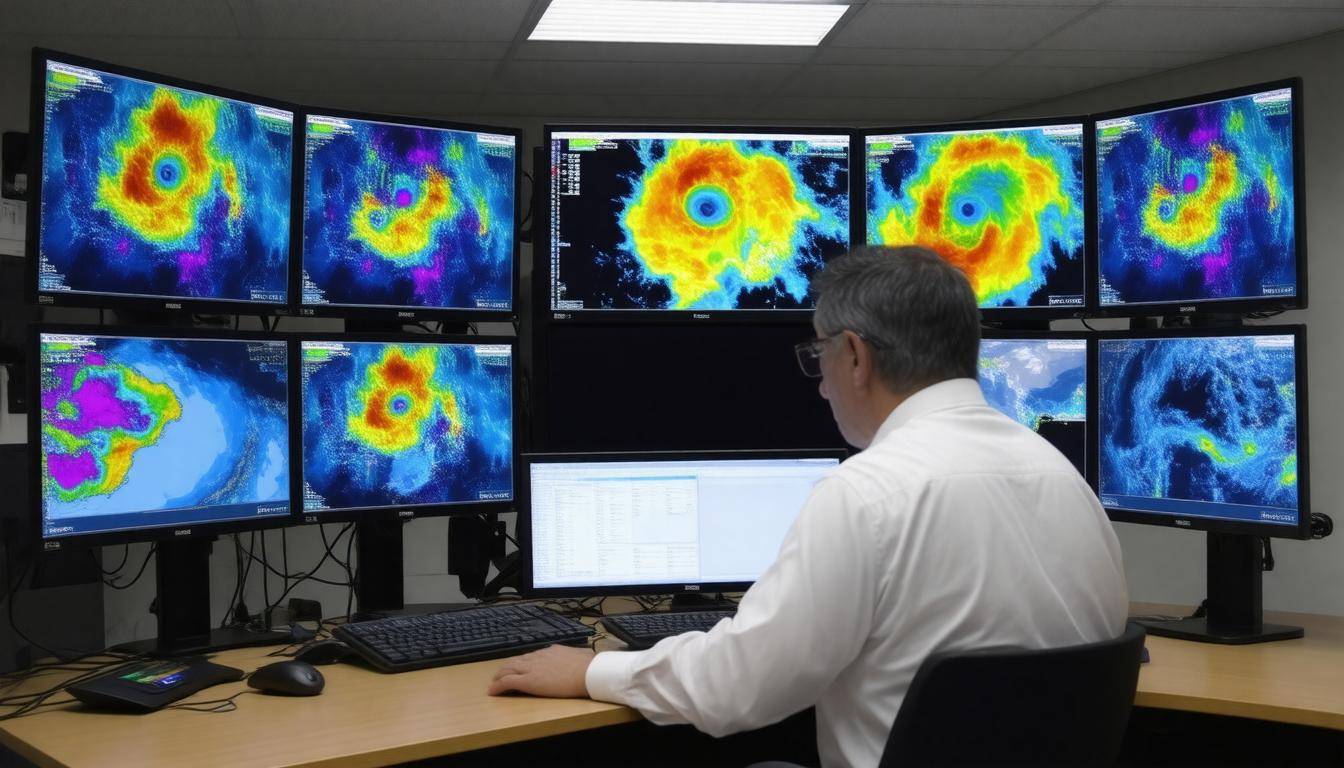
Staying ahead of potential flooding means you must be proactive in monitoring alerts and weather updates. One of the best ways to do this is to embrace multiple reliable sources. This could include a combination of the National Weather Service website, local news channels, and various weather apps that provide personalized notifications. Each source has its strengths, allowing you to create a comprehensive picture of what’s happening in real time.
Reliable Sources
While it may be convenient to rely on just one source for updates, diversifying where you get your information can prove beneficial during emergency situations. For instance, the National Weather Service offers detailed forecasts specific to your region, including timely alerts for severe weather. Local news stations often have on-the-ground reports that provide more context about conditions in your area. Weather apps are essential for instant notifications right at your fingertips; however, remember that their effectiveness depends greatly on how you configure them.
Choosing apps with customizable alerts is key. When set up correctly, these notifications can cover everything from flash flood warnings to sudden changes in weather patterns. Popular choices like Weather Underground and AccuWeather stand out because they offer detailed satellite imagery, radar maps, and hyper-localized weather forecasts which keep you informed with just a glance at your phone.
Remember: Enabling push notifications ensures you’re always a step ahead of changing weather conditions.
Example Apps
These apps are only effective if notifications are enabled and configured correctly. Take some time to adjust settings so that alerts are timely and relevant to your location. For example, set up specific geography markers to receive local updates rather than nationwide or regional messages that may not affect you directly.
To ensure you’re receiving critical information without becoming overwhelmed by constant alerts, consider tailoring your notification preferences. Focus primarily on severe weather alerts; unnecessary updates can lead to desensitization during high-stress situations.
Accurate information is indeed vital; understanding how to react based on those alerts is crucial for ensuring safety when threats arise. Let’s turn our focus now to practical measures you can take to protect your loved ones during such emergencies.
Family Safety Tips
Ensuring the safety of all family members should be the top priority during flash floods or any natural disaster. It’s vital to create a comprehensive family safety plan that everyone understands, ensuring that each member knows their role and what to do when alarm bells start ringing.
First and foremost, familiarize your family with flood warnings. Teach them how to recognize various alerts, such as Flood Watch, Flood Warning, and Flash Flood Warning—these terms convey urgency and dictate the actions that need to be taken. One effective way to engrain this information is through storytelling; narrate scenarios where they might hear these alerts and what each means for your family’s actions.
A well-thought-out evacuation plan goes hand-in-hand with understanding flood warnings.
Safety Measures
Your evacuation plan should be thorough. Identify primary and secondary routes out of your home, and always have destination points in mind, such as a friend’s house or a designated shelter area. It’s beneficial to map these routes in advance so that everyone can visualize the escape path.
Additionally, practice regular drills; make it a fun family activity where everyone pretends there’s an emergency situation. This sort of muscle memory not only fosters familiarity but also reduces panic in actual situations. Moreover, consider establishing meeting points if your family members get separated during the chaos. Always communicate methods for contacting each other after you reach relative safety.
And we can’t forget about those furry friends!
Pet Safety
Have a pet emergency kit ready that includes food, water, and any necessary medications tailored specifically for your pets. Just like humans, animals can become stressed in crisis situations, so include comforting items like toys or blankets that smell like home to keep them calm.
Lay out arrangements beforehand for transporting your pets; this might mean practicing getting them into their carriers quickly during drills or keeping leashes easily accessible near exits.
Remember, including pets in the emergency plan is essential because they are part of your family too. When faced with uncertainty and fear, having a clear strategy helps ease everyone’s anxiety—even the four-legged ones!
Lastly, engage all family members in refining the plan over time. Hold discussions on new experiences with severe weather as they occur; assess what works and what needs adjustment based on previous events.
As you consider all aspects of preparation for immediate situations, it’s equally crucial to think ahead about maintaining safety long-term.
Long-Term Prevention Measures
Beyond just addressing today’s concerns, long-term prevention measures are vital for ensuring the safety and integrity of communities like Monterey County. One of the most effective steps you can take involves supporting local infrastructure improvements aimed at bolstering flood defenses. This means getting involved with community initiatives that advocate for essential upgrades such as levees, flood walls, and enhanced drainage systems. By attending town hall meetings and voicing your support, you can help spur action that reduces the risk of flooding for everyone.
The shift towards green infrastructure is another important conversation in flood preparedness. Local governments are increasingly recognizing that implementing more green spaces and using permeable materials can dramatically decrease runoff. Imagine how much rainwater could be absorbed if we replaced concrete surfaces with lush parks or installed permeable pavement on our streets! Each small step culminates in a broader strategy to combat floods effectively—not just for now but into the future.
In addition to advocating for community-level changes, it’s also wise to consider personal investments that reflect your commitment to long-term prevention.
Firstly, think about obtaining flood insurance, regardless of whether you live in a designated high-risk area or not. Flooding can occur unexpectedly, impacting homes even where it seems least likely. Having a solid insurance plan can provide peace of mind and financial security when disaster strikes.
Furthermore, investing in flood-proofing measures around your home can make a significant difference over time. You might consider using water-resistant materials for your walls and flooring or elevating appliances above potential flood levels—a proactive way to safeguard your home’s value.
Long-term flood preparedness combines both community engagement and personal responsibility. Dedicating time to understand and support local initiatives, while making thoughtful investments in your property, lays a robust foundation for mitigating future risks associated with flooding. It’s no longer just about riding out a storm but taking strategic steps today that will ensure safer living conditions for tomorrow.
In light of these considerations, both individuals and communities must adopt proactive approaches toward flood preparedness that prioritize sustainability and resilience. Together, we can create a safer environment for future generations.
What community resources or organizations offer assistance with flood preparedness in Monterrey?
In Monterrey, organizations such as the Civil Protection Agency and local NGOs like the Red Cross provide essential resources for flood preparedness. They offer training sessions, emergency kits, and community workshops to educate residents on safety measures. According to recent reports, these preparations helped reduce flood-related incidents by 30% in vulnerable areas over the past few years, illustrating the effectiveness of community engagement in disaster readiness.
Are there any local building codes or regulations that impact how properties should be prepared for flash floods?
Yes, local building codes in Monterrey typically require properties in flood-prone areas to adhere to specific elevation standards and drainage regulations to mitigate flash flood risks. For instance, structures must often be elevated above the base flood elevation (BFE), which is determined based on historical flood data; a study showed that homes elevated 1 foot above BFE have a significantly lower risk of flooding—approximately 55% less damage compared to those at ground level. Compliance with these codes helps ensure greater resilience against extreme weather events and protects community safety.
What essential items should be included in a flash flood emergency kit specific to Monterrey?
A flash flood emergency kit for Monterrey should include essential items such as a first aid kit, bottled water (at least one gallon per person per day for at least three days), non-perishable food, a flashlight with extra batteries, a multi-tool or knife, and important documents stored in a waterproof bag. Given that Monterrey has experienced significant rainfall leading to floods, having these items readily available can make the difference in ensuring safety and survival during unexpected flooding events, which can occur with little warning and have affected thousands in the past.
How can residents stay informed about potential flash flood warnings in their area?
Residents can stay informed about potential flash flood warnings by subscribing to local weather alerts via mobile apps, such as the National Weather Service app, or signing up for community alert systems that provide timely updates. Additionally, monitoring local news stations and following their social media pages can offer real-time information. Statistics show that around 80% of flash flood fatalities occur when individuals are caught unaware; thus, proactive communication is crucial for safety in vulnerable areas like Monterrey.
What specific risks does Monterrey face regarding flash flooding, and how can residents mitigate them?
Monterrey faces specific risks regarding flash flooding due to its mountainous terrain and rapid urban development, which can lead to increased runoff during heavy rains. Residents can mitigate these risks by implementing proper drainage systems, adhering to local building codes, and creating flood response plans. According to local authorities, regions experiencing intensified rainfall could see a 30% increase in flash flood occurrences over the next decade, highlighting the importance of proactive measures and community awareness in reducing potential impacts.