
Spring is a beautiful time of year, but with the melting snow comes a risk that many homeowners dread: flooding. Understanding how to protect your home from spring thaw floods can make all the difference between a peaceful transition into warmer weather and a stressful battle against rising waters. You might think you’re safe just because you live in a low-risk area, but statistics show that nearly 20% of flood claims come from properties outside high-risk zones. That’s why this guide is packed with practical strategies that you can implement to keep your home dry and secure. Whether it’s checking drainage systems or making smart landscaping choices, taking early action is key to preventing water damage and ensuring a worry-free spring season. So let’s dive into the best ways to safeguard your home from inevitable melts!
The key strategies for preventing spring thaw floods include ensuring proper drainage around your home’s foundation, fixing plumbing or heating system leaks promptly, and investing in green infrastructure solutions like retention ponds that manage runoff. Additionally, understanding floodplain development and considering flood insurance can also play crucial roles in minimizing flood risks associated with spring thaw.
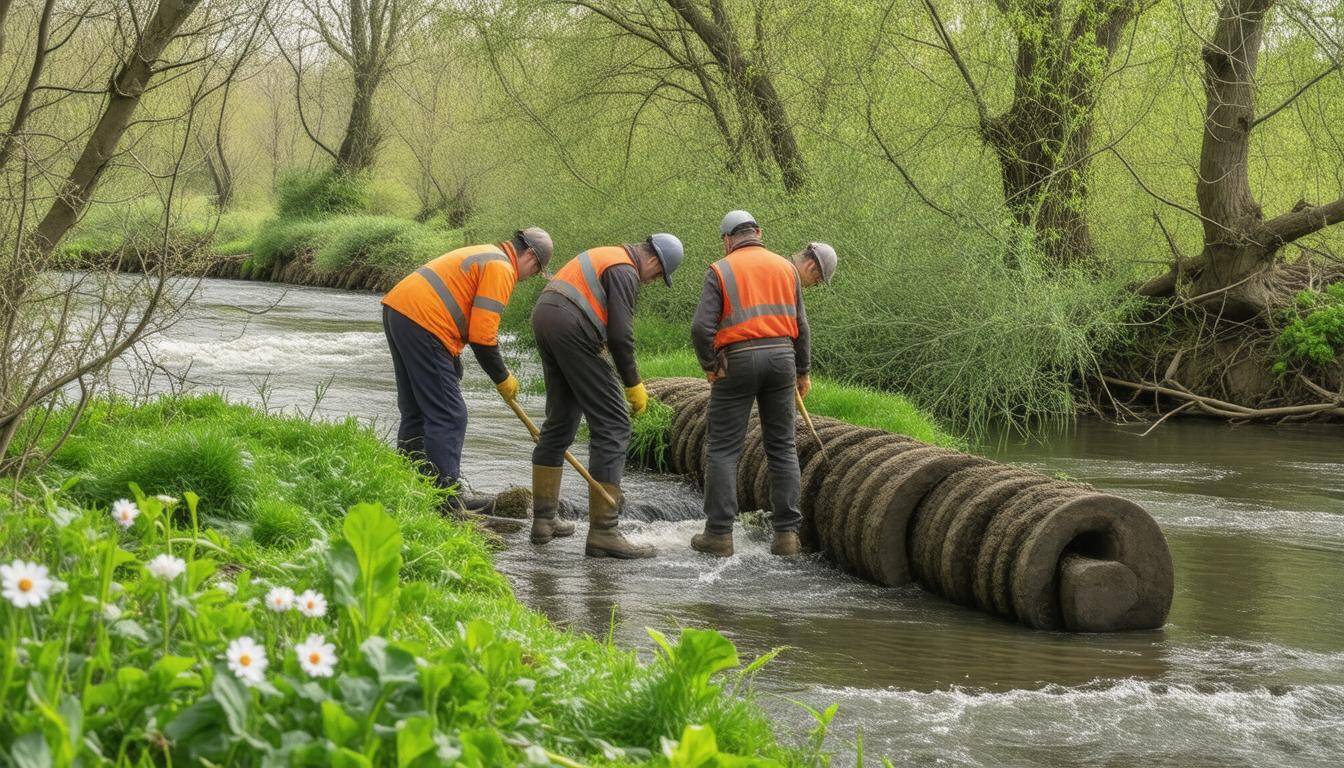
Spring Thaw Flood Preparation
A thorough preparation process begins with crafting a comprehensive checklist. This list serves as your guide through each crucial step to ensure your home is well-protected against potential flooding.
First, gather all relevant information and think about the specific areas in your home that may be vulnerable during the spring thaw. Inspecting the basement should be a top priority since this space often collects water. Look for cracks in the walls and floors; if you notice any, consider sealing them with an appropriate waterproofing compound to minimize infiltration.
Next on your checklist should be verifying that your sump pump is functioning correctly. The sump pump plays a vital role in diverting excess water away from your basement. If it’s malfunctioning or has been inactive throughout the winter, take the opportunity to test it out and replace it if needed. Keeping valuable items off the floor by relocating them to safer, elevated areas helps protect them from potential flooding and enables easier access when you need to grab something quickly.
Cleaning gutters offers a surprisingly impactful defense against water accumulation around your home’s foundation. Clogged gutters can lead to overflow and pooling water, which might seep into your basement, especially when melting snow starts to add volume. Clear out any debris, such as leaves or twigs, which can impede water flow.
Another key element of flood preparation lies in evaluating your home’s drainage system. Ensure that all drainage pipes are free of blockages and functioning effectively; consider hiring a professional if you’re uncertain about their condition. Additionally, examine the grading of your yard—sloping it away from your foundation will enable better runoff management and direct water away from the house.
Emergency Kit Preparation
Don’t overlook the importance of having an emergency kit ready; this could be lifesaver in unexpected situations. Stock your kit with essentials such as bottled water, non-perishable food items, flashlights, batteries, first-aid supplies, and important documents sealed in waterproof bags. You won’t want to scramble for these things during a crisis when every moment counts!
Data supports the benefits of utilizing preventive measures: “According to a FEMA report, homes utilizing preventive checklists experienced 40% less water damage during seasonal thaws,” underscoring the value of being proactive.
By following these thorough preparations outlined in your checklist, you’re not just protecting your property but also securing peace of mind during unpredictable weather conditions in early spring. Each action taken today contributes significantly toward safeguarding against flooding and potential mold issues that might arise afterward.
As we consider additional methods for keeping homes safe from water damage, it’s important to focus on drainage systems designed to handle excess runoff efficiently.
Effective Drainage Solutions
Proper drainage plays a critical role in flood prevention by ensuring that water doesn’t accumulate around your home’s foundation. When water piles up close to your house, it can weaken the structure over time and lead to costly repairs. That’s where effective drainage solutions come into play, implementing strategies that direct water away from your property.
One of the most reliable methods is French drains. Picture this: they are essentially trenches lined with gravel, featuring a perforated pipe below that collects water and channels it away from the home. Many homeowners may find it tricky to install these systems on their own; hence, professional installation is often recommended. However, once set up properly, French drains effectively reduce standing water and tremendously lower the risk of flooding.
Another simple yet powerful method worth considering is grading.
Grading refers to the process of shaping the ground surrounding your home so that it slopes down at least six inches over the first ten feet away from the foundation. This slight incline is crucial for redirecting rainwater and melting snow so that it flows away instead of pooling near your walls. Without proper grading, even light rain can create puddles that become problematic over time.
Now let’s turn our attention to something as simple as gutter extensions.
When you think about it, gutters are one of your home’s first defenses against water damage. They collect rainwater but can only do so much on their own without proper downspout management. Extending downspouts at least five to ten feet away from your foundation ensures that water is directed far enough away to avoid pooling effects near the base of your home. A few well-placed extensions can make all the difference when heavy rains hit.
For those facing chronic drainage issues, dry wells may be a viable solution.
Dry wells are specially designed underground structures that absorb runoff and release it slowly into the surrounding soil. They serve as a reservoir for excess water, preventing overflow and potential flooding during heavy rains or rapid melts after winter thawing. Especially beneficial in areas lacking natural drainage, dry wells act like your yard’s underground sponge, soaking up what would otherwise threaten your home.
Integrating these drainage strategies early in the season not only protects your property but also contributes to a proactive approach for safeguarding against potential issues with excessive water accumulation. This sets the stage for exploring additional protective measures to enhance your home’s resilience against flooding.
Building Protective Barriers
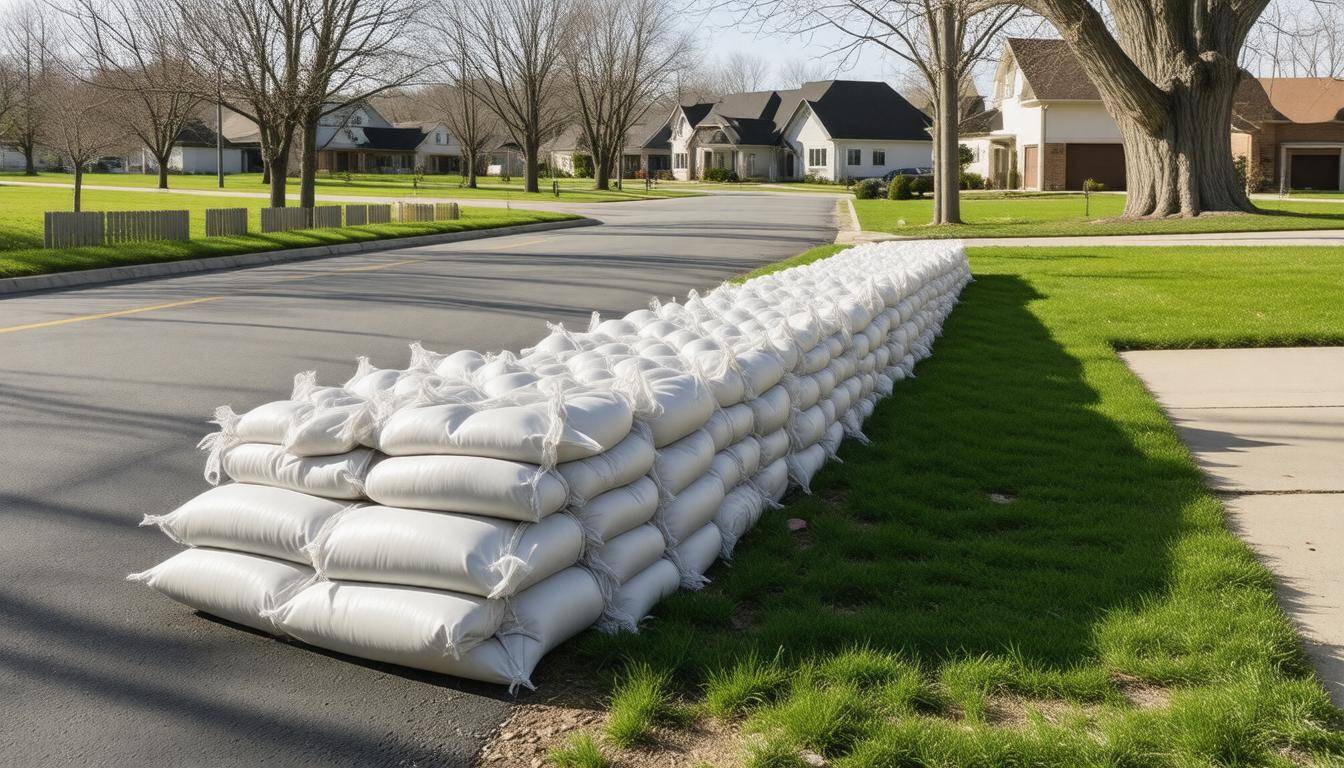
One of the most effective ways to shield your home from spring thaw floods is by constructing protective barriers. These barriers act as a first line of defense, directing floodwaters away and preventing potential water damage. The type of barrier you choose can greatly influence its performance.
Sandbags and Hydraulic Barriers
Sandbags stand out as a low-cost solution for many homeowners seeking to create temporary barriers. They are relatively easy to obtain and can effectively divert water when stacked properly. However, they do come with challenges: setting them up can be labor-intensive, often requiring multiple hands to fill, transport, and arrange them appropriately. Additionally, improper disposal of sandbags can have environmental impacts. Therefore, while sandbags provide immediate relief during flood events, they are not always the most sustainable option over time.
On the flip side, hydraulic barriers serve as a reusable alternative that requires less labor to set up and dismantle. Despite their higher initial cost compared to sandbags, they offer an efficient and environmentally-friendly solution for flood protection. Made from durable materials and filled with water, these barriers automatically expand as floodwaters rise, creating a formidable wall against incoming water.
Many homeowners who opted for hydraulic barriers during recent flooding experienced minimal damage thanks to their efficiency in handling rising water levels.
Considerations for Barrier Height and Materials
When constructing your barrier—whether using sandbags or hydraulic options—there are key considerations regarding height and materials. The recommended height for any barrier should be at least 12 inches above expected flood levels to ensure optimal protection.
| Material | Advantages | Disadvantages |
|---|---|---|
| Sandbags | Low-cost; readily available | Labor-intensive setup; disposal issues |
| Hydraulic Barriers | Reusable; easier installation | Higher initial cost |
| Concrete Blocks | Very strong; long-lasting | Heavy and difficult to move |
Many opt for a combination of materials depending on specific circumstances. For example, using sandbags in regions prone to quick water buildup might be complemented with hydraulic barriers for longer-term solutions.
With proactive measures in place through the careful selection of materials and techniques for your protective barriers, it’s time to consider other vital aspects in ensuring safety against spring thaw floods—specifically focusing on the role of maintaining waterways and riverbanks.
Riverbank and Waterway Maintenance
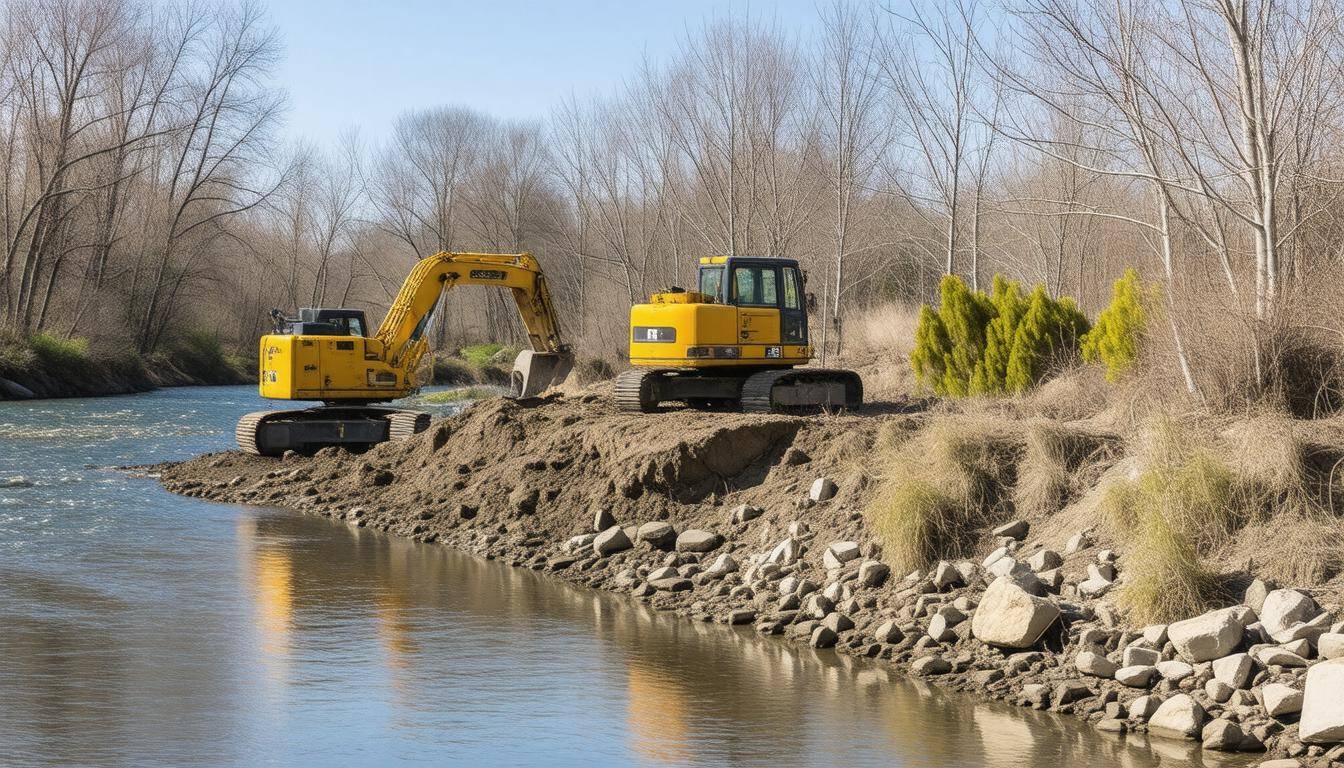
Keeping nearby rivers and streams in good condition is essential for minimizing the risk of flooding in residential areas. A community effort focused on regular maintenance can significantly impact preventing large water surges from reaching homes during spring thaw or heavy rains. This maintenance involves a few key strategies and preventative measures that benefit both the ecosystems and those living nearby.
One critical aspect of this maintenance is ensuring that water flow remains unobstructed. Debris like fallen trees, litter, or even natural materials can accumulate along riverbanks and impede the natural flow of water. Clearing away this debris regularly allows water to move freely and prevents pooling, which can lead to increased flood risks. Engaging local volunteers for river clean-up events fosters community involvement while effectively addressing this issue.
Another important step is planting native vegetation along riverbanks. Native plants have deep-root systems that stabilize the soil, making it less prone to erosion. This is vital, as erosion weakens banks and increases the likelihood of collapse during heavy rainfalls or spring thaws. Establishing a buffer zone of at least 25 feet with plants can absorb excess water and filter pollutants before they enter the waterways.
According to the U.S. Army Corps of Engineers, properly maintained riverbanks can reduce flood risks by up to 30%. This emphasizes how simple practices such as vegetation management can yield significant benefits. Moreover, these plants serve dual purposes: they create habitats for wildlife and enhance the beauty of natural landscapes.
It’s also essential to regularly inspect drainage systems such as ditches and storm drains. When these systems become clogged with leaves or refuse, they fail to channel water away effectively, leading to overflow situations. By routinely clearing debris from these areas, homeowners and communities can ensure that water flows smoothly away from their properties.
As we focus on our immediate surroundings, actively monitoring water levels during the spring thaw is beneficial. Reporting any unusual rises to local authorities can facilitate timely intervention if necessary; it helps prevent small issues from becoming large-scale problems.
Finally, don’t underestimate the importance of consistency in these efforts. Scheduling annual maintenance checks for levees and floodwalls will help ensure they remain structurally sound enough to perform their duties effectively when needed most.
By implementing these maintenance strategies, we create a robust defense against flooding while nurturing the vitality of our local ecosystems—a key consideration as we explore broader community efforts involving collective readiness.
Community Flood Readiness
When thinking about effective flood prevention, it’s clear that teamwork is essential. Communities that coordinate their response to flooding create a safer environment and enhance their resilience against unpredictable climate events. One of the best ways to foster this collaboration is through Community Action Plans. These plans serve as a roadmap for local governments and citizens to work hand-in-hand in flood prevention efforts.
Community Action Plans
The first step in crafting a solid community flood action plan is to bring everyone to the table—local officials, emergency responders, businesses, and residents all contributing their thoughts and concerns. When diverse perspectives are gathered, it leads to well-rounded solutions.
For example, consider implementing systems that allow real-time communication about oncoming floods. Using text alerts or social media can ensure everyone in the area is informed at the right moment.
Establishing designated safe zones for evacuation and shelter during emergencies can dramatically increase community safety. Imagine knowing where you would go if flooding hits—a simple yet powerful element of the plan.
An inspiring example of effective community action can be seen in a town in Iowa. By developing a concise flood action plan with the participation of both citizens and local government, their town experienced noticeably faster response times during a recent flood event. This collaborative approach improved communication and helped reduce damage significantly.
Besides crafting these plans, ensuring they remain updated and practiced is equally important. Regular drills not only prepare everyone but also foster a sense of unity among residents.
Proactive planning and consistent engagement are key components of community flood preparedness. Each community’s unique landscape should guide the development of tailored methods that will enhance flood resilience while making sure all voices are heard in this vital conversation.
As we shift from proactive measures for preventing flooding, it’s crucial to explore what steps individuals can take when disaster strikes unexpectedly.
Emergency Safety Measures
In an emergency, safety measures can mean the difference between manageable damage and catastrophe. Therefore, one of the first steps you should take is to assemble a well-stocked home emergency kit. This kit should include essentials like first aid supplies, bottled water, non-perishable food, flashlights, batteries, and blankets. These resources serve not only to sustain you in case of evacuation but also create peace of mind during stressful times. Imagine having to rush out while thinking about whether or not you packed the essentials—it can be quite unsettling.
Home Emergency Kit
Your home emergency kit is your lifeline during a crisis. When putting it together, think about all the items that would make a difficult situation just a bit easier. First aid supplies are essential, so include bandages, antiseptic wipes, and any medications your family might need.
Bottled water—a minimum of one gallon per person per day for at least three days—is also key. Non-perishable food items like canned goods or energy bars should round out your supplies. Furthermore, don’t forget to secure all important documents—such as insurance papers—in a waterproof container within your kit; losing these could complicate recovery efforts later.
Keeping your cell phone charged and having a backup power source handy is another essential tip during emergencies. Additionally, alert your family members about the existence of this emergency kit, ensuring they know where it’s stored and how to access it quickly if needed. Establishing a clear communication plan in case of evacuation can help avoid chaos amid the crisis. You might consider designating a specific meeting point outside of your home where everyone will regroup once safe.
The importance of protecting both yourself and your loved ones cannot be overstated. Taking the time to prepare an emergency safety plan followed by assembling a ready-to-go kit ensures that when spring thaw floods strike, you’ll feel poised and confident rather than overwhelmed by uncertainty.
With an effective safety plan in place, we can now look into ways to enhance your home’s defenses against flooding while maintaining comfort and stability.
Home Waterproofing Techniques
Waterproofing is often an underestimated element of flood prevention, yet it plays a critical role in maintaining the integrity of your home during those tumultuous spring months. One of the primary areas to focus on is the basement. Since basements are typically the lowest point in a house, they are more susceptible to water intrusion.
To mitigate this risk, sealing cracks and gaps in the basement walls and floors with high-quality waterproof materials—such as hydraulic cement—is essential. This solution creates a barrier that keeps moisture at bay.
Experts suggest, “Waterproofing measures can reduce basement flooding chances by 90%.”
Additionally, installing a sump pump can be a game-changer. A sump pump not only helps to remove any water that has entered but also proactively prevents future accumulation of unwanted water. Opt for one with a battery backup. This ensures that your sump pump remains functional even during power outages—a common occurrence during heavy spring storms. Imagine being able to enjoy peace of mind knowing that your home is safeguarded, no matter what weather rolls in!
Of course, it’s important to consider all entry points for water; this includes the exterior elements of your home as well.
Gutter Maintenance
Gutters and downspouts play an often-overlooked role in water management. They’re designed to route rainwater away from your home’s foundation, but without regular maintenance, you could find yourself facing serious issues. Clear gutters and downspouts can handle up to 1,200 gallons of water per hour when properly maintained. This means that keeping them free of leaves and debris is vital for preventing overflow that could saturate your foundation during heavy rains or melting snow.
Regularly inspecting and cleaning your gutters at least twice a year is advisable; once in the fall after trees have shed their leaves and again in early spring before the heavy rains begin. For added protection, consider extending downspouts at least five feet away from your home’s foundation.
Beyond gutters, let’s not forget about the foundational infrastructure surrounding your home.
Grading and Landscaping
Proper grading around your home is another vital aspect of waterproofing. Ideally, landscaping should slope away from the foundation with a gradient of at least six inches over the first ten feet; this will effectively divert water and prevent pooling near your base. If you notice any low spots or uneven areas, think about adjusting your landscaping or adding soil to create slopes that guide water away.
Furthermore, consider incorporating French drain systems if runoff becomes a consistent issue. A properly installed French drain can lower water table levels by one to two feet. It works by redirecting excess droplets away from vulnerable areas—essentially channeling trouble elsewhere while protecting your precious abode.
Implementing effective grading and drainage strategies greatly enhances your home’s resilience against floods. This opens up discussions about alternative landscape practices designed to further defend against potential flooding hazards.
Flood-Resistant Landscaping Tips
When it comes to protecting your home from flooding during spring thaw, landscaping is an unsung hero. Thoughtful design can effectively channel excess water away from your foundation, reducing the risk of water damage while enhancing your outdoor aesthetics. By implementing specific features into your yard, you help prevent flooding and create a tranquil space that adds value to your home.
| Landscaping Element | Benefits | Tips for Implementation |
|---|---|---|
| Rain Gardens | Absorb and filter runoff | Plant native, water-tolerant species |
| Swales | Direct water away from properties | Create shallow, grassy depressions |
| Permeable Paving | Reduce runoff by allowing water absorption | Use materials like gravel, permeable pavers |
| Trees and Shrubs | Stabilize soil to prevent erosion | Plant strategically around the property perimeter |
The first landscaping element, rain gardens, plays a vital role. These designed depressions utilize plants and soil to absorb rainwater runoff from impervious surfaces like driveways and roofs. By incorporating native, drought-resistant plants in your rain garden—such as Black-eyed Susans or Switchgrass—you encourage water absorption while minimizing the need for excessive watering later on. Moreover, rain gardens mitigate flooding and foster local wildlife habitats.
Another effective method worth exploring is the creation of swales.
Swales are designed to manage water runoff. They take the form of shallow, grassy depressions that direct rainwater toward drainage points or areas that can absorb it safely. Think of them as natural pathways for water! If you’re considering implementing swales in your yard, aim for a gentle slope with grass and native plantings; this will allow for increased absorption and prevent soil erosion while adding aesthetic appeal to your garden.
As we consider flood-resistant landscaping, let’s explore permeable paving.
Permeable paving is an excellent solution if you’re looking to reduce runoff from hard surfaces. Unlike traditional concrete or asphalt that prevents water penetration, permeable materials like gravel or specially designed permeable pavers allow rainwater to seep through and filter into the ground below. This reduces surface runoff that contributes to flooding while helping recharge groundwater supplies—a win-win! When choosing paving options, factor in local climate conditions to select the most suitable material.
Lastly, let’s not forget about the power of trees and shrubs.
Incorporating trees and shrubs contributes significantly toward preventing erosion while stabilizing soil around your property. Their roots hold the soil together, making it less likely for excess rain to wash away dirt and debris. Strategically planting these outward from your foundation creates a barrier against flooding caused by heavy rainfall or melting snow. Additionally, their shade can lower cooling costs inside your home during summer months—demonstrating how functional landscaping offers multiple benefits.
Implementing these flood-resistant landscaping methods brings peace of mind as part of a comprehensive approach in protecting against potential risks posed by spring thaw floods. Not only will these practices help safeguard your home but they will also enhance its overall appeal and value in the long term.
What role do local governments play in preventing flooding during the spring thaw?
Local governments play a crucial role in preventing flooding during the spring thaw by implementing effective drainage systems, managing stormwater through natural and engineered solutions, and conducting regular maintenance on watercourses. They also enforce zoning regulations that limit development in flood-prone areas and provide public education about flood preparedness. According to FEMA, communities participating in floodplain management programs can reduce flood losses by up to 40%, showcasing the impact of proactive local government measures on minimizing seasonal flooding risks.
Are there specific home improvements that can enhance flood resilience against spring thaw conditions?
Yes, specific home improvements can significantly enhance flood resilience against spring thaw conditions. Elevating your home or placing it on stilts can reduce flood risk, especially in high-risk areas; according to the Federal Emergency Management Agency (FEMA), elevating homes can lower flood insurance premiums by up to 30%. Installing sump pumps and backflow valves ensures water is effectively diverted away from your foundation, while using flood-resistant materials for basements and crawlspaces mitigates potential damage. Implementing these strategies not only protects your investment but also contributes to community-wide flood mitigation efforts.
What should I do immediately after a flood occurs due to spring thaw to minimize damage?
Immediately after a flood occurs due to spring thaw, you should prioritize safety by avoiding flooded areas and turning off electricity to prevent electrocution. Next, remove standing water using pumps or wet vacuums within the first 24-48 hours to significantly reduce mold growth, which can begin in as little as 24 hours post-flooding. Statistics show that homes that dry out within this time frame experience up to 50% less total damage compared to those left unattended. Documenting damages with photos also supports future insurance claims.
How can I assess my property’s flood risk before the spring thaw?
To assess your property’s flood risk before the spring thaw, begin by reviewing historical flood data for your area, which can often be found through local government websites or FEMA’s Flood Map Service Center. Additionally, evaluate your property’s topography and proximity to water sources; homes located in low-lying areas or near rivers are at greater risk. According to the National Flood Insurance Program (NFIP), approximately 20% of flood claims come from properties outside high-risk zones, highlighting the importance of thorough assessment regardless of location. Finally, consider conducting an inspection of your drainage systems to ensure they’re clear and functional.
What are the most effective techniques for managing snowmelt water around my property?
Effective techniques for managing snowmelt water around your property include creating proper drainage systems, such as French drains, to redirect excess water away from the foundation. Additionally, ensuring that gutters and downspouts are clear and directing runoff at least three to four feet from the house is crucial. Landscaping strategies like graded slopes can also help channel snowmelt water effectively. According to the Federal Emergency Management Agency (FEMA), nearly 25% of all flood insurance claims result from surface water issues, highlighting the importance of proactive measures in flood prevention.