
In tough times, cooking on a budget doesn’t have to mean sacrificing flavor or nutrition. Many people worry that when resources dwindle, their meals will lack variety and excitement. However, with a bit of clever planning and creativity, it’s entirely possible to whip up delicious and healthy meals that are easy on your wallet. Whether you’re facing a grocery budget crunch or preparing for unexpected circumstances, having reliable recipes and smart cooking strategies can make all the difference. This article offers practical insights into affordable cooking solutions, turning everyday staples into satisfying meals without financial stress. Let’s dive in and explore how to make the most of what you have in your pantry!
In the Budget Emergency Cooking Solutions: Complete Guide, you will find practical strategies for creating a budget tailored to emergency cooking needs, including affordable meal ideas, efficient meal planning, and tips for managing food expenses during financial stress. The guide also emphasizes essential budgeting methods and provides insights on using low-cost ingredients to prepare quick and nutritious meals without relying on fast food options.
Smart Planning for Emergencies
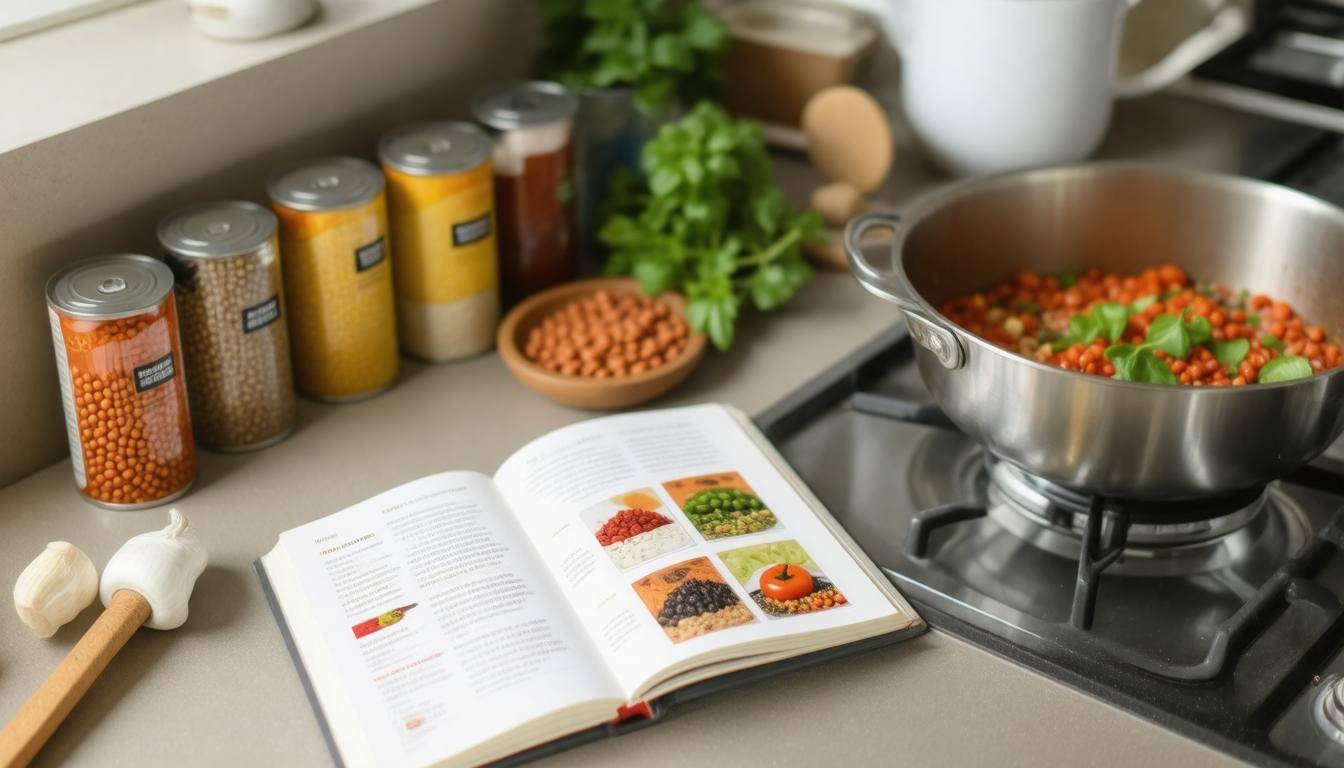
Smart planning is more than just knowing what ingredients are available; it’s about creating an actionable strategy that encompasses budgeting, meal preparation, and adaptability. When faced with unforeseen circumstances, having everything mapped out can alleviate stress while ensuring you and your loved ones have sufficient nourishment without breaking the bank.
Step 1 – Assessing Your Inventory
The foundation of any effective emergency strategy begins with a thorough assessment of your current food inventory. Head over to your pantry, fridge, and freezer, taking stock of items you have on hand. Writing down each item along with its quantity is crucial as it not only aids in meal planning but also serves as a reminder of what you might need to buy when grocery shopping. This process empowers you to make informed culinary decisions while also preventing unnecessary purchases that can burden your budget.
By knowing exactly what you have, you’ll find clarity in meal preparation. If you notice you’re running low on staples like rice or canned vegetables, you can make a plan to stock them up without overspending.
Step 2 – Identifying Nutritional Needs
Once you’ve cataloged what’s in your kitchen, think about everyone’s dietary needs within your household. It’s vital to create a balanced menu that includes protein sources, complex carbohydrates, and essential vitamins necessary for maintaining health, especially during stressful times. For instance, while focusing on affordable recipes, aim to include options that provide:
-
Proteins: Options like beans, lentils, or canned tuna are affordable protein sources.
-
Complex Carbohydrates: Use whole grains such as brown rice or whole grain pasta for sustained energy.
-
Essential Vitamins: Incorporating seasonal fruits and vegetables ensures access to nutrition at lower costs.
According to the USDA guidelines, an average adult requires around 56 grams of protein daily. Meal planning with these nutritional parameters in mind will help ensure that even in tough times, you’re fueling your body properly.
With your inventory assessed and nutritional needs identified, it’s time to move forward into drafting a manageable list that aligns perfectly with both your cooking goals and budget constraints.
Create a Manageable Shopping List
A well-planned shopping list should encompass all the essentials highlighted during your inventory check and nutritional assessment. Aim to prioritize high-nutrient foods with long shelf lives—think canned goods like tomatoes or beans, hearty grains like rice and quinoa, and frozen fruits or vegetables. It’s also wise to allocate a budget; $30 for a week’s worth of emergency supplies can be adequate if spent wisely.
Designating storage bins or shelves specifically for emergency supplies keeps these essentials organized and easily accessible—making it effortless to toss together meals when time or resources run short.
As part of this never-ending dance between cost and utility, remember that you’re not just preparing for today but ensuring you’re ready for future challenges too. Regular updates of your shopping list every few months will accommodate seasonal items—and as tastes change or new recipes come into play—you’ll always be prepared!
Now that we’ve covered the groundwork for effective cooking amid financial pressures, let’s explore how to refine our shopping strategies for maximum efficiency.
Creating a Simple Shopping List
When it comes to grocery shopping on a budget, having a streamlined list is essential. It ensures that you purchase only what is necessary, helping you save both money and time. A good shopping list can make all the difference when you’re standing in the aisle faced with numerous choices showing off their packaging. The trick lies not just in writing down items but in categorizing them effectively so that your shopping trip is as efficient as possible.
Essential Categories
One successful strategy involves dividing your list into essential categories:
-
Proteins: Stock up on affordable proteins like canned beans, peanut butter, or canned tuna; these are versatile staples.
-
Grains: Look for cost-effective grains such as rice, pasta, and oats, which serve as the base for many meals.
-
Canned Goods: Include essentials like tomatoes, vegetables, and fruits that add flavor and nutrition without breaking the bank.
-
Basics: Don’t forget cooking oil, spices, salt, and sugar—these ingredients elevate simple dishes to something extraordinary.
-
Snacks: Incorporate snacks like nuts or granola bars for energy boosts during busy days.
By creating a categorized list, it will be simpler to navigate the store and avoid distractions from impulse buys. You want to get in and out quickly without overcrowding your cart with unnecessary items.
Additional Tips
To maximize savings while shopping, stick to your list religiously to minimize impulse purchases; it’s easy to get sidetracked by enticing sales or new products. However, consider swapping national brands for generic options wherever feasible.
For instance, opting for store-brand canned beans over a national brand can save up to 30%. Over time, these small savings accumulate into significant amounts that positively contribute to your budget.
As you refine your grocery strategies and focus on this thoughtful approach to shopping, you’ll find yourself spending less while eating better quality meals.
With that robust shopping list in hand, let’s now shift our focus to discover some creative and economical meal ideas based on those pantry staples.
Affordable Recipes Using Pantry Staples
Take, for instance, a quick and satisfying Chickpea Stew. The beauty of this recipe lies in its simplicity. You begin by sautéing onions and garlic in a dash of olive oil until they become aromatic and golden. The texture of the chickpeas is so comforting; when added to diced tomatoes and a sprinkling of spices like cumin and paprika, it transforms into a warm hug of flavors. After letting it simmer for roughly 20 minutes, ladle this hearty stew over some fluffy rice, and voilà! A nourishing dish ready to enjoy.
This stew is not just delicious—it also packs in fiber and protein, making it a wonderful choice for those who are budget-conscious yet desire nutritious meals that promote health.
Next up is a delightful morning option: an Oatmeal Breakfast. Preparing this is like creating your own canvas; starting with oats boiled in water or milk serves as the foundation. Stirring in peanut butter adds creaminess and essential protein, while a sprinkle of cinnamon elevates the flavor profile to something heartwarming and familiar. For an added crunch, take a handful of nuts or dried fruit to toss on top, making breakfast not just filling but also exciting.
Endless Possibilities with Ingredients
Both recipes exemplify how utilizing basic ingredients can yield varied and nutritious meals. They allow for customization based on personal preference or what’s available—don’t hesitate to swap chickpeas for lentils or add whatever veggies you have on hand! The philosophy I adopt revolves around maximizing what’s already there; ingredients can be transformed into completely different dishes with just a little creativity and a willingness to improvise.
Moreover, harnessing the power of versatile ingredients makes cooking not only economical but functional during circumstances where resources may be scarce or unpredictable. Ingredients like rice, beans, and oats become lifelong allies—they store well and can adapt to numerous forms when combined with various seasonings and techniques.
To make the most of what you have, consider stretching ingredients with smart substitutions. Prioritizing pantry staples means saving money while still enjoying meals that both comfort and nourish you during challenging times.
Stretching Ingredients with Smart Substitutions
Understanding the art of substitution is a valuable skill in the kitchen that can turn a bland dish into a culinary marvel. By swapping one ingredient for another without altering the overall flavor or texture of the meal, you can make your recipes both economical and delicious. This approach not only helps to extend your inventory but also allows your creativity to flow as you explore new flavor profiles.
Understanding Substitution
At its core, substitution involves choosing an ingredient that replicates the role of another in your recipe. For example, if you’re out of buttermilk, mixing regular milk with a splash of vinegar or lemon juice can yield a similar result. This straightforward technique ensures that you can continue cooking even when your supplies run low.
Consider it a way to keep your culinary options open. Whether you’re trying to save money or just looking to avoid a trip to the grocery store, substituting ingredients means you don’t need to sacrifice quality.
Examples of Smart Substitutions
- Using yogurt instead of sour cream maintains the creamy texture and often adds beneficial probiotics to your meals.
- Swapping applesauce for oil in baking reduces fat while keeping baked goods moist and adding a hint of luscious flavor.
- Replacing fresh herbs with dried herbs allows for flexibility; generally, dried is more potent, so be mindful of the quantity used!
These smart substitutions can transform how you cook, making meals healthier and more budget-friendly. Not only do they stretch your ingredients further, but they can also lead to unexpected deliciousness. For instance, using mashed bananas instead of oil or butter in baked goods reduces fat content while adding natural sweetness and moisture.
Having understood the potential of ingredient substitutions, we now turn our attention to preparing meals that are both quick to assemble and family-friendly, ensuring dinner is served without stress.
Quick and Easy Family Meals
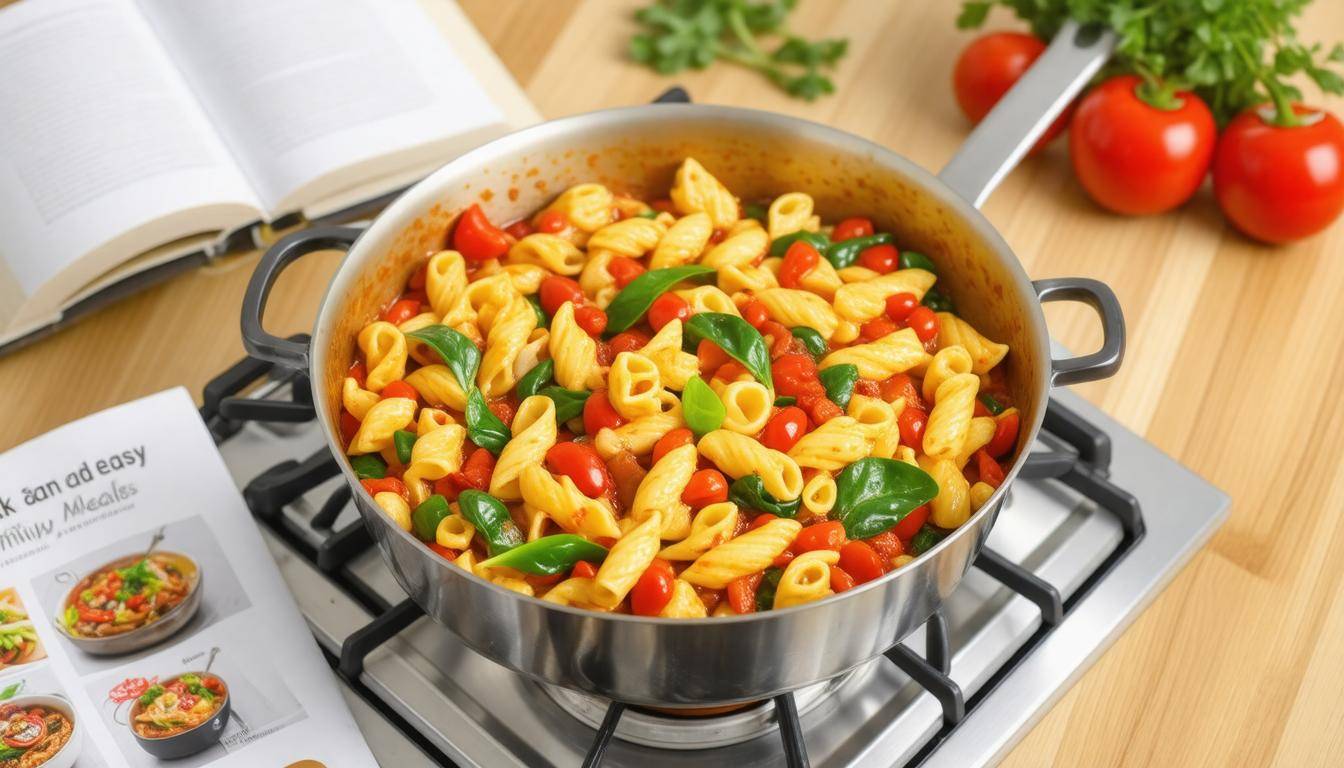
Imagine coming home after a long day, tired and worn out, only to realize it’s time for dinner and you’ve got little to work with in the kitchen. This is where quick and easy family meals come to the rescue. These recipes can save the day, offering both flavor and nutrition without consuming your precious time—or budget. Creating these meals doesn’t have to mean settling for bland or uninviting food; instead, you can whip up delightful dishes using staples you might already have on hand.
Recipe 1 – One-Pot Pasta
Picture this: You’re rushing around your kitchen, trying to gather ingredients while coordinating your family’s dining preferences. Why not simplify things with a one-pot pasta dish? Just follow these steps:
- Grab your spaghetti, canned tomatoes, onions, garlic, and basil.
- Toss everything into a pot—you’ll be combining flavors seamlessly.
- Add water and bring it to a boil; as it bubbles away, your home will fill with delicious aromas.
- Let it simmer until the pasta is cooked through, allowing the sauce to thicken around the noodles.
It’s a meal that brings everyone together at the table, satisfying even the pickiest eaters in just about 20 minutes.
Recipe 2 – Rice and Beans
For something heartier yet still straightforward, consider rice and beans—a classic dish beloved across many cultures. Here’s how you can make it:
- Cook your rice according to package instructions for that perfect base.
- Meanwhile, in another pan, sauté onions and garlic, allowing their natural sweetness to bloom.
- Add canned beans of your choice along with spices and a splash of water; let it simmer until thickened, marrying those flavors beautifully.
- Serve this flavorful concoction over the rice, adding a sprinkle of cheese if available; it’s comforting in every bite.
This dish exemplifies versatility—you can add veggies or proteins based on what you have on hand or what’s currently on sale at your local grocery store.
What makes these meals particularly special is not just their speed but also their potential for customization. Depending on what’s in your pantry—be it leftover veggies or herbs—you can always adjust these recipes to suit your tastes or dietary needs.
With recipes like these under your belt, you can enjoy stress-free family dinners no matter how chaotic life gets. Beyond food preparation lies the importance of maintaining preparedness for various unexpected situations that may arise.
Staying Prepared for Any Crisis
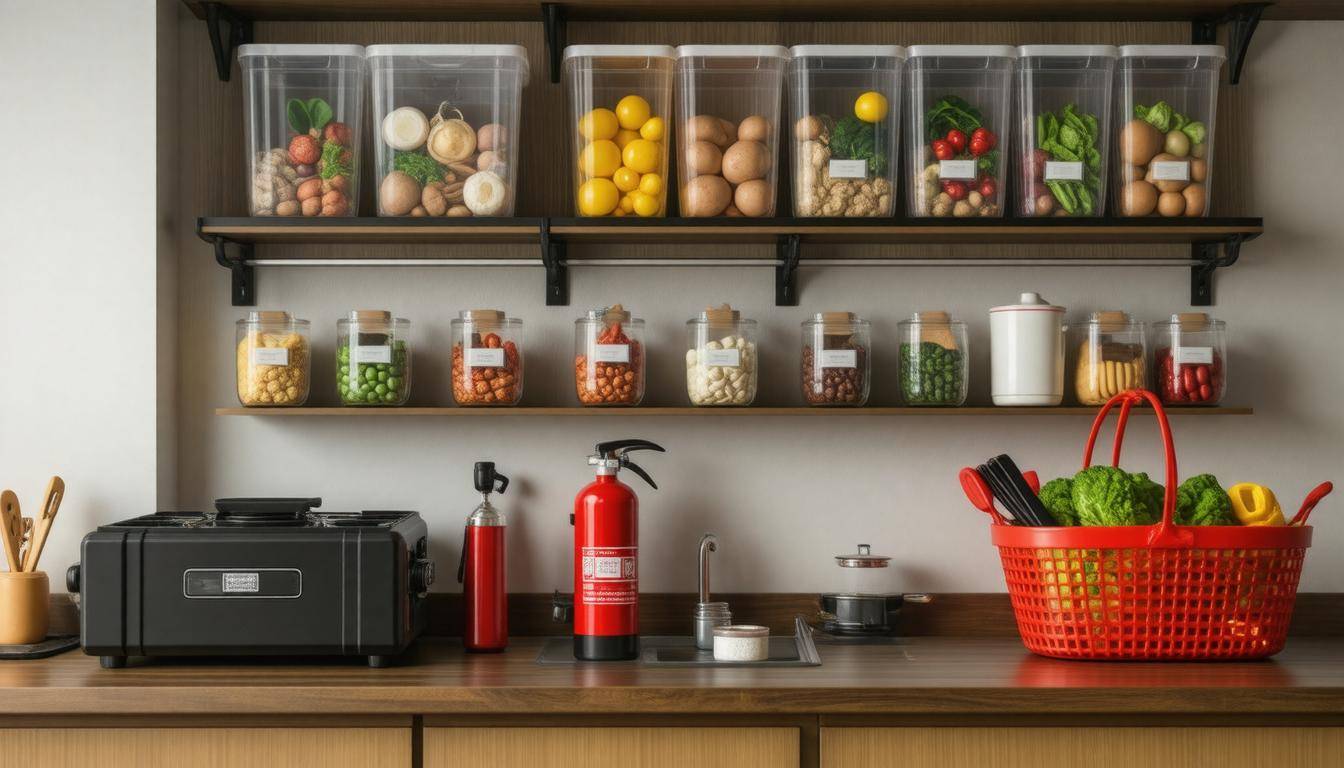
Being prepared for emergencies means being proactive, particularly when it comes to food. It’s not just about stocking up; it’s about creating a sustainable and useful inventory that your family can rely on during tough times. By thinking ahead, you can ensure that the meals you prepare are nutritious, budget-friendly, and stress-free even when resources are limited.
Building a Food Stockpile
I recommend aiming to keep at least a three-month supply of non-perishable foods that reflect your family’s tastes and dietary needs. This way, in times of crisis, you’re not scraping together random items; instead, you’ll have wholesome ingredients that you actually like to eat. Consider staples such as rice and beans which are both affordable and versatile.
Here’s an example of what you might include in your stockpile:
| Item | Quantity | Shelf Life |
|---|---|---|
| Canned beans | 24 cans | 2-3 years |
| Rice | 20 lbs | 2 years |
| Canned vegetables | 36 cans | 1-2 years |
| Oats | 10 lbs | 1 year |
| Peanut Butter | 12 jars | 1 year |
With careful selection, these food items can serve as the foundation for countless recipes, ensuring that meals during a crisis don’t become monotonous or unappetizing.
Storage Tips
Proper storage techniques are essential for maximizing the lifespan of your food supplies. Keeping canned and dry goods stored in a cool, dark place will help preserve their quality and shelf life. Consider using airtight containers for grains and sealed boxes for anything that might attract pests. Labeling each item with its purchase date can also allow you to manage your stock more effectively—ensuring nothing goes to waste.
With these preparations in place, we’re set to uncover helpful techniques that will enhance your cooking experience while keeping costs low during challenging times.
Secrets to Effective Budget Cooking
Budget cooking is indeed an adventure in creativity. It’s not simply about pinching pennies, but rather about maximizing every ingredient you have on hand. With a pinch of planning and a sprinkle of ingenuity, you can create delightful meals from what might otherwise be overlooked.
One of the keys is to plan your meals around sales and seasonal produce, which can often mean finding fantastic deals at your local farmer’s market or grocery store.
To illustrate, think about what’s fresh and in season; not only does seasonal produce taste better, but it’s usually more affordable. For example, buying fresh tomatoes when they’re plentiful will cost less than purchasing them out of season. By incorporating these into your meal plan, you’re guaranteed to make flavorful dishes while saving money.
Another crucial aspect is batch cooking, which allows you to save both time and resources effectively.
Imagine spending a Sunday afternoon preparing a big pot of hearty chili that can last the week. Batch cooking means you prepare larger quantities and then portion out meals that can be reheated later. This approach reduces cooking time during busy weekdays and minimizes waste as you’re likely to use all the ingredients you’ve purchased.
Creatively utilizing leftovers is another powerful tool in your culinary arsenal. For instance, if you roast a whole chicken for dinner, don’t let those leftovers languish in the fridge! Instead, transform that meat into chicken salad for sandwiches or toss some pieces into a comforting soup along with any extra vegetables lying around. This way, you ensure nothing goes to waste, turning potential scraps into nourishing meals.
Many who’ve adopted meal prepping have discovered that this strategy saves both time and money while making healthier eating choices easier across busy weeks. Just the act of preparing meals ahead of time can reduce food costs and enable families to be more thoughtful about what they eat.
Now that we understand the importance of planning and creativity in budget cooking, it’s clear that with smart strategies and efficient shopping habits, emergency cooking can yield nutritious and satisfying results without breaking the bank.
Incorporating these techniques into your cooking routine not only helps save money but also encourages creative meal solutions during tough times. Embrace the challenge and enjoy the journey of budget-friendly culinary adventures.
Are there any specific food storage tips for emergencies that complement budget cooking solutions?
Yes, effective food storage tips for emergencies that complement budget cooking solutions include using airtight containers to extend the shelf life of dry goods like rice and beans, which can last up to 30 years when stored properly. Additionally, freezing surplus fruits and vegetables can reduce waste and provide nutritious options during emergencies. According to the USDA, proper food storage can help prevent up to 30% of food waste, saving both money and resources for budget-conscious cooks.
How can I cook food safely and effectively without power?
To cook food safely and effectively without power, you can utilize alternative heat sources like a camp stove, charcoal grill, or solar oven. Ensure you have proper ventilation when using these methods to avoid carbon monoxide buildup. According to the American Red Cross, a portable camp stove can reach temperatures that safely cook most foods within 30 minutes. It’s essential to keep perishable items at safe temperatures (below 40°F) and consume them promptly to prevent foodborne illnesses. Investing in non-perishable items or canned goods is also a smart strategy for emergencies.
What types of meals can be prepared using budget emergency cooking techniques?
Budget emergency cooking techniques can yield a variety of meals such as one-pot pasta dishes, vegetable stir-fries, simple soups, and rice-based meals, all utilizing inexpensive ingredients like seasonal vegetables, legumes, and grains. For instance, a basic vegetable soup can be prepared for under $5 using bulk items and leftover vegetables, while one-pot meals minimize cleanup and save on resources. Engaging in these techniques not only saves money but also reduces food waste, addressing two significant challenges in budgeting and sustainability.
How do I prioritize ingredients and supplies for effective emergency meal planning?
Prioritize non-perishable staples like rice, pasta, canned vegetables, and legumes, as these offer a long shelf life and can serve as the foundation for various meals. Supplement these with affordable proteins such as canned tuna or beans, and always keep essential seasonings to enhance flavor. According to studies, an effective emergency meal plan can reduce food waste by 30% by optimizing ingredient use and minimizing the need for last-minute purchases. This not only saves money but also ensures you have a dependable supply of meals during budget constraints.
What are some inexpensive tools or equipment for emergency cooking?
Inexpensive tools for emergency cooking include a portable camping stove, which can be as low as $20, and a cast-iron skillet that lasts a lifetime and costs around $25. A simple set of utensils, including a spatula and knife, can be found for under $10. According to a 2021 survey, more than 60% of households reported having access to basic cooking equipment at low cost, making these items not only budget-friendly but also widely available for anyone looking to whip up meals during emergencies without breaking the bank.