
Growing your own food sounds like a challenge, but it doesn’t have to be hard or even take up much space! With container gardening, you can nurture fresh vegetables and herbs right from your balcony or patio while preparing for emergencies. Imagine having crisp lettuce or juicy tomatoes at arm’s reach anytime you want them, all from the comfort of your home. Container gardening is not just about making your meals tastier; it’s also a meaningful way to boost self-sufficiency during uncertain times. In this guide, we’ll take you through the basics of setting up a resilient emergency garden, equipping you with everything you need to make your green thumb flourish—even if you have limited experience or space! Let’s dig in!
Container gardening is an effective method to grow emergency food in limited spaces, emphasizing the need for adequate sunlight and proper soil mixture. Our guide covers essential aspects such as selecting suitable containers, recommended vegetables for quick growth, and tips on maximizing yields while ensuring that your garden remains manageable during crises.
Why Choose Container Gardening?
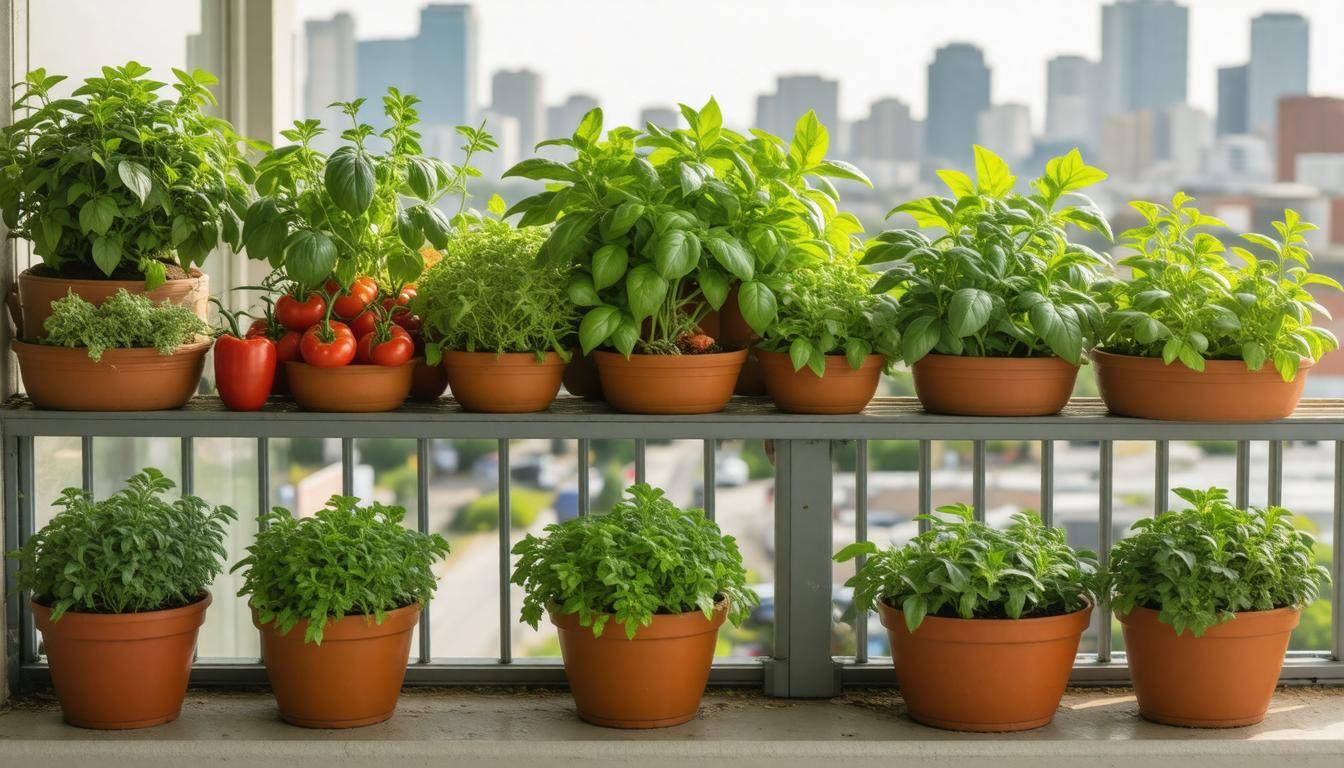
One compelling reason to embrace container gardening is its sheer mobility. The beauty of using containers lies in their ability to transform your available space. Whether it’s a sunny balcony or a small patio, containers can be easily rearranged to maximize sunlight or moved indoors when the weather takes a turn.
Imagine during a scorching summer day, shifting your lettuce pots into a shaded corner so they won’t wilt under the sun’s relentless rays. This flexibility allows for consistent growth and healthier plants, proving that even those with limited gardening experience can thrive in their green endeavors.
Space Efficiency
Not only does container gardening offer mobility, but it also excels at space efficiency. A 10-square-foot balcony can yield an impressive 20 pounds of fresh vegetables throughout the growing season, as highlighted by recent studies from the Urban Agriculture Cooperative. This makes container gardening a practical solution for urban dwellers.
Take beans, for example—they can grow vertically in containers, allowing them to reach impressive heights while taking up only minimal ground space. By utilizing vertical gardening techniques, you maximize yield without requiring expansive areas—a perfect fit for city living.
Health and Safety
Moreover, there are significant health benefits associated with container gardening. One advantage is the reduction in soil-borne diseases since growing plants in controlled environments lessens exposure to harmful microbes prevalent in traditional garden soil. You have the luxury of carefully curating your soil mix and avoiding chemicals that could compromise plant health or safety—key factors when emergency situations arise and access to safe food becomes more unpredictable.
With a well-managed container garden, you gain not just produce but peace of mind concerning the quality of what you’re consuming.
As we explore this sustainable approach further, understanding the essential components needed for successful implementation becomes crucial.
Essential Tools and Materials
When embarking on your container gardening journey, the right equipment simplifies the process and enhances plant growth potential. Start with containers—these can vary widely, from classic pots to larger barrels, but suitability for your chosen plants matters most. A good rule of thumb is to choose containers that provide ample depth; at least 12 inches deep for root vegetables ensures enough space for growth, while herbs and leafy greens thrive best in containers of about 6-8 inches.
Essential tools for effective gardening include:
- Containers — opt for pots, barrels, or buckets.
- Garden soil and compost — create a rich medium for healthy plant development.
- Garden trowel — wield this handy tool for planting and mixing soil.
- Watering can or hose — ensure easy access to moisture for your plants.
- Fertilizer — select a slow-release organic option to support ongoing growth.
- pH testing kit — monitor soil health to optimize nutrient availability.
An important aspect of choosing your containers lies in understanding their specifics. Larger containers like whiskey barrels are excellent choices for growing substantial root vegetables such as carrots or potatoes because they provide the necessary depth while maintaining adequate soil moisture. On the other hand, smaller pots fit nicely on balconies or window sills, making them perfect homes for herbs and leafy greens that prefer shallower roots.
Remember: Every container must have proper drainage holes to prevent waterlogging; this simple step can make a difference between flourishing plants and those doomed by root rot.
Now that we’ve covered container specifics, let’s explore how investing in quality tools amplifies your gardening experience.
Importance of Quality Tools
Investing in quality gardening tools is not just a luxury; it’s an investment in comfort and efficiency. A sturdy trowel becomes an extension of your hand, helping you dig, plant, and mix soils with ease. As you tackle the task of container gardening, a durable watering can makes it effortless to maintain hydration without straining your wrist.
“Switching to a higher-quality watering can made a huge difference in keeping my plants healthy during our hot summers!” shared urban gardener Johanna M., emphasizing how small upgrades can significantly impact productivity and plant health.
With the right containers tailored to your plants’ needs and high-quality tools at hand, you’re well-equipped to embark on this sustainable journey of growing emergency food at home. Taking the time to gather these materials sets you up for success while fostering an environment where your plants can truly thrive.
Transitioning from tools to other crucial elements will further enhance your gardening strategy as we explore additional considerations needed for successful plant growth.
Optimal Container Choices
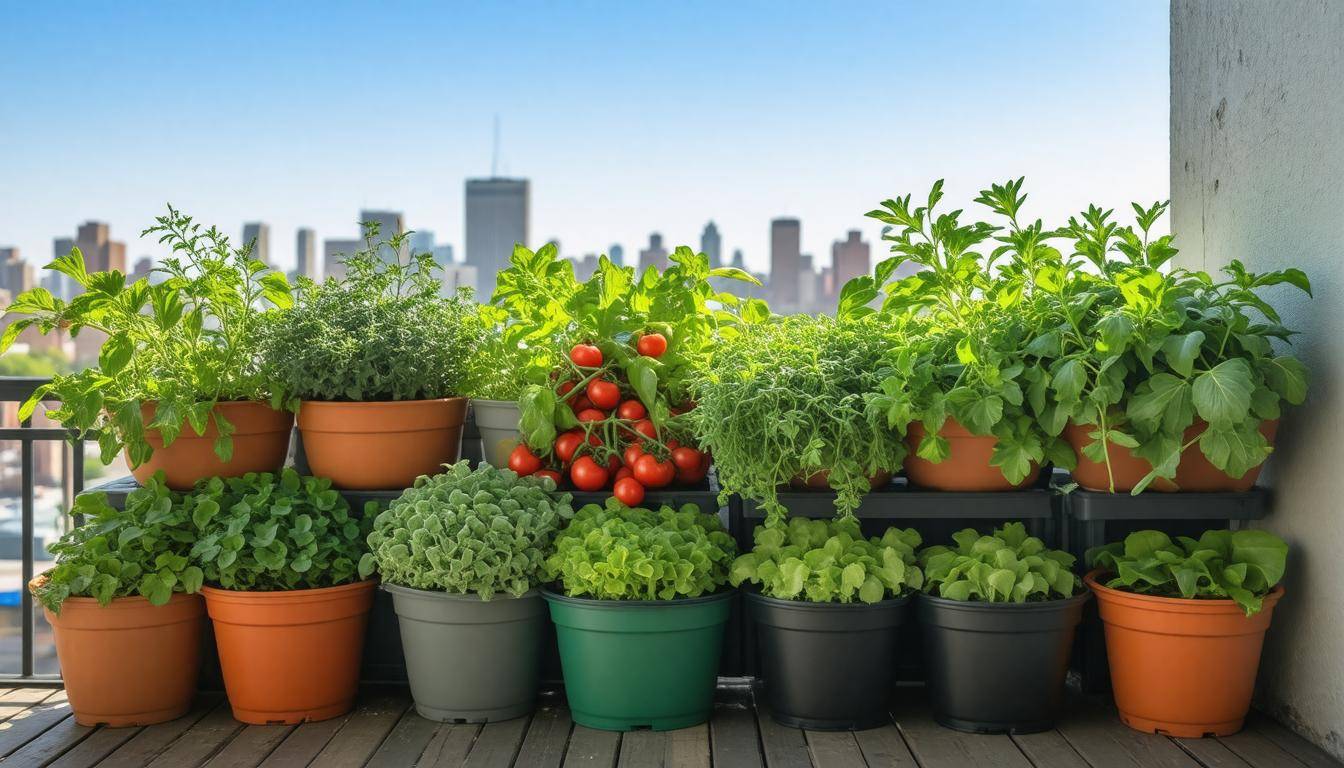
The first consideration is certainly the material of the container, as each type comes with its unique advantages and challenges based on the specific plants you’re hoping to grow as well as your local climate.
Plastic containers are generally lightweight and affordable, making them an accessible option for many gardeners. They excel at retaining moisture, which can be particularly beneficial when trying to keep soil damp during hot summer days. However, one should be cautious; plastic can sometimes hinder airflow around the roots, leading to an unhealthy environment if not monitored closely.
It’s important to stay vigilant about watering needs for plastic containers since they retain moisture more than other materials.
Clay pots are another popular choice, celebrated for their natural aesthetic and superior air movement that significantly benefits root health. Their porous nature allows moisture to escape easily; therefore, they dry out faster than plastic options. This means if you opt for clay, you’ll need to be attentive and frequently water your plants—something that can be both a blessing and a curse depending on your schedule and climate conditions.
Wooden containers strike a balance between function and beauty—offering an attractive rustic look while also providing decent air circulation. Nevertheless, it’s crucial to treat wooden pots with a protective coating against rot if you plan to use them outdoors, especially if rain or humidity is expected.
Size Matters
Size is another critical factor to consider. For larger vegetables like tomatoes or peppers, it’s advisable to use pots that hold at least 5 gallons of soil. A container this size enables ample room for both root growth and soil nutrients, allowing these plants to flourish. Conversely, if you’re nurturing smaller herbs like basil or thyme, a more petite 1-gallon pot can do just fine.
Investing in appropriate sizes not only contributes to plant health but also maximizes yield—don’t skimp!
Vertical Gardening
On the topic of efficiency and space utilization, vertical gardening techniques come highly recommended. Utilizing stackable planters or hanging baskets allows you to take advantage of limited spaces while enjoying the benefits of growing various plants simultaneously without overcrowding.
Containers in various arrangements create visual interest while also providing easy access for maintenance and harvesting, which is essential during emergencies when timing could be crucial.
Consider the benefits derived from using different container materials:
| Material | Pros | Cons |
|---|---|---|
| Plastic | Lightweight, retains moisture | Can overheat in the sun |
| Clay | Good airflow, natural look | Prone to drying out |
| Wood | Aesthetically pleasing | Needs treatment for rot |
Selecting the right containers can dramatically influence your gardening success. With knowledge about material properties and optimal sizes while incorporating innovative vertical gardening practices, you’re optimizing your home for potential emergencies while fostering sustainability—all from a simple area in your yard or balcony.
As we shift our focus next, understanding the ideal composition of soil will play a crucial role in promoting healthy plant growth and maximizing yields.
Ideal Soil Mixes
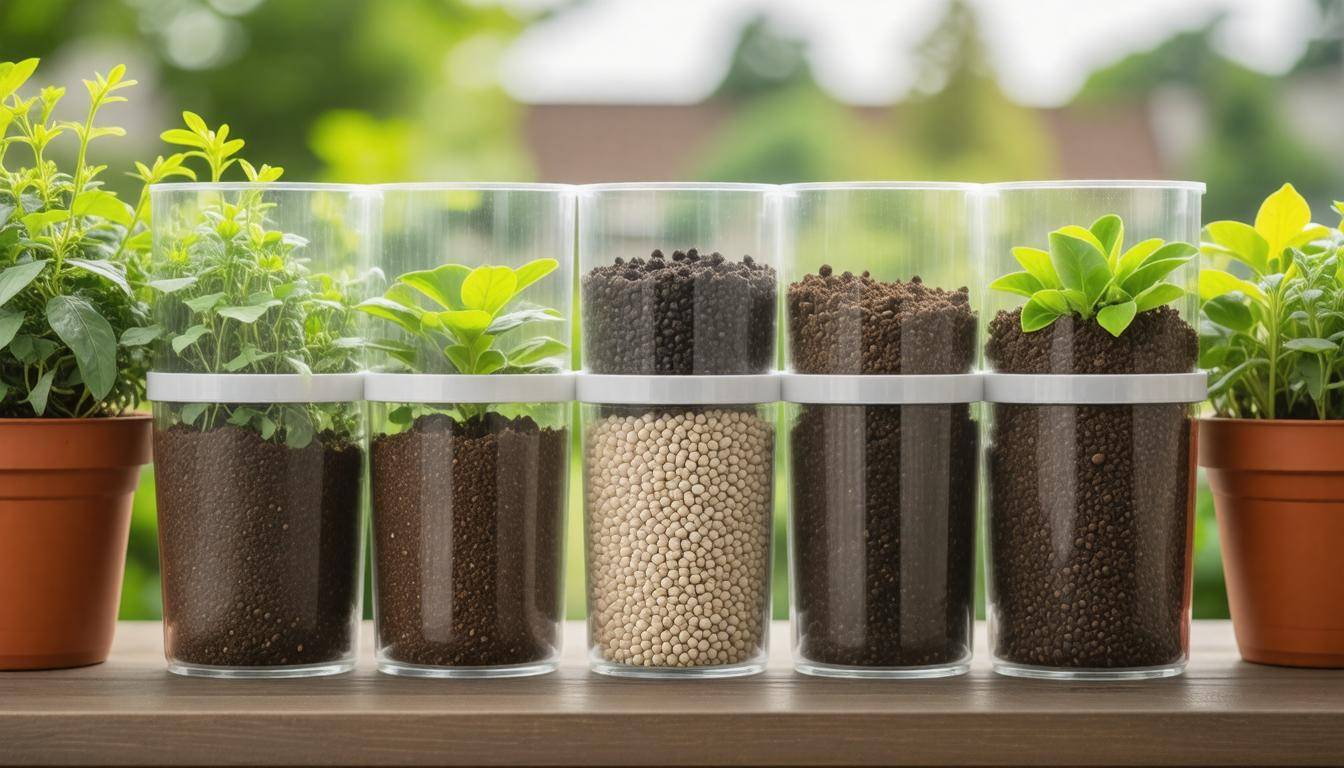
Selecting the right soil mix is the backbone of a thriving container garden. A suitable mix supports healthy root systems, provides essential nutrients, balances moisture retention, and ensures proper aeration. The goal is to create an environment where plants can flourish despite the challenges they might face in emergency situations.
Components of the Mix
At the heart of a successful container soil blend lies its composition. An ideal mixture should be lightweight enough to avoid compaction while still retaining sufficient moisture for plant health. For instance, using a combination that includes one part compost, one part garden soil, and one part perlite garners fantastic results. This structure allows roots to take hold without suffocation and creates a hospitable habitat for beneficial microbes.
Remember, balance is key. An improperly mixed soil can lead to either waterlogging or drought—neither of which will benefit your plants.
Additional Amendments
Beyond the basic components, you can enhance soil properties even further. Incorporating materials like vermiculite or coco coir aids in water retention, making them invaluable in hotter climates where moisture evaporates quickly. These amendments act like tiny sponges, holding water while allowing air to circulate—a crucial factor for healthy roots.
Don’t forget to check the pH level of your soil mix as well. Most vegetables thrive best when the pH hovers between 6.0 and 7.0. If your mix leans too acidic or alkaline, it can hinder nutrient uptake and negatively affect plant growth.
DIY Soil Mix
If you’re inclined to craft your own soil mixture, here’s a popular recipe suggested by seasoned gardeners: aim for a ratio of 40% compost, 30% garden soil, and 30% perlite or sand. This blend strikes a harmonious balance between adequate drainage and nutrient density while optimizing soil structure for growth.
Choosing an appropriate soil mix is foundational to achieving success in container gardening. Understanding these principles equips you with the knowledge needed for fruitful planting endeavors ahead.
With the right soil foundation established, we can explore optimal plant varieties that will thrive in your container garden’s unique conditions.
Best Plant Selections
When diving into container gardening, it’s wise to consider which plants will thrive in smaller spaces while providing ample yields. Some plants are better suited for container gardening than others, particularly those that grow well with limited root space and deliver quick harvests.
Leafy Greens and Herbs
Leafy greens like lettuce and spinach shine as top contenders for any container garden. These greens grow swiftly, allowing you to enjoy tender salads within weeks of planting. They prefer cooler weather and can even tolerate light frost, making them versatile for early spring or fall harvests. Not only do they require minimal space, but they also offer a nutritious boost to your meals without the hassle of extensive care.
Adding herbs like basil, parsley, or cilantro to the mix can be beneficial too. Herbs add flavor to dishes while thriving in similar conditions as leafy greens. This combination allows for a vibrant and fresh culinary experience right from your balcony or porch.
Root Vegetables and Vines
While leafy greens are wonderful, don’t overlook root vegetables such as carrots and radishes. Although these require deeper pots due to their growing needs—something at least 12 inches deep—they can still fit snugly within your container gardening scheme. Carrots tend to be a favorite since they are relatively easy to cultivate, providing satisfying results even for novice gardeners.
On the other hand, vining plants like cucumbers and beans take advantage of vertical growth, which is an excellent way to maximize space within your limited garden area. By using trellises or support systems, these vines not only save on space but also lead to larger harvests throughout the season.
High-Yield Options
For emergency food situations, you’ll want to prioritize plants that yield a significant amount of produce throughout their growth cycle. Varieties such as tomatoes, peppers, and bush beans are excellent choices. Tomatoes are famously prolific; with just a few plants, you may secure enough juicy tomatoes for sauces, salads, and more during peak summer months. Similarly, peppers offer vibrancy and versatility in culinary applications while providing consistent harvests throughout the season.
Bush beans also stand out as hardy producers that thrive in containers—giving gardeners the gift of enjoying fresh homegrown beans over several weeks.
Selecting the right plants ensures that you make the most out of your limited space while optimizing your efforts for sustainable food production during emergencies or everyday eating. With these selections in mind, understanding how to create an ideal environment is crucial for maximizing growth potential.
Managing Light and Environment
Proper light and environmental control are fundamental for nurturing your plants toward a bountiful harvest. Most vegetables thrive with at least six hours of direct sunlight each day. Imagine planting your seeds with the hope and promise of growth, only to realize later that they’ve been hidden in the shadows. Hence, it’s vital to position your containers in the sunniest spot available in your space.
Light Requirements
Take into consideration that while many vegetables love soaking up the sun, there are exceptions. For instance, leafy greens like lettuce and spinach not only tolerate but thrive in partial shade. This adaptability allows you to maximize your growing potential even if your garden setup doesn’t boast full sunlight all day long. Observing how sunlight travels across your garden space ensures that containers housing sun-loving vegetables are well-placed throughout the day.
As we think about sunlight, temperature becomes another key player in your plants’ health.
Temperature Control
In extremely hot climates, plants may face stress during peak sun hours—just like us! To combat this heat, consider positioning your containers under shade cloths or moving them to cooler areas during the hottest parts of the day. On the flip side, if you’re gardening in a cooler climate, don’t let frost catch you off guard; be ready to use covers or bring those sensitive containers indoors when temperatures dip unexpectedly.
Think of your plants like solar panels for a home. Both need optimal positioning to maximize efficiency and productivity. While solar panels adjust to capture sunlight, your containers should receive appropriate adjustments based on weather conditions.
Balancing these light and temperature factors ensures that when it’s time to harvest your crops, they are flourishing! Attention to their light and environmental needs can pave the way for vibrant greens tomorrow—and always stay alert to any signs of distress in your plants as they whisper clues about what they need.
With a firm grasp on managing light and environment, it’s time to explore new techniques that will elevate your garden’s productivity even further.
Boosting Yield in Containers
To really harness the full power of your container garden, you need to adopt methods that boost your yield while ensuring long-lasting health for your plants.
Regular fertilization is a fundamental starting point. By using a balanced fertilizer suitable for your specific plants, you set the stage for success. However, be mindful of the quantity: over-fertilizing can do more harm than good. Always follow package instructions to strike that delicate balance between growth and nourishment so your plants thrive.
As we focus on fertility, let’s look at how pruning and pinching can complement these efforts.
Fertilization
Once you have a steady fertilization schedule established, consider incorporating techniques like pruning and pinching. These methods are simple yet incredibly effective.
For instance, when you prune tomato plants, you’re not just tidying up; you’re significantly improving air circulation around the foliage. This step minimizes the risk of diseases while directing energy toward fruit production. Similarly, pinching back herbs encourages bushier growth. By removing tips, you stimulate branching, resulting in an abundance of leaves ready for harvest.
With healthy growth established through fertilization and pruning, keeping your containers productive requires clever long-term planning.
Pruning and Pinching
One strategy that many experienced gardeners swear by is succession planting. Imagine this: as soon as you’ve harvested the last of your lettuce or beans, you immediately plant new seeds in the same container.
This technique keeps your garden productive and ensures you’re maximizing every bit of soil nutrients available throughout the growing season. Not only does this practice make efficient use of space, but it also helps you reap fresh produce from spring into fall without any downtime.
As we wrap up these key practices, it’s essential to understand how they interconnect.
Succession Planting
Together, these strategies—fertilization, pruning, and succession planting—create a harmonious cycle of growth that enhances yields and promotes robust plant health. Focusing on each practice allows you to establish a thriving ecosystem in your containers.
By nurturing them correctly, you cultivate a sustainable source of nourishment right at home!
Transitioning from these crucial gardening techniques inspires us to further explore how to prepare for unexpected food challenges ahead.
Planning for Food Resilience
To cultivate a dependable food source, especially during unforeseen emergencies, a well-thought-out strategy is essential. It’s not just about planting seeds and watching them grow—it’s about understanding the delicate balance of your gardening ecosystem.
That means being proactive by implementing techniques such as crop rotation and embracing diversity in your plant selections. Crop rotation enhances soil health, prevents depletion, and reduces pest risks. By alternating crops each season, you break the life cycles of pests and diseases that might otherwise wreak havoc on a single plant family.
In doing so, you also create biodiversity in your garden, translating to fewer problems and a more balanced diet from your harvest. Think of it as insurance against dietary monotony; growing a variety of fruits, vegetables, and herbs enhances flavors while improving nutritional intake.
Crop Rotation and Diversity
Consider integrating companion planting—pairing plants that mutually benefit each other. For instance, growing basil alongside tomatoes can repel insects while boosting tomato flavor. When starting your container garden, include plants like peppers or even butternut squash to diversify your yield. This approach provides plenty of options at mealtime and ensures that if one type of plant doesn’t thrive, others can still provide sustenance.
Another crucial element to consider is the practice of seed saving.
Seed Saving
Collecting seeds from your healthiest plants is savvy gardening at its best—establishing your own bank of nature’s wealth. By saving seeds, you’ll cut costs on future planting while ensuring that the seeds continuously adapt to your unique growing conditions. Imagine replanting seeds that thrive best in the microclimate of your fire escape or balcony! This creates an ever-resilient cycle of growth tailored to your space, heightening both self-sufficiency and sustainability within your urban environment.
Yet it’s not just about individual efforts; community engagement plays a significant role too.
Community Sharing
Establishing connections with neighbors or joining community gardens fosters an enriching network where resources flow freely. Imagine sharing excess tomatoes from ‘Mama T’, that resilient tomato plant symbolizing not just survival but community spirit! You have the chance to swap seedlings, share tools, and possibly cultivate shared spaces together. This communal approach enhances overall food resilience while strengthening bonds between fellow gardeners—including those who might lend their experience or support during tough times.
Such cooperation transforms gardening into more than just an individual pursuit—it becomes a collective mission towards emotional well-being and food security. As we prepare for uncertain times ahead, making plans today can significantly shape our tomorrow’s sustenance.
How much space do I need for an effective emergency container garden?
To establish an effective emergency container garden, you typically need at least 10 to 20 square feet of space. This can accommodate various containers for vegetables and herbs; even a small balcony or patio can provide enough room for several pots. Statistics indicate that growing your own food can reduce grocery costs by up to 50%, making this limited space a valuable investment in self-sufficiency during emergencies. Choosing compact varieties of plants will maximize your yield while keeping the area manageable.
What tips are there for storing and preserving the harvest from a container garden?
To store and preserve your harvest from a container garden effectively, consider methods such as canning, freezing, and drying. For instance, canning vegetables can retain up to 90% of their nutrients, making it a popular choice for long-term storage. Additionally, blanching before freezing helps preserve color and texture. Statistics show that home-preserved foods can reduce waste by over 30%, ensuring you make the most of your sustainable gardening efforts while keeping your pantry stocked with fresh produce year-round.
How do I properly care for container-grown plants to maximize yield?
To maximize yield in container-grown plants, ensure proper watering, adequate sunlight (at least 6-8 hours a day), and nutrient-rich soil. Regularly check for pests and diseases, as containers can heighten vulnerability. Utilizing high-quality potting mix can increase yields by up to 30%, and incorporating a balanced fertilizer every few weeks promotes robust growth. Additionally, rotating crops in different containers minimizes soil depletion and pest buildup, ensuring sustained productivity.
What types of plants are best suited for container gardening during emergencies?
During emergencies, the best plants for container gardening include quick-growing vegetables such as radishes, lettuce, and spinach, as well as high-yield crops like tomatoes and peppers. These plants mature rapidly—radishes can be ready in as little as 3 weeks—and provide essential nutrients while requiring minimal space and resources. Additionally, according to the USDA, growing your food can reduce dependency on external supplies by up to 30%, making container gardening a practical solution in times of crisis.
What materials are suitable for making or purchasing containers for growing food?
Suitable materials for making or purchasing containers for growing food include wood, terracotta, plastic, and metal. Wooden containers provide excellent insulation and are sustainable when sourced responsibly, while terracotta allows for good aeration but can dry out quickly. Plastic containers are lightweight and available in various sizes, making them ideal for portability, though they must be BPA-free. Metal containers can retain heat well but should be lined to prevent soil from overheating. According to the National Gardening Association, around 35% of households in the U.S. engage in container gardening, highlighting the importance of choosing the right material for effective food production.