
In times of crisis, cooking can become one of the biggest challenges we face. Whether it’s a sudden power outage, a natural disaster, or a camping trip gone awry, knowing how to prepare meals safely and effectively can make all the difference. An emergency cooking equipment kit isn’t just a luxury; it’s essential for ensuring you and your loved ones stay nourished and comfortable when life takes an unexpected turn. When I first started assembling my own emergency cooking supplies, I didn’t realize just how much thought and planning would go into it. From investing in reliable stoves to learning about proper safety measures, this journey has opened my eyes to the importance of preparation. So let’s dive in and explore the must-have items that will not only keep your belly full but also give you peace of mind during unpredictable times.
Your emergency cooking equipment kit should include non-electric or portable gas stoves, sturdy cookware such as pots and frying pans, and essential utensils like can openers. Additionally, ensure you have a three-day supply of non-perishable food and potable water to facilitate meal preparation during emergencies.
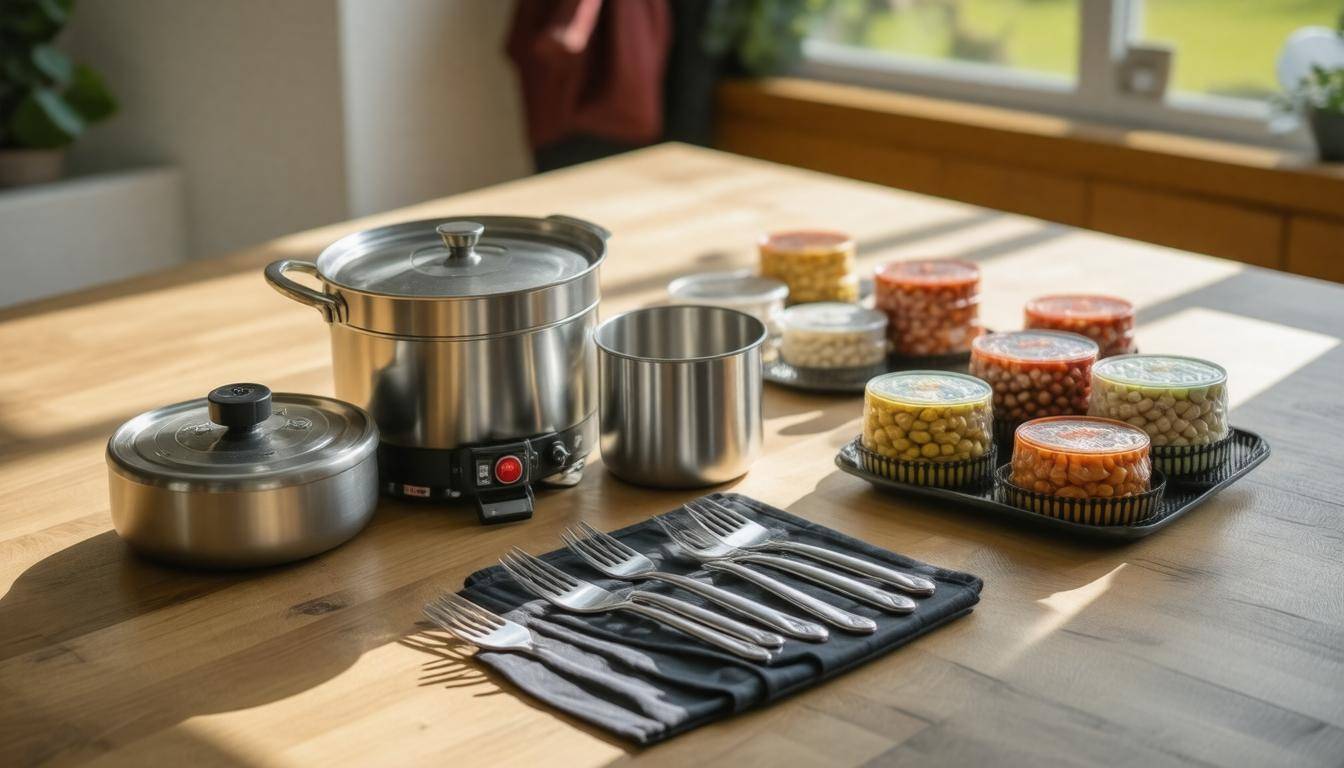
Essential Emergency Cooking Equipment
Versatile Cookware
When it comes to emergency cooking, versatile cookware is your best friend. Items like cast iron skillets and stainless steel pots are not just robust; they are made to last. Cast iron skillets can endure high temperatures without warping or damage, making them ideal for open flames or stovetops. I remember a camping trip where my trusty cast iron pan turned out to be the MVP of the kitchen. With its ability to sear, bake, and even fry, I prepared everything from hearty breakfasts to delicious stews with ease.
On the flip side, stainless steel pots offer crucial benefits as well. They allow you to boil water or cook meals quickly without reacting with acidic foods—a significant advantage when you’re preparing nutritious options during an emergency. As a practical tip, consider including a mix of pot sizes in your kit—this way, you’ll be ready for anything from boiling up some rice to simmering a large batch of soup.
Multi-Use Tools
Beyond cookware, having multi-use tools at your disposal is invaluable when the going gets tough. A Swiss Army knife or a Leatherman tool can tackle various tasks efficiently, from opening cans and bottles to gutting fish and even cutting rope if needed. It’s almost like having a mini toolbox right in your pocket!
In my knack for preparedness, I’ve often leveraged these handy all-in-one tools during picnics or hikes. One instance sticks out: I found myself needing to open a can of beans but had forgotten my can opener at home. Thankfully, my Swiss Army knife saved the day; its can-opening feature worked wonders.
While thinking about multi-use tools, you also want to remember items that may seem simple but make a huge difference in emergencies—like non-electric can openers. If you stock up on canned goods for your emergency supply, having a reliable opener is crucial. Add this little gem to your kit alongside your multi-tool essentials for an efficient setup!
With a solid foundation in versatile cookware and multi-use tools established, let’s now explore specific portable cooking solutions that enhance your emergency preparedness.
Portable Stoves
Portable stoves are not merely convenient tools; they represent a lifeline during emergencies and outdoor adventures where traditional cooking solutions fall short. Among the wide array of options available, propane camp stoves often stand out due to their reliability and ease of use. They’re straightforward to set up and can generate significant heat, making them ideal for various cooking scenarios. Exploring alternatives can reveal options better suited for specific needs or contexts.
Types of Portable Stoves
In your quest for the perfect portable stove, consider several varieties:
Butane stoves are lightweight and compact, drawing users in for their strong heating capabilities. They’re typically favored by campers who appreciate quick meals without the hassle of heavier equipment. The downside? Their fuel is less readily available than propane, often requiring more planning on your part.
On the other hand, alcohol stoves shine when it comes to simplicity. They rely on denatured alcohol as fuel—commonly found and easy to store—which makes them particularly appealing for those looking to travel light while addressing their cooking needs in a pinch. Plus, they’re nearly silent in operation—perfect for early mornings or late-night cook sessions on a camping trip.
Then there are solid fuel stoves, which utilize small fuel tablets as their energy source. These are favorites among ultralight backpackers and are incredibly portable and efficient for quick cooking sessions. However, they might not suffice for longer culinary endeavors requiring more substantial meals.
With such diverse stove types at your fingertips, it’s essential to consider a few key factors to ensure you choose one that fits your needs perfectly.
Key Factors When Choosing
First and foremost is fuel availability and storage requirements. You might find that some fuel sources are easier to come by depending on your location—planning ahead ensures that you won’t run into problems during an emergency or camping trip.
Next up is cooking power, measured using BTUs (British Thermal Units). A general rule of thumb is that at least 7,000 BTUs will get you well on your way to effective cooking. Higher BTU outputs translate into faster cooking times—a crucial consideration when time is of the essence.
Finally, pay attention to the durability and stability of the stove. If you’re planning outdoor adventures where rugged conditions await, you’ll want a stove that can withstand exposure to various weather elements and potentially rough handling during transport.
Remember, choosing a portable stove isn’t just about convenience; it’s about securing your cooking capabilities in any situation life throws at you.
As we transition into examining the types of fuels available for these portable stoves, you’ll discover how options like propane systems offer both versatility and powerful output.
Propane and Gas Systems
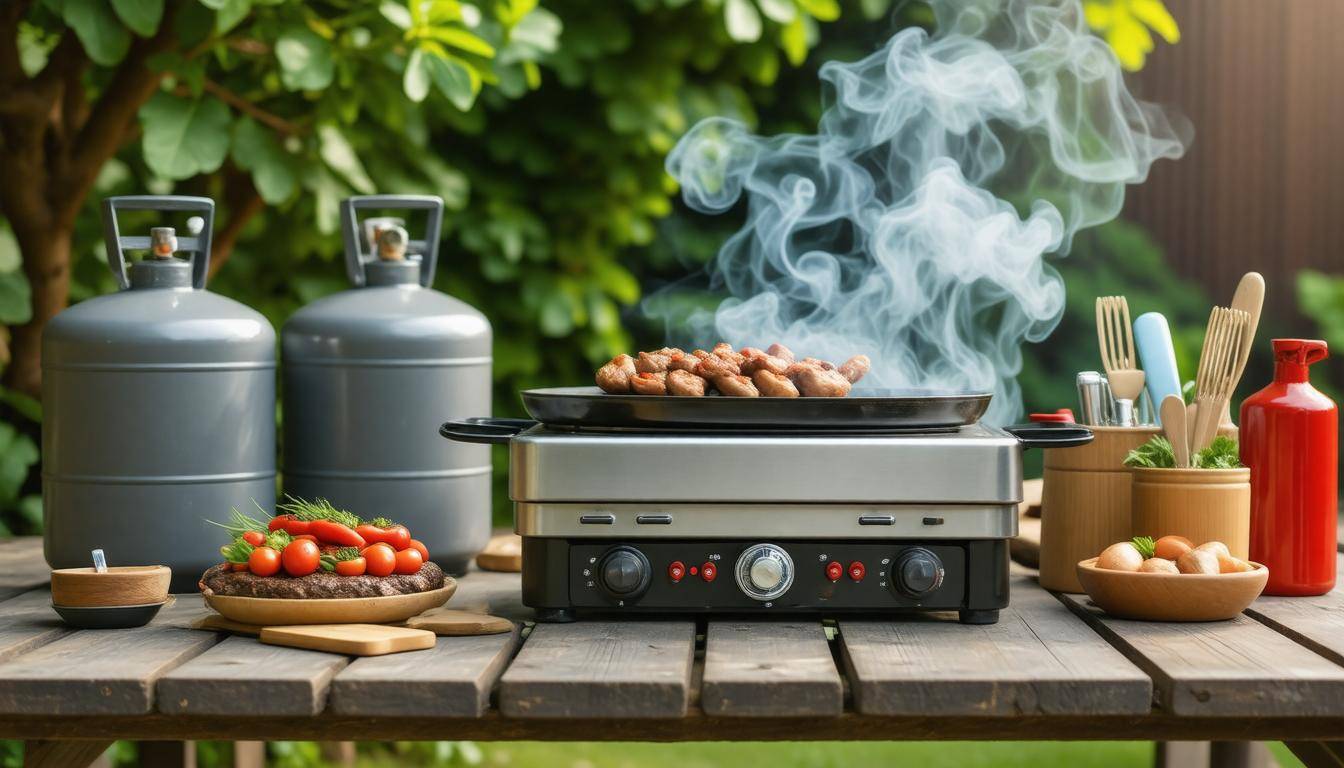
Propane and gas systems are highly efficient options for cooking during emergencies. Whether you’re facing a thunderstorm that knocks out power or a natural disaster that leaves you without traditional methods, these systems are celebrated for their portability and powerful flame in challenging conditions. This reliability makes them a favorite among campers, outdoor enthusiasts, and those preparing for unexpected events.
Benefits of Propane Systems
One key advantage of propane is its storable nature. Unlike electric cooking equipment that requires an ongoing power supply, propane can be easily stored in portable tanks, allowing for long-term preparedness. Using propane grills or two-burner camp stoves, you will find they offer remarkably powerful capabilities ideal for cooking when it matters most. Moreover, there’s a vast range of cookers available on the market designed specifically to maximize efficiency while using minimal fuel—a crucial aspect during emergencies when fuel sources may dwindle.
Having reliable cooking equipment ensures that your dietary needs are met even in the toughest circumstances—don’t underestimate the psychological comfort of enjoying a warm meal.
Safety Considerations
However, with great power comes great responsibility. It’s essential to keep safety at the forefront when using gas systems. Always ensure proper ventilation when operating these units indoors; failure to do so can result in dangerous carbon monoxide buildup. Additionally, leaving a gas stove unattended or working with flammable materials nearby could lead to catastrophic explosions.
To mitigate these hazards, investing in a reliable fire extinguisher and maintaining smoke alarms near cooking areas is paramount.
With all this information about propane systems in mind, we now turn our attention to the variety of electric options that can enhance your cooking experience.
Electric Cooking Devices
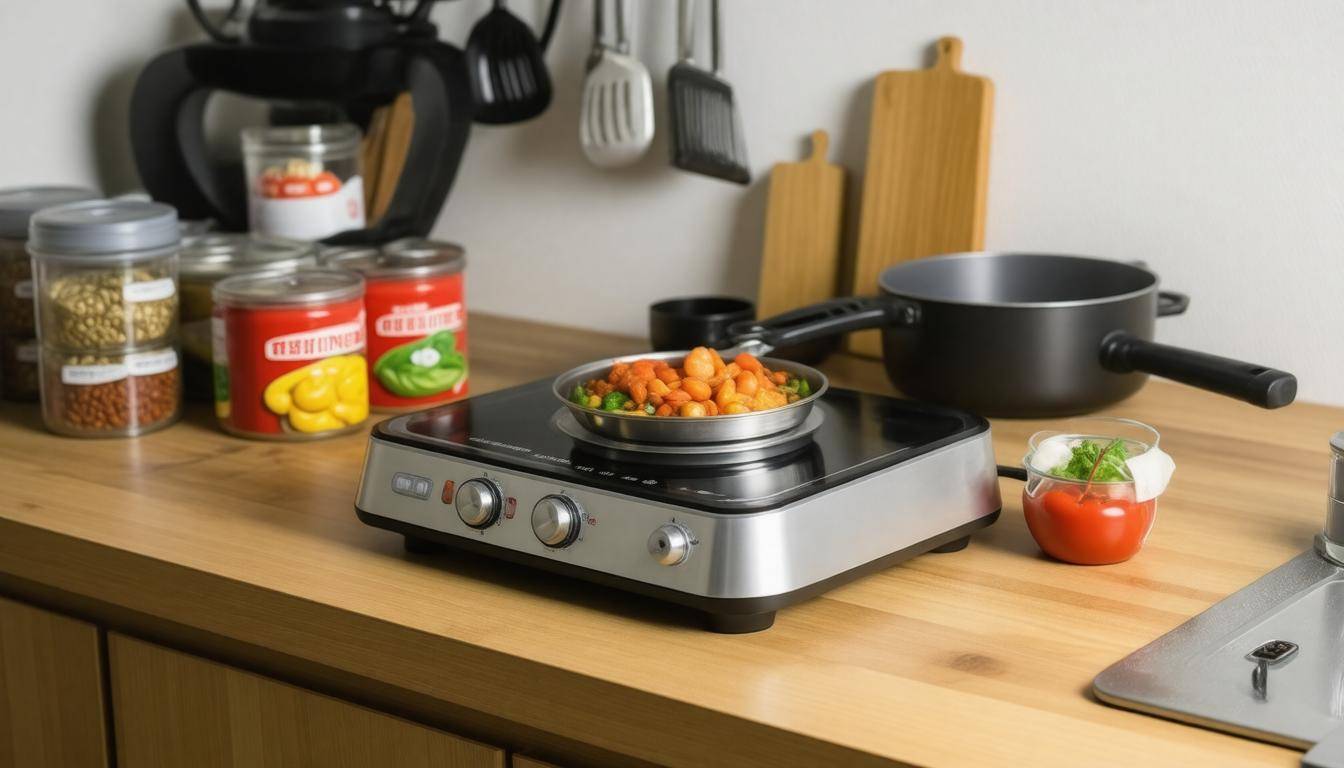
When thinking about emergency cooking equipment, electric devices can play a crucial role if you still have access to electricity. These devices come in various forms, providing versatility for different cooking needs during unpredictable situations. An electric hot plate is a popular choice, functioning much like a traditional stovetop but without the bulk. They are lightweight, easy to store, and work well for basic tasks like boiling water or sautéing vegetables.
For those who enjoy cooking multiple foods at once, electric griddles can also come in handy, allowing you to prepare pancakes, eggs, or even grilled sandwiches simultaneously.
As you explore your options for electric cooking, keep in mind that power availability is key.
Types of Electric Devices
Beyond hot plates and griddles, consider innovative solutions such as solar generators and battery backup systems. Solar generators provide a sustainable energy source that harnesses sunlight to power your electric devices. They’re not only eco-friendly but can also be incredibly effective when you’re off-grid or during extended power outages.
Battery backup systems work by storing electricity from your home’s electrical system or from the grid and can ensure that your essential appliances – including electric cookers – keep running smoothly when the power supply becomes erratic.
It’s crucial to choose the right type of electric device based on your needs and expected usage during emergencies.
However, as beneficial as these electric devices may sound, it’s important to weigh their limitations carefully.
Limitations
The reality is that relying solely on electric cooking devices may lead to issues if power sources become inconsistent or unavailable entirely. Power outages can happen due to various reasons: storms, equipment failures, or even overloads on the electrical grid.
If you’re in an area prone to frequent outages, having a backup plan is critical. One effective approach is to combine options—invest in both electric appliances and portable gas or propane models to ensure flexibility no matter what happens.
Ultimately, modern electric cooking devices offer convenience and efficiency when conditions are favorable; yet it’s just as important to stay prepared with alternative options when those conditions take a turn. Balancing your kitchen arsenal between electric conveniences and reliable manual systems can save you time and energy in emergency situations.
With all this in mind, let’s transition into discussing the essential tools and utensils that will complement these cooking devices perfectly.
Must-Have Accessories and Utensils
In an emergency kitchen setup, having the right tools is essential for ensuring you can prepare meals effectively, even without electricity. Take non-electric can openers, for instance: these are absolutely critical for accessing canned foods, which provide a convenient source of nutrition during crises. Imagine rummaging through your supplies and running into a can without the means to open it — it’s a frustrating scenario that can easily be avoided with a reliable opener.
Essential Tools
Heat-resistant gloves are also a must-have; they enable you to safely handle hot cookware without risking burns. When you’re using portable stoves or campfires, the last thing you want is to get injured when trying to prepare a meal. Investing in a good pair of gloves makes common sense.
Another accessory worth mentioning is collapsible water containers. These handy items are perfect for storing potable water, a precious resource during emergencies. They take up less space when empty yet expand to accommodate your storage needs as you fill them up. Always consider how much water your household will require — experts suggest at least one gallon per person per day — so plan accordingly.
Many survival experts recommend lightweight, multipurpose utensils like sporks, which combine both spoon and fork functionality. This minimizes the number of items you carry while still providing versatility in food preparation and consumption.
It’s important to think about how compact all your tools need to be, especially if you have to bug out. Including durable storage solutions such as clear totes can keep everything organized and accessible when time is of the essence. A well-organized kitchen setup allows you to quickly grab what you need instead of fumbling with gear during crucial moments.
As you gather your emergency cooking tools, consider how these choices will influence your experiences once you’re outdoors. Preparing for one scenario naturally leads to planning for adventures where mobility and efficiency are key.
Cooking for Backpacking and Hiking
Backpacking and hiking present unique challenges that require specialized emergency cooking equipment. The key is to travel light without sacrificing essential cooking capabilities. An ultralight stove, like the Jetboil Flash Cooking System, stands out as a prime example of effective design—it integrates both a stove and a mug into one compact unit while boiling water in under two minutes. This efficiency is crucial when you’re miles away from civilization and time isn’t on your side.
But it’s not just about speed; it’s also about versatility.
This is where freeze-dried meals shine as an ideal staple for backpackers. They come packed with nutrients and energy, and their long shelf life means you can stock up without worrying about spoilage. Moreover, these meals require minimal preparation—just add boiling water and wait several minutes for a hot meal that feels homey after a long day of hiking.
Imagine after hours on a trail, sitting down to enjoy a steaming bowl of rehydrated chili or pasta—all thanks to some simple emergency cooking gear.
In regards to lightweight equipment, every ounce matters. Consider opting for pots designed specifically for backpacking, typically ranging from 1.5 to 2.5 liters in capacity. These pots are often made from aluminum or titanium, ensuring they won’t weigh you down while providing sufficient space to cook generous meals. Additionally, carrying a compact folding stove allows you the flexibility to prepare food or boil water whenever needed.
To elevate efficiency further, it’s important to choose the right fuel type as well.
Many backpacking stoves operate on propane, butane, or white gas—the latter being favored for its ability to perform efficiently in colder temperatures. Each fuel packs a powerful punch: propane produces approximately 21,500 BTUs per pound. Proper storage solutions are equally vital when planning your meals. Transparent storage containers allow you to quickly organize and grab your supplies during urgent situations like evacuations.
Finally, always prioritize safety in your emergency plans. Use a windscreen whenever possible; this simple tool can improve heat retention by up to 30%. Even small elements like using cookware with lids can help reduce cooking times and conserve fuel. After all, every second and drop of fuel is precious when you’re relying on your emergency cooking setup while trekking through the unknown.
Through intentional preparations and smart choices regarding lightweight gear and meal options, backpacking becomes an experience filled with warmth and taste amid nature’s unpredictability.
As we continue our journey into the world of preparedness, let’s explore how to effectively safeguard your home against unforeseen disasters.
Preparing for Home Disasters
Emergencies like hurricanes, tornadoes, or unexpected power outages can disrupt daily life in a heartbeat, leaving families vulnerable and needing to adapt quickly. That’s why developing a foolproof cooking strategy becomes critical to maintaining nourishment and morale. Think of it as well-rounded planning that can make a world of difference when the unexpected happens.
Stockpiling Essentials
Start by ensuring you have a well-stocked emergency supply of food and water. The general guideline is to have enough non-perishable items for at least three days per person. This translates to roughly one gallon of water daily to meet basic hydration needs and aid in cooking preparations.
Some staple items to consider include:
- Canned beans
- Dried fruits
- Pasta
- Instant noodles
These are foods that are both lightweight and easy to prepare under pressure. Having an assortment of meals ready to grab might just keep spirits up during stressful situations.
Imagine sitting in a dimly lit room during a storm with your family, knowing you won’t have to worry about where your next meal will come from because you’ve already planned ahead—it’s a comforting thought; one that can ease anxiety while waiting out the storm.
Cooking Indoors
Now, let’s address the actual cooking methods for those times when your primary appliances are off-limits. Indoor options can be a haven; think dutch ovens over an open flame or even your fireplace if you have one suitable for indoor use. However, there are crucial safety guidelines to follow, including ensuring you have a functional carbon monoxide detector in place. This device becomes paramount as it alerts you of dangerous gas buildup that can occur with any vehicle fuel burning equipment indoors.
Always prioritize ventilation! If you’re using alternative cooking methods inside, be sure there’s adequate airflow. Smoke inhalation is no joke.
It’s also wise to practice cooking with your emergency equipment beforehand—whether it’s an outdoor grill or portable gas stove—to familiarize yourself with its operation and limitations. Real-life experiences reinforce understanding and efficacy when seconds matter.
Adhering to safety protocols is vital in any emergency cooking scenario, ensuring that not only are meals prepared but also that everyone remains safe in the process. With preparedness comes the knowledge needed to handle these situations effectively while keeping your household secure.
Safety Tips and Best Practices
When you’re in a situation where emergency cooking becomes necessary, maintaining safety should be your top priority. Cooking in well-ventilated areas is essential to prevent hazardous fume buildup, especially when using gas or fuel-based stoves. Even boiling water or preparing a simple meal carries a risk of carbon monoxide poisoning if fumes aren’t adequately dispersed. So, throw open those windows or light up any vents.
The last thing you want is to inadvertently create a harmful environment while you’re trying to provide nourishment during an already stressful time.
General Safety Tips
In addition to ventilation, ensuring that your cooking equipment is secure can save you from potentially disastrous situations. Tipping over can lead not only to kitchen accidents but also fires that may escalate quickly in tight quarters.
| Safety Measure | Importance |
|---|---|
| Use Ventilated Areas | Prevents fume buildup and CO poisoning |
| Secure Equipment | Prevents tipping and fires |
| Monitor Fuel Sources | Avoids potential leaks and explosions |
Think of this as your emergency cooking checklist: open windows, stable surfaces, and properly stored fuel sources. That’s right! Nobody wants to be haphazardly balancing a hot pot on shaky ground when they could have planned for safety instead!
Fire Safety
One of the most important aspects of cooking in emergencies is fire safety. Have a fire extinguisher and a fire blanket close by; this ensures you’re prepared for any unpredictable flare-ups. It’s best practice to familiarize yourself with how these devices work before an emergency arises. Knowing how to use an extinguisher correctly can make all the difference—especially under stress when every second counts.
Furthermore, ongoing observation counts too! Regularly check the area where you’re cooking for any signs of distress, whether it be a burning smell or unusual sounds coming from your stove or cookware.
Lastly, make sure your first aid kit is easily accessible and contains items like burn ointments and sterile bandages. Accidents can happen even with careful preparation; being equipped to manage minor injuries allows you to maintain calm amidst chaos.
As we continue to discuss safety precautions around emergency cooking, it’s equally important to remember how different scenarios can lead to various required adjustments in our practices and equipment use.
In summary, prioritizing safety through proper ventilation, securing equipment, and being prepared for emergencies will help ensure effective cooking amidst crisis situations. Staying informed takes one step closer to successful emergency preparedness.