
When emergencies strike, the last thing any parent wants to worry about is what their kids will eat. That’s why having emergency food options specifically for children is so important. Kids have unique needs—they require tasty meals that are easy to prepare and packed with nutrients. Imagine trying to comfort a hungry child staring at a can of beans or a box of unrecognizable rations. By choosing familiar and kid-friendly foods, you can ease their anxiety and ensure they get the energy they need during tough times. In this article, we’ll explore some filling, nutritious, and appealing emergency food ideas that cater to young appetites while making preparation as hassle-free as possible.
Some excellent kid-friendly emergency food options include Datrex ration bars, which taste like bland cookies and have a long shelf life, as well as macaroni and cheese, which is easy to prepare and popular with kids. Additionally, baby food squeeze packets that combine various fruits, vegetables, grains, and proteins offer a convenient solution that remains shelf-stable until opened.
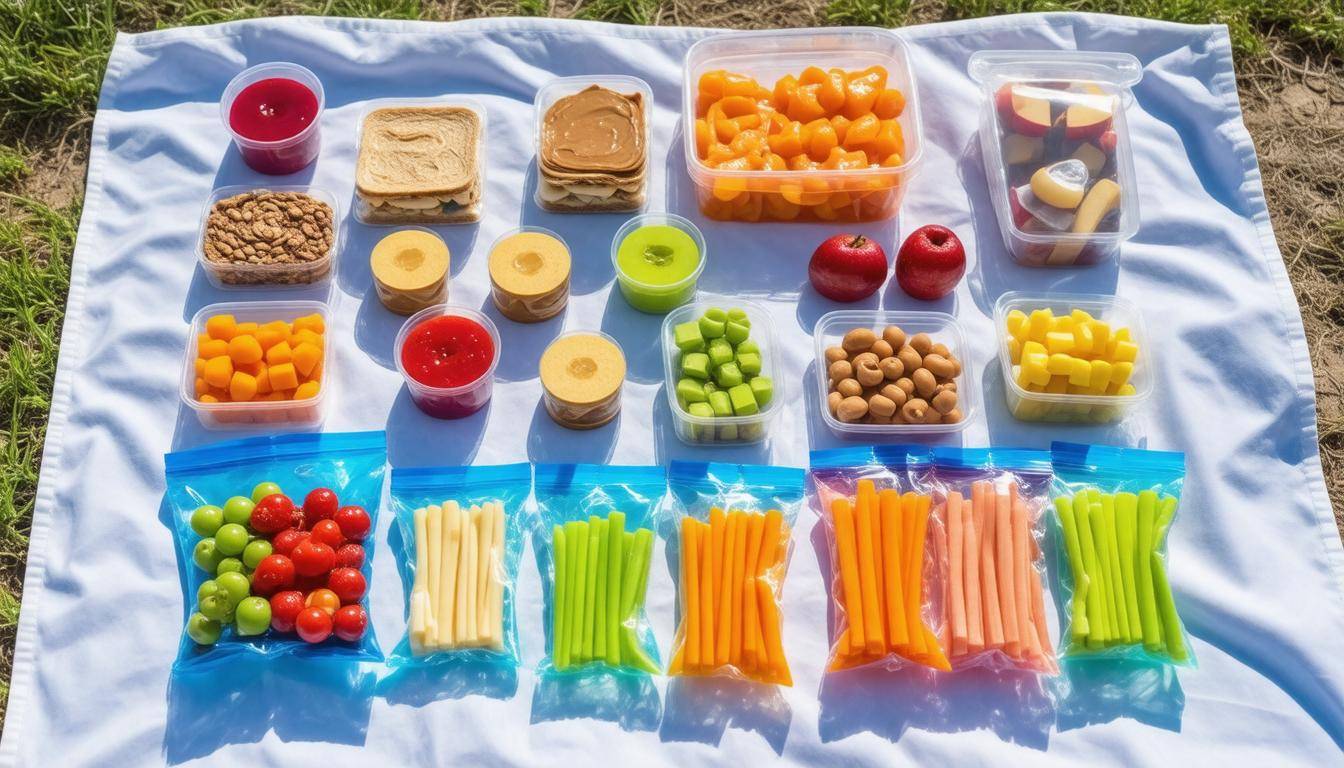
Why Choose Specific Emergency Foods for Children?
When it comes to selecting emergency foods for children, it’s essential to prioritize both their nutritional needs and preferences. Kids are more likely to eat meals they recognize and enjoy, especially during stressful situations when comfort is key. This is why involving familiar flavors in your food stash matters. Options like macaroni and cheese or peanut butter can strike a chord with young palates, ensuring they get the energy they need without fuss.
Emergency foods should be nutrient-dense, packing a high number of essential nutrients per serving. According to experts, children require higher caloric intake relative to their body weight compared to adults, making it vital that every bite counts. Foods that deliver proteins, vitamins, and minerals support growth and assist in maintaining overall health during challenging times when fresh offerings may be limited.
It’s interesting to note that studies have shown children’s emotional well-being can significantly improve with the reassurance brought by familiar tastes, linking comfort food back to how they respond during upheaval.
The versatility of certain shelf-stable items, such as Datrex ration bars or baby food squeeze packets, cannot be understated. These options are easy to prepare or consume directly, and thanks to their long shelf life, parents can rest easy knowing they’re ready to fuel their kids when needed. An added benefit of baby food squeeze packets is their convenience; no mixing or cooking is required—just remove the cap and serve!
One major challenge parents face during emergencies is ensuring food safety while catering to dietary restrictions. It’s crucial to review allergen information carefully before stocking up on items like granola bars or mac and cheese. Selecting options free from common allergens helps safeguard against allergic reactions at the most inconvenient times.
Also significant is the cost journey of preparing for emergencies; it’s wise to compare prices of various food items—some may surprisingly offer fantastic nutritional value at budget-friendly prices. Bulk purchasing can help families manage expenses better while ensuring a variety of kid-friendly options are within reach.
By being mindful of these considerations, you set the stage for ensuring that even in challenging times, your child’s nutritional needs are met effectively. Up next, we will explore some delicious meal options that are both nutritious and appealing to kids.
Nutritious and Tasty Options
Striking a balance between nutrition and taste can be tricky, especially for kids who often have strong preferences for what they eat. Fortunately, there are several nutritious and tasty foods that can meet the needs of growing children while also being suitable for emergency preparedness. One excellent category is dried fruits and nuts. These snacks are powerhouses of nutrients—packed with essential vitamins, minerals, and healthy fats. Brands like Sun-Maid offer raisins that are easy for kids to grab and munch on, while Planters mixed nuts provide a delicious variety of tastes and textures in every handful.
In addition to dried fruits and nuts, another great option falls under high-quality granola bars.
When selecting granola bars, look for those that use whole grains and have minimal added sugars. For instance, KIND bars are well-regarded for their simple ingredients and balanced nutritional profile. They keep kids satisfied without the unnecessary sugar rush that could lead to a quick crash. Granola bars like these make an excellent snack for busy days or as part of an emergency food kit, ensuring your child has quick access to energy when they need it most.
Moving on from staples, it’s important also to consider convenient yet nutritious treats.
Fruit squeeze pouches are one such yummy option that often combines fruits with vegetables in fun, kid-friendly flavors. Brands like GoGo SqueeZ create portable pouches that are enjoyable to eat and require no preparation, making them fantastic for on-the-go situations or emergencies. Kids love the ease of squeezing out their snacks without any mess!
And let’s not forget sweet treats that pack some nutritional value too.
Shelf-stable pudding is another delightful option worth mentioning. Products like Snack Pack pudding cups provide a creamy dessert experience while being shelf-stable—a perfect combination for emergency storage. They’re not only easy to store but can also be enjoyed on special occasions or simply as a reward after a long day.
With these tasty options available, it’s essential to further explore how other food types can provide balanced nutrition during times when regular meals may not be accessible.
Canned, Packaged, and Shelf-Stable Foods
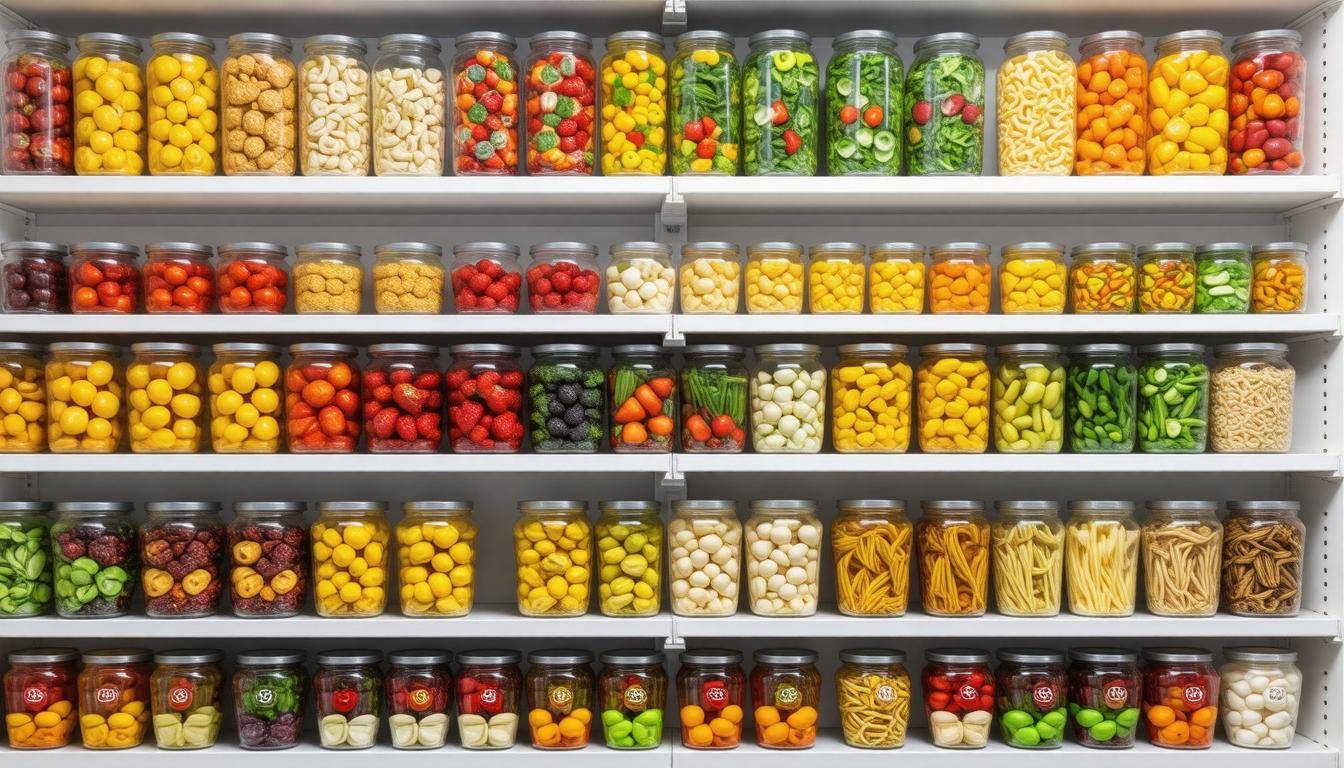
Shelf-stable foods are truly the unsung heroes of preparedness. They offer peace of mind, knowing that you have options on hand when the unexpected strikes. These items are not just about convenience; they ensure that children receive proper nutrition even during tough times. Take canned fruits, for instance—they typically have a shelf life of one to two years and provide essential vitamins wrapped in sweetness. Such appealing flavors make them irresistible to kids, ensuring they consume the nutrients they need.
Similarly, canned vegetables boast a shelf life of up to two years. While many children might shy away from fresh greens, pairing these vegetables with favorite carbs can make all the difference. Wouldn’t a little canned corn or carrots mixed into mac and cheese create a delightful twist that both nourishes and pleases their hearts? It’s about making nutritious choices appetizing. Including such products fosters creativity in meals while promoting healthy choices, even in pre-packaged format.
As we consider versatility in emergency meal planning, let’s explore another practical staple: instant oatmeal.
Instant oatmeal may only last for about a year, but it is incredibly versatile and can be flavored in countless ways. Kids love having a say in what they eat—adding cinnamon, honey, or even chocolate chips could turn breakfast into a delightful treat. You’re giving them agency over their meals while ensuring they still consume competent nourishment from whole grains packed with fortifying vitamins.
When pasta is thrown into the mix, we enter a realm that almost every kid can get behind. With a shelf life similar to canned goods at one to two years, pasta paired with ready-made sauces promises nourishing flavors that evoke family dinners and comfort food vibes. Think about how alluring a bowl of spaghetti might become when accompanied by familiar characters like meatballs or colorful veggies—all stored neatly for when needed.
Next on this journey through pantry essentials is something often overlooked but crucial for younger children: shelf-stable milk.
Shelf-stable milk lasts up to six months and provides calcium along with essential vitamins vital for growing bodies. This isn’t just any liquid—it serves as a building block for developing teeth and bones while complementing cereals and snacks. Plus, if it can be infused with fun flavors—chocolate milk anyone?—it becomes an irresistible choice that sustains energy levels during uncertain times.
Stocking up on a variety of canned, packaged, and shelf-stable foods equips families well for emergencies. It ensures diverse meal options that cater to children’s tastes while maximizing nutritional content and convenience. Understanding how each product’s attributes serve your kids’ preferences reinforces the idea that emergency prep doesn’t have to compromise on taste—or joy—while keeping health intact.
With these essentials in place, let us now explore ways to create wholesome meals right from the comforts of home using readily available ingredients.
Homemade Emergency Meals
As we dive into creating homemade emergency meals, it becomes clear that the best meals are those tailored specifically to your child’s tastes and dietary needs. These meals are ideal for unexpected situations, providing comfort and familiarity when everything else seems uncertain. Plus, they allow you to cater to specific allergies or preferences—a luxury that pre-packaged alternatives just can’t match. Think about it: nothing feels quite as good as knowing your child is eating something not only nutritious but also delicious!
Step-by-Step Guide to Homemade Meals
First, choosing protein sources is crucial. Options like freeze-dried chicken or healthy beans provide essential nutrients while being easy to store. For high-quality freeze-dried meats, brands like Mountain House stand out for their taste and reliability. Imagine serving your child a chicken meal that tastes just like home—this will keep their spirits up during crises.
After ensuring you have adequate protein sources, it’s time to focus on the next essential component of any balanced meal.
Incorporating whole grains in your meals can elevate their nutritional profile significantly. Pre-cook and dehydrate rice or quinoa; these grains are rich in carbohydrates and pack a punch when it comes to energy. Simply add boiling water, let it sit briefly, and you’ve got a filling base for any dish. This means less fuss while still delivering the nutrition kids need to remain active.
Now let’s make sure we add some vitamins and minerals.
Don’t forget about vegetables! Dehydrated options like carrots, peas, and corn provide both texture and nutrition. By storing your vegetables this way, you ensure that they last longer without spoiling while still retaining their flavor and nutrients. Picture your child enjoying a colorful mix of veggies alongside their grain; it’s not just food—it’s an adventure on the plate.
Once you’ve gathered all your ingredients, it’s time to put them together into convenient packages.
The final step is to combine your ingredients creatively. Consider assembling meal packs by placing your chosen protein, grain, and dehydrated vegetables into vacuum-seal bags. Adding seasoning packets—think garlic powder, Italian herbs, or even a pinch of salt—can elevate the flavor profile dramatically. These meal packs ensure ease of preparation during an emergency while keeping flavors enjoyable for your little ones.
“During a power outage, we used our homemade meal packs. It was comforting for my kids to eat food they were familiar with,” shares John, a father of two who emphasizes the value of maintaining normalcy through mealtime.
While these homemade meals are fantastic for emergencies, having quick snacks available can help keep energy levels up and maintain morale between main meals.
Quick and Portable Snacks
When life’s unexpected moments happen, having quick and portable snacks on hand can be a lifesaver for both parents and kids. The right snacks help keep energy levels stable and prevent hunger-induced meltdowns. It’s vital to choose options that are not only easy to pack but also nutritious enough to fuel growing children throughout their busy day.
Imagine this scenario: You’re out running errands, and your child suddenly declares they’re starving. Rather than scrambling for something unhealthy, you pull out a delicious granola bar or some nut butter packets. Seeing their eyes light up makes it clear: the right portable snacks can turn potentially rough moments into manageable ones. These handy snacks can be easily stored in backpacks, car compartments, or lunch boxes, ensuring that they’re always accessible when needed.
Top Portable Snacks
One excellent option for kids is nut butter packets. Brands like Justin’s have made it extremely convenient by offering single-serving packets. These small wonders are rich in protein and support healthy growth. Simply pair them with apple slices or whole-grain crackers for a nutritious snack that feels like a special treat.
Another favorite is pre-packaged cheese crackers. They offer a perfect blend of protein and carbohydrates while delivering an element of fun that children love. These little morsels combine taste with nutrition effortlessly, making them a go-to choice for busy families on the run.
But there’s more! A variety of other packable snacks can round out your emergency snack arsenal:
- Raisins and dried fruit packs (like Sun-Maid raisins) provide natural sweetness and essential vitamins.
- Pre-packaged trail mix (such as Kar’s Sweet ‘n Salty Mix) offers a crunchy snack full of mixed nuts, seeds, and dried fruits.
- Granola bars (like Nature Valley Crunchy Bars) deliver energy through wholesome ingredients while being easy to grab on-the-go.
Beyond their nutritional benefits, these snacks can also introduce kids to new flavors and textures. Allowing them to pick out their favorites encourages engagement with healthy eating habits which can last them a lifetime.
As you consider how to best prepare for unexpected situations, diversifying your snack options will pave the way for satisfying choices tailored to your child’s needs.
Creating an Emergency Food Plan
Creating a comprehensive emergency food plan ensures that you are ready for whatever life throws your way. It’s not just about stocking up; it’s about having a strategy that caters to your family’s nutritional needs while ensuring ease of access and preparation.
To embark on this process, start with a thorough inventory check of all your current food items. This step might seem tedious, but it’s necessary to understand what you already have on hand. Write down the food items along with their expiration dates so you can prioritize what needs to be consumed soon.
After understanding your existing stock, meal planning becomes the next critical aspect of your strategy.
Steps to Create an Emergency Food Plan
Inventory Check
Counting what you already possess isn’t just about organization; it’s a crucial step in your emergency preparedness. You’ll want to categorize items such as canned goods, dry staples, and snacks. Do these items still have considerable shelf life? Are there essentials missing from your inventory?
Meal Planning
With that information at hand, develop a thoughtful weekly meal plan featuring items from your inventory. Consider using foods like macaroni and cheese for dinner or baby food packs for snacks that appeal to young children.
Try to ensure a balance of proteins, carbs, and healthy fats while being mindful of calories needed by children, who generally require around 1,200-2,600 calories daily depending on age and activity. For instance, oatmeal can serve as a nutritious breakfast base, while beans and rice can work beautifully for lunch or dinner options.
Once you’ve laid out some meal plans, it’s time to put preservation methods into action.
Stock Rotation
Implementing the FIFO method—First In, First Out—is essential in managing your pantry effectively. With FIFO, you will consume older stocks first before newer purchases take precedence. This prevents spoilage and ensures you won’t find yourself staring at expired cans when an emergency arises.
With meals planned and stocks organized, it brings forth your purchasing strategy.
Purchase Strategy
Adopting a proactive approach when it comes to acquiring new stock will save you both money and time. Aim to buy in bulk during sales events while prioritizing shelf-stable foods that are easy for children to prepare themselves if they’re old enough.
Think long-lasting options such as Datrex ration bars or versatile ingredients like peanut butter or granola bars—these are lightweight and make great snacks!
Regularly revisiting and updating your emergency food plan ensures adjustments are made based on nutritional changes as children grow or as new options become available on the market. Staying proactive and organized with an emergency food plan tailored for children not only helps weather any storms but also provides confidence knowing that everyone in the family is taken care of nutritionally.
With a solid plan in place focusing on accessibility and nutrition, the next important aspect is ensuring those dietary needs are thoughtfully addressed.
Ensuring Dietary Needs Are Met
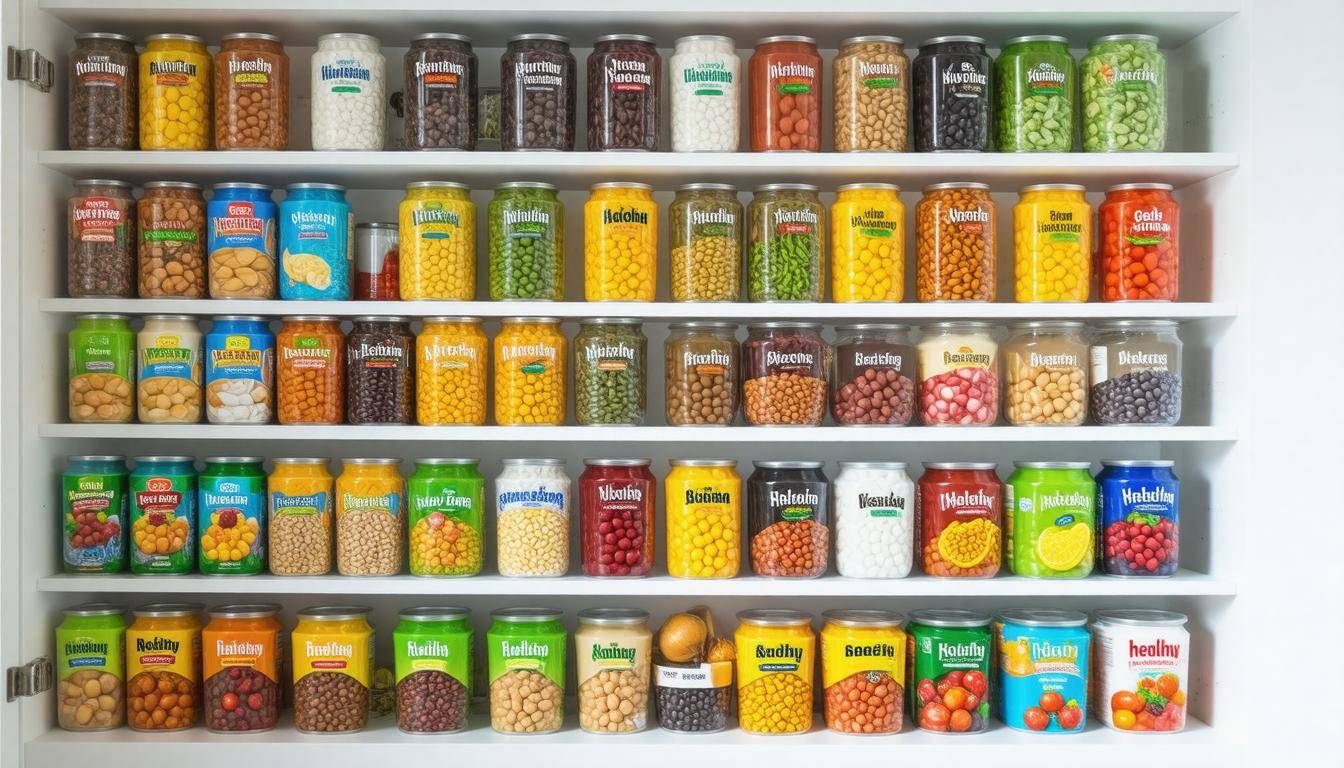
Meeting the dietary requirements of children, especially during challenging times, is essential to their health and well-being. Special dietary needs can add layers of complexity to emergency food planning, yet addressing these needs is vital. Children require a combination of carbohydrates, proteins, fats, vitamins, and minerals to support their growth, development, and general welfare. Therefore, it’s important to include nutrient-dense options that cater to various age groups and dietary restrictions.
Managing Allergies and Intolerances
As you prepare your emergency food supply, consider the specific allergies or intolerances that your child might have. For instance, if gluten sensitivity is an issue, stock up on gluten-free alternatives. Brands like Enjoy Life offer snacks that are not only allergen-free but also appealing to kids. In addition to finding suitable brands, check ingredient lists carefully—especially in pre-packaged foods—to avoid hidden allergens that could pose serious risks.
According to the CDC, 1 in 13 children has a food allergy, which emphasizes the necessity for tailored emergency food supplies. This statistic highlights the importance of preparation; it’s better to be proactive about allergies than reactively scrambling for alternatives in a time of crisis.
It’s equally essential to consider the broader nutritional framework when planning meals for children with special dietary requirements. The updated Dietary Guidelines for Americans (2020-2025) provide guidelines designed to accommodate diverse family needs and cultural preferences. By adopting strategies from these guidelines, families can create a flexible meal plan that adapts according to their circumstances while still prioritizing health.
Special Considerations for Infants and Toddlers
When stocking up on nutrition for infants and toddlers during emergencies, be sure to include age-appropriate formulas and baby foods. Many parents overlook the importance of maintaining a nutritious diet for their littlest ones in times of uncertainty. It isn’t just about protecting older children’s needs; infant nutrition is critical too—after all, they rely heavily on properly balanced diets for growth and development.
Additionally, think about nutritional considerations for pregnant or breastfeeding women as these choices significantly impact infant health. Stocking essentials like prenatal vitamins or lactation-supportive foods ensures that both mother and child receive necessary nutrients even amidst adversity.
Having secured the dietary requirements for children and acknowledged any special considerations for different age groups, it’s crucial to learn how best to store these foods so they remain safe and effective in an emergency situation.
Storage Tips for Emergency Food
Correct storage ensures that food remains safe and nutritious throughout its shelf life. To get the most from your emergency food stockpile, here are some important tips.
First, it’s crucial to choose a cool, dry place for storage. Higher temperatures can lead to spoilage and loss of nutrients. Ideally, aim to keep your food at room temperature or lower. A pantry secluded from heat sources like stoves or sunlight is often a good option. The longer the food remains in optimal conditions, the greater the likelihood it will retain its nutritional value when you need it.
Using airtight containers effectively preserves food quality. When you decant items like grains or cereals into airtight storage bins, you help protect them from pests and moisture that can degrade them over time. Plastic storage containers with tight-fitting lids work great, but glass jars also create a hermetic seal. Remember, every time you open a container, air enters—and stale air can lead to rancidity for edible oils or snacks!
Additionally, organizing your food with proper labels can elevate your storage strategy. Always mark everything with the purchase date and expiration date. These labels not only assist in managing inventory but also take guesswork out of meal preparation during emergencies. You might find it helpful to use color-coded stickers: one color for soon-to-expire goods and another for items with a longer shelf life.
Implementing these storage tips empowers families by maximizing the shelf life and quality of their emergency food supplies. This proactive approach ensures that your kids have ongoing access to nutritious options even in times of crisis, reinforcing their health and well-being when they need it most. By staying organized and mindful about storage conditions, you’re building a safety net that translates directly into better meals for your loved ones during difficult times.
In conclusion, wise storage strategies not only maintain the nutritional integrity of emergency supplies but also contribute to the overall well-being of families in challenging situations. Prioritizing these aspects ensures children receive healthy meals whenever needed, turning preparedness into an everyday practice.
What types of emergency food items are specifically designed for children?
Emergency food items specifically designed for children often include ready-to-eat meals like mac and cheese cups, fruit snacks, and whole grain cereal bars, which are kid-friendly in taste and packaging. These options are fortified with essential vitamins and minerals to ensure nutritional needs are met during emergencies. In fact, reports indicate that 60% of parents prioritize convenience and taste when selecting emergency foods for kids, making these options not only practical but also appealing to young palates.
Are there allergy-friendly or special diet considerations when selecting emergency food for children?
Yes, when selecting emergency food for children, it’s crucial to consider allergy-friendly and special diet options due to the increasing prevalence of food allergies—affecting about 8% of children in the U.S. According to recent studies, schools report that over 200,000 children experience a severe allergic reaction each year. Hence, offering options such as gluten-free snacks, nut-free meals, and those free from common allergens like dairy or soy ensures safety and accommodates various dietary restrictions, promoting health and well-being during emergencies.
How can I ensure that the emergency food I choose is both nutritious and appealing to kids?
To ensure that the emergency food you choose is both nutritious and appealing to kids, look for options that are high in essential nutrients like protein, fiber, and vitamins while also being easy to prepare and palatable. Consider incorporating kid-friendly flavors and fun presentations, such as colorful fruits or whole grain snacks shaped like animals. Research indicates that children are more likely to eat healthier foods when they are presented in an engaging way; for instance, a study found that 73% of children preferred meals with visual appeal over plain foods.
How can parents effectively store and manage an emergency food supply that includes options for kids?
Parents can effectively store and manage an emergency food supply for kids by focusing on non-perishable, kid-friendly options such as canned fruits, whole grain crackers, nut butters, and freeze-dried meals. It’s crucial to organize these items in a dedicated, easily accessible area and to rotate the stock regularly, using the oldest items first to prevent waste. According to the American Red Cross, having a minimum of a three-day supply per person is recommended, which should include foods that children enjoy to ensure they’ll eat it during times of stress. Keeping a checklist of stored items also helps in tracking expiration dates and maintaining variety.
What shelf life should I look for in kid-friendly emergency food options?
When selecting kid-friendly emergency food options, look for items with a shelf life of at least 1 to 2 years. Foods designed for long-term storage, such as freeze-dried fruits, whole grain snacks, and specially packaged meals, can last even longer—up to 25 years in some cases. This longevity is crucial for preparedness, ensuring that you always have nutritious meals on hand when needed. Statistically, many families underestimate the importance of emergency supplies, but having a well-stocked pantry can provide peace of mind and safety during unforeseen events.