
In uncertain times, having a well-prepared pantry can be a real lifesaver. Whether it’s facing natural disasters, unforeseen circumstances, or just day-to-day surprises, being equipped with a solid stock of non-perishable foods can make all the difference. Picture this: instead of rushing to the store when the news warns of a storm, you confidently open your pantry to find everything you need. It’s a comforting thought, isn’t it? To help you build this essential supply, we’ve put together a straightforward checklist for items that pack nutrition and variety into your meals. Let’s dive in and discover the must-have staples to keep you and your family safe and satisfied!
A comprehensive Non-Perishable Food Checklist for a 3-month supply should include staples like rice, beans, and oats; canned goods such as tuna, chicken, and vegetables; and dried fruits and nuts. Additionally, ensure to incorporate powdered proteins like milk and eggs, along with condiments to enhance meal variety while meeting the caloric needs of those being prepared for emergencies.
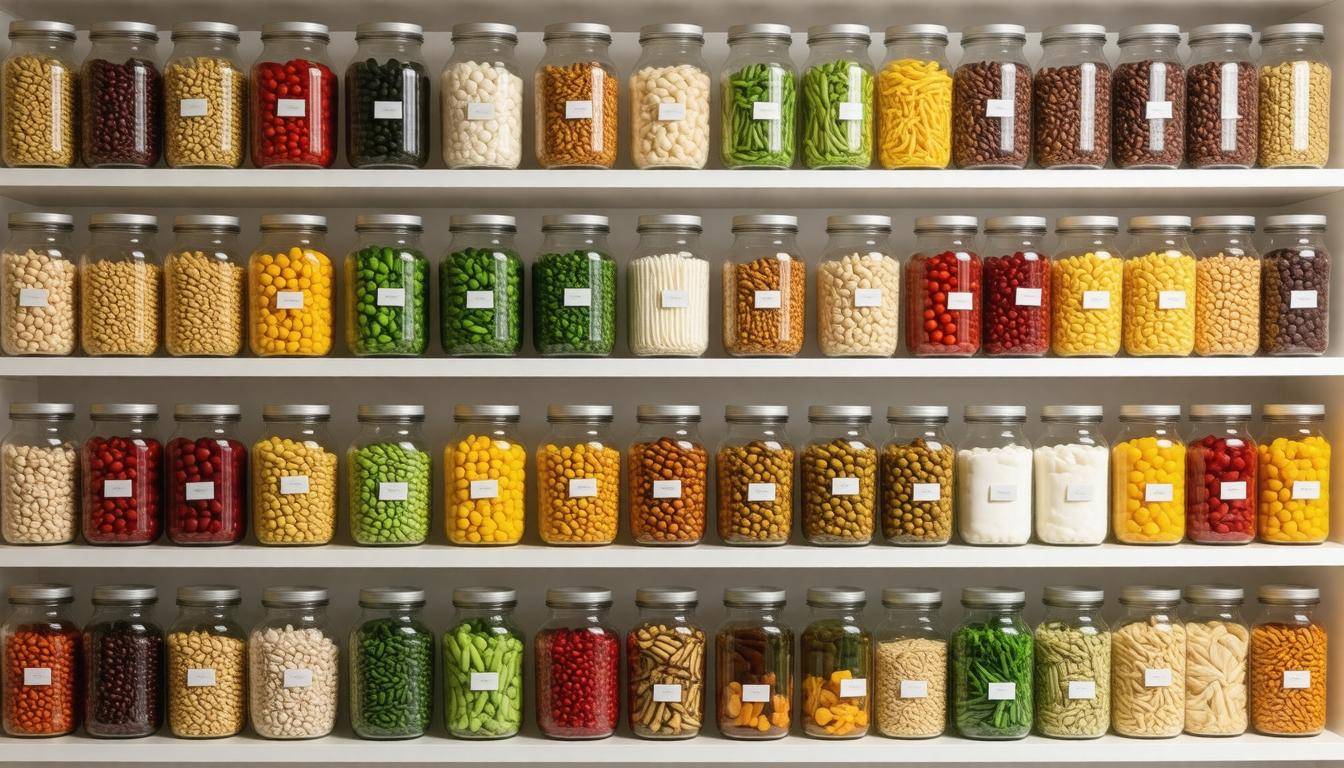
Essential Items for Your 3-Month Supply
1. Staples
Staples create the backbone of any meal plan. They are ingredients that are not only affordable but versatile, serving as a base for countless dishes. Some key staples include rice, beans, oats, pasta, and flour. Each of these items has its own unique benefits—rice and beans, for example, come together to form a complete protein and are packed with carbohydrates to keep your energy levels up.
The great thing about these staples is their ability to adapt; whether you’re making a hearty stew or a simple bowl of rice and beans, their flexibility shines through.
Adding convenience into the mix is crucial as well, so let’s dive into ready-to-eat meals.
2. Ready-to-Eat Meals
Among the most convenient options for your supply are ready-to-eat meals like canned soups and stews or pre-made chili. These meals have been crafted specifically to require minimal preparation, which is perfect when you’re dealing with an emergency situation.
Just imagine coming home after a long day; instead of spending hours in the kitchen, you can open a can, heat it up, and have a nutritious meal ready in minutes. This is one less thing you need to worry about during stressful times.
But don’t forget to round out your meals with proteins that can last.
3. Canned Proteins
It’s essential to stock up on canned proteins such as tuna, chicken, and salmon. These often forgotten items provide vital nutrition that supports muscle health and keeps you feeling full longer. Their advantage lies in their versatility; think beyond just sandwiches!
You could whip up a fresh salad topped with canned chicken or toss some salmon into scrambled eggs for breakfast. A simple tuna salad, requiring little more than mayonnaise and spices, can be whipped up in no time and offers loads of flavor alongside that crucial protein boost.
Now let’s shift our focus to dried foods that promise exceptional shelf life without sacrificing taste.
4. Dried Foods
Dried foods not only minimize your storage concerns due to their lightweight nature but add complexity to your meals through variety. Some must-haves include dried fruits like apples and apricots, along with nuts and seeds for added protein and healthy fats.
Powdered milk is another excellent choice not often considered; it holds considerable versatility for baking or mixing into hydration drinks. Instant potatoes can serve as a filling side dish on chilly nights while lentils pack significant nutritional value—high in fiber and easy to cook.
Dried fruits offer sweetness while doubling as an excellent source of fiber—perfect for snacking straight from the bag or incorporating into cereals or trail mixes. Imagine reaching for a handful of dried apple slices when you’re feeling peckish; it’s both satisfying and nutritious!
With these categories established in your supply chain, being prepared means access to a variety of delicious meals whenever needed will always be within reach. To maximize that preparedness…
Effective Pantry Organization Ideas
Organizing your pantry effectively can transform emergency preparedness from overwhelming chaos into a manageable and efficient part of your home. Imagine walking into a well-structured pantry where every item is in its rightful place, making it easy to find exactly what you need when the situation arises.
A logical shelf layout is essential; by arranging your pantry shelves according to food type, you’ll streamline the process of locating items. For instance, dedicate specific shelves for grains, proteins, fruits, and snacks. This thoughtful organization reduces hunting through cluttered spaces and saves valuable time during emergencies when quick access is crucial.
Shelf Layout
As you categorize food items, think about how frequently you will use them and their weight. Place heavier items like large containers of rice or canned goods on the lower shelves to prevent accidents and make them easier to reach. Lighter items such as dried fruits or spices can go higher up. This method contributes to safety while keeping everything within reach.
Moving forward, ensuring that you’re using the oldest stock first is just as significant as the initial organization itself.
Rotational Access
Implementing a “first in, first out” (FIFO) system is key to keeping your pantry fresh and minimizing waste. When replenishing your stock of staples like beans or canned goods, always place newer items behind older ones. This simple habit ensures that older stock gets used first and prevents expiration surprises. Picturing this system at play turns your pantry into not just a storage area but a smart inventory management tool.
Clear Storage
Using clear, airtight containers adds another layer of organization that enhances both practicality and aesthetic appeal. Imagine opening a container filled with fluffy oats or shiny quinoa, all easily visible. These transparent bins not only keep food fresh for an extended period but also allow you to quickly assess how much you’ve got left at a glance without searching through opaque bags or boxes.
Remember that having clear labels on these containers simplifies meal prep since everyone in the household knows what goes where.
By establishing an organized pantry equipped with smart access systems, you’re now poised to consider economical strategies for stocking those essential supplies effectively.
Budget-Friendly Purchasing Tips
Emergency preparedness doesn’t have to break the bank. With a little planning, you can stock up on non-perishable essentials without feeling the financial pinch. One key strategy is to take advantage of seasonal sales. Many grocery stores cycle through sales based not only on holidays but also on the seasons. For instance, stocking up on canned goods during summer’s “buy-one-get-one-free” events can save you significantly over time.
You might be surprised at how these cyclical promotions help keep costs down while allowing you to fill your pantry with essential items for your three-month supply.
Another effective tip involves knowing when to shop.
Timing Your Purchases
Shopping during off-peak times often leads to better deals. Early mornings or late evenings during weekdays tend to have fewer customers, which can motivate stores to clear out products nearing their expiration dates or those that are overstocked. Imagine walking into your local grocery store and finding canned veggies on clearance just because they want to make room for new stock!
Those types of opportunities can add up quickly—think about discovering a dozen cans of beans for a fraction of their regular price simply because the store is eager to get them out the door before re-stocking.
A smart shopper keeps an eye out for such deals, rewarding patience with significant savings.
Finally, let’s consider another impactful method that leverages technology.
Utilize Digital Tools
In today’s digital age, never underestimate the power of apps and websites designed for shoppers like you. Price-comparison apps allow you to browse prices at various stores effortlessly before making your purchase. Also, consider signing up for newsletters from grocery retailers—they often send exclusive discounts directly to your inbox. By being proactive and utilizing these platforms regularly, saving money becomes almost second nature.
Plus, pairing this technique with loyal customer programs amplifies your efforts. Many supermarkets have their own rewards programs that offer points for every dollar spent and translate those points into discounts on future purchases.
| Strategy | Description |
|---|---|
| Bulk Buying | Purchase in larger quantities for lower unit cost |
| Timing Purchases | Shop during off-peak hours for potential clearance |
| Digital Tools | Use apps/websites for price comparison and discounts |
As you combine these strategies—like bulk purchasing paired with smart timing—you’ll find that putting together a budget-friendly emergency food supply becomes less daunting and much more manageable. This practical approach naturally transitions into how you can create satisfying meals from what you’ve stockpiled.
Creating Varied and Nutritious Meals
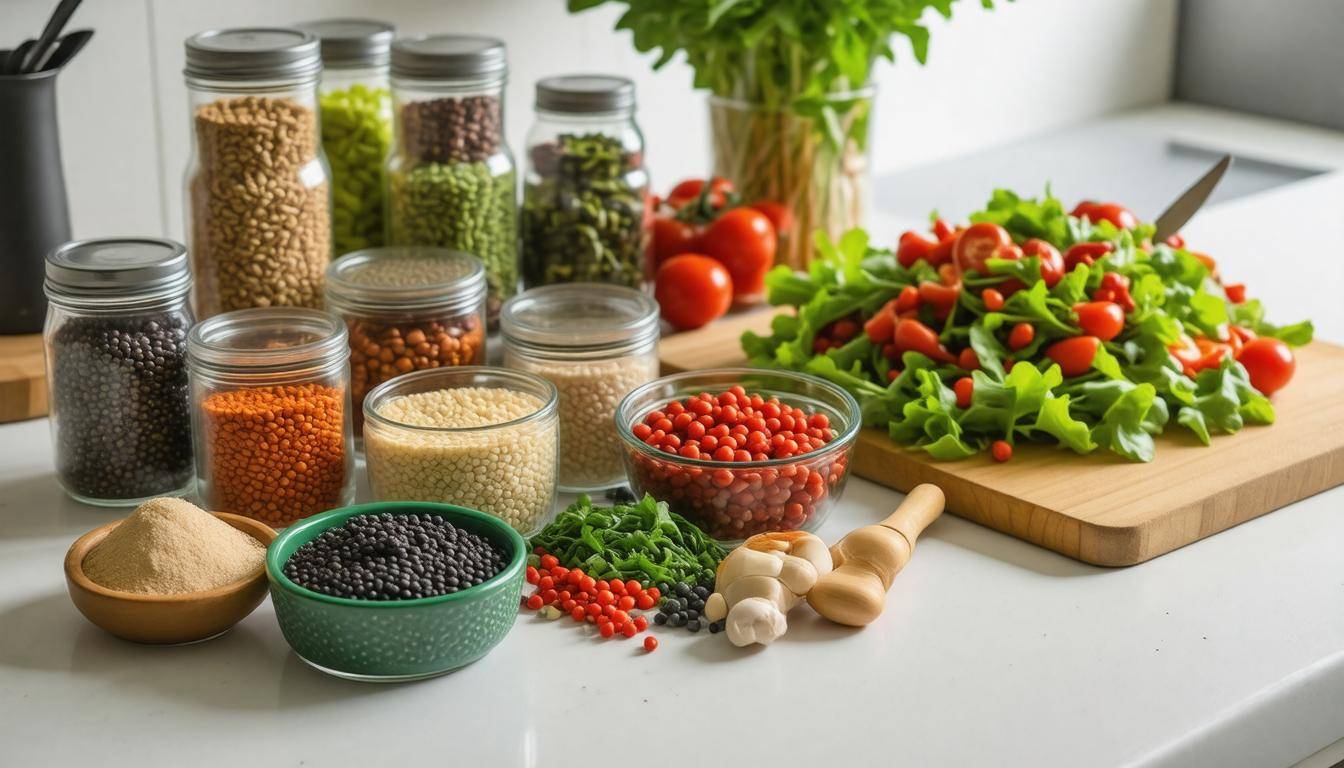
Eating the same thing daily can turn meal times from something enjoyable into a monotonous chore. Therefore, learning to diversify your meals is paramount not only for your palate but also for maintaining morale during an emergency situation. This is particularly relevant when you’re relying on non-perishable items, so it’s crucial to be mindful about mixing and matching what you have on hand.
Step-by-Step Meal Planning
The very first step in effective meal preparation starts with understanding your inventory. Take stock of what non-perishable foods you’ve got stashed away; this means peering behind the cans and bags that have been tucked away in the depths of your pantry or cupboard. Knowing exactly what you have at your disposal enables you to come up with innovative meal ideas that utilize every possible ingredient without letting anything go to waste.
Following a thorough review of your inventory, it’s time to create a structured meal plan that covers breakfast, lunch, and dinner. Incorporating the variety you’ve collected not only helps keep things interesting but ensures nutritional adequacy. For instance, consider these meal suggestions:
- Breakfast: Oatmeal mixed with dried fruits like cranberries or bananas creates a hearty start to your day.
- Lunch: A refreshing canned chicken salad made simply by combining canned chicken with mixed veggies, a touch of mayonnaise, and seasoning for flavor.
- Dinner: Pair rice and beans together, topped with tomato sauce to make a filling, cost-effective meal rich in protein and fiber.
Recipe Ideas
As you plan meals, don’t shy away from thinking outside the box. Mixing basic staples with ready-to-eat items can yield delicious results. Here are some versatile recipe ideas:
- Imagine whipping up pasta with canned tomato sauce, finishing it off with dried herbs for an aromatic touch.
- Or picture a simple yet satisfying bowl of rice topped with canned beans seasoned with spices like cumin or chili powder for added depth.
- Think about creating instant potatoes infused with canned vegetables and meat; it’s comforting and offers different textures all in one dish.
Using diverse ingredients creatively keeps meals exciting while maximizing nutrition, ensuring you’re achieving balance with proteins, carbohydrates, and fats.
Additional Tips
Don’t forget to rotate through your existing stocks while adding new varieties as they come available. Also, consider incorporating occasional fresh produce if feasible—such as carrots or apples—into your meal planning to add some vibrancy and fresh flavors alongside those trusty non-perishables.
These strategies not only nourish the body but can also enhance your overall experience during challenging times. As we look ahead, let’s explore the vital factors regarding safety and longevity associated with these food items.
Safety and Shelf Life Considerations
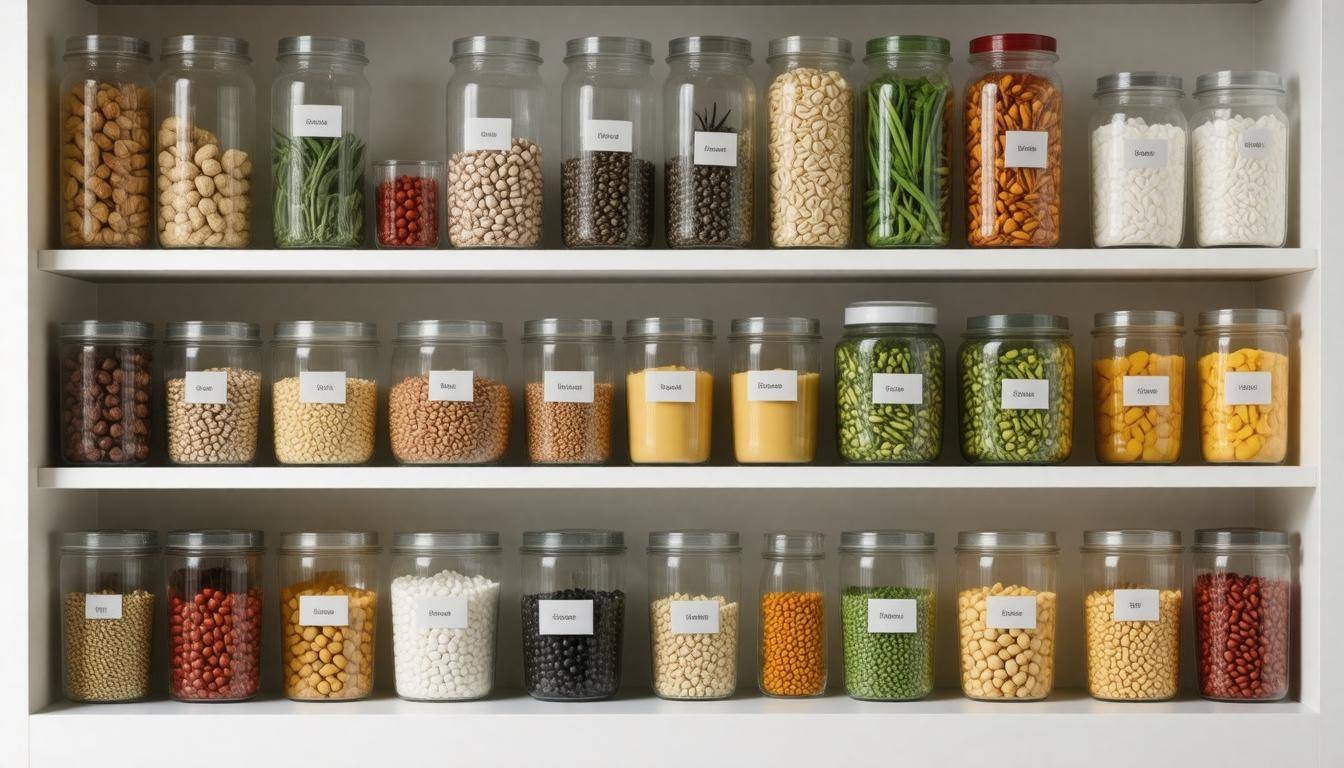
Safety is paramount when planning an emergency food supply. When selecting non-perishable foods, it’s crucial to consider both nutritional sustenance and the safety of those foods over time. Regularly checking expiration dates on canned and packaged goods is essential. Most canned goods boast a shelf life of 2 to 5 years, depending on the product and storage conditions. However, some items are remarkably resilient; for instance, honey can last indefinitely when stored properly due to its low moisture content and natural preservatives.
Shelf Life
While we often think of expiration dates as hard stops, these dates are frequently conservative estimates. With appropriate care, certain foods can outlive their printed dates without compromising safety or quality. For example, dried beans can last well beyond their “best by” dates if kept in optimal conditions. Understanding specific shelf lives is particularly helpful during long-term preparedness planning.
It’s wise to rotate your food supply consistently to ensure that older items are consumed first, keeping your pantry fresh. You can adopt a simple rule like “first in, first out” (FIFO), which means placing newer items behind older ones to encourage using the items nearing expiration first.
Storage Temperature
Storing your food in a cool, dry place is crucial for maximizing its lifespan. The ideal temperature range is between 50°F to 70°F. This sweet spot helps prevent spoilage while maintaining the integrity of canned goods. High humidity can lead to rust on cans and deterioration of packaging materials.
It’s wise to avoid storing your supplies near heat sources such as stoves or radiators since heat can fluctuate quickly and negatively impact food quality.
If you’re uncertain about the storage conditions in your pantry or have experienced significant fluctuations in temperature and humidity, consider investing in a small thermometer or hygrometer. Regularly monitoring these conditions allows you to take action before they affect your food supply.
Ensuring your non-perishable foods remain safe is just one piece of the puzzle; understanding how much energy you need daily and striking a balance in nutrition is equally important for overall preparedness.
Caloric Needs and Nutritional Balance
Meeting your caloric needs during an emergency is crucial because it supports overall health and sustains your energy levels. For an average adult, the daily requirement hovers around 2,000 calories, which means that over three months, you’ll need to have approximately 180,000 calories ready to cover basic nutritional requirements.
You can visualize this necessity through a simple breakdown. For instance, in one month alone, you would require 60,000 calories. This may seem daunting at first, but it’s about planning wisely and purchasing the right items.
| Duration | Calories Needed |
|---|---|
| 1 Month (per person) | 60,000 |
| 3 Months (per person) | 180,000 |
With caloric needs outlined, it’s essential to consider not just the quantity but the quality of the food you store.
Daily Intake
As you prepare your checklist, remember that it’s not enough to just hit the calorie mark; variety in your diet is likewise important. In any diet plan—especially during emergencies—ensuring a balance of macronutrients—proteins, carbohydrates, and fats—can help combat fatigue and keep spirits high during trying times.
Adding multivitamins can further fill any gaps in nutrition that might arise from limited food options.
This isn’t just theory; I’ve seen firsthand how vital balanced nutrition is when you’re thrown into unpredictable situations. During a power outage several years ago, I relied on my well-prepared supplies. Those who had an assortment including canned beans for protein, oatmeal for carbohydrates, and olive oil for healthy fats felt less fatigued than those who primarily consumed only empty calories such as sugary snacks.
To maintain productivity and emotional stability in challenging situations, aim for meals that provide a spectrum of nutrients instead of solely focusing on calories.
Having established your caloric needs and nutritional balance, we now turn our focus to understanding the proper environment for storing these essential supplies effectively.
Storage Environment and Tools
Proper storage environments can significantly extend the life of your emergency supplies. When it comes to keeping your non-perishable foods in excellent condition, climate control plays a crucial role. Ideally, a cool, dark basement serves as the premier choice for storage due to its stable temperature and low light exposure. However, if a basement isn’t an option, choose a closet or pantry that is away from sunlight and heat sources. This prevents damage from fluctuating temperatures and excessive light, which can spoil foods prematurely.
Ideal Storage
Think of your food like you might think about a precious artifact; giving it a proper environment helps maintain its freshness just like preventing a painting from fading. Aim for an ideal storage temperature between 50°F to 70°F (10°C to 21°C) with a relative humidity level of around 15% to 20%. This way, your foods won’t develop unwanted moisture that can lead to mold or degradation.
It’s also important to organize your food supplies. Use clear, labeled containers so you can easily identify what you have on hand without sifting through everything. This not only saves time but also prevents unnecessary exposure of your items to air, which can diminish freshness.
Tools to Have
Alongside selecting an optimal storage location, certain tools can enhance your food preservation efforts. Always keep manual tools accessible because during emergencies, you may find yourself without power for long periods.
-
Manual can opener: Trust me, there’s nothing more frustrating than realizing you can’t access your canned goods because you’re out of battery or electricity for an electric opener.
-
Airtight containers: These are essential for storing dry goods like rice and beans, as they protect against humidity and pests.
-
Vacuum-sealed bags: Not only do these bags save space, but they also keep food fresh by removing air that hastens spoilage.
Ensuring you have these essential tools on hand creates peace of mind in an emergency scenario. When scavenging becomes necessary, having these items ensures you can still access and preserve your food even without electricity.
Focusing on both your storage environment and the right tools will significantly impact the longevity and usability of your emergency supplies. By investing time into these elements now, you’ll find reassurance knowing that when emergencies arise, your preparedness will pay off.
Understanding how to optimize your storage setup is just the beginning; equipping yourself with fresh produce and supplements can further enhance your nutrition during tough times.
Supplementing with Fresh Foods and Multivitamins
When building an emergency food supply, it might seem counterintuitive to think about fresh foods. However, certain items can provide vital nutrients and flavors that non-perishables simply can’t replicate. For example, growing fresh herbs in a windowsill not only infuses your meals with flavor but also makes for a lovely home addition. Imagine reaching for a sprig of fresh basil or parsley while preparing dinner—it’s a small gesture yet one that can elevate your culinary experience even during challenging times.
Pursuing easy-to-grow herbs like mint, chives, or cilantro could yield gratifying results as they thrive indoors and require minimal upkeep. A simple pot on a windowsill can become the source of fresh flavors that few canned goods can offer.
Additionally, consider stocking up on essential vitamins and minerals through multivitamin supplements. Our diets may not always be complete, especially when relying heavily on non-perishable foods which might lack certain nutrients essential for overall well-being. A daily multivitamin can act as insurance for your health, ensuring that you receive the nutrients you need when exposure to fewer food varieties limits your options.
Fresh Supplements
Including certain fresh foods in your emergency kit can provide excellent nutritional support:
- Ginger: Known for its anti-inflammatory properties, ginger is flavorful and can assist digestion.
- Garlic: This power-packed bulb has long been recognized for its health benefits and contributes robust flavor to various dishes.
- Apples: Apples have a decent shelf life when stored correctly; they provide natural sugars and fiber while keeping well for weeks at room temperature.
As you consider these additions, it’s equally important to think about how you’ll maintain their freshness over time.
Implementing a rotation schedule is an effective strategy for ensuring you’re constantly replenishing your stock of fresh items. By purchasing fruits or herbs at staggered intervals, you can keep them healthy while enjoying their benefits before they spoil. For instance, if you plant herbs every four weeks, you’ll have a continuous supply without overwhelming yourself with excess produce all at once.
Ultimately, creating an emergency food supply incorporating both non-perishable items and some strategic blends of fresh ingredients and vitamins helps prepare you for any situation. With thoughtful planning, your pantry can evolve into a source of nourishment and resilience during difficult times.
How can I ensure that the non-perishable foods I select meet my dietary needs?
To ensure your non-perishable foods meet your dietary needs, start by reviewing nutritional labels for essential vitamins and minerals that align with your health goals. Consider creating a checklist of your dietary restrictions—such as gluten-free, low sodium, or high protein—and prioritize items that fit those criteria. According to the Food and Agriculture Organization, having a diverse food supply can improve overall nutrition, as it helps meet different dietary requirements. Additionally, stocking foods like beans, nuts, whole grains, and canned vegetables can cover various nutritional bases while meeting individual preferences.
What should be included in a non-perishable food checklist for specific dietary restrictions (e.g., gluten-free, vegan)?
A non-perishable food checklist for specific dietary restrictions should include gluten-free grains like quinoa and rice, canned legumes for protein, nut butters, dried fruits, and a variety of vegan canned vegetables. According to the Gluten Intolerance Group, over 3 million people in the U.S. are diagnosed with celiac disease, emphasizing the importance of gluten-free options. For vegans, ensuring a protein source such as lentils or chickpeas is vital as plant-based diets may lack certain essential nutrients; hence canned goods and dried items should be prioritized for their shelf stability and nutritional value in emergency situations.
What types of non-perishable foods are best for long-term storage?
The best types of non-perishable foods for long-term storage include canned goods (like vegetables, fruits, and proteins), dry grains (such as rice and quinoa), legumes (like beans and lentils), and freeze-dried meals. These items not only have a long shelf life—canned goods can last 2-5 years past their expiration date if stored properly—but they also provide essential nutrients, making them ideal for emergency preparedness. For instance, legumes are high in protein and fiber, while whole grains are excellent sources of energy, ensuring balanced nutrition during prolonged shortages.
What are the signs that non-perishable foods have gone bad or are no longer safe to consume?
Signs that non-perishable foods have gone bad include bulging or dented cans, off-odors, discoloration, mold growth, and unusual textures. According to the USDA, while properly stored non-perishables can last years beyond their labeled expiry dates, it’s crucial to inspect them regularly; about 20% of foodborne illnesses are linked to improper food storage and expired items. Always trust your senses and when in doubt, throw it out!
How do I properly store non-perishable foods to maximize their shelf life?
To maximize the shelf life of non-perishable foods, store them in a cool, dry place away from direct sunlight, ideally at temperatures below 70°F (21°C). Utilizing airtight containers can further protect against moisture and pests. For instance, canned goods can last 2-5 years or more when stored properly, while dry staples like rice and beans maintain freshness for up to 30 years if kept sealed. Regularly check expiration dates and rotate your stock to ensure you consume older items first, prolonging both safety and quality during emergencies.