
As the summer sun blazes down on Daegu, staying safe and comfortable can feel like a daunting task. With temperatures soaring to uncomfortable levels, it’s vital to be prepared when extreme heat strikes. Whether you’re planning a day out or simply trying to cope with the relentless warmth indoors, knowing what supplies you need can make all the difference. In this guide, we will look at essential emergency items that help you not only survive but thrive during those sweltering days. Having the right tools and knowing how to use them can turn an oppressive heatwave into a more manageable experience, so let’s dive in!
During extreme heat emergencies in Daegu, it is essential to have supplies such as plenty of water, non-perishable food, personal cooling items (like fans and hats), and a first aid kit ready. Additionally, consider preparing sunscreen, electrolyte drinks, and medications that may be needed during hot weather conditions.
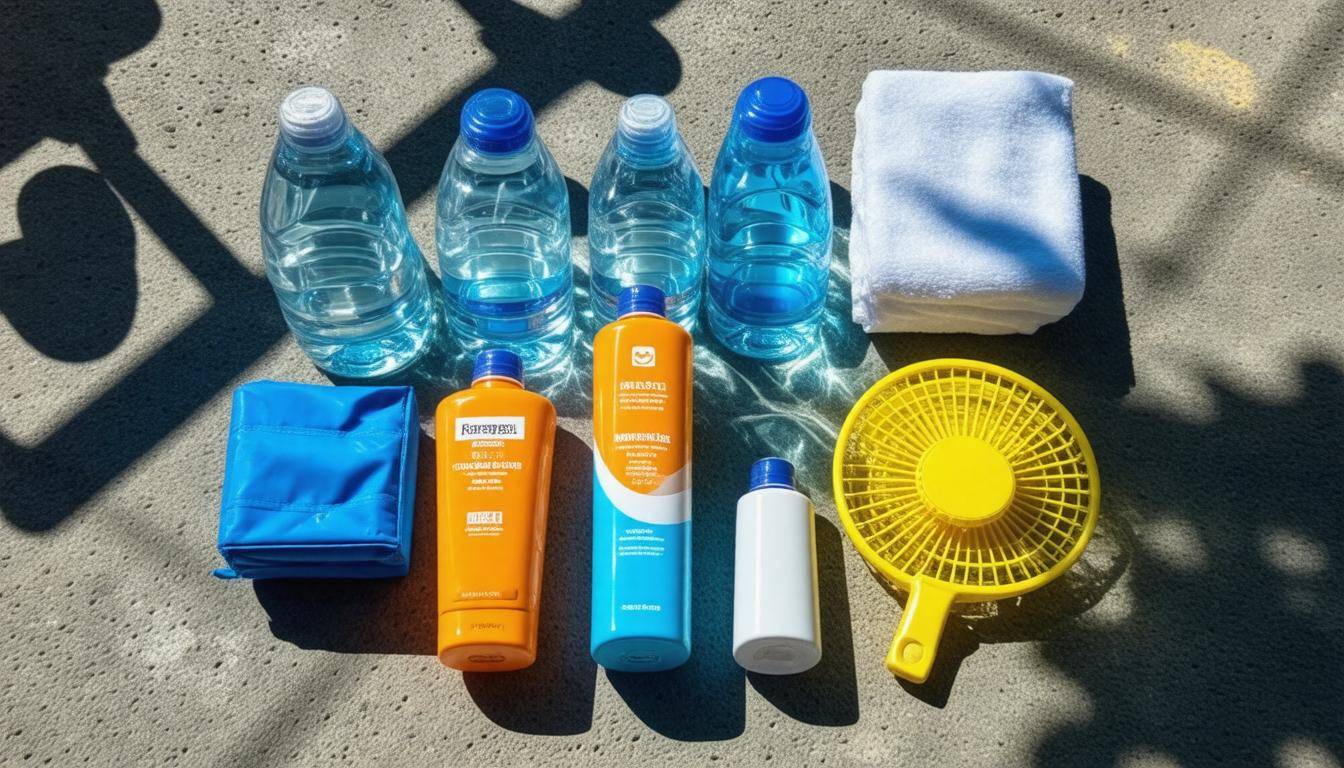
Essential Emergency Supplies for Daegu Heat
Creating an emergency kit not only helps you cope with the intense summer temperatures but can also be a lifesaver in more serious situations. As you gather supplies, start by ensuring you have adequate bottled water, as hydration is key. The guideline of one gallon per person per day is a good standard, but consider keeping extra on hand, especially if you’re active or have pets.
Beyond just hydration, having non-perishable food options is vital. Think about items like granola bars, canned fruits, and peanut butter, which provide energy without needing refrigeration. It’s best to focus on foods that require minimal preparation; a quick snack can sustain you while waiting for cooler conditions.
Additionally, a comprehensive first aid kit is crucial. You never know when minor injuries may occur or what health issues could arise during extreme heat. Make sure it’s stocked with basics like band-aids, antiseptic wipes, pain relievers, and any personal prescription medications. Having this kit readily available can alleviate stress if an issue arises.
Don’t forget the essentials! A well-equipped emergency kit can help you navigate through intense heat waves without added worry.
Moreover, flashlights with extra batteries are essential if there’s a sudden power outage. The last thing you need is to be left in the dark during a heatwave. Battery-operated fans serve a dual purpose: they provide relief from high temperatures and can circulate air effectively in small spaces. During my own experiences with unexpected summer outages, these fans made unbearable heat much more bearable.
In addition to this gear, wet towels or cooling cloths are invaluable for instant relief from the oppressive heat. Just dampening a towel and placing it around your neck or across your forehead can lower your body temperature significantly. This small detail often gets overlooked but can provide immediate comfort when you feel overwhelmed by heat.
With these essentials stocked up and ready to go, ensuring you also have effective cooling solutions will play a crucial role in maintaining your comfort and wellbeing during those scorching days ahead.
Cooling Equipment and Tools
When faced with soaring temperatures, having the right cooling equipment can mean the difference between comfort and distress. First and foremost, portable air conditioners play an essential role in keeping smaller enclosed areas cool. They are designed to lower the ambient temperature effectively if you have access to a power source. Depending on the model, they come equipped with features like programmable timers and adjustable thermostats, making them a smart choice for localized cooling while also providing relief from humidity.
However, if mobility is what you’re after, nothing quite beats the utility of battery-operated fans. These little wonders can provide a refreshing breeze wherever you go—from indoor spaces to outdoor gatherings—without needing to be plugged in. I recommend looking for fans that offer multiple speed settings and compact designs so that they can easily fit into your bag. The added bonus? Many of these fans are equipped with built-in LED lights, perfect for evening picnics or emergencies during power outages.
“The beauty of portable cooling equipment lies not only in its ability to combat heat but also in its flexibility.”
Let’s not overlook emergency ice packs, which are crucial for quick relief from overheating. They work exceptionally well under various circumstances: you can place them in your armpits or around your neck to help rapidly lower your body temperature. They’re light, easy to store, and highly effective when you need immediate cooling assistance. Plus, having several on hand ensures that you can replace any that start to lose their chill.
Cooling Equipment Overview
| Equipment Type | Ideal Usage | Average Cost |
|---|---|---|
| Portable Air Conditioner | Enclosed rooms, requires plug-in | $300 |
| Battery-Operated Fan | Mobile use, ideal for power outages | $20 |
| Emergency Ice Packs | Quick body temperature reduction | $10/pack |
With these tools in hand, your likelihood of suffering from heat-related illnesses greatly decreases. Moving forward, it’s essential to explore the importance of maintaining proper hydration to support your body’s resilience against extreme heat conditions.
Hydration Essentials
When temperatures soar, your body needs water more than ever. Increased sweating causes significant fluid and electrolyte loss; therefore, being proactive about hydration is vital. Water intake must rise during extreme heat to avoid dehydration, which can sneak up on you like an unwelcome visitor. You might feel fine one moment, and lightheaded or fatigued the next—this sudden shift can be alarming and is often a sign that your body is running low on fluids.
The importance of hydration cannot be overstated. Health guidelines generally recommend that adults consume at least an extra liter of water in addition to the standard two liters per day when facing extreme heat conditions.
In addition to regular bottled water, consider keeping electrolyte solutions and hydration packets close at hand. These can replenish the essential salts and minerals lost through sweat, giving your body what it needs to function optimally under stress. Preparing a pitcher of diluted sports drink or having individual hydration packets ready can make it easier to stay on track throughout the day.
Steps for Effective Hydration:
For effective hydration, start your day with a full glass of water—this simple act jumpstarts your fluid intake right off the bat. It’s remarkable how much a single glass can set the tone for your entire day! Carrying a refillable water bottle with you serves as a constant reminder to drink water. Opt for one that is visually appealing or uniquely designed; you’ll be more inclined to keep it nearby.
If plain water doesn’t excite you (and let’s be honest, sometimes it doesn’t), enhance its appeal with flavor enhancers or electrolyte tablets. Many brands provide natural flavor options without added sugars, making it easy to transform an ordinary drink into something refreshing. Remember—it’s not just about drinking enough; it’s about finding ways to enjoy those sips so you do it frequently!
It’s crucial to filter out certain beverages from your hydration plan as well. Caffeinated drinks (like coffee and energy drinks) or alcoholic beverages may seem tempting but can actually lead to further dehydration, leaving you feeling worse than before. Be mindful of how these drinks can impact your overall fluid balance, particularly on hot days.
Being aware of your body’s cues along with maintaining proper hydration practices will keep you sharp and energized during extreme heat—a necessity for anyone who plans to spend time outdoors in sweltering temperatures. Let’s now explore effective strategies for protection against the intense sun rays that accompany such heat.
Protective Clothing and Shade Solutions
Your clothing acts as a first line of defense against the relentless sun. The right wardrobe choices not only help you stay cool but also protect your skin from harmful UV rays. Lightweight fabrics become essential allies when faced with extreme temperatures. Choose fabrics made from natural fibers, like cotton or linen, which allow your skin to breathe. These materials facilitate air circulation, reducing perspiration buildup, unlike synthetic fabrics that can trap heat and moisture against your body.
Recommended Clothing
Light-colored attire serves a dual purpose: it reflects the sun’s rays instead of absorbing them, keeping you cooler throughout the day. Imagine stepping out under the blazing sun wearing a dark t-shirt—it’s like wearing a personal oven! Instead, opt for breathable, loose-fitting clothing that allows air to circulate freely. Wide-brimmed hats not only add flair to your summer look; they also provide critical shade for your face and neck. In addition, don’t forget a good pair of UV-protection sunglasses to shield your eyes from bright sunlight.
While the right clothing lays the foundation for staying cool, shade solutions act as another layer of protection against extreme heat.
Shade Solutions
Portable umbrellas or pop-up sunshades can transform almost any outdoor space into a cooling oasis. Think about taking one along for day trips or picnics; simply set it up to create an instant refuge from the sun’s blaze. Additionally, consider positioning yourself near natural shade whenever possible—like under trees or pavilions—as this reduces direct exposure to the sun’s rays without needing extra equipment.
An often overlooked tip is that seeking shade during peak sunlight hours, typically between 10 AM and 4 PM, can prevent overheating significantly.
As you prepare for battling extreme heat in Daegu or anywhere else, remember that investing in appropriate protective clothing and feasible shade solutions can drastically improve your comfort and safety in intense weather conditions.
Building on these ideas, we can next explore proactive measures that enhance your overall readiness for extreme temperature challenges.
Heat Preparedness Strategies
Preparing for extreme heat is a bit like preparing for a big event; it requires attention to both immediate needs and future planning. Short-term strategies focus on what you can do right now to cope with the heat effectively. For instance, keeping a close eye on weather forecasts and heat advisories gives you a heads up, allowing you to adjust your activities accordingly. If the sun is blazing hotter than your favorite spicy dish, scheduling outings in the early morning or late evening can help you avoid the peak of the day’s heat.
Additionally, having an emergency plan that includes hydration is key. When it’s blazing outside, water should be your best friend. Keep multiple bottles handy and aim to drink regularly—don’t wait until you’re thirsty! Staying hydrated reduces fatigue and helps regulate your body temperature, meaning you’ll feel a lot more comfortable throughout those sweltering days.
While these short-term tips are vital for immediate relief, it’s equally crucial to consider long-term strategies that will set you up for success in future summers.
Long-Term
Planting trees around your home can provide natural shade that not only lowers indoor temperatures but also enriches your outdoor space with aesthetic beauty. Imagine having vibrant greens complementing your home’s exterior while also creating cool spots to retreat to during mid-day scorchers.
Installing awnings over windows and doorways is another effective strategy—these additions can protect against harsh sunlight while allowing fresh air to flow through when the weather permits.
Have you thought about energy-efficient windows or improved insulation? Investing in these upgrades might seem costly initially, but they could significantly reduce your energy bills in the long run. Enhanced insulation keeps your home’s interior cooler in summer and warmer in winter, resulting in less reliance on air conditioning systems.
Furthermore, consider incorporating reflective roofing materials if you’re planning a renovation. These are designed to reflect more sunlight than standard materials, helping keep your living spaces cooler without breaking a sweat.
With a combination of immediate strategies and long-lasting improvements, you can better equip yourself for heat waves ahead. It’s important to understand the guidelines that can help ensure your health and safety during this challenging season.
Health and Safety Guidelines
Knowing the signs of heat-related illnesses is a vital aspect of staying healthy when the temperatures skyrocket. Common heat-related illnesses can significantly impact your well-being, so it’s essential to recognize their symptoms early on. For instance, heat exhaustion often presents itself with heavy sweating, weakness, dizziness, or even fainting spells. If someone displays these symptoms, they need immediate attention; moving them to a cooler environment and providing fluids can often alleviate their discomfort. However, it’s heatstroke that poses the most serious risk. This condition can manifest with confusion, rapid pulse, and surprisingly, a cessation of sweating – a red flag that warrants immediate medical assistance.
According to the CDC, time is of the essence: heatstroke can become fatal within just 10 to 15 minutes if not treated. Recognizing this danger quickly can save lives.
While keeping an eye out for these symptoms is important, maintaining your overall health through nutrition is equally vital as you navigate extreme heat conditions.
Impact of Nutrition on Heat Response
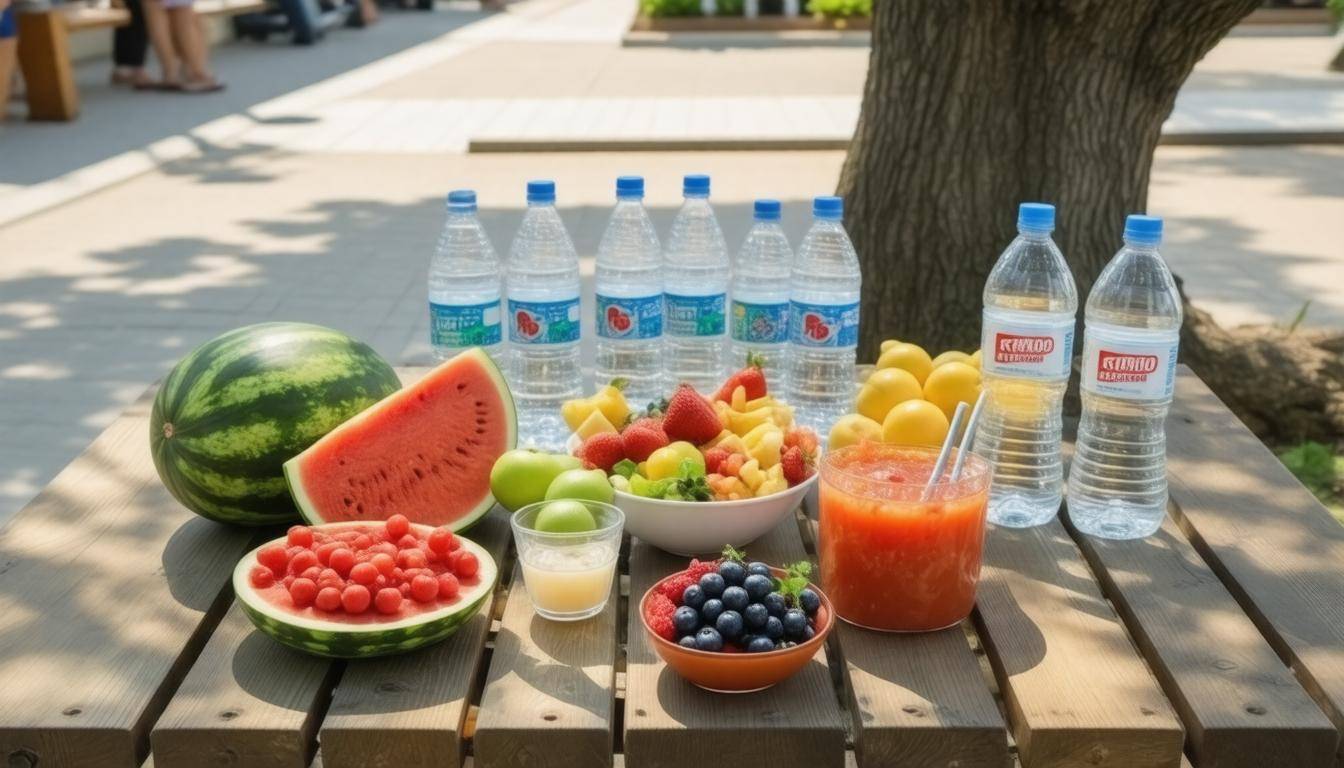
What you eat plays a significant role in how your body copes with extreme temperatures. For example, staying hydrated should be at the forefront of your mind. It’s not only essential to drink water but also to select foods that support hydration. Fruits like watermelon and cucumbers are high in water content and provide not just hydration but also vital electrolytes necessary for proper bodily functions during sweltering days.
Likewise, incorporating light meals into your diet can assist in avoiding feelings of sluggishness associated with heavier items. Consider meals rich in proteins and complex carbohydrates; these will help maintain energy levels without taxing your digestive system too much. Lean meats, whole grains, nuts, and legumes are excellent choices.
A balanced approach not only helps you manage the heat better but also enhances your resilience against heat fatigue and illness.
Furthermore, understanding that certain foods may exacerbate dehydration is equally crucial.
Foods to Avoid
When preparing for extremely hot weather, avoid heavy foods that require extensive digestion and those laden with salt or sugar. Processed snacks might seem tempting for quick energy but can lead to increased thirst and potential dehydration over time. Instead of salty chips or sugary sodas, try snacking on nuts or homemade fruit smoothies; they’ll keep you nourished without the added risks.
In addition to adjusting your meals, remember the importance of pacing yourself throughout the day. Strenuous activity needs to be timed carefully—preferably in early mornings or evenings when temperatures cool down—but always hydrate before and after any physical exertion.
With awareness about illnesses and nutritional adjustments, you’re equipped to handle extreme heat better while ensuring your family’s safety as well.
Create Heat Safety Checklists
Finally, creating a safety checklist could give peace of mind during peak heat waves. Include tasks like checking hydration levels throughout the day, wearing appropriate clothing—loose-fitting and light-colored—and scheduling frequent breaks during outdoor activities. Having prepared meals in advance removes last-minute stresses about food choices during potential peak heat times.
By adopting these guidelines, you’ll improve your chances of staying safe and healthy when faced with Daegu’s oppressive summer climate.
As we continue our exploration of staying safe in extreme temperatures, it’s essential to focus on how nutrition plays a pivotal role in maintaining health during these sweltering days.
Nutritional Tips for Extreme Heat
Nutrition plays a vital role during heat waves. When temperatures rise, it’s crucial to consume the right foods to help your body stay cool and hydrated. Instead of reaching for heavy meals that will weigh you down, focus on light, hydrating foods such as fruits, vegetables, and salads. These options are easier to digest, allowing your body to conserve energy and maintain hydration levels efficiently.
Think of food as both fuel and refreshment in hot weather. An effective strategy involves consuming foods with high water content and natural electrolytes, which can aid in keeping you hydrated without overexerting your digestive system.
Top Foods for Hot Weather
Some standout choices make for excellent hydration partners when the sun is blazing down. First up are watermelon and berries, which have exceptionally high water content—almost 92% in watermelon alone! These fruits not only refresh but also pack a punch with antioxidants that are beneficial during hot conditions.
Second, don’t underestimate the power of cucumbers and lettuce; they’re composed mostly of water and are perfect additions to any salad or snack spread.
Another fantastic option is yogurt; choose low-fat varieties or enjoy chilled soups made with fresh ingredients like tomatoes or cucumbers. They provide a cooling sensation as they go down while delivering important probiotics that support gut health—a key aspect of overall well-being.
As we talk about food, we must also be mindful of what to steer clear from amid the sweltering heat.
Foods to Avoid
Heavy meals and spicy foods may seem appealing at times, but during heat waves, they increase body heat and require more energy to digest. This can lead to feelings of sluggishness and discomfort, which is the last thing you want when trying to stay cool. Instead of frying up those spicy dishes, opt for meals that are light on the stomach, such as grilled proteins accompanied by ample fresh veggies.
Additional Hydration Tips
Speaking of staying cool, it’s equally important to drink plenty of fluids throughout the day. While water is king when it comes to hydration, feel free to supplement with herbal teas or electrolyte-infused beverages if you’re spending long hours outdoors. Snacks such as frozen grapes or homemade popsicles (using blended fruits) can also serve as refreshing treats that maintain hydration while satisfying any cravings without being too heavy.
Focusing on lighter meals and proper hydration can significantly enhance your comfort level during heat waves. Let’s now consider what essential items to include in an emergency kit designed for extreme conditions.
Assembling Your Emergency Kit
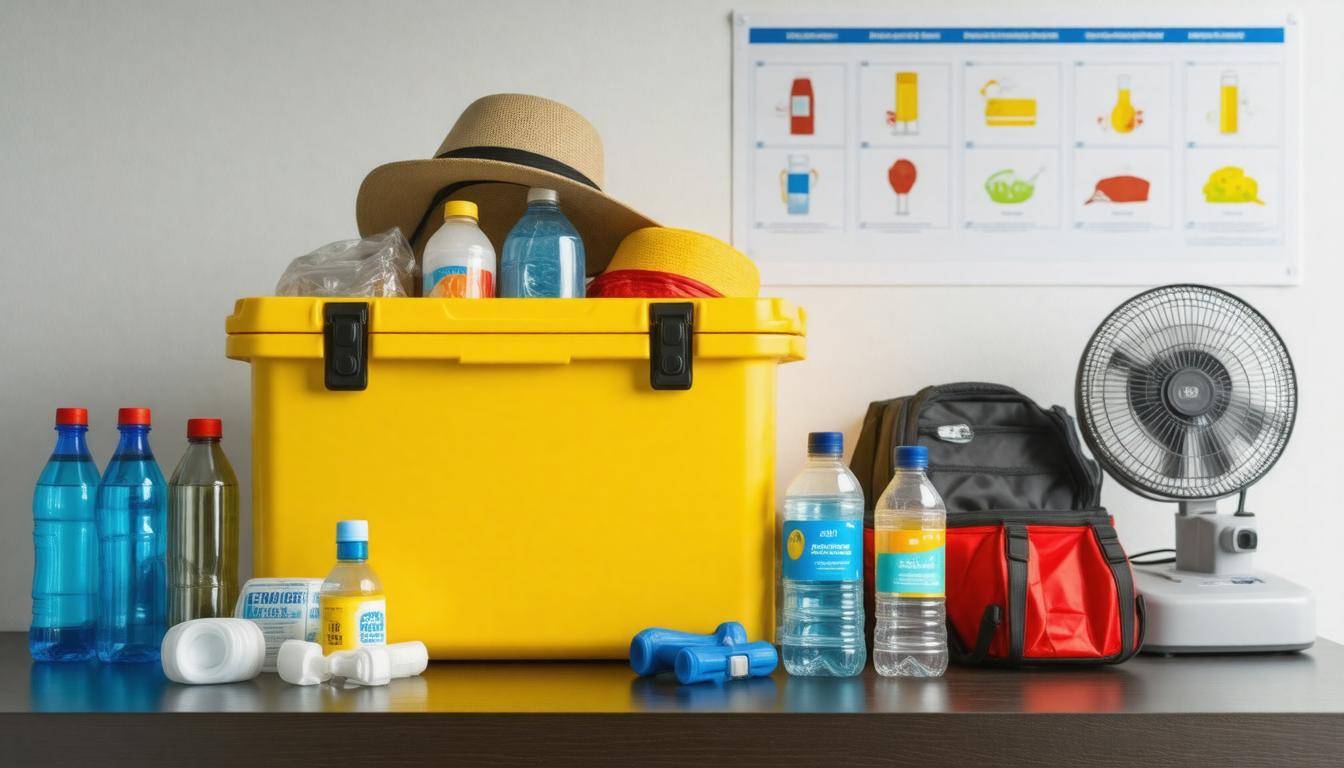
Creating an emergency kit tailored to the unique challenges posed by extreme heat is crucial for your well-being. Begin by gathering supplies that are adaptive to high temperatures. Water is the cornerstone—ensure you have at least one gallon per person, per day, as hydration becomes paramount when temperatures soar.
Non-perishable food items such as canned fruits, nuts, and protein bars should also be included; they are both nutritious and easy to store.
Moreover, a comprehensive first aid kit is invaluable for treating minor injuries or discomforts that can arise in the heat. This may include antiseptic wipes, band-aids, or cooling gel packs—tools that can help mitigate heat-related illness.
Don’t forget additional cooling tools like small fans, cooling towels, or ice packs; these can significantly enhance your comfort level and provide immediate relief during scorching weather.
Once you have your supplies sorted, the next task is where to keep them.
It’s wise to store your kit in an accessible place. Opt for a durable, weather-proof container that can withstand harsh conditions without succumbing to wear and tear. Consider placing this container in a closet or pantry away from direct sunlight; accessibility must be combined with protection from the elements. When an emergency arises, you won’t want to waste precious time searching for your supplies.
A local Daegu resident shared their experience: “When temperatures hit record highs last summer, our emergency kit was right there when we needed it most.” This underscores the significance of ensuring you can quickly reach your supplies when they’re needed.
Now that you’ve assembled and stored your kit, maintaining it is essential for its effectiveness.
Regularly updating your supplies is a task that cannot be overlooked. I recommend checking your emergency kit monthly. This simple task ensures that none of the food has expired and any necessary medications are stocked properly. You wouldn’t want to find out too late that critical components of your emergency kit have gone bad!
The rigors of proper preparation and keeping your supplies current can transform facing Daegu’s extreme heat into a manageable challenge instead of an overwhelming crisis.
In times of severe heat, being prepared with a well-stocked emergency kit can make all the difference in ensuring safety and comfort.