
When you think of Paraguay, you might picture lush landscapes and vibrant cities; however, there’s a growing challenge that many residents face: extreme weather. From sweltering heat waves to sudden floods, these events can put safety at risk and disrupt daily life. But don’t worry—being prepared is key! In this guide, we’ll explore practical tips and strategies to help you navigate through the harsh impacts of extreme heat and flooding. Whether it’s staying cool during scorching days or creating an effective emergency plan for potential floods, we’ve got you covered with easy-to-follow advice to keep you and your loved ones safe. Let’s dive in!
The Paraguay Extreme Heat & Flooding Survival Guide offers crucial advice such as staying hydrated to prevent heat-related illnesses, remaining informed about local flood warnings, and limiting outdoor activities during peak heat hours. Additionally, it emphasizes the importance of creating an emergency kit and establishing a family communication plan to ensure safety during severe weather events.
Preparing for Extreme Heat
One of the most effective strategies for battling extreme heat is ensuring your living space is equipped to handle high temperatures. This means both designing and adapting your home environment strategically to minimize discomfort and risk.
For instance, consider insulating your home properly; this keeps cool air in during hot days and reduces energy consumption. Additionally, using reflective window films can help significantly decrease indoor temperatures while preventing sunlight from overheating your spaces.
Moreover, proper ventilation plays a key role in maintaining a comfortable atmosphere. Installing ceiling fans promotes airflow, providing a pleasant breeze during sweltering days. If possible, open windows during cooler parts of the day—typically early morning or late evening—to allow fresh air to circulate. Achieving a cross-breeze by strategically positioning fans opposite each other may enhance these efforts significantly. It’s all about creating airflow that eases the stifling heat.
Cooling your environment doesn’t have to rely entirely on mechanical solutions like air conditioning; nature provides efficient tools too.
Sustainable Cooling Techniques
Alongside modern methods, taking advantage of natural cooling techniques can be both eco-friendly and cost-effective. For example, you can plant trees around your property to provide shade and reduce the urban heat island effect often seen in built environments. This not only helps your home but also improves local microclimates and supports biodiversity.
Another great idea is to utilize water features such as small ponds or fountains in your yard; they don’t just beautify the space but also contribute to evaporative cooling—lowering surrounding air temperatures through simple physics. The soothing sounds of running water could add a touch of tranquility as well.
Emergency Preparedness
Don’t forget that being prepared for extreme heat includes having an emergency plan in place! Ensure your family knows what to do if power outages occur due to excessive heat. Having an emergency kit with essentials like portable phone chargers, electrolyte drinks, or even solar-powered fans ready can make a big difference during crises. By anticipating adverse conditions, you spare yourself considerable stress down the line.
With these essential strategies established, it’s important to explore additional ways to create a comfortable environment that can withstand rising temperatures effectively. Let’s turn our focus now to modifications you can make within your living space to improve resilience against harsh weather conditions.
Adapting Your Home for Heat
To create an environment that’s comfortable when the temperatures soar, it’s essential to take steps that go beyond traditional cooling methods.
Consider modifying various elements of your home’s design, starting with insulation. Adequate insulation acts like a protective barrier against extreme temperatures. Using materials such as reflective foils or polystyrene foam can dramatically reduce heat transfer into your living spaces. For instance, applying reflective paint on roofs can cut heat absorption by a staggering 40%. This means that even during blistering days, your indoor space will remain cooler, saving you energy costs on air conditioning.
As we explore further adaptations, proper ventilation plays an equally significant role in maintaining a comfortable home atmosphere.
Ventilation
Good ventilation isn’t just about opening a window; it’s about creating a systematic flow of fresh air throughout your home. By ensuring ample cross-ventilation through strategic placement of windows and vents, you can facilitate effective cooling during hot months. Ceiling fans can help circulate the cooler air more evenly, making it feel much more comfortable than it actually is. Exhaust fans, particularly in kitchens and bathrooms, also serve an essential purpose—they help remove hot air and humidity that accumulates from cooking or showers. The combination of these strategies can lower indoor temperatures by allowing hot air to escape while drawing in cooler breezes from outside.
Beyond ventilation and insulation lies another aspect often overlooked—natural shade solutions.
Shade Solutions
Planting trees strategically around your home can provide natural shade that blocks up to 90% of direct sunlight on your windows. When carefully placed, deciduous trees can shield your home from the sun’s harsh rays during summer while allowing sunlight to warm it during winter when their leaves drop. Installing awnings or using outdoor umbrellas not only enhances your yard’s aesthetic appeal but also reduces heat gain indoors.
As we consider outdoor modifications, let’s not forget energy-efficient cooling systems that are vital during extreme heat.
Energy-Efficient Cooling Systems
Investing in energy-efficient cooling units can have long-lasting benefits for your budget and comfort. Look for air conditioning units with a SEER rating of 16 or higher—they are designed to offer optimal performance without unnecessary energy consumption. Regular maintenance is key; keeping filters clean ensures the unit operates effectively, producing cool air more efficiently.
Finally, let’s talk about why keeping emergency supplies is crucial regardless of how prepared your home may be.
Emergency Supplies
Keeping a well-stocked emergency kit is a safety measure everyone should take seriously. Ensure you have at least three days’ worth of water—ideally four liters per person per day—to stay hydrated in case of power outages due to extreme weather conditions. Non-perishable food items can be incredibly useful as well while helping ensure everyone is healthy and safe during tough circumstances.
With these home adaptations in place, you’ll enhance your readiness for Paraguay’s relentless climate challenges as we shift our focus to maintaining hydration and health amidst these extreme conditions.
Hydration and Health Tips
Staying hydrated becomes increasingly critical when temperatures soar, especially in a country like Paraguay where heat can frequently exceed 35°C. Dehydration can be sneaky; it doesn’t announce itself with loud sirens but creeps in quietly, laying the groundwork for severe health issues such as heatstroke that can turn dangerous very quickly. Thus, making hydration a priority must be a daily ritual.
Drink Plenty of Water
It’s generally advised to consume at least 2-3 liters of water a day, but during extreme heat, you may need even more. Keeping a reusable water bottle within arm’s reach is an easy way to remind yourself to drink regularly. I recommend carrying it everywhere—whether you’re out running errands or relaxing at home. Consider enhancing your hydration by adding electrolytes to your water; using sports drinks or oral rehydration salts helps replenish lost minerals, which might make all the difference on scorching days.
However, drinking water isn’t enough on its own. You also need to be aware of how your body responds to extreme conditions.
Recognize Signs of Heat-Related Illnesses
Understanding the symptoms of heat-related illnesses can save your life. Symptoms like dizziness, excessive sweating, or nausea should never be taken lightly; they often signal that your body is struggling to cope with the temperatures. This is when it’s crucial to act promptly: find a cooler spot out of the sun, sip some water slowly, and if symptoms don’t improve or worsen, seek professional help without delay.
Remember: The sooner you respond to these warning signs, the better off you’ll be.
It’s important to relay such information because recognizing these signs isn’t just about personal safety; it’s about nurturing a culture of awareness in our communities. If we can share this knowledge, we empower others as well.
Diet Choices
Another effective avenue for increasing hydration involves diet choices. Consuming foods high in water content—like cucumbers, watermelon, and oranges—not only hydrates your body but also provides essential nutrients that you need to maintain energy levels throughout the day. These are deliciously refreshing and can be perfect snacks when the heat bears down on you.
On the flip side, certain beverages like alcohol and caffeine should be limited; they tend to promote dehydration rather than combat it. Your best bet is sticking to water and hydrating foods. Think of hydration as a two-pronged strategy: drink plenty of fluids and eat strategically.
By actively incorporating these practices into your daily routine, you’re not just ensuring your well-being; you’re taking proactive steps that benefit both yourself and those around you as you navigate through challenging weather conditions.
Preparing for Flooding

Creating a robust flood preparedness plan is your first step towards safeguarding your family and belongings. This plan should include carefully mapped out evacuation routes—routes that lead to higher ground and safe shelters. It’s not enough to just know these paths; practice them regularly with your family. Make it an engaging activity—think of it as a mini adventure. Have everyone involved familiarize themselves with the locations so that when the time comes, panic doesn’t set in.
Create a Flood Preparedness Plan
Alongside prescribed routes, establish a designated meeting place that isn’t easily prone to rising water. A neighbor’s house on higher ground or a community center works well for this purpose. Ensure that each family member knows how to access these places without relying on phones or digital maps—consider writing them down and distributing copies. It’s also helpful to engage local authorities for guidance on the nearest emergency shelters available during disasters.
Elevating critical items you can’t afford to lose plays a vital role in minimizing damage during floods.
Elevate Critical Items
Begin by assessing your household. Identify appliances, electronics, and essential documents that should be protected from floodwater. Raising these items at least 12 inches above expected flood levels might sound simple, but it makes all the difference. Utilize shelves, cabinets, or even plastic risers available at home improvement stores. For documents, consider investing in waterproof containers or bags—these will shield your irreplaceable papers from damage and give you peace of mind.
With preparation in place, it’s time to look into methods of safeguarding your home against water intrusion.
Waterproofing Measures
Applying sealants to walls and foundations can create multiple layers of defense against water ingress. You might also want to invest in sump pumps if you have a basement—these handy devices actively manage water accumulation and help keep your space dry. Regularly check and maintain them so they’re ready to go when needed; after all, you don’t want to realize they’re malfunctioning when the rains come pouring down.
Keeping abreast of emergency alerts can make the difference between safety and disaster when flooding strikes.
Emergency Alerts
Signing up for local alert systems ensures that you receive timely updates concerning adverse weather conditions. Platforms like SEN Paraguay offer crucial information, ranging from flood warnings to suggested actions in emergencies. Furthermore, social media can serve as an effective tool for receiving immediate updates—follow local authorities’ pages for real-time information. Staying informed can empower you to act quickly when floods threaten your area.
By implementing these strategies, you gain valuable knowledge and actionable steps vital for navigating the challenges posed by flooding effectively. Now, let’s explore specific strategies for minimizing potential flood damage around your living space.
Protecting Your Home from Floods

One of the first steps in safeguarding your home against floods is to consider installing flood barriers or sandbags. These simple yet effective tools can create a protective perimeter that prevents water from infiltrating your property. Making sure that your doors and windows are water-resistant adds an additional layer of defense. Imagine a sudden downpour turning streets into rivers; having these barriers in place could be the difference between a dry home and a saturated disaster.
Barrier Installations
Take the time to assess your property and identify key entry points where water might breach your defenses. When positioning flood barriers or sandbags, think about potential pooling areas around your yard, as water naturally seeks low ground. You’ll have peace of mind knowing you’ve proactively laid the groundwork against rising tides.
While barriers are critical, your landscape plays an equally vital role in managing stormwater.
Landscaping
Next, modify your landscape to direct water away from your home effectively. This doesn’t mean just planting flowers; it involves strategic planning! Consider constructing raised garden beds, which not only provide nutrients for plants but also help absorb excess water during heavy rains. Additionally, rain gardens are excellent for capturing runoff and allowing it to seep into the ground rather than becoming surface flooding.
If you add gravel to pathways, expect enhanced drainage. Unlike soil, gravel allows water to flow freely over its surface, decreasing puddling around your property. Think about using this versatile material strategically—perhaps lining driveways or walkways—to help manage water flow effectively.
Alongside landscaping adjustments, maintaining your gutters is crucial for preventing flooding issues at the foundation level.
Gutter Maintenance
Regularly inspect and clean your gutters to ensure they’re free of debris that can lead to blockages. A clogged gutter system can quickly turn into a major problem, causing overflow and creating pools around your home’s foundation. Set a reminder on your calendar every few months to clear out leaves and twigs; it takes just a few minutes and can prevent hours of cleanup later.
As you implement these practical strategies for protecting your home from floods, cultivating this proactive mindset will allow you to engage more fully with your living environment while staying prepared for extreme weather challenges ahead.
To further enhance safety measures during severe weather events, it’s important to explore effective strategies specifically designed for flood scenarios.
Flood Safety Measures
The first crucial point to understand is the importance of evacuation orders. When local authorities issue these orders, it is vital to take them seriously and act swiftly. Hesitation can lead to being trapped, as floodwaters can rise rapidly and unexpectedly. Staying informed about evacuation procedures in advance can save your life or the life of a loved one. Keep an emergency radio or communication device handy to receive updates about changing conditions.
A methodical approach ensures that you’re not caught off guard. Establishing a family evacuation plan, complete with designated meeting points and important contacts, will help maintain order during chaos. Practice this plan so that everyone knows what to do ahead of time.
Safe Zones
Identifying local shelters or safe zones in your community provides peace of mind when floods loom on the horizon. It’s not enough just to know where these zones are; communication is key. Ensure that everyone in your household understands the locations and how to reach them quickly. Having a printed map or using a smartphone GPS during emergencies can assist significantly, especially if power outages disrupt electronic devices.
Beyond just identifying these spaces, consider visiting them beforehand as a family. Familiarizing yourself with the layout can reduce anxiety when you need to go there in a hurry, and you’ll have a better idea of what resources they offer—like food, water, and medical assistance.
Avoid Floodwaters
A critical reminder is to avoid walking or driving through floodwaters at all costs. Even six inches of moving water can easily knock you off your feet, and just one foot of rushing water can carry away even large vehicles. If you find yourself trapped in a car with rising waters, it is imperative to get out and move toward higher ground if it is safe to do so. People often underestimate the power and unpredictability of water in floods.
Just last year, reports indicated numerous instances where individuals tried to navigate flooded streets, only to face grave consequences. Understanding the force behind floodwaters can pave the way for more prudent decisions when danger arises.
Staying dry not only protects you from immediate physical harm but also minimizes exposure to potentially hazardous situations like submerged debris or contaminated water. Keep in mind that your health is equally important—floodwater may contain sewage or harmful chemicals that pose long-term effects on your well-being.
Grasping these safety measures equips you with essential knowledge for protecting yourself and your loved ones during adverse weather events. With this foundation laid, let’s explore the resources available in your community that can further aid those facing these challenges.
Community Resources and Support
Communities are often the backbone of resilience during crises. They provide support systems that help individuals navigate challenging times while fostering unity and strength among neighbors. It’s essential to tap into these local networks and government resources when faced with extreme weather challenges like heat and flooding.
Local Support Networks
First, consider joining local community groups focused on disaster preparedness and safety. These groups serve as an excellent platform for sharing information about weather conditions, emergency kits, and safety tips. For example, local Facebook groups or WhatsApp communities can connect you with others who are preparing. By being a part of such networks, you’re not just getting information; you’re creating bonds with others who can offer assistance when needed. This sense of belonging can be invaluable, especially during stressful events where emotional support is just as important as physical resources.
But it doesn’t stop there—government resources also play a key role in providing immediate relief.
Government Resources
It’s vital to be aware of government-supported organizations, such as Paraguay’s National Emergency Secretariat (SINA). These agencies provide critical services during emergencies, including shelters, food supplies, and medical assistance. Having the contact details and knowing the locations of these government facilities can make a difference in life-threatening situations. Just imagine being stranded during a sudden flood—knowing where to seek shelter could very well save lives. Make sure you keep this information accessible, whether it’s written down on your emergency kit or saved on your phone.
In addition to local groups and government support, nonprofit organizations provide another layer of assistance.
NGO Assistance
Organizations like the Red Cross and UNICEF stand out for their commitment to aid communities affected by extreme weather events. Their resources extend beyond mere physical necessities; they also offer crucial psychological support to those impacted by disasters. A friendly face, someone listening to your fears, or simply an understanding presence can alleviate distress during chaotic times. When disasters strike, reaching out to these organizations can connect you with vital services that ease both physical hardships and emotional burdens.
Engaging with these community resources reinforces a network of cooperation that can truly make a difference in Paraguay’s fight against the increasing challenges of extreme heat and flooding.
As we look deeper into methods for preparedness, understanding essential items for effective emergency response will further bolster safety measures against these threats.
Emergency Kits and Survival Gear
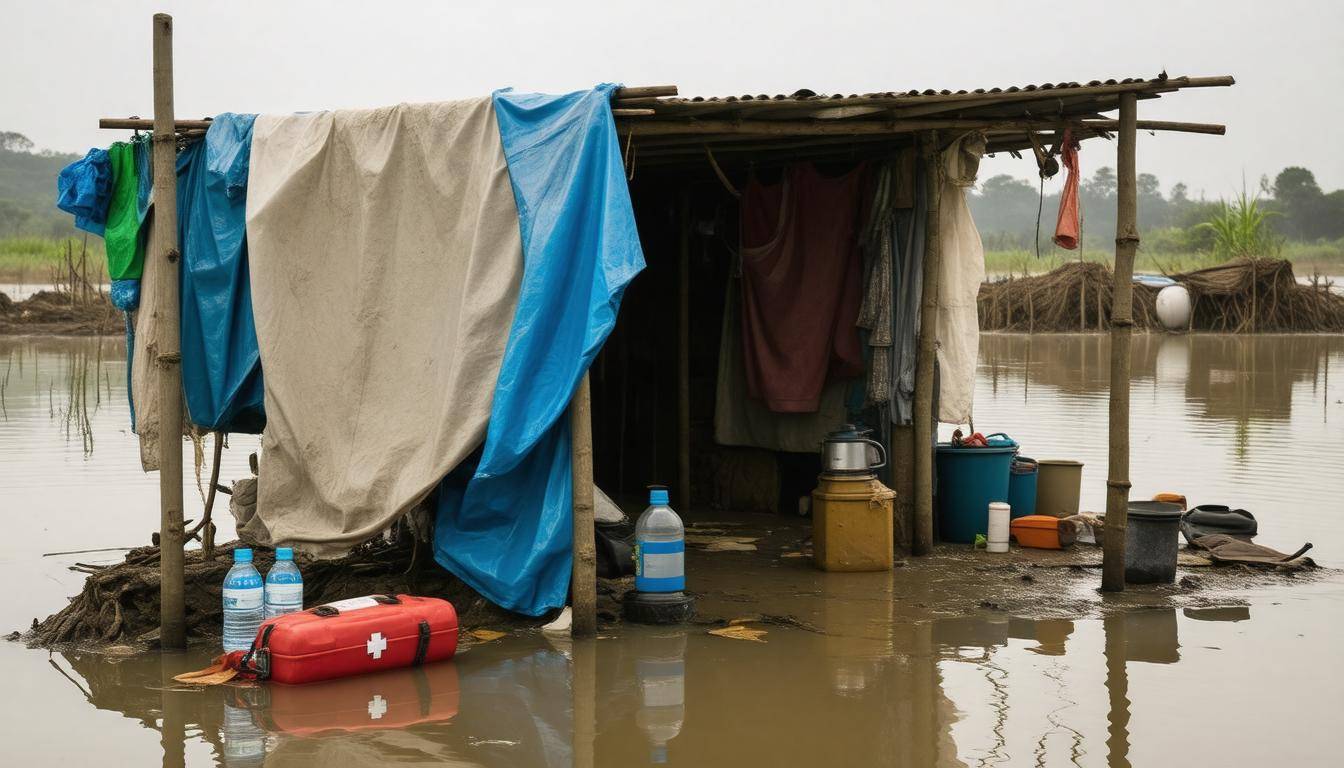
An emergency kit might be the difference between discomfort and survival during Paraguay’s harrowing climate challenges. Think of it as your personal toolkit for coping with intense heat or unexpected flooding. It’s not simply a list of items; it’s your safety net, meticulously prepared so that when an emergency arises, you’re equipped and ready.
Basic Supplies
Start with the basics—your foundational supplies are critical. Aim for at least one gallon of water per person per day. Hydration becomes even more crucial when faced with extreme weather. Pair that with non-perishable food items like canned goods or energy bars that can last for months without spoiling. Additionally, don’t overlook the importance of a first-aid kit stocked with essentials like bandages, antiseptics, and any specific medications you or your family members may require.
When preparing these supplies, consider family size or unique dietary needs. An assortment of foods that everyone loves increases chances they will sustain themselves when needed.
Specialized Gear
Now let’s look into specialized gear that can enhance your emergency preparedness. Essential items include a flashlight—preferably battery-operated and easy to grip—so you can navigate safely in darkness after a storm. A multi-use tool is invaluable, serving as everything from a knife to a screwdriver in tight spots. If your smartphone is your lifeline for updates, ensure you have a portable phone charger; the last thing you’ll want is to be cut off from communication during emergencies.
Also consider specific scenarios like flooding: having a life jacket readily available can provide peace of mind. Coupled with a whistle, it can make locating you simpler if rescue efforts are necessary.
Key Items for Extreme Heat
In addition to these essentials, keep special considerations for extreme heat in mind:
- Keep extra water bottles on hand to prevent dehydration.
- Electrolyte solutions can restore vital minerals lost through sweating.
- Portable cooling towels help manage heat exhaustion by soaking up sweat while lowering body temperature.
- If possible, invest in portable fans that can create airflow where there isn’t any, making unbearable conditions more manageable.
By gathering these resources proactively and customizing what goes into your kit based on personal needs and environmental factors, you pave the way for confidence and security amid chaos. Regularly check your supply levels and expiration dates so that when crisis hits, you’re genuinely prepared to deal with whatever comes your way.
Incorporating these survival strategies can significantly enhance safety during Paraguay’s extreme weather events. Being well-prepared can not only keep you safe but also improve your overall emergency experience.