
As summer rolls in, the blistering heat can turn our homes into uncomfortable ovens. You may find yourself glancing at the thermostat in disbelief as temperatures soar, making it hard to enjoy your own space. But don’t fret—preparing your home for the heat doesn’t have to feel overwhelming. Instead, think of it as an opportunity to create a cool, welcoming oasis where you can relax and recharge. With some simple adjustments and clever strategies for each room, you can effectively beat the heat this summer. In this article, we’ll explore practical ways to keep every corner of your home comfy, from innovative cooling techniques for living areas to essential hydration tips that will help keep you safe during those scorching days. So let’s dive in and make your home a refreshing escape this summer!
A comprehensive Summer Heat Emergency Plan should include specific strategies for each room in your home, such as ensuring proper ventilation and cooling methods in living spaces, creating a cool retreat for sleeping areas, monitoring temperature levels in kitchens where heat is generated, and maintaining hydration stations throughout the house. Additionally, it is essential to consider the needs of vulnerable individuals by keeping check-in routines and accessing emergency supplies readily available.
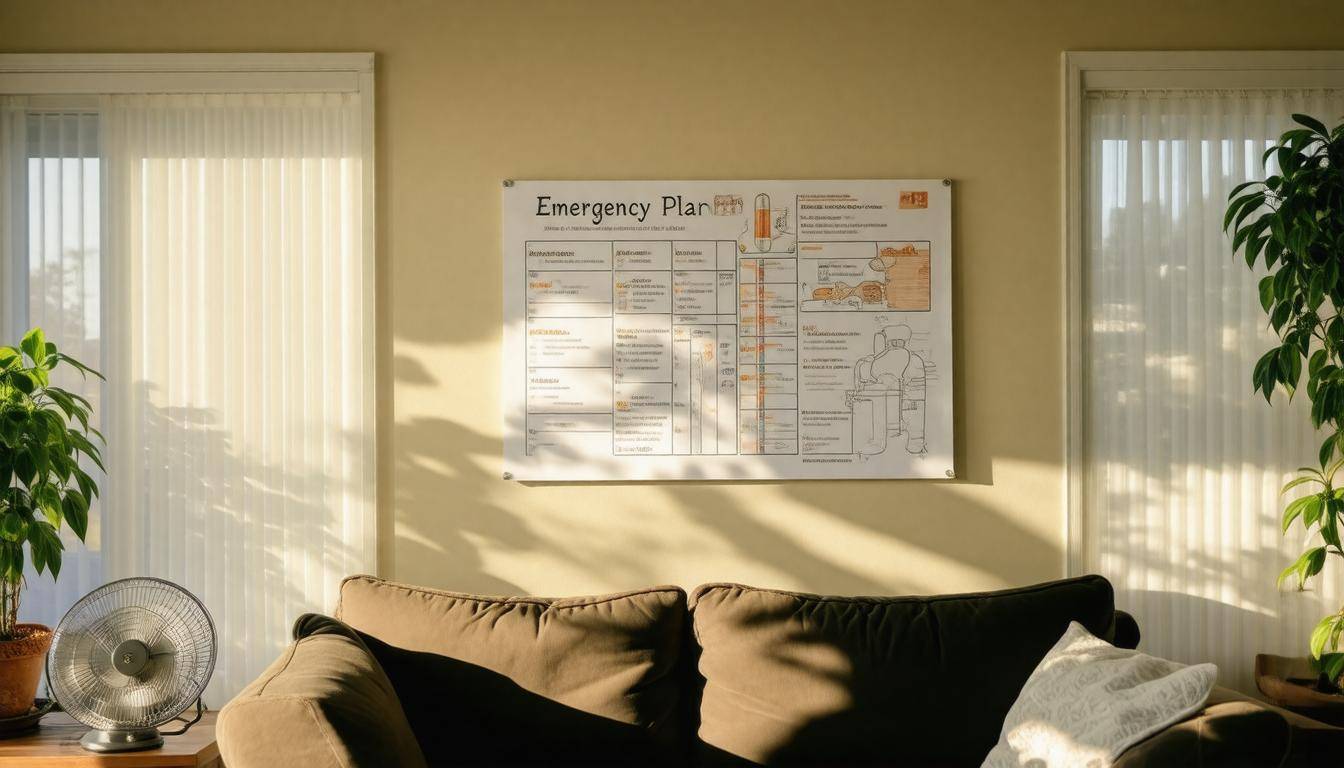
Living Room Heat Reduction Techniques
One of the simplest yet highly effective strategies for reducing heat in your living room is the use of reflective window films. These films can block up to 79% of solar heat, allowing you to enjoy a more comfortable environment without excessive reliance on air conditioning. They act as a barrier, keeping the sun’s harsh rays at bay while still permitting natural light to filter in.
Adding reflective window films is a low-cost improvement that pays for itself through energy savings over time.
Ceiling and Portable Fans
In addition to window films, fans can play a pivotal role in maintaining a cool atmosphere. Ceiling fans should be set to run counterclockwise during the summer months. This adjustment pushes cooler air straight downwards, creating a refreshing breeze across the room.
To maximize their effectiveness, consider strategically placing portable fans throughout the space—direct them towards sitting areas where family and friends congregate for optimal cooling comfort. For instance, if you have a large bay window, positioning a fan near this area helps circulate air much more effectively.
As we think about how our rooms look, another easy way to maintain a cooler temperature involves updating your decor.
Light-Colored Curtains
Installing light-colored curtains can also significantly reduce heat gain in your living room. Unlike darker fabrics that absorb sunlight, light-colored curtains reflect it. Thick curtains provide an additional layer of insulation by blocking sun exposure while helping to keep your air conditioning costs down. Brands like Eclipse and Sun Zero offer highly-rated insulated options that help control light and heat while adding an aesthetically pleasing touch to your room.
When selecting curtains, prioritize materials designed specifically for insulation; these improvements can transform how your living space handles intense summer heat.
But what about the actual heat generated by electronics or during gatherings in the living room?
Managing Electronics
Keep an eye on electronic devices too, as they can contribute an unexpected amount of warmth. It’s advisable to unplug devices when they aren’t in use; many leave devices on standby without realizing they generate residual heat.
Consider organizing lounging spaces around lower-heat electronics, which not only cools down the environment but also enhances energy efficiency. Additionally, engaging with indoor plants can aid in naturally cooling your space. Plants act through transpiration, absorbing heat and releasing moisture into the air, thereby lowering temperatures by a few degrees while also enhancing aesthetics.
By implementing these strategies, you’ll foster a more enjoyable living environment during those summer months. As we transition further into your home, let’s explore effective methods for managing heat specifically in spaces where meals are prepared and shared.
Kitchen and Dining Room Heat Management
The kitchen can be a challenging environment to keep comfortable, particularly when cooking appliances are in use. Ovens, stoves, and dishwashers can elevate the heat in an already warm room. That’s why adopting smart cooking practices is key. Instead of relying solely on conventional ovens, explore options like microwaves or slow cookers. They produce less heat than traditional methods while still creating delicious meals. For instance, using a slow cooker can cut down kitchen heat output by about 30%. It’s a win-win: tasty food without the extra warmth.
Smart Cooking Practices
Another great tip is timing your cooking wisely. Preparing meals during cooler parts of the day—early morning or late evening—minimizes heat buildup during peak hours. If you need to use the stove or oven during the day, consider batch cooking larger meals that can be reheated throughout the week; this saves time and reduces heat exposure on multiple days. Additionally, utilizing smaller appliances—like air fryers or toaster ovens—uses less energy and significantly lowers indoor temperatures compared to larger counterparts.
Ventilation plays a crucial role in managing kitchen heat effectively.
Ventilation and Exhaust Fans
Employing proper ventilation techniques is essential for keeping the kitchen cooler while cooking. Exhaust fans expel smoke, odors, and hot air produced during cooking. Use them whenever you prepare meals to drastically reduce temperature buildup. Keeping your kitchen windows open promotes cross-ventilation, allowing hot air to escape—a simple act that can enhance your comfort levels.
On particularly sweltering days, you might even consider placing a box fan in an open window facing outward to help draw out trapped hot air from inside.
While managing heat is essential, incorporating greenery into your kitchen can bring added benefits.
Indoor Plants
Don’t underestimate the power of indoor plants! Besides enhancing beauty and atmosphere, plants like Aloe Vera and Snake Plants excel at purifying air quality while helping regulate temperature through moisture release. They absorb excess humidity and release moisture into the air—a natural way to create a cooler environment during those warm summer months. Not only do they improve aesthetics but also create a tranquil atmosphere for food preparation and relaxation alike.
With all these strategies in place for managing kitchen heat, prioritizing comfort goes beyond meal prep; it is vital for everyone’s well-being at home. The next section will offer further insights on how to maintain a welcoming environment in personal spaces.
Bedroom Cooling Strategies
Sleeping in a hot room can feel like an uphill battle; it’s not just uncomfortable, but it also disrupts your sleep quality significantly. The struggle becomes real when the heat refuses to relent, and you find yourself tossing and turning rather than enjoying restorative rest. Thankfully, there are several measures you can take to mitigate heat, ensuring a peaceful slumber.
Cooling Mattress Pads and Sheets
One of the simplest yet transformative changes you can make is investing in cooling mattress pads or specialized sheets. Products like the ChiliPad utilize innovative technology that circulates water, helping to maintain a consistent temperature throughout the night. Similarly, lightweight bamboo sheets wick away moisture and draw heat from your body. Some users report an average of 3°F cooler sleeping environments thanks to these products. Imagine drifting off into sleep without the discomfort of sticky sheets or sweaty pillows!
Proper Ventilation
Another crucial aspect is ensuring your bedroom remains well-ventilated, which plays a significant role in reducing internal temperatures.
Keeping windows open at night allows cooler air in while promoting cross-ventilation, which can work wonders in alleviating stifling heat. If you have one, using a window fan can enhance this process by pushing hot air out and welcoming refreshing breezes in. While this method is quite effective during the evening hours, remember that daytime conditions can be key players too.
Applying reflective films to windows or utilizing blackout curtains helps keep sweltering sunlight at bay during peak hours. Studies show that using blackout curtains can lower indoor temperatures by up to 20°F (11°C) during particularly hot days. The combination of well-chosen bedding and smart ventilation creates an ideal oasis for sleep even under the sweltering summer heat.
With these cooling strategies in place, attention must turn to other areas within your home that may also require thoughtful measures against high temperatures.
Bathroom Heat Mitigation
Bathrooms are infamous for trapping heat, particularly after warm showers or baths. The temperature can rise significantly, often exceeding 5-10°F above the outdoor temperature. This increase is frequently coupled with rising humidity levels, which can soar between 70-90% during peak summer heat. Consequently, it’s vital to employ effective strategies to keep your bathroom comfortable.
Dehumidifiers
One highly effective solution to combat excessive humidity in the bathroom is employing a dehumidifier. These gadgets work diligently to extract excess moisture from the air, making them invaluable in spaces that experience frequent steam exposure.
For instance, devices like the Frigidaire 30-Pint Dehumidifier can substantially reduce humidity levels, enhancing comfort and protecting against mold and mildew growth—common issues in damp environments. By maintaining lower humidity, these units help cool down the overall temperature of the room as well.
An added benefit is that by reducing humidity levels by up to 50% within just 20 minutes of use, dehumidifiers create a more pleasant atmosphere for daily grooming tasks.
Ventilation Fans
Another piece of equipment to consider investing in is a high-efficiency exhaust fan. Brands like Broan have created fans specifically designed for bathrooms that swiftly remove moisture and hot air after showers. It’s crucial to turn on these fans during and immediately after bathing since hot showers contribute significantly to rising temperatures and humidity levels. Effective use of an exhaust fan promotes better air circulation while making your space more comfortable.
Remember that simply having these fans isn’t enough—you need to ensure they are functioning at full capacity. Regular maintenance checks will ensure they remain clean and efficient throughout the summer months.
Shower Temperature Control
Lastly, controlling your shower temperature can noticeably regulate bathroom heat. Opting for lukewarm showers instead of hot water minimizes steam production, keeping ambient temperatures lower and less oppressive. While we all enjoy a steamy shower now and then, consider saving those indulgent moments for cooler days when the heat isn’t an issue. Small changes in our routines can yield significant benefits in maintaining a comfortable bathroom environment.
With these strategies in place, you’re well-equipped to tackle the summer heat effectively; however, it’s equally important to explore additional cooling techniques tailored for other areas of your home.
Extra Room Cooling Tips
Spare rooms like studies or guest rooms can quickly become heat traps if neglected. One of the best methods to combat this is through insulation and sealing. Taking a proactive approach by properly sealing any gaps around windows and doors can make a significant difference in how much heat enters these rooms. Using products like spray foam and weather stripping kits not only reduces heat gain but also helps maintain cooler room temperatures throughout the day. Imagine walking into a room that feels refreshingly cool rather than stepping into an oven – that’s the impact good insulation can have!
But insulation alone might not suffice for every situation, especially when temperatures soar.
This brings us to the importance of window A/C units. These portable air conditioning solutions are an excellent choice for smaller rooms. For instance, brands like LG provide models equipped with adjustable settings that allow you to craft your cooling experience based on the specific needs of each room. You don’t need to cool down the entire house when just one room is in need of relief; simply adjust the settings for comfort without wasting energy on unnecessary air conditioning.
In addition to these methods, leveraging natural elements can be a game changer.
Implementing simple tactics such as using fans strategically can lower perceived temperatures. By running ceiling fans counterclockwise, you can drop that temperature by 4°F to 6°F. Remember: moving air makes a significant difference! Another handy tip is to close blinds or curtains during peak sunlight hours; did you know that up to 30% of unwanted heat comes from sunlight? Using reflective blinds can reduce heat gain by a staggering 45%. Together, these approaches create a layered strategy that keeps indoor spaces comfortable.
You’re not limited to indoor solutions—let’s touch upon the benefits of cross-ventilation.
Utilizing cross-ventilation involves opening windows on opposite sides of your home or room to create a natural breeze, allowing cooler outdoor air to flow through and reducing indoor temperatures by up to 5°F. It’s like creating your own wind tunnel! If possible, place a fan near one window facing outwards while another window remains open; this allows hot air to escape while pulling in fresh air from outside.
Overall, combining proper insulation, effective use of air conditioning, and natural ventilation will enhance comfort levels significantly during those sweltering days ahead. This comprehensive approach will promote a healthier indoor environment—all while battling the summer heat effectively.
As we continue exploring ways to manage the heat, let’s shift our focus to effectively keeping cool in outdoor spaces.
Outdoor Cooling Methods
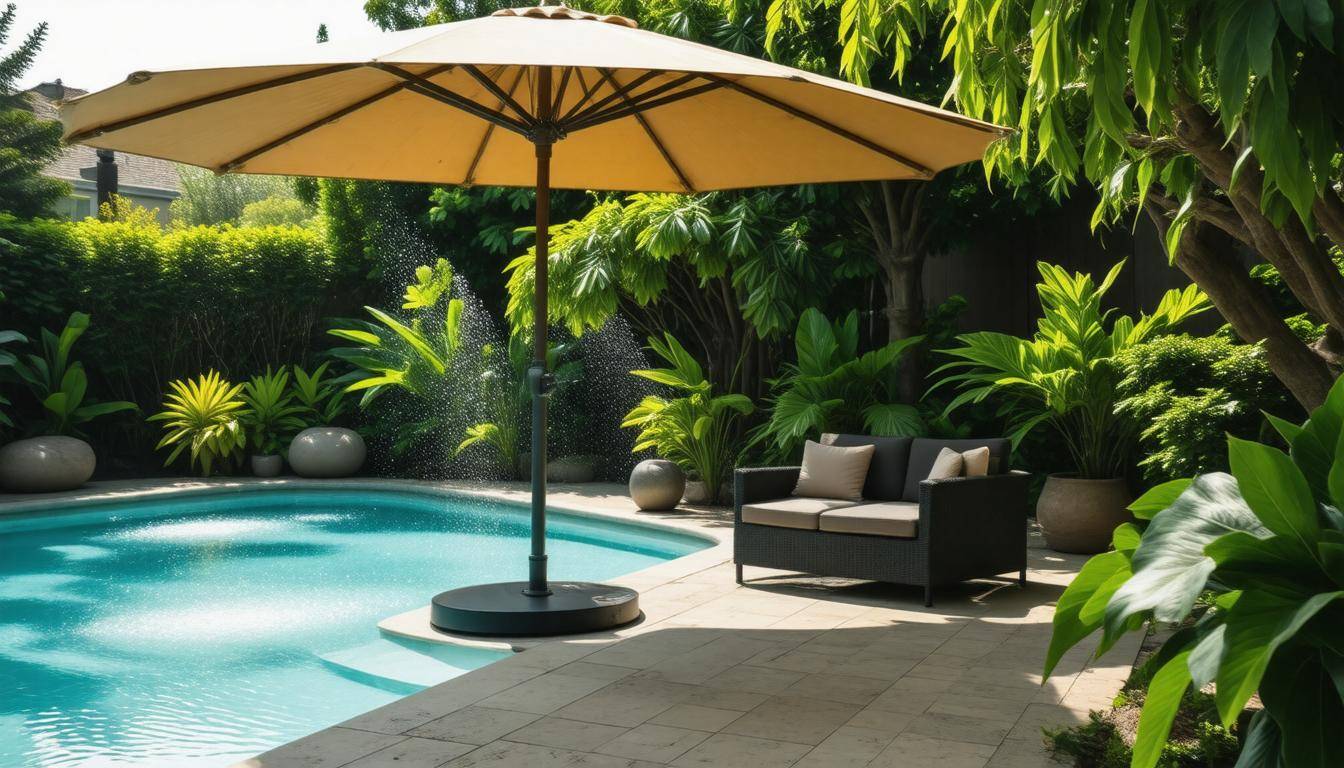
To ensure that your outdoor spaces remain comfortable even in the heat of summer, several methods are available. The key is not just to deal with the heat but to embrace your outdoor living environment while minimizing discomfort. One popular technique is utilizing shade solutions. Whether it’s patio umbrellas, awnings, or pergolas, these structures create delightful shaded areas around your home.
Beyond just offering relief from the sun’s piercing rays, they effectively reduce direct sunlight exposure on your home’s walls, ultimately lowering overall heat absorption inside. Imagine sipping iced tea under a wide umbrella while enjoying the breeze—a simple yet effective way to escape the relentless sun.
Building on the idea of evaporating the heat, let’s talk about some innovative devices designed to keep your exterior areas cool.
Evaporative Coolers
One fantastic tool in this regard is the evaporative cooler. Devices like the Hessaire MC18M can release cooled air by adding moisture into the atmosphere. Not only do they drop temperatures significantly—sometimes by as much as 10°F—but they’re especially effective in areas with dry climates where humidity is lower. By using water to cool the air before it’s circulated, these units create a refreshing effect that’s both energy-efficient and environmentally friendly. It’s like having a portable oasis at your disposal right in your backyard.
In addition to evaporative coolers, another method you might consider for augmenting your outdoor comfort is misting systems.
Misting Systems
Installing a misting system around patios or decks delivers immediate coolness when temperatures soar. These systems work by creating fine water droplets that evaporate quickly, lowering air temperature in their vicinity. Brands like MistyMate offer user-friendly solutions that are easy to install and maintain. On a particularly hot day, stepping into a misted area feels like a breath of fresh air compared to the dry heat just a few feet away. For those who spend time outdoors often, this could revolutionize how you enjoy afternoons in your garden or evenings on the patio.
While enhancing your outdoor comfort is essential, being prepared for potential heat emergencies is equally important.
Emergency Preparedness Tips
Having an emergency kit is your first line of defense against extreme temperatures, especially during unexpected heatwaves. Imagine a hot July afternoon where you lose power—your air conditioning is down, and the temperature inside skyrockets. That’s where your emergency kit comes into play.
You should ensure your kit includes battery-operated fans, extra water bottles, cooling packs, and electrolyte drinks. Keeping these essentials on hand means you can manage heat effectively and stay comfortable during outages. Additionally, consider including non-perishable snacks that require little energy to prepare.
Backup Power Solutions
Portable generators can also alleviate discomfort when the power goes out. Brands like Honda have a solid reputation for reliability. These generators can keep essential appliances operational during an outage.
For those looking for more eco-friendly options, solar-powered generators are a fantastic alternative. Not only do they reduce reliance on fossil fuels, but they also provide peace of mind knowing you’re tapping into renewable energy sources. Just make sure to familiarize yourself with safe operation procedures and have enough fuel or sunlight to keep them running.
Another key aspect of surviving extreme heat is utilizing community resources effectively.
Community Resources
Stay connected with local cooling centers or community pools, which serve as invaluable refuges during heat waves. These spaces are often equipped with air conditioning and offer a break from the stifling heat outside. It’s important to check your local government’s website for details about locations and operating hours. Many cities provide shuttle services to these cooling centers, especially for vulnerable populations who may not have personal transportation.
Engaging with your community can also lead to shared resources—whether that’s organizing group trips to cooling centers or simply checking in on your neighbors to ensure they’re doing okay.
With these emergency preparedness tips in place, focusing on health practices and hydration will ensure everyone remains safe as temperatures soar.
Health Monitoring and Hydration Strategies
In the sweltering heat of summer, maintaining our health often takes a backseat to comfort. Monitoring specific health indicators becomes vital as temperatures soar. Being attuned to how your body reacts in these extreme conditions can make all the difference in your well-being.
Heat exhaustion can strike unexpectedly, manifesting through common signs such as heavy sweating, weakness, cold and pale skin, dizziness, and nausea. If you notice these symptoms creeping in, it’s imperative to act swiftly. Immediate cooling methods—like moving to an air-conditioned space or taking a cool shower—paired with hydration can alleviate many issues. However, if symptoms persist after taking action, seeking medical help is crucial.
A proactive approach today means better health tomorrow.
Signs of Heat Exhaustion
Recognizing the signs of heat exhaustion isn’t always straightforward because our bodies sometimes mask true discomfort with fatigue. For instance, you might feel lightheaded right after you’ve exerted yourself while gardening. Pay attention! Heavy sweating may not always be noticeable, especially if you’re not actively monitoring it. When enjoying the summer weather, don’t just rely on gut feelings; keep an eye on subtle signs. If you find yourself feeling excessively weak or dizzy, take a moment to drink water or electrolyte-infused beverages for quick recovery.
Speaking of hydration, let’s discuss practical ways to ensure you’re sipping enough water during hot days.
Hydration Tips
Keeping hydrated is key during extreme heat. Aim for at least 2 to 3 liters of water daily; however, increase that amount substantially on hotter days or if you’re engaging in outdoor activities. Consider keeping water bottles easily accessible around your home or adding reminders in your daily routine to frequent the fridge more often!
Moreover, integrating electrolyte drinks can be a smart strategy for replenishing lost salts through sweat—especially after exercise or prolonged exposure to the sun. They support your body’s balance and help stave off fatigue.
Sipping throughout the day rather than chugging large quantities all at once ensures hydration absorption is effective.
Using Wearable Tech
In today’s technology-rich world, wearable tech like Fitbit or Apple Watch can be a game changer for health monitoring during extreme heat spells. These handy gadgets diligently track your heart rate and activity levels while alerting you when anything seems out of balance. Imagine being at the beach with friends and suddenly receiving an alert that your heart rate has spiked—it’s a gentle nudge from your wrist reminding you to cool down or hydrate before things escalate.
Embracing this technology can keep you informed about how your body is handling the heat while offering timely warnings that could prevent serious health consequences.
By combining regular health checks with proper hydration strategies—supported by modern technology—we can ensure a summer filled with wellness and safety amidst rising temperatures.
In summary, understanding health indicators and maintaining hydration is essential for thriving in summer heat. Stay vigilant and make smart choices to protect your well-being under intense sunlight.