
Preparing for emergencies isn’t just about having a first aid kit; it’s about ensuring your supplies match the unique dangers in your area. Think about it—if you live where floods are common, does your kit have waterproof bags? Or if wildfires threaten your home, do you have the right gear to protect yourself? By understanding the specific hazards around you, you can equip your first aid kit with items that really make a difference when quick action matters most. In this article, we’ll explore essential first aid supplies tailored to various regional risks, helping you be better prepared for whatever nature throws your way!
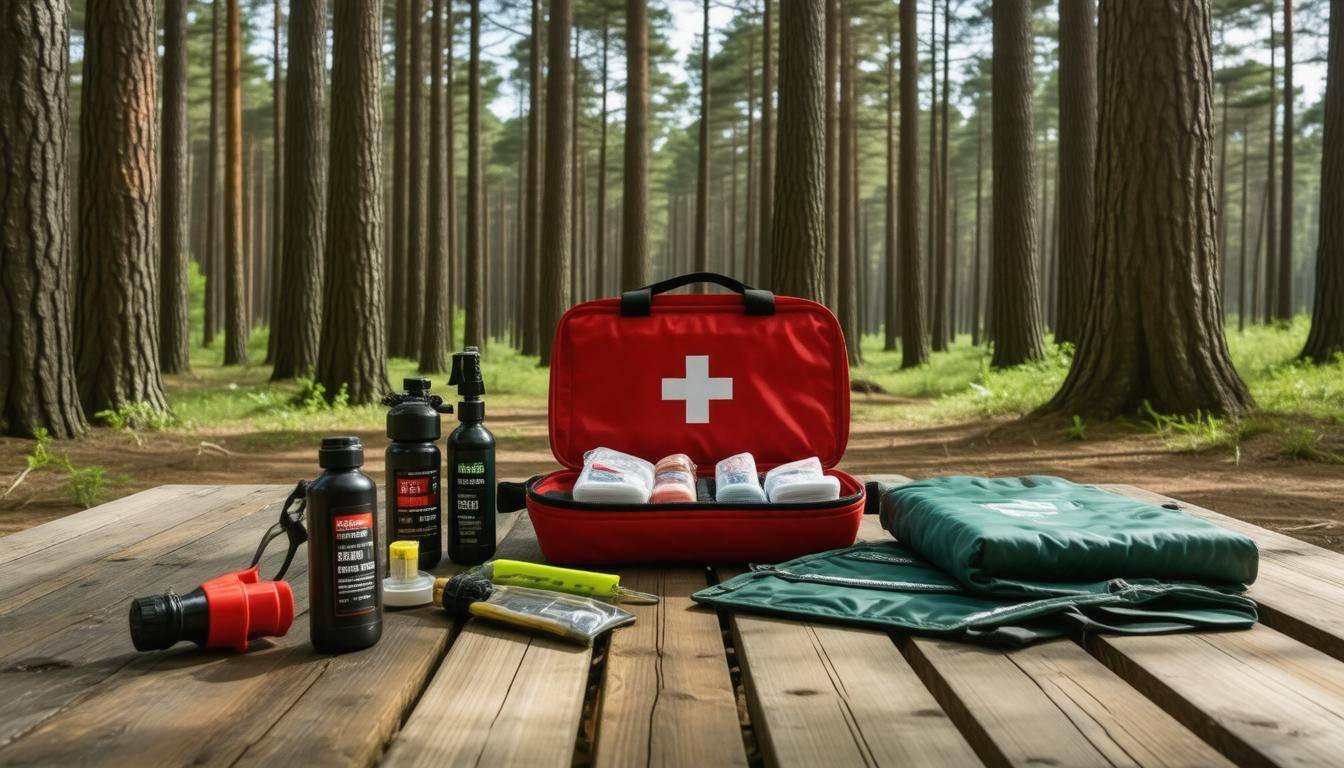
A First Aid Kit for Specific Regional Hazards should include essential items such as a comprehensive guide for local emergencies, specialized medications, and supplies for prevalent injuries or illnesses in that area. For instance, if you live in a flood-prone region, consider adding water purification tablets and snake bite kits, while areas prone to wildfires might require smoke inhalation masks and burn treatments.
Identifying Regional Hazards
Understanding the specific risks of your location can seem daunting, but it doesn’t have to be. Each of us lives in distinct environments that come with their own set of hazards, and recognizing these dangers is paramount for ensuring both personal safety and effective emergency preparedness.
Whether you live near the coast, in the mountains, or somewhere else entirely, identifying your unique challenges is the very first step toward tailored preparation.
Take a moment to consider where you live. For instance, individuals residing in coastal regions often prepare for hurricanes and flooding. These storms not only bring heavy rains but also strong winds that can cause property damage and power outages. Therefore, having adequate supplies like bottled water, non-perishable food items, and necessary medications is pivotal during hurricane season.
But on the flip side, if you’re in a mountainous area, the concerns pivot to avalanches and potential altitude sickness. Being aware of these scenarios allows you to equip your first aid kit accordingly—it’s not merely about having generic supplies; it’s about having the right ones.
“Preparation is key; by knowing what could happen, you’re halfway to being ready.”
By carefully observing the [TABLE] below, you’ll see great insights into various local hazards. Each region presents its own set of emergencies, ranging from tornadoes in the Midwestern United States to earthquakes and volcanic eruptions in places like the Pacific Northwest.
| Region | Common Hazards |
|---|---|
| Coastal Areas | Hurricanes, Flooding |
| Mountainous Regions | Avalanches, Altitude Sickness |
| Midwestern USA | Tornadoes, Severe Thunderstorms |
| Pacific Northwest | Earthquakes, Volcanic Eruptions |
| Desert Areas | Extreme Heat, Dehydration |
What this table highlights is that no two regions are alike—and neither should your preparation efforts be. The more informed you are about environmental threats specific to your location, the better prepared you will be when emergencies arise. Having appropriate supplies for unexpected events provides peace of mind and increases your resilience in stressful situations.
Taking an inventory of regional hazards allows you to tailor your first aid kit effectively. Tailoring your supplies based on geographic risks transforms mere readiness into proactive security against nature’s unpredictable forces.
As we look further into preparing for specific environmental challenges, understanding essential items linked to weather phenomena becomes crucial.
Essential Weather-Related Supplies
If you live in a hurricane-prone area, preparation is not just wise; it’s vital. One of the key components is waterproof bags for protecting important documents and electronics from flooding, which can happen swiftly and unexpectedly during these storms. Imagine hastily gathering your family’s most important papers only to find they’re ruined by water. That’s why investing in sturdy bags is a must.
You should also include rain gear—think ponchos and boots—to ensure that you stay dry while navigating the storm. A portable weather radio becomes essential too, helping you stay informed about changing weather conditions even when power lines are down.
Having these supplies ready can turn a potentially chaotic situation into a manageable one.
Similarly, if you’re situated in a tornado zone, your preparation needs will differ significantly.
Tornado Considerations
In regions susceptible to tornadoes, the idea of being caught off guard is terrifying. Adding a whistle to your emergency supplies kit can be life-saving; during a tornado, noise levels can be overwhelming, and finding rescuers can be nearly impossible without some way to signal for help. Sturdy gloves are another critical item, particularly useful for clearing debris or providing assistance after a tornado passes.
It’s amazing how much protection a simple pair of work gloves provides if you need to dig through rubble or tend to injuries.
Let’s not forget those who live in snowy environments; preparedness in these regions isn’t just about staying warm but also ensuring safety during winter storms.
Snow and Ice Essentials
In areas characterized by heavy snowfall, packing extra blankets is an important step. Not only do they provide warmth, but they also serve as additional insulation for any freezing emergencies. Hand warmers are invaluable; these tiny packets can produce heat for several hours and help prevent frostbite when waiting for help or when stranded in your vehicle. Lastly, keeping ice melt on hand is crucial if temperatures drop below freezing; this permits you to keep pathways clear and reduce slip hazards around your home.
Incorporating these elements into your emergency preparedness supplies allows you to face winter’s challenges head-on, no matter how severe they may be.
With these region-specific essentials addressed, we can now shift our focus to the geological considerations that demand equal attention in emergency planning.
Geological and Environmental Items
When it comes to geological hazards, understanding what to include can make a significant difference. Earthquakes and volcanic eruptions are just two examples of such natural disasters that require specialized supplies. For those living in earthquake-prone areas, having a few specific essentials can provide not just protection but also peace of mind during unsettling times.
Earthquake Essentials
If you reside in an earthquake zone, dust masks are critical; they shield your lungs from dangerous dust and debris that may be airborne after a quake. Things can get chaotic quickly, and navigating through rubble is no easy task; that’s where sturdy shoes come in handy. A good pair of shoes can save you from injury as you pick your way over broken glass and collapsed structures. A crowbar is surprisingly useful too; it can assist not only in moving obstacles but also in rescue efforts if someone is trapped.
These essentials become even more vital when you think about the precarious nature of fractured buildings and unstable terrain.
Volcano Preparedness
On the other hand, if your environment is susceptible to volcanic activity, your kit should reflect those risks. In these situations, breathable goggles are paramount to keeping our eyes safe from harsh volcanic ash that can cause irritation or worse complications. Additionally, respiratory masks are essential—they filter out harmful ash particles when inhalation becomes a risk during an eruption or while evacuating.
Consider having a shovel, which could aid in clearing debris or creating safe paths away from ash accumulations. Packing earplugs might seem odd, but in case of low rumblings or eruptions, they can provide relief from loud noise pollution as well.
As you assess your potential hazards, thinking about how to modify your supplies for varying environmental elements will further enhance your preparedness strategy.
Adapting for Climate Conditions
Different climates necessitate different first aid supplies, as environmental factors can influence the types of injuries or ailments you might encounter. In scorching heat, the risk of dehydration and sunburn increases, making it crucial to include items that promote hydration and skin protection.
Oral rehydration salts are vital for replenishing lost fluids and electrolytes. Imagine hiking under the blazing sun; having those salts on hand could mean the difference between a healthy adventure or being sidelined by heat exhaustion. Sunscreen protects against harmful UV rays, and ensuring its accessibility in your kit is a simple yet effective preventative measure.
Conversely, when the temperature drops, there are different challenges to prepare for, particularly regarding maintaining body warmth and preventing hypothermia.
Hot Climate Needs
In hot climates, hydration is key. Therefore, pack oral rehydration salts, sunscreen, and electrolytes. Picture yourself sweating after a long day outside without sufficient water; you’ll soon realize how critical these supplies can be. Additionally, make sure to include insect repellent since certain bugs thrive in warmer areas; this can help avoid nasty bites or stings that could lead to allergic reactions.
As the seasons change and temperatures begin to plummet, your focus should shift toward items that will help retain body heat and provide comfort and safety during colder months.
Cold Weather Supplies
For cold climates, ensure you have thermal blankets, heat packs, and insulation materials prominently featured in your emergency kit. Thermal blankets are lightweight yet incredibly efficient for retaining body heat during emergencies. Heat packs can provide immediate warmth in situations such as frostbite or exposure to severe cold threats.
Many people overlook the importance of proper insulation—a piece of foam or an insulated jacket can prevent heat loss in dire situations. It’s also wise to include additional supplies for cold weather injuries like frostbite—gently warming affected areas with cloths soaked in warm water can go a long way toward prevention if done swiftly.
Remember that being fully prepared requires considering not only temperature fluctuations but also potential weather-induced emergencies like storms or blizzards.
Adapting your first aid kit to your local climate ensures you’re ready for any situation Mother Nature throws your way. With the right mindset and supplies, you can navigate every seasonal challenge effectively.
Essential Safety and Survival Protections
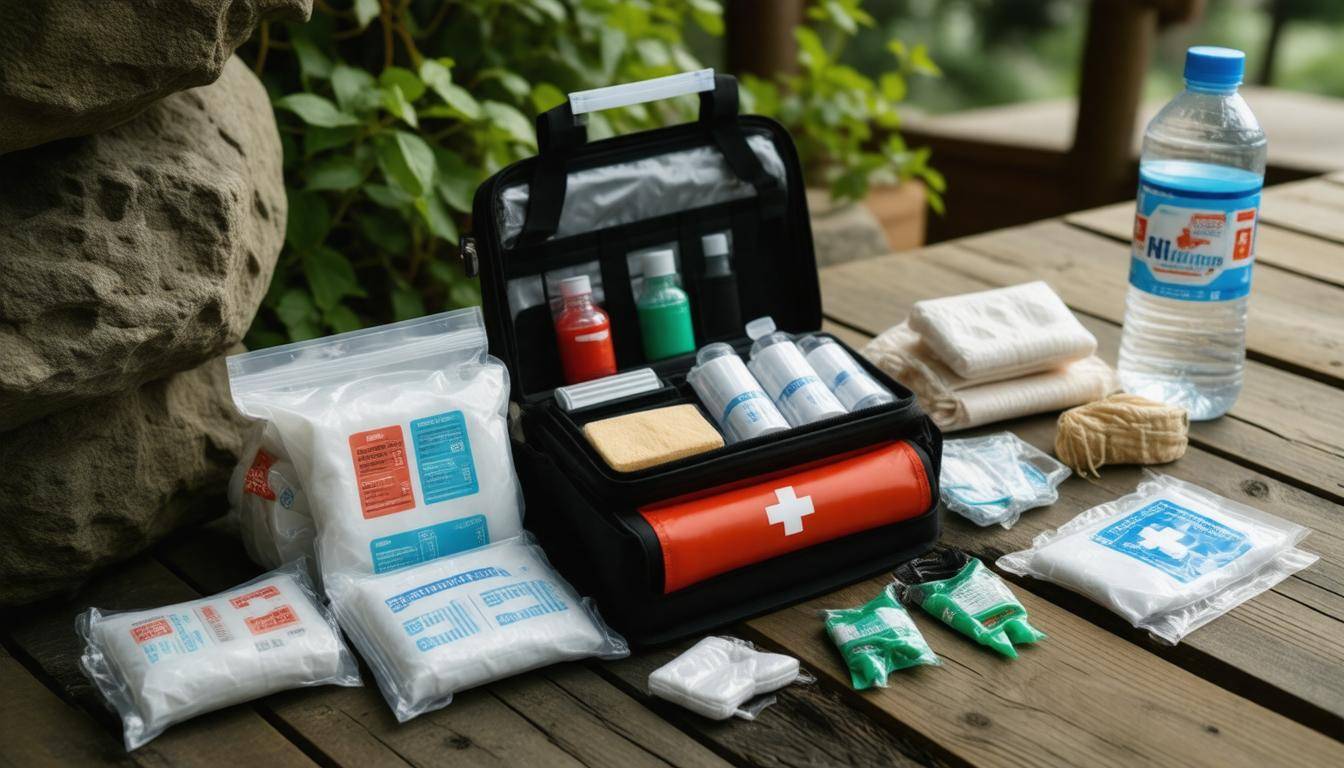
Start by considering the importance of various navigation tools. A reliable compass and local maps can be incredibly invaluable if you ever need to navigate away from danger or locate safe ground. Imagine being lost in an unfamiliar area; your smartphone battery might die, rendering its GPS useless. Maps don’t run out of power, and a compass won’t lead you astray if you know how to use it. Practice basic map reading skills beforehand; familiarizing yourself with terrain symbols ensures you’ll be better equipped if the need arises.
Next on our list are signal devices, which play a crucial role in increasing your chances of rescue during emergencies.
A whistle is one of the simplest yet most effective signal devices. When you’re in distress, your voice can only carry so far, but a whistle can be heard from much greater distances and requires much less effort to produce sound. Simply attach one to your keychain or pack, ensuring easy access. Similarly, a signal mirror allows for visual signaling over long distances using sunlight. Even in dense forest areas, these small devices can be lifesavers, positioning you for visibility without expending precious energy.
Once you’ve gathered these fundamental items, consider additional protections that can enhance your overall preparedness.
It’s also wise to include personal protective equipment (PPE) such as gloves and masks in case you find yourself needing to assist others or handle hazardous materials. Keeping some lightweight tarp could protect you from rain or create a makeshift shelter in emergencies. In these tense situations, even the smallest precaution can make a significant difference when it comes to maintaining your health and safeguarding against environmental dangers.
Lastly, never underestimate the power of mental preparedness. Having solid knowledge about how to use every item in your first aid kit allows for quicker response during an emergency. While physical offerings are vital, your willpower, awareness of your surroundings, and ability to keep a calm head under pressure is perhaps the strongest tool you possess.
Equipping yourself with essential protections will significantly enhance your readiness for unexpected situations. This foundation sets the stage for understanding how to properly manage essential supplies for effectiveness and longevity.
Maintaining Your First Aid Kit
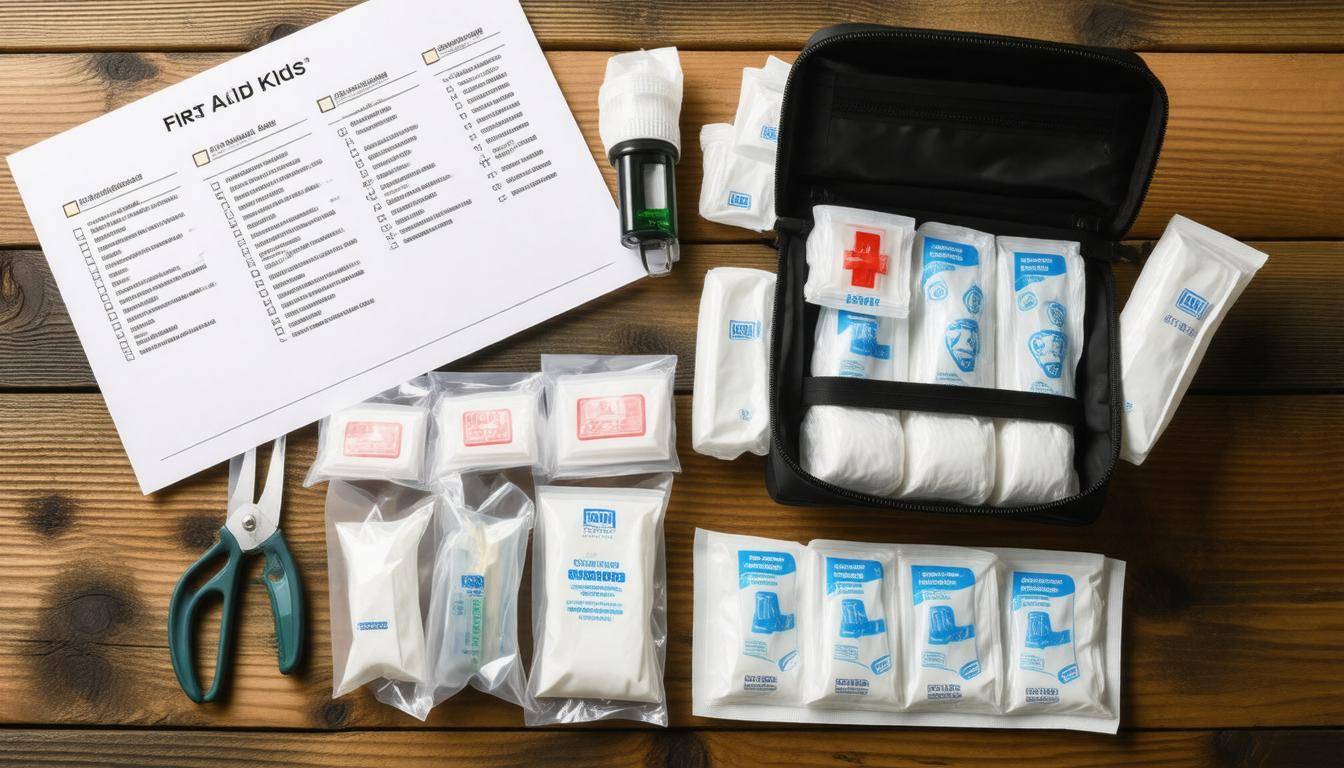
Regular maintenance of your first aid kit is not just a good habit; it’s a critical part of emergency preparedness. Imagine reaching for that crucial bandage or medication only to find it’s expired or missing when you need it the most. Keeping your kit stocked and organized can make all the difference in how effectively you respond in a crisis situation.
Step-by-Step Maintenance
-
Check Expiry Dates: It’s easy to forget about the contents of your kit, so schedule a routine check—perhaps once every three months—to ensure that medications like pain relievers or antiseptic creams are still viable. Environmental factors like humidity and heat can also affect their potency.
-
Refill After Use: After using items from the kit, restock them immediately. Whether it’s a gauze pad or antiseptic wipes, replacing supplies right away prevents last-minute scrambling during an emergency and ensures you’re always prepared.
-
Store Properly: Location matters! Store your first aid kit in a cool, dry place, like a cabinet or shelf away from direct sunlight to protect its contents. However, consider accessibility; if it takes too long to find your kit during an emergency, its location won’t matter much. Labeling the storage area can help everyone in the household know exactly where it is.
Remember: Your first aid kit is only as reliable as its upkeep. A little effort goes a long way in ensuring you’re ready when it counts.
By regularly checking the essentials and ensuring everything has a designated spot, you’re fostering an environment for quick and efficient responses when emergencies arise. With this proactive approach to maintenance established, it’s time to understand how to effectively utilize these supplies when they are needed most.
Using Your First Aid Kit in Emergencies
In the chaos of an emergency, having a first aid kit is great, but knowing how to use it can truly be lifesaving. It’s not enough just to have the supplies; you must understand what each component does and when it should be used. For instance, do you know the difference between antiseptic wipes and alcohol pads? Familiarizing yourself with these items prepares you for a myriad of situations.
One critical aspect is training and practice. Taking a basic first aid course can help you become comfortable with the various supplies within your kit. Most community centers or local Red Cross chapters offer these courses, often at little to no cost. This hands-on training provides insight into the practical application of bandages, gauzes, splints, and more, ensuring you’re ready when it matters most. An EMT once shared with me that practicing with a dummy during training elevates your confidence levels significantly. “The more comfortable you are with your kit,” they said, “the quicker and more effectively you’ll respond.”
In emergencies, calmness breeds clarity; familiarity fosters that calmness.
Additionally, it’s wise to conduct regular drills at home. Just as fire drills enhance safety awareness, running through scenarios where you might need your first aid kit can solidify your skills. Picture this: your child falls off their bicycle and scrapes their knee. How would you respond? Recognizing that moment ensures swift action instead of hesitation.
Consistent engagement with your kit doesn’t just build muscle memory—it also allows you to spot any expired items or things that need replenishment. A first aid kit stocked with outdated supplies may give a false sense of security.
Assess Common Situations
Familiarizing yourself with common emergency scenarios relevant to your environment can guide your preparedness. For example, if you live in an area prone to outdoor activities or natural disasters, be ready for specific injuries like heat exhaustion or snake bites. Outside of the medical knowledge itself, creating a simple reference guide based on potential scenarios could complement your training perfectly.
Now imagine facing urgent situations where every second counts; combining proper knowledge with effective tools can empower your response. We’ll explore next how to tailor your preparations to meet distinct challenges and scenarios that may arise.
Preparing for Specific Scenarios
Each region has its unique set of hazards that demand a tailored approach to emergency preparedness. Understanding the common risks in your area allows you to efficiently equip your first aid kit with the right tools and supplies.
For instance, if you live in or are visiting an area prone to flooding, it’s essential to include waterproof storage options. Not only do you want to protect your basic supplies from water damage, but also your valuables. Keep important documents, photographs, and even medications in waterproof bags or containers. Alongside these, store comprehensive food supplies that can withstand flooding conditions such as high-energy bars and non-perishables that don’t require cooking.
In addition, having life vests readily accessible is crucial if you’re situated near rising waters. While it may seem excessive, this precaution can literally be life-saving when faced with unexpected situations.
Scenario: Wildfires
Wildfires present another significant threat in many areas, and preparing for them requires a different set of essentials within your first aid kit. If you reside in a region vulnerable to wildfires, including fire blankets can provide immediate protection from direct flames and heat exposure. These blankets can help shield you from flames while escaping if necessary.
Moreover, consider adding protective goggles to keep smoke and ash out of your eyes, which will help maintain visibility during an evacuation or rescue effort. It’s equally important to have respiratory masks on hand; these can prevent inhalation of harmful particles released into the air during wildfires. Smoke inhalation is a serious risk that can lead to long-term health issues, so equipping yourself with a proper mask is a wise decision.
By recognizing the specific scenarios pertinent to your location and including relevant supplies in your emergency kit, you not only safeguard yourself but also empower those around you to act swiftly during critical moments.
In summary, being aware of local hazards and preparing appropriately will enhance your readiness for emergencies. Customizing your first aid kit based on regional needs is not only smart—it’s essential for safety and survival.
Are there any regulations or guidelines for first aid kits in workplaces based on regional hazards?
Yes, there are regulations and guidelines for first aid kits in workplaces that are influenced by regional hazards. For instance, the Occupational Safety and Health Administration (OSHA) in the U.S. mandates that employers provide appropriate first aid supplies based on workplace risks, which may include specific items for natural disasters prevalent in certain regions like earthquakes or hurricanes. Moreover, the American National Standards Institute (ANSI) sets standards for first aid kits, recommending that they be stocked according to the number of employees and the nature of potential hazards specific to that location. Research indicates that workplaces equipped with tailored first aid kits can significantly reduce injury severity and improve response times in emergencies.
What training or certifications can enhance my ability to handle emergencies related to regional hazards?
To enhance your ability to handle emergencies related to regional hazards, consider obtaining certifications such as First Aid and CPR from organizations like the American Red Cross, which trains over 4 million individuals annually in these life-saving skills. Additionally, specialized training in areas like Wilderness First Aid or CERT (Community Emergency Response Team) can provide critical knowledge tailored to specific scenarios. Statistics show that communities with trained responders often see reduced casualties during disasters, highlighting the importance of preparedness and training.
How often should I update and restock my first aid kit to reflect seasonal changes in potential hazards?
You should update and restock your first aid kit at least twice a year to reflect seasonal changes in potential hazards. For instance, many regions experience more incidents related to outdoor activities in summer (like heat strokes or insect bites) and winter (such as hypothermia or falls on ice), meaning that items specific to these risks should be included. According to the Red Cross, a well-stocked and current first aid kit can significantly increase the chance of successfully addressing emergencies, demonstrating the importance of regular updates based on seasonal hazards.
What items should be included in a first aid kit for natural disasters common to my area?
A first aid kit for natural disasters specific to your area should include essential items such as adhesive bandages, antiseptic wipes, gauze pads, elastic bandages, and a digital thermometer. In disaster-prone areas, it’s important to also include items like non-latex gloves, a CPR face shield, scissors, and an emergency blanket. For example, studies show that nearly 60% of Americans live in counties impacted by natural disasters, making preparedness crucial; thus having these supplies ready can significantly improve response times in emergencies.
How does the climate affect the types of medical supplies I should have on hand?
The climate significantly influences the types of medical supplies you should keep on hand, as certain regions are prone to specific hazards like extreme heat, cold, or humidity, which can affect medication efficacy and supply longevity. For example, in hotter climates, it’s crucial to stock up on items like sunscreen and heat-related emergency supplies, while cold climates necessitate frostbite treatment supplies and warmth-retaining materials. Additionally, areas with a high risk of flooding should include waterproof bandages and disinfectants to prevent infections. According to the National Weather Service, approximately 95% of all natural disasters are weather-related, highlighting the importance of preparing your first aid kit according to local climate conditions.