
Mental health isn’t just a topic for specialists; it’s a conversation we all need to engage in. Picture this: you’re having a tough day, and the weight of the world feels heavy on your shoulders. In those moments, having a Mental Health First Aid Kit can be your safety net, providing comfort and tools to help navigate through emotional storms. Just like we pack a bag for school or prepare for a trip, creating a personalized kit filled with helpful resources is a simple yet powerful way to take charge of our mental well-being. This guide will walk you through the essential components of such a kit, helping you build your own toolkit for both everyday challenges and unexpected crises—because everyone deserves support when mental strain hits!
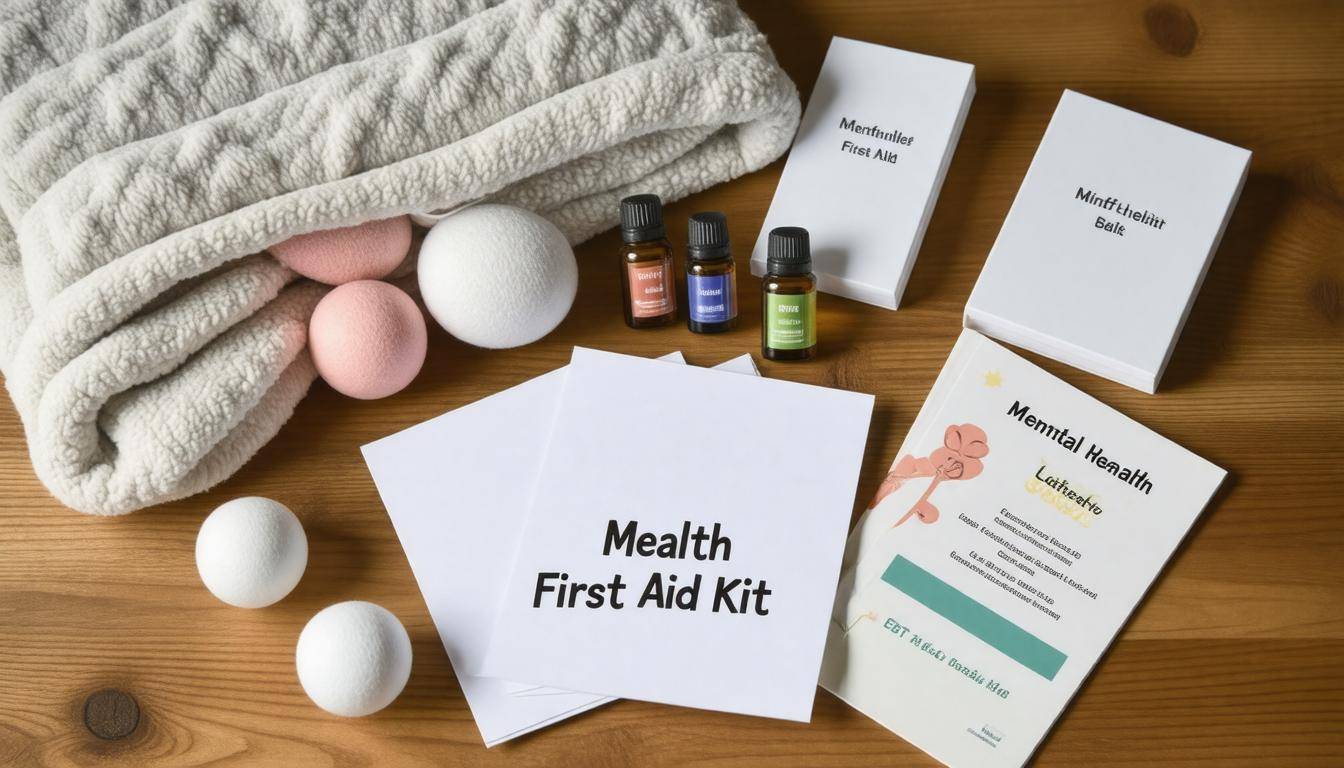
A Mental Health First Aid Kit should include essential items such as journals or notebooks for reflection, stress balls for managing anxiety, and comfort items like soft blankets. Additionally, informational booklets about coping strategies and crisis hotline contacts are crucial for providing support during mental health emergencies.
What is a Mental Health First Aid Kit?
A Mental Health First Aid Kit functions similarly to a traditional first aid kit but is dedicated to addressing mental health needs. This unique assortment of resources provides immediate support during moments of crisis or general stress. It’s not just about having physical items; it’s fundamentally about building resilience and offering comfort when emotional storms hit.
The aim of the kit is to equip individuals with tools necessary to navigate their mental health challenges effectively. Each item serves a purpose: stress balls can help ground someone in a moment of anxiety, while journals facilitate expressive writing, allowing thoughts and feelings to flow onto the page, transforming overwhelming emotions into manageable reflections. Having easy access to informational booklets on coping strategies within the kit empowers users with knowledge on how to tackle common mental health issues like anxiety or depression.
Specifically, this kit doesn’t merely respond to crises; it also provides preventive measures. For instance, essential oils or calming teas included in the kit can be used as part of a self-care routine to ward off the accumulation of stressful feelings that may lead to more significant challenges later on.
To enhance its effectiveness, customizing the Mental Health First Aid Kit according to individual preferences and needs is invaluable. Tailored contents ensure that the kit resonates personally with its user, whether it’s including favorite relaxation products or specific educational materials relevant to their situation.
As we explore the upcoming components in further detail, you will see how personalizing your kit can create an empathetic connection between the user and their tools, fostering a sense of ownership in their mental well-being journey. This understanding sets the stage perfectly for considering additional helpful resources designed to soothe and calm in times of need.
Calming Resources
Think of calming resources as the comforting hug we all need when life’s pressures become overwhelming. They are fundamental not just for emotional support but also for practical, on-the-spot relief during stressful moments. Incorporating these items into your kit means being prepared to address feelings of panic or tension before they spiral out of control.
Examples of Calming Resources
-
Stress Balls: These are more than just playful squishy toys—they serve as effective, tactile tools that help release built-up tension in your body. Squeezing a stress ball can trigger the brain’s relaxation response, offering a grounding sensation amidst chaos.
-
Soothing Essential Oils: Aromatherapy is a wonderfully powerful tool, and oils like lavender or chamomile can transform your environment. Simply inhaling them can promote calmness and ease anxious thoughts almost instantly. Carrying a small roll-on bottle or an essential oil diffuser can make it easy to access this calming effect.
-
Soft Blankets: Often overlooked, a soft blanket provides not only physical comfort but also emotional warmth. The simple act of wrapping yourself in a comforting fabric can enhance feelings of safety and security, especially during moments of stress.
-
Earplugs: When life feels overwhelming, find solace in silence. Earplugs can help block out distractions and loud noises that may heighten anxiety. By creating your own cocoon of quiet, you allow your mind the space it needs to recenter.
-
Music Playlists: Music has an incredible power to uplift and calm us. Curated playlists featuring gentle melodies or nature sounds can create an atmosphere conducive to relaxation and focus. Whether it’s background music while you work or soothing tracks during a moment of solitude, having these ready-to-go playlists can greatly enhance your mental wellness toolkit.
Simple yet effective, these resources help ground an individual in moments of anxiety, providing a quick pathway back to a sense of control and serenity.
Cultivating a collection of calming resources is about recognizing what soothes you personally; everyone is different! What resonates with one person may not resonate with another, but experimenting with various options can help you find what works best for your mental health journey.
As we continue through this exploration of mental wellness, understanding proactive measures can further enhance your ability to maintain equilibrium even during turbulent times.
Crisis Prevention Measures
Crisis prevention is not just about reacting when things go awry; it’s about laying the groundwork for a healthier emotional environment in the first place. Recognizing warning signs early can be your first line of defense. Imagine sitting down with someone you know and observing subtle shifts in their behavior—maybe they seem more irritable or withdrawn than usual. These changes might indicate that they’re struggling internally. Keeping an eye out for such indicators allows you to intervene before a crisis accelerates. Awareness is key.
Step-by-Step Crisis Prevention
Now, let’s explore this process step by step so we can better equip ourselves to help others navigate their mental health journeys.
Step 1 – Recognize Warning Signs
Recognizing early warning signs of mental distress is crucial. Symptoms can range from minor changes like irritability or sleep patterns to significant shifts that affect daily activities. It’s important to create an open environment where these signs can be discussed without judgment. Imagine the comfort and support that comes from simply saying, “Hey, I’ve noticed you’ve seemed a bit off lately; is everything okay?” This small gesture can open the door for deeper conversations and can make a big difference.
Step II – Pre-emptive Communication
Once you’ve identified potential warning signs, pre-emptive communication plays an essential role in crisis prevention. Having open channels of communication with trusted friends or family members can transform potential crises into manageable conversations. Sharing feelings, thoughts, and experiences fosters understanding and connection. It’s empowering to talk openly about mental health challenges, alleviating burdens that often feel isolating. Think of it as being a lighthouse in someone else’s stormy sea—providing guidance and light when they need it most.
Step III – Know When to Seek Professional Help
Knowing when to seek professional help is another vital step in preventing crises. Not every situation can be managed alone, and recognizing when external support is needed can save lives. Keep a curated list of local mental health services easily accessible within your mental health first aid kit or even on your phone. This could include therapists, hotlines, or community resources tailored to specific needs. Just having this information at your fingertips creates a safety net—a reassuring reminder that help is always within reach.
Ultimately, prevention is always better than cure; implementing these measures can significantly mitigate severe crises while fostering a proactive approach toward managing mental health. By being attentive to warning signs, cultivating open communication, and knowing when to seek help, individuals create resilience not only for themselves but also for those around them.
These strategies not only contribute to individual well-being but also lay the foundation for supportive networks that promote holistic mental wellness. Moving forward, we will discuss ways to nurture oneself through practical techniques and practices.
Self-Care Strategies

Self-care is not just a buzzword; it’s a fundamental aspect of maintaining mental health. The beauty of self-care lies in its adaptability, as what works for one person may not suit another. This personal journey means that discovering the right strategies can be profoundly transformative. Writing down your thoughts through daily journaling is an excellent first step. It not only acts as a mirror reflecting your emotions but also provides clarity on your mental state. When you pick up a pen and express what’s on your mind, you’re engaging in a crucial conversation with yourself. This practice fosters deep understanding and allows for a systematic evaluation of feelings—an invaluable tool for navigating life’s challenges.
Now, consider the physical aspect: exercise. You don’t need to join a gym or run a marathon to reap the benefits. Simple actions, like going for a brisk walk, stretching at home, or even dancing to your favorite tunes can elevate your mood and boost your energy levels. The endorphins released during physical activity are nature’s mood lifters, reminding us how movement rejuvenates both body and mind. Just imagine starting each day with a short walk outside; you could enjoy fresh air while bonding with your surroundings.
As we engage in these practices, nutrition should not be overlooked.
A balanced diet plays a substantial role in mental acuity and overall well-being. Think of what you eat as fuel for your mind. Foods rich in omega-3 fatty acids, whole grains, and vibrant fruits and vegetables are known to have positive effects on mood and cognitive function. When you nourish your body properly, you’re equipping your mind to handle stress more effectively. Consider incorporating meal prep time into your self-care routine; it can make healthy eating less stressful and more enjoyable.
Next, let’s talk about perhaps the most underrated element of self-care: sleep hygiene.
Quality sleep is non-negotiable when it comes to maintaining good mental health. Just think about how grumpy or unfocused you feel after a night of poor sleep. Creating a sleep-friendly environment can significantly enhance your sleep quality—dim lights, comfortable bedding, and reducing screen time before bed can transform your sleeping space into a sanctuary of rest. Establishing sleep routines can promote better rest too; consider winding down with calming activities like reading or meditating each night.
Take Sarah, for instance—she found solace in painting during her evenings because it allowed her to decompress from daily stresses. By including art supplies in her self-care kit, she transformed every stressful day into something fulfilling where she embraced her creativity as an outlet.
Each of these strategies connects in an intricate web that supports our mental well-being.
Self-care isn’t selfish; it’s an investment in ourselves. It empowers us to embrace our complexities while nurturing our resilience during challenging times. Taking small daily steps toward enhancing our well-being is more effective than overwhelming ourselves with drastic changes all at once. A few minutes dedicated to writing, exercising, nourishing our bodies thoughtfully, or ensuring quality sleep can foster significant improvements over time and help build strong foundations for emotional health.
With these foundational self-care practices established, we now turn our attention to techniques that promote tranquility and resilience within ourselves.
Mindfulness and Relaxation Techniques
In our fast-paced world, it’s easy to feel overwhelmed by the demands of daily life, but incorporating simple mindfulness techniques can create an oasis of calm amid chaos. With just a few moments dedicated to these practices, you can anchor yourself in the present, reducing stress and anxiety significantly.
Imagine sitting quietly for just one minute, focusing on nothing but your breath—each inhale nourishing your body and each exhale releasing tension. This is not merely an act of quieting your mind; it’s a powerful practice that centers your focus and promotes peace within.
Techniques to Include
-
Breathing Exercises: One effective method is the 4-7-8 technique, where you inhale for four counts, hold your breath for seven counts, and then exhale slowly for eight counts. This process calms the nervous system, helping reduce anxiety levels almost immediately.
-
Meditation Guides: Utilizing apps such as Headspace or Calm provides structured paths into meditation. They often have tailored sessions based on mood or time constraints, making them accessible even when life feels hectic.
-
Progressive Muscle Relaxation (PMR): PMR involves intentionally tensing each muscle group before gradually releasing that tension. Starting from your toes to your head (or vice versa), this method not only relaxes those muscles but also helps draw attention away from racing thoughts.
Studies indicate that consistent mindfulness practices can reduce symptoms of anxiety by up to 30%, highlighting their relevance as essential components of any mental health first aid kit.
As we move forward in exploring ways to enhance emotional well-being, the link between these techniques and broader support systems becomes increasingly significant.
Emotional Support Resources
Emotional support resources are integral in creating a sense of connection and understanding. They serve as lifelines when we face distress, allowing us to reach out for help and share our struggles with others who truly understand. Imagine feeling overwhelmed by anxiety or sadness and knowing that a caring voice is just a phone call away. Crisis hotlines provide immediate support, offering a safe space to talk about what you’re going through. These services often have trained professionals available 24/7, ready to listen and guide you through some of life’s toughest moments.
Types of Emotional Support
The types of emotional support available can be categorized into several key areas. Support lines are one critical component; they offer resources including contact information for crisis hotlines and text lines that can provide immediate assistance. For example, the National Suicide Prevention Lifeline (1-800-273-TALK) connects individuals with specially trained counselors ready to listen without judgment. There are also options like the Disaster Distress Helpline (1-800-985-5990), specifically designed for people affected by disasters, including first responders who may need specific guidance during crisis situations.
In addition to support lines, community groups play a significant role in fostering connections among individuals facing similar challenges. They offer information and links to local support networks where people can come together under shared experiences. This sense of community can be incredibly comforting; finding peers who understand your situation alleviates feelings of isolation and creates an environment of empathy. These groups not only provide camaraderie but also offer valuable coping strategies and shared stories that resonate deeply.
Testimonies often illustrate the power of these connections—individuals sharing their stories empower themselves and uplift others who feel lost or alone.
A perfect example comes from a participant in a mental health first aid course, John Doe, who discovered that having a small note from a friend in his kit offered him immediate emotional support during stressful times. This simple gesture had a profound impact on his ability to cope and remember he wasn’t alone in his journey. Such contributions remind us of the little things we can include in our first aid kit—notes from loved ones or words that inspire resilience.
As we shift our focus to additional ways to bolster mental well-being, the importance of accessible resources becomes even more apparent.
Tools for Stress and Anxiety Management
Stress and anxiety management tools serve as essential resources to help navigate both minor worries and substantial pressures we face in our daily lives. Having a collection of effective tools not only provides immediate relief but also cultivates long-term emotional resilience. Managing our mental well-being should be a vital part of self-care, especially amidst the chaos of modern life.
Effective Tools
One valuable item to include in your kit is Breathing Exercise Cards. These simple yet powerful cards feature quick breathing techniques that can guide individuals through moments of panic or intense anxiety. Think of them as flashcards for your mental health, making it easy to remember how to breathe deeply during those moments when you need calmness the most. Just a few minutes of focused breathing can alter your physiological response to stress, helping to reset your mind.
Another helpful component is the classic Worry Stone. Often made from smooth stones or crystals, these small objects can be held in the palm of your hand and rubbed continuously. The tactile sensation provides a calming distraction while shifting focus away from anxious thoughts. People have found significant comfort in repetitive motion; it serves as a reminder that you’re grounded, even when anxiety seems overwhelming.
Additionally, don’t underestimate the power of Fidget Spinners or similar fidget toys. These devices are fantastic for redirecting restless energy during stressful situations and work equally well for both adults and adolescents. Scientific studies even support their effectiveness in improving concentration while reducing tension. By keeping your hands active, you’re creating a physical outlet for the anxious energy that may otherwise build up inside.
When equipped with these essential tools—breathing exercise cards, worry stones, and fidget spinners—you create a buffer against stress that allows you to face challenges head-on.
Once you’ve armed yourself with these anxiety management strategies, understanding your personal needs becomes crucial. It’s important to recognize what resonates with you so that you can tailor an effective mental health first aid kit. By choosing specific tools that suit your lifestyle and preferences, you’ll be better prepared to face whatever life throws your way.
With this foundational knowledge about essential tools at hand, it’s time to reflect on individual preferences and identify what truly supports our unique well-being.
Identifying Personal Needs
Customizing your mental health first aid kit starts with a deep dive into self-awareness. It’s about asking yourself the right questions to uncover what soothes your mind, what situations elevate your stress, and which tools you already have that can enhance your emotional resilience. This introspection is important because without knowing what works for you, any resources you gather might end up being less beneficial.
Consider this: assembling a mental health first aid kit is not solely about collecting items but also about creating a personalized toolkit unique to you and your experiences.
The Importance of Self-reflection
As you begin this process, try jotting down reflective thoughts in a journal. Write about moments when you felt anxious—what triggered these feelings, and how did different tools or activities help you cope? Your personal history can reveal vital details about what might work best for you. For example, if drawing helps put your worries into context, then sketchbooks and pencils should be included. Conversely, if physical activity has been effective for calming you, incorporating stress balls or mindfulness cards could prove invaluable.
Reviewing Available Resources
Next, evaluate the resources readily available to you. Reflect on supportive contacts—friends or professionals—who helped during tough times. Whether it’s access to hotlines, calming apps for meditation, or local counseling services, knowing where to turn when needed is essential to your mental toolkit. Highlighting supportive messages or notes from loved ones can serve as uplifting reminders during challenging moments.
It’s crucial to recognize that everyone’s mental health journey is distinct. Tailoring your kit with personal insights ensures that every time you reach for it, you’re finding something that genuinely speaks to your needs.
For instance, rather than opting for generic breathing exercise cards, consider crafting your own set featuring techniques that resonate with you—learned from classes or experiences that brought you peace.
Circling Back to Triggers and Calming Mechanisms
As you reflect further, remember to identify both triggers and calming mechanisms regularly; they can change over time. What calms you in one situation may not have the same effect in another. Being flexible and willing to adapt your kit keeps it relevant and functional—a dynamic safety net designed precisely for your emotional landscape.
Pause, take a breath, and ask yourself once more: What tools would serve me best in times of need? This introspective approach will enable you not only to assemble a well-rounded mental health first aid kit but also empower you to show compassion towards yourself throughout this journey.
Reflect on these insights today and start building your personalized mental health first aid kit—a resource designed specifically to assist you when it matters most.
The proactive establishment of such a kit can be crucial in navigating life’s ups and downs. Your mental well-being deserves thoughtful consideration and care as part of a balanced lifestyle.
What specific items should be included in a mental health first aid kit to address different types of mental health issues?
A mental health first aid kit should include items such as stress balls, journals, breathing exercises handouts, mindfulness exercise cards, and emergency contact numbers for mental health professionals. These tools can help address various issues; for instance, stress balls provide a physical outlet for anxiety, while journaling can facilitate emotional expression. According to the World Health Organization, 1 in 4 people will be affected by mental health issues at some point in their lives, making it crucial to have these resources readily available for immediate support and intervention.
What role do educational resources play in a mental health first aid kit?
Educational resources are vital components of a mental health first aid kit as they empower individuals with knowledge and skills to recognize and address mental health issues effectively. According to the National Alliance on Mental Illness, one in five adults experiences mental illness each year, highlighting the necessity for informed intervention. By equipping individuals with information on symptoms, resources, and support strategies, educational materials can enhance confidence and responsiveness in crisis situations, ultimately fostering a more supportive environment for those in need.
How can one personalize a mental health first aid kit based on individual needs and circumstances?
To personalize a mental health first aid kit, individuals should first assess their specific triggers and coping mechanisms, considering factors such as their past experiences, current stressors, and support systems. For instance, someone dealing with anxiety might include grounding tools like stress balls or fidget spinners, while another facing depression might add uplifting materials such as motivational quotes or favorite music playlists. According to research, tailoring mental health resources can significantly improve coping strategies; for example, 75% of individuals report feeling more prepared to manage their mental well-being after customizing their support tools.
Are there differences in the contents of a mental health first aid kit for children versus adults?
Yes, there are differences in the contents of a mental health first aid kit for children versus adults. For children, the kit may include resources like age-appropriate storybooks about emotions, stress balls, or art supplies to encourage expression and coping strategies. In contrast, adult kits often contain more comprehensive resources such as crisis hotline numbers, coping strategy worksheets, and information on mental health conditions relevant to adults. According to a 2020 study, 1 in 6 children aged 2-8 years experience a mental health disorder, underscoring the need for tailored approaches in children’s kits compared to those designed for adults.
How can someone effectively use a mental health first aid kit during a crisis situation?
To effectively use a mental health first aid kit during a crisis situation, an individual should first assess the emotional state of the person in distress and offer a safe space for open communication. The kit should include items such as calming tools (e.g., stress balls, fidget toys), educational resources on coping strategies, and information on local mental health services. According to studies, immediate support can reduce the impact of a crisis by up to 50%, highlighting the importance of having these resources readily available to foster resilience and prompt recovery.