
When it comes to our furry friends, their safety is at the top of any pet owner’s mind. Imagine you’re enjoying a sunny day at the park when, suddenly, your pup needs an emergency bandage because he decided to chase a squirrel a bit too enthusiastically. Having a well-prepared pet first aid kit can make all the difference in those moments of panic. Not only does it provide you with the essential tools and supplies needed to address minor injuries and emergencies, but it also gives you peace of mind knowing that you’re ready for anything life throws your way. In this article, we’ll walk through 25 must-have items for your pet’s first aid kit to ensure your furry companions stay safe, healthy, and happy!
A comprehensive pet first aid kit should include items such as Hydrogen Peroxide, syringes for medication, a first aid guide book, latex-free exam gloves, gauze pads, bandages, antiseptic wipes, and more tailored specifically for pets. Additionally, it is important to have dog-specific antiseptics and various tools like scissors and adhesive bandages to handle a range of emergency situations effectively.
Basic Medical Supplies
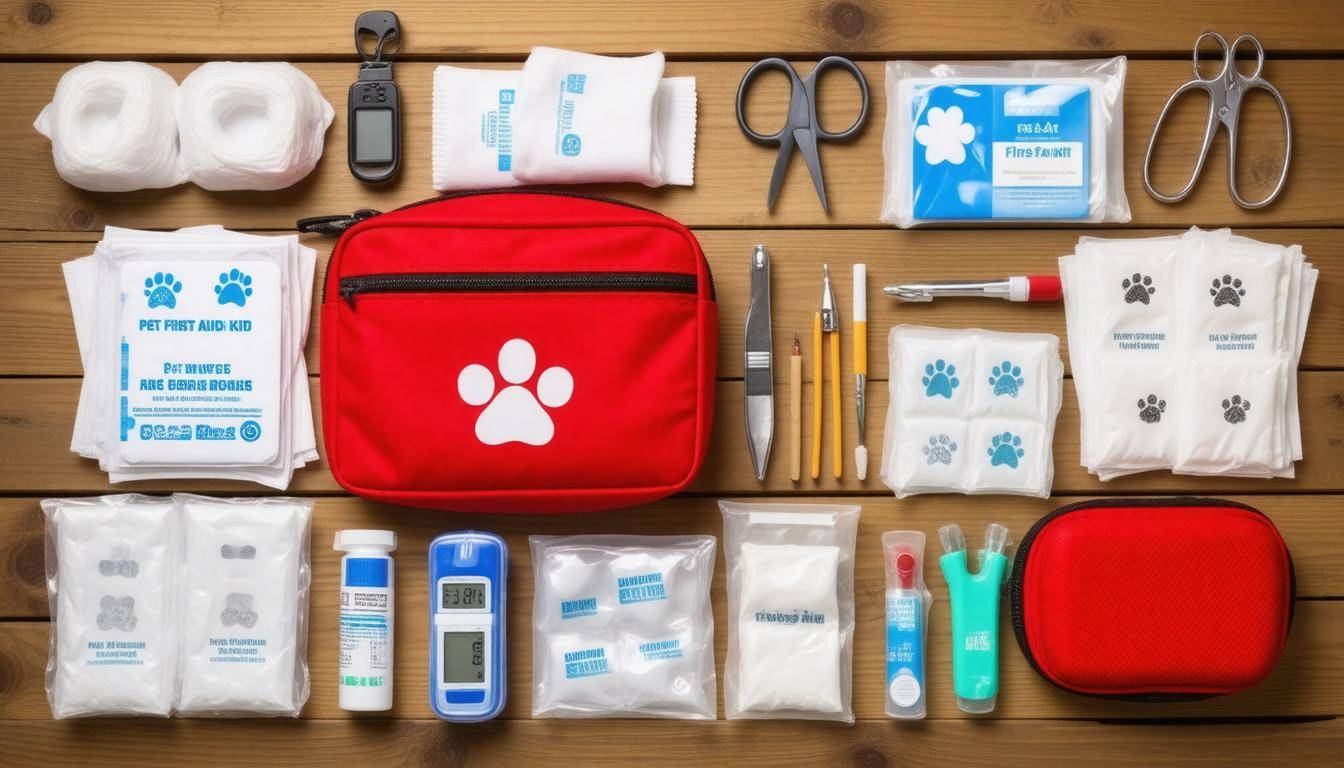
Starting off with the heart of your pet first aid kit, the standard medical supplies serve as the foundation for addressing injuries and emergencies. Each item plays a critical role in ensuring that you’re prepared for anything from minor cuts to more serious injuries. For instance, gauze pads are essential for cleaning wounds and controlling bleeding. When applied properly, they can help stem bleeding quickly while providing a protective barrier against dirt and germs.
Adhesive tape comes next, which is vital for securing those gauze pads or any bandages in place. Without proper adhesion, treatments can easily come undone, leaving your pet vulnerable to infection or further injury. These tapes are specially designed to be strong yet gentle enough on the skin, ensuring they don’t cause discomfort when removed.
The antiseptic wipes also stand out as a must-have in any kit. Cleaning a wound before bandaging it significantly lowers the risk of infection, making these wipes invaluable during an emergency. Imagine being faced with a scraped paw after a hike—having antiseptic wipes on hand means you can clean the area effectively without delay.
Moving on, you’ll want to include cotton balls and swabs. These handy little tools are perfect for cleaning sensitive areas where damage might not be immediately visible or could require delicate care. They work wonders for applying ointments or medications after cleaning a wound.
Next up are bandage rolls, which provide support and protection for injuries. Using a bandage roll can help stabilize a hurt limb, preventing further injury while your pet waits for professional help. Think of it as giving them a soft hug that keeps everything safely in place.
Finally, we can’t overlook the importance of latex-free exam gloves. When treating any animal, especially one that’s injured, cleanliness matters greatly. These gloves create a barrier between you and any harmful substances while also protecting your pet from potential infections originating from human hands during treatment.
Having at least three gauze pads, one roll of adhesive tape, and several antiseptic wipes ensures you’re adequately stocked for immediate treatment needs.
With these fundamental supplies in mind, it’s important to dive into additional tools that enhance your preparedness during an emergency situation.
Essential Tools for Emergencies
When it comes to emergencies, every second counts. This means that having a well-stocked first aid kit and the right tools can make all the difference in the world for your furry friend. Take, for instance, a digital thermometer. This handy device allows you to quickly check if your pet has a fever, helping you determine if a visit to the vet is necessary. It’s critical because fevers can indicate infections or other serious health issues, and knowing your pet’s temperature can guide your next steps effectively.
Another important tool is tweezers. These are invaluable for safely removing ticks or splinters without resorting to more drastic measures. If you’ve ever had to deal with a tick burrowing into your pet’s skin, you know the importance of this simple tool. Always remember to grasp the tick as close to your pet’s skin as possible and pull straight out—this ensures you don’t leave any parts behind which could lead to infection.
As we think about how we handle our pets during emergencies, it becomes clear that safety is paramount.
Equipped with scissors featuring rounded tips, you’re able to cut bandages or fur without risking injury to your pet. From personal experience, I’ve found these scissors particularly useful when needing to trim hair away from wounds, ensuring that clean dressings can be applied without snagging on matted fur.
Don’t underestimate the power of a magnifying glass either. This tool is essential when examining small cuts or potential irritants lodged in your pet’s fur or skin. Sometimes, what appears benign at first glance can reveal deeper problems under closer inspection.
Further enhancing your toolkit will give you confidence in even the trickiest situations.
A syringe (without the needle) is ideal for administering liquid medications or flushing out wounds with saline solutions. Even when it seems simple, having a syringe makes it easier to manage a finicky dog who may refuse pills. It’s crucial here to understand proper dosages as per your veterinarian’s instructions to ensure safe treatment.
Lastly, include a muzzle in your first aid kit—one that is soft and comfortable. It’s essential for situations where your pet might react negatively due to pain or fear during treatment. While it may seem counterintuitive, even the gentlest of pets can bite when distressed. So being prepared with a muzzle creates a safer environment during emergencies.
All these tools come together not just as items in a kit but as part of a larger strategy for keeping your pet safe and healthy in unexpected situations. With these preparations in mind, understanding essential medications becomes vital for ensuring comprehensive care for your furry companions.
Key Medications for Pets

Including the right medications can provide critical aid before professional help is available. Knowing what to include is essential for every pet owner. For instance, Hydrogen Peroxide is often a go-to when it comes to poisoning. It can be used to induce vomiting in pets who have ingested something they shouldn’t have, but it’s vital to consult with your veterinarian prior to use, as not all situations warrant this response.
Let’s look at some key medications that you should consider for your kit:
-
Benadryl (Diphenhydramine): This antihistamine helps manage allergic reactions such as bee stings. Consult your vet for the correct dosage, which varies based on your pet’s weight. When I used Benadryl for my dog after an allergic reaction to a bee sting, seeing her symptoms ease was incredibly reassuring.
-
Activated Charcoal: This powerful agent absorbs toxins when your pet may have ingested poison. Understand specific dosage recommendations from your vet, as timing and administration can be critical.
-
Antibiotic Ointment: For minor cuts or abrasions, applying this ointment can prevent infection. I remember applying some on my cat after she scraped her paw on a thorn; it kept the wound clean while she healed.
-
Eye Wash Solution: Crucial for flushing out irritants or foreign particles from your pet’s eyes, it helps alleviate discomfort promptly.
Here’s a quick reference guide for these vital medications:
| Medication | Use Case | Dosage |
|---|---|---|
| Hydrogen Peroxide | Induce vomiting for ingested poisons | Consult a vet |
| Benadryl | Allergic reactions like bee stings | 1mg per pound |
| Activated Charcoal | Absorbing ingested toxins | Consult a vet |
| Antibiotic Ointment | Preventing infection in cuts and scrapes | Apply topically |
| Eye Wash Solution | Flushing irritants from eyes | As needed |
Besides medical supplies and medications, including items that help identify and comfort your pet during stressful situations becomes paramount.
Identification and Comfort Items
In any emergency scenario, having the right identification items can be the difference between a quick reunion with your beloved pet and a stressful search that could take hours or more.
One of the best steps you can take is to equip your pet with emergency ID tags. These simple yet effective tools should prominently feature your phone number and any critical medical information, such as allergies or ongoing medications. It’s essential to keep this information up-to-date; consider checking it regularly to ensure accuracy. Knowing that anyone who finds your lost pet can quickly get in touch brings some peace of mind.
According to the ASPCA, pets with ID tags are 20 times more likely to be reunited with their owners than those without.
Additionally, having a current photo of your pet on hand is incredibly beneficial. In an emergency situation, whether at home or away, showing a clear photo can aid others in recognizing and locating your furry family member faster than just describing them by breed or color alone.
So, stash an updated picture in your pet’s first aid kit or make it part of your mobile phone gallery—every little bit helps.
After ensuring proper identification, let’s not overlook the comforting aspect of a well-prepared pet first aid kit.
Comfort Items
Providing comfort to your pet during anxiety-inducing situations is as important as addressing physical injuries. A blanket should always find its way into your kit; it not only offers warmth for injured pets but also creates a familiar and secure environment that can help soothe their nerves.
Wrapping your anxious dog or cat in a soft fabric can be remarkably reassuring during stressful situations, significantly decreasing their stress levels by nearly 50%, based on various studies.
Familiarity plays a crucial role in easing anxiety, which is why including a favorite toy within the first aid kit is recommended.
Having that treasured chew toy or cuddly companion nearby can distract them from pain or fear and create a sense of calm amidst chaos. Similarly, treats should be included—these are not only great for rewarding good behavior but they also serve as morale boosters after any necessary treatments, helping them feel loved and cared for.
When each of these elements intertwines—being properly identified and comforted—you enhance your pet’s chances of maintaining calmness while navigating through emergencies effectively. This sets the stage for understanding how to assemble these crucial components into a cohesive and functional safety resource for your furry friends.
How to Create Your Own Kit
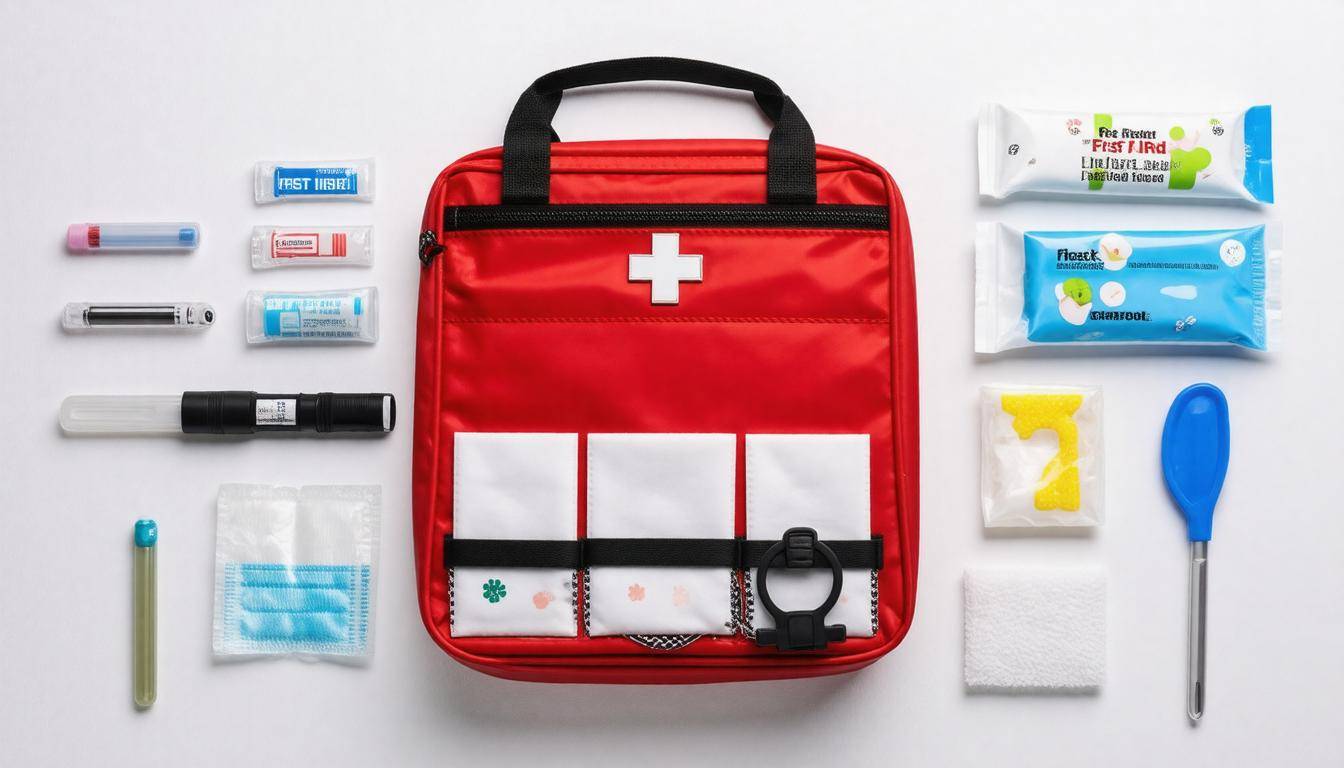
Creating your own pet first aid kit allows you not only to save costs but also to ensure that the kit reflects the specific needs of your furry friend. It’s about building a safety net tailored just for them. The journey of crafting this custom kit begins with understanding what emergencies could arise for your pet.
Step-by-Step Guide
Research Specific Needs
Start by considering your pet’s breed, age, and common lifestyle factors. For example, larger breeds may be susceptible to bloat, a serious condition that requires immediate attention. Knowing the typical ailments your breed faces enables you to include items like a “bloat kit,” which might include medications or emergency supplies specifically geared toward treating such emergencies.
Gather Basic Supplies
Next, assemble the foundational medical supplies essential for treating injuries and minor ailments. This includes antiseptic wipes, gauze pads, adhesive bandages, and even hydrogen peroxide for inducing vomiting in case of poisoning (always consult your veterinarian beforehand). Having these basic supplies ensures readiness for typical emergencies as they arise.
Customize for Your Pet
Here’s where personalization shines through! Add any medications your pet takes regularly or specific comfort items like their favorite blanket or toys. Familiar scents can help soothe pets during stressful situations. Likewise, keep identification information easily accessible within the kit—ensure that tags are updated with contact details in case of an emergency.
Pack and Store
Once assembled, it’s critical to pack everything securely in a durable, waterproof container. Choose a bag or box that can withstand wear and tear while being easily transportable. Remember to store your kit somewhere accessible yet safe from children or curious pets. A dedicated closet or a shelf that only adults can reach works well; it’s out of harm’s way while remaining within easy access when needed.
A custom kit is only as good as its upkeep; therefore, maintenance is key. Regularly check your supplies for expiration dates and replace any used items promptly. An organized approach—updating the kit regularly—will ensure you’re always ready when circumstances call for swift action.
Assembling the right supplies is essential, but proper care over time can make all the difference in ensuring your kit remains effective and reliable when needed most. Now, let’s explore how best to sustain your preparedness throughout the changing seasons.
Maintaining Your Kit Over Time
To ensure that your pet’s first aid kit is always prepared to handle emergencies, regular upkeep is essential. Start by periodically checking the contents of your kit. This allows you to verify that nothing is missing or expired, ensuring that everything from adhesive bandages to scissors is readily available should the need arise.
It’s wise to set a reminder every three months to conduct this review, especially with items that can be easily overlooked. For instance, gauze pads and antiseptic wipes tend to dwindle without notice, so having a routine check helps keep those basic supplies replenished.
Quarterly Checks
Review Contents
Each quarterly check should involve a thorough examination of every item in the kit. Pay special attention to any medications, ointments, or creams that may have expiration dates looming. Even if your furry friend hasn’t had any accidents lately, it’s better to proactively look after their health rather than scrambling for an expired bottle during an emergency.
Update Information
Additionally, make it a practice to replace old photos and update ID tags within your kit if there are any changes in your contact details. Having clear, updated information can mean the difference between reaching you in a timely manner or not if a crisis strikes.
Ensure these updates are made every time you check the kit; it only takes a moment but provides invaluable peace of mind knowing that this crucial information is accurate.
Moreover, remember to involve all family members in this process. Teaching them where the first aid kit is located and how to use its contents builds confidence in handling potential emergencies. Making this part of your routine teaches everyone about safety while reinforcing the importance of being prepared.
Understanding how to customize the kit according to your pet’s specific needs can be vital. Beyond basic supplies, consider adding items tailored specifically for your pet’s breed or health condition.
Tailoring the Kit to Your Pet’s Needs
Pets are as unique as their owners, each with distinctive personalities, behaviors, and health issues. Consequently, it’s crucial to customize your first aid kit to be as effective as possible in an emergency.
For instance, if you live with an active dog who enjoys running through the woods, you might want to include specialized items like paw balm. This ointment can soothe and protect their sensitive paw pads from cuts or scrapes acquired during their adventurous outings.
Similarly, you may have a beloved cat who, rather notoriously picky, prefers hiding over interacting when scared. In that case, consider stocking treats that can coax them out of their hiding spots during emergencies. A small blanket is also valuable; it not only ensures their secure transport but also serves to comfort them—keeping them calm amidst stressful situations.
It’s important to remember that pets with pre-existing medical conditions may need additional items in the kit. Always consult with your veterinarian beforehand to determine specific requirements tailored to your pet’s unique circumstances. They might recommend including prescribed medications or special bandages that cater to their needs.
As you personalize your kit, think about your pet’s daily activities and overall lifestyle. Dogs that frequently swim might benefit from a drying towel or a medicated rinse for their ears. On the other hand, indoor cats could require solutions for hairballs or skin irritations caused by allergies.
By taking these factors into account, you’re ensuring that your first aid kit meets your pet’s specific needs. This consideration becomes even more essential when exploring the advantages of having a compact and easily transportable version of this safety net.
Benefits of a Portable Kit
A portable pet first aid kit offers peace of mind and can be a lifesaver in unexpected situations.
These kits are meticulously designed to be compact and lightweight, allowing you to carry them effortlessly whether you’re at home, on a leisurely walk, or embarking on an adventure.
When emergencies arise, time is crucial, and having everything you need within arm’s reach can make all the difference.
For instance, being able to quickly access your portable kit within a minute, compared to waiting over five minutes for a non-portable one, greatly enhances your ability to respond effectively.
Imagine you’re hiking with your dog through a beautiful forest trail. Suddenly, Fido stumbles upon something startling and gets injured.
Having a first aid kit ready to go, perhaps clipped onto your backpack or stored conveniently in the car’s glove compartment, allows you to act swiftly without scrambling for supplies.
Brands like Adventure Medical Kits have mastered this portability by ensuring their products are small yet comprehensive—tailored specifically for dog owners on the move.
One pet owner recounted a harrowing experience: “I was out in the park when my dog got into some trouble with a bee. The sting caused an immediate reaction, but fortunately, I had my portable first aid kit right in my bag. I gave him an antihistamine I had packed; it saved his life.”
This demonstrates how being proactive with these kits not only prepares you but can also prevent minor incidents from escalating into serious emergencies.
Furthermore, studies reveal that 70% of pet owners believe having this kind of kit allows them to respond more quickly during crises.
Considering that 60% of pet-related emergencies occur outside the home, the advantages of portability become even more significant.
Responding promptly can make the difference between a happy ending and a tragic loss.
The portability of these first aid kits ensures that you’re always ready to handle unexpected emergencies efficiently and effectively.
Whether it’s on an outdoor adventure or simply enjoying time at home, having a well-rounded and easily accessible pet first aid kit tailored for your circumstances is essential for the health and safety of your furry companions.
By being prepared and having the right tools at hand, you significantly increase your chances of addressing any pet emergency successfully.
How often should a pet first aid kit be checked or restocked to ensure all items are current and effective?
A pet first aid kit should be checked and restocked at least every six months to ensure all items are current and effective. This regular maintenance helps to replace expired medications, replenish used supplies, and ensure that the kit is ready for emergencies. Studies show that nearly 15% of pet owners experience a health emergency with their pets annually, making it crucial to keep the kit prepared for immediate use.
What is the most common emergency situation where a pet first aid kit would be used?
The most common emergency situation where a pet first aid kit would be used is for treating wounds or injuries, such as cuts, bites, or abrasions. According to various veterinary studies, around 10% of pet owners report needing to manage a wound at home, highlighting the importance of having essential items like antiseptic wipes, bandages, and gauze in a first aid kit. This preparation can significantly reduce the risk of infection and ensure prompt attention until professional help is available.
How do I determine if my pet needs medical attention beyond what is in the first aid kit?
To determine if your pet needs medical attention beyond what is in your first aid kit, assess the severity of their symptoms and monitor for alarming signs such as difficulty breathing, excessive bleeding, seizures, or unresponsiveness. According to the American Veterinary Medical Association, a rapid response to urgent health issues can significantly increase the chances of recovery; delays of even a few hours can be critical in some cases. If you notice any unusual behavior or distress that your first aid kit cannot address, it’s best to seek immediate veterinary care.
Are there any special considerations for creating a first aid kit for different types of pets (e.g., dogs vs. cats)?
Yes, special considerations are necessary when creating a first aid kit for different types of pets. For dogs, you might include larger bandages and items tailored for their size and activity level, whereas for cats, it’s important to focus on smaller tools and gentle handling due to their more sensitive nature. A study indicates that around 80 million households in the U.S. have pets, with dogs being the most common at 69 million, suggesting a diverse range of needs based on pet type and size when preparing a first aid kit.
What specific types of bandages are best for treating common pet injuries?
When treating common pet injuries, the best types of bandages to use are gauze pads, adhesive tape, and elastic bandage wraps. Gauze pads can absorb fluids from wounds, adhesive tape secures dressings without sticking to fur, and elastic wraps provide support for sprains and strains. According to veterinary experts, proper bandaging techniques can significantly reduce infection rates in pets by up to 30%, making it essential to have these items in your pet first aid kit for effective injury management.