
When it comes to emergencies, having a clear plan is essential, especially for families with children on the autism spectrum. These situations can be extra challenging, causing fear and anxiety for both parents and kids. The unpredictability of emergencies—like natural disasters, power outages, or even sudden evacuations—can disrupt routines that many children with autism rely on for comfort. By focusing on autism-specific strategies and tools, parents can transform preparation from a daunting task into an empowering experience. This guide dives into ways to reduce anxiety, create a supportive environment, and ensure safety during unexpected events. Together, we’re not just preparing; we’re equipping families with the peace of mind that comes from knowing they’re ready for whatever challenges lie ahead.
The Autism-Specific Emergency Preparation: Family Guide offers essential strategies and resources designed to help families navigate emergency situations, including creating communication plans, assembling disaster supply kits, and identifying evacuation routes. It emphasizes the importance of understanding individual needs and preferences within the autism spectrum to reduce anxiety and ensure safety during crises.
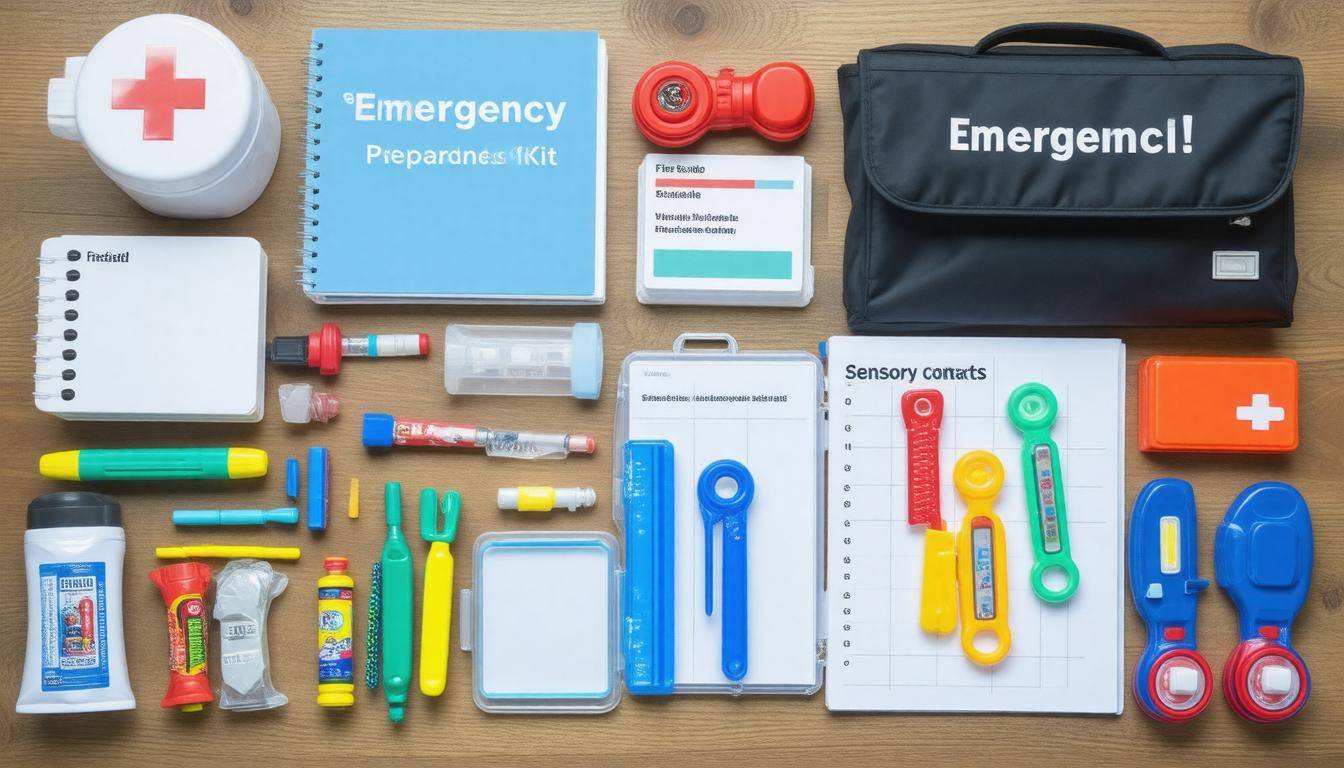
Autism-Specific Needs in Emergencies
Families with children on the autism spectrum face specific challenges that require tailored strategies during emergencies. Routine changes can be particularly disorienting for these children when they are thrust into unexpected situations like evacuations. During events such as Hurricane Harvey in 2017, many families shared their distressing experiences; the urgency of needing to leave their homes led to heightened anxiety, frequent meltdowns, and panic attacks among children. These reactions underline just how crucial it is to prepare properly.
Children with autism often have difficulty adapting to changes in routine and unfamiliar environments; thus, emergency situations can exacerbate their anxiety and stress levels.
Additionally, autism can influence sensory processing capabilities. Many individuals on the spectrum have heightened or diminished responses to sensory stimuli, which poses a significant challenge during emergencies. The loud noises from sirens or chaotic environments filled with frantic activity can overwhelm them. Moreover, intense lights from emergency vehicles can trigger sensory overload, making an already stressful situation even more unbearable.
Recognizing Triggers
It’s essential to recognize that each child’s triggers will be different. For some, specific sounds may provoke fear or agitation; for others, being in cramped spaces may induce panic. Understanding these nuances helps caregivers create an emergency plan that not only includes safety procedures but also accommodates individual sensitivities. The goal is to design an environment—whether it’s at home or in shelters—that minimizes overwhelming experiences.
Practical steps can include prepping a designated “safe space” where your child can retreat if emotions become overwhelming. This could be a tent or a corner with calming items like favorite toys or familiar blankets. Creating this personal haven provides a psychological anchor during times of chaos.
Notably, more than 70% of individuals with autism may experience increased anxiety during emergencies. This statistic underscores the importance of planning ahead: families need clear procedures and visual aids that convey instructions simply and effectively.
Developing Effective Strategies
One strategy that has proven beneficial is practicing emergency drills tailored specifically to the unique needs of individuals with autism. Regularly rehearsing these procedures boosts preparedness and makes children feel comfortable and familiar with actions they may need to take during actual emergencies.
Practicing drills weekly might seem excessive to some, but habitual practice reinforces routine and reassurance in times of stress.
Another useful tool is establishing strong communication methods. Approximately 50% of families report difficulties in communicating during emergencies, so having visual aids can significantly enhance understanding—simple charts or diagrams outlining steps serve as powerful reminders when verbal communication isn’t effective.
Maintaining clear lines of contact is essential as well; keeping an up-to-date emergency contact list alongside digital copies ensures accessibility and swift communication when necessary.
Incorporating these considerations into your family’s emergency plan can create a supportive framework, allowing you to navigate crises more effectively while ensuring your child feels secure and understood amidst uncertainty. Let’s transition now into exploring how sensory elements play a critical role during these challenging times.
Sensory Considerations During Crises
Sensory overload can be a daunting hurdle for many individuals with autism, and in emergency situations, it can escalate rapidly into an overwhelming experience. Imagine the chaos of a natural disaster, where loud alarms blare, flashing lights distract, and crowds gather; all this sensory input can become too much. Familiar environments transform into chaotic spaces that might trigger anxiety or distress. Many families report their children struggling during school fire drills—the loud sirens and sudden disruption create an intense level of stress.
To mitigate these challenges, it’s critical to plan ahead. Making sure your emergency kit includes noise-canceling headphones or earplugs can be a game-changer. These simple items help dull harsh noises, allowing your loved ones to find some relief amidst the chaos. Such preparations can transform what might feel like an overwhelming event into a more manageable situation.
A poignant reflection from a parent highlights the reality of these events: “We were stuck in an evacuation center during a flood. The noise and chaos were too much for my son. The headphones really saved the day by giving him some peace.”
Once you have established these basic tools for comfort, it’s essential to examine how your family’s emergency plan can accommodate these specific sensory needs.
Adapting your emergency protocol to incorporate sensory considerations makes all the difference. For instance, using visual aids can provide clarity and understanding of what to expect during emergencies. Simple checklists outlining steps and responsibilities clearly may aid in reducing anxiety by creating structure in moments of uncertainty.
Think about how comfortable you feel when you know exactly what’s going to happen next—this sense of predictability is even more crucial for individuals with autism who might already struggle with unexpected changes or sensory overload. Creating a visual schedule showing each step of your family’s emergency plan allows individuals to see where they are in the process and what comes next, thereby reducing anxiety around the unknown.
Furthermore, it’s important to regularly practice these strategies through drills tailored specifically for your family. Repetition will help everyone become more comfortable with the plans you’ve set forth, making them second nature during high-pressure situations.
With these strategies in place and practiced diligently, you’re better equipped to ensure a smoother response when unexpected events arise, paving the way for a more tailored approach in your family’s emergency preparations.
Creating a Customized Emergency Plan
A well-structured emergency plan tailored to the unique needs of your family member with autism can greatly alleviate stress during challenging situations. The foundation of this plan should start with identifying individual needs, as every person is different. For instance, some may have sensory sensitivities, needing quiet environments during emergencies, while others might require specific communication aids to understand instructions clearly. This thoughtful consideration is key to fostering a sense of security when panic arises.
Step-by-Step Guide to Customizing Your Plan
Step 1 – Identify Needs
To kick things off, begin by taking a close look at what helps your loved one feel safe and calm. Engaging them in this process can be beneficial; ask them about their preferences and triggers. Make a list that includes calming items, favorite toys, or familiar voices they can rely on during stressful times.
Remember to consider their specific sensory sensitivities. Would they respond better to dim lighting or softly playing music when things get overwhelming? Tailoring your plan based on these insights will help create a comforting environment.
Once you’ve identified the necessary supports, it’s time to focus on the physical spaces that can provide comfort during a crisis.
Step 2 – Designate Safe Spaces
Choosing safe spaces both inside and outside your home is vital for providing an escape during emergencies. Think about areas that are quieter or more isolated—places where your family member can retreat and regain composure. Perhaps it’s their bedroom with their favorite blanket or a secluded corner at an emergency shelter equipped with calming items like noise-canceling headphones or fidget toys. Having these designated areas helps not just children with autism but everyone in the family navigate chaos more smoothly.
With those safe zones established, let’s turn our attention to assigning roles within your household.
Step 3 – Assign Roles
In the midst of an emergency, clarity is critical. Assigning specific roles to each family member ensures everyone knows exactly what they need to do—this diminishes confusion and panic. Consider creating task-oriented instructions that play to each person’s strengths; perhaps one person’s role could include gathering necessary supplies from the emergency kit while another communicates updates with emergency responders. This orchestrated effort fosters teamwork and makes managing stressful situations less daunting.
As you build this customized emergency plan, remember that practice is vital for ensuring everyone feels confident in their roles when it truly matters. Now, let’s explore how effective communication can further enhance these preparations.
Effective Communication Strategies
Clear and calm communication is crucial during emergencies, but obstacles can arise in the heat of the moment, particularly for individuals on the autism spectrum. Navigating a natural disaster or emergency situation can induce confusion and anxiety, making misunderstandings all too common. Simplifying your language becomes essential; it not only helps convey urgent information but also reduces anxiety for everyone involved.
Using simplified language can be a game changer. Imagine describing a situation to someone who feels overwhelmed; complex vocabulary or long explanations could create further confusion rather than clarity. Implementing visuals such as charts, pictures, or video demonstrations allows for easier comprehension. For instance, showing images of an evacuation route alongside verbal instructions can reinforce understanding and make the message more memorable. Similarly, using color-coded signals can help indicate different actions—green for “go,” red for “stop,” etc.—making instructions easily recognizable at a glance.
Communication Tips in Emergencies
Consider this: when stakes are high, every word counts.
- Employ visual guides, such as picture cards, to illustrate steps in an emergency response. These aids act like road signs that lead the way amid chaos.
- Speak in short and clear sentences. Brevity helps ensure that even under stress, the information received is precise and easy to follow.
- Maintain consistency by using familiar phrases that family members recognize. Repetition of the same terminology strengthens comfort and supports memory recall during stressful situations.
Laura’s experience encapsulates this perfectly: during a tornado warning, she utilized picture cards to visually explain what was unfolding to her daughter. “In that moment,” Laura shares, “the visual cues helped her grasp the urgency without overwhelming her with too much information. It made all the difference in keeping her calm.”
With these communication strategies established, let’s shift our attention to equipping each family member with the essentials needed to handle any emergency effectively.
Assembling a Preparedness Kit
When it comes to emergency preparedness, having a specialized kit ready is crucial—not just for practical reasons but also to support emotional well-being during stressful situations. Your emergency kit should cater specifically to the unique needs of your family member with autism. Think of it as creating a little sanctuary amid chaos, where familiar items can foster comfort and reduce anxiety.
Key Items to Include
| Basic Supplies | Autism-Specific Supplies |
|---|---|
| Water, food, first-aid kit | Noise-canceling headphones |
| Flashlight, batteries | Favorite toys or calming items |
| Essential documents | Sensory-friendly snacks |
| Medications | Visual schedules |
Having non-perishable food and an adequate supply of fresh water is paramount. These essentials ensure that everyone remains nourished and hydrated. Autism-specific supplies like noise-canceling headphones can help manage sensory overload, while familiar toys or calming items—like a weighted blanket—create an immediate sense of security when tensions rise.
It’s absolutely vital to stock enough medications for at least three weeks; remember to customize your kit by including a laminated card detailing important medical information such as allergies, pre-existing conditions, and specific needs. This way, caregivers or responders can quickly understand and assist without delay, which could be lifesaving.
A well-organized kit goes hand-in-hand with effective communication strategies. Prepare visual schedules outlining where each item is located within the kit so that anyone—including your child—can easily find what they need in an emergency.
Once your kit is assembled with both basic and autism-specific supplies, it’s important to regularly review its contents. Make it a family activity—similarly to practicing fire drills. This not only reinforces familiarity but helps ease anxieties surrounding emergency situations. You might even find it beneficial to update your supplies seasonally or after significant changes in medication or dietary restrictions.
With your kit ready and the importance of regular review established, we can now explore the next aspect of preparing for emergencies: implementing practical exercises that enhance readiness for everyone involved.
Drills and Routine Practice
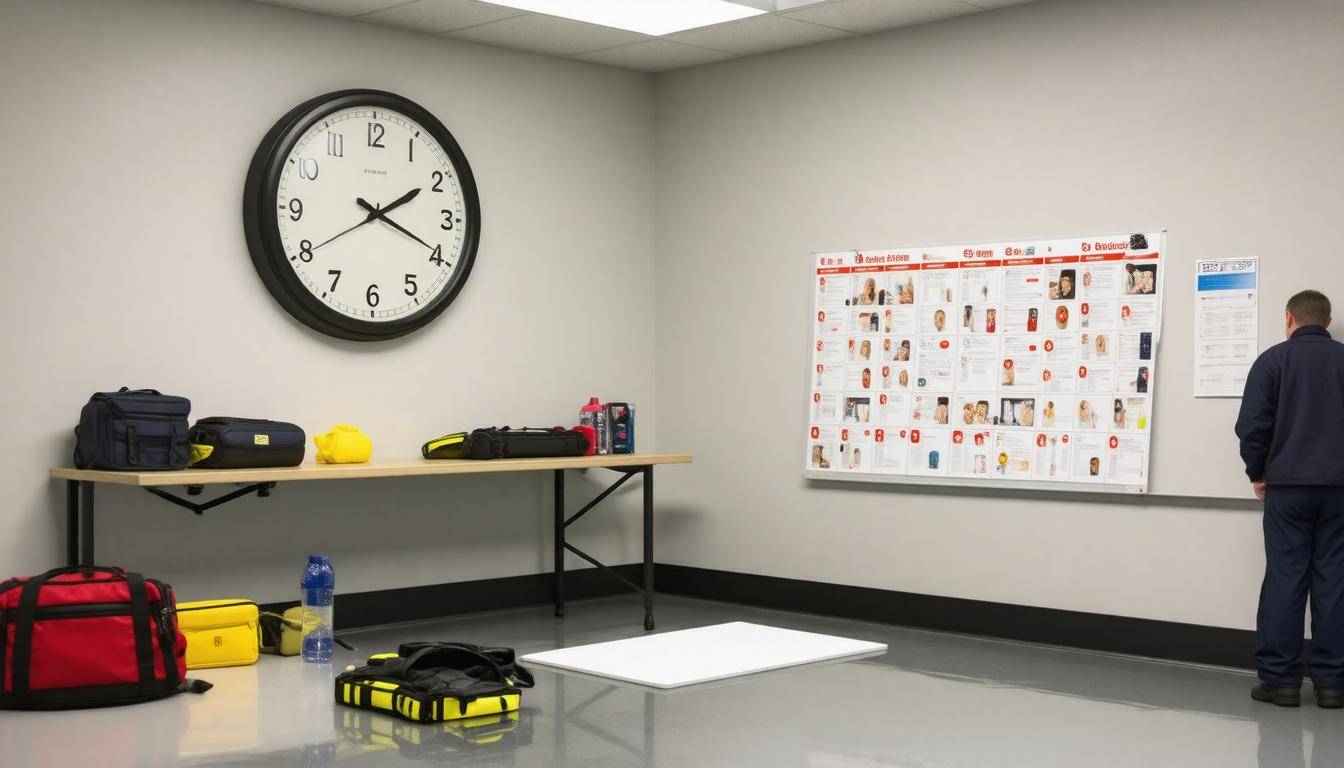
Engaging in emergency drills is more than just a checkbox on a preparedness list; it’s an essential practice for fostering familiarity with procedures that can significantly reduce stress during a crisis. By scheduling monthly family drills, you ensure every member of your household knows exactly what to do when the time comes.
Begin by clearly explaining the steps involved, breaking them down into manageable parts that all family members can follow. If you think about it, schools regularly conduct fire drills to familiarize children with emergency exit routes; applying this same concept at home instills a sense of security and preparedness.
Families who invest time rehearsing these procedures often demonstrate a remarkable ability to remain calm and collected when faced with an emergency situation. This familiarity acts like a safety blanket, easing anxieties that may naturally arise. By practicing together, family members can build rapport and support one another, which is particularly beneficial for individuals on the autism spectrum who may require more reassurance in tumultuous moments.
Incremental Steps for Successful Drills
To make these drills effective and less overwhelming:
-
Start Small: Focus on one specific emergency scenario at a time—like a fire evacuation or a severe weather warning.
-
Use Visual Aids: Incorporate visual schedules or social stories that outline each step of the drill clearly. This approach helps demystify the process and keeps everyone informed.
-
Practice Together: Dedicate at least 15-30 minutes for each drill, allowing time for thorough practice and discussions afterward about what went well or what could be improved.
Involve every family member in planning these drills—not only does it bolster engagement, but it also empowers individuals by giving them defined roles during emergencies. For instance, one person might be responsible for checking on pets while another gathers vital documents.
Documenting the outcomes of each drill is crucial; note any challenges encountered during practice to refine future exercises and enhance overall preparedness. Through consistent routine practice, your family transforms anxiety into knowledge and empowerment, creating an environment where everyone feels safer and more secure.
Exploring additional community resources can offer further support that complements your family’s emergency plan, ensuring comprehensive preparation in challenging times.
Community Resources and Support
Many communities have stepped up to ensure families dealing with Autism Spectrum Disorder (ASD) have access to much-needed support, particularly in emergencies. Local autism support groups often host meetings where families can share experiences and provide invaluable advice. Connecting with these groups not only makes the process less isolating but also creates a network of understanding individuals who can offer tailored strategies for crisis situations.
One excellent step is contacting local emergency management services. Inform them if you have a family member with autism. Establishing this communication well in advance allows emergency responders to be better prepared and aware of specific needs—such as understanding communication styles or sensory sensitivities. Customizing their approach can significantly impact how effectively they assist your loved one.
Local resources extend beyond personal connections; many formal organizations have been established specifically for autism support.
Available Resources
Organizations like the National Autism Association offer resources that are easy to access, including comprehensive guides and checklists suitable for emergency preparedness. Their materials help families understand the unique requirements arising from autism during crises. Additionally, the Autism Society can provide valuable information tailored for family planning services that consider special needs children. Staying informed about these resources ensures you are well-prepared when an emergency strikes.
Emphasizing preparation alleviates anxiety not just for caregivers, but for those on the spectrum too.
Don’t underestimate the value of creating a connection within your local community—these relationships can be lifelines in unexpected situations. Knowing whom to contact, what services are available, and having a plan fosters a safe environment, making you feel more equipped to handle adversity as it arises.
As we explore further, it’s essential to address another crucial aspect: finding effective ways to alleviate stress and anxiety that may accompany potential emergencies.
Anxiety Management Tips
Anxiety can escalate quickly during emergencies, but having a toolkit of calming strategies can make a world of difference. One highly recommended approach is the practice of deep breathing exercises. These straightforward techniques help regulate breathing patterns and promote relaxation.
To do this, simply inhale deeply through the nose, hold for a count of four, and exhale slowly through the mouth. Doing this regularly—ideally for a few minutes each day—can foster a sense of calm that’s especially beneficial in stressful moments.
Visual meditation is another effective technique. This might involve imagining a serene place or engaging with calming images, possibly through guided audio resources. Regular practice can imprint a sense of tranquility to be called upon during chaotic times.
Kristin, a behavioral therapist, offers valuable insight when she states, “Establishing a mantra or a ‘go-to’ phrase for reassurance can be remarkably effective.” Something as simple as “I am safe” or “This will pass” can provide much-needed comfort when anxiety levels rise.
Consider using weighted blankets as another tool worth trying. These blankets provide gentle pressure that can have a calming effect on the nervous system. The weight mimics an embrace, promoting feelings of security and comfort during high-stress situations. Many individuals report improved sleep and reduced anxiety when using weighted blankets regularly, making them a worthy investment.
Additionally, preparation plays a crucial role in alleviating anxiety. By familiarizing your child with emergency procedures and responses ahead of time, you create a sense of control over their environment.
For instance, practicing emergency drills at home ensures your child knows what to expect if something unforeseen happens—it shifts anxiety into familiarity. Pair this with communication tools such as visual aids or social stories to effectively convey information about emergencies.
The importance of establishing solid routines cannot be overstated. Predictable habits cultivate comfort amidst chaos. Routines reduce uncertainty, making individuals feel more grounded. Whether it’s meal times, bedtime rituals, or specific activity schedules during crises, consistency helps manage stress levels effectively.
Lastly, staying connected with support networks offers additional layers of reassurance and understanding. Families should engage local autism-focused organizations for resources and connections that provide guidance tailored to their unique experiences.
By focusing on these diverse strategies—deep breathing exercises, weighted blankets, visual meditations, structured preparations, and regular communication—you can build resilience against anxiety in challenging situations.
Incorporating these practices not only strengthens emotional coping skills but also empowers families to navigate emergencies with greater confidence and assurance.
Are there resources or organizations that provide guidance on emergency preparedness tailored to families with autistic members?
Yes, there are several resources and organizations dedicated to emergency preparedness for families with autistic members. The Autism Society provides valuable information on creating personalized emergency plans, while FEMA offers guidelines specifically tailored for individuals with disabilities. According to a study by the National Autism Association, about one in 44 children is diagnosed with autism, emphasizing the need for specialized resources for these families. These organizations often offer checklists and training resources to help ensure safety during emergencies.
What specific strategies can families use to prepare their loved ones with autism for emergencies?
Families can prepare their loved ones with autism for emergencies by creating structured routines, using visual aids like social stories and checklists, and conducting regular practice drills to familiarize them with emergency procedures. Studies show that individuals on the autism spectrum often respond better to visual and predictable environments; for instance, a 2018 survey indicated that 75% of caregivers reported improved responses during simulated emergencies after implementing these strategies. Additionally, ensuring clear communication and providing sensory-friendly tools can help alleviate anxiety during high-stress situations.
How can communication aids be incorporated into an emergency plan for individuals with autism?
Communication aids can be seamlessly integrated into an emergency plan for individuals with autism by including visual schedules, picture communication systems, and digital communication devices that cater to the individual’s preferences and abilities. These tools not only facilitate clear instructions during stressful situations but also help reduce anxiety by providing predictability. For instance, studies indicate that when visual supports are used, comprehension increases by up to 80% in individuals with autism, making them invaluable during emergencies where time is critical and effective communication can save lives.
How should families address sensory sensitivities when designing an emergency evacuation plan?
Families should incorporate sensory-friendly strategies into their emergency evacuation plans by identifying and minimizing potential sensory triggers, such as loud noises and bright lights. For instance, using noise-canceling headphones can help manage auditory sensitivities, while providing sunglasses or hats can mitigate visual discomfort during an evacuation. A survey by the Autism Society found that 80% of individuals on the spectrum report heightened sensitivity to sensory stimuli, highlighting the importance of accommodating these needs in stressful situations. By practicing the plan regularly in a calm environment, families can help reduce anxiety and improve overall readiness.
What role do routine and structure play in preparing a child with autism for unexpected situations?
Routine and structure are crucial in preparing a child with autism for unexpected situations as they provide a sense of predictability and safety. Children with autism often thrive in environments where they know what to expect, which can help mitigate anxiety during unforeseen events. Research shows that 70% of children with autism respond positively to structured routines, making them more adaptable to changes when they occur. By maintaining consistent schedules and clearly defined expectations, families can enhance their child’s coping skills, encouraging resilience in the face of surprises or emergencies.