
When it comes to workplace safety, having a well-stocked first aid kit is as crucial as having fire extinguishers or emergency exits. Imagine being in the middle of a project and someone gets hurt; your response can make all the difference. This isn’t just about compliance with OSHA regulations—it’s about ensuring that your coworkers get the help they need in those critical moments. In fact, studies show that easy access to proper first aid supplies can significantly speed up recovery times from injuries. So, let’s take a closer look at what you need to include in your first aid kit and how to keep it compliant and ready for action. Your team’s safety deserves the best preparation!
The OSHA-Compliant Guide for Workplace First Aid Kits includes essential items mandated by OSHA regulations, such as gauze pads, adhesive bandages, wound cleaning agents, and resuscitation equipment. Additionally, it emphasizes the importance of having specific contents based on workplace hazards and the necessity of providing additional kits for larger operations to ensure comprehensive preparedness in case of emergencies.
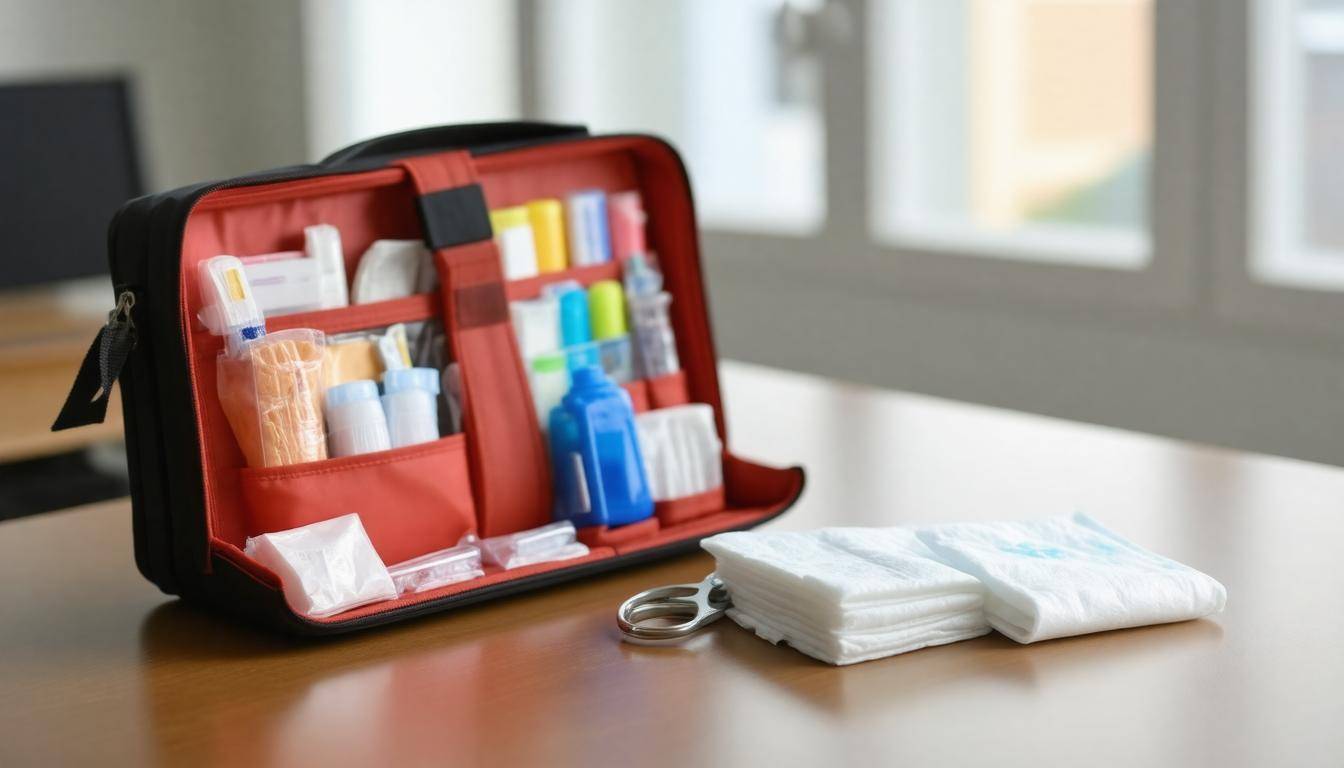
OSHA First Aid Kit Requirements
Understanding what your first aid kit needs is essential for creating a safe work environment. OSHA has laid out clear requirements that meet legal standards and optimize emergency response capabilities. One of the primary regulations is found in 29 CFR 1910.151(b), which emphasizes the need for first aid supplies to be readily accessible. This accessibility is critical; during an emergency, every second counts. If workers are unsure where to find supplies, precious time could be lost when someone needs immediate help.
Just imagine this—your coworker slips and falls, and as you run to grab the first aid kit, you realize it’s buried under a mountain of paperwork. Panic ensues, and you end up wasting valuable moments! To avoid this scenario, supplies should be stored in a designated area that’s clearly marked and easy to reach.
Key Requirements by OSHA
OSHA specifies several basic components your first aid kit must contain. These include at least four gauze pads measuring 4 x 4 inches and two larger pads of 8 x 10 inches to accommodate various wound sizes. It’s crucial to remember that injuries do not come in one size fits all; therefore, having a variety of sizes ensures your team can effectively manage a range of incidents.
Furthermore, adhesive bandages (you know them as Band-Aids) are essential for addressing minor cuts or abrasions quickly, while a roller bandage at least 2 inches wide is necessary to secure dressings or provide support for sprains. It’s these little details that make your first aid kit effective.
Studies show that workplaces with inadequate first-aid supplies experience recovery times for injured employees up to 30% longer than those with proper setups. The takeaway? Ensuring compliance with OSHA guidelines isn’t just about legal liability—it’s about taking good care of the people in your workplace.
Emergency Kits Specification
As we explore specific contents, OSHA recommends several items based on Appendix A to § 1910.266. Besides gauze and adhesive bandages, two triangular bandages must be included; these versatile tools can be used to create slings or secure splints effectively. When accidents happen, improvisation often becomes necessary, and having these materials at hand makes it easier to respond appropriately without panicking.
It’s equally important to have wound cleaning agents, such as sealed moistened towelettes or antiseptic wipes, ensuring hygiene during treatment. Maintaining a clean environment goes a long way in preventing infections after an injury.
As an insider tip: having essential tools like scissors and tweezers can greatly improve how efficiently you treat injuries. Scissors can help in cutting dressings or clothing away from a wound, while tweezers allow for effective removal of debris. Both are tools that I would never want to be without during an emergency.
Lastly, each kit should include latex gloves to prevent cross-contamination between caregiver and patient during treatment. And don’t forget the importance of having easy-to-follow instructions on how to request emergency assistance included in the kit!
With this understanding of essential components in mind, you’ll also benefit by becoming aware of relevant legal frameworks that guide workplace safety measures.
Legal Standards and Regulations
Compliance with various safety regulations is crucial for employers eager to create a safe working environment. In California, understanding the intricacies of the laws not only helps in meeting legal obligations but also showcases a commitment to employee welfare. One of the key players here is Cal/OSHA, the California Division of Occupational Safety and Health, which sets forth mandatory requirements for workplace safety and health programs.
Among these critical requirements is AB 1976, legislation mandating that certain workplaces stock Narcan (naloxone hydrochloride) in their first aid kits by December 1, 2027. This proactive step addresses the rising concern over opioid overdoses, allowing employees to respond quickly during emergencies. Having Narcan readily available could mean the difference between life and death in a workplace incident involving opioids. Employers must take heed of this requirement as part of their overall health strategy.
Another significant regulation is the implementation of a Workplace Violence Prevention Plan (WVPP) by July 1, 2024. Under this law, companies are tasked with identifying potential hazards and establishing protocols for reporting and addressing incidents of violence. A comprehensive plan not only protects employees but also fosters a positive work culture where everyone feels secure.
To further emphasize the importance of compliance, it’s vital to understand how melding these key regulations enhances workplace safety overall.
For instance, integrating Narcan into your first aid arsenal complements the efforts of a WVPP by providing an immediate response tool for managing critical situations. When combined with guidelines from organizations like ANSI (American National Standards Institute), you create a robust framework for health and safety that goes above the minimum standards set by OSHA.
ANSI Z308.1-2021 specifies enhanced requirements, including precise quantities of specific items such as antiseptics and dressings designed to protect against various injuries. By aligning your first aid kit not just with OSHA but also with ANSI recommendations, you demonstrate a proactive approach towards employee health—something that resonates positively within any organization.
Understanding these regulatory frameworks allows for smarter planning and implementation of safety measures that reflect modern workplace needs—signaling to employees that their well-being is paramount, thus building trust and improving morale overall.
As we explore further, it becomes essential to identify the specific components that make up an effective first aid kit tailored to meet these new regulations.
Essential First Aid Kit Items
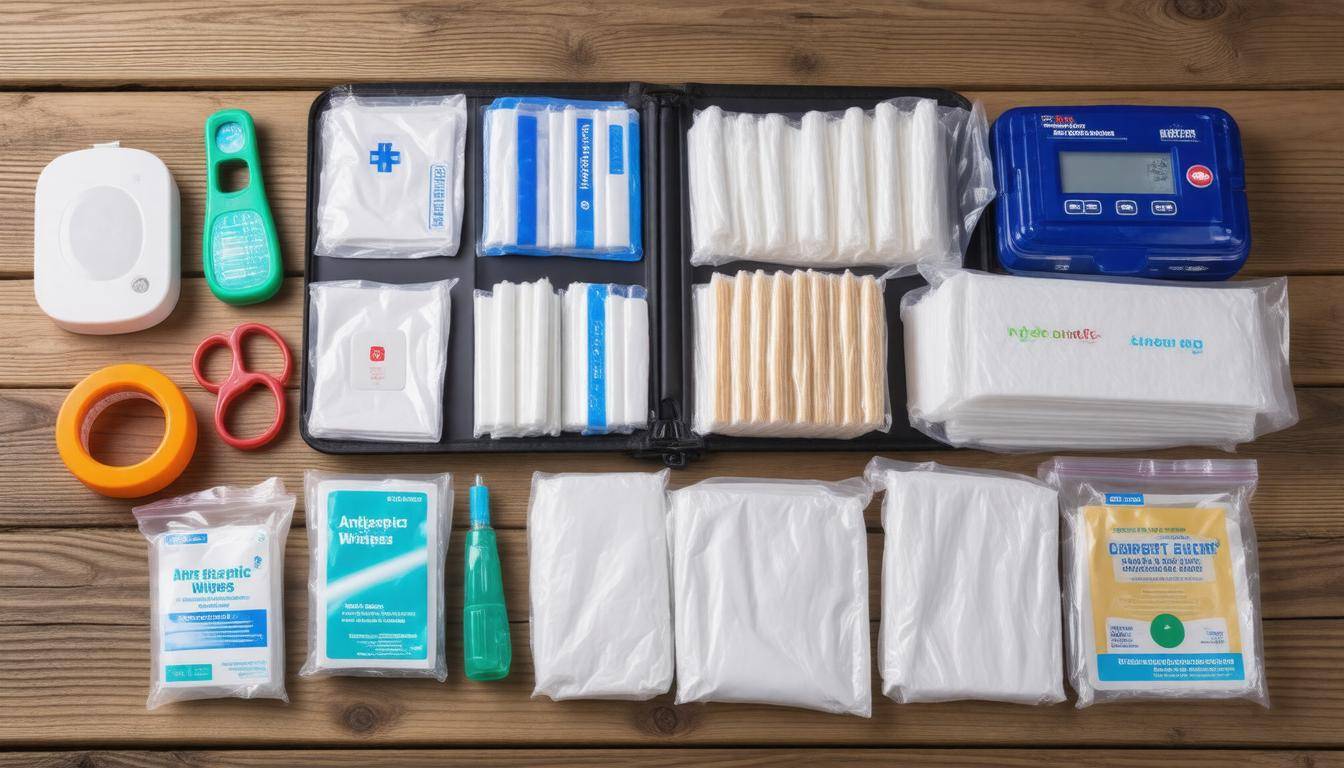
Every workplace first aid kit isn’t just a formality; it’s a lifeline during an emergency. Tailoring your kit to the specific risks at your site is essential for ensuring it effectively meets your needs when injuries occur. Imagine being able to reach in and find exactly what you require to address an injury quickly — that’s the goal!
However, there are some core components that every first aid kit should include, serving as your go-to essentials in any situation.
Core Components of a First Aid Kit
-
Gauze Pads (4×4 inches & 8×10 inches): Essential for dressing wounds. The smaller pads work well for minor cuts, while the larger ones are perfect for bigger injuries.
-
Adhesive Bandages: Commonly known as band-aids, fundamental for treating minor cuts and scrapes swiftly, offering protection until further treatment can be applied.
-
Antiseptic Cleaning Agents: Vital for preventing infections by cleaning wounds effectively before applying any dressings.
-
Scissors and Tweezers: Having the right tools is key. Scissors help cut tape or clothing away from an injury while tweezers assist in removing debris or splinters, ensuring proper care and attention to detail.
-
Triangular Bandages: Versatile and useful, these bandages can create slings or secure splints, excellent for stabilizing injuries while awaiting professional medical assistance.
-
Latex Gloves: Non-negotiable for maintaining hygiene while administering first aid, gloves protect both the injured person and the responder from potential contamination.
-
Elastic Wraps and Splints: Two elastic wraps are needed for compression wrap applications, helping manage swelling and support injured limbs. A splint comes in handy for immobilizing fractured or sprained limbs, providing necessary structure during transport.
-
Resuscitation Equipment: In emergencies where breathing is compromised, having pocket masks or resuscitation bags is critical for providing life-saving assistance.
While those items form the foundation of your first aid kit, consider additional components based on specific risks in your workspace to maximize preparedness. This may include things like tourniquets for severe bleeding or cold packs for immediate pain relief—enhancements that reflect thoughtful consideration of potential hazards present in your environment. Let’s examine the specifics of what each kit should contain next to ensure you’re fully equipped.
Detailed Content Checklist
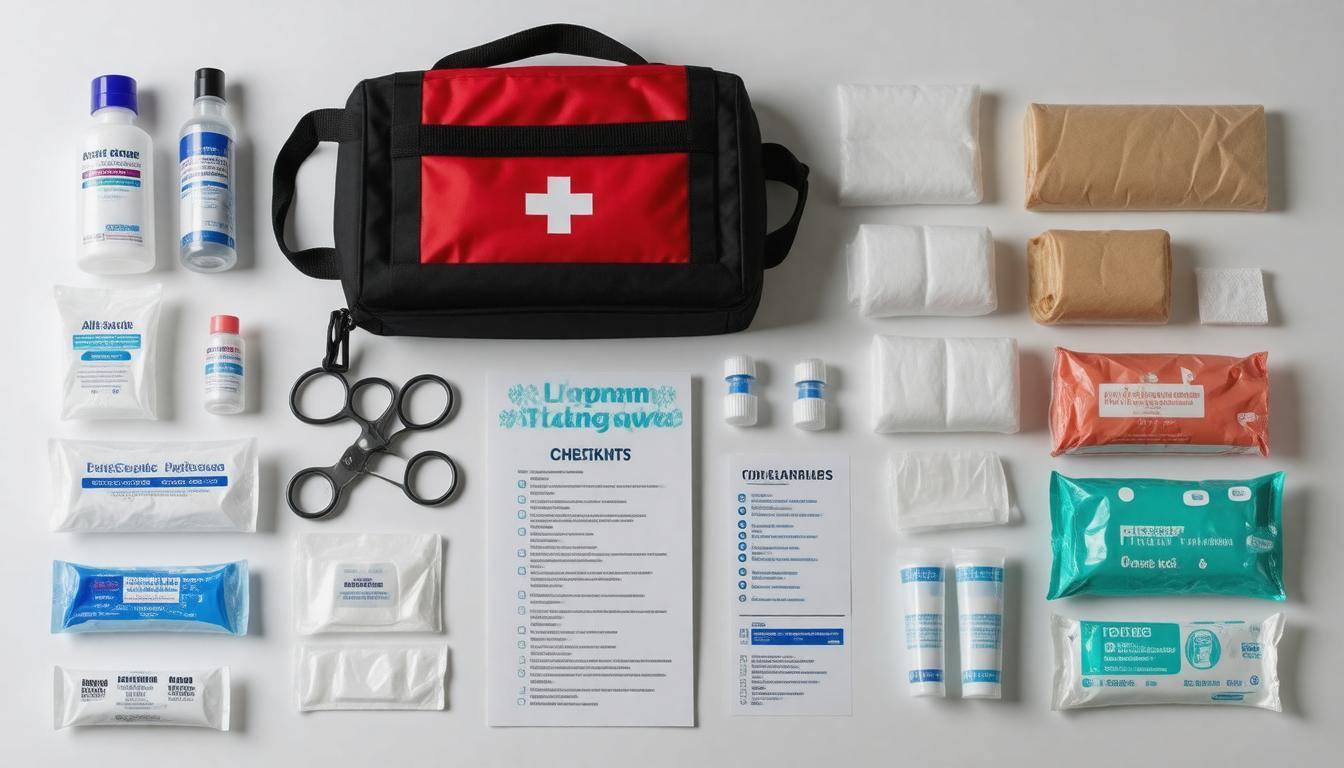
A comprehensive first aid kit not only means compliance with OSHA regulations but acts as reassurance that you’re fully equipped to handle emergencies. Think of it like a well-stocked pantry: when you know what staples are in store, you can prepare any meal with ease. This same principle applies to your first aid supplies—knowing what’s on hand allows quick response during critical moments.
OSHA-Recommended Checklist
| Item | Quantity Required | Comments |
|---|---|---|
| Adhesive Tape | 1 roll | For securing dressings and keeping everything in place. |
| Gauze Pads (4×4) | 4 pieces | Basic wound dressing, essential for cuts and abrasions. Make sure they are sterile! |
| Large Gauze Pads | 2 pieces | Ideal for treating larger wounds; it’s best to have these in case of an emergency. |
| Scissors | 1 pair | Handy for cutting bandages or clothing away from an injury, giving you easy access to the wounded area. |
| Tweezers | 1 pair | Essential for removing splinters or debris from wounds without causing further injury. |
| Antiseptic Towelettes | 10 pieces | Handy for cleaning wounds; always opt for sealed ones to ensure sterility before use. |
| Triangular Bandages | 2 pieces | Perfectly designed for creating slings or securing larger dressings; don’t overlook their versatility! |
| Latex Gloves | 2 pairs | Important for maintaining hygiene while providing first aid to prevent contamination. |
Beyond these basic items, it’s prudent to consider additional supplies tailored to specific risks present in your workplace environment.
For example, if your team often handles chemicals, including eye wash solutions and burn kits should be prioritized. Similarly, a work environment prone to heavy lifting might require more elastic wraps for sprains or strains. Always customize your first aid supplies based on the unique hazards of your workspace.
Keep an inventory log next to your kit, and make a habit of checking supplies monthly. This will not only help maintain compliance but also provide peace of mind knowing you’re ready should an emergency arise.
With a detailed content checklist in place, your first aid kit isn’t just a box filled with items; it’s transformed into a powerful resource ready for any situation that may arise.
As we explore the next steps in keeping your first aid kit effective, we’ll discuss how to consistently monitor its contents and ensure timely restocking.
Compliance Monitoring and Restocking
Implementing a system to monitor and restock first aid supplies is fundamental in ensuring that your workplace remains compliant with OSHA standards. Establishing a routine inspection schedule, ideally weekly, aligns perfectly with OSHA’s guidelines that emphasize the importance of accessible and complete kits.
Think about it: by making inspections a regular habit, you’re not just checking off a box; you’re actively safeguarding your colleagues’ well-being.
When you develop this schedule, consider integrating it into existing weekly safety meetings or checklists. Assign roles among employees so that everyone shares accountability—this approach fosters a culture where safety becomes everyone’s responsibility. When everyone understands their part, the overall efficiency of maintaining your first aid supplies improves significantly.
To enhance effectiveness further, proper inventory management stands at the core of a successful maintenance routine.
Inventory Management
Using digital tools or even simple spreadsheets can streamline how you track your first aid kit supplies. By documenting the contents, usage rates, and restocking timelines, you create a clear picture of what is available and what needs replenishing. This practice helps avoid last-minute scrambles during emergencies, which can lead to chaos when it counts most.
In my experience, labeling each item with its expiration date helps remind you when to restock and ensures that supplies remain effective when needed. For example, adhesive bandages won’t do much good if they’ve expired or dried out. An organized inventory system also allows you to spot trends in supply use; if you find that certain items are depleting more quickly than others, this signals possible hazards or risks that might require further attention within your workplace.
It’s also important to factor in additional considerations for larger operations or multiple work sites. According to OSHA guidelines, having an adequate number of first aid kits relative to employee count and workplace hazards is essential. For such situations, extra kits or specialized supplies should be made readily available.
By establishing a consistent monitoring and inventory system along with appropriate stocking strategies, you’re taking significant steps toward ensuring readiness for unexpected medical emergencies. Next, let’s look into how providing proper training for all employees can transform your workplace’s readiness even further.
Employee Training for First Aid
Exercise caution and resilience in emergency situations by prioritizing first aid training for your employees. It’s not enough to simply provide a first aid kit and hope for the best; with the right training, employees can gain the confidence and skills necessary to respond appropriately when every second counts. Imagine the impact of a well-trained employee who can act swiftly during an emergency; not only can they save lives, but they also enhance the overall safety culture in the workplace.
Training Protocols
In developing your first aid training program, consider enlisting certified professionals who are experienced in emergency response. They should focus on teaching staff essential skills such as CPR, recognizing the signs of choking, performing basic wound care, and effectively using the contents of your first aid kits. Engaging instructors will not only provide valuable knowledge but also demonstrate practical techniques that are easy to grasp. Typically, the American Red Cross offers First Aid/CPR/AED courses, which last around 6-8 hours and equip attendees with the skills they need to handle emergencies confidently.
“Having trained individuals on staff was invaluable during a critical incident,” one employee recalled. This real-world testament underscores just how vital training can be; prompt training empowered her to take immediate action that saved a coworker’s life during a cardiac event. It’s stories like this that affirm the importance of preparedness and underscore the pivotal role of effective employee training programs.
Furthermore, studies show that approximately 70% of workplace injuries can be addressed with proper first aid. Yet a staggering 60% of employees feel unprepared to respond without any formal training. Implementing structured training sessions can increase confidence and empower employees—a win-win situation for both individuals and the organization at large.
When contemplating your training program, consider offering regular refresher courses or updates as part of ongoing professional development. This approach ensures that skills remain sharp and knowledge about new protocols or techniques stays current. As we all know, consistent practice makes perfect; therefore, incorporating hands-on activities into your training sessions will reinforce learning and enable participants to feel more prepared.
A combination of first aid kits and employee training creates a safer work environment, effectively reducing risks and fostering swift responses in emergencies. By investing time in comprehensive training, you’re not just complying with OSHA standards; you’re actively contributing to a culture of care that values life and health within your workforce.
As we discuss how to further enhance safety measures, it’s essential to recognize the importance of adapting supplies based on specific workplace needs.
Customizing Kits for Specific Needs
Different workplaces operate under distinct sets of hazards, and it’s imperative that your first aid kit reflects these specific threats. If you work in a bustling kitchen, for example, your kit should prioritize burn treatments like gel dressings and sterile bandages designed for scalds. The nature of the work dictates the dangers; this means having an understanding of not only the common injuries but also the potential emergencies that can arise based on your environment.
Tailoring to Specific Environments
In manufacturing or construction sites, where heavy machinery operates daily, a focus on trauma supplies becomes essential. This includes:
- Heavy-duty gauze pads capable of managing significant blood loss.
- Tourniquets readily available for serious bleeding incidents.
- Extra splints to stabilize broken bones, especially in environments where physical impacts are possible.
In contrast, if your workplace is more office-oriented, you might want to include items such as antiseptic wipes, adhesive bandages in various sizes, and even eyewash stations. Having these at hand can mean the difference between a minor incident leading to serious consequences.
It’s also beneficial to consult your industry’s best practices when assembling your kit. Organizations like OSHA provide guidelines that can serve as a valuable foundation. However, don’t stop there; engage with your employees who deal with these work hazards firsthand. They often have insights into potential risks that may not be covered by generic guidelines.
Taking their input can significantly enhance the effectiveness of your first aid response; they know what happens on the floor every day and can help identify areas that need extra attention.
Regular evaluations of your kits ensure they remain relevant as processes and environments change, making customizing your first aid kit not just a good practice—it’s a necessity for maintaining safety and compliance. As we consider this ongoing process, let’s explore how to effectively oversee and sustain these vital resources in your workspace.
Managing and Maintaining Kits
Effective management and maintenance of your first aid kits can mean the difference between timely care and frustration in an emergency. It’s essential that your team is well-prepared by having kits that are consistently stocked, organized, and easily accessible. This starts with assigning responsibility for upkeep.
Designating safety officers ensures accountability for regularly inspecting the kits. However, it doesn’t end there: cross-training other staff members to handle maintenance provides reliable backup if the designated officer is unavailable. This way, you build a culture of preparedness.
Consider incorporating maintenance checks into your routine safety audits. Not only does this remind staff of the importance of the kits, but it also merges first aid management seamlessly with regular operations. This approach creates a system where checking on the kits becomes second nature, rather than an afterthought.
Think about it—how often do you pass by those kits without giving them a glance? By integrating checks into your routine, you’re systematically addressing any issues before they become problems.
Routine audits should include checking expiration dates on various supplies and replacing items as necessary. According to OSHA guidelines, first aid kits should be inspected at least once every month to ensure compliance and readiness.
When preparing for these inspections, consider creating a checklist that includes all the essential contents required by OSHA standards. This will help identify missing items promptly and minimize the risk of overlooking critical supplies during a busy day at work. Keeping track of what needs replenishment reinforces accountability and improves overall workplace safety.
Moreover, it’s worthwhile to develop an inventory tracking system for managing supplies. This could be a shared spreadsheet reflecting what’s available in each kit and noting when new orders are needed. Employees can check it before heading to the supply room or their designated storage area, ensuring they never find themselves lacking essential items when things go south.
By following these best practices and recommendations, you’ll maintain a first aid kit that is always prepared for emergencies – which can potentially save lives.
It’s crucial for every workplace to prioritize the management of their first aid kits; preparedness is not just beneficial but essential. Keeping these kits stocked and systematically maintained safeguards everyone in the workplace.
How often should we restock or inspect our workplace first aid kit?
You should inspect and restock your workplace first aid kit at least once every 3 months, or more frequently if it has been used. This ensures that all supplies are within their expiration dates and readily available for emergencies. According to OSHA guidelines, a well-stocked kit can significantly reduce response times during incidents, potentially saving lives and reducing injury severity. Regular checks also help maintain compliance with safety regulations, keeping your workplace safer for everyone.
Are there specific requirements for different types of workplaces (e.g., construction vs. office)?
Yes, there are specific requirements for different types of workplaces as outlined by OSHA. For instance, construction sites must have a more comprehensive first aid kit, including items like triangular bandages and eye wash stations, due to the higher risk of injuries. In contrast, an office environment might require only basic supplies such as adhesive bandages and antiseptic wipes. According to OSHA, nearly 10% of construction workers experience a workplace injury annually compared to lower rates in office settings, highlighting the need for tailored first aid provisions based on occupational hazards.
What training do employees need to effectively use a workplace first aid kit?
Employees should receive training in basic first aid and CPR, as well as familiarization with the contents of the workplace first aid kit. According to the Occupational Safety and Health Administration (OSHA), effective training can lead to a 60% increase in employee confidence during emergencies. Training ensures employees recognize when to use specific items in the kit, know how to respond appropriately to injuries, and are prepared to act swiftly, potentially reducing the severity of injuries and enhancing overall workplace safety.
How can we create a customized first aid plan that aligns with OSHA guidelines for our specific industry?
To create a customized first aid plan that complies with OSHA guidelines specific to your industry, begin by conducting a thorough risk assessment to identify potential hazards unique to your workplace. Tailor the contents of your first aid kit and training programs to address these hazards while ensuring compliance with OSHA’s minimum standards, such as maintaining basic supplies for common injuries (e.g., cuts, burns, and allergic reactions). Regularly review and update the plan according to changes in the work environment or regulations. Statistics show that effective workplace first aid can reduce injury severity by up to 50%, making it crucial for employee safety and well-being.
What items are required in an OSHA-compliant workplace first aid kit?
An OSHA-compliant workplace first aid kit must include essential items such as adhesive bandages, sterile gauze pads, antiseptic wipes, adhesive tape, scissors, tweezers, and a CPR face shield. According to OSHA regulations, the exact contents depend on the number of employees and the nature of the hazards present, but having these fundamental supplies is crucial for addressing common injuries. Research shows that timely access to first aid can reduce recovery time by up to 50%, underscoring their importance in any workplace setting.