
When disaster strikes, the safety of our furry friends often becomes a top concern. Whether it’s a hurricane, wildfire, or earthquake, these events can create chaos that puts pets in vulnerable situations. As pet owners, it’s our duty to ensure that our beloved animals are not only safe but also comfortable during such turbulent times. This guide walks you through essential steps for preparing your pets before a disaster occurs, managing them during emergencies, and helping them recover afterward. With the right preparation and knowledge, you can make a significant difference in their lives when the unexpected happens. Let’s dive into how we can safeguard our pets and give them the best chance at staying calm and secure in any situation.
The Complete Guide on Pet Care After Disaster Events covers essential preparedness steps, including how to create an emergency plan for pets, assemble a pet emergency kit containing food, water, and medications, and monitor pets for signs of stress or injury post-disaster. Additionally, it emphasizes the importance of having pet insurance to afford veterinary care during emergencies and strategies for emotional recovery for both pets and their owners.

Preparing Your Pets for Disaster
Before anything else, it’s crucial to ensure that your pets are current on their vaccinations. Imagine the chaos during a disaster—your pet might come into contact with unfamiliar animals. A simple vaccination can be the barrier between health and illness during such tumultuous times. Regular check-ups at the vet and prompt vaccinations safeguard your beloved companions and provide peace of mind. Many diseases are easily communicable in high-stress situations, making a seemingly safe environment unsafe for your pets.
Additionally, microchipping should be a priority on your preparation checklist. The numbers speak volumes: according to the American Veterinary Medical Association (AVMA), microchipped pets are reunited with their owners 90% of the time if they get lost. In contrast, only 22% of non-microchipped pets find their way home. Microchips provide permanent identification that can’t be lost or removed like tags can—it’s a simple yet powerful tool in safeguarding your pet’s future.
Beyond basic health precautions, incorporating practice into your emergency plan is equally vital.
Practicing evacuation drills with your pets teaches them what to expect in an emergency. By including your furry friends in family drills—where you simulate leaving your home quickly—you’re helping them acclimate to the routine. Research indicates that pets familiarized with evacuation procedures are 70% more likely to remain calm when it matters most. Remember, it’s not just about you knowing where to go; your pets need to feel secure and guided through chaos.
It’s essential to train your pets to enter carriers willingly, as familiarity reduces anxiety for both of you during stressful moments.
Moreover, consider engaging in calming activities post-drill that help reinforce positive experiences associated with these preparations. Short walks or cozy cuddle sessions not only reward them but provide emotional comfort as well.
Lastly, here’s a recap of vital checkpoints:
- Ensure vaccinations are up-to-date.
- Microchip your pets for better tracking and recovery.
- Conduct routine evacuation drills with them included.
- Engage in calming post-exercise routines to ease anxiety and instill confidence.
With adequate planning and preparation, you will be better equipped to protect and comfort your furry companions when disaster strikes. This ensures they are as ready as possible to navigate through any turmoil together.
As you gear up for strategic preparations, the next focus shifts toward crafting a comprehensive action plan tailored specifically for your pet’s safety and well-being.
Creating an Emergency Pet Care Plan
An emergency care plan can make a huge difference in managing chaos during an unexpected event. It’s essential to think proactively about how to keep your pets safe, especially when disasters strike without warning. Having a well-structured plan ensures that every detail has been considered, reducing stress and confusion when time is of the essence.
Components of a Comprehensive Plan
The first step in your emergency pet care plan should be creating a buddy system with a trusted neighbor or nearby family member. This means having someone who can step in and provide care for your pets if you are not home when disaster strikes. Make sure this person is familiar with your pets, their routines, and how to handle them safely. Go over basic care instructions, feeding schedules, and any special needs your pets might have—such details are paramount.
Next, you should identify shelter options well in advance. Find out which hotels, shelters, or boarding facilities welcome pets so you won’t be scrambling for options when disaster hits. A useful resource is websites like BringFido, which list accommodations that accept pets. However, remember to call those places ahead of time to confirm their policies because they can change due to unforeseen circumstances.
Another crucial element is maintaining up-to-date contact information for all relevant individuals and services. Keep reliable contacts for your veterinarian, local animal control, and nearby animal shelters at the ready. A small directory on your phone or even printed and stuck on your fridge can go a long way when you’re busy managing an emergency.
Prepare a list of pet-friendly emergency contacts as part of this plan. This includes friends or family who can help with your pets or assist you during stressful situations. Ensure that each contact knows their responsibilities before an emergency arises; clear communication reduces confusion during times of panic.
Life can turn chaotic quickly when the unexpected happens, but being prepared with a comprehensive pet care plan provides not only peace of mind but also a clear framework for action when it matters most.
Taking these proactive measures now ensures that both you and your pets are equipped to handle whatever comes next. As we move forward, let’s examine the essential supplies you’ll need for your pet care preparations.
Preparing a Pet Care Kit

A well-thought-out pet care kit can truly be a lifesaver when disaster strikes. Just like we prepare our own emergency kits with food and essentials, pets deserve the same careful consideration. By organizing these supplies in advance, you can better ensure your furry companions remain safe and comfortable during tumultuous times. Imagine a situation where you need to evacuate quickly – having everything ready to go means less stress for both you and your pets.
-
Food and Water: It’s vital to have enough pet food and fresh water stored for at least seven days. Aim for one gallon of water per pet per day. Store these supplies in waterproof containers and remember to refresh them regularly to keep everything safe and usable.
-
Medications and Medical Records: For pets requiring medication, include at least a two-week supply along with copies of their medical records, particularly vaccination records. This will be invaluable if you need to seek veterinary care during an emergency.
-
Identification Items: Ensure that every pet has proper identification tags that are updated with current contact information. In addition, keep microchip details easily accessible along with recent photographs of your pets. These items can significantly aid in reuniting lost pets after a disaster.
-
Sanitation Supplies: Maintaining hygiene is crucial for your pet’s well-being, even in emergencies. Pack waste bags for dogs or other sanitation items accompanied by cat litter, if necessary, alongside a portable litter box to help keep things orderly.
-
Comfort and Calming Items: Pets can experience anxiety during chaotic situations, so include familiar toys, blankets, or calming aids that provide comfort. When pets feel secure physically, they’re also likely to manage stress better emotionally.
-
First Aid Supplies: Lastly, make sure your kit has basic first aid supplies such as bandages, antiseptic wipes, and flea/tick prevention products. Regularly check expiration dates to ensure all items remain effective when needed most.
By preparing this kit thoughtfully and comprehensively, you’re not just accumulating items; you’re creating a lifeline that prioritizes your pet’s health and safety during uncertain times.
The act of preparing your pet care kit is not just about the supplies themselves but rather about the peace of mind knowing you’ve prepared for the unexpected. Every moment you spend organizing and planning now will prove invaluable later when faced with potential catastrophe.
As we consider how best to protect our pets in challenging situations, it’s important to focus on strategies that will keep them safe during the critical moments of a disaster.
Keeping Your Pets Safe During a Disaster
During a disaster, ensuring your pets’ safety is paramount, and having a plan in place can make all the difference. First, staying informed is key. Use reliable sources like NOAA weather radios or trusted weather apps for real-time updates. It’s essential to avoid misinformation that can lead to panic or inaction; therefore, always cross-verify facts from multiple sources. Remember, the clearer you understand the situation, the better prepared you can be.
Next comes action—how you handle your pets during an emergency can significantly impact their safety. The importance of keeping pets indoors during disasters cannot be overstated. Not only does this minimize their exposure to hazards like flying debris or floods, but it also ensures they don’t wander off or get separated from you in the chaos. If conditions allow, confine them to a safe room in your home where they feel secure.
Furthermore, utilizing collars and leashes is vital when moving your pets. This practice allows you to maintain control and helps prevent them from running away in fear or confusion. However, ensure that collars fit snugly yet comfortably—an ill-fitting collar can easily slip off, particularly if your pet panics. It can be helpful to have harnesses as alternatives for dogs that tend to pull or when additional control is necessary.
Besides immediate actions, think about long-term safety measures that should be part of your pet care strategy during disasters. Consider microchipping your pets as this immensely improves the chances of being reunited should you become separated. Microchipped pets are reported to be twice as likely to be found compared to those without identification.
After a disaster, observing your pet’s behavior is crucial. Pets can experience anxiety and stress just like humans do. Common signs of distress include hiding, excessive barking, or changes in appetite. Offering comfort through calming activities like gentle play, walks, or cuddling can help ease their tension and reassure them that they are safe.
Lastly, remember that planning for emergencies involves not just physical preparations but emotional ones too. Incorporating local rescue organizations into your safety plan can provide essential support when displacement occurs. These shelters may offer temporary housing and care for your furry friends during tough times.
It’s important for pet owners to have a comprehensive understanding of both the physical and emotional needs of their pets during crises, laying the groundwork for a successful recovery process after challenging events.
Returning Home with Your Pet After a Disaster
The first step in this delicate process is to perform safety checks around the house before allowing your pets to roam freely. Start by inspecting every room for potential hazards. Broken glass, chemicals from cleaning supplies, or anything that could be harmful should be put away or cleaned up.
Furthermore, it’s crucial to pay attention to structural damage; if you notice things like exposed nails or loose floorboards, take precautions to ensure that they are safe or blocked off. Ensuring that your place is secure creates a calming environment and mitigates unnecessary stress for both you and your pets.
Once you’ve cleared the potential dangers, the next important step is to restore their routine slowly.
Pets thrive on consistency; this is especially true after experiencing upheaval. When you bring them home, try reintroducing their usual schedule gradually rather than diving right back into a hectic lifestyle. For example, if your pet usually eats at certain times or enjoys evening play sessions, keep these habits intact but allow time between activities. Providing predictability helps them regain a sense of normalcy amidst the chaos they’ve just endured.
After you’ve reestablished a routine, it’s essential to closely monitor them for changes in behavior as they readjust.
Watch out for signs of stress such as excessive barking, hiding, or any changes in appetite. These signals may indicate that they are still processing the previous trauma and require more time to feel comfortable in their home environment.
Creating a designated quiet space can be incredibly beneficial: outfitting an area with their favorite blankets or toys will give them a sanctuary where they can retreat when needed. A safe haven allows your pet to have control over their environment while assuring them they aren’t alone in experiencing the aftermath together.
By taking these steps—thorough safety checks, methodical restoration of routines, and vigilant monitoring—you can support your pet through this transitional phase.
The next part of this journey involves understanding how pets express their feelings, especially regarding anxiety and stress during recovery.
Signs of Anxiety and Stress in Pets
Understanding the signs of stress in pets is not just helpful; it can be lifesaving. When our furry companions experience stress or anxiety following a disaster, their behaviors often shift dramatically. It’s crucial to remain attentive to these changes, as they can signify that your pet needs support.
Common Signs
-
One of the most prevalent indicators of distress is hiding or withdrawal from family interactions. If your normally social dog chooses to retreat to a quiet corner or your affectionate cat avoids approaching you for cuddles, it’s a sign they may be feeling overwhelmed. They’re seeking solace in isolation, which contrasts sharply with their regular behavior.
-
Another clear signal of anxiety is excessive barking or whining without an apparent reason. This vocalization often serves as a plea for help or attention when a pet feels unsettled. If your usually calm pup suddenly starts barking incessantly or whining when left alone, it could suggest they’re struggling with fear or anxiety.
-
Changes in eating habits are also common during stressful situations. You might notice your pet either refuses food altogether or gobbles it down at a frantic pace. Additionally, some pets may also show signs of gastrointestinal distress, such as unusual vomiting or diarrhea, which can further complicate their recovery.
-
Watch for aggressive or destructive behaviors, which can emerge unexpectedly when your pet feels scared. A previously gentle dog may start chewing on furniture or digging excessively if they feel anxious about their environment. Similarly, a cat that normally uses a scratching post might resort to scratching doors or furniture out of frustration.
-
Finally, pay attention to abnormal grooming habits; pets may start licking or chewing themselves excessively. This compulsive behavior often stems from anxiety, serving as a coping mechanism for their stress.
Recognizing these signs early on provides an opportunity for you to intervene positively and effectively soothe your furry friends. Being proactive in creating a comforting environment will smooth the path toward recovery and play an essential role in managing their overall emotional well-being.
Managing Pet Stress Post-Disaster
Effective stress management can significantly aid in your pet’s recovery, allowing them to regain a sense of security after experiencing trauma. One of the first steps you can take is to create a soothing environment for your furry friend. This calming space should feature familiar items like their favorite toys, blankets, and beds, which can provide comfort during unsettling times. Additionally, consider installing pheromone diffusers designed specifically for pets. These devices release synthetic pheromones that emulate calming scents; however, it’s crucial to consult with your veterinarian before using these products to ensure they are suitable for your specific pet.
Another technique to foster a sense of security involves maintaining a consistent routine. During times of upheaval, pets thrive on predictability. Feed them at regular times, take them out for walks, and schedule playtime just as you would under normal conditions. These small yet significant actions can help reassure your pet that despite the chaos around them, some things remain unchanged.
As you establish a routine, it’s beneficial to engage in various calming activities.
Gentle interactions are key here. You might consider softly petting your animal while speaking in low, soothing tones or taking slow walks around familiar surroundings; this not only provides exercise but also gives your animal a chance to absorb safe scents from their environment. Observing their reactions closely is vital: watch for signs that indicate whether they are enjoying or tolerating these activities. Every pet responds differently—some might appreciate the gentleness of slow movements, while others may prefer solitude.
It’s important to recognize signs of distress in your pets; common indicators include hiding or excessive barking. By tuning in to these signals, you can adjust your tactics accordingly and introduce additional techniques such as calming music or specialized anxiety wraps designed to provide gentle pressure—similar to how swaddling comforts infants.
After all, 70% of pets exhibit signs of stress after a disaster, which means many animals will need extra support from us amid their fears.
Furthermore, maintaining an overall routine is essential for reducing anxiety post-disaster; 75% of pet owners observe that sticking to familiar schedules minimizes their pets’ stress levels significantly.
Remember, recovery isn’t just about addressing physical needs; it’s equally vital to nurture emotional well-being through patience and love as both pet and owner navigate this challenging time together.
To better prepare for future emergencies and ensure your furry companions are safeguarded, let’s explore vital tools and resources that can enhance disaster readiness.
Essential Resources for Pet Disaster Preparedness
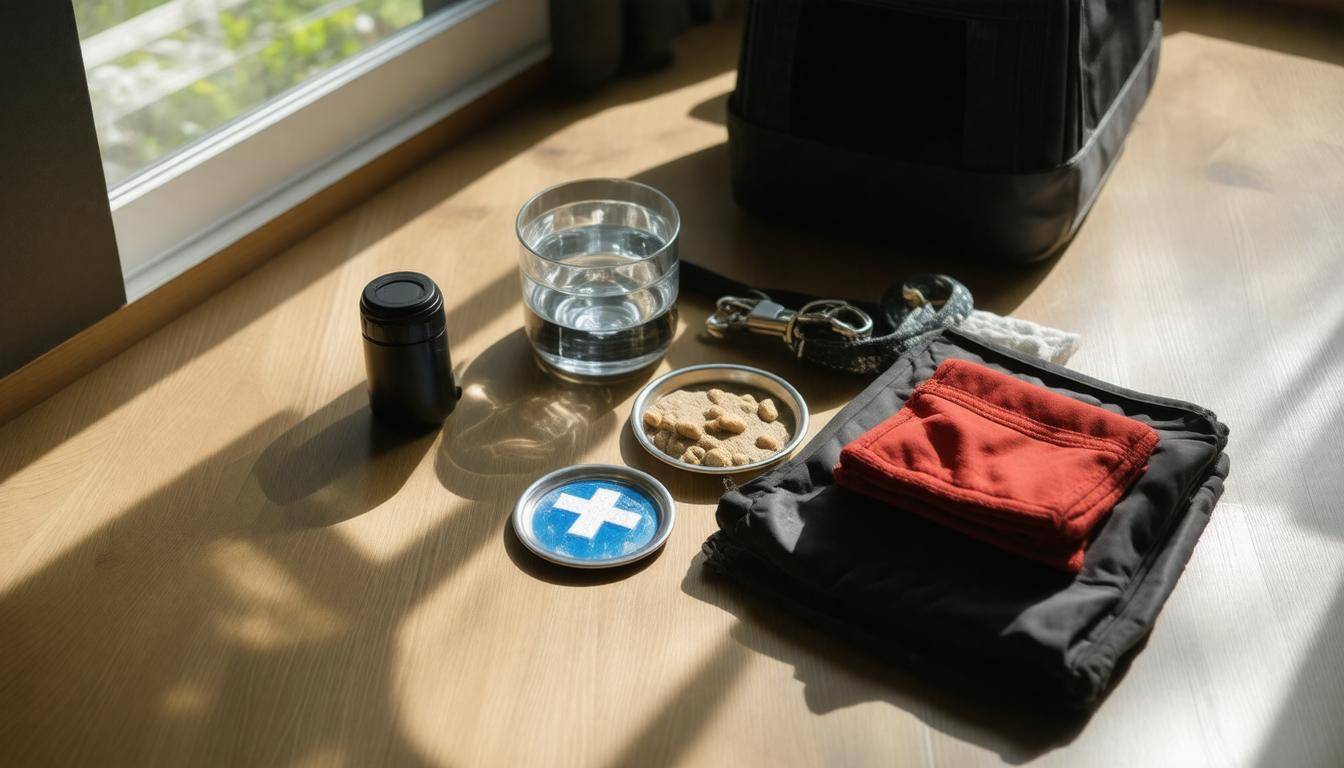
Utilizing the right resources leads to greater preparedness for our furry friends, creating a safety net that ensures their well-being during crises. For instance, the American Veterinary Medical Association (AVMA) provides comprehensive guidelines tailored specifically to pet disaster preparedness and recovery. Their materials include insightful checklists to help you determine essential supplies and create an effective emergency plan. Having these resources readily available means you won’t be scrambling for information at crunch time, but rather taking calculated actions to support your pets.
-
ASPCA (American Society for the Prevention of Cruelty to Animals): The ASPCA plays a crucial role by supplying free pet safety packs designed for emergencies. These packs contain essentials like leashes and ID tags, alongside tips on what actions to take during different disaster scenarios. Utilizing these free resources better equips you and your pets for unexpected situations.
-
RedRover: Not only does RedRover offer vital grants for pet owners affected by disasters, providing financial relief in difficult times, but they also maintain a wealth of educational resources. Their platform emphasizes the importance of having a disaster plan that includes your pets as family members. Engaging with this organization can help you develop a strategy that covers all bases.
-
Humane Society: With straightforward tips and guides on disaster planning specifically for pets, the Humane Society acts as a beacon of information when you’re building your preparedness toolkit. Their advice ranges from creating an emergency kit containing pet food and medications to establishing a communication plan should you get separated from your pets during a crisis.
Each of these organizations minimizes confusion in high-stress events by equipping pet owners with the knowledge and tools necessary for effective disaster management.
Involving yourself with these organizations is not just about preventing panic; it’s about fostering resilience against adversity. By leveraging these resources fully, you’re preparing both yourself and your beloved pets for whatever challenges lie ahead. You’ll find peace of mind knowing you’ve taken the necessary steps to keep them safe and secure in times of need.
Your commitment to being informed and prepared will not only enhance your pets’ safety in emergencies but will also solidify your relationship with them during challenging times.
How can pet owners guarantee access to veterinary services during and after a disaster?
Pet owners can guarantee access to veterinary services during and after a disaster by establishing a comprehensive emergency plan that includes identifying nearby veterinary clinics, securing contact information, and fostering relationships with local veterinarians beforehand. Additionally, keeping an updated pet medical record and ensuring that pets are microchipped increases the chances of reunification and care access. Statistics show that during disasters, approximately 40% of pet owners do not have a disaster plan in place, which highlights the importance of preparedness in ensuring the safety and health of pets during crises.
How should pet behavior be monitored and managed when returning home after a disaster?
When returning home after a disaster, it’s essential to closely monitor pet behavior as animals may experience anxiety and stress due to changes in their environment. Observe signs of stress such as excessive barking, hiding, or destructive behavior, which can be indicators that they need more support. Implement gradual exposure to the home environment while providing a safe space equipped with familiar items like toys or blankets. According to research, up to 80% of pets show signs of anxiety after disasters, meaning effective management strategies like behavioral training and positive reinforcement can help ease their transition and recovery.
What steps should pet owners take to prepare their pets for potential disasters?
To prepare pets for potential disasters, owners should first create an emergency plan that includes pet-friendly evacuation routes and supplies, such as food, water, medication, and a first-aid kit. It’s also vital to ensure pets are microchipped and have identification tags updated with current contact information. According to the American Society for the Prevention of Cruelty to Animals (ASPCA), approximately 1 in 3 pets will get lost at some point in their lives; having proper identification can significantly increase the chances of a safe reunion after a disaster.
What resources are available for pet owners who face challenges caring for their animals post-disaster?
Pet owners facing challenges in caring for their animals post-disaster can access various resources, including local emergency management agencies, veterinary assistance programs, and organizations like the ASPCA and the Red Cross, which provide information on shelters that accept pets. According to a survey by the American Pet Products Association, about 67% of U.S. households own pets, highlighting the need for comprehensive support systems after disasters. Additionally, community pet care groups often organize aid initiatives and foster networks to help displaced pets find temporary homes, ensuring that no animal is left behind during recovery efforts.
What specific first aid measures can be taken for pets injured during a disaster event?
In the event of a disaster, immediate first aid measures for injured pets include assessing the severity of injuries, controlling bleeding by applying pressure with a clean cloth, and immobilizing any broken bones with a makeshift splint. It’s also crucial to keep the pet calm and warm until professional veterinary help can be obtained. According to a 2022 survey by the American Pet Products Association, over 70% of pet owners expressed concern about their pets’ safety during disasters, highlighting the importance of preparedness and having a pet first aid kit readily available, which can significantly improve recovery outcomes.