
When a disaster strikes, the sense of helplessness can be overwhelming. Many people wonder how they can contribute to recovery efforts or support their community. That’s where community resource sharing comes into play—a simple yet powerful way to unite neighbors and organizations during tough times. By pooling resources and collaborating, communities can not only provide immediate assistance but also foster long-lasting resilience. In this guide, we’ll explore how to effectively set up a resource-sharing network, ensuring everyone knows their role and can respond quickly when it matters most. Let’s redefine what it means to come together in times of need!
The Community Recovery Resource Sharing: Setup Guide provides step-by-step instructions for establishing collaborative resource-sharing initiatives within communities, focusing on effective coordination among local organizations and governments. It includes key aspects such as assessing community needs, forming stakeholder groups, and implementing communication strategies to ensure resources are effectively utilized for recovery efforts.

Planning Your Community Resource Sharing Network
The importance of assessing community needs cannot be overstated. Focusing first on what your community requires in times of crisis lays a solid groundwork for any resource-sharing initiative. When natural disasters strike or economic downturns occur, understanding the specific resources that will make the biggest difference is vital.
This means conducting thorough assessments through surveys, interviews, and examining past incidents to determine which goods or services are often in demand. For instance, have there been consistent shortages of food supplies or medical assistance during previous emergencies? Collecting this kind of information not only helps prioritize what needs to be available but also provides insight into potential gaps in existing resources.
Once you have identified the needs of your community, the next step is to draft a framework.
Step I – Assess Community Needs
A structured framework serves as a blueprint for how your community resource sharing network will operate. In this document, it’s essential to detail who will manage the network and establish clear protocols for sharing resources among community members. Ensure that this framework is adaptable yet provides enough guidelines to direct actions during a crisis.
Consider laying out definitions of various roles—who oversees operations, who handles communications, and who keeps track of resources—and specify the types of resources involved. Additionally, think about outlining operational procedures to follow when sharing occurs, along with contingency plans for unexpected challenges.
By explicitly defining these elements within your framework, you’re equipping your community with an essential tool for effective cooperation.
As exciting as it may be to launch into action following your planning stages, financial considerations must be addressed early on.
Step II – Draft a Framework
Budgeting and funding are crucial components that will influence the sustainability of your resource-sharing network. Begin by estimating the appropriate budget necessary for acquiring the needed resources, as well as their storage and maintenance. Thorough financial planning will prevent unexpected expenses from arising later on.
Investigate various funding sources; these can include grants available from government agencies like FEMA or local nonprofits focused on recovery efforts. Equally important are fundraising initiatives that involve community members directly participating in events aimed at raising funds. Effective budgeting not only lightens financial burdens but fosters greater trust within the community as they see responsible management of shared resources.
Anticipating financial aspects ensures that your initiative starts on solid ground while minimizing future risks.
Step III – Budgeting and Funding
Having a well-planned community resource-sharing network can significantly enhance resilience and recovery efforts when faced with adversity. By focusing on assessing needs, structuring a robust operational framework, and establishing sound budgeting practices, your community will be much better equipped to respond effectively in times of crisis.
This proactive approach encourages collaboration and ultimately leads to a more united front when tackling challenges head-on.
With those foundational steps established, we can now shift our attention to pinpointing which specific resources are essential for effective recovery.
Identifying Essential Resources
When it comes to providing aid during a disaster, it’s critical to cover all bases, especially with the right resources. Think of it like preparing for a big family gathering—you wouldn’t want to run out of food or drinks, and you certainly wouldn’t want to forget the first-aid kit for minor accidents. Similarly, in disaster recovery planning, you must ensure that basic necessities are prioritized while also considering items that facilitate communication and transportation.
1. Basic Necessities
- Non-perishable food items: Canned goods, dried fruits, and packaged meals are essential, as they can sustain families over time without spoiling.
- Bottled water or water purification tablets: Clean drinking water is often scarce after a disaster, making it vital to have safe options at hand.
- First aid kits and essential medications: A well-stocked first aid kit helps treat immediate injuries and provides peace of mind.
- Blankets, clothing, and hygiene products: These items greatly affect well-being; comfort becomes paramount when everything else feels chaotic.
As you gather these fundamental supplies, consider establishing a community resource center where locals can contribute what they have—this fosters a sense of unity and shared responsibility. Effective coordination here ensures that no one individual bears the burden alone.
Beyond these basic provisions, specialized equipment may be necessary depending on specific local emergency scenarios.
2. Specialized Equipment
- Portable generators for power outages: In many disasters, electricity is unreliable. Portable generators can keep essential services running during extended outages.
- Satellite phones for communication in remote areas: Standard cell networks might fail during crises, so alternative communication methods are crucial.
- Heavy machinery for debris removal: Clearing roads quickly facilitates rescue efforts and reduces hazards from fallen trees or damaged buildings.
- Fuel reserves for transportation: Securing fuel is incredibly important when fuel supply lines are disrupted after an event.
Think of this specialized equipment as a toolset that enables your community to respond effectively—it’s about being ready for impacts your area faces frequently. Each piece contributes to getting things back up and running smoothly again.
By clearly identifying these essential components ahead of time, you’ll build the foundation needed for a strong communal response to future challenges and develop clear strategies for improving collaboration and role distribution among members.
Organizing the Community and Assigning Roles
Effective organization forms the backbone of successful community resource sharing. It’s essential for everyone involved to clearly understand their roles and responsibilities. This clarity not only helps in efficiently mobilizing resources but also fosters a spirit of collaboration among community members. One key strategy is to establish committees focused on different functional areas within your recovery efforts.
Step I – Forming Committees
Creating specialized committees allows you to break down the larger recovery task into manageable tasks. For instance, committees might be formed around logistics, communications, and financial management. Engaging members with specific skills or interests related to each committee area can leverage expertise effectively. Imagine having a logistics team that includes individuals with backgrounds in supply chain management; they will bring valuable insights into organizing resource distribution effectively.
Each committee must have clear objectives drawn from community priorities.
Step II – Assigning Leaders
Once the committees are in place, appointing leaders becomes critical; these individuals should act as coordinators who oversee operations and serve as primary points of contact. Choosing capable leaders—those who can think critically and swiftly make decisions—ensures that challenges are addressed promptly. Furthermore, having designated leaders promotes accountability and enhances communication flow between different committees.
Consider this: if an unexpected disaster strikes, a strong leader can help maintain order by quickly relaying information to both their committee members and other teams involved. This kind of proactive leadership is key to navigating through crisis periods successfully.
With a solid structure of teams and effective leaders established, the next step emphasizes the importance of training participants comprehensively.
Step III – Conduct Training Sessions
To truly equip your teams for success, conducting frequent training sessions is vital. These sessions should focus on clarifying individual roles while ensuring all participants understand emergency protocols and operational procedures. By implementing regular training, you provide everyone with opportunities to practice their responses in simulated scenarios which cultivates confidence and proficiency in handling actual crises.
Well-trained teams are less likely to falter during high-pressure situations.
Additionally, incorporating feedback mechanisms after training allows for continuous improvement, ensuring that the approaches remain relevant and that team members feel engaged in enhancing their community’s resilience. Training sessions will not just prepare them for immediate tasks but foster a culture where learning from experiences is valued—a fundamental aspect of enduring resilience throughout your community initiatives.
As we examine how best to equip these teams further, it’s crucial to look at effective online tools that can enhance coordination and communication among group members.
Implementing Online Tools and Platforms
In today’s digital age, incorporating the right online tools and platforms can significantly enhance your resource-sharing networks. Imagine a vibrant community where everyone is seamlessly connected, information flows freely, and valuable resources are just a click away. This isn’t merely wishful thinking; it’s achievable with a few strategic choices.
1. Communication Platforms
Communication is the lifeblood of any resource-sharing initiative. Utilizing platforms like Slack or Discord allows for real-time updates and coordination among team members. These platforms provide the flexibility to set up dedicated channels for specific topics, ensuring discussions remain organized and focused.
With features such as group chats and direct messaging, they cater to varying communication needs, making collaboration not just possible but enjoyable. Picture this: team members working on different aspects of your project can engage in lively discussions without getting lost in an overwhelming email thread.
As you foster connections through these channels, consider integrating video conferencing tools like Zoom or Microsoft Teams for face-to-face discussions when needed. The personal touch of seeing each other can enhance understanding and strengthen relationships among participants—essential for building trust in any community.
2. Inventory Management Software
Moving beyond communication, inventory management becomes crucial for an effective resource-sharing network.
Keeping track of available resources ensures that everyone has access to accurate information regarding what is available at any given time. Using software such as Airtable or Google Sheets can help maintain an up-to-date inventory that is easily accessible to all community members. Both platforms offer the versatility necessary to create custom templates tailored to your specific needs while also enabling real-time updates from multiple users.
Imagine having a clear view of who can lend what resources or when materials will become available—it not only streamlines efforts but also minimizes confusion among participants.
To make your inventory even more user-friendly, consider adding visual indicators or filtering options within your chosen tool so that team members can quickly find what they need without sifting through endless data entries.
3. Resource Mapping Tools
Additionally, visual representation plays a key role in enhancing efficiency within your network.
Implementing tools like Google Maps or specialized Geographic Information System (GIS) software allows you to create interactive maps displaying resource locations effectively. This feature is particularly advantageous when distributing resources across various locations.
Imagine being able to visualize each member’s location and the available resources nearby—suddenly, logistical planning becomes straightforward and intuitive.
Moreover, visualization fosters a sense of community ownership; members feel more connected when they see how their contributions fit into the larger picture. When individuals understand how close they are to others who share similar goals and how resources are mapped out around them, it cultivates collaboration and encourages participation.
Incorporating these tools is just the beginning of creating a thriving community focused on resource sharing for recovery, paving the way for further methods that facilitate efficient gathering and distribution practices within the network.
Methods for Gathering and Distributing Resources
Effective gathering and distribution methods are the backbone of a successful resource-sharing network. By engaging local residents, organizations, and businesses, communities can create a robust system to ensure everyone has access to essential services and support. To start, organizing community drives is an excellent way to collect items that individuals or families might need post-crisis. These could include food, clothing, hygiene kits, or medical supplies. Think about holding these events in conjunction with local festivals or community gatherings to maximize participation and excitement.
Gathering Resources
When planning these collection drives, it’s vital to establish collection points throughout the community, ensuring they are accessible to all. This could be places like schools, churches, or community centers where people naturally gather. By placing these points in well-trafficked areas, you increase the chances of collecting necessary resources while fostering a spirit of collaboration among community members.
Consider employing social media platforms and local newspapers to spread the word about your efforts so that everyone knows how they can contribute.
As you encourage donations, don’t hesitate to seek partnerships with local businesses. Many want to give back and may have surplus items that could benefit others. A simple ask can lead to substantial support for your initiative!
Once you’ve gathered all those essential items, the next step is effectively distributing them across your community.
Distributing Resources
It helps to implement a structured distribution method when it comes time for giving out collected resources. Initially, consider starting with a first-come, first-served approach; however, it’s critical to prioritize vulnerable populations such as the elderly or disabled. They often face additional challenges in accessing available support and will appreciate any extra consideration provided during this process.
To facilitate smooth distribution, create clear schedules and locations where resources will be available. Publish this information beforehand to minimize confusion on the day of the event—as no one enjoys chaos! A well-coordinated effort not only helps streamline the flow of goods but enhances community trust in the resource-sharing program by showing that organization matters. You might also want to set up a feedback loop so recipients can provide input on their experiences—this insight can help you improve future distribution efforts.
These practices not only ensure immediate assistance but also pave the way for more structured systems that promote resilience and recovery after crises. This brings us to our next focus area: how we can strategically outline our responses during emergencies.
Developing Crisis Response Plans
A crisis response plan serves as the backbone for any community facing potential disasters, ensuring that everyone involved knows their roles and responsibilities. This strategy involves careful planning and organization, all designed to facilitate quick and effective action in times of need.
Picture your community amidst a disaster—having a well-prepared roadmap can mean the difference between chaos and efficient recovery.
At its core, a crisis response plan should feature essential elements that provide structure during emergencies. First, compile contact lists for key community members and emergency services, ensuring that everyone from local leaders to medical responders is reachable at a moment’s notice. Regularly updating these lists can save time when every second counts.
Next Steps
Understand the importance of evacuation routes and shelter locations. An effective plan must detail clear paths out of high-risk areas, along with designated shelters where individuals can find safety and support. Community drills are vital here; they allow residents to familiarize themselves with these routes, transforming theory into practice.
As we explore further into the intricacies of the response plan, let’s focus on resource allocation procedures.
When preparing for different types of disasters—whether natural or man-made—it’s crucial to have defined procedures for resource allocation. Resources could range from food and medical supplies to blankets and water.
Planning what each type of disaster will require and pre-positioning these supplies helps streamline efforts while reassuring residents that their needs will be met. Think of it as organizing your pantry: when unexpected guests arrive, you wish you had readily accessible provisions instead of scrambling last minute.
Lastly, communication protocols must be clearly laid out within the crisis response plan. This involves specifying who will disseminate information during an emergency and through which channels—be it social media updates, text alerts, or community bulletin boards.
Transparency fosters trust among citizens, making them feel informed and empowered during trying times.
Regular training sessions are invaluable in reinforcing these plans. Involving community members in simulations can highlight strengths and identify gaps in your preparations, providing a clearer picture of what needs improvement before a real emergency strikes.
Implementing a well-crafted crisis response plan enhances not only the safety of your community but also cultivates resilience among its members, allowing them to recover effectively from crises while fostering a strong sense of unity. As we continue our exploration of best practices, let’s transition into practical methods for immediate support.
Techniques for Immediate Assistance
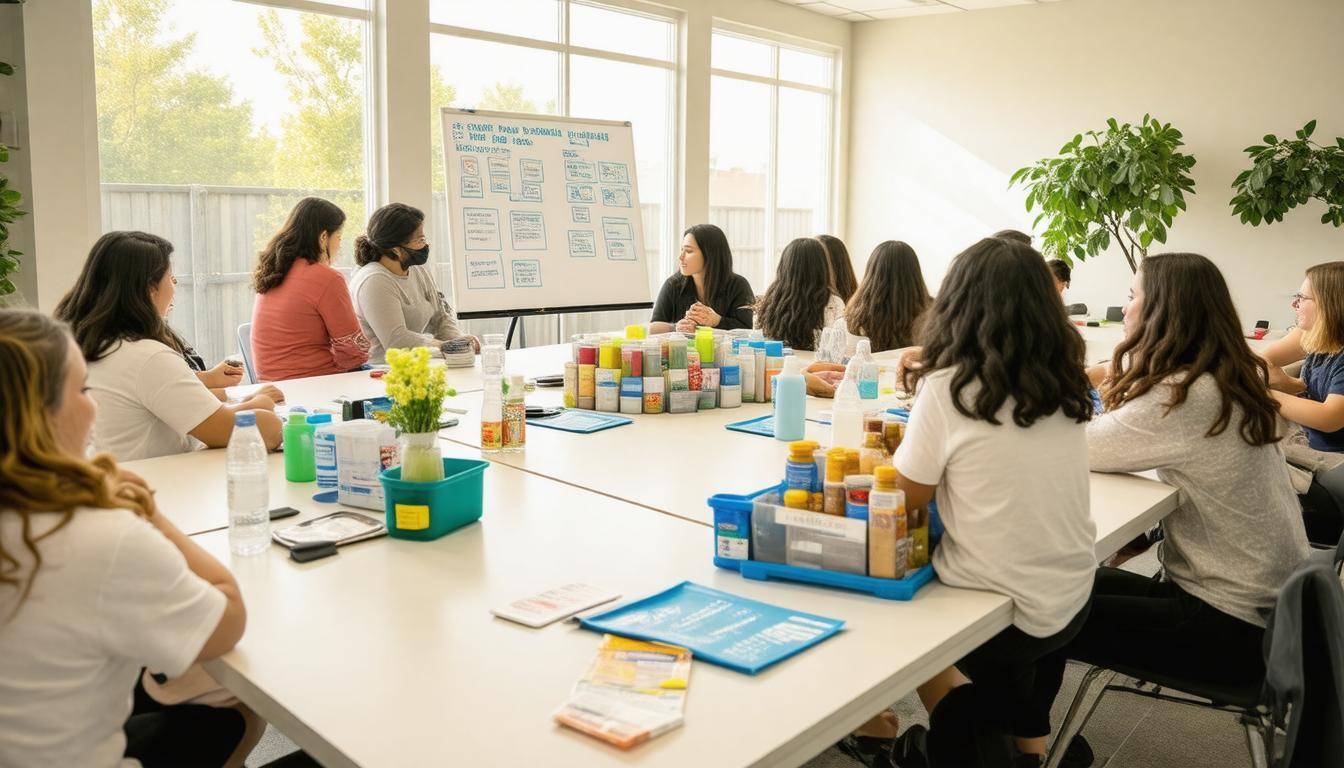
When emergencies strike, time is of the essence. It’s about taking swift actions that stabilize the situation and provide comfort and aid to those affected. One essential method is forming Quick Response Teams. These teams consist of trained individuals ready to spring into action at a moment’s notice. Teaching them skills like first aid, search and rescue, and even basic crisis management prepares them to handle immediate needs effectively. Think of these volunteers as your community’s lifeline; they serve their neighbors and instill confidence throughout the community. The power of having familiar faces who can deliver aid helps create an atmosphere of solidarity during turbulent times.
Having quick response teams on call means there are always resources available when your community needs them most.
Moreover, collaboration with local emergency services—such as fire departments and medical responders—becomes vital in such situations. This ensures a coordinated effort where everyone knows their role, helping mitigate confusion during crises. Developing regular training sessions that include both community response teams and local emergency services not only strengthens relationships but also enhances overall response efficiency.
Another impactful strategy involves the distribution of Emergency Resource Kits to households within the community. Imagine being suddenly faced with a natural disaster—having a pre-packed kit filled with essentials can make all the difference during those initial hours before more comprehensive help arrives. These kits typically include food provisions, clean water, blankets, batteries, flashlights, and first aid supplies.
Why Emergency Kits Matter
The capacity for families to maintain a semblance of normalcy when facing crises is invaluable. Distribution should focus on ensuring that every household has access to these kits well before any trouble arises. It fosters preparedness, reducing panic and promoting healthier responses to stressful situations.
Creating a reliable inventory for these kits can ensure durability and accessibility.
Regular checks are necessary to replace expired items and manage stock levels properly. Community members may even partner up to share the responsibility of maintaining these emergency kits within their neighborhoods, thus reinforcing connections among residents.
Taking both proactive measures and equipping residents with immediate assistance tools lays a firm foundation for recovery efforts during crises, enhancing community resilience while paving the way for further exploration into effective methods.
Best Practices for Successful Implementation

One of the cornerstones of an effective resource-sharing network is conducting regular drills and simulations. This might sound tedious at first, but think about it like training a sports team. Whether it’s fire drills or emergency response simulations, these practices help bolster the community’s preparedness in times of crisis.
When you run through potential scenarios, you not only identify weak points in your plans but also create a platform for refining strategies. It offers hands-on experience with how resource-sharing can work during actual emergencies, allowing participants to spot potential flaws in real-time.
By setting aside time for these drills, you’re actively building a culture of readiness within your community. If disaster strikes and no one knows their role or what to do next, chaos will replace collaboration. Ensuring that everyone feels comfortable and knows what actions to take is key to fostering confidence among community members when they need it most.
Just as important as practicing is the establishment of a continuous feedback loop.
Creating an environment for open communication where community members can share their experiences and suggestions is invaluable. Think of this as an ongoing conversation; it’s not just about giving out orders or providing resources; it’s about engaging voices that are often overlooked. When individuals feel that their input is valued, it encourages them to be more active participants in recovery efforts, enhancing their emotional investment in the community’s wellbeing.
A successful feedback loop fosters resilience by ensuring that lessons learned from past disasters routinely inform future preparations.
| Best Practices | Description | Benefits |
|---|---|---|
| Regular Drills | Frequent practice sessions to prepare stakeholders | Improved readiness and response time |
| Continuous Feedback | Collecting and implementing community insights | Reinforced strategies and stronger unity |
Implementing these best practices ensures that your community resource-sharing network remains robust and responsive even when faced with challenges. It’s not just about sharing resources; it’s about cultivating a living, breathing network of cooperation guided by experience and insight.
The proactive efforts taken today will pave the way for a more resilient tomorrow, empowering communities to effectively recover from future challenges.