
Imagine finding yourself stuck in the mud or snow—it’s a frustrating feeling we all dread. Whether you’re off-roading with friends or just enjoying a weekend getaway, vehicle recovery can quickly turn into a game-changer for your adventure. That’s why it’s essential to be prepared with the right tools and techniques to get you back on track safely and efficiently. In this guide, we’ll unravel the must-have recovery gear, share practical tips from seasoned enthusiasts, and arm you with the knowledge to tackle any unforeseen challenges. So, let’s dive into the world of emergency vehicle recovery equipment, where being ready can transform an inconvenient setback into just another story to tell!
In the “Emergency Vehicle Recovery Equipment: Guide,” you will learn about essential recovery gear, recommended tools for different environments, and important techniques for safely extricating vehicles in difficult situations. The guide includes valuable insights on preventive measures and firsthand experiences from outdoor enthusiasts to enhance your understanding of effective recovery strategies.
Essential Emergency Vehicle Recovery Equipment
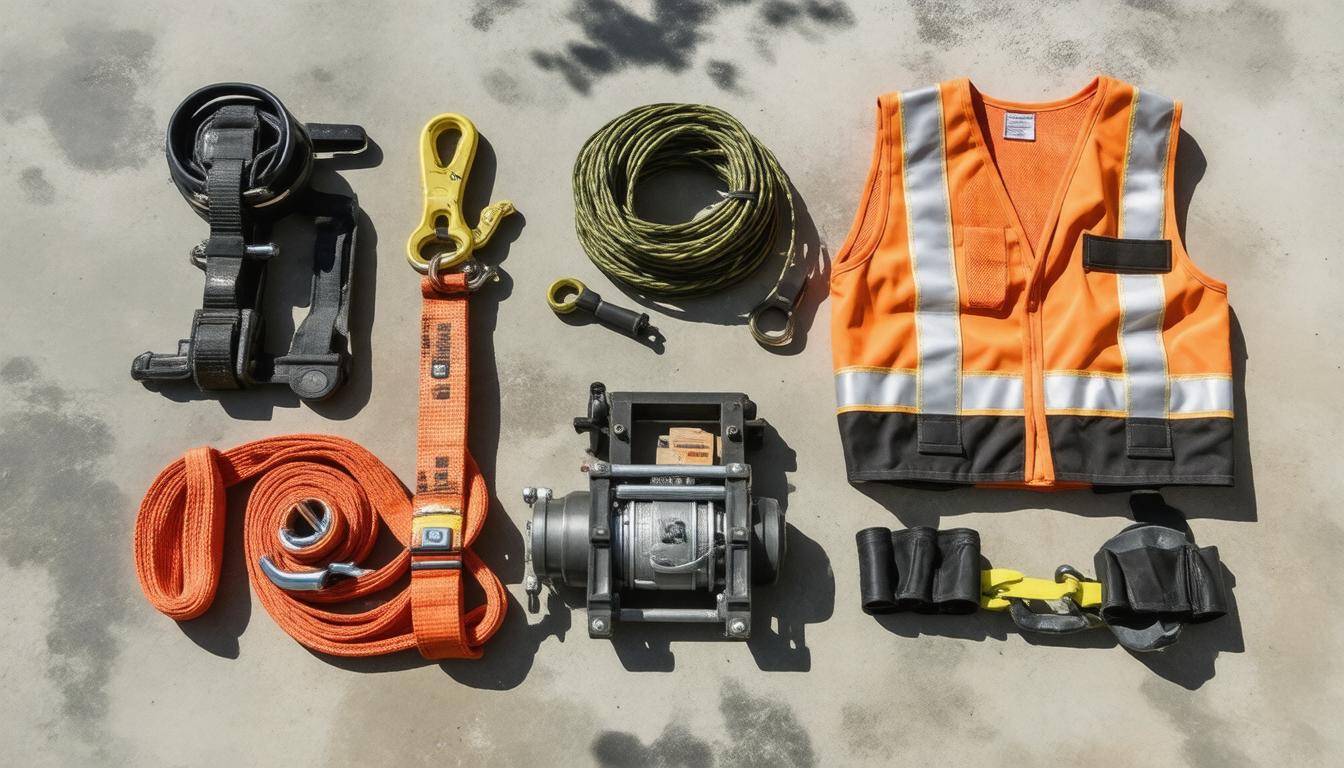
Among the most crucial pieces of equipment to have are traction pads. These nifty devices provide vital grip on slippery surfaces like mud, snow, or sand. Picture yourself in a situation where your vehicle is bogged down in deep mud—this is not just an inconvenience; it could quickly turn into a dangerous scenario. This is where traction pads come into play, acting as a lifeline. Brands such as Maxsa and TRED have gained popularity among off-road enthusiasts for their durability and effectiveness. Spreading these pads beneath your tires can make all the difference, allowing you to regain traction and move forward when you thought your journey was halted.
Just like traction pads help you find stability, recovery straps serve a similar purpose for vehicle recovery.
Often referred to as snatch straps, recovery straps are elastic bands specifically designed for extracting vehicles by generating kinetic energy during the pull. Imagine this: you’re caught in a tight spot with another vehicle nearby, ready to lend a hand. As the second vehicle begins to accelerate, the recovery strap elongates up to 20%, storing energy that then helps yank your vehicle out of its predicament. It’s an ingenious method that relies on physics to assist when manual efforts may be lacking.
However, sometimes you may find yourself needing more power, especially on rough terrains; that’s where winches become invaluable.
Electric winches are increasingly popular in the realm of emergency recovery due to their ability to pull heavy vehicles with minimal physical effort. Consider a scenario where you’re alone in rocky terrain and traditional methods just aren’t cutting it—manual labor often results in frustration and fatigue. An electric winch becomes your trusty ally; simply securing it and engaging the motor will pull your vehicle safely back onto solid ground without putting undue strain on yourself.
Alongside winches, having the right lifting equipment can also prove essential, which brings us to Hi-Lift jacks.
These versatile tools excel when it comes to lifting, pulling, or even pushing heavy objects. Perhaps you’re navigating rocky landscapes and your vehicle gets stuck on an incline; using a Hi-Lift jack can elevate your vehicle high enough for you to place rocks or other traction aids under your tires—turning what could have been an arduous struggle into a relatively manageable task. Its multipurpose functionality makes it a staple for anyone serious about emergency readiness on challenging terrains.
With these key tools at your disposal, you’ll be better equipped to face various challenging scenarios head-on. Understanding each piece of equipment prepares you for the unexpected in emergencies. Before exploring how to further enhance your recovery capabilities with other essential gear…
Basic Tools and Accessories
When it comes to emergency vehicle recovery, having the right basic tools can mean the difference between a swift extrication and a prolonged struggle. Among these, shovels stand out for their versatility. A shovel can help clear debris or dig your tires out of snow or sand when you’re stuck in an unexpected situation. Imagine finding yourself stranded in a remote area after a sudden downpour. With just a sturdy shovel, you can dig around the tires to create traction. It’s not an exaggeration to say that this simple tool has saved many adventurers from hours of additional bail.
“I once used my collapsible shovel to dig out a foot-deep trench to free my car from a snowbank,” recalls off-roader Jake N. This experience underscores the shovel’s importance in your toolkit – it’s lightweight and can fit conveniently into your gear without taking up too much space.
Next on the essentials list is another often-overlooked item: gloves.
Protecting your hands while working with potentially sharp or hot items can’t be stressed enough. Whether you’re tugging at tangled winch lines or lifting warm components, heavy-duty gloves are your first line of defense. Consider choosing heat-resistant gloves that can withstand high temperatures if you’re dealing with engines or brake systems, as well as those designed with reinforced materials for handling rough terrain. Not only do they shield your hands from cuts and scrapes, but they provide a secure grip on tools and parts when conditions get challenging.
Opt for gloves featuring a snug fit but ample flexibility, allowing for both dexterity and protection. Investing in quality gloves might seem minor, yet they drastically enhance safety during recovery operations and prevent unnecessary injuries.
As we round out this discussion on basic tools, let’s talk about D-rings and shackles.
All this equipment wouldn’t matter much if you can’t securely connect anything during a recovery effort. D-rings and shackles play a pivotal role by ensuring that tow straps or winch cables are anchored properly. These components act as the essential links between recovery gear and vehicles, capable of withstanding intense forces during recovery situations.
Using rated D-rings ensures that connections remain intact under pressure. For instance, if your vehicle is significantly heavier than what you might expect, having appropriately rated hardware could prevent catastrophic failure when securing your vehicle for towing or pulling. It’s also crucial to use shackles made from heavy-duty materials to resist bending or breaking—because let’s face it: reliable gear can save your trip without creating unnecessary stress.
The synergy of these basic tools builds the foundation for successful recoveries, enabling off-road enthusiasts to react effectively when facing challenges on varied terrains.
With an understanding of these essential tools established, we can now explore how to choose gear that best fits your specific needs and situations.
Selecting the Right Gear
The first and foremost factor to consider is terrain. The type of ground you usually encounter will significantly impact what equipment is best suited for your needs. For instance, if you’re often navigating through sandy areas, investing in traction aids like sand ladders or specialized low-pressure tire inflators would be highly beneficial. These tools improve grip and can make the difference between a successful recovery and being stuck even longer.
But don’t be fooled—different terrains require specific solutions. Knowing how to tailor your equipment choices based on the environment is key to effectively tackling any recovery scenario.
Moving on to vehicle specifications, it’s crucial to match your tools with the characteristics of your vehicle. The weight of your vehicle and its off-road capabilities should guide your decisions. For example, if you’re driving a lightweight SUV, there’s no need to invest in a heavy-duty winch designed for large trucks; instead, look for lighter solutions that will still meet your recovery needs. Making decisions based on vehicle capacity not only saves money but also ensures that you won’t struggle with equipment that’s too bulky or unnecessarily powerful for your situation.
As you explore options, consider ease of use as a priority. In moments of high stress—like when trying to rescue a stuck vehicle—you want tools that can be operated easily without requiring extensive training or experience. Researching products online and reading user reviews can provide insight into how straightforward these tools are to operate during a crisis. Simple and intuitive designs will help you act quickly and confidently when every moment counts.
It’s essential to remember that effective recovery isn’t just about having the right gear; it’s also about having the right information. By understanding how terrain influences your choices, aligning tools with your vehicle’s specs, and ensuring user-friendliness in each piece of equipment, you are positioning yourself for success in any recovery situation. Consideration of these aspects will enhance your ability to recover vehicles efficiently while increasing safety during outdoor adventures.
As we shift focus from choosing gear to ensuring safety in recovery operations, it’s vital to understand the features and precautions that bolster secure practices in challenging environments.
Safety Features and Precautions
Safety is paramount when using vehicle recovery equipment, and ensuring that all components are properly rated is a foundational step. Not all recovery gear is created equal; therefore, understanding the specifications of your equipment is crucial to a successful operation. For instance, if you’re dealing with heavy vehicles like trucks or SUVs, always ensure your gear is rated for the weight and strain you’ll be placing on it. This can mean choosing straps that are rated for at least twice the weight of your vehicle; this extra safety buffer can be the difference between success and disaster during recovery.
Once you’ve selected the right gear, it’s equally important to conduct a thorough inspection before each use. Just as you wouldn’t drive a car with worn tires or old brakes, you shouldn’t attempt a recovery mission with equipment that may have seen better days. Look closely for wear and tear—check for frayed fibers in straps or any signs of rust on metal components. A small weakness could translate into a significant failure while you’re in the heat of action.
Performing these inspections could save not just your equipment but also potentially prevent serious injuries.
After confirming that everything is in top shape, moving to proper anchoring techniques becomes vital. Always securely anchor winches and straps to prevent accidental releases. Imagine how terrifying it would be if your winch suddenly slipped during a crucial moment; such an event could lead to catastrophic failures. The unpredictability of situations like this emphasizes why proper anchoring cannot be overstated. Make sure to anchor onto parts of the vehicle that can withstand pressure—things like dedicated recovery points designed for such tasks rather than flimsy bumpers.
Maintaining vigilance doesn’t end there; it extends into planning and awareness during the actual recovery process itself. Consider environmental factors, check for bystanders, and stay alert to shifting terrain or unstable ground conditions that could complicate an already precarious situation.
As we continue this exploration of essential techniques, we will look closer at strategies tailored specifically for unique terrains encountered during recovery missions.
Usage Techniques for Different Terrains
Muddy Terrain
When faced with muddy terrain, the most effective approach involves the use of traction pads. These pads provide a stable surface under tires, preventing them from slipping and digging deeper into the muck. One common technique I like to employ is to keep a steady throttle while driving onto these pads. This helps maintain momentum without over-accelerating — spinning tires do nothing but create deeper ruts that can trap your vehicle further.
As you navigate through mud, remember that smooth and gradual movements can be more beneficial than an intense burst of speed.
Snowy Conditions
Snow presents its own set of challenges, yet it also offers a unique opportunity for smart adjustments. A simple yet effective method is to air down your tires. By decreasing the air pressure, you increase the tire’s contact patch—this means more surface area grips the snow, improving traction significantly.
“During a heavy snowstorm, letting air out of my tires allowed me to drive out of what seemed like an impossible situation,” recalls adventurer Sarah P. Her experience highlights how small adjustments can turn dire situations around; simply preparing before hitting snowy conditions can help avoid many common pitfalls.
Rocky Landscapes
In rocky landscapes, obstacles lurk at every turn—sharp stones and steep inclines can present significant challenges for vehicle recovery. Here, having a reliable jack becomes invaluable; it allows you to lift your vehicle above any obstacles effectively.
You should also consider pre-rigging your winch for situations where a quick extrication is necessary.
When time is of the essence, being prepared with rigged equipment can save crucial moments and spare your vehicle from unnecessary stress. Knowing how to rig your winch ahead of time will streamline your process when navigating rocky terrain, ensuring you’re ready when obstacles arise.
Different terrains require careful consideration and specific techniques for success; however, having versatile equipment on hand ensures you’re prepared for whichever scenario you might face. Next, it’s essential to examine how to care for this equipment properly to extend its lifespan and reliability.
Maintaining Your Recovery Equipment
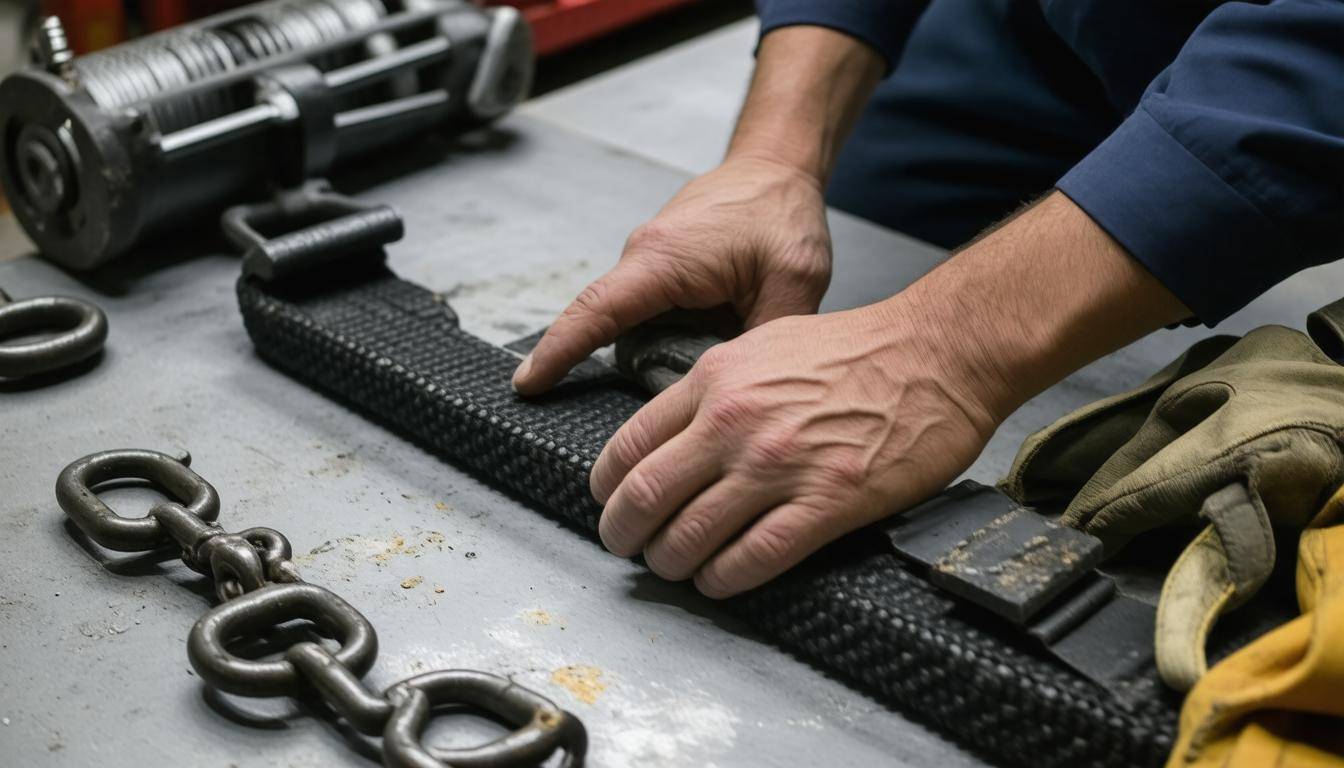
Regular maintenance of your recovery gear not only ensures optimal performance during critical situations but also significantly prolongs its lifespan. The first step in this maintenance routine is carefully cleaning all gear after each use. This is particularly crucial if your equipment has been exposed to harsh elements like mud or saltwater. A simple rinse with fresh water can go a long way toward removing most debris, but for tougher grime, a solution of mild detergent diluted in water can yield impressive results. Neglecting this step may leave you with equipment compromised by corrosion or wear over time.
After all your gear is sparkling clean, the next vital step is ensuring your equipment remains functional through proper lubrication.
Metal components, such as winches and jacks, are particularly vulnerable to rust and seizing if they aren’t regularly lubricated. Utilizing a lubricant like WD-40 or similar products can help fend off rust and keep mechanical parts moving smoothly. Pay special attention to the manufacturer’s guidelines for the specific lubricant’s application to avoid potential damage. Engaging in this simple routine can save you from dealing with costly repairs or replacements down the line.
Once your equipment is cleaned and lubricated, the last piece of the puzzle lies in proper storage.
Storing your gear effectively plays a crucial role in maintaining its integrity. It’s best to keep recovery tools in a dry and cool environment where exposure to direct sunlight or moisture is minimal. Prolonged exposure to these elements can degrade materials and weaken them over time, making your equipment less reliable when you need it the most. For instance, consider using waterproof storage bins to shield your gear from humidity and sunlight whenever possible.
By implementing these straightforward yet effective maintenance practices, your recovery equipment will be ready for any challenge that arises. Now, let’s explore how to ensure these tools are kept safe and sound when not in use.
Proper Storage Practices
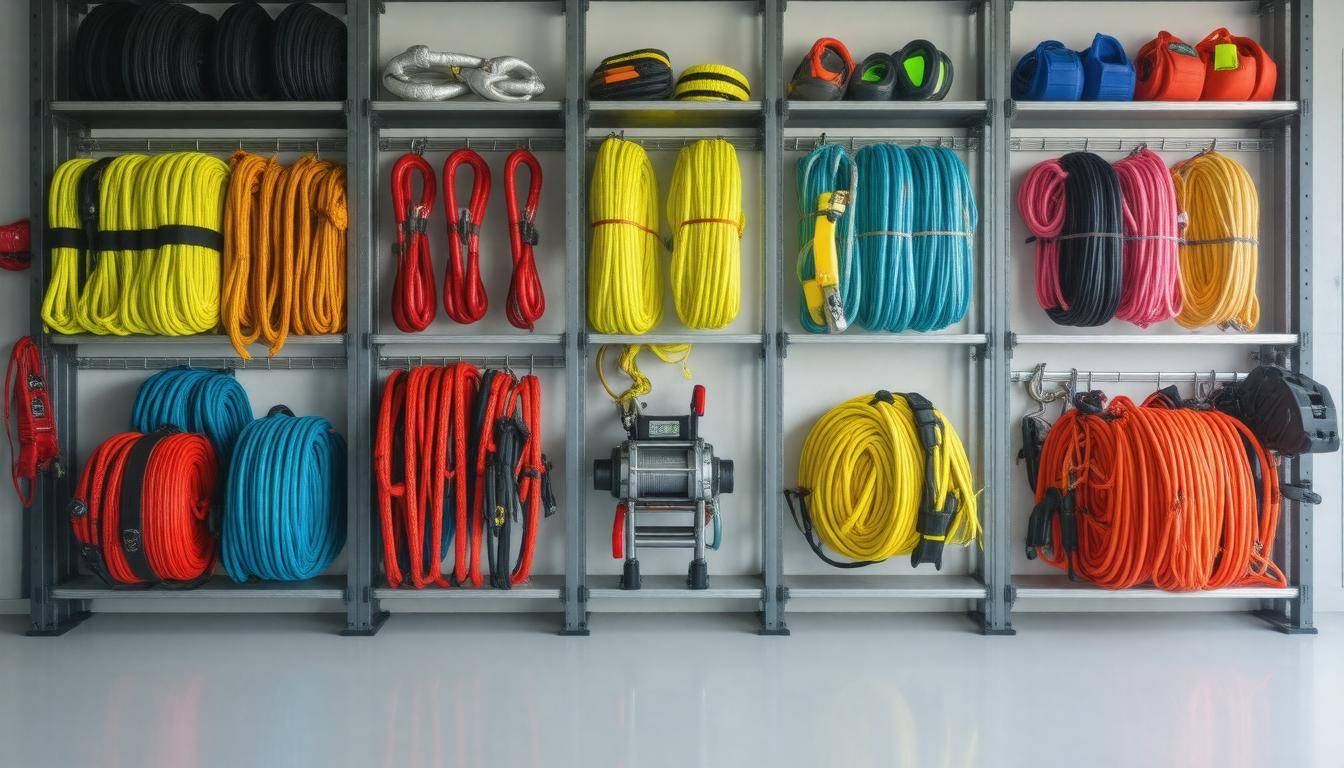
Appropriate storage of your recovery equipment is crucial—not only does it extend the life of your gear, but it also ensures you’re always prepared when situations arise. One golden rule is to store all your tools in dry locations. This means avoiding basements or garages prone to dampness. Water can cause rust and mold to build up on vital components like recovery straps and winches, drastically reducing their effectiveness. To combat this, consider investing in bins with airtight seals so moisture can’t seep in. These bins act as armor for your gear against the elements.
Equally important is the practice of keeping an inventory checklist—a simple yet effective tool that ensures you have everything you need before hitting the road. Picture this: Mike L., a seasoned off-roader, once shared how a checklist saved him valuable time by confirming he had all necessary gear at hand before embarking on an adventure. “It’s like having a safety net for my preparations,” he said, highlighting just how pivotal being organized can be.
As you organize your equipment, don’t underestimate the power of labeling. Take a few moments to label each container clearly. Not only does this save time during those furious moments when every second counts, but it also reduces stress—no one wants to rummage through multiple containers looking for that one essential tool when they are in a pinch. Imagine needing a traction pad quickly and searching through unlabeled piles—it’s a recipe for frustration!
Storing items correctly goes beyond neatness; it’s about safety as well. Heavy items should be kept at waist height; stacking them too high can lead to injury during retrieval. Regular inspections of your equipment aren’t just about functionality—they also help maintain organization in your storage system.
Lastly, make it a habit to conduct a routine inventory check every six months. This act not only ensures that all your items are accounted for but also gives you an opportunity to assess whether any gear needs replacing or repairing due to wear and tear. Regularly clean and maintain equipment according to manufacturer guidelines; even the sturdiest tools will fail if not treated properly.
By implementing these practices, you’re taking proactive steps toward enhancing preparedness for roadside challenges while ensuring that your recovery equipment remains in optimal condition. Such diligence sets a solid foundation as we move forward to explore strategies that can elevate your recovery experience.
Expert Tips and Insights
Leveraging expert advice goes beyond just reading manuals; it’s about making informed decisions that can significantly enhance your skills and safety during emergency recovery situations.
One fundamental guideline is to always consult the owner’s manual for each piece of equipment you use. Manuals provide critical insights regarding proper handling techniques, such as how to spool a winch cable correctly, which can save you from unnecessary damage or even accidents. It’s like having a map when traversing through unfamiliar terrain; it guides you in making safer choices.
Yet understanding the manual is just one piece of the puzzle. Engaging with seasoned off-roading enthusiasts can unlock strategies that go unnoticed by many beginners.
Engaging with off-roading forums and communities opens doors to invaluable tips and tricks shared by individuals who have been in the trenches. As peer-to-peer support grows, so does your practical problem-solving ability. Did you know that studies have shown interactions among peers significantly boost these skills in vehicle recovery scenarios? This means that simply participating in discussions online can make all the difference when real-life situations arise. Those who have tread these paths before often share experiences that underscore the importance of precautionary measures—advice you might not find in written materials.
Transitioning from theoretical knowledge to actionable skills takes practice, and that’s where hands-on training comes into play.
Participating in hands-on training sessions or workshops transforms what you’ve learned into tangible skills that you can apply under pressure. These sessions often expose individuals to unique challenges that online tutorials may not cover comprehensively. Emily S., an auto enthusiast, reflected on her experience: “A workshop taught me techniques I wouldn’t have picked up through online reading alone.” Her story highlights not only the significance of practical experiences but also how they instill confidence—confidence that can be critical during high-stress situations.
| Expert | Tip | Source |
|---|---|---|
| John D., Mechanic | Always carry an extra battery for winches | Off-Road Digest |
| Sarah P., Off-Roader | Air down tires for better traction | Trail Enthusiast Magazine |
| Mike L., Adventurer | Keep an inventory checklist | Forum Testimonial |
Ultimately, absorbing insights from experts, embracing community engagement, and committing to hands-on training will never steer you wrong. By applying these principles, you’re ensuring that you’re prepared for whatever challenges lie ahead in emergency vehicle recovery situations.
By taking the time to learn from experts and engaging with the community, you’re not just improving your skills; you’re ensuring a safer and more effective response during emergencies.