
When disaster strikes, the aftermath can feel like navigating a maze of confusion and uncertainty. For business owners, this can lead to second-guessing every decision made during the recovery process. But fear not! While it’s essential to act quickly, creating a solid post-disaster business recovery plan is about more than just putting out fires—it’s about rebuilding stronger than before. From evaluating damage to re-establishing operations, this article explores straightforward steps that pave a path forward for businesses ready to bounce back and thrive after unexpected setbacks. Whether you’re handling minor disruptions or grappling with complete restoration, having the right strategies in place is vital for long-term resilience. Let’s dive in!
The first steps in post-disaster business recovery include conducting a thorough damage assessment to understand the extent of impact on operations, followed by activating your business continuity plan. This ensures that critical functions are restored efficiently while prioritizing employee safety and communication with stakeholders.

Assessing the Damage
The first step in post-disaster business recovery is understanding just how much the disaster has affected your facilities, inventory, and crucial data. This comprehensive assessment lays the groundwork for recovery by identifying what needs to be addressed. Imagine stepping into a room after a storm; not only do you want to know what’s fallen over, but you also need to evaluate whether any structural integrity has been compromised.
Site Inspection
Start with a thorough physical inspection of all areas impacted by the disaster. It’s essential to approach this methodically—using a damage assessment checklist can be incredibly helpful here. This checklist should cover various aspects:
- Structural Damage: Look for cracks in walls, compromise in roofs, or flooding effects. Is the building still safe to enter?
- Equipment Condition: Check machinery and tools for any signs of malfunction or damage.
- Safety Hazards: Identify anything that could pose immediate danger to employees or visitors, such as exposed wiring or broken glass.
By being diligent during this inspection phase, you’ll prevent oversight of critical areas which could lead to more significant issues later on.
Data Collection
After completing your site inspection, it’s time to start gathering evidence. Collecting data on the extent of the damage is essential to support future insurance claims and recovery evaluations. Start by taking clear photographs and video footage; visual documentation can speak volumes when showing insurers the impact of damage. Additionally, consider compiling detailed reports that summarize your findings from both the site inspection and observations.
“Documentation provides not just clarity but factual evidence that can vindicate your recovery efforts.”
Taking meticulous notes during this phase will make navigating insurance negotiations easier down the line. The more precise and comprehensive your records are, the smoother your path through any adversity will be.
With damage meticulously documented, the focus should shift towards understanding its implications for your business operations and finances. This insight plays a pivotal role in shaping effective recovery strategies moving forward.
Evaluating Financial and Operational Impact
The financial assessment should begin by examining the immediate impacts of a disaster, particularly in terms of revenue loss alongside unforeseen expenses. It’s not just about looking at your current finances; it’s about forecasting how those losses will affect your operations moving forward.
For example, if you’re a business that typically relies on seasonal sales, a disruption might mean you miss out on key revenue-generating periods. According to research conducted by the Small Business Administration, as many as 40-60% of small businesses never reopen after a disaster because they don’t effectively manage these financial losses. This statistic underscores the need for urgent attention when evaluating post-disaster finances.
Next up is the operational assessment, which involves another layer of scrutiny. You need to understand how daily operations have been disrupted, which can feel like peeling back layers of an onion—there’s often more than meets the eye.
Are your suppliers unable to deliver? Is your workforce limited because employees are dealing with their own crises? Each of these factors serves as a domino effect that can lead to greater challenges down the road. For instance, if key suppliers are affected, it’s essential to quickly engage contingency suppliers to keep your operations running smoothly. This assessment helps identify vulnerabilities, ensuring you know where gaps exist and what resources may be necessary to bridge them.
Proper evaluation of financial and operational impacts allows businesses not only to grasp the extent of the damage but also prepares them for subsequent recovery steps.
To put this all into context: think of it as setting up a safety net for your business. Having assessed both financial strain and operational disruptions means you’ll have a clearer picture of what steps need to be taken next.
By understanding the potential ramifications of these disruptions, businesses equip themselves with knowledge that protects their bottom line while enhancing their chances of bouncing back stronger than before. Regularly revisiting this evaluation process ensures you remain agile in facing emergencies that could impact your company’s survival.
Grasping these implications fully paves the way for developing a tailored plan that addresses specific needs uncovered during assessments, guiding businesses through their next critical steps.
Crafting a Recovery Blueprint

The first step in crafting an effective recovery blueprint involves prioritizing actions. It’s crucial to determine which operations are critical and need immediate attention. You can utilize a Business Impact Analysis (BIA) to help identify these essential functions. Understanding what keeps the wheels turning is like knowing the heartbeat of your organization.
For instance, if customer service is a primary function, focus on restoring it as quickly as possible, even if that means setting up a temporary solution to keep lines of communication open.
Concentrate on actions that are necessary for keeping the business operational. Whether it’s repairing vital production lines or addressing customer inquiries promptly, these strategies will serve as a lifeline for your business in the wake of disruption.
Once you’ve prioritized actions, it’s time to set clear timelines. This step provides structure to your recovery efforts, making it easier to scale resources effectively and manage expectations among stakeholders. Divide your recovery activities into categories based on urgency.
Immediate actions should be addressed within 24 to 48 hours post-disaster. These may include communications with employees and clients, securing affected facilities, and activating backup systems. Short-term goals should be established for the first week following the incident—this could involve restoring basic IT services or resuming some aspects of production. Finally, outline long-term actions that may take several months to achieve full recovery while gradually transitioning back to standard operations.
Step II – Set Timelines
- Immediate actions: 24-48 hours.
- Short-term actions: within the first week.
- Long-term actions: several months for complete recovery.
The next component of your recovery blueprint is the allocation of resources. This sometimes requires shifting funds or personnel from other departments to address urgent needs properly. For example, consider a medium-sized tech company in Houston that faced extensive damage after Hurricane Harvey. They made a swift decision to reallocate their marketing budget towards immediate repairs and ensured critical systems were recovered within 72 hours. This action highlights the importance of flexibility and prompt resource management during tumultuous times.
As you move forward in building an effective strategy, keep in mind that fostering safety protocols and ensuring clear communication channels are essential aspects to navigate through adversity successfully.
Safety and Communication Protocols
First and foremost, ensuring employee safety is paramount during any disaster situation. This begins by establishing a comprehensive safety protocol for all employees. Clearly marking hazards can prevent injuries before they happen, as it helps everyone navigate the workspace safely. Think of it like putting up road signs; if people know where the pitfalls are, they can avoid them ahead of time.
Furthermore, enforcing the use of protective gear such as gloves or hard hats becomes vital. These steps not only safeguard your staff but also foster a culture of responsibility toward safety throughout your organization.
It’s also smart to conduct regular safety drills—these aren’t just obligatory exercises; they serve to prepare employees mentally for real-life situations. Making these drills realistic and as engaging as possible will ensure that people remember what to do in case of an emergency. A quick tip: try simulating different scenarios so employees can respond not just reactively but intelligently.
Once we have concrete safety protocols in place, our focus shifts to how we communicate these plans effectively within the organization.
Communication strategies are just as crucial; a robust plan can make all the difference in managing your business during stressful situations. In my experience consulting with a flood-affected retail chain, their success hinged on utilizing various communication channels efficiently. They kept both employees and customers informed via social media, emails, and SMS alerts regarding operational statuses and safety instructions. Imagine trying to piece together operations while chaos ensues around you. That’s where seamless communication becomes a lifeline for businesses.
It’s essential to create an updated emergency contact list that includes local emergency services, utility providers, and key personnel within your organization. This list should be accessible to all employees—not locked away in a single person’s drawer but rather shared through a common platform. This ensures that in case of any disruption someone can step up to communicate necessary information without hesitation.
Is it enough to just inform people once about these procedures? Absolutely not! Regular safety training sessions, ideally twice a year, keep everyone updated on protocols and enhance team preparedness. Ensuring that team members are well-versed in their roles during emergencies builds confidence and lowers panic levels when crises arise.
To further bolster these efforts, make sure to employ multiple communication tools, such as text alerts or digital notice boards, making it easy for everyone to receive timely information swiftly. After all, speed is essential in emergencies; clear lines of communication ensure your team knows what actions need to be taken and when.
As we think about establishing robust protocols for safety and communication, it naturally leads us towards insurance options that play a crucial role in ensuring complete recovery after any disaster strikes.
Utilizing Insurance for Recovery
In the aftermath of a disaster, navigating the maze of insurance claims can feel overwhelming, but it’s essential to understand how to utilize this lifeline effectively. Your insurance policy can be a critical asset, aiding you in recouping losses and funding the repairs necessary to get back on your feet. However, simply having insurance isn’t enough; proactive engagement is key.
Filing Claims
The process of filing claims starts the moment disaster strikes. First, you should notify your insurer as soon as possible—every minute counts in these situations. Once you’ve done that, it becomes crucial to compile thorough documentation; photographs of the damage, repair estimates, and even receipts for any immediate expenses will serve to substantiate your claim later on.
Working closely with a claims adjuster cannot be underestimated. These professionals will help guide you through the intricacies of your policy and approach every aspect with the aim of maximizing your reimbursement. Remember, they’re there to assist you, but it’s also important to remain persistent and informed about your own coverage.
Understanding Coverage
To make the most out of your insurance policy, reviewing existing coverage is essential before disaster strikes. You may find that certain perils are covered while others are not—this can mean the difference between a smooth recovery and a lengthy struggle. A common oversight is relating to natural disasters; many businesses learned after events like Hurricane Katrina that their policies failed to cover flood damage.
Take time to read through your policy carefully, paying close attention to exclusions and limits. Familiarize yourself with industry-weathered terms like depreciation, which could affect the payout amount significantly. Engaging with your insurance agent can ensure clarity on any confusing points.
While insurance provides immediate financial relief after a disaster, building long-term resilience necessitates comprehensive planning that extends beyond claims management. Moving forward into more robust preparedness measures will further secure your operations against future disruptions.
Long-Term Resilience Strategies
One of the first steps in creating a robust plan is diversifying suppliers. The importance of this strategy cannot be overstated, especially for businesses like a California-based manufacturer that faced dire consequences after wildfires wiped out their sole supplier. This experience taught them to branch out and engage multiple suppliers from different regions, effectively reducing dependency on any single source. By distributing procurement across various vendors, they mitigated risks associated with supply chain disruptions, ensuring more reliable access to the materials necessary for their operations.
This strategy leads us naturally into another essential aspect: investing in technology.
In today’s digital world, employing cloud services has proven to be a game changer for many businesses. It allows for secure data backup and accessibility even if physical servers are compromised. According to a survey by IDC, an impressive nine out of ten businesses that utilize cloud services reported recovering data faster after disasters compared to those relying on traditional storage solutions. Imagine losing critical customer information or project files due to a disaster—using cloud technology can help safeguard against such scenarios, ensuring continuity and reducing downtime significantly.
However, technology alone won’t secure your business’s future; fostering a culture of innovation within the workforce is equally indispensable.
Embracing new ideas isn’t just about adopting the latest tools; it’s about creating an environment where innovation thrives. Encourage your team to brainstorm and share solutions that can lead to improved processes or new revenue streams. Consider offering training sessions that empower employees with skills in new technologies and inspire them to think creatively about potential challenges. When every member feels empowered to contribute ideas, you build collective resilience that can adapt swiftly to market fluctuations.
As you consider these strategies, remember that diversifying revenue is another vital step toward ensuring sustainable growth.
By creating additional income channels—such as introducing maintenance plans or branching into commercial services—you protect your business from seasonal fluctuations in demand. Assuming it’s peak season and work is flowing in might feel reassuring; however, what happens when the busy months end? Having diversified offerings ensures that there’s never a dry spell where your business takes a hit. It acts as a safety net during turbulent times and confirms your commitment to meeting various client needs.
Implementing long-term resilience strategies gives your business the fortitude needed to weather any storm—be it supply chain disruptions, technological failures, or fluctuating demand. Each of these components plays an integral role in building a sustainable future, ensuring you’re equipped to face challenges head-on while capitalizing on opportunities that arise in an ever-changing landscape.
With these foundational elements established, it’s essential now to look ahead and develop measures that prepare your business for what comes next.
Future Preparedness Measures
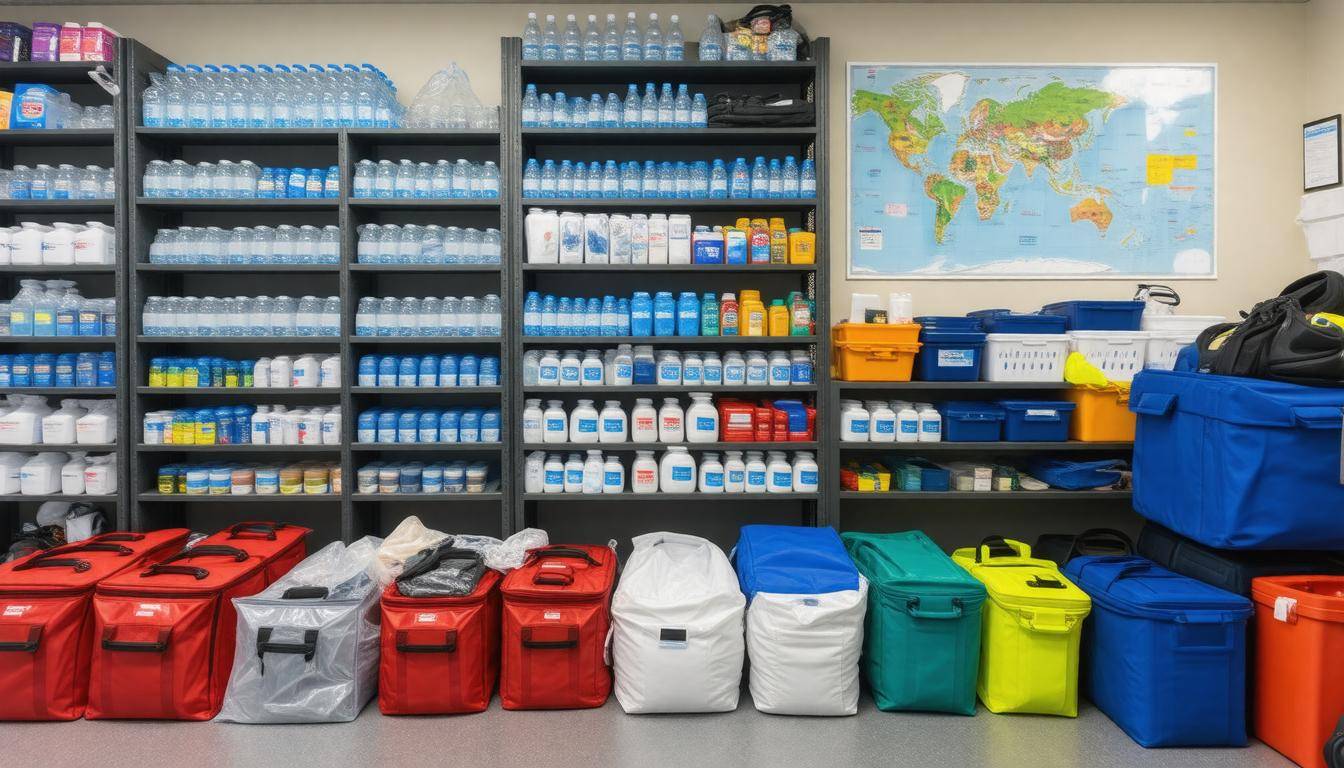
One of the most essential aspects of future preparedness measures is establishing a routine of regular drills and training sessions. These practices ensure that everyone involved knows their role during a crisis, which minimizes confusion and chaos. It’s not just about gathering employees together for an occasional meeting; it’s about fostering a culture of readiness within your organization.
Take, for example, John, the CEO of a logistics company who attributes their rapid recovery post-COVID-19 to consistent disaster drills and comprehensive training programs. His firm was able to pivot quickly because they already had systems in place that proved effective, showcasing how vital ongoing training can be.
However, preparation should not stop at drills alone; it must encompass continuous evaluation and adaptation as well.
Update and Review Plans
Conducting annual reviews and updates to your recovery plans is crucial for staying ahead of new threats. The business landscape is ever-evolving, and so are the potential risks we face. According to research by Gartner, businesses that regularly update their recovery plans demonstrate 50% higher success rates in post-disaster scenarios. This likelihood increases because they factor in emerging threats—be it from climate change-induced natural disasters or shifts in economic conditions.
For instance, if your area suddenly faces increased flooding due to climate change, ensuring that your plan includes alternative evacuation routes or additional resources becomes paramount.
To maintain relevance, each review should include a deep dive into any recent incidents or data collected over the past year. Involve key personnel from different departments to provide insights into what has worked well and what needs improvement. This collective approach not only enriches the plan but also ensures buy-in from everyone involved.
Finally, while updates are essential, another pivotal aspect of preparedness involves assessing what resources you have available to support these plans.
Resource Inventory
Keeping an accurate inventory of resources—both physical and digital—is an often overlooked yet critical element of future preparedness measures. Businesses should create a detailed list of assets that can be mobilized during a recovery phase. This includes not just equipment and supplies but also contacts for emergency services and local agencies that can assist with recovery efforts.
“By maintaining this inventory, we found ourselves much better equipped during recent challenges,” noted one business owner reflecting on their experience during extreme weather events.
An effective resource inventory not only prepares you for immediate response but also enables more strategic long-term planning. With the right tools at hand, companies can recover more efficiently and streamline operational continuity.
By implementing regular drills, updating recovery plans, and maintaining a comprehensive resource inventory, businesses position themselves as resilient entities capable of withstanding disruptions while navigating unpredictable challenges brought on by natural disasters like those posed by the Cascadia Subduction Zone.
Understanding past experiences provides invaluable insights that can further strengthen these proactive strategies in preparing for future crises.
Key Lessons from Past Disasters
One of the most striking lessons emerging from disasters is the necessity for a proactive approach. The 2011 Japan Tsunami illustrated how crucial it is to have a resilient supply chain. After this catastrophic event, companies like Toyota recognized the vulnerabilities of relying on single sourcing and made substantial changes. By establishing global distribution centers, they ensured their operations would be less susceptible to regional disruptions. This was not just an adjustment; it marked a fundamental shift towards creating a more resilient business model.
Similarly, other industries have gleaned pivotal lessons that have shaped their recovery frameworks.
Industry Insights
A stark example surfaced during the COVID-19 pandemic. Businesses that had proactively learned from the 2008 financial crisis exhibited an increased readiness to handle the economic upheaval caused by COVID-19. Those that invested in flexible remote systems and technology were able to pivot quickly and maintain productivity. Adapting to unforeseen challenges, such as remote work, not only supports immediate survival but also fosters future resilience.
| Disaster | Key Lesson Learned | Industry Impacted |
|---|---|---|
| Hurricane Sandy | Importance of data backup locations | Financial Services |
| COVID-19 | Need for flexible remote systems | All Industries |
| Japan Tsunami | Supply chain diversification | Manufacturing |
Reflecting upon these incidents underscores why understanding past events is integral to establishing robust recovery plans. Each lesson serves as a pillar of knowledge guiding businesses toward better preparedness. By evaluating what went wrong or right during these crises, organizations can engineer refreshed strategies that bolster resilience—because it’s not enough to react; one must anticipate and adapt proactively.
As we consider how these lessons apply, it’s essential to blend these insights into actionable steps for your own business continuity plan.
In embracing the lessons from past disasters, businesses can create comprehensive plans that not only prepare them for future uncertainties but also empower them to thrive in changing environments. The journey toward resilience starts with awareness and proactive measures.