
When disaster strikes—be it a storm, earthquake, or an unexpected power outage—the last thing you want to worry about is food. The thought of rummaging through your pantry in a panic isn’t just stressful; it can leave you feeling utterly unprepared. That’s why having a solid plan for emergency food preparation is so important. Preparing meals without electricity might sound challenging, but with the right knowledge and supplies, it’s entirely feasible! In this article, we’ll explore easy methods to cook and store food without relying on power, ensuring you have what you need to stay nourished during tough times. Whether you’re looking for creative cooking techniques or simply want to learn how to stock your pantry wisely, we’ve got you covered. Let’s dive in!
You can prepare emergency food without electricity by using non-perishable items such as canned goods, MREs (Meals Ready-to-Eat), and ready-to-eat snacks that require no cooking. Additionally, consider utilizing alternative cooking methods like camp stoves or outdoor grills if needed, and always ensure you have a sufficient supply of clean water for rehydration and food preparation.
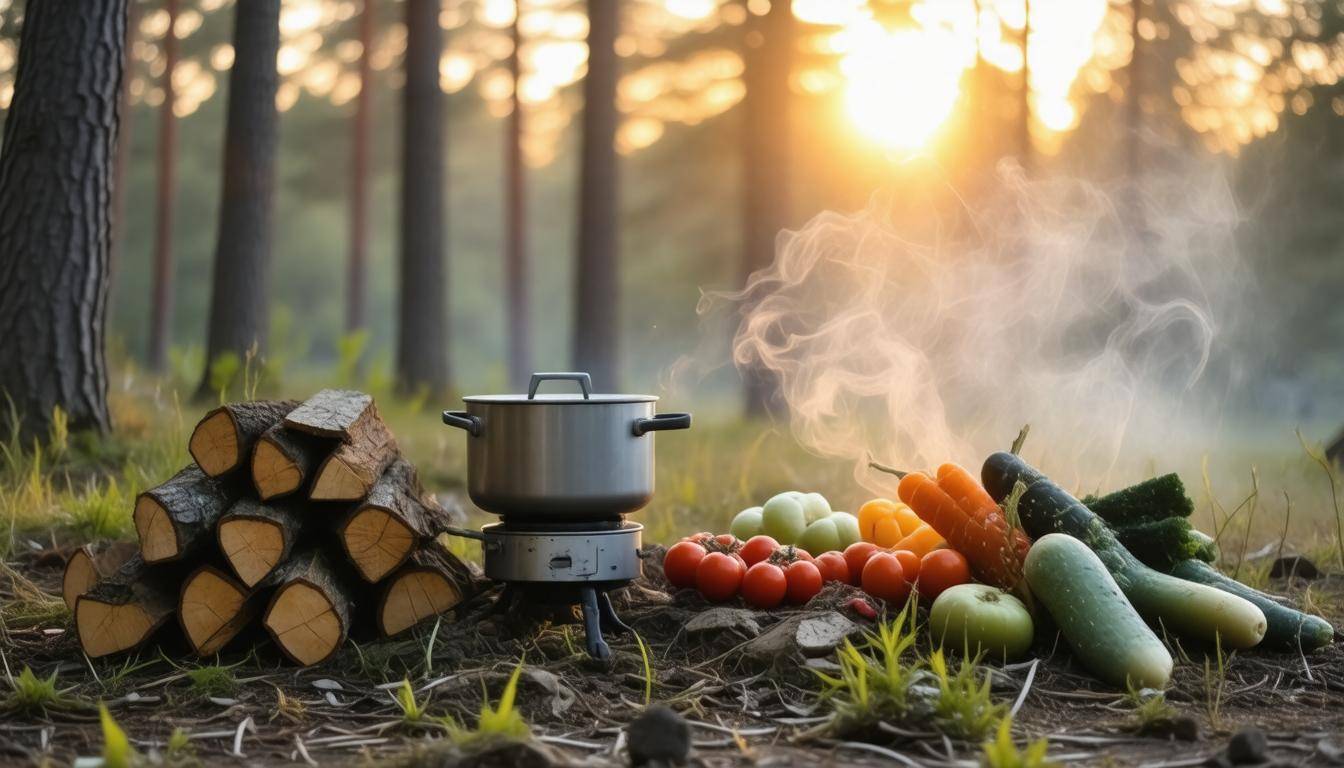
Cooking Without Power
One of the most straightforward methods to cook during outages is with a propane camp stove. These compact appliances are portable and run on propane fuel, making them more economical than generators or other heat sources. If you’re an outdoor enthusiast, you might have one tucked away in your camping gear, ready to be utilized at home when the electricity goes out.
However, if a camp stove isn’t available, don’t fret; there are other options right at your fingertips.
Another popular alternative is the charcoal grill, typically associated with summer barbecues. A charcoal grill allows you to replicate much of what you would do on a conventional stove while offering that delicious smoky flavor we all love. However, cooking on a grill requires vigilance since you must manage open flames carefully. Always ensure ventilation and keep anything flammable well away from the hot coals.
Campfire Cooking
If circumstances allow, campfire cooking can be an exhilarating option. Picture this: gathering around a crackling fire as family or friends roast marshmallows or cook stews using a cast-iron pot. To set yourself up for success, remember that a balanced combination of grates and cast-iron cookware is essential for even heat distribution. Cast iron retains heat well and can be used directly over the flames or upon grates to prevent burning your food.
As with any outdoor cooking method, safety should always come first—never leave a fire unattended and ensure it’s fully extinguished after cooking.
Sterno for Simplicity
Another handy tool in your emergency cooking arsenal is Sterno fuel, often referred to as “canned heat.” Ideal for heating canned goods or simmering light soups, these flame-based canisters take up minimal space in your emergency kit. These can be safely used indoors—as long as there is adequate ventilation—and give off significant heat relative to their size. Just remember to monitor them closely because these open flames require attentive handling.
Whichever method you choose, keeping safety tips in mind is crucial. Ensure proper ventilation if using gas-powered options or charcoal grilling indoors. Have a fire extinguisher nearby when working with flames and utilize food thermometers to check that foods reach safe cooking temperatures (165°F/74°C for poultry).
With these methods at your disposal, you’ll be well-prepared for unexpected power outages and equipped to enjoy warm meals regardless of circumstances. Let’s now explore the types of food that are vital to have on hand during emergencies to complement these cooking techniques effectively.
Essential Emergency Food Items
Stocking your pantry with the right types of food ensures you’re well prepared for extended power outages. Having a selection of non-perishable items can be a lifesaver during emergencies, as they require minimal preparation and can be eaten without being cooked.
For instance, canned goods are essential; they include vegetables, fruits, beans, and meats that have long shelf lives and can comfortably sit on your shelves. The beauty of canned foods is that they don’t need any heating—they’re already cooked—so you can eat them cold without worry.
When it comes to variety, dry goods are another crucial component of any emergency supply kit.
Items such as rice, pasta, lentils, and oats should definitely take up space in your pantry. They last for years when stored correctly and provide the foundation for hearty meals when combined with some water. In a pinch, they can be prepared over a campfire or using a propane stove. It’s an excellent way to ensure you’re not relying solely on ready-to-eat options, which might not sustain you for long periods without electricity.
Furthermore, consider incorporating high-energy snacks into your emergency preparation.
These snacks are vital for providing quick energy, keeping spirits high, and ensuring your body gets enough nutrients during stressful situations. Think about stocking items like peanut butter, nuts, granola bars, and dried fruit. They not only pack a protein punch but also deliver carbohydrates necessary for sustained energy. There’s something comforting about snacking on familiar treats—lifting a granola bar from your stash may be just what you need to feel normal again.
You might also want to consider having some instant meals on hand.
MREs (Meals Ready-to-Eat) are convenient and specifically designed for emergencies. They require minimal preparation—just add hot water or sometimes even nothing at all. However, the cost of MREs can add up quickly if you buy them in bulk for larger families, so it’s wise to balance these with more economical options in your stash.
Finally, don’t forget the importance of comfort foods.
Simple pleasures such as chocolate or cookies can lift morale when times are tough. Their familiarity brings comfort amidst uncertainty and stress. These foods provide not only sustenance but also emotional support during strenuous circumstances that weigh heavily on everyone in the household.
As you gather these essentials, remember that combining proteins, carbohydrates, vitamins, and enjoyable treats will create an effective emergency food supply while also fostering psychological well-being during challenging times.
Using Alternative Heat Sources
In times of power outages or natural disasters, it’s essential to have alternative methods for cooking. Imagine a chilly evening when your power flickers out, and you still crave a warm meal. This is where knowing about different heat sources can make all the difference. Each method offers unique advantages and can help you prepare a satisfying meal even in the toughest situations.
Propane Appliances
One of the most reliable choices during power failures is propane-powered appliances. These devices come in various forms, from compact single-burner stoves to larger setups built for outdoor kitchens. They offer flexibility because they can be easily transported, making them ideal for both home use and camping. Propane burns cleanly, which means that it creates less soot compared to wood-burning options. Just remember, safety is paramount when using propane; always ensure good ventilation to prevent carbon monoxide accumulation.
To boost your confidence with propane cooking, consider practicing before an emergency strikes. Familiarize yourself with the best settings for boiling water or sautéing vegetables on your stove while you’re in a controlled environment.
Biomass Stoves
Next on our list are biomass stoves, which utilize organic materials like wood, leaves, or even paper as fuel. Not only are these stoves eco-friendly, but they are often a great option when you have limited resources available. Imagine gathering some fallen branches or twigs while leisurely walking through a park and using them later that evening to prepare your dinner by creating a small fire inside your biomass stove. However, managing smoke and fire is crucial with this method, as improper handling can lead to unwanted hazards.
Biomass stoves might require more attention than their propane counterparts but can yield delicious food by utilizing materials right at your fingertips. Practicing fire safety rules will give you peace of mind every time you light one up.
Rocket Stoves
Rocket stoves present an exciting innovation in the world of cooking without electricity due to their impressive fuel efficiency. By consuming minimal amounts of wood to create substantial amounts of heat, they operate on the principles of combustion engineering. Despite some skepticism surrounding the learning curve associated with using rocket stoves, advocates argue that once mastered, they become invaluable during emergencies. Their ability to cook meals effectively using just a few sticks makes them an attractive choice for wilderness survival.
While challenges may arise in mastering the techniques involved in operating a rocket stove, taking the time to learn and practice before an emergency could pay off tremendously when you need it most.
As we examine various alternative cooking methods, let’s consider how harnessing sunlight presents another effective way to prepare meals in challenging situations.
Solar Cooking Techniques

Embracing solar cooking opens up a world of opportunities for meal preparation without relying on conventional fuel sources. With the right setup, you can utilize sunlight to create delicious meals, with the solar oven being one of the key players in this venture. Solar ovens are designed to harness sunlight effectively, reaching temperatures high enough to cook food safely. While there are commercially available solar ovens, crafting your own using everyday items can be a fun and rewarding project.
Using a Solar Oven
A well-designed solar oven uses reflectors to capture and concentrate sunlight into a cooking compartment. These ovens can achieve temperature ranges from 180°F to as high as 550°F based on their design, making them capable of a variety of cooking tasks. Imagine baking fresh bread or roasting meats—all powered by the sun! They provide versatility in cooking methods and offer an environmentally friendly alternative that significantly reduces reliance on fossil fuels.
When preparing meals with a solar oven, patience is essential. Depending on the intensity of sunlight, it may take longer to cook than traditional fuels.
Simple Reflector Setup
For those who may not have a solar oven on hand, creating a simple reflector setup can be an excellent alternative. By using mirrors or reflective surfaces, you can focus the sun’s rays onto a pot or pan, generating enough heat to boil water or cook simple meals. This method is straightforward and cost-effective. By employing materials like aluminum foil or any shiny metal surface, you can enhance light concentration dramatically.
Here are some practical tips for setting up your reflector:
-
Choose Your Pot: Use dark-colored pots as they absorb more heat.
-
Angle Your Reflector: Adjust the angle to capture maximum sunlight throughout the day.
-
Monitor Temperature: If possible, use a thermometer to ensure adequate heating for safety.
While this rudimentary method may seem basic, its effectiveness lies in simplicity and adaptability; it’s perfect for survival situations or picnics where traditional cooking methods aren’t feasible.
Understanding solar cooking fundamentals will help maximize efforts in preparing nourishing meals without electricity. Transitioning from meal preparation techniques, it’s also crucial to consider how best to keep food stored for extended periods.
Storing Non-Perishable Foods
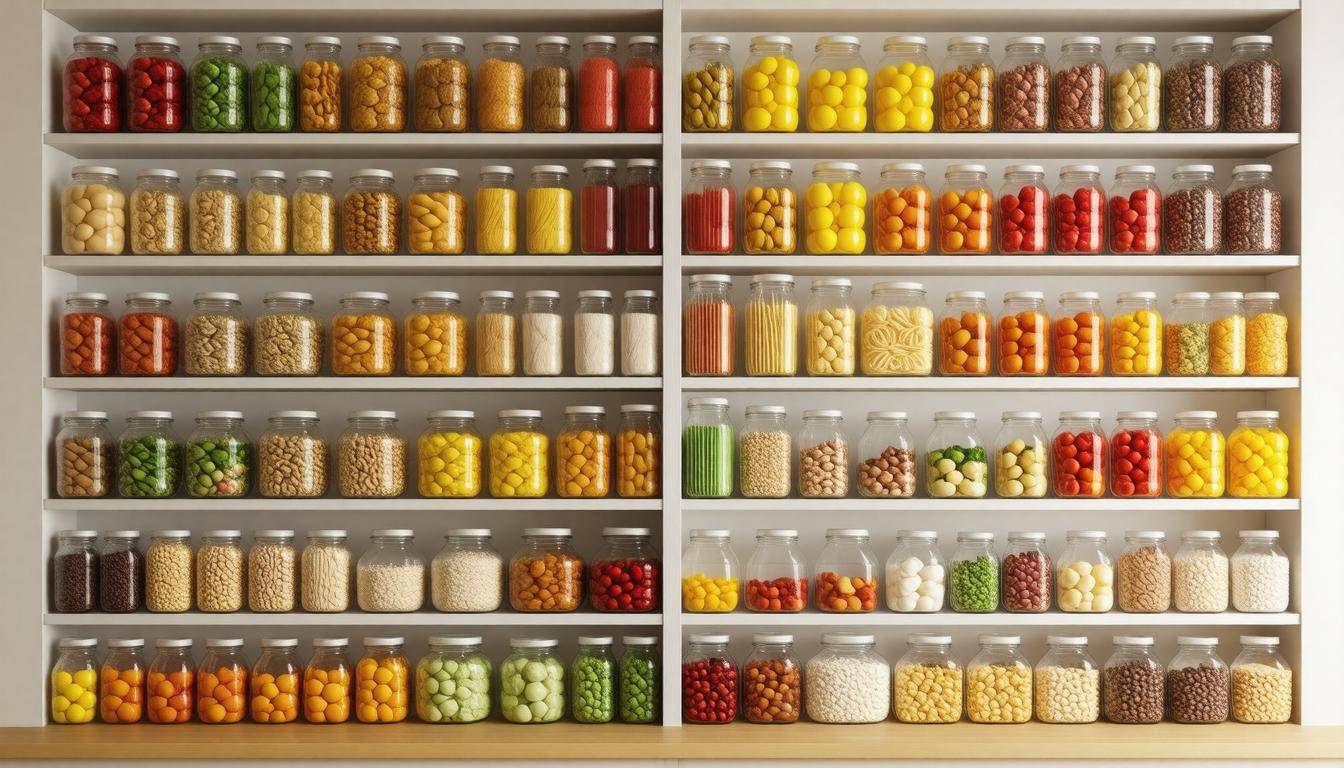
To begin with, you’ll want to focus on using airtight containers. These are paramount in keeping moisture and pests at bay, which are the arch-nemeses of your food storage efforts. Imagine storing a bag of flour only to find it crawling with bugs later—an unpleasant surprise that careful storage can prevent. Use glass jars with rubber seals or plastic containers designed specifically for food storage.
Furthermore, consider vacuum-sealing grains, rice, and pasta into manageable portions. Vacuum sealing lessens air exposure that leads to staleness and helps prevent pesky weevils from making a home in your food. A good rule of thumb is to pack these items in smaller sizes that you’d realistically use within a few weeks. If you have two cups of rice sealed up tight, you’re more likely to keep an eye on freshness compared to one large bulk bag.
| Food Item | Storage Method | Shelf Life |
|---|---|---|
| Canned Goods | Cool, dry place | 2-5 years |
| Dry Goods | Vacuum-sealed bags, Mylar bags | 1-2 years |
| High-Energy Snacks | Original packaging, airtight jars | 6 months – 1 year |
| MREs | Original packaging | 5-10 years |
As noted in the table above, canned goods benefit immensely from being stored in a cool and dry place, away from direct sunlight where the cans can heat up and affect their longevity. The combination of light and warmth can significantly shorten their shelf life—a reality best avoided by adopting sound storage practices.
Regular inspection of your stored supplies is crucial. Even if stored correctly, it’s wise to check everything periodically, as nothing lasts forever—even preserved foods.
Understanding how to store food properly provides peace of mind and seamlessly transitions into easy preparation techniques for meals during emergencies when power is not available. This knowledge equips you for potential challenges ahead.
Preparing Ready-to-Eat Meals
When it comes to emergency situations, ready-to-eat meals serve as a vital resource for sustenance without the need for extensive preparation. MREs (Meals Ready-to-Eat) truly shine in these scenarios. Designed for convenience, they typically come with self-heating packs that work without an external heat source, making them incredibly useful during power outages or emergencies. That said, MREs can be on the pricier side, so it’s wise to balance their cost against your needs and budget.
Incorporating elements like sandwiches made from canned meats and shelf-stable bread or crackers can provide an easy, no-fuss meal option that is both nutritious and satisfying. These items require little more than opening a can and pairing it with your chosen carriers.
Meal Kit Options
Investing in meal kits specifically engineered for long-term storage is another excellent strategy for securing your food supply. Brands such as Mountain House offer freeze-dried meals that maintain their nutritional value and flavor over time, sometimes lasting up to 25 years. This means you won’t only have access to various meal options during an emergency; you’ll also know you’re stocked up on balanced nutrition.
Make sure to choose kits that contain a variety of meals—this prevents menu fatigue and keeps morale high during stressful times. When preparing these kits, remember to keep the cooking requirements minimal; many can simply be rehydrated by adding water or heated using portable stoves.
While considering your food options, it’s essential to prioritize hygiene practices to protect your health even in tough times. With safety measures established, let’s examine vital precautions for handling food effectively.
Safety Tips for Food Handling
Ensuring that food remains safe to consume during emergencies is not just about avoiding health risks; it’s about creating a foundation of preparedness that will help you navigate challenging times. When things go awry and electricity is no longer an option, common sense and good practices become your allies. An ounce of prevention is worth a pound of cure, especially in critical situations.
Handling Canned Goods
Start with canned goods, which are often the backbone of any emergency food supply. Always inspect your cans carefully before diving in. Look for signs such as bulging, rust, or leaks, as these could indicate contamination. A simple rule: when in doubt, throw it out! It may feel wasteful, but it’s better to err on the side of caution than to risk foodborne illness.
Once you’ve opened a can, cover leftovers tightly and consume them within a few hours. The safer choice is consuming everything you’ve opened in one sitting if possible.
It’s equally important to think about hygiene while handling fresh ingredients.
Hygiene Practices
During emergencies, maintaining hygiene can be challenging, especially if clean water is scarce. In those times, hand sanitizers or wet wipes become invaluable tools for preventing cross-contamination. Always remember: your hands are often the primary carriers of bacteria. Washing your hands thoroughly before and after handling food should become second nature.
When washing utensils and prep surfaces, boiling water can serve as an effective sanitation method when running water isn’t an option. Always prioritize hygiene—cleanliness should never take a back seat when preparing food. To reduce risks further, keep raw meat away from other ingredients to prevent potential cross-contamination; a separation between cutting boards for meat and vegetables can save you from many worries. Simple practices like these safeguard both your health and your family’s well-being during emergencies.
These safety measures not only address immediate health concerns but also align with a broader framework of preparedness for any challenging situation that may arise.
Long-Term Survival Planning
When emergencies linger beyond a few days, how you manage your food supplies can significantly impact your well-being. It’s important to establish a food rotation system, which ensures older supplies are consumed first and prevents waste. For instance, consider labeling foods with both purchase dates and use-by dates; this simple practice makes tracking supplies straightforward and reminds you when it’s time to incorporate them into meals.
Moreover, the concept of establishing a garden cannot be overlooked. Growing fresh produce at home is an excellent way to supplement stored food while retaining essential nutrients. Imagine savoring a fresh tomato or lettuce from your garden in the midst of an emergency—it’s not just nutritious; it adds variety to your meals and boosts morale by connecting you back to nature.
Just as maintaining your food supply is crucial, cultivating resilience in other ways is equally important.
Developing relationships with local farmers or joining co-ops can provide a consistent stream of fresh goods throughout prolonged outages. This not only supports local agriculture but also creates valuable connections within your community. By working together, you can enhance overall preparedness and foster a sense of solidarity during difficult times.
For example, consider organizing community exchanges where everyone brings surplus items or skills to share—whether it’s gardening tips, cooking classes, or shared harvests.
The strength of community cannot be underestimated; it transforms individual efforts into a collective safety net.
As you implement these strategies, remember that preparation goes beyond simply stockpiling food—it’s about creating sustainable habits that will serve you well in various situations.
Investing time in planning and engaging with local resources enhances your ability to adapt and respond effectively in emergencies. Whether through cultivating your garden, collaborating with neighbors, or having systems in place for efficient food usage, you’ll find that emotional fortitude is bolstered alongside physical provision. Taking these proactive steps can make all the difference between mere survival and thriving in challenging times.
In summary, by fully utilizing food supply management practices and harnessing community support, you’ll build resilience against any unforeseen circumstances ahead.
What are some creative recipes that can be made without any electricity?
You can create a variety of delicious recipes without electricity by utilizing non-perishable ingredients and portable cooking methods. For instance, a classic no-cook dish is a hearty bean salad made with canned beans, chopped vegetables, olive oil, vinegar, and spices. Another option is to prepare wraps using tortillas filled with peanut butter and fruit or canned tuna with pickles. According to surveys conducted by food preparedness organizations, nearly 60% of households report having essential non-perishable items on hand for emergencies, making these meals both accessible and practical during power outages or survival situations.
How do I safely store and use canned goods during a power outage?
To safely store and use canned goods during a power outage, keep your cans in a cool, dry place away from direct sunlight to prevent spoilage. Ensure the cans are undamaged and rust-free; if they bulge or leak, discard them immediately as they can harbor harmful bacteria. The USDA recommends consuming canned foods within two to three years for optimal quality, but properly stored cans can last much longer. During a power outage, avoid opening the cans until you are ready to consume their contents to maintain freshness and safety.
How can I cook meals using a camp stove or other alternative heating sources?
To cook meals using a camp stove or other alternative heating sources, first ensure you have a stable, flat surface and proper ventilation. Use a portable propane or butane camp stove, which can boil water in about 5-10 minutes depending on the potency, making it ideal for meals like soups or instant foods. For more diverse cooking methods, consider a solar oven that can reach temperatures of up to 300°F on sunny days, allowing for slow-cooked dishes without any fuel consumption. Remember to store canned goods and non-perishables as your main ingredients; statistics show that around 70% of households with emergency kits include these items to enhance food security during power outages.
What are some effective methods for preserving food without refrigeration?
Effective methods for preserving food without refrigeration include dehydration, canning, pickling, and fermenting. Dehydration removes moisture to inhibit bacterial growth, and studies show that properly dehydrated fruits and vegetables can last for months or even years if stored in airtight containers. Canning involves heating food to kill bacteria and sealing it in jars, providing a shelf life of one to several years depending on the food type. Pickling uses acidic solutions to preserve foods, while fermentation encourages beneficial bacteria that outcompete harmful microbes; both methods can exponentially extend the longevity of various foods.
What are the best non-perishable food items to stock for emergencies?
The best non-perishable food items to stock for emergencies include canned goods (like vegetables, beans, and meats), dried legumes, rice, pasta, oats, and freeze-dried meals. These items boast long shelf lives—canned foods can last 2-5 years when stored properly—provide essential nutrients, and require little to no cooking or refrigeration. Additionally, having a variety of foods ensures you can maintain a balanced diet even in challenging situations, making them ideal for emergency preparedness.