
When disaster strikes, the ripples don’t just affect the immediate surroundings—they ripple through the hearts and minds of our children. Many parents find themselves at a loss, unsure about how to help their little ones make sense of confusing emotions triggered by traumatic events. It’s not just about getting through a crisis; it’s about nurturing resilience in young lives that are still finding their footing. Understanding how to guide children in expressing their feelings can feel overwhelming, but fear not—this article is here to help! We’ll explore practical strategies and insights designed to empower both caregivers and children, making the journey toward emotional healing a collaborative effort. So let’s dive in and unravel this essential toolkit together!
The “Children’s Disaster Feelings: Expression Guide” provides practical strategies for parents and caregivers to support children in expressing their emotions following traumatic events, including tips on encouraging open dialogue, normalizing feelings, and creating safe spaces for sharing. This guide aims to equip adults with the tools necessary to foster healthy emotional communication and facilitate recovery for children in the aftermath of a disaster.
Recognizing Emotional Signals
Children may often communicate their emotional distress through a variety of behaviors, even if they lack the words to express what they are feeling. As a parent or caregiver, it’s important to pay close attention to these signals, as they can provide valuable insights into how well your child is coping with trauma. By responding to their emotional needs with understanding and compassion, you can create a stronger support system during the healing process.
Common Signs to Watch For
-
Withdrawal: Look for changes in social behavior where your child may start isolating themselves from family and friends. This might mean spending more time alone or showing reluctance to participate in activities they once enjoyed. Children generally thrive on connections, so this withdrawal can be a significant red flag.
-
Behavioral Changes: You may notice sudden shifts in your child’s demeanor such as unexpected outbursts of anger, increased clinginess, or regression to earlier developmental stages—like bedwetting or thumb-sucking. These behaviors signal that they may be struggling to cope with their feelings.
-
Sleep Disturbances: Pay attention to any sleep issues your child is experiencing. This could manifest as nightmares, difficulty falling asleep, or persistent fears about nighttime. Children often process emotions in their dreams, and disrupted sleep can further exacerbate stress levels.
-
Physical Complaints: Sometimes, emotional distress can surface as physical ailments like frequent headaches or stomachaches that don’t have a medical explanation. When tiredness or emotional strain takes its toll, children’s bodies can react just as strongly as their minds.
According to the National Child Traumatic Stress Network, a staggering 1 in 4 children show signs of significant distress after experiencing a disaster. Understanding this statistic underscores the necessity of vigilance when it comes to children’s emotional health following traumatic events.
These signs should not be dismissed; rather, they serve as essential clues that guide parents toward better care strategies. It is vital to approach these behaviors with sensitivity and reassurance. Communication is key—using gentle queries about how they’re feeling and allowing them to express themselves can go a long way in helping them unpack their emotions.
As you navigate this delicate situation, bear in mind that each child responds uniquely to trauma. While some may seek comfort from loved ones or vent their feelings openly, others might prefer solitude or become withdrawn. It’s crucial for caregivers to customize their approach based on individual cues.
Recognizing and understanding emotional signals provides an opportunity for intervention and fosters an environment in which children feel safe expressing their feelings without judgment. This proactive response allows caregivers not only to validate their child’s experience but also ensures they receive the guidance needed for recovery and healing amid adversity.
With these insights into children’s emotional signals, we now turn our focus toward engaging ways to help them express themselves and cope more effectively during challenging times.
Expressive Activities for Kids
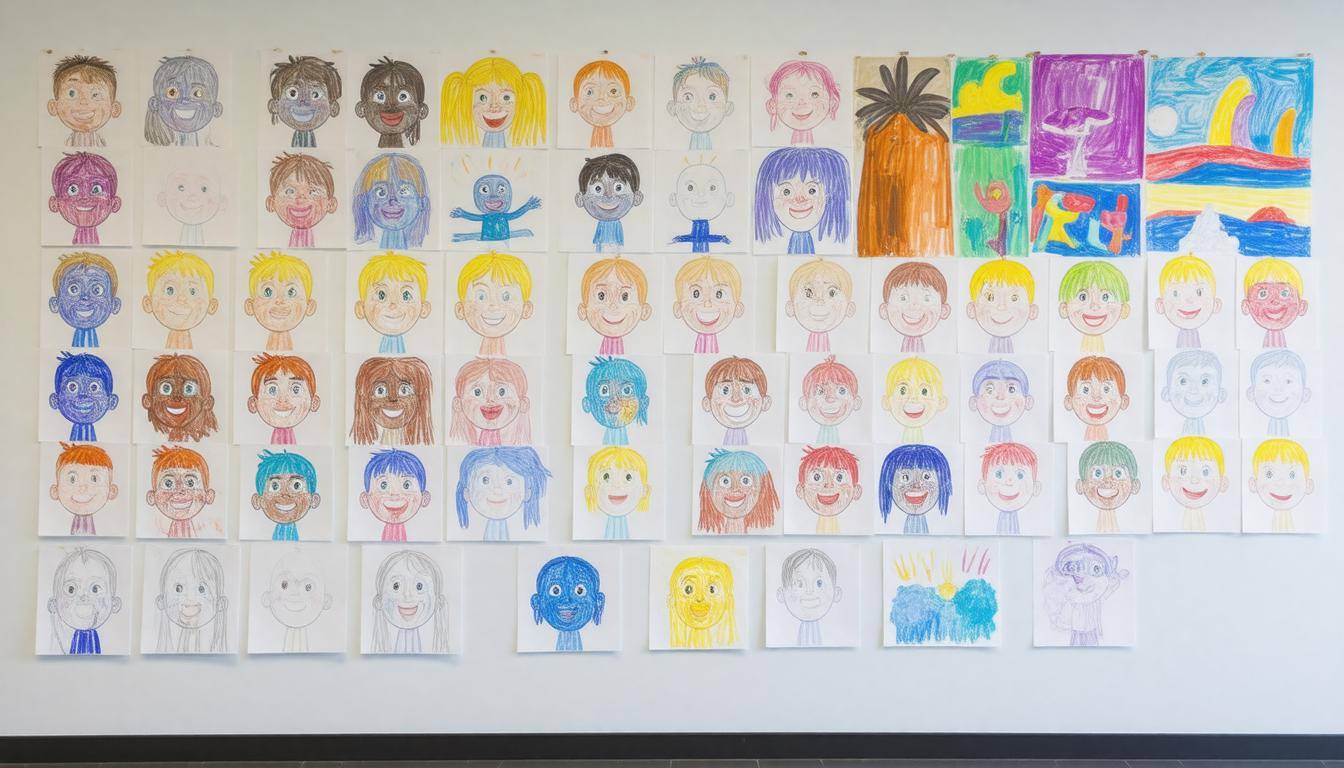
Creativity serves as a powerful tool for children, allowing them to articulate the complex feelings that often accompany challenging experiences. Through various expressive activities, children can explore their thoughts and emotions in an engaging way. One prominent avenue is through art. Drawings or paintings not only channel creativity, but they also allow kids to visualize their feelings. Picture an eight-year-old using different colors to represent their anger, sadness, or joy; over time, this “emotion diary” creates a vivid map of their changing moods and serves as a therapeutic outlet that can assist parents in understanding their emotional landscape.
In addition to art, play plays a critical role in helping children process their emotions. When kids use puppets or dolls to create scenarios that reflect their fears, it provides them with safe opportunities to explore their anxieties without real-world consequences. Imagine a young child re-enacting a scene involving fire safety after experiencing an evacuation; through play, they grapple with raw emotions while practicing coping mechanisms.
Yet another significant avenue for emotional expression lies in music. Whether it’s strumming an instrument or simply singing along to favorite songs, music has long been recognized for its soothing properties. The act of creating sound can be cathartic, allowing children to release pent-up feelings. As one parent noted during a community support discussion: “When my daughter found herself overwhelmed by everything going on post-storm, she began creating her own songs about how she felt. It transformed her energy into something positive.”
While these expressive activities can provide immediate relief and serve as effective distractions, they are most beneficial when complemented by open communication within families. Engaging in discussions about feelings helps foster understanding and connection, setting the stage for deeper emotional healing and resilience.
Comfort Through Communication
Establishing an open line of communication with children, especially following distressing events, is pivotal in helping them navigate their feelings. When kids feel free to express themselves, it validates their emotions and offers comfort during confusing times. Clear and compassionate dialogue allows parents to act as guiding figures, reassuring their children that they are not alone in facing their fears.
The key to effective communication lies in active listening. This means paying attention to not just the words being spoken, but also the underlying emotions. Parents can show that they are engaged by nodding or providing verbal affirmations like “I understand” or “That sounds really hard.” By doing so, children are more likely to feel heard and respected, which is incredibly comforting. It’s important to validate their feelings—whether fear, sadness, or confusion—by acknowledging those emotions as legitimate. Statements like “It’s okay to feel scared after what happened” can be very powerful.
In fact, 90% of mental health professionals recommend regular check-ins with children to discuss their feelings post-disaster. These check-ins can establish a rapport that fosters ongoing dialogue.
However, there’s a clear distinction between supportive communication and overwhelming a child with information; parents need to strike the right balance. While it might be tempting to engulf children in all the details of what happened or the steps for recovery, it’s better to present age-appropriate information gradually. Just like a flower needs sunlight, children flourish when provided enough truth without overloading them.
Dos and Don’ts of Communication
- Do: Create a dialogue that encourages questions and curiosity.
- Don’t: Avoid using technical jargon or overly complex explanations that may confuse youngsters.
- Do: Use simple phrases tailored to the child’s age level—short, clear sentences can make all the difference.
- Don’t: Resist the urge to gloss over serious topics; dismissiveness could lead to more anxiety or misunderstandings later on.
Using relatable examples or stories helps convey tough messages without triggering unnecessary panic. Young children might resonate better with analogies they can visualize: “Even when storms come, we stay inside where it’s safe.” This approach invites children into discussions naturally instead of forcing them into potentially uncomfortable conversations.
Moreover, parents can consider regular family talks about emotions using creative outlets such as drawing or storytelling during these moments of vulnerability; this way, kids can express complex feelings without pressure. Research indicates that expressive activities—like creating art related to their experiences—can reduce anxiety significantly. They foster an atmosphere where emotional assurance thrives, revealing how vital parental support is during challenging times.
As you guide your children through these turbulent emotions and cultivate meaningful conversations, it’s important to remember the next steps in nurturing their resilience in the face of adversity.
Processing Traumatic Events
When children experience trauma, it isn’t just an event that happens; it’s a shift in their world that requires thoughtful navigation. Rather than allowing feelings of confusion and fear to fester, children can effectively work through their distress using specific methods that provide clarity and comfort. These approaches help weave together fragmented experiences into a cohesive narrative that they can understand and ultimately cope with.
Structured Processing Techniques
One effective technique is journaling. Encouraging children to keep a diary or journal can serve as a therapeutic outlet. Writing allows them to articulate thoughts they may find difficult to express verbally. They can document their feelings about what happened, reflect on their daily experiences, and track their emotional progression over time. This simple yet profound act often helps in making sense of their lives post-trauma, fostering a sense of agency that was disrupted by the event.
Another valuable method is therapeutic storytelling. Reading books that reflect similar themes allows children to see their experiences mirrored in characters in literature. This not only normalizes their feelings but also diminishes the sense of isolation they might be grappling with. Stories offer a safe space for exploration and discussion; they present opportunities for children to share their own stories without the pressure of direct confrontation.
Moreover, incorporating visualization techniques can greatly aid in alleviating anxiety tied to traumatic memories. Engaging children in guided imagery exercises encourages them to create positive mental images—a safe place where they feel secure and calm. As they learn to focus on this peaceful place, they develop coping strategies that empower them in other situations where they feel anxious or overwhelmed.
“For many children, understanding the narrative of their experience—where it began, what happened, and how they are moving forward—is crucial,” says Dr. Emily Jones, a child psychologist.
These processing techniques go beyond mere coping; they help build resilience. By revisiting and reshaping these experiences within a structured framework, children can cultivate strength and adaptability in facing future challenges.
While immediate relief techniques are vital for providing support after trauma, exploring ways to build sustained resilience over time is equally important for nurturing emotional strength among children facing such challenges in their lives.
Long-Term Coping Strategies
One of the most effective long-term strategies for helping children manage their emotions after a traumatic event is establishing a consistent routine. Children find comfort in knowing what comes next; it gives them a sense of stability amidst chaos. Start with simple things like regular meal times, designated homework hours, or even family game nights. This structure can anchor their day, allowing them to feel secure as they navigate complex feelings.
Think about how much easier it is for you personally when your day has a rhythm. Children need this too—they crave predictability while they work through their emotional experiences.
Beyond routines, incorporating mindfulness exercises into daily life can be transformative. Simple techniques like deep breathing can calm nerves and help children process the intensity of their feelings. You might encourage your child to take a few minutes to breathe deeply whenever they feel overwhelmed. Just five minutes of focused breathing can make a difference in reducing anxiety and stress levels. Research shows that teaching children to focus on their breath can enhance both their emotional regulation and resilience.
Social connections also play a vital role in helping children cope with the aftermath of trauma.
Encouraging children to engage with friends provides emotional support and is key in fostering resilience. Kids thrive when they can share their feelings with others who understand them or simply enjoy time away from home distractions. Consider organizing playdates or group activities that allow them to express themselves freely and bond over shared experiences. Additionally, participating in peer support groups tailored for children who’ve experienced similar situations can reduce loneliness and nurture a sense of community.
However, it’s important to remember that not every coping strategy will resonate with all children. Just as adults have unique preferences for handling stress, children vary significantly in how they express and deal with their emotions. Tailoring your approach by observing what works best for your child is crucial; some may find solace in quieter activities like art while others flourish in social settings.
Take note of your child’s response to different strategies; this personalized attention can foster trust and make them more willing to engage in longer-term coping practices.
Fostering support systems is paramount in nurturing your child’s ability to handle difficult emotions effectively through tailored approaches that cater specifically to their needs. As you explore different strategies, consider specific techniques suited for various ages to better assist your child in this journey.
Age-Specific Support Tips

Managing emotional responses in children during crisis events requires distinct strategies tailored to their developmental stages. For infants and toddlers, aged 0-2, consistent physical comfort plays a critical role in providing reassurance during times of distress. This includes holding them close, soothing touches, and maintaining familiar routines that create a sense of safety. Stability is crucial; if they usually take a bath at 7 PM, make sure that routine continues even when everything else feels chaotic.
As children grow, their comprehension and coping mechanisms evolve, bringing us to the next age group—from ages 3 to 6.
For preschoolers, simple explanations go a long way. Children this age thrive on play-based therapies that allow them to express feelings they may not fully understand. Engaging them in storytelling or puppet shows can facilitate conversations about their fears without overwhelming them. When doing so, emphasize feelings rather than just facts—for instance, instead of saying “the storm was bad,” you might say “some people felt scared during the storm.” That simple shift not only helps them feel seen but also enhances their emotional vocabulary as they learn to articulate their own feelings.
As we move into middle childhood, from ages 7 to 11, children start desiring more control over their lives.
In this phase, it’s beneficial to promote open dialogues. Encouraging them to express their feelings while actively involving them in planning daily activities can help reestablish a sense of order amidst chaos. Ask questions like “What do you want to do today?” or “How would you feel about reading a book together?” Such involvement reinforces their ability to make decisions and cope with uncertainty. Also consider incorporating gentle humor into discussions—laughter is often an excellent balm for stress.
Finally, let’s look at adolescents aged 12-18 who experience emotions differently still.
During these years, teenagers crave privacy and autonomy while grappling with complex feelings. It’s essential to honor this need but also remain accessible for support. Providing them space to talk about their experiences when they choose encourages honesty and openness without pressure. Encourage peer support by facilitating connections with friends who share similar experiences; sometimes just having someone who gets it can be immensely comforting. Additionally, don’t shy away from seeking professional guidance if they seem overwhelmed—therapists specializing in adolescent issues can offer valuable tools for navigating tough emotions.
Each age-specific strategy recognizes the unique ways children process trauma and emphasizes that responding appropriately can contribute significantly to emotional healing.
With these insights into managing children’s emotions during crises, we turn our attention now towards recognizing when additional support may be necessary to ensure their well-being.
Seeking Professional Help

When it comes to managing the emotional fallout that can follow a disaster, knowing when to seek professional help can make all the difference. It’s essential for families to monitor their children closely after a traumatic event. If you notice persistent symptoms such as withdrawal, ongoing anxiety, or significant behavioral changes lasting for over a month, this is a signal that intervention may be necessary. Children often don’t have the vocabulary or emotional awareness to fully express what they are feeling, leaving them feeling isolated and afraid.
“It’s not uncommon for children to display symptoms that fluctuate in intensity,” says Dr. Emily Carter, a child psychologist specializing in trauma. “Often, it’s about finding patterns in their behavior that warrant additional support.”
Additionally, severe reactions should never be overlooked. If your child begins exhibiting extreme symptoms like hallucinations, paranoia, or unrelenting nightmares, it is crucial to consult a mental health professional immediately. These behaviors may indicate deeper psychological impacts that need specialized intervention.
If their symptoms start to interfere with daily life—affecting school performance or social interactions—it’s time to consider reaching out for help. The disruption of routine can be distressing for children, and they may struggle with feelings of normalcy without professional guidance.
Professional Resources Available
| Resource Type | Description |
|---|---|
| Child Psychologists | Focused on children’s emotional and psychological needs. |
| School Counselors | Usually available within educational settings and trained in handling emotional issues. |
| Trauma-Informed Care Providers | Professionals specifically trained in assessing and addressing trauma-related symptoms. |
Engaging with these resources helps parents feel empowered as they navigate their child’s emotions. By seeking out qualified professionals, families can find tailored strategies that resonate with their child’s specific needs.
Testimonials from Parents
“Reaching out to a child psychologist was the best decision we made. My daughter was able to articulate her fears better under professional guidance,” shares a parent from an online support group. Another parent notes, “I didn’t realize how much stress my son was holding onto until we sought help. It was eye-opening.”
Understanding when to take that step toward professional assistance not only alleviates parental worry but also provides children with the tools they need to thrive emotionally. Making such a connection with the right professional is crucial for supporting your child’s journey through recovery after trauma.
In navigating these challenges together, families can foster resilience and emotional strength in their children while ensuring they have the support systems they need for recovery.
What activities can be incorporated into an expression guide to facilitate emotional processing for children?
Activities such as art therapy, storytelling, and role-play can be effectively incorporated into an expression guide to facilitate emotional processing for children. For instance, drawing or painting emotions allows children to visualize their feelings, while storytelling can help them articulate experiences in a safe manner. Studies show that expressive activities can reduce anxiety levels by up to 50% in children experiencing trauma (American Psychological Association, 2022), making these tools vital for emotional healing and understanding.
How can caregivers identify signs of anxiety or distress in children after a disaster?
Caregivers can identify signs of anxiety or distress in children after a disaster through changes in behavior, such as increased clinginess, withdrawal from activities, nightmares, and sudden regressions in skills (like bedwetting). According to studies, approximately 60% of children exposed to traumatic events exhibit these behaviors. Additionally, physical symptoms like headaches or stomachaches may also signal emotional distress. Awareness of these signs is crucial for timely support and intervention.
What age-appropriate language can be used to help children articulate their feelings during disasters?
Age-appropriate language to help children articulate their feelings during disasters includes simple, clear terms like “sad,” “scared,” or “angry,” along with relatable metaphors, such as comparing feelings to stormy weather that eventually clears up. Research shows that children who are provided with emotional vocabulary tend to process their experiences more effectively, leading to better coping mechanisms; a study indicated that 75% of children felt more understood when they could label their emotions accurately. Encouraging expressions through art or storytelling can also facilitate communication and healing.
Are there specific techniques or strategies that work best for different age groups when discussing disaster emotions?
Yes, specific techniques can be tailored to different age groups when discussing disaster emotions. For younger children (ages 3-7), using storytelling and play therapy can effectively help them articulate their feelings, as they often express themselves better through imaginative play. In contrast, older children (ages 8-12) benefit from structured discussions and cognitive-behavioral strategies that empower them to identify and manage their emotions analytically. Research indicates that interventions tailored to developmental stages can improve emotional regulation in children by up to 40%, emphasizing the importance of age-appropriate approaches in disaster-related emotional support.
How can community resources be utilized to support children dealing with feelings related to disasters?
Community resources, such as local mental health services, support groups, and educational programs, can be instrumental in helping children cope with feelings related to disasters. Engaging with trained professionals who understand trauma can provide children with the tools to express their emotions and process their experiences safely. Additionally, community initiatives like peer support networks have been shown to reduce feelings of isolation; according to studies, children who participate in peer support programs report a 30% increase in emotional resilience post-disaster. It’s essential for communities to create safe spaces where children can talk openly about their feelings, fostering healing and connection.