
Asthma can feel like an uninvited guest that shows up at the worst possible time, disrupting moments we aim to enjoy. It’s a chronic condition that requires understanding and proactive management to keep it in check. Navigating daily life with asthma might seem overwhelming, but you have the power to take control. By creating an Asthma Emergency Plan and recognizing triggers—ranging from common allergens to environmental irritants—you can set yourself up for success and empower others around you to do the same. In this article, we’ll explore essential strategies that can help you manage asthma effectively and confidently, guaranteeing that you can breathe a little easier—even when challenges arise.
An Asthma Emergency Plan is a personalized document that outlines specific actions to take during an asthma attack, detailing medication use and emergency contacts. This guide also emphasizes identifying and managing environmental triggers, ensuring that individuals with asthma can proactively avoid situations that may provoke symptoms, ultimately leading to better health outcomes and enhanced quality of life.
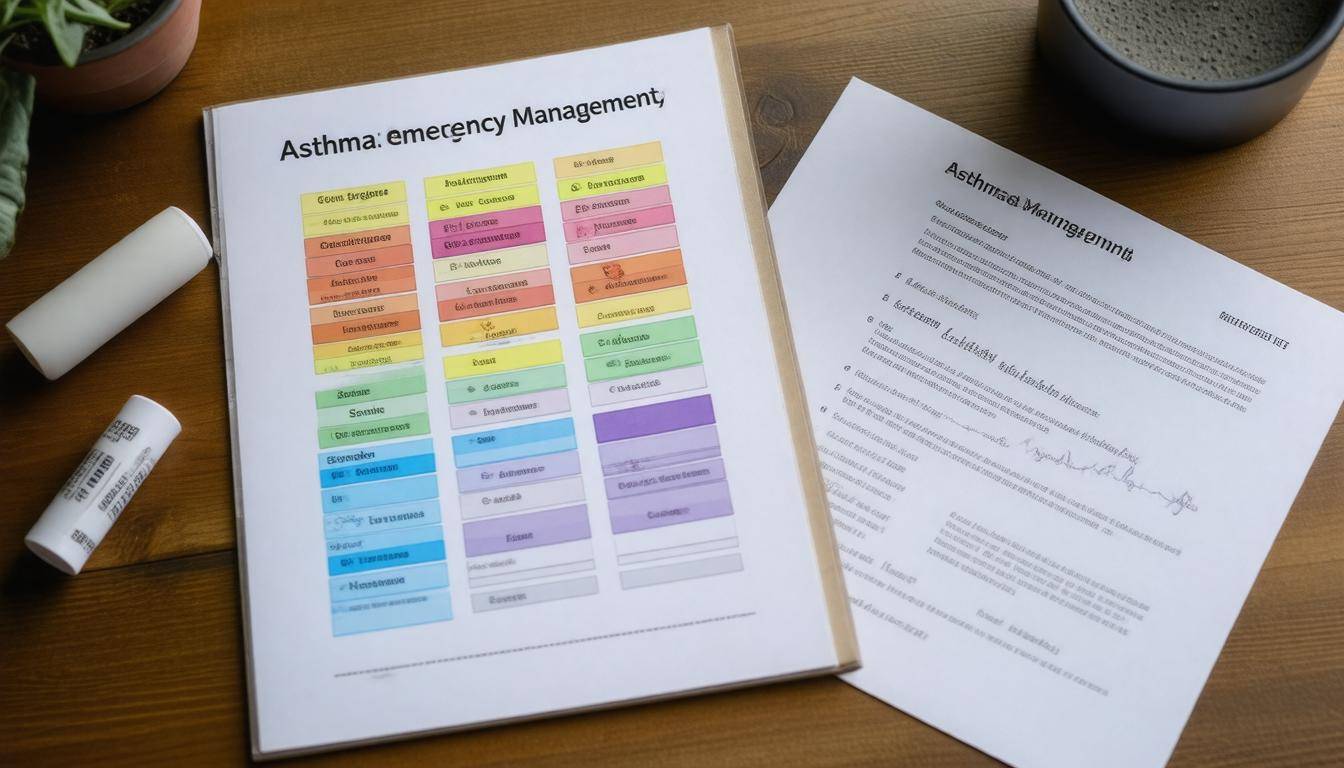
Identifying Common Allergens
One of the most significant steps in asthmatic management is recognizing and identifying common allergens. These allergens can trigger symptoms in many individuals, making it vital for anyone living with asthma to be aware of them. By knowing what environments to avoid or how to minimize their impact, individuals can take proactive measures to maintain their health.
Types of Allergens
-
Pollen: This natural allergen often comes from trees, grasses, and weeds. Its presence varies throughout the year; for example, tree pollen is more prevalent in spring, while ragweed pollen peaks in late summer and fall. Heightened pollen counts can cause severe reactions for those sensitive to these triggers.
-
Dust Mites: These microscopic pests thrive in warm, humid conditions and are commonly found in bedding, carpets, and upholstered furniture. They feed on organic material like dead skin cells. Keeping humidity levels below 50% can help control their populations.
-
Mold: Often lurking in damp places such as bathrooms and basements, mold spores can easily become airborne and lead to respiratory issues. To prevent growth, it’s crucial to fix any leaks promptly and to dry wet areas within 24-48 hours.
-
Animal Dander: Small flakes of skin shed by cats, dogs, and other furry pets are notorious triggers for asthma. Even homes without pets can experience dander carried in by visitors. Regular cleaning and minimizing pet access to certain areas of the home can help reduce exposure.
-
Cockroaches: These unwanted guests thrive primarily in urban environments; their droppings and body parts can remain allergenic even after the cockroaches are gone. Implementing Integrated Pest Management (IPM) strategies is essential for keeping infestations at bay.
Knowing these common allergens allows individuals with asthma to manage their immediate environment effectively. For instance, someone might notice an uptick in asthmatic symptoms during spring due to high levels of pollen in the air. Recognizing this pattern can prompt proactive strategies such as using air filters indoors or closing windows on high pollen days.
A study by the Asthma and Allergy Foundation of America found that nearly 30% of people with asthma also suffer from pollen allergies. This statistic highlights just how interconnected asthma is with environmental factors.
Once allergens are identified, understanding the environmental irritants that can exacerbate asthma symptoms becomes crucial. This knowledge serves as a vital first step toward creating a safer living space for yourself or loved ones dealing with asthma challenges.
Recognizing Environmental Irritants
Environmental irritants play a significant role in exacerbating asthma symptoms by provoking inflammation in the airways. These irritants can come from various sources, often lurking in the background of our daily lives, and their effects may go unnoticed until triggered, causing discomfort and distress to those affected. This is why awareness and proactive management are essential.
Common Environmental Irritants
-
Tobacco Smoke: A potent trigger for asthma symptoms, encompassing both first and secondhand smoke. It’s crucial for individuals with asthma to steer clear of areas where this smoke is present.
-
Air Pollution: High levels of ozone and particulate matter significantly contribute to respiratory issues, particularly in urban areas where traffic and industry generate harmful emissions. The air quality index (AQI) provides valuable insights into pollution levels, helping families make informed decisions about outdoor activities.
-
Strong Odors and Sprays: Everyday products such as perfumes, cleaning agents, and paints can release volatile organic compounds (VOCs) that trigger asthma symptoms. Identifying which scents or chemicals cause discomfort allows you to limit exposures at home or in public places.
-
Weather Changes: Cold air or sudden temperature fluctuations provoke tightness in the chest and wheezing for many asthmatics. Monitoring weather forecasts and preparing accordingly—such as wearing a scarf over the mouth during cold spells—can be beneficial.
Exposure to these irritants can lead to asthma flare-ups that create discomfort and restrict daily activities. Moreover, data from the World Health Organization indicates that around 235 million people suffer from asthma globally, underscoring the importance of understanding how environmental pollution contributes to the prevalence of this condition.
By recognizing these common environmental irritants, individuals can take practical steps to minimize exposure:
- Encourage smoke-free environments at schools and homes.
- Monitor local air quality reports before planning outdoor activities.
- Choose fragrance-free cleaning products whenever possible.
With a clear grasp of potential triggers affecting those with asthma, we can now shift our focus toward developing a comprehensive response plan tailored for emergency situations.
Creating an Asthma Emergency Plan
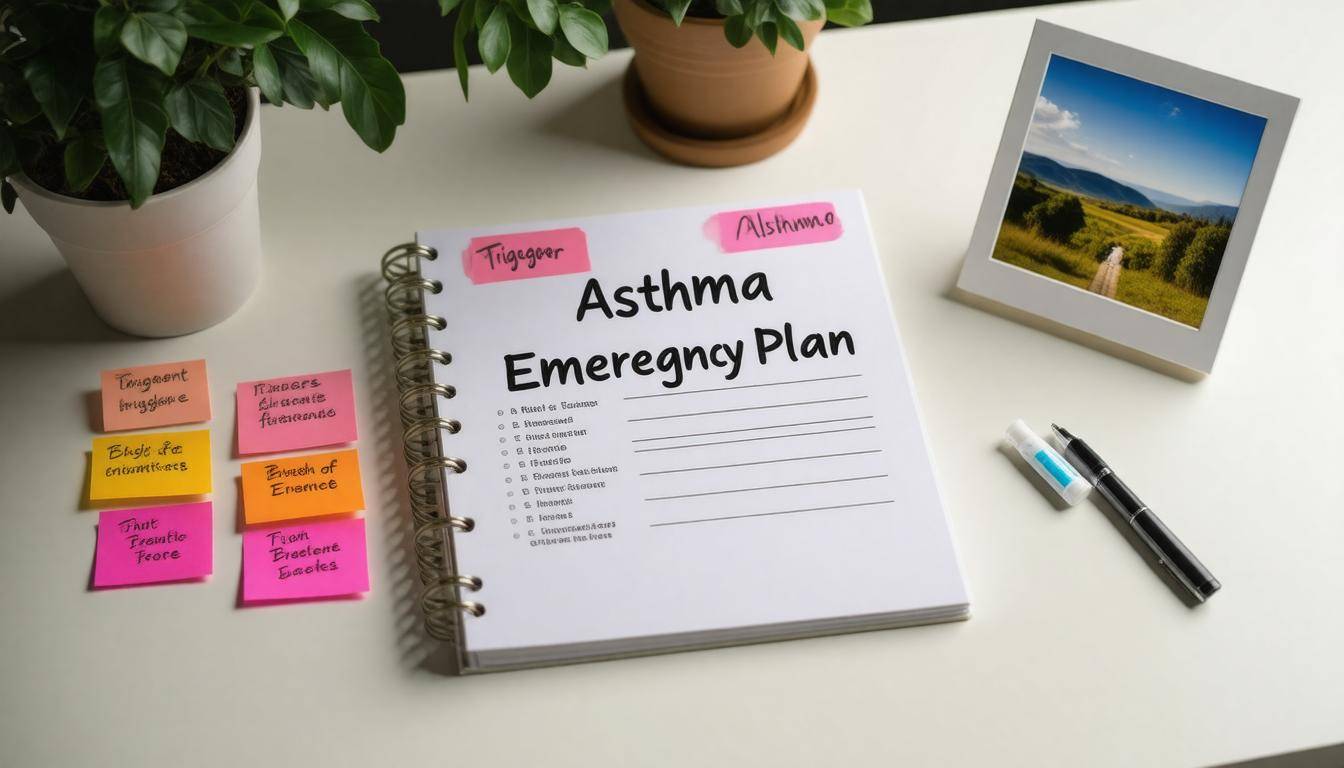
An effective Asthma Emergency Plan does more than outline procedures; it empowers individuals and their families to navigate the challenges of asthma confidently. A well-structured plan can alleviate anxiety by clearly defining steps to take during an asthma emergency, turning a potentially frightening situation into one that is manageable.
Step-by-Step Guide
-
Identify Symptoms: Recognizing the early signs of an attack is vital. Common indicators include coughing, wheezing, rapid breathing, and a tight feeling in the chest. Identifying these symptoms quickly allows for prompt action.
-
Use Quick-Relief Medication: It’s essential to have a rescue inhaler readily available and to follow prescribed dosages carefully. This medication, used at the start of any symptoms, can often prevent an attack from worsening.
-
Follow Action Plan: Each individual should work with their healthcare provider to create a personalized action plan tailored to their specific triggers and symptoms. This plan should include clear steps for different scenarios, helping to make decision-making easier under stress.
-
Remove Triggers: Moving away from known allergens or irritants—like smoke, dust, or strong fragrances—can significantly reduce the risk of worsening symptoms.
-
Seek Medical Assistance: If symptoms persist despite using the rescue inhaler, do not hesitate to call for emergency medical services. Timely intervention can be crucial in preventing complications.
To illustrate the importance of such plans: consider a child experiencing their first asthma attack at school without guidance or preparation. It can lead not only to physical discomfort but also to heightened fear and confusion among peers and teachers alike. Having a comprehensive action plan ensures that everyone understands exactly what steps need to be taken without hesitation.
Moreover, coordination with healthcare professionals enhances these emergency plans as they can provide greater insight into managing asthma effectively through knowledge sharing and ongoing support. Engaging your doctor in designing the plan ensures it’s practical and reflects best practices tailored specifically for you or your child’s needs.
Coordinating with Healthcare Professionals

Regular consultations with healthcare professionals are essential in developing a comprehensive asthma management plan. A strong relationship with allergists, pulmonologists, or primary care physicians provides continuity of care that significantly impacts your quality of life. Each visit allows doctors to track your symptoms, check lung function, and adjust your treatment plan as necessary. This ongoing conversation enables them to detect patterns or changes in your condition that may warrant adjustments in medications or therapeutic approaches.
Importance of Regular Check-Ups
Scheduling regular check-ups is not just a recommendation but a cornerstone of effective asthma control. Your doctor uses these appointments to assess how well your current medication is working and whether your symptoms are under control. For instance, if you report increased nighttime awakenings due to asthma, your provider may choose to increase your controller medication or suggest adding another form of therapy. This proactive approach can prevent potential exacerbations.
A patient shared, “Regular visits to my pulmonologist have been key in keeping my asthma under control, especially during allergy season.” This anecdote embodies the experiences many have: When patients maintain an open dialogue with their healthcare provider about their feelings and challenges, it leads to tailored strategies suited to their unique needs.
Beyond treatment adjustments, coordinating with healthcare professionals unlocks new pathways toward better asthma management.
Medication alone is not always sufficient; healthcare providers offer invaluable insights into recognizing triggers—both environmental and behavioral—that may worsen symptoms. Through discussions during check-ups, doctors guide you on effective lifestyle changes such as weight management, nutrition improvements, and exercise regimens that can significantly improve breathing. Knowing which outdoor and indoor allergens exacerbate your asthma can prepare you for challenges like pollen-heavy days or mold growth in living areas.
Engaging in Shared Decision-Making
A collaborative relationship fosters shared decision-making between you and your healthcare provider. Studies indicate that 70% of asthma patients who engage in shared decision-making report improved symptom control. Being an active participant by asking questions about your condition and expressing concerns openly can lead to more satisfactory outcomes. For instance, when discussing an action plan, voice any trepidations you have about medications or side effects—it’s important to feel equipped to make informed decisions regarding your health.
Regular engagement with healthcare professionals equips individuals with feedback loops that elevate overall health standards concerning asthma management. Keeping this cycle on track ensures you’re not simply managing symptoms but understanding them deeply through constant support and education from experienced practitioners.
As these strategies unfold, understanding how lifestyle modifications can further enhance control over asthma becomes crucial for those looking to optimize their health.
Activities and Lifestyle Adjustments
Engaging in specific activities and making thoughtful lifestyle changes are key steps to effectively manage asthma. The journey begins with exercise—an essential element that strengthens lung function. Activities like swimming or biking are excellent options since they keep you active while promoting better air quality. Warm, humid environments, such as those found in swimming pools, can actually help soothe your airways. However, when it comes to exercises that require bursts of energy, such as running, it’s imperative to ensure that you warm up properly first; this can prevent asthma symptoms from flaring.
Take it from someone who was once hesitant to work out due to asthma concerns; finding an exercise routine that suits my needs has transformed my perspective on physical activity. I started with gentle yoga sessions, which not only improved my flexibility but also allowed me to focus on my breathing techniques. Exploring yoga taught me that maintaining a healthy body doesn’t have to be daunting—it can be calming too!
Diet is another powerful ally in your asthma management toolkit. Consuming a balanced diet filled with antioxidants, such as those found in colorful vegetables and fruits, can have a positive impact on lung health. Research indicates that nutrients like vitamin C and omega-3 fatty acids may help reduce inflammation. So why not infuse your meals with more fish, greens, and nuts? It might seem simple, but fueling your body with the right nutrients can set you on a healthier path.
In addition to dietary choices, how we navigate our everyday environments plays a significant role in asthma management.
Keeping your home environment clean is essential for mitigating allergens that could trigger an attack. Regular vacuuming using HEPA filters and utilizing air purifiers can significantly lower dust mites and other irritants in your living space. Consider the floor surface carefully; switching carpeted areas to hardwood or tile can dramatically cut down on dust accumulation.
Furthermore, making small but impactful changes such as avoiding strong fragrances or chemicals at home can help maintain a more breathable atmosphere. This brings us back to stress management, another crucial adjustment; using methods like meditation or deep-breathing exercises can greatly relieve tension, which often triggers asthma symptoms. Even just incorporating short mindfulness breaks into your daily routine could offer profound benefits.
These lifestyle adjustments fit seamlessly into a broader strategy for managing asthma effectively. The next step involves understanding how medications play a vital role in this ongoing journey.
Effective Use of Medications
Proper medication use is crucial for controlling asthma and preventing severe attacks. This means more than simply having your medications on hand; it involves understanding when and how to use them effectively. Each type of asthma medication serves a specific purpose, and knowing the right time to utilize each can mean the difference between a mild flare-up and a full-blown emergency. For instance, if you’re experiencing early signs of an asthma attack—like increased coughing or wheezing—having your quick-relief inhaler at the ready can help. These medications, such as Albuterol, are designed to act swiftly, relaxing the muscles around the airways and allowing for easier breathing.
However, quick-relief medications should not be your only line of defense against asthma.
Categories of Asthma Medications
| Medication Type | Purpose | Examples |
|---|---|---|
| Quick-relief (rescue) | Provides immediate relief during attacks | Albuterol (Ventolin) |
| Long-term control | Prevents symptoms and reduces frequency of attacks | Inhaled corticosteroids (Fluticasone) |
| Combination inhalers | Provides both immediate and long-term control | Advair, Symbicort |
Long-term control medications play a vital role in your daily regimen. They reduce inflammation and prevent asthma symptoms from occurring in the first place—they’re like a shield protecting you from potential triggers. For instance, an inhaled corticosteroid like Fluticasone works by decreasing inflammation in your airways, making it harder for allergens or irritants to provoke an attack. Using these consistently, even when you feel fine, helps keep those pesky symptoms at bay.
As with any health regimen, using these medications correctly is only half the battle; monitoring their effectiveness is equally crucial.
Imagine regularly checking your peak flow meter—an essential tool that measures how well air moves out of your lungs—as part of your routine. Not only does this provide valuable insight into your lung function, but it also helps you identify when adjustments need to be made to your treatment plan before things get out of control. Regular health monitoring allows you to notice patterns: perhaps you find that certain times of year trigger more symptoms or that specific activities require a preemptive dose from your quick-relief inhaler.
Finally, continuous communication with your healthcare provider plays a vital role in successful asthma management.
After all, they are there to guide you through changes in symptoms or medication effectiveness. Annual check-ups are recommended to reassess your strategies and tailor them based on current needs. Ensuring that teachers and caregivers are aware of these medications is especially important if there are children involved—they must be informed of what to do in case of an emergency. Empowering everyone in your environment not only helps manage asthma better but ensures safety for all involved.
Now let’s explore how regular assessments can enhance overall well-being and asthma management practices.
Regular Health Monitoring
Regularly tracking your health is like having a GPS system guiding you through your asthma journey. It provides real-time feedback about how your lungs are responding to various conditions and treatments. One effective tool for this monitoring is the peak flow meter. This handy device measures the maximum speed of air you can exhale, offering insights into your lung function on any given day. By using it daily, you won’t only observe changes in your condition but also spot early warning signs of potential asthma exacerbations, such as a noticeable drop in airflow of more than 20%.
The peak flow meter isn’t the only tool at your disposal; keeping an asthma diary can be transformative. This diary allows you to jot down various elements related to your asthma: medications you’re taking, environmental triggers encountered that day, and how you’ve been feeling overall. Essentially, it’s a symptom tracker, medication log, and trigger journal rolled into one neat package. Over time, you’ll find patterns that correlate with increased symptoms or urgent care visits.
Regular entries can empower both you and your healthcare provider with valuable insights leading to personalized adjustments in your management plan.
But monitoring doesn’t just stop at personal vigilance; it’s vital to share this information with your healthcare provider.
Open dialogues based on your recorded data can prompt necessary medication adjustments, alternative therapies, or specific lifestyle changes that better suit your individual needs. Consider collaborating regularly during check-ups or consultations and bring along your asthma diary. Your active role in this partnership enhances accountability on both sides.
Remember that 30% of asthma patients experience at least one attack per year, which emphasizes how crucial it is to remain vigilant. Consistently monitoring symptoms and reactions can help minimize these occurrences and limit trips to the hospital; in fact, regular monitoring has been shown to reduce asthma-related hospitalizations by around 50%. So rather than seeing health checks as a chore, view them as vital opportunities for active involvement in your well-being.
With this proactive approach to health monitoring, you’ll be well-prepared to explore strategies focusing on ongoing control that ensure a more stable and manageable experience with asthma.
Long-term Asthma Control Strategies
Long-term asthma control strategies are crucial for anyone managing this chronic condition. They aim to promote consistent lung function and reduce the likelihood of asthma attacks—essentially creating a safety net for your respiratory health. At the core of these strategies is a holistic approach that intertwines various elements, including avoiding triggers, following prescribed medication plans, and embracing a healthy lifestyle.
One pivotal aspect of long-term management is recognizing and avoiding known triggers. These can range from common allergens such as dust mites, pet dander, and pollen to environmental factors like smoke and pollution. Understanding what sets off your asthma symptoms allows you to create an environment conducive to better breathing.
For instance, if you know that cold air aggravates your asthma, try wearing a scarf over your mouth and nose before stepping outside in chilly weather. This small adjustment can make a noticeable difference.
In addition to identifying triggers, adhering to your medication regimen is fundamental. This often involves taking preventive medications consistently, even when you feel well. Think of it as akin to brushing your teeth; you do it daily to prevent cavities rather than waiting for pain to remind you of dental hygiene. Use tools like pill organizers or smartphone apps to keep track of when to take your medications, helping you stay on top of your routine without stress.
A fellow asthma sufferer once shared with me, “By sticking to my asthma management plan, monitoring my health, and staying active, I’ve been able to live a full and active life.” This kind of inspirational story highlights how individuals with asthma can thrive by forming a solid framework around their treatment—a reminder that you aren’t alone on this journey.
Another critical element is maintaining a healthy lifestyle. Regular physical activity is beneficial for lung health, yet the challenge lies in selecting exercises that fit within your limits. Activities such as swimming in warm, humid pools can be easier on the lungs compared to running outdoors during allergy season. Furthermore, incorporating a balanced diet rich in fruits, vegetables, and omega-3 fatty acids may also contribute positively to overall respiratory health.
Each component of long-term asthma care feeds into another; when you reduce exposure to triggers or effectively manage medications, you’re laying the groundwork for a more active life. It’s not just about treating symptoms; it is about enhancing your quality of life through proactive measures.
Ultimately, remember that every effort counts. By developing these long-term strategies tailored to your personal needs, you build resilience against asthma’s challenges—giving yourself the chance to savor each breath freely again.