
When it comes to keeping our kids safe, being prepared can make all the difference. Imagine finding yourself in a chaotic situation with little ones who need comfort and care—that’s where a well-thought-out children’s emergency kit steps in. It’s not just about collecting supplies; it’s about creating a sense of security that helps minimize stress for both kids and parents during emergencies. Whether you’re managing toddlers’ tantrums or reassuring teens, having the right essentials on hand can truly help ease anxiety. Let’s dive into how you can assemble an effective, age-appropriate emergency kit tailored to your child’s specific needs, ensuring peace of mind when it matters most.
A children’s emergency kit should include essential supplies such as first aid items, medications specific to the child’s age, and comfort items like a favorite toy. It’s crucial to tailor the kit according to the child’s age, ensuring younger children have infant-specific medications while older kids might require additional items for comfort or personal needs during emergencies.
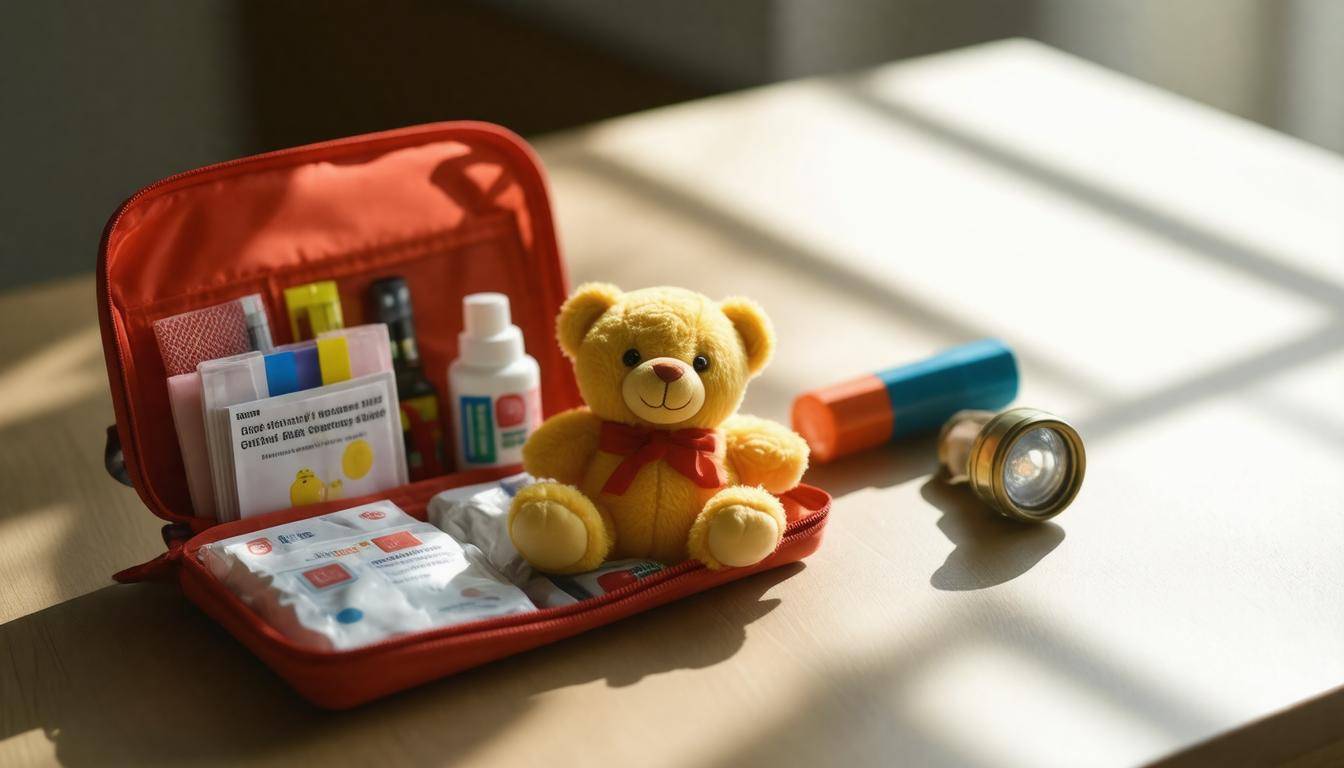
Children’s Emergency Kit Essentials
As you prepare a children’s emergency kit, it becomes essential to think broadly about what will help your child in different scenarios. While the core items may be similar, customization is key.
Infants require more than just food and water; their essentials might include:
- Diapers—at least ten should fit comfortably into your kit
- A pack of baby wipes for easy cleanup
- Formula or breast milk storage bags, enough for at least 72 hours
- Several baby food jars to ensure they remain well-fed during emergencies
- Two to three pacifiers for soothing
- Infant acetaminophen or thermometer, which can be lifesavers during a health scare.
Moving up from our littlest ones, we arrive at toddlers, who not only need sustenance but also distractions. These dynamic little humans require:
- At least five pull-ups or diapers
- Non-perishable snacks like crackers or fruit pouches to keep energy levels up
- Small toys or comfort items—a favorite stuffed animal might do the trick—to provide familiarity and comfort during stressful situations.
As we continue to preschoolers, think about packing nutritionally-responsible snacks such as:
- Granola bars or dried fruits
- Engaging activities like coloring books or small games that can ease anxiety and boredom.
For reassurance, standard supplies like band-aids and antiseptic wipes are crucial during this age as accidents can be frequent when little ones explore their world.
Keeping emergency contact information in a waterproof pouch is also advisable: if things get hectic, you want that info immediately accessible.
Finally, don’t overlook the preteens who are growing into more complex independence. For them, start adding items like:
- Trail mix or protein bars to keep them fueled for longer-term energy needs
- A collapsible water bottle that won’t take much space but keeps hydration convenient.
They should also have useful items such as a multi-tool with safety features appropriate for their age since unforeseen scenarios may call for quick problem-solving skills.
Each category of essentials enhances the effectiveness of the kit significantly for children of different developmental stages. By paying attention to both functional items and comfort measures, you’re not just preparing for emergencies pragmatically but also considering your child’s emotional well-being.
“Fostering a sense of security through preparation is one of the most profound gifts we can provide our children.” This ideology should resonate throughout every phase of building your emergency kit.
By expanding on these distinct essentials based on age requirements, you create a comprehensive children’s emergency kit that caters not only to basic survival needs but also tends to emotional comforts during unsettling times.
Understanding the specific needs of younger age groups lays a solid foundation for creating a nurturing environment. Next, let’s explore what really matters for those infancy and toddler years.
Infants and Toddlers: Safety and Comfort
When it comes to keeping the youngest members of your family safe, you really can’t be too prepared. Emergencies can happen without warning, so having an emergency kit tailored specifically for infants and toddlers ensures these little ones have what they need to stay comfortable and secure. This isn’t just about being practical; it’s about minimizing stress for both parents and children during a potentially chaotic time.
Safety
- Baby monitor with extra batteries: This allows you to keep an eye on your child even in the event of a power outage, ensuring that you’re always aware of their well-being.
- Pacifiers and teethers: These essential items soothe infants amidst the anxiety of an emergency, providing comfort and helping to calm panic.
- Baby-wearing carrier: This facilitates easy transport while keeping your child close, offering them a sense of security during uncertain times.
With the right safety items on hand, you’re laying a solid foundation for your child’s experience during an emergency. It’s crucial to remember that infants often sense parental anxiety, so keeping them calm will help ease the overall atmosphere.
Food and Nutrition
Maintaining a three-day supply of food is essential when preparing an emergency kit for infants and toddlers. Pre-measured formula packets, jars of baby food, and snacks like puffs or teething biscuits should be included to ensure they have adequate nutrition even in difficult situations. If you’re breastfeeding, many parents find great value in including a manual breast pump as a handy backup—something often recommended by moms on forums like BabyCenter.
Following CDC guidelines, it’s vital to think ahead about nutrition during emergencies. Infants may not adapt easily to new foods under stressful circumstances; having familiar diet options available can provide comfort while ensuring their dietary needs are met.
Comfort and Toys
Packing comfort items is equally important as food supplies. Items like teething rings, washable soft toys, and board books can offer emotional support during tough times. Just as you would carefully consider what to pack for an overnight trip, remember that young children experience heightened stress levels during emergencies. Their needs are magnified, making comfort items essential to their peace of mind.
Having something familiar—a beloved stuffed animal or favorite book—can act as a soothing balm for their worried little hearts.
Transitioning from considerations for our youngest family members leads us toward addressing the needs of older children, whose experiences require thoughtful preparations that keep both their physical needs and emotional well-being in mind.
Preschoolers to Preteens: Security and Activity
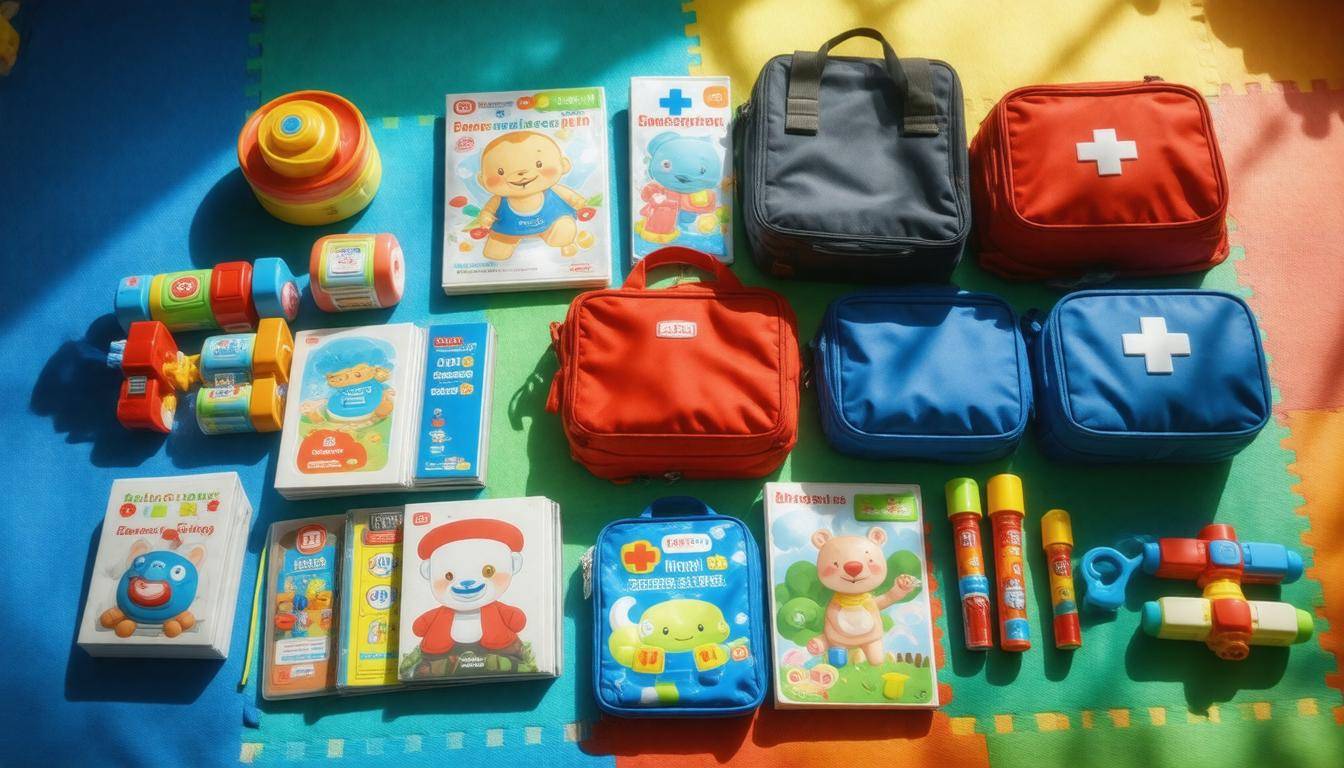
It’s important to realize that children in this age range process situations differently than adults. They may feel anxious during emergencies, so incorporating comforting and engaging elements into their emergency kits can make a significant difference in how they cope. A key component is entertainment, which keeps their minds occupied and lightens the mood.
Entertainment
Consider including coloring books with washable markers or crayons, as they are a wonderful way for kids to express themselves while being distracted from the stress of the moment. Small puzzles or card games work just as well, providing both fun and focus during potentially chaotic times.
I remember one mom sharing her experience, recounting how a simple bubble solution set found in their emergency kit became a delightful distraction during a particularly stressful evacuation. Little moments like these can have a calming effect, allowing children to relax amidst uncertainty.
However, entertainment isn’t the only aspect to consider. Safety must be at the forefront, especially in unpredictable situations.
Safety Items
Having proper safety items in place can ensure that your child’s needs are met swiftly and efficiently. One crucial addition is identification cards; each child should have a card containing important details such as their name, address, and emergency contacts. This simple measure provides an added layer of security should parents become separated from their children during an emergency. You can laminate these cards for durability and keep them in a waterproof pouch within the kit. It’s amazing how even small steps can contribute to significantly greater peace of mind.
Next up is the matter of how comfort items can feel like a secure hug during unsettling times.
Comfort Items
A familiar blanket or pillow featuring your child’s favorite character can provide emotional support when things get tough. These comforting objects serve as tangible reminders of home and normalcy.
When my friend’s daughter was suddenly faced with an unexpected situation while camping, she clung tightly to her teddy bear, finding solace in its presence when everything around her felt uncertain. In the same vein, having accessible comfort items in your children’s emergency kit can help ease anxieties.
As we continue, it’s essential to understand the unique preparations necessary for children with specific requirements when facing emergencies.
Special Needs Considerations
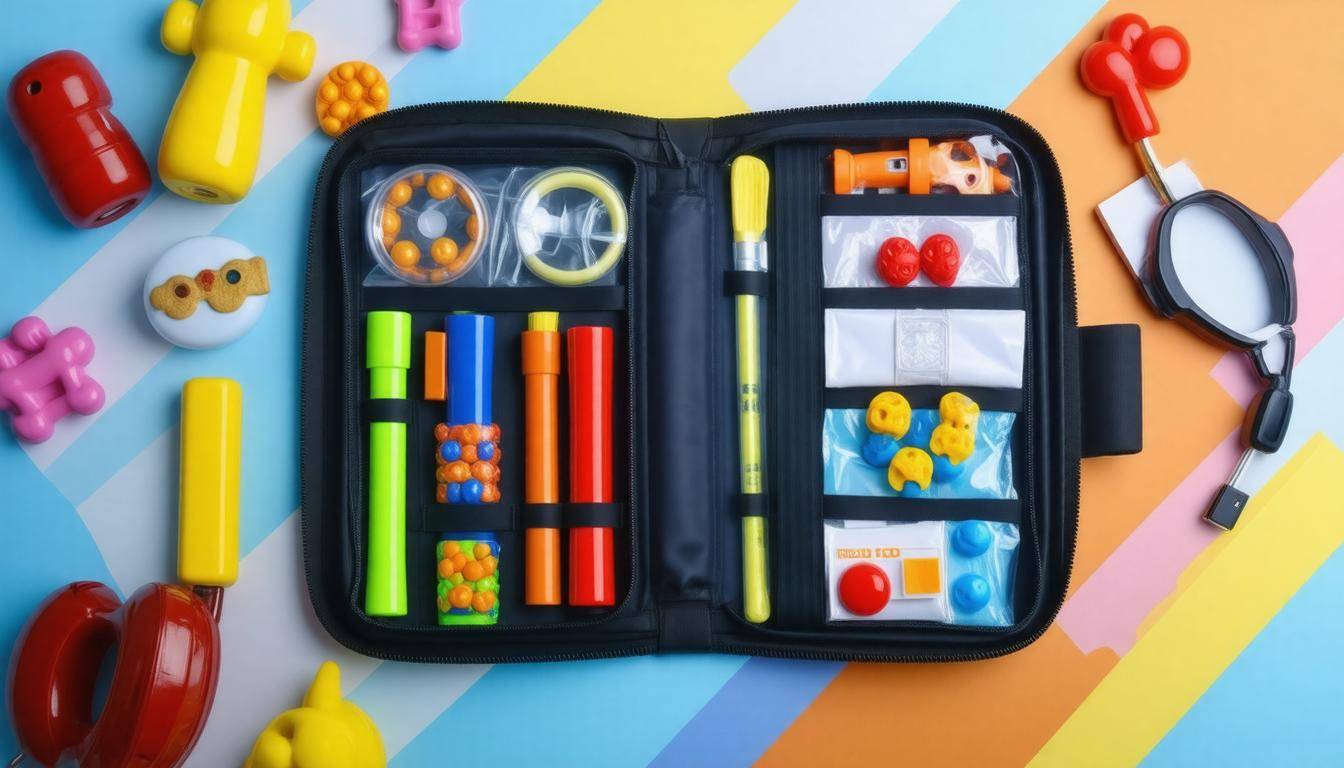
Children with special needs may require particular items tailored to their medical, physical, or behavioral requirements. It’s essential to create an emergency kit that not only addresses common concerns but goes a step further to accommodate their specific needs, ultimately ensuring their safety and comfort.
Medical Supplies
Always ensure a surplus of any necessary medications, ideally having a seven-day supply clearly labeled with dosage instructions. This preparation is invaluable; imagine the stress of scrambling at the last minute to find that important medication!
Also remember to include backup dosages and written prescriptions for each medication, as this can be particularly useful if you need to refill supplies during an emergency. Additional items, such as an extra battery for hearing aids or a spare pair of glasses, can make a world of difference in maintaining your child’s routine.
According to a study by the National Center for Disaster Preparedness, children with special needs fare better in emergencies when their specific requirements are considered.
Comfort and Communication Tools
Beyond medical necessities, comfort items play an equally crucial role in helping children manage anxiety during emergencies. For non-verbal children, picture cards serve as effective tools for communication. These cards can help them express their needs and feelings when words escape them. It’s surprising how a simple tool like this can empower a child in distress.
Additionally, sensory toys, weighted blankets, or fidget tools can provide immediate reassurance and grounding for children with autism or sensory processing challenges.
When including these items in your kit, consider creating a small space dedicated solely to comfort items—this allows for easy access while keeping things organized amid chaos. Regular checks on the contents can help ensure everything remains relevant and ready for use.
Nutrition is another vital element that should be thoughtfully integrated into your preparedness planning, especially when it comes to accommodating the unique dietary needs of children.
Nutritious Recipes and Instructions
Keeping children’s nutrition in mind during an emergency is essential; meals should be easy to prepare and energy-dense. It’s important to consider simple, non-perishable recipes that cater to kids’ tastes while providing adequate nourishment. Familiar flavors can help ease anxiety during stressful times.
Simple, Non-Perishable Recipes
Here are some straightforward recipes perfect for emergencies:
- Oatmeal packets mixed with water serve as a warm, comforting meal when prepared with hot water, commonly found in emergency shelters.
- Canned beans paired with rice offers another nourishing option; this combination packs a punch of protein and carbohydrates without refrigeration.
- The classic peanut butter on whole-grain crackers is a delicious and sustaining snack!
A well-rounded diet supports children in maintaining focus and resilience during challenging situations. Research shows that high-protein snacks are effective at sustaining energy levels amidst stress.
Below are a few more easy ideas that fit into your emergency supply plan:
- Trail mix with nuts and dried fruit: This combination is not only easy to pack but also provides energy through healthy fats and sugars.
- Canned chicken with crackers: An excellent source of protein, it only requires minimal effort to prepare.
- Granola bars: They come in various flavors and are high in fiber, making them a go-to snack for quick energy boosts.
Hydration
Beyond meals, hydration is vital in emergencies. It’s crucial to include sufficient quantities of bottled water—FEMA advises at least one gallon of water per person per day for at least three days for drinking and sanitation. Additionally, incorporating electrolyte solutions like Pedialyte helps rehydrate children when they’re feeling fatigued or unwell.
As you think about how to keep children nourished and hydrated, the next logical step is organizing everything into a manageable checklist to ensure nothing crucial is overlooked during your preparations.
Compiling a Checklist
A well-thought-out checklist can indeed simplify the process of putting together your children’s emergency kit, ensuring that you don’t overlook any essential items. Begin by categorizing your supplies into specific sections. This way, everything from first aid to comfort items has its dedicated place. For instance, you could divide your list into categories like First Aid, Food and Water, Hygiene, Comfort Items, and Special Needs Supplies.
When it comes to the first aid category, think beyond just band-aids and antiseptic wipes; consider including age-appropriate medications like infant acetaminophen or flu remedies for older children. Under food, include a variety of non-perishable snacks that cater to different ages—granola bars for toddlers or shelf-stable milk packets for preteens. It’s also crucial to think about hygiene products, which may encompass not only baby wipes and hand sanitizers but also items tailored for older children, such as toothpaste and deodorant.
Another important consideration is adding comfort items to your checklist. It’s helpful to think about how stressful emergencies can be for kids. Including a favorite stuffed animal or a book can provide emotional reassurance during tough times. If your child requires special items—like prescribed medications or even a particular toy for developmental needs—don’t forget to add those too.
Now, there’s often a debate among parents about whether to maintain separate lists for each child or to combine everything into one. While having individual lists ensures that each child’s specific needs are met, a single consolidated list might be easier to manage, especially during moments of stress when quick access is critical. Ultimately, choose whichever method allows for easy accessibility and keeps you organized; updating the list regularly is equally vital as children’s needs can change rapidly over time.
To make things even easier, consider utilizing digital tools or apps designed specifically for emergency preparedness checklists. These options allow you to create shared lists with other caregivers, ensuring everyone involved knows what’s contained in the kit.
By consistently refining this checklist based on usage and evolving family needs, you’ll foster peace of mind knowing that you’re prepared for whatever challenges might come your way. This act of compiling your checklist serves as a significant step toward safety and readiness in uncertain times.
With your checklist in hand, it’s time to focus on how best to keep these vital supplies organized and accessible for every situation that may arise.
Storing and Maintaining Your Kit
Proper storage and regular maintenance of your emergency kit ensure it remains effective and usable. One of the first considerations is selecting the right container. Ideally, your kit should be stored in a waterproof box with a secure lid to keep the contents dry. Think of it as creating a little safety capsule. Be mindful that kids can be curious; avoid placing the kit where they might rummage without supervision.
An effective way to enhance accessibility would be to:
- Designate a specific shelf or cupboard that is easy for adults to reach, while ensuring it’s not too far out of a child’s grasp.
- Use bright, recognizable labeling on the container to indicate its importance—this helps everyone know what it is without confusion.
- Consider having smaller kits in different locales; perhaps one for the home, another stashed in your car, and possibly one tucked away at a neighbor’s house.
According to emergency preparedness experts, having multiple kits increases convenience and boosts the chances of having necessary supplies accessible wherever you might be.
Maintenance Routine
Maintenance isn’t just about checking for expired food and medicines; it’s about ensuring that every item in the kit serves its purpose effectively. You’ll want to plan on checking and replacing expired items like food, medications, and batteries every six months. Make this an easy-to-remember date—perhaps align it with daylight savings time or a seasonal change—to keep track of when you need to perform your checkup.
As your child grows, their preferences may change as well. Ensure comfort items—like stuffed animals or toys—are still relevant to their current favorites. This connection will ease anxiety if an emergency occurs since familiarity has been shown to soothe children during stressful times.
Consistent engagement ensures that even small maintenance tasks become second nature. For instance, involving your child in identifying which items need replacing can build excitement around the kit rather than dread about upkeep.
Maintaining an organized and updated emergency kit empowers both parents and children alike. Following this thread of thought, let’s explore how often these essential adjustments should take place.
Updating Your Kit Regularly
Keeping your children’s emergency kit up to date is crucial for their safety and comfort during emergencies. Think of it as ensuring that their favorite snack is always on hand or that their beloved toy doesn’t go missing in a crisis. In this rapidly changing world, what worked last year might not serve the same purpose today, especially as children grow and develop new interests or specific needs.
Step-by-Step Guide to Updating
Start by setting a reminder on your calendar every six months to review your emergency kit. This simple act transforms an overwhelming task into manageable bites sized chunks. During each update, take a clear look at each component within the kit and assess its relevance.
Next, check expiration dates on all consumables and medications, replacing them as needed. Imagine being in a situation where you reach for a snack only to find it expired weeks ago! That can create unnecessary panic—regularly replacing items helps ensure they will be safe for consumption when it’s needed most.
When checking your kit, include seasonal changes too; it could be helpful to rotate snacks based on what’s popular in season or even what’s easier to pack for summer outings or winter travels.
It’s also essential to update comfort and entertainment items according to your child’s changing tastes and developmental needs. One year they may adore a beloved stuffed animal, while the next they might have moved on to action figures or interactive games. Keeping these items fresh maintains their emotional well-being and gives them a sense of familiarity amid chaos.
Case Study
One parent shared, “We update our emergency kit every spring and fall, which aligns with our household’s deep cleaning. It keeps us prepared year-round.”
Such foresight aligns well with research indicating that regular upkeep contributes significantly to preparedness. By making updating a routine part of your schedule, you help instill good habits in your children about readiness, ultimately fostering an attitude of proactive care regarding safety.
In this way, you’re not just preparing physically but also emotionally, contributing positively to their overall resilience during stressful situations.
In the world of child safety, regular updates to emergency kits stand as a vital checkpoint for readiness and comfort. Committing to this practice fosters both security and reassurance in challenging times.
What are the common mistakes parents make when assembling children’s emergency kits?
Common mistakes parents make when assembling children’s emergency kits include overlooking age-appropriate items, such as smaller toys or comforting items for younger children, and neglecting to regularly update the kit with fresh food and medications. A study found that 60% of families have outdated supplies in their emergency kits, which can hinder a child’s comfort and safety during a crisis. Additionally, many parents forget to involve children in the process, missing an opportunity to educate them about safety and preparedness.
How can parents involve their children in creating their own emergency kits?
Parents can involve their children in creating their own emergency kits by setting up a fun and educational activity where kids choose age-appropriate items, such as flashlights, snacks, and first aid supplies. This not only empowers children to think about safety but also makes them feel responsible and prepared; studies show that children who participate in safety planning are 60% more likely to remember what to do during an emergency. By making the process engaging, parents can teach valuable lessons about preparedness while fostering a sense of independence.
What educational resources can help children learn how to use the items in their emergency kits?
Educational resources such as interactive apps, online safety games, and instructional videos can effectively help children learn how to use items in their emergency kits. For instance, according to a survey by the National Association for Search and Rescue, children who engaged with interactive learning tools showed a 70% increase in knowledge retention regarding safety protocols. Incorporating fun storytelling or role-playing exercises can also reinforce these lessons, making safety education both engaging and memorable for young learners.
How often should children’s emergency kits be updated to reflect changing needs as they grow?
Children’s emergency kits should be reviewed and updated at least once a year to ensure they meet the evolving needs of growing children. As children age, their developmental stages may require different items for first aid, safety, and comfort. For instance, younger children may need toddler-specific supplies, while older kids might require items tailored for sports or school emergencies. Regular updates help keep the kit relevant, ensuring that any essential items do not expire or become unsuitable—this practice keeps families prepared and minimizes panic during actual emergencies.
What specific items should be included in an emergency kit for infants versus older children?
An emergency kit for infants should include essential items like infant formula or breast milk, diapers, wipes, a first aid kit tailored for baby safety (including baby-safe pain relief and antiseptic), and emergency contact information. In contrast, an older children’s kit can contain more diverse supplies such as snacks, water, a flashlight, a whistle for signaling, a basic first aid kit suited for kids (including band-aids and antiseptic wipes), and age-appropriate educational materials. According to the American Academy of Pediatrics, having tailored kits can significantly reduce panic and enhance safety during emergencies by meeting the unique needs of each age group.