
When you’re gearing up for an adventure in the stunning mountains of Austria, safety should be at the top of your list—right alongside your sense of adventure! No one expects the unexpected, but by preparing with the right emergency kit, you can explore confidently knowing you’re ready for whatever nature throws at you. From first aid essentials to navigation tools, every item plays a vital role in keeping you safe. I’ve spent time researching and compiling this guide to help ensure that your next mountain trek is not only thrilling but also secure. So let’s dive into what really should be in your Austria Mountain Emergency Preparedness Kit, so you can focus more on enjoying the view and less on worrying about what ifs!
An Austria Mountain Emergency Preparedness Kit should include essential items such as a first aid kit, thermal blankets, non-perishable food, water purification tablets, a map and compass, a flashlight with extra batteries, and appropriate clothing layers. Additionally, consider adding a multi-tool, emergency whistle, and backup power sources for your devices to ensure safety while navigating the mountainous terrain.

Essential Items for Your Emergency Kit
When venturing into the mountains of Austria, your safety is paramount; thus, having an emergency kit that caters to various situations is indispensable. The first thing to consider is safety gear, which serves as your frontline defense against unforeseen circumstances. Each item plays a vital role in ensuring your survival and making it easier for rescuers to locate you if necessary.
Safety Gear
-
Whistle: An often-overlooked tool that can be invaluable for signaling for help when in distress. Its sound carries much farther than a person’s voice, allowing searchers to find you quickly.
-
Fire Starter: Waterproof matches or fire steel are essential. In unexpected situations, starting a fire can provide warmth, light, and the ability to cook food.
-
Emergency Blanket: Lightweight and compact, these blankets not only reflect heat back to your body but also protect you from wind or rain in an emergency.
-
Multi-Tool: A versatile companion that combines several tools in one device—ideally including a knife, pliers, and screwdriver—can be incredibly handy for various unexpected challenges while out in the wilderness.
After securing adequate safety measures, it’s crucial to turn your attention towards navigation tools.
Navigation Essentials
Among the most important tools to carry are a detailed map of your hiking area and a compass. Maps provide contextual awareness of topographical obstacles and landmarks that can guide you along routes and alternatives. While modern GPS devices are excellent for tracking your location, they depend on batteries which may fail at critical moments. Retaining traditional navigation skills might just be the difference between getting lost or safely finding your way back.
A 2024 study conducted by the Austrian Alpine Club found that adventurers using traditional maps and compasses dramatically reduced their search times by 45 percent during emergency rescues. This statistic highlights how valuable basic navigational skills are—skills that require no technology and can function regardless of battery life.
Collectively, these components form the backbone of a mountain emergency preparedness kit. Understanding each item’s purpose ensures you’re prepared and builds confidence in handling unexpected situations effectively.
Building on this knowledge of preparedness items, we now shift our focus toward health-related necessities that ensure your well-being during outdoor adventures.
First Aid and Health Essentials
When venturing into the mountains, the unpredictable nature of the terrain can lead to injuries ranging from minor cuts to more severe mishaps. A well-equipped first aid kit is your first line of defense in these situations. Rather than merely collecting items, it’s crucial to understand their specific functions within the context of outdoor activities.
Basic First Aid Kit Components
-
Adhesive bandages and gauze pads: These are essential for covering wounds and preventing infection.
-
Antiseptic wipes and ointment: Keeping these handy ensures you can clean any cut or scrape effectively before applying a dressing.
-
Pain relievers like ibuprofen or acetaminophen: Pain can hinder your ability to navigate; having relief on hand can be a game changer.
-
Tweezers: For splinter or tick removal; as Maria learned, their role can’t be understated during an adventure.
-
Medical tape: This secures your bandages more firmly than adhesive alone, ensuring they remain in place during physical activity.
-
CPR face shield: Emergencies can happen at any moment; having this tool can save lives.
-
Eye wash solution: Protects against the elements by flushing out debris, which is particularly important when crossing dusty trails or windy peaks.
Understanding these components empowers you to respond appropriately to various situations that could arise. However, first aid doesn’t stop at treating injuries; it also extends to maintaining overall health during your mountainous pursuits.
Changing environments can also affect how our bodies function, which is why being prepared for altitude sickness is equally important.
Altitude Sickness Prevention
This brings us to altitude sickness—a concern for those scaling higher elevations. Symptoms can sneak up on even seasoned hikers, making it crucial to carry medications such as Diamox, which helps mitigate the risk as your body acclimatizes to thinner air. Just like checking weather conditions prior to hiking, monitoring how you feel at different altitudes plays a vital role in ensuring not just your safety, but also your enjoyment.
Remember: hydration is key. Drinking plenty of water combats dehydration and helps with acclimatization. Make sure you pack electrolyte solutions too! They replenish what your body loses through exertion, especially when traversing high-altitude paths.
A comprehensive first aid kit significantly enhances your preparedness for unforeseen events while allowing you to maintain optimal health throughout your mountain adventures. Tailoring your kit to include both basics and altitude remedy medications will serve as a solid foundation for any journey through Austria’s breathtaking landscapes.
Equipped with these health essentials, it’s essential to stay connected and informed while navigating the alpine terrain. Let’s explore the tools that ensure effective communication and enhance safety during your expeditions.
Tools and Communication Devices
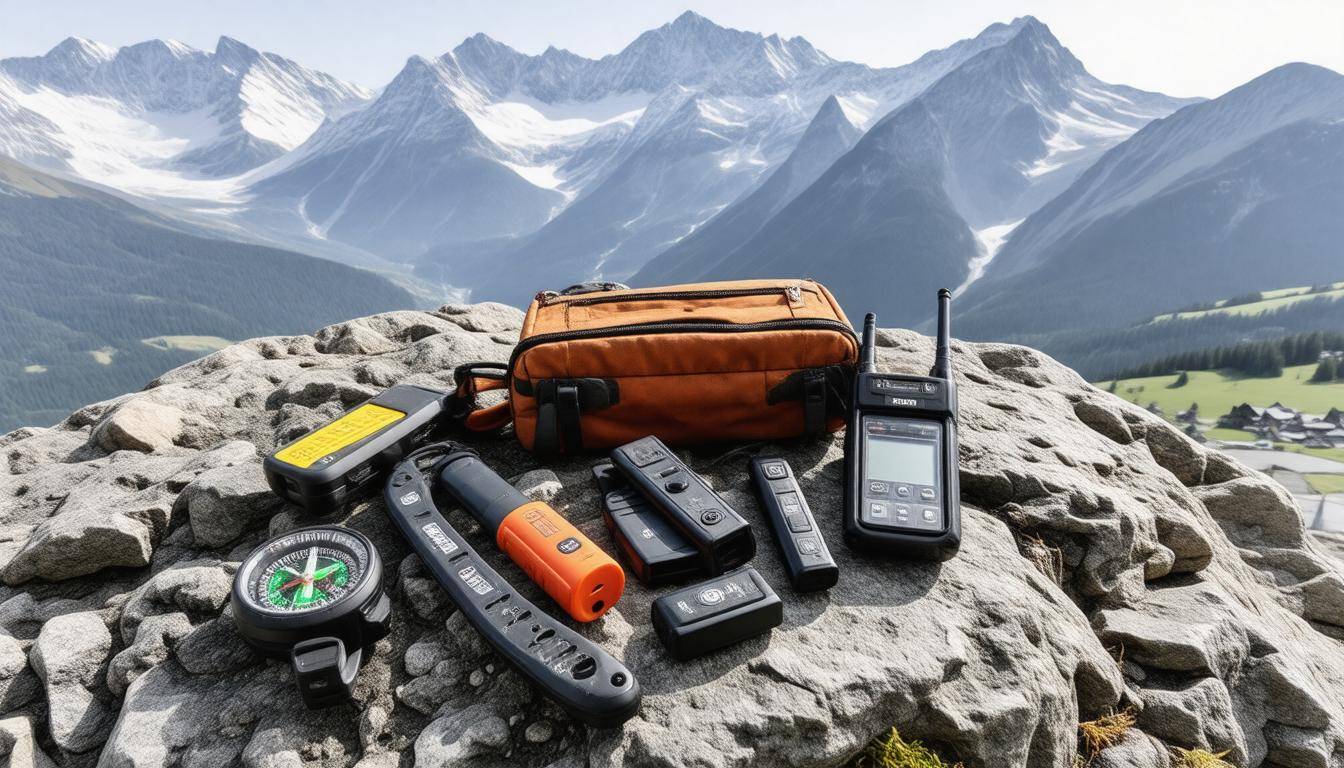
Having the right tools at hand can literally be a lifesaver in emergencies. A reliable multi-tool is paramount—think of it as your portable handyman. These devices usually combine knives, pliers, screwdrivers, and sometimes even small sawing implements into one compact gadget. Imagine you’re caught in a situation where you need to fix your gear or prepare food; having all those functionalities easily accessible can make a significant difference.
In situations where snow piles up and visibility decreases, a lightweight, foldable shovel becomes invaluable—not just for digging out a snow pit where you might need to spend the night but also for building windbreaks to protect against harsh conditions.
When you’re amidst potentially perilous mountain terrain, your tool choices extend beyond mere convenience; they become fundamental to your well-being. Another essential tool to consider is an emergency fire starter. Whether it’s waterproof matches, a flint striker, or a simple magnesium block, being able to start a fire can ensure warmth during cold nights and serve as a signal for rescue teams.
Signaling for Help
In addition to tools, signaling devices are crucial in an emergency. Investing in a Personal Locator Beacon (PLB) or a satellite messenger is an excellent decision given their ability to send distress signals via satellite—an absolute must in remote areas devoid of cell service. Equipped with GPS location features, these devices not only convey your need for help but also pinpoint your exact whereabouts.
| Device | Cost Range | Key Features |
|---|---|---|
| Personal Locator Beacon (PLB) | $250-$400 | Sends a distress signal with GPS location |
| Satellite Messenger | $300-$550 | Two-way communication, GPS tracking |
| Portable Radio | $100-$200 | Can tune into emergency broadcasts and weather alerts |
| Cell Phone with Power Bank | $0-$800 | Communication and navigation but battery-dependent |
Each of these devices serves its unique purpose; for instance, satellite messengers allow for two-way communication—not only sending your distress signal but also receiving information about weather conditions or rescue updates from the outside world. On the other hand, portable radios can provide vital emergency broadcasts that may keep you informed on changing conditions around you.
The careful selection of tools and signaling devices plays an integral role in ensuring safety during mountain excursions. Preparing effectively can significantly enhance your capacity to face unpredictable mountain weather. Let’s explore the essentials for keeping warm and protected amid the elements.
Clothing and Shelter for Mountain Weather
When you’re trekking in the Austrian Alps, weather conditions can change in an instant. For this reason, understanding the right clothing and shelter options can bridge the gap between a comfortable journey and a potentially dangerous situation.
Layering your clothing is essential; not only does it provide you with flexibility to adapt to varying temperatures, but it also maximizes your comfort and safety throughout your adventure.
Think of layering as building a cake: each layer contributes something vital to the overall structure. The base layer should be moisture-wicking, pulling sweat away from your skin to keep you dry. Merino wool or synthetic fabrics work wonderfully here, creating a first line of defense against moisture. Next comes the insulating layer—this could be fleece or down material that retains your body heat even when temperatures drop. Finally, you’ll want a waterproof and windproof outer layer. Look for jackets made from breathable materials like GORE-TEX, which keep you dry while allowing perspiration to escape.
It’s worth investing in a high-quality down jacket that is water-resistant. Down has remarkable insulating properties, but remember—if it gets wet, its effectiveness diminishes substantially. Ensuring it’s water-resistant will help maintain warmth.
Emergency Shelters
As much as what you wear is crucial, so too is what you have to protect yourself when things go awry. Bringing an emergency bivvy sack or a compact tent provides not just physical protection from the elements but also psychological reassurance in case of an unexpected overnight stay.
Opt for lightweight shelters that are easy to carry yet durable enough to withstand harsh conditions. A quality bivvy sack is often waterproof and designed for quick setup, making it an excellent option while on the move. If you’re considering a tent instead, look for one that offers a good balance between weight and space without sacrificing stability during windy conditions.
As you prepare your kit, think about these two critical elements in unison. Having clothing suited for mountain weather can’t stand alone without adequate shelter ready in your pack. Together, they form a robust system of protection—one which can literally be lifesaving when navigating the unpredictable terrain of the Alps.
With your clothing choices and emergency shelters sorted out, it’s time to shift our focus to another key aspect of preparation—to ensure you have essential supplies that support your well-being during outdoor adventures.
Emergency Food and Water Supplies
Sustaining yourself while hiking in mountainous terrains is just as important as keeping warm or dry. The significance of sufficient food and water cannot be overstated; without them, even the most well-planned outdoor adventure can quickly turn into a struggle for survival. As you navigate trails, it becomes easy to forget about hydration amidst the stunning vistas surrounding you. That’s why carrying at least 2 liters of water should be your baseline—hydration can falter rapidly, especially at higher altitudes where the air is thinner.
Water Purification Methods
Because access to safe drinking water can fluctuate during your hike, including a portable water filter or water purification tablets in your kit is crucial. These tools empower you to tap into natural streams or lakes, ensuring that you can utilize available resources rather than relying solely on bottled water. A good water filter effectively removes harmful pathogens, giving you peace of mind while quenching your thirst. For those lighter on gear, purification tablets are compact and incredibly effective against bacteria, making them an excellent backup plan.
But don’t stop there—efficient hydration also means sipping regularly throughout your hike rather than gulping down a liter in one go. Keeping your body consistently hydrated will fuel your strength and stamina, preparing you for any obstacles faced along the trail.
Portable Snacks for Energy
It’s essential to pack easy-to-carry snacks that provide reliable energy boosts. Energy bars, nuts, and dried fruits should take center stage in your pack. Not only are they lightweight and convenient, but they also deliver quick energy thanks to their carbohydrate content. Energy bars can offer a balanced mix of nutrients that support sustained activity, while a handful of nuts provides healthy fats and protein essential for recovery. Dried fruits add a splash of natural sweetness, making them an appealing option during breaks.
The key here is variety: mix up your snack options so that you won’t get bored or burnt out on repeated flavors during your journey. Consider portioning out these treats into small bags for easy access while hiking. Remember, having delightful snacks handy not only helps keep hunger at bay but also elevates your morale, which can sometimes dip when fatigue sets in.
Having established the importance of food and hydration essentials, let’s now explore strategies for optimizing your backpack setup to ensure an efficient and enjoyable hiking experience.
Packing Your Backpack Efficiently
Imagine you’re in a high-stress situation, like navigating through the breathtaking but sometimes unpredictable Austrian mountains. You reach for a snack or your first aid kit—only to find it buried under heavier gear. The chaos could easily add to your anxiety, which is why efficient packing is essential.
Step-by-Step Guide to Packing
Start by prioritizing heavy items such as water and food supplies near the bottom of your pack and close to your back. This positioning lowers the center of gravity and keeps your balance steady while traversing uneven terrain. For instance, when I hit the Alps for a hike, placing my hydration reservoir directly against my back significantly improved my stability on rocky paths.
Next, consider accessibility. Store frequently used items—such as maps, energy snacks, and your first aid kit—in the outer pockets of your backpack. It’s much easier to reach for these essentials without having to rummage through everything else inside. I always keep my emergency whistle and a small flashlight at the top of an outer pocket; you never know when you might need them suddenly.
Weather can be unpredictable in mountainous regions, so waterproofing your pack is a non-negotiable step. Utilize dry bags for sensitive gear like clothing and electronics, or have a reliable rain cover as an added layer of protection. I learned this lesson the hard way during a sudden downpour; my first aid kit was soaked partially because I overlooked this critical measure.
Regular checks of your gear are crucial before setting out on an adventure, ensuring that every item is accounted for and in working order.
As you prepare for your excursion, visualize each packing step as part of a well-ordered plan rather than just a chore. Having everything in its designated spot doesn’t just save space; it allows you to maintain clarity even under pressure. By following these steps and thoughtfully organizing your backpack, you’re also setting yourself up for safety and success in the face of unexpected events.
With your backpack efficiently packed for any scenario that may arise, it’s time to turn our attention toward establishing a robust strategy that complements your preparations.
Creating a Mountain Safety Plan
Developing a mountain safety plan is akin to plotting your course through the majestic, yet unpredictable, terrain of the Austrian Alps. It requires meticulous attention to detail paired with an understanding of the environment around you. Begin with crafting a detailed itinerary that outlines your planned route, including starting and ending points as well as estimated times for each segment of your hike. This gives you a roadmap but serves dual purposes: it prepares you for navigation challenges while providing a clear timeline for those monitoring your whereabouts.
Elements of a Safety Plan
Beyond just an itinerary, keep in mind that communication is key. Include vital contact information for local emergency services, which could vary depending on your exact location within the mountains. Having access to this information can save precious time during an emergency. Establish a check-in schedule, agreeing on specific times when you’ll notify someone of your progress or any changes in plans, particularly if you hike solo or venture into less-traveled areas.
According to Mountain Safety Research, 70% of successful rescues in mountains involved hikers who had shared their itinerary with someone reliable. This underscores the importance of keeping others in the loop about your plans.
Creating a safety plan isn’t merely about mapping out logistics; it’s also about preparing for uncertainties. Weather in mountainous regions can shift dramatically within hours—sunny skies can turn to blizzards before you’ve had time to reconsider your decision. Therefore, ensure that your safety plan includes contingencies. Have backup routes ready, familiarize yourself with notable landmarks for navigation, and monitor weather updates weekly leading up to your adventure.
Maintaining this proactive mindset not only enhances your safety but also enriches your overall experience in the mountains. Transitioning now from preparation, it’s crucial to stay updated and informed throughout your journey.
Staying Informed During Your Trip

Information acts as your steering wheel when navigating the stunning yet unpredictable terrain of the Austrian mountains. Regularly checking weather reports is imperative for your safety. Not just a casual glance at a smartphone app, but diving deep into reliable sources like the Austrian Avalanche Service or consulting local mountain huts that often provide up-to-date information. Each forecast can speak volumes about what lies ahead and help you adjust your plans accordingly.
A sound strategy involves making it a habit to check these updates multiple times a day, especially before setting out on any hike or outdoor activity. Conditions can shift from sunny to stormy within hours, and having the latest insights arms you with the necessary knowledge to keep yourself safe and informed.
Just like a football team reassesses its game plan based on the opponent’s movements, update your hiking plans based on evolving weather forecasts. Staying adaptable can save you from potential hazards.
Beyond weather updates, consider tapping into the vibrant community of fellow hikers on the trail. These individuals can be invaluable resources. Sharing tips and insights not only enhances your own experience but also promotes a culture of safety among everyone on the mountain. Engaging in conversations about trail conditions, hidden dangers, or even wildlife sightings deepens your awareness and prepares you for unexpected challenges.
When you combine regular weather checks with networking among fellow adventurers, you create a solid framework for risk management that makes your journey not only safer but more enjoyable.
By staying informed and engaged with both weather developments and your fellow hikers, you enhance your overall experience in the majestic Austrian mountains while prioritizing safety.
How often should I review and update my mountain emergency preparedness kit?
You should review and update your mountain emergency preparedness kit at least twice a year, ideally before both the spring and fall hiking seasons. This ensures that items such as food, water, medications, and batteries remain functional and fresh. According to outdoor safety studies, 30% of hikers who encountered emergencies reported issues due to outdated supplies in their kits, highlighting the importance of regular checks to ensure readiness for unforeseen circumstances in the mountains.
What specific types of clothing and gear are necessary for mountain emergencies in Austria?
In Austria’s mountainous regions, essential clothing and gear for mountain emergencies include waterproof and windproof jackets, thermal layers, durable hiking boots, and headgear like beanies or helmets. It’s crucial to have these items as the unpredictable weather can lead to hypothermia; statistics show that approximately 30% of rescues in alpine areas are due to weather-related issues. Additionally, carrying a first aid kit, emergency blanket, and navigation tools can significantly increase your chances of safety in unexpected situations.
How can I ensure that my emergency kit is suitable for changing weather conditions in the mountains?
To ensure your emergency kit is suitable for changing weather conditions in the mountains, regularly review and update its contents based on seasonal forecasts and local climate data; for instance, incorporate thermal blankets and waterproof gear for unpredictable rain or snow, as mountain weather can shift dramatically. Statistically, about 30% of mountain emergencies are weather-related, so having versatile items like layered clothing, food with a long shelf-life, and a multi-functional tool can significantly improve your preparedness.
Are there any regional-specific considerations for mountain preparedness in Austria?
Yes, there are regional-specific considerations for mountain preparedness in Austria. Given its diverse terrain, from the accessible foothills of the Alps to more challenging high-altitude areas, it’s crucial to tailor your gear and knowledge accordingly. For instance, weather conditions can change rapidly in places like Tyrol or Salzburg, necessitating items like avalanche safety gear in winter months while summer hikers should be aware of increased rockfall risks. Moreover, statistics indicate that around 150 mountain rescue operations occur annually in Austria, highlighting the importance of being well-prepared with location-specific items such as GPS devices and detailed maps of the area you’re exploring.
What first aid supplies should be included in my emergency kit for mountainous areas?
When preparing your emergency kit for mountainous areas, include essential first aid supplies such as adhesive bandages, sterile gauze pads, antiseptic wipes, adhesive tape, tweezers, pain relievers, and a triangular bandage. According to the American Red Cross, nearly 12 million people visit mountain trails each year, and incidents can happen; thus having a well-equipped first aid kit can be crucial in addressing injuries promptly. Remember to also consider altitude-related conditions by including items like oxygen masks or Altitude Sickness medication if necessary.