
When it comes to tornadoes, being prepared can make all the difference between safety and chaos. In a place like Dallas, where tornadoes can strike without warning, having a solid plan and the right supplies is essential. You might think, “What could happen in my well-built home?” But reality shows us that tornadoes are unpredictable, and even the best houses can suffer severe damage. With that in mind, we’ve put together this comprehensive checklist for your tornado shelter supply kit. It covers everything from basic necessities to advanced tools that will help keep you and your loved ones safe when storms threaten. So, let’s dive into what you need to be ready for anything Mother Nature throws your way!
Your tornado shelter supply checklist for Dallas, Texas should include essential items such as non-perishable food, water (at least one gallon per person per day), first aid supplies, flashlights with extra batteries, a battery-powered weather radio, and personal identification documents. Additionally, consider including blankets, additional clothing, medications, and tools for emergency situations to ensure your preparedness during a tornado.
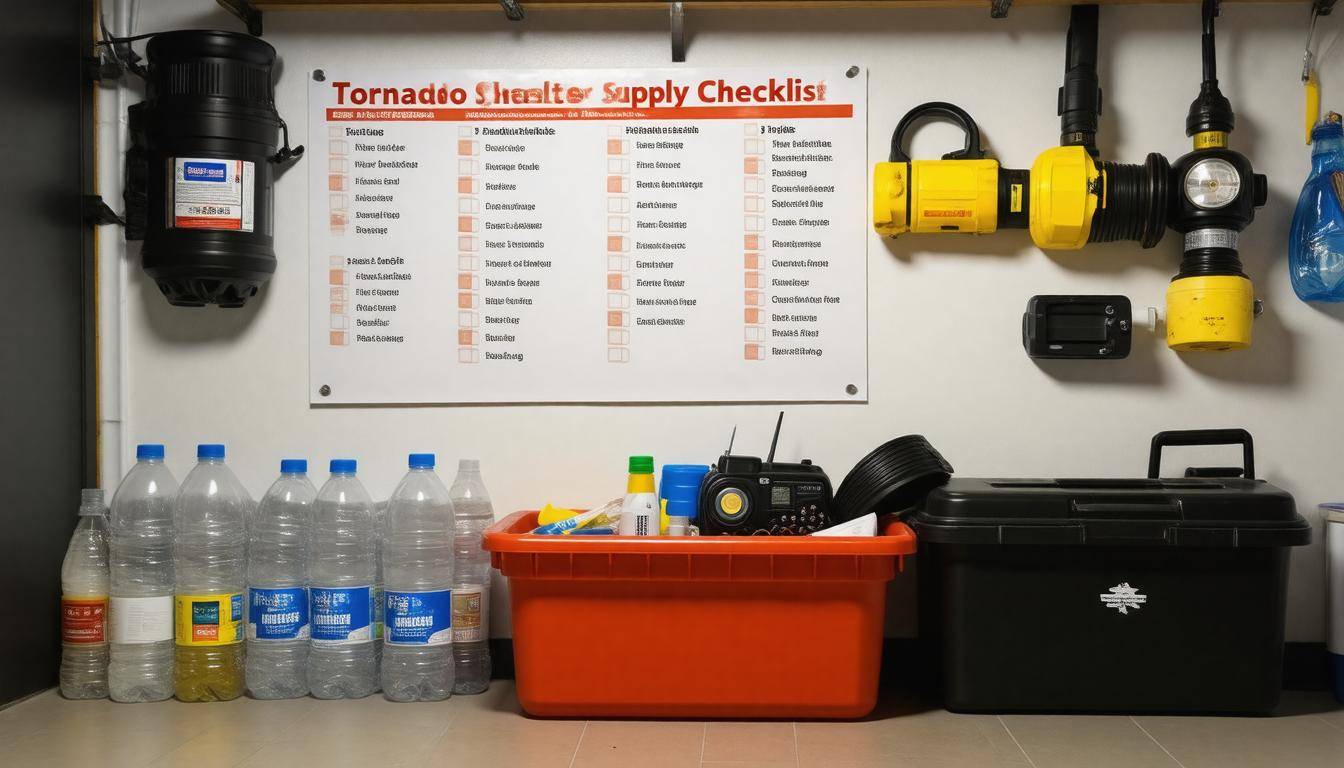
The Ultimate Tornado Shelter Supply Checklist
When preparing a tornado shelter, it’s vital to have a comprehensive checklist that covers all bases. You start with the essentials—items like a first-aid kit, non-perishable food, and clean drinking water are fundamental. These items provide immediate sustenance and support during an emergency.
A flashlight is crucial for visibility when the power goes out, while a whistle can alert rescuers to your presence should you need assistance. Dust masks help filter out contaminated air, which is particularly important in the aftermath of a disaster. Moreover, local maps are paramount; if communication fails, having printed navigation aids becomes indispensable.
Moving beyond just basics, let’s focus on additional supplies that enhance your safety and comfort.
Additional Supplies
- A battery-powered or hand-crank radio keeps you informed about ongoing weather conditions.
- Having extra batteries ensures that your devices remain functional when you need them most.
- A multi-tool or basic toolset can assist with any unexpected fixes or problems that might arise.
- Don’t underestimate the value of emergency blankets; they provide warmth and are lightweight, making them easy to store.
- Having a manual can opener is crucial for accessing canned goods without electricity.
- Lastly, always include a local map of the Dallas area, as digital devices may fail.
While having these supplies is necessary, the next consideration is how to keep your food and water secure and sufficient for extended stays.
In particular, think about factors such as shelf life for food items and how much water you’ll realistically need per person each day. Generally, it’s recommended to have at least one gallon of water per person daily, ensuring that everyone stays hydrated throughout any potential emergencies.
Your tornado shelter isn’t simply a space – it’s your sanctuary during storms. Every item added to your list serves a purpose toward your safety, comfort, and well-being. Thus, gathering these essential supplies will give you peace of mind and better prepare you for whatever nature throws your way.
With the emphasis on securing proper shelter supplies, it’s equally important to understand how to manage food and water resources effectively in emergencies.
Essential Food and Water Supplies
When assembling your tornado shelter supplies, remember that food and water are critical for survival. However, it’s not enough to simply toss a few cans into a box; thoughtful planning goes a long way. The Federal Emergency Management Agency (FEMA) recommends maintaining at least a three-day supply of non-perishable food for each person in your household. Given the unpredictable nature of natural disasters, experts often suggest stocking up for up to a week to ensure you’re covered even if you have to wait out a prolonged situation.
Types of Food
Selecting the right types of food is crucial. Since cooking isn’t an option when you’re sheltering, you’ll want to choose items that are ready to eat. Foods like canned beans and canned fruits are excellent choices because they provide vital nutrients while being easy to open and consume. Peanut butter is packed with protein and has a long shelf life. Granola bars can serve as quick snacks, delivering energy without any preparation. Additionally, consider including MREs (Meals Ready-to-Eat), which are designed for emergencies and are compact yet nutritious.
Keeping this selection in mind can help you stay nourished while waiting for the storm to pass.
According to Ready.gov, every person requires at least one gallon of water each day. In Texas, where heat can exacerbate dehydration risks, it’s wise to double that amount—two gallons per person daily is a much safer bet. Storing enough bottled water can take up space, so think about ways to optimize your storage. Consider using stackable containers or investing in a larger water reservoir specifically designed for emergency situations.
With food and water accounted for, we can now shift our focus to another essential component: the necessary medical supplies that will help ensure your safety during emergencies.
First Aid Kit Necessities
When it comes to building a well-stocked first aid kit, think of it as an insurance policy for your health. You hope you never have to use it, but when the moment strikes—such as in the chaos of a tornado—having the right items can make all the difference. Ideally, your kit should not only include basic medical supplies but also reflect the possible injuries you might face in turbulent situations.
Basic Items
Start with essentials like adhesive bandages and antiseptic wipes. These two items alone can treat mild cuts and scrapes that often occur during emergencies. Gauze rolls are necessary for larger wounds; they can stop bleeding and protect injuries from infection. Adhesive tape is crucial for securing gauze in place, while scissors and tweezers provide handy tools for cutting dressings or removing foreign objects safely.
Remember, a digital thermometer is just as important; monitoring body temperature can help spot signs of heat exhaustion or fever amidst the stress of an emergency.
Furthermore, consider adding elements such as gloves and masks to prevent contamination when treating someone else’s injuries. Personal protective equipment can be a game-changer when multiple family members need care.
The American Red Cross provides a comprehensive list of over 20 essential items you should have on hand. These additional supplies include instant cold packs, burn ointment, splints, and even eye wash solutions—all designed to address specific emergencies. Having a first aid manual that outlines basic procedures is incredibly useful, especially if you’re faced with a situation where you need guidance on how to respond.
Assembling a first aid kit not only prepares you for emergencies but also fosters a proactive mindset around health and safety during tornado events. With these essentials at your side, you’re better equipped to handle crises that may arise. Let’s move forward to explore various gadgets and tools that enhance your preparedness for any emergency situation.
Emergency Tools and Gadgets
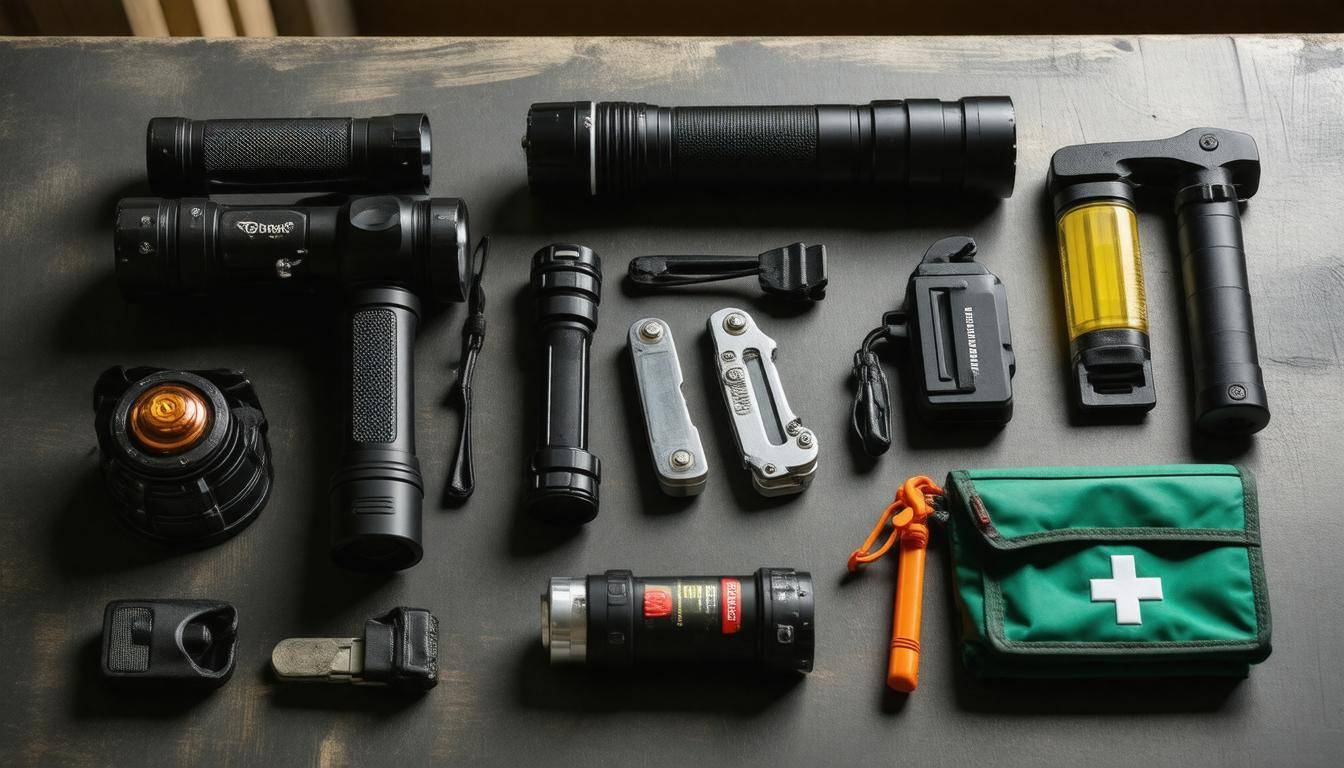
The right tools and gadgets can make all the difference in an emergency situation. It’s not just about having them but knowing which ones are truly essential for your safety.
For starters, consider investing in a reliable multi-tool. This versatile gadget can serve multiple functions—from screwdrivers to knives—allowing you to handle various tasks without the bulk of carrying individual tools. Sturdy gloves are also a must; they protect your hands while clearing debris or handling sharp objects.
Key Tools
In addition to a multi-tool, grab some duct tape; it’s often regarded as a handyman’s best friend and can temporarily hold together broken items or even seal wounds if needed. Keep a wrench or pliers handy for turning off utilities like gas or water; these small yet powerful tools can prevent further damage when emergencies strike.
And let’s not forget about fire extinguishers—they’re invaluable in case of sudden fires, giving you the means to act quickly before help arrives.
Now beyond those basic tools, let’s explore some essential gadgets that further enhance your preparedness.
Gadgets
To keep yourself connected and informed during an emergency, consider investing in surge protectors and solar chargers for electronic devices. Power outages can leave us disconnected when we need communication the most, so having backup power sources like these ensures that your mobile devices remain operational for updates or emergency calls. Similarly, portable power banks are lifesavers—they allow you to keep your devices charged without access to electricity.
If staying updated on weather conditions is critical, a NOAA weather radio is an absolute necessity. These radios provide real-time updates during severe weather events, helping you stay one step ahead of the storm. Moreover, having a GPS tracker can be beneficial for location tracking if mobile networks go down. It ensures that rescue teams know where you are should you need assistance.
Equally important to tools and gadgets are the critical documents you should have readily available.
Important Documents to Keep Safe
Protecting crucial documents during severe weather isn’t just smart—it can serve as a lifeline when you need it most. In tumultuous times, having easy access to important documents can significantly reduce stress and help streamline the recovery process if disaster strikes. Start with identification cards such as driver’s licenses and passports—these are often required for relocation assistance or emergency services.
Beyond that, consider compiling a set of vital records that will aid in your recovery efforts. You’ll want to include insurance policies, both home and health, to ensure you can file claims swiftly after a storm. Think about adding mortgage documents or lease agreements too; these assert your ownership or right to your residence. A record of medical history, including vaccination records and medication lists, can also be invaluable, especially if you have specific health needs.
Tip: Keeping a detailed emergency contact list is also prudent. Having emergency contacts readily available—such as family members, doctors, and local authorities—could save precious time during an urgent situation.
Next comes storage, which is where being proactive pays off. Use a waterproof and fireproof box to guard against physical damage. Investing in one of these boxes means you’re safeguarding against not just water damage but also the intense heat from fires that might ensue during adverse conditions. Digital copies stored on a USB drive are equally essential; think of this little gadget as your portable archive of crucial information. Just remember that if you opt for digital backups, regularly updating the files ensures you’re always working with current information.
Having secured these essential documents, the next step involves creating comprehensive safety strategies tailored for your family’s well-being during emergencies.
Effective Family Safety Plans
When preparing your family for tornado safety, it’s essential to establish clear, actionable plans that can be executed without hesitation during a stressful situation. Begin with organizing a family meeting where together you can openly discuss what exactly to do when a tornado warning is issued. This is where each family member becomes a key player in the safety strategy, creating an atmosphere of teamwork rather than panic. Assign a specific shelter location—a place equipped to shield against high winds and flying debris—to ensure everyone knows exactly where to go.
After deciding on a shelter, emphasize the importance of knowing the fastest route to get there. Consider various scenarios: what if certain paths are blocked or how to navigate through the backyard? Discussing these routes can save crucial minutes when every second matters. The clarity of thought and pre-planned actions will help calm nerves when the alarm bell rings.
Practicing these drills is equally important. Though it may feel awkward at first, regular drills help transform an anxious response into muscle memory. You might want to run through different scenarios—what happens if the power goes out, or you hear loud thunder before reaching safety? Taking turns leading the practice can build confidence among all family members. It’s wise to outline clear responsibilities within your group; for example, one person could be in charge of grabbing the first aid kit while another corrals the pets, ensuring they are safely secured too.
Communication
Building a robust communication plan ensures family members can connect during or after an emergency. In today’s tech-savvy world, texting is often one of the most reliable forms of contact when cellular networks become overwhelmed. Equip each family member with knowledge on how to send texts—not only within your immediate circle but also perhaps to trusted neighbors or friends outside your area who can serve as communication links after the storm passes.
Tip: Consider designating a family member as the point of contact for incoming messages. This helps streamline communication and reduces confusion during distressing times.
Beyond just planning and assignments, staying informed plays a crucial role in managing any risks posed by severe weather events and enhances your family’s preparedness strategies significantly.
Staying Informed During Tornadoes
Being well-informed can be the difference between safety and danger. One of the most effective ways to stay updated on severe weather is by having a portable weather radio specifically tuned to NOAA channels. These radios are essential because they constantly broadcast important alerts, updates, and information about ongoing weather conditions. When tornado warnings are issued, the voices of trained meteorologists can guide you on what actions to take, potentially saving your life and those of your loved ones.
I strongly recommend investing in a NOAA weather radio that includes battery backup features. This way, even if the power goes out during a storm, you can still receive critical updates. The peace of mind this provides is incredibly valuable during high-stress situations such as tornado warnings.
Furthermore, statistics give us an insight into how serious this can be; according to the National Weather Service, Dallas averages about 8 tornadoes a year. This data underlines the need for real-time updates and proactive planning when it comes to severe weather events. Additionally, utilizing smartphone weather apps with push notifications can serve as an excellent supplement to your weather radio.
However, it’s vital to keep in mind that while technology is helpful, it’s never completely foolproof. Therefore, always have a manual backup plan in case phone networks go down or devices run out of battery.
Alongside keeping up with advanced technology and emergency communication tools, preparation also extends to your home, not just your shelter.
This means taking steps to ensure that your home environment is conducive to staying informed. Consider placing your weather radio in an easily accessible area—perhaps near where your family frequently gathers—so everyone knows where it is during an emergency. Moreover, having a designated emergency kit that includes not just supplies but also local maps and printed emergency contact numbers can enhance your readiness significantly.
You might even consider designating a “tornado drill” day for your family where everyone practices finding safe spots and gathering the items from your emergency kit. This hands-on approach will ensure that when an actual tornado warning occurs, every family member knows exactly what to do while remaining calm and collected.
Shifting gears from information gathering and effective communication, there’s also much to be said about securing your living space in anticipation of tornado threats.
Preparing Your Home for Tornado Season
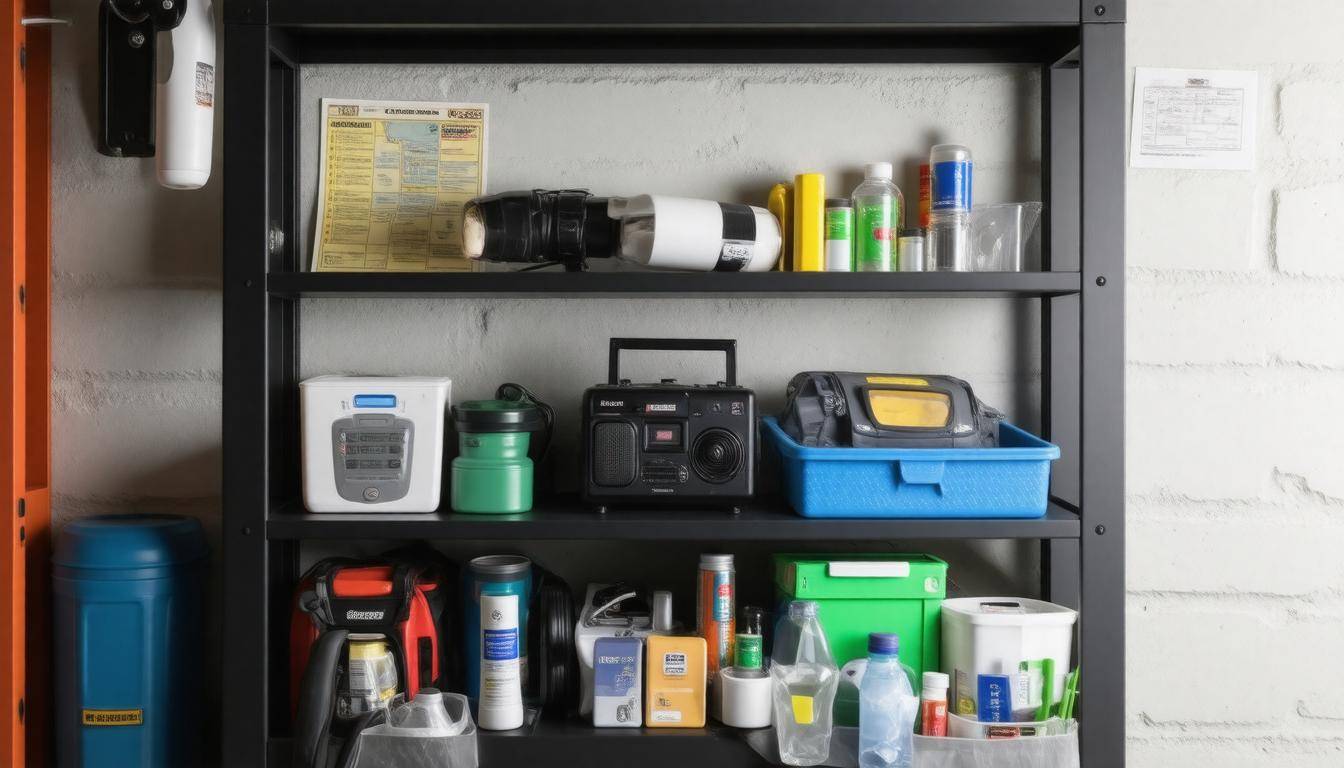
Your home should be more than just a place for shelter; it should be a fortress against the forces of nature. The first step is conducting thorough exterior repairs. Make sure your roof is sturdy by checking for any loose shingles or tiles and replacing them promptly. Windows and doors need to be secure; consider reinforcing them with storm shutters or plywood if you live in a high-risk area. This not only protects your property but also keeps debris from entering, which can turn deadly.
Secure Loose Items
Beyond fixing structural issues, attention must also be given to the surroundings of your home. Outdoor items like patio furniture, garden tools, and grills may seem harmless during calm weather, yet they can become lethal projectiles in a tornado’s wind. It’s wise to either store these items in a garage or shed or anchor them securely to the ground.
Remember that anything left outside could potentially hit your neighbor’s home or worse, someone walking by, which underscores the importance of securing these loose items.
Safe Room Prep
One of the most proactive measures you can take is preparing a safe room within your home. If you have the means, consult with professionals to ensure that it’s built according to FEMA guidelines, which outline specifications that maximize protection. These rooms often feature reinforced walls, ceilings, and doors designed to withstand extreme winds and flying debris.
According to FEMA, “safe rooms can provide nearly absolute protection from tornadoes.” Knowing that you have such a refuge enhances peace of mind.
Once these essentials are taken care of, remember that preparation doesn’t end here. Regularly reviewing your emergency plans and keeping supplies stocked will keep you vigilant and ready for any situation that may arise during tornado season.
By ensuring your home is fortified, you create a safer environment not only for yourself but also for your community during tornado season. Being prepared isn’t just about personal safety; it’s about collective resilience as well.