
Durban, with its stunning coastline, faces a serious challenge: the risk of coastal flooding. As climate change continues to alter weather patterns and sea levels rise, residents must be proactive about their safety. This guide serves as a roadmap for navigating those risks—offering practical tips, community strategies, and resources designed to prepare you for potential flood events. Whether you live in a low-lying area or on higher ground, understanding how to protect yourself and your property is key to creating a resilient community ready to face whatever nature throws our way. Let’s dive into how we can all contribute to a safer Durban together.
The Durban Coastal Flooding Preparedness Guide outlines essential strategies for residents to protect themselves and their property from potential flooding risks, emphasizing community engagement, emergency preparedness planning, and the integration of nature-based solutions like restoring wetlands. It also includes practical steps such as developing personal emergency plans, understanding flood-risk zones, and utilizing early warning systems to enhance safety during extreme weather events.
Durban’s Challenges with Coastal Flooding
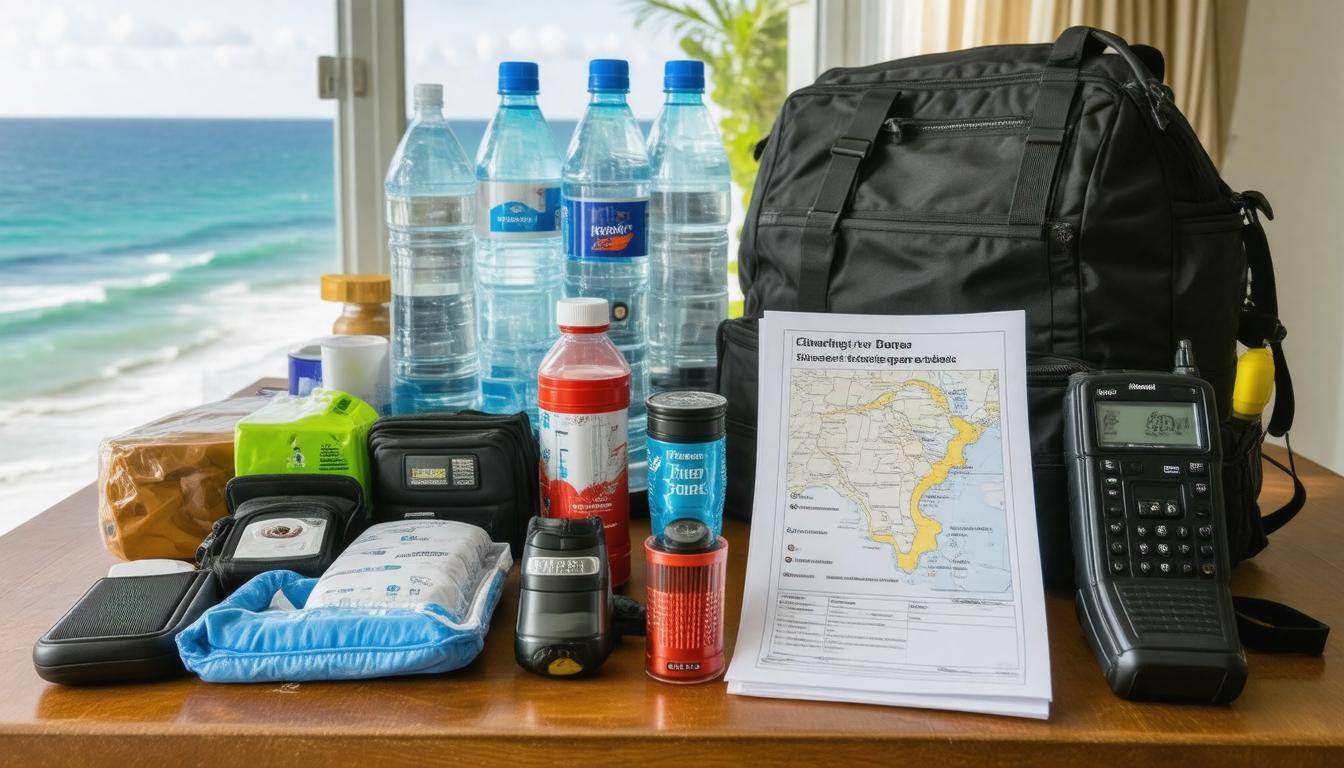
The geographical layout of Durban, combined with the impacts of climate change, paints a concerning picture. With over 4.1 million residents and nearly 100 kilometers of vulnerable coastline, the city is at high risk for coastal flooding. As sea levels rise, the situation becomes increasingly precarious, especially for low-lying neighborhoods that often find themselves under water after heavy rains or storms. The ever-growing frequency of extreme weather events leads to more pronounced flooding incidents, straining both emergency services and the city’s infrastructure.
One might wonder how urbanization contributes to these floods. Rapid urban growth has led to significant developments in areas historically designed to buffer floodwaters. As concrete jungles replace fields and wetlands, the natural landscape that once absorbed rainwater has vanished, causing runoff to increase dramatically. This phenomenon not only overwhelms existing drainage systems but also increases erosion rates along the coast.
According to findings from various climate studies, when cities expand without considering natural disaster management practices, the odds of disastrous flooding rise substantially.
Yet it’s not just the physical development that poses a challenge; we must consider the decisions made in planning these urban spaces.
In many cases, the infrastructure has been developed without sufficient regard for sustainable practices or environmental health. Unfortunately, this creates a vicious cycle where inadequate stormwater management exacerbates flooding issues while simultaneously increasing pressure on emergency services during disasters. Notably, Durban has faced issues related to poorly constructed drainage systems that simply can’t handle heavy rains anymore. Meanwhile, municipalities scramble to address these problems in real-time, leaving permanent solutions as an afterthought rather than a priority.
However, as much as urban development presents a significant hurdle, there are also bright spots on the horizon. Nature-based solutions have emerged as compelling alternatives that not only mitigate flood risks but also support biodiversity and improve overall coastal health. For instance, projects aimed at restoring mangrove forests or enhancing wetland areas effectively create natural buffers against flooding while providing habitats for diverse wildlife. Essentially, intertwining nature’s resilience with urban planning serves not only to protect communities from floods but also enriches ecosystems.
Cities like Durban can consider investing in such solutions by promoting policies that embrace green infrastructure. By encouraging local communities and governments to prioritize restoring and maintaining these vital ecosystems, there is potential not only for reducing flood risks but also for fostering stronger community bonds centered around environmental stewardship.
Understanding both the challenges posed by human activity and moving toward nature-based solutions will be crucial as we shift focus to assessing specific vulnerabilities related to flooding in the area.
Identifying Flood Risks
Recognizing the various factors contributing to flooding is fundamental to preparing for and reducing its impact. Knowing that Durban’s coastal geography places it at risk from tidal surges, heavy rainfall, and even climate change influences unique to the region is the first step in safeguarding your home and community. When we talk about flood risks, we’re referring not only to the likelihood of water inundating specific areas but also to the timing and duration of these events. Thus, identifying these risks requires a thoughtful approach based on reliable information.
Step-by-Step Guide to Identifying Flood Risks
The journey toward understanding flood risks starts with consulting official resources that provide valuable insights. For instance, flood maps are essential tools in this process. By visiting the eThekwini Municipality’s website, you can access updated flood maps which highlight recovery zones, susceptibility levels, and anticipated water paths during severe weather events. These maps serve as a visual representation of vulnerabilities in your area, making them indispensable for any resident looking to prepare effectively.
Next, you should analyze local weather patterns carefully. Studying historical weather data reveals seasonal trends and highlights significant storm events that have previously caused flooding. This context allows you to make informed predictions about future weather extremes that could affect your neighborhood. Combining general regional forecasts with localized predictions paints a clearer picture of what to expect.
As you gain insight into flood risks, it’s crucial to consider location-specific vulnerabilities. Each neighborhood has its own unique set of circumstances that amplify or mitigate flood hazards. Engaging with neighbors or local community organizations for shared experiences related to flooding incidents or drainage issues can be immensely helpful—many people often have stories about previous flooding that guide assessments.
The next vital step involves assessing local infrastructure. A thorough evaluation of storm drains, levees, and other flood control measures provides insight into how well your area can handle heavy rainfall and tidal surges. Are these infrastructures showing signs of wear? Are they frequently overwhelmed during storms? Understanding their condition allows you to determine if improvements are needed or if additional flood-proofing measures need to be implemented on your property.
With an understanding of potential risks established, the focus now shifts towards practical actions that can be taken within homes. Implementing these strategies not only enhances safety but fosters resilience against the unpredictable nature of floods.
Essential Household Precautions
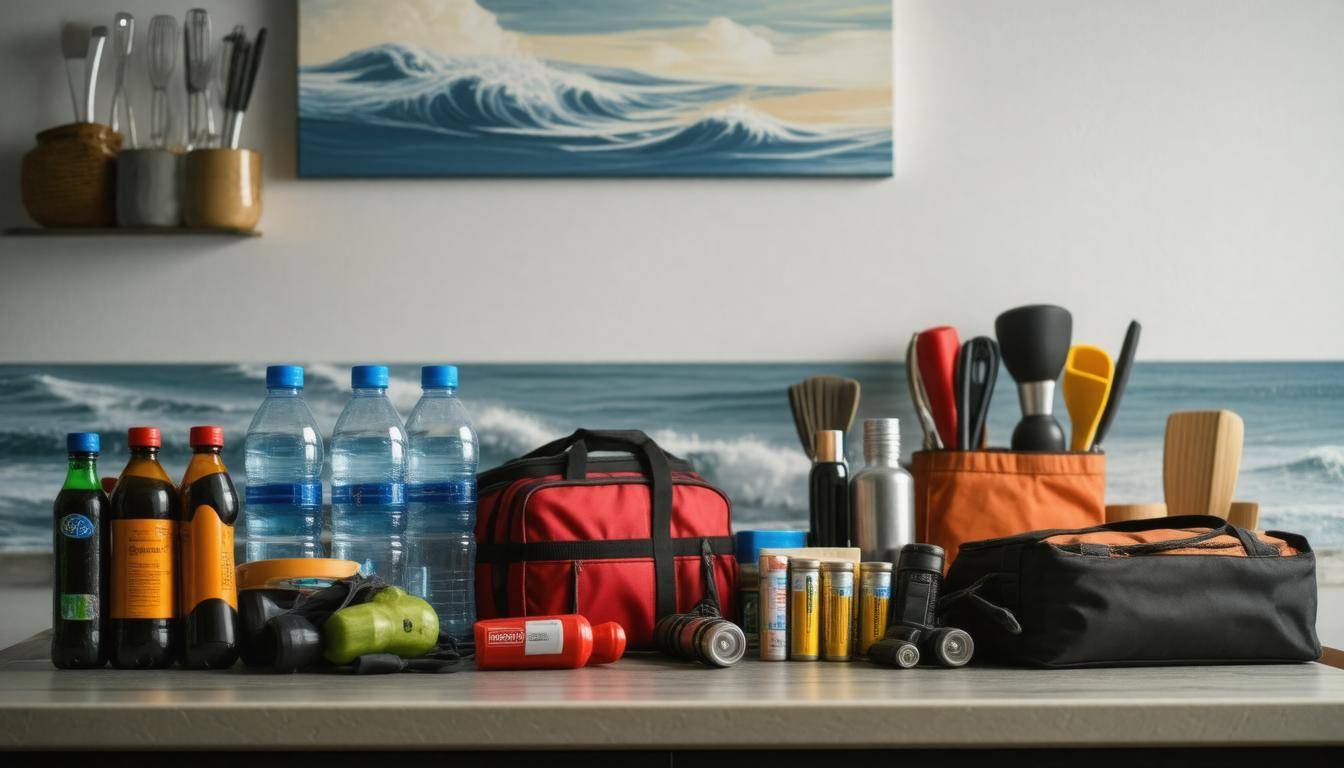
Preparedness starts with our homes, where simple yet effective actions can greatly reduce the impact of flooding. Begin by elevating electrical appliances. This means placing them at least 12 inches above anticipated flood levels, particularly in low-lying areas. Not only does this keep your equipment safe, but it also helps to prevent electrical shorts that could pose a greater danger when waters rise.
Picture a rainy day turning into a disaster when a surge of water reaches your living room—protecting your appliances can sometimes feel like an unseen shield against chaos.
In addition to safeguarding appliances, securing important documents should not be overlooked.
Store vital papers—such as insurance documents, identification, and medical records—in waterproof containers or ziplock bags. If flooding occurs, these items will be overwhelmingly difficult to replace, and having them protected ensures you’re not scrambling during an emergency when clarity is most needed.
Immediate Preparations
Another key precaution involves plumbing measures, specifically installing backflow prevention valves. A simple backflow valve can be a game-changer in keeping sewage from entering your home when floods overwhelm local systems. This small investment can save you from costly damages and health hazards associated with sewage backup.
But there’s more; it’s equally important to engage your entire family in preparedness strategies.
Creating An Emergency Plan
Develop a family emergency plan that includes established evacuation routes and designated meeting points should you become separated. Your plan could involve identifying two distinct routes away from home: one primary route for normal circumstances and an alternative in case of blockages. Regularly drill these procedures so that every family member feels comfortable taking action when the need arises. Engaging in these practice sessions builds confidence and makes the real response feel more like second nature.
During these drills, consider investing some time to identify community resources such as local shelters available during emergencies; knowing their locations ahead of time can provide peace of mind.
Remember: preparedness is not just about protecting possessions; it’s about ensuring the safety and well-being of your loved ones.
Finally, as you nurture these plans, keep in mind that there’s strength in numbers—engaging with your neighbors and community organizations can bolster resilience against natural threats.
Community Resources
Active partnerships with local community resources can provide additional insights and assistance during emergencies. These connections might include local emergency management offices or volunteer organizations pertaining to climate resilience. Building a network enables families to share knowledge about flood preparedness strategies and strengthen the overall community support system during crises.
By focusing on these essential household precautions and engaging with others in your community, you’ll create not only a safer home but also a stronger neighborhood ready to face any flooding threats ahead.
This ongoing collaboration fosters an environment where each voice matters, equipping neighborhoods to respond effectively and rapidly. Let’s now shift our focus to exploring specific strategies for effective collaborative response efforts within our communities.
Community Flood Response Plans
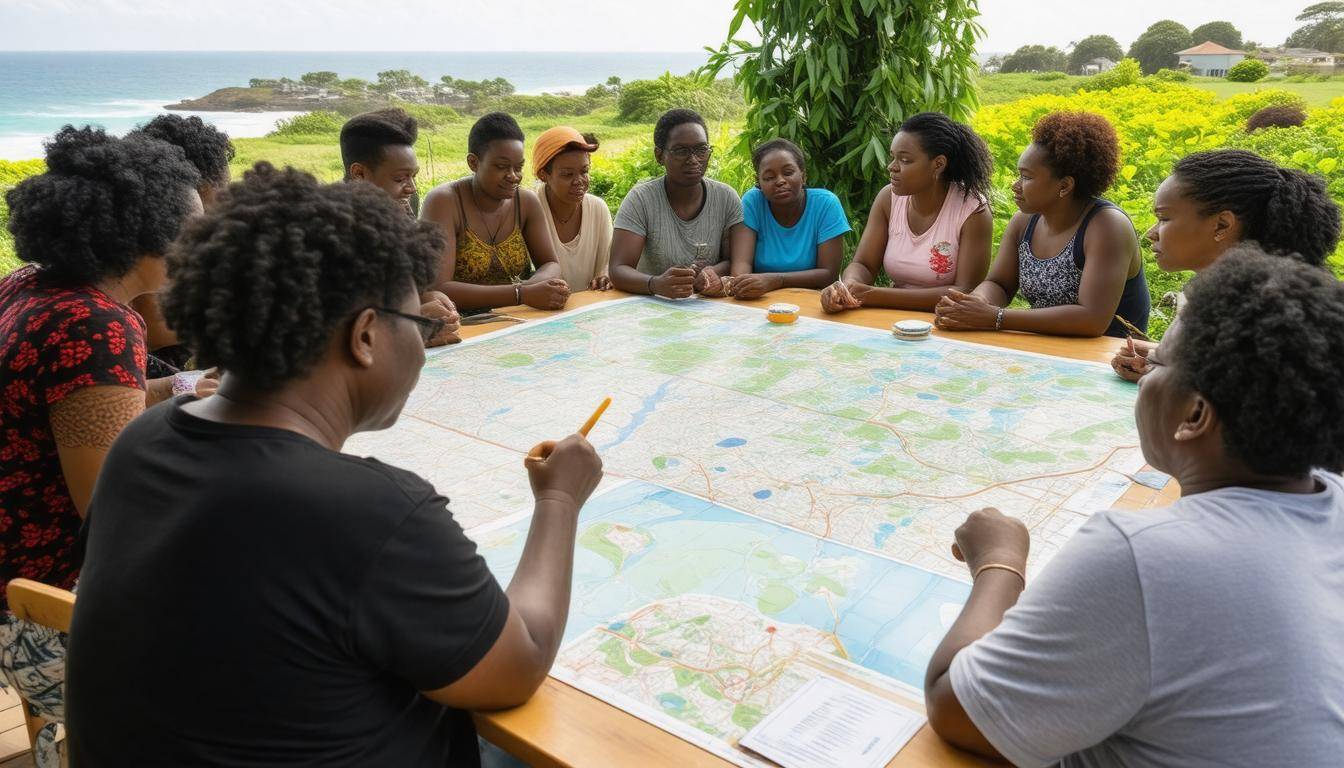
Effective community flood response plans hinge on active involvement from residents. This isn’t just about gathering information or handing out flyers; it’s about forming connections and fostering a culture of readiness that permeates the neighborhood. By doing so, communities can become proactive rather than reactive, leading to more effective measures when flooding strikes.
Studies show that communities with robust engagement programs often see a reduction in disaster-related damages by up to 30%.
Community Engagement
One of the most impactful ways to facilitate community engagement is through workshops. These sessions can educate residents on recognizing flood risks, understanding evacuation routes, and implementing safety protocols within their own homes. However, education alone won’t suffice; regular practice is equally important. For instance, hosting flood drills where families simulate emergency evacuation can instill confidence and clarity during real events. Many neighborhoods have seen improvement in overall preparedness after integrating such hands-on training.
Yet, education forms just one part of a larger puzzle.
Alongside workshops, creating neighborhood watch programs allows communities to collectively observe and monitor local flood risks. Volunteers can identify problem areas that may lead to potential flooding, like blocked drainage systems or overgrowth in nearby wetlands. Communication is key; residents must feel comfortable sharing their observations and engaging with local authorities.
Community Response Teams
The establishment of community response teams further enhances preparedness. These groups serve as frontline responders during emergencies, ready to assist their neighbors quickly when flooding occurs. It’s essential that these teams are trained not only in basic first aid but also in flood-specific strategies, such as how to help someone who has been submerged in water or properly using life jackets if evacuation becomes necessary.
Maintaining an updated contact list ensures everyone knows whom to reach out to for help while fostering a sense of camaraderie among team members.
Fostering collaboration and trust among residents creates a strong foundation for resilience against floods.
When communities come together actively, they’re able to allocate resources more effectively. This collective action often leads to partnerships with local governments and agencies that can provide valuable support during crises. It’s this crucial alignment that ultimately enables neighborhoods not only to prepare for flooding but also to thrive despite its challenges.
With these strategies in place, understanding the different types of alerts available becomes essential for timely responses during crisis situations.
Types of Flood Warnings
When a storm brews or heavy rains threaten, understanding flood warnings becomes crucial for the safety of individuals and families. Flood warnings come in various formats, each signaling different levels of urgency. It’s important to distinguish between them so you know what action is necessary.
For instance, a Flood Watch indicates that conditions are ripe for flooding, but it hasn’t occurred yet. This alerts communities to keep an eye on updates and prepare for possible evacuation or safety measures without causing alarm. It’s like when you sense a storm approaching and decide to take precautionary steps—perhaps moving your outdoor furniture inside or ensuring you have enough supplies stocked up.
The next level up from that is the Flood Warning. This is more serious—flooding is either happening right now or is about to happen very soon. At this point, local authorities may recommend evacuations or other immediate actions to ensure public safety. Think of it like hearing a fire alarm; it’s time to act swiftly, without hesitation.
However, there’s an even more urgent alert known as the Flash Flood Warning, which demands immediate attention.
Flash floods can occur with shocking speed, often catching people off guard and leading to rapidly rising waters that can jeopardize lives and properties. This warning signifies that swift action is necessary—there’s no time for delay. Imagine being on a hike when suddenly dark clouds roll in; you’re not just dealing with rain anymore, but potentially life-threatening conditions that require finding higher ground immediately.
Being informed about these labels isn’t just academic; it literally translates into life-saving decisions during critical moments. Familiarizing yourself with these warnings ensures that in the face of natural disasters, we can make sound decisions quickly for the safety of ourselves and our loved ones.
As we shift focus, it’s vital also to understand reliable sources of information and practical strategies to stay updated during emergencies.
Immediate Actions During Floods
When floodwaters begin to rise, every second counts. The first step is always evacuation if authorities have ordered it. It’s crucial to follow the recommended routes, as these are typically designed with safety in mind. Shortcuts may seem tempting, but they often lead into flooded areas or hazardous conditions that could severely endanger your life. So, keep your calm. Stay updated by listening to local radio stations or emergency broadcasts for the latest directives and avoid taking unnecessary risks.
Next, if evacuation isn’t feasible due to rapidly changing circumstances, knowing how to shelter in place becomes essential. Moving to higher ground is imperative—this could mean heading upstairs if you are in a two-story home or simply moving your family to an upper floor of any multi-story building. The safety of elevation cannot be overstated; even a couple of feet can make a significant difference in avoiding rising waters.
While you’re situated safely, ensure to keep an ear out for updates. Use battery-powered radios or mobile phones if safe to do so, as these tools can provide critical information during a power outage. It’s not just about being aware of your surroundings but also preparing for what might come next. If conditions allow, it’s best practice to gather essential supplies like water, non-perishable foods, first aid kits, and important personal documents in a waterproof container if possible.
Furthermore, don’t underestimate the value of community resources—networking with neighbors can foster a protective environment. Establishing communication with them ahead of an event helps coordinate efforts in case flooding occurs. In times of distress, collaboration often proves beneficial. Forming small groups allows for shared resources and collective decision-making during emergencies.
In addition to these actions, remain athletically aware; another key point is never to underestimate the strength of floodwaters—even just six inches of moving water can sweep you off your feet.
Finally, as floods recede, remember that the aftermath poses its own risks. Always wear protective gear when venturing outside after a flood situation has been declared safe—sharp objects and unseen hazards may linger in the debris left behind. Practicing diligence during this time protects not only yourself but also those who help you recover from the aftermath.
Understanding these immediate actions is fundamental for maintaining safety and readiness during extreme weather events; harnessing these insights lays the groundwork for exploring more comprehensive strategies aimed at safeguarding communities over the long haul.
Long-Term Flood Mitigation Strategies
Long-term flood mitigation strategies are essential for communities like Durban that face increasing risks from coastal flooding. One cornerstone concept in this realm is urban planning. By restricting development in flood-prone areas, we can significantly reduce vulnerability to flooding. Adjusting zoning laws to limit construction in these high-risk zones not only protects future developments but also safeguards existing properties from potential disaster. This proactive approach emphasizes thinking ahead and considering the long-term consequences of our urban landscapes.
However, it’s not just about where we build; it’s also about how we prepare our existing infrastructure.
Infrastructure Improvements
Investing in robust flood defenses is critical. Levees, flood walls, and upgraded stormwater systems form a protective shield that drastically reduces potential flood damage during extreme weather events. To illustrate, consider the construction of levees along vulnerable coastlines. These earth or concrete barriers help direct floodwaters away from populated areas, providing an essential buffer during heavy rains and storms. Similarly, maintaining and upgrading stormwater management systems ensures that rainwater flows efficiently through drainage channels without overwhelming them during sudden downpours.
In tandem with these infrastructure enhancements, communities should engage in regular assessments of flood risk areas. Monitoring changes over time enables informed action plans tailored to new challenges posed by environmental shifts. It’s essential to adapt continuously based on emerging data and climate trends.
“Involving local governments in these assessments ensures resource sharing and enhances community resilience against flooding events.” As more organizations collaborate on these initiatives, it strengthens efforts toward sustainable urban planning and infrastructure improvement.
But physical structures alone aren’t enough to create comprehensive flood mitigation—community involvement plays a significant role too.
Educational programs focused on empowering residents with awareness about coastal flooding can cultivate a culture of preparedness within the community. When families understand the risks associated with floods and develop emergency plans together, they’re better equipped to respond when a crisis arises. Creating accessible resources for evacuation routes and safe shelters further minimizes vulnerability during emergencies.
Integrating these various elements creates a multi-layered approach that supports ongoing resilience in the face of flooding challenges. Taking proactive steps today will ensure that everyone in Durban is better prepared for the uncertain future ahead.
Resources and Support for Residents
Various organizations work tirelessly to help Durban’s residents prepare for flood risks and manage challenges as they arise. One pivotal resource is the South African Red Cross, which conducts training workshops, equipping community members with knowledge and practical skills that can make a difference in times of crisis. These workshops cover topics like emergency response planning and first-aid training, empowering individuals to respond effectively when immediate action is required.
Education doesn’t stop at workshops.
Many NGOs, such as local environmental advocacy groups, have developed comprehensive resources for communities. They may provide emergency kits containing essentials like flashlights, first-aid supplies, water purification tablets, and non-perishable food items. Having an emergency kit at the ready can drastically decrease response time during a flooding event, ensuring families are prepared even before aid arrives.
Just imagine the peace of mind that comes from knowing you’re ready if the unexpected hits; being prepared can mean the difference between panic and calm in an emergency situation.
Community Engagement
Local community engagement initiatives also play an integral role in promoting awareness about flood preparedness. Resources available through platforms like neighborhood associations allow residents to share experiences, strategies, and resources for flood readiness. This sense of community networking strengthens social ties, enabling individuals to pool their knowledge and resources to better safeguard their homes.
The importance of staying informed cannot be overstated.
Access to accurate information is pivotal during potentially catastrophic weather events. Many organizations offer digital platforms where residents can receive timely alerts related to flooding threats. Alerts may include rising water levels or recommendations on evacuation procedures. By keeping residents informed, these systems enhance community resilience—creating a culture that prioritizes safety and preparation.
Statistics on Preparedness
Remarkably, surveys indicate that only about 35% of Durban residents feel adequately prepared for severe weather events. This statistic highlights a pressing need for increased awareness initiatives aimed at improving preparedness measures. Through collaboration between local government agencies and non-profits, it’s possible to design educational campaigns that empower more residents with knowledge and confidence in facing floods.
Finally, taking proactive steps today will shape a resilient tomorrow.
As we navigate unprecedented climate change impacts, it’s essential that Durban’s residents arm themselves with tools for effective flood preparedness. Through government resources, NGO support, community engagement, and reliable information systems—every individual has the opportunity to build personal resilience against flooding. Taking action now not only safeguards homes and loved ones but also fortifies our communities against future challenges.
In sum, by leveraging available resources and fostering community spirit, Durban can become a model of preparedness in the face of flooding risks.
What role do local government agencies play in flood preparedness and response?
Local government agencies play a crucial role in flood preparedness and response by developing and implementing comprehensive emergency management plans, conducting community education programs, and coordinating resources amid disasters. They are responsible for maintaining infrastructure resilience, such as drainage systems and flood barriers, which can significantly reduce potential damage—studies indicate that effective local strategies can mitigate flood impacts by up to 30%. Furthermore, these agencies work with regional and national authorities to secure funding and support for necessary upgrades and preemptive measures, ensuring communities are better equipped to handle flooding events.
Are there any community resources or training programs available for people to learn about flood readiness?
Yes, there are several community resources and training programs available in Durban aimed at enhancing flood readiness. Organizations such as the South African Weather Service and local municipalities often conduct workshops and distribute educational materials on flood preparedness. Additionally, initiatives like the Community Engagement Programme offer hands-on training and simulation exercises that can dramatically increase a community’s resilience. According to recent assessments, communities that engage in preparedness training have been shown to reduce flood-related damages by up to 30%, highlighting the importance of these resources.
How can residents assess their risk level for coastal flooding based on their location in Durban?
Residents in Durban can assess their risk level for coastal flooding by consulting local flood risk maps and resources provided by the KwaZulu-Natal Environmental Affairs department, which highlight areas prone to flooding based on historical data. Additionally, they should consider their proximity to the coastline—areas within 500 meters of the shore are at higher risk—as well as factors like elevation and drainage infrastructure. According to recent studies, approximately 20% of neighborhoods in low-lying coastal zones are likely to experience regular flooding events due to rising sea levels, making it crucial for residents to stay informed and prepared.
What specific actions can residents take in advance of a coastal flood event?
Residents can take several key actions in advance of a coastal flood event, such as creating an emergency kit with essentials, developing a family communication plan, and elevating electrical systems and appliances above potential flood levels. According to the National Oceanic and Atmospheric Administration (NOAA), having a preparedness plan can reduce flood-related fatalities by up to 50%. Additionally, ensuring that homes are equipped with sump pumps and flood barriers can significantly mitigate damage, as studies indicate properties that are flood-proofed can retain up to 80% of their value during flooding events.
How often should the flooding preparedness guide be updated to reflect changing conditions?
The flooding preparedness guide should be updated at least annually to ensure it reflects the latest environmental data, emerging flood risks, and changes in local infrastructure. According to research from the National Oceanic and Atmospheric Administration (NOAA), climate change is expected to increase flooding events by as much as 30% over the next few decades, making regular updates crucial for public safety and effective resource allocation. Additionally, engaging with community feedback on an annual basis can help adapt strategies to local needs and conditions.