
When you think of living in Hawaii, sunny beaches and vibrant sunsets likely come to mind. But for residents, there’s also a pressing reality: the risk of tsunamis. These powerful waves can strike suddenly, and being prepared is essential for keeping your family safe. So what exactly does a good tsunami preparedness kit look like? Ensuring you have the right supplies can make all the difference when disaster strikes. Having gone through this process myself, I’ve gathered some key items and tips to keep your family ready, no matter what waves may come your way. In this article, we’ll break down everything you need, from water and food to communication devices and first aid essentials, so you’ll feel confident and secure when the next storm approaches.
A complete Hawaii Tsunami Preparedness Kit should include essential supplies such as at least one gallon of water per person per day for three days, non-perishable food for the same duration, a flashlight with extra batteries, a first aid kit, important documents in waterproof bags, and cash. Additionally, consider including a whistle to signal for help, dust masks for air filtration, moist towelettes for personal sanitation, and any necessary medications tailored to individual health needs.
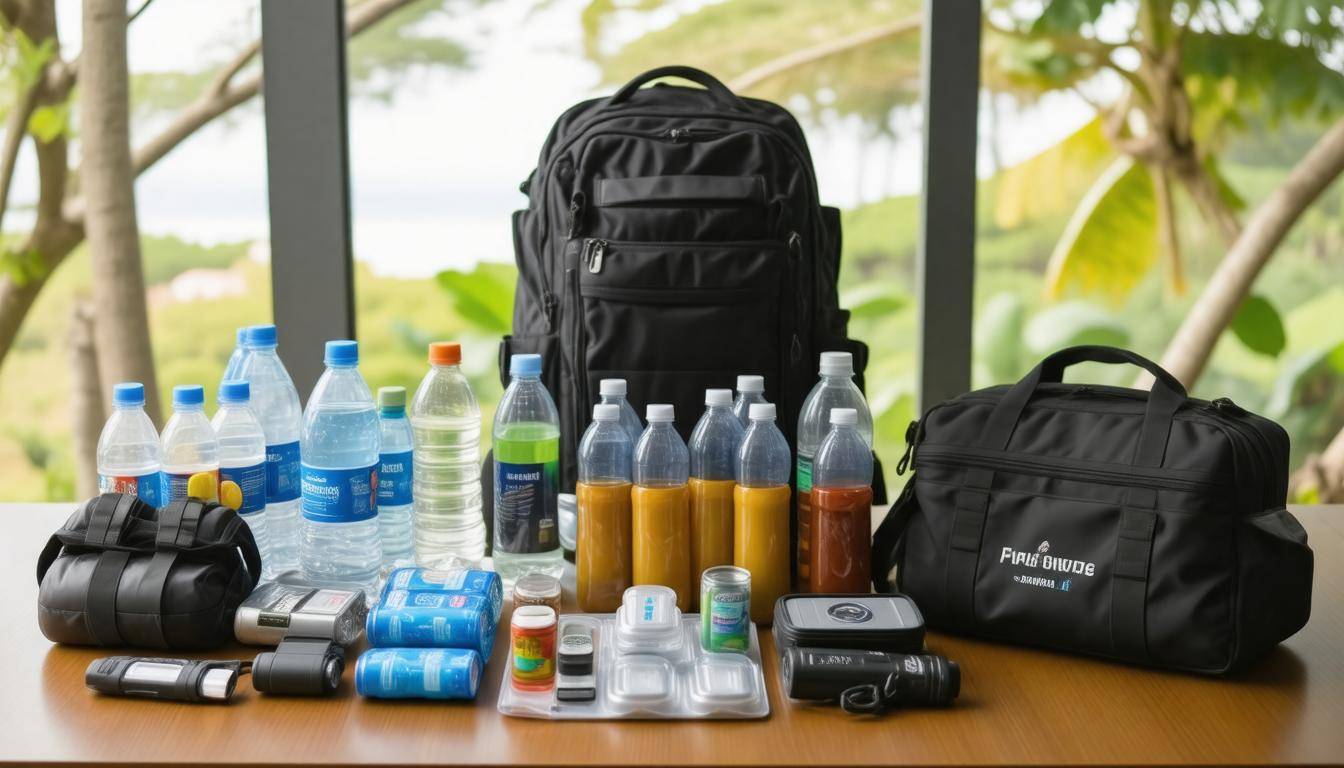
Essential Items for Your Tsunami Kit
First and foremost, water is non-negotiable. When evacuating, it’s recommended that you have at least one gallon of water per person per day for a minimum of three days. This accounts for hydration needs and is essential for sanitation. Carrying more than you think you’ll need can be a lifesaver, especially as clean water sources may become scarce immediately following a disaster.
Next up is food, which should consist of non-perishable items that are easy to prepare or eat on the go. Think canned goods, energy bars, and dried fruits—foods that don’t require cooking and can withstand temperature changes. Aim for enough to last at least three days per person; this ensures you won’t find yourself hungry during an emergency when help is delayed.
Alongside these basic necessities, don’t overlook the importance of preparedness in other areas as well.
A well-stocked first aid kit is another critical component. This should include bandages, antiseptics, gauze, adhesive tape, and any specific medications that household members might need. I often recommend having scissors handy; they’re incredibly useful for cutting bandages or opening packaging quickly. Remember to check your first aid kit regularly to keep items up-to-date and fully stocked.
Now consider your information sources: a portable radio is indispensable. Keeping a battery-powered or hand-crank NOAA Weather Radio allows you to receive constant updates about tsunami warnings or emergency instructions without relying on cellular service, which may be unreliable. Being informed is key during these stressful times.
And while staying informed is vital, ensuring cleanliness is equally crucial.
Sanitation supplies will help maintain hygiene amidst chaos. Always pack moist towelettes, trash bags for waste disposal, and plastic ties for securing hazardous waste. These little details can prevent infections or illness during emergencies when access to running water may be limited.
When it comes to tools, don’t underestimate the power of a multi-purpose tool. A tool with features like pliers and wrenches can come in extremely handy for various tasks such as securing belongings or performing minor repairs.
As we gain practical essentials, let’s not forget valuable documents.
Important documents should never be left behind. Make copies of birth certificates, insurance policies, and identification cards; keep these in waterproof bags within your kit to protect against moisture damage during transportation. Having these documents accessible simplifies many logistical issues you may face in an emergency scenario.
In addition to documents, consider speaking on cash as well; after a tsunami hits, ATMs might not work right away. Keep small bills and coins easily accessible in your kit; this makes purchasing supplies easier when services start reopening.
Lastly, the importance of keeping connected cannot be understated even amidst adversity.
Cell phone chargers are essential for staying connected with loved ones after an emergency strikes. Pack portable chargers that can recharge multiple times or invest in solar chargers if you’re concerned about power outages lasting longer than anticipated.
As the situation evolves swiftly during an emergency, being equipped with sturdy clothing emerges as a necessity. That means robust shoes ready for walking long distances, rain gear for unpredictable weather conditions, and warm clothes considering the temperatures may drop at night.
Each of these components plays a vital role during an emergency; thus having all of them is crucial for surviving after a tsunami strikes while facing whatever challenges may arise next.
Fresh Water Supply
Water is indispensable during any emergency. In Hawaii, this truth rings especially loud, given the island’s unique geographical circumstances. With limited access to resources following a disaster like a tsunami, having enough fresh water on hand could mean the difference between life and death. The recommendation from FEMA to maintain a 14-day supply of water per person in Hawaii is not just a guideline; it’s vital for survival. This translates to roughly 14 gallons per individual—a substantial amount that underscores how crucial it is to plan ahead.
Consider this: humans can survive for only about three days without water. This stark fact serves as a wake-up call for households everywhere, reminding us to take our water supplies seriously. While immediate needs should be first addressed—like ensuring you have enough clean, drinkable water ready—it’s wise to think beyond simply filling containers. As an island community facing natural disasters, every household in Hawaii must prepare for extended periods without easy access to fresh water.
To meet these needs, knowing how to properly store your water is essential. For instance, always opt for clean, food-grade containers to prevent contamination. If you’re using commercially bottled water, remember that its shelf life typically ranges from 1-2 years. Properly stored tap water may last up to six months but it’s important to check and replace it periodically as part of regular kit maintenance. This ensures that your family has access to safe drinking solutions when they need them most.
Alongside stockpiling water, consider investing in a portable water filtration system or water purification tablets. Not only do these tools help extend your supply if conditions lead you to areas with contaminated sources, they also empower you with the ability to convert unsafe water into something drinkable. For example, the LifeStraw Personal Water Filter is celebrated for turning murky streams into clear hydration—truly a lifesaver in dire situations.
Beyond storage and purification devices, other aspects of being prepared during emergencies need consideration. Accessing non-perishable food options becomes equally critical when planning a safety kit for potential tsunamis.
Non-Perishable Food Options
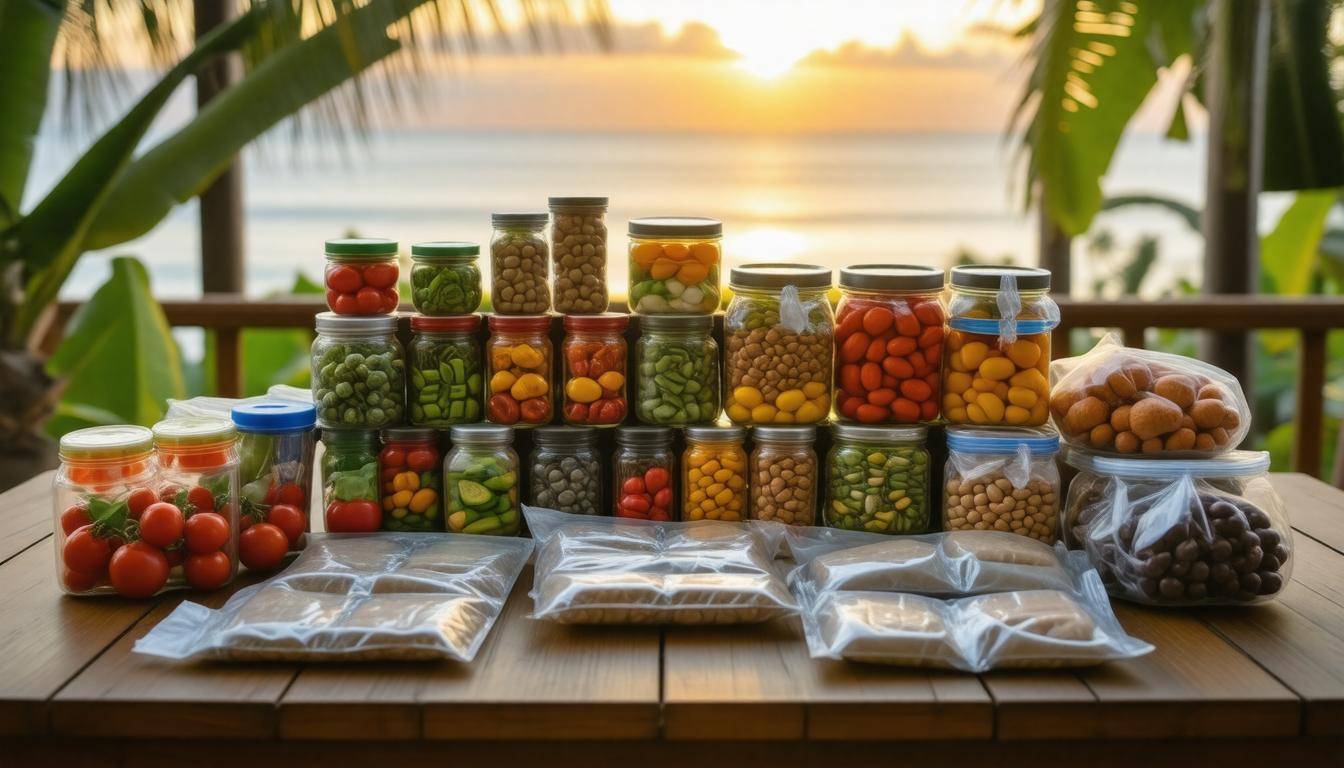
Stocking up on non-perishable food is critical when planning your tsunami preparedness kit. This food will remain safe to eat for an extended period, ensuring that you and your family have access to nourishment even when grocery stores might be closed or inaccessible. By choosing the right items, you can create a stash that supports not only survival but also helps in maintaining morale during challenging times.
Best Food Options
The best strategy for selecting non-perishable foods is to focus on items with long shelf lives and minimal preparation needs. Consider choosing canned goods, dehydrated meals, and high-energy snacks like protein bars. These foods provide essential nutrients while being easy to store. Remember to look for items that don’t require refrigeration or cooking; this becomes especially handy during an emergency when resources may be limited.
| Food Item | Shelf Life | Nutritional Benefits |
|---|---|---|
| Canned Beans | 2-5 years | High in protein and fiber |
| Peanut Butter | 1 year | Protein and healthy fats |
| Dried Fruits | 1 year | Vitamins and minerals |
| Instant Oatmeal | 2-4 years | Carbohydrates and fiber |
One particularly beneficial option to consider includes MREs (Meals Ready-to-Eat) available from military surplus stores. These meals often come packed with balanced nutrition and can be eaten straight from the package—no cooking required! Keeping a few MREs on hand can provide comfort during stressful times by offering familiar flavors in a ready-to-eat format.
As you compile your supply of food, it’s also essential to think about how each member of your household, including pets, has unique dietary needs. Transitioning from food supplies, let’s now examine the tools that can further enhance your preparedness plan.
Tools and Safety Gear
Having the appropriate tools and safety gear in your tsunami preparedness kit can indeed make a significant difference when disaster strikes. If you’re caught in an emergency, you’ll want to ensure you have equipment that not only serves multiple functions but also enhances your safety and efficiency. Imagine being able to adapt to various situations—whether it’s cutting through debris or signaling for help. This versatility is precisely why items like a multi-tool can be indispensable. Not only does it reduce bulk in your kit, but it also provides a range of options at your disposal.
Essential Tools
A well-equipped tsunami emergency kit should always contain a few essential tools. Firstly, a multi-tool is a must-have; its capabilities can include cutting, screwing, and even opening cans—all within one compact device. Next, waterproof matches will enable you to start fires even under adverse weather conditions, which could be crucial for warmth or cooking during an emergency.
Don’t forget a reliable flashlight that comes with extra batteries; illuminating dark spaces could guide you safely through uncertainty.
When packing your safety gear, consider including sturdy gloves to protect your hands when navigating debris. An N95 mask is also important for filtering out dust or contaminated air, especially in the aftermath of a natural disaster. Lastly, a loud whistle can serve as an effective communication tool, allowing you to signal for help over long distances without exhausting yourself.
Utilize tools like the Swiss Army knife as an emblem of preparedness; its multi-functional nature illustrates the importance of having versatile equipment that caters to various needs. The fewer individual items you carry increases your chance of mobility and keeps your focus on what truly matters during an emergency.
It reminds me of when my neighbor shared his experience during a hurricane evacuation. His multi-tool proved invaluable in several unexpected ways—he was able to cut ropes, open cans of food he hadn’t anticipated needing, and even tighten loose parts of his shelter. Stories like theirs emphasize the impact that effective tools can make under pressure; they embody how preparedness isn’t merely about having supplies but about having the right supplies that can genuinely assist your situation.
As you prepare your toolkit for emergencies, ensuring effective means of communication becomes essential for keeping connected when disaster strikes.
Portable Radio and Communication Devices
Staying informed is crucial when living in an area prone to tsunamis, and one of the best ways to do this is by using portable radios and communication devices. These devices not only provide you with real-time updates about tsunami warnings but can also help you access vital information during emergencies when conventional methods fail.
Imagine being in a situation where the electricity goes out and your phone runs out of battery – what would you do? That’s where these devices come into play.
Importance of NOAA Radios
The backbone of tsunami preparedness, NOAA Weather Radios play a pivotal role in keeping people informed. These radios provide continuous updates directly from the National Oceanic and Atmospheric Administration, offering timely weather alerts and emergency information. Understanding their significance can be life-saving, particularly since warning signs may come with little to no notice.
It’s highly recommended to include a battery-powered or hand-crank radio in your tsunami preparedness kit. This way, you can receive emergency broadcasts even if power lines are down. Notably, having such radios ensures that you don’t have to rely solely on the internet or cell networks for information, which can often become overloaded or unavailable during natural disasters.
For reliable options, consider the Midland ER210. It’s not just popular for its robust features; it also has solar charging capabilities, allowing it to maintain functionality for extended periods. With a device like this, you can have peace of mind knowing that you’re equipped for any situation.
Such radios are invaluable tools that should be viewed as lifelines during emergencies.
Additionally, complementing your NOAA radio with other communication devices—like portable chargers or satellite phones—can further enhance your ability to receive critical updates. It’s essential to think beyond just listening for updates; proactive preparation means finding multiple ways to stay connected and informed.
To ensure maximum effectiveness, always check your radio’s functionality before disaster strikes. Consider tuning into local channels beforehand so you’ll know exactly how to locate essential broadcasts when needed. By making this simple habit a part of your routine, you create an automatic safety net that could potentially save lives.
Including portable radios and reliable communication devices is just one component of comprehensive emergency planning. Next, we will explore the vital items that ensure access to medical assistance during a crisis.
First Aid Supplies and Medications
Having a robust first aid kit is invaluable in any emergency, especially in a scenario like a tsunami where injuries can occur, both minor and severe. Think of it as your lifeline when the unexpected strikes. Your kit should include essential items such as bandages for cuts and scrapes, antiseptics to clean wounds, and pain relievers to manage discomfort.
Don’t overlook the necessity of prescription medications. It’s crucial to maintain at least a seven-day supply of any regular prescriptions you or your family members might need. Medications should be stored in waterproof containers if possible, adding an extra layer of protection against water damage.
Customizing Your First Aid Kit
Customization is the secret sauce to creating an effective first aid kit. Each family has unique health needs and circumstances that must be considered.
For instance, if someone in your household has allergies, it’s wise to include EpiPens. If diabetes is part of your family’s health profile, ensure you have enough insulin on hand. Additionally, for those struggling with respiratory issues like asthma, don’t forget to stock up on their inhalers.
When customizing your kit, think about including instructions for administering these medications clearly labeled and easily accessible. This is particularly important if you have neighbors or friends who may need to assist you in an emergency when time is of the essence.
Sharing these instructions not only aids others but also ensures more people are prepared, which can be crucial in life-threatening situations.
Beyond medications, it’s beneficial to add items tailored to your family’s lifestyle or specific medical conditions. Perhaps include a limb support brace if injuries are common during activities or specific allergy relief items based on seasonal patterns.
With your first aid kit ready for action, addressing how personal documents and communication devices contribute to overall preparedness will ensure you’re fully equipped for any unexpected events that arise.
Evacuation and Safety Plan
Knowing where to go and what to do during a tsunami is just as important as having the right supplies. When the sea roars or the earth shakes, these instinctual moments can easily slip into panic if you haven’t prepared ahead of time. This is where a thorough evacuation plan comes into play. The goal is simple: make your escape route clear so that you don’t waste precious moments, especially when every second counts.
Creating Your Evacuation Plan
Start by identifying evacuation routes and nearby high ground in your area. Pre-planning these can make a huge difference during the chaos of an actual emergency. You can use local maps or resources from local emergency management offices, like HI-EMA, to determine which routes will keep you safe.
Mark these routes clearly on your family map or create a digital copy everyone can access on their phones. A good rule of thumb? Aim for locations at least 100 feet above sea level—this is typically deemed safe from most tsunami threats.
As you create this plan, remember: knowing how to evacuate isn’t just for adults; it’s crucial that all family members, including children, understand this plan fully.
Safety Drills
Conducting regular family drills is not just a fun exercise but a serious way of building muscle memory in case of an impending tsunami. Coordinate with local community exercises whenever possible; they can provide real-world context and increase awareness in your neighborhood. Ensure children know the plan by heart; repeated practice increases their confidence in emergencies and thus improves their chances of smoothly following the set evacuation steps.
Tip: Try to simulate various scenarios during these drills—practice during daylight hours one day, then shift to nighttime the next. This will help prepare everyone for any situation.
Lastly, maintaining open lines of communication within your family is critical. Discuss the evacuation plan regularly; revisit it during family meetings so that everyone feels comfortable voicing questions or concerns.
Effectively implementing these strategies sets the foundation for further enhancing your preparedness efforts, particularly when it comes to managing supplies for unforeseen events.
Kit Maintenance and Storage Tips
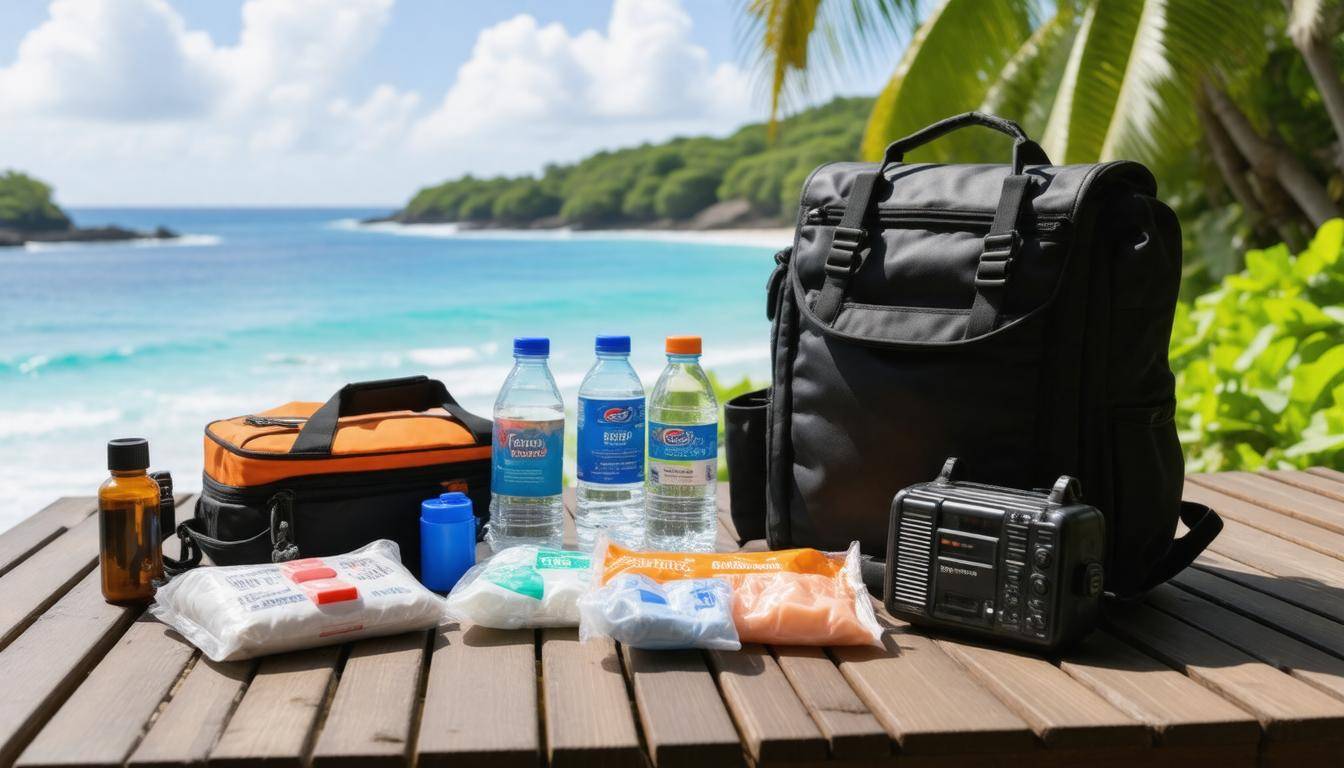
Keeping your kit in optimal condition is paramount. Regular updates ensure that you have the necessary supplies when disaster strikes. In Hawaii, where tsunamis can occur unexpectedly, it’s essential to be proactive rather than reactive. Checking your kit every six months is a good practice—after all, items such as food can expire, medications may become outdated, and batteries can drain. If you’ve stocked your kit with non-perishable items, remember that even they have shelf lives. A quick glance at expiration dates can save you from finding an empty snack pack or depleted flashlight during a crisis.
It’s also wise to replace items promptly; there’s nothing worse than relying on expired goods because you neglected to check. Make it part of your household routine—consider doing this during daylight savings time changes, so it becomes an easy marker for upkeep.
Now let’s talk about where to store your kit. It should be in an easily accessible location, but not just any spot will do. Ideally, find a place that everyone in the household knows about, making sure it’s clear of obstructions. This hampers panic during emergencies since quick access can mean seconds saved. Think strategically: place it near exits or tightly fit into closets—wherever is most feasible without causing clutter.
Climate Considerations
Climate plays a vital role in how we maintain our kits. Hawaii’s unique geography means that humidity can affect the integrity of some items, especially electronics or packaging that isn’t designed for moist environments. For example, think of your tsunami kit like a living document—it needs continuous updates reflecting your present circumstances and needs.
“When Hurricane Lane hit us unexpectedly in 2018, our regularly updated emergency kit was a lifesaver,” said Honolulu resident Sarah K. “We were prepared but still reminded of the importance of regular maintenance.”
Such testimonies shine light not only on preparedness but the ongoing effort needed to stay ready for calamities that could strike at any moment. Knowing that conditions change—be it weather patterns or personal circumstances—can help keep your gear aligned with what’s practical for you and your family.
Ultimately, maintaining your tsunami preparedness kit isn’t just about having the items; it’s about ensuring those items are reliable, accessible, and relevant to your needs. Preparedness is a continuous process that offers peace of mind when facing nature’s uncertainties.
How can I ensure that all family members know where the preparedness kit is stored and how to use its contents?
To ensure that all family members know where the preparedness kit is stored and how to use its contents, conduct regular family meetings and drills that include a demonstration of the kit’s location and its items. Statistics show that families who practice emergency plans are 50% more likely to effectively respond in a crisis. Use visual aids or checklists placed near the kit to reinforce knowledge, and encourage each family member to take ownership of specific items in the kit for better familiarity and responsibility.
Are there any recommended storage solutions for easy access to my preparedness kit?
For optimal accessibility to your Hawaii tsunami preparedness kit, consider transparent plastic bins with secure lids and easy-grip handles. These containers not only protect contents from water and moisture but also allow for quick identification of essential items, thus saving valuable time during an emergency. According to the Federal Emergency Management Agency (FEMA), 60% of people who prepare in advance report feeling more at ease in an emergency situation, underscoring the importance of organized storage solutions for peace of mind.
What additional resources or information could help me understand tsunami risks in Hawaii?
To deepen your understanding of tsunami risks in Hawaii, consider accessing resources from the National Oceanic and Atmospheric Administration (NOAA) and the Pacific Tsunami Warning Center, which provide real-time alerts and extensive educational materials. Additionally, familiarize yourself with local emergency management websites that offer detailed maps and evacuation routes tailored to your area. Statistics show that Hawaii experiences an average of 2 tsunamis annually, highlighting the importance of preparation; therefore, proactive knowledge can be crucial for safety.
How often should I check and update my tsunami preparedness kit?
You should check and update your tsunami preparedness kit at least twice a year, ideally during the spring and fall. This frequency ensures that supplies, such as food, water, and medications, remain fresh and effective, while also keeping you informed of any changes in local emergency guidelines. According to the National Oceanic and Atmospheric Administration (NOAA), being prepared can significantly increase your survival chances during a tsunami event—statistics show that 90% of those who have an emergency plan in place tend to respond more effectively during disasters. Regular checks also provide an opportunity to replace expired items or adapt to any new family needs or changes in circumstances.
What specific items should be included in a tsunami preparedness kit tailored for Hawaii?
A tsunami preparedness kit for Hawaii should include essential supplies such as water (one gallon per person per day for at least three days), non-perishable food, a flashlight with extra batteries, a first aid kit, personal medications, important documents (like IDs and insurance papers), a whistle to signal for help, and sturdy shoes. Given that Hawaii is located in the Pacific Ring of Fire and experiences an average of one major tsunami every 30 years, it’s crucial to be prepared for potential emergencies by having these key items readily available.