
Emergencies can strike at any moment, and for hotel guests, the unexpected can be overwhelming. Imagine waking up in a strange place, unsure of what to do as alarms ring out or smoke fills the air; it’s a scenario no one wants to experience. That’s why having a solid hotel emergency plan is essential not just for staff but for every individual staying there. It’s about ensuring that everyone knows how to stay safe when things go wrong. By understanding the procedures and resources available, hotels can turn panic into calm and confusion into clarity. In this guide, we’ll explore effective strategies to prepare for emergencies, ensuring all guests feel secure during their stay.
The Complete Guide on “Hotel Emergency Plan for Evacuees” outlines essential strategies for hotels to manage evacuations effectively, including creating an emergency preparedness policy, establishing communication protocols with guests and staff, and implementing safety measures for both individuals and families. Additionally, it emphasizes the importance of having resources such as emergency kits and designated evacuation routes to ensure the safety and well-being of all evacuees during a crisis.
Essential Procedures for Hotel Emergencies
The blueprint for handling emergencies in hotels is built around a few key procedures that prioritize safety and organization. It is paramount that every square inch of the hotel is prepared to handle unexpected situations, starting with ensuring that evacuation routes are established and well communicated.
Step I – Establishing Evacuation Routes
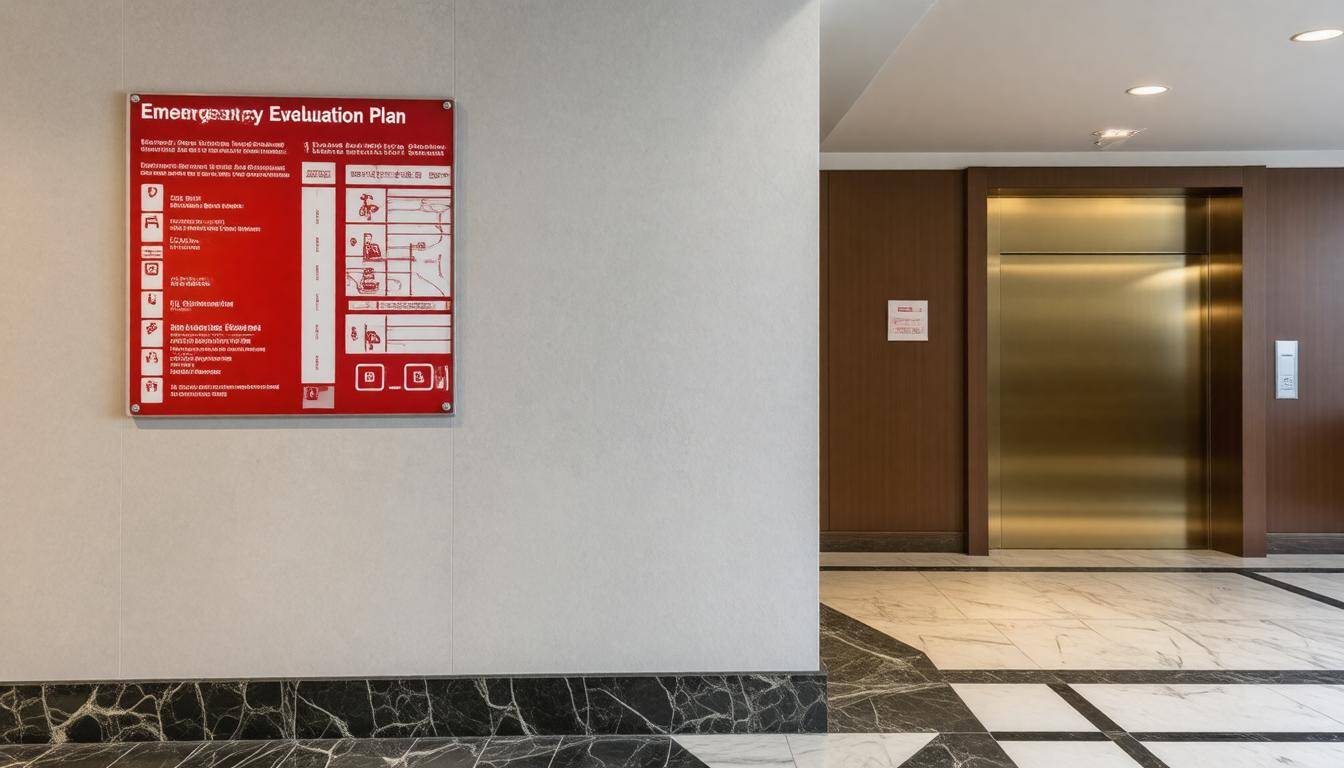
Clear evacuation routes are the lifelines during emergencies. Hotels must have these escape paths clearly marked, not just on the walls, but also in intricate maps displayed prominently in guest rooms and common areas such as lounges or dining areas.
It’s important that the evacuation routes lead guests to safe zones, which are at least 100 feet away from the building’s foundations. Additionally, these routes must be maintained free of obstructions and easy to navigate.
Think of it this way: in an emergency, time is critical. Every second counts, and having well-marked routes aids in quick escapes. Regular fire drills can help familiarize both staff and guests with these paths.
Step II – Regular Staff Training
Training isn’t just a checkbox; it’s a pivotal part of emergency preparedness. Staff should go through special training courses at least two times per year, focusing on managing guest safety and controlling chaos that might ensue during an evacuation or emergency situation.
This training should cover a variety of scenarios, including fires, power outages, and medical emergencies. Employees need to understand their roles, whether guiding guests towards exits or operating emergency equipment like fire alarms or extinguishers. Equipping them with knowledge can turn a chaotic situation into manageable circumstances.
Remember: A calm demeanor amidst pandemonium sends reassuring signals to guests who may feel anxious or scared during emergencies.
Step III – Accessible Emergency Kit
No hotel emergency plan is complete without easily accessible emergency kits. These kits must be stationed strategically throughout the hotel—at front desks, in staff break rooms, and readily available on every floor.
What constitutes an effective emergency kit? Well, it should ideally include first-aid supplies capable of treating minor injuries such as cuts or burns, along with serious herbs like antiseptics. Flashlights and extra batteries should be included for illumination during power outages while essential medication helps manage health needs for those who rely on daily prescriptions.
Having the right supplies ready can be the difference between chaos and control when emergencies occur. Keeping pet supplies handy ensures that pets are safe—because they are part of our families too.
With these essential procedures firmly in place, one can start to consider other vital aspects related to safety measures alongside thoughtful planning for unpredictable circumstances.
Preparing for an Evacuation
Evacuation readiness is crucial for ensuring minimal panic and maximum safety. It’s not just about knowing that you need to leave; it’s about having a plan in place that everyone can follow smoothly. The first step involves identifying hazard zones specific to your location, enabling guests and staff to be aware of areas that might present risks during emergencies such as fires or flooding. Mapping out these zones allows hotels to prepare with detailed safety instructions that can be easily understood. Furthermore, it ensures that this information is accessible as part of the training materials and clear signage throughout the property.
Identifying Hazard Zones
Understanding potential hazards within your hotel is a proactive approach for risk management. By determining which areas are most vulnerable, hotels can create a strategic evacuation plan. Suppose a fire breaks out in the kitchen; knowing beforehand which exits facilitate quicker escape routes is invaluable. This knowledge minimizes chaos when seconds count.
Utilizing visual aids, such as clearly marked evacuation maps displayed in guest rooms and common areas, reinforces this consciousness.
Visualize! Maps serve not only as tools for identification but also as reminders of safe paths—often illustrating both primary and secondary escape routes from various points in the building.
Ensuring Transport Readiness
Equally important is preparing means of transportation for evacuating guests. When an event calls for swift relocation, readily available shuttle buses or pre-arranged taxi services can make all the difference in getting people out of harm’s way. Regular maintenance checks on these vehicles are vital—after all, ensuring they’re functional when needed can’t be overstated.
Moreover, assigning designated drivers who are well-acquainted with emergency protocols and routes can further streamline evacuations, allowing for swift action without confusion.
It can also help to designate assembly points outside the hazard zone where evacuees can gather safely once evacuated. These points should be located well away from the building—at least 100 feet—to mitigate dangers from any further incidents.
Communication Plan
Having a robust communication plan is essential for smooth operations during an emergency. Through practice drills, hotel staff can familiarize themselves with their specific roles during an evacuation, creating confidence among employees and peace of mind for guests. Assigning clear responsibilities ensures someone is always available to provide updates and directions.
Remember: In moments of turmoil, simplicity is key; effective signage directing guests toward exits or assembly points is vital. Keeping messages straightforward allows everyone to remain focused on the task at hand.
As preparations solidify through safety assessments, transport arrangements, and careful communication, the next phase centers on how to effectively relay necessary actions to guests during an evacuation.
Notification of Guests and Staff
Rapid notification is not just a procedure; it’s a lifeline in crisis situations. To effectively alert everyone during an emergency, hotels employ various methods tailored to reach all guests promptly. Utilizing multiple forms of communication ensures that if one method fails, others will step in. Think of it as a net made up of different strands—each contributes to catching what might otherwise fall through. For instance, alarm systems are a primary line of defense; they should always be checked to ensure proper functioning well before any danger arises.
“A stitch in time saves nine,” as they say—though in this case, it’s more about preparedness saving lives.
When you’ve got an alarm system properly set up, following that up with robust public address systems becomes vital. These systems should provide clear and concise announcements throughout the hotel. Picture yourself gathering around the front desk nervously, waiting for guidance. The clearer the message from staff, the more likely guests will respond quickly and efficiently. It’s equally important to maintain calmness and not overwhelm guests with unnecessary detail when only key information is required.
Key Notification Methods
| Method | Description |
|---|---|
| Alarm Systems | Keep them tested regularly; malfunctioning alarms can sow confusion. |
| Public Address Systems | Announce clear instructions and guidance immediately. |
| Digital Alerts | Use text messages or emails as rapid means to disseminate information. |
| Room Calls | Direct calls to particular rooms may be necessary for those who might struggle to hear alarms or announcements. |
Moving from technology, let’s discuss the human element involved in these notifications.
It’s essential that staff members are adequately trained not just on how to use these systems but also on the protocols for guest retrieval and monitoring during evacuations. This training should address various vulnerabilities within the guest population; elderly individuals, for example, might need more assistance than young adults. In fact, it’s often prudent to create a buddy system whereby staff focus on particular groups: one team member covers those with disabilities while another monitors families with children.
Staff checks should include both rooms and public areas to ensure no one is left behind. Remember, communication isn’t just about technology; it’s also about connection.
All this boils down to executing a structured plan where every voice counts and every moment matters. Preparing beforehand gives everyone less to worry about when an emergency arises—the goal is clear: reduce panic and ensure full accountability so every individual within the hotel feels safe during potentially harrowing events.
As we navigate the complexities of safety protocols, let’s shift our focus toward establishing secure zones within the hotel framework.
Designated Safe Areas and Security Protocols
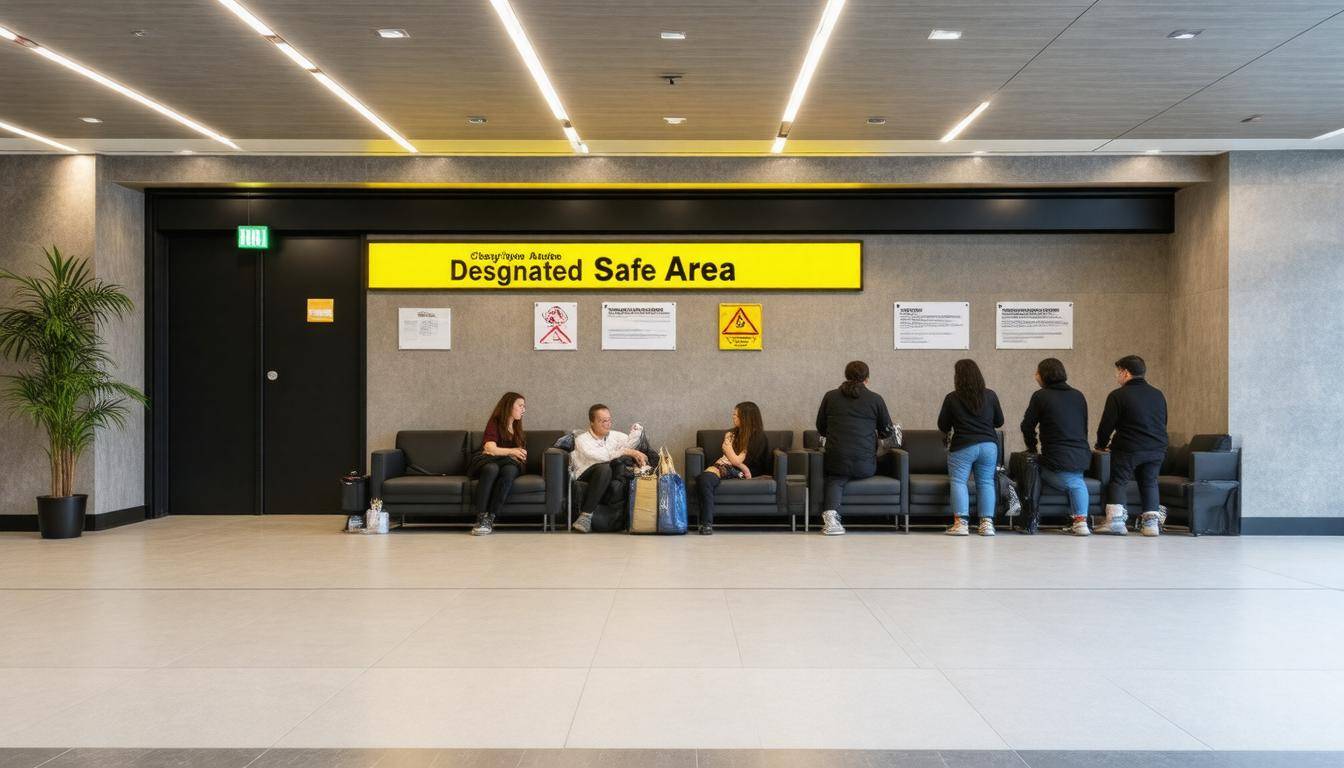
Indoor safe zones must be thoughtfully designed to offer maximum protection during emergencies. Ideally, these areas will be reinforced, such as basements or other enclosed spaces situated away from windows and potential structural hazards like heavy glass or equipment. Think of them as the fortresses within your hotel—safe havens amidst chaos. Hotels located in tornado-prone regions have successfully adopted this practice by designating specific spots that are clearly marked on all floors. Guests should know exactly where to go at a moment’s notice, which can reduce anxiety and ensure their safety.
Indoor Safe Zones
Just imagine being a guest in a hotel during a storm; knowing there’s a designated spot where you would be most secure alleviates much fear.
It’s essential for every hotel to create an environment where guests feel safe, which also means providing clear signage to direct them to these safe spaces. Regular safety drills play an important role here too, as they prepare both staff and guests for real-life emergencies. According to the American Hotel and Lodging Educational Institute (AHLEI), 85% of hotels conduct at least one fire drill annually, ensuring everyone knows how to react.
Outdoor Safety
While indoor safety is paramount, outdoor locations also serve a critical role when it comes to emergencies such as fire evacuations. Having accessible outdoor safe spots should include criteria that keep them functional during crises. The table below outlines some ideal outdoor safety locations:
| Criteria | Safe Spot Example |
|---|---|
| Away from Flammable | Hotel gardens |
| Elevated Areas | Parking tiers |
| Accessible for Help | Main entrance courtyard |
These designated outdoor areas are often less likely to pose danger after evacuation as they avoid flammable materials while providing elevation in case of flooding or other natural disasters. Moreover, they need to be easily accessible, offering clear lines of communication with security personnel or emergency responders.
Security Protocols
In addition to designating these areas, security protocols are equally vital. Hotels typically implement lockdown procedures for sensitive areas like kitchens or storage rooms while ensuring that emergency escape routes remain open and unobstructed throughout an emergency situation. It’s about making quick decisions while maintaining order and efficiency.
Implementing these protocols requires coordinated effort; therefore, the role of staff and responders becomes crucial.
Employees are trained to guide guests swiftly towards safety, playing a pivotal role in emergency management within the hotel environment. Providing staff with the proper tools ensures they can communicate effectively with guests, guiding them through safety procedures while remaining calm during high-stress situations. This combination of well-defined safe zones paired with responsive security measures creates a comprehensive safety plan for all individuals inside the hotel.
As we explore the intricacies further, understanding the vital contributions made by personnel can provide deeper insights into effective crisis management practices.
Role of Staff and Responders
In the chaos of an emergency, it’s often the hotel staff who are on the front lines, acting as the first response team before help arrives. This is not merely a job requirement; it is a lifeline that can make all the difference. Each employee should be equipped with basic first-aid and CPR training, allowing them to address immediate medical needs effectively. They may encounter situations where a guest has fainted or experienced a minor injury; swift action during these moments can prevent complications while waiting for professional medical assistance.
Furthermore, regular training sessions reinforce these skills and instill confidence in staff members. The assurance that they know how to respond effectively gives them the ability to act decisively in high-pressure situations, which helps guests feel secure and creates a safer environment overall.
Staff First Responders
As the first line of aid, hotel staff should embody readiness and professionalism. Picture this: a guest suddenly collapses due to a medical emergency. In this moment, the staff’s preparedness becomes paramount. Their training enables them to perform CPR or control bleeding until emergency personnel arrive, rather than being paralyzed by panic or uncertainty.
While hotel employees are key initial responders, external personnel bring critical expertise to manage larger incidents.
Role of External Responders
When external responders such as firefighters and paramedics arrive on the scene, they rely heavily on accurate information from hotel staff; after all, seconds count during an emergency. Staff should be prepared to provide essential details about the situation: the number of guests present, any known hazards in the area, and specific locations of concern within the hotel structure.
“During the 2020 wildfire at Oakwood Hotel, our staff’s quick coordination with local firefighters saved lives,” recounted one hotel manager, emphasizing just how crucial this teamwork can be between internal staff and external responders.
To enable such effective coordination, communication strategy is key.
Importance of Communication Strategy
It cannot be overstated how vital clear communication channels are when an emergency strikes. Establishing protocols ahead of time ensures that everyone knows their role and how to convey important information quickly and efficiently. Regular drills where staff practice reporting procedures and coordinating with external responders create familiarity and comfort around these interactions.
Continuous Improvement
Post-crisis evaluations are essential for improving future responses. After each incident, gathering feedback from both staff and external responders allows hotels to refine their emergency plans continually. This process fosters a culture of readiness, ensuring that hotels remain vigilant and prepared for whatever challenges arise next.
Moving forward, examining effective methods to convey crucial information during emergencies will provide deeper insights into enhancing overall safety measures.
Communication Strategies during Evacuations

Clear communication minimizes chaos but requires careful planning. When a crisis strikes, it can escalate quickly. This is why hotel management must take proactive steps to ensure that guests and staff have access to accurate and timely information.
One powerful method involves utilizing various communication tools between staff members and guests alike, ensuring everyone remains informed throughout the process. By employing intercoms, mobile apps, and text alerts, hotels create multiple channels through which important information can flow. However, just having these tools isn’t enough; staff need specific training on how to relay information calmly and effectively.
Use of Two-Way Radios
A critical component of internal communication during an emergency is the use of two-way radios. These devices allow for immediate, direct conversation among staff members across the hotel. In a chaotic situation, waiting for individuals to reach each other via standard phones can waste valuable time.
With two-way radios, quick updates or directives can be shared instantly. Imagine someone noticing smoke in one part of the building—rather than searching for the nearest phone, they can swiftly alert their colleagues through their radio. To keep these devices operational, it’s also vital to have backup batteries available to navigate power outages or equipment malfunctions.
Regular checks of these communication devices can ensure they are functional when needed most.
Guest Communication
Equally important is how a hotel communicates with its guests during emergencies. Clear instructions must be provided regarding evacuation procedures using multiple languages to cater to a diverse clientele. No one wants to find themselves confused in an unfamiliar situation, especially during a crisis. Thus, offering printed materials outlining procedures in various languages at each guest room can significantly enhance understanding and compliance.
Furthermore, having well-placed signage throughout the hotel reinforcing these instructions can guide guests safely towards exits and assembly points during evacuations. Remember that many individuals may be disoriented due to fear; clear signage becomes even more critical in these moments of panic.
Make sure to conduct regular drills involving both staff and guests where they practice these communication protocols. Doing so can not only familiarize everyone with what to expect during an actual event but also highlight areas for improvement within the communication strategy itself.
Effective communication serves as a foundation for executing emergency procedures efficiently while ensuring everyone’s safety during any crisis situation. Now let’s shift our focus to essential items that should be included in your preparation efforts.
Hotel Emergency Plan Checklist
An emergency plan checklist is your travel buddy in crisis situations, ensuring that no critical step is overlooked when rapid action is needed. It’s the roadmap for hotel staff to systematically address safety concerns, safeguarding both guests and employees alike. As emergencies can strike without warning, having this checklist at the ready prepares everyone for effective response efforts.
Importance of Regular Updates
Picture this: it’s a busy Saturday night, and the hotel is full of guests when suddenly an emergency arises. The last thing you want is to frantically search for updated information amid the chaos. This is why maintaining a comprehensive checklist isn’t just a good idea—it’s essential. Regular reviews and updates keep plans current and ensure that all hotel personnel are familiar with procedures and specific items on the list.
Consider how quickly things change—contact numbers may evolve, evacuation routes could be altered due to construction, and supplies might dwindle. By routinely checking and adjusting your emergency checklist, you prepare your team for various scenarios.
Essential Checklist Items
Each item on your checklist serves a purpose, so let’s explore a few crucial components in detail:
Emergency Contact Numbers: Maintaining an updated list ensures quick access to key contacts such as local emergency services or specialists like medical professionals. Make sure all front desk staff have copies readily available.
Evacuation Route Maps: These should be clearly posted on every floor and in every guest room. They guide both staff and guests to safety with ease during an evacuation situation.
First-Aid Kits: These must not only be stocked but also regularly checked for expired items. You might find peace of mind knowing that team members feel confident administering first aid because they know where those kits are and what they contain.
Fire Extinguishers: Accessibility is paramount; position these in common areas as well as near high-risk locations like kitchens. Ensure all staff know their locations as part of their training.
Staff Emergency Drill Scheduling: Schedule drills monthly or bi-monthly—it provides invaluable practice to staff so they can respond seamlessly when real emergencies occur. Exercises simulate different types of incidents, enhancing readiness across various scenarios.
Guest Notification Systems: Verify that these systems work efficiently by testing them regularly. If situations arise where there’s limited time to inform guests, an effective system can be your lifeline.
A proactive approach involving regular assessments will solidify your hotel’s reputation as a safe place to stay. Establishing this emergency plan checklist reflects your commitment to guest safety and preparedness.
As we explore further into the operational aspects of hotel safety, understanding how consistent practice and training can fortify readiness becomes essential.
Importance of Regular Emergency Drills and Practice
Regular emergency drills are crucial not just for compliance but as a vital practice that enhances the safety protocols of hotels. When staff members participate in these drills, they learn to navigate stress-inducing situations in a controlled environment. This is invaluable, transforming routine actions into life-saving simulations that prepare everyone—from management to guests—for potentially catastrophic situations.
Consider this: during an emergency, panic can set in quickly. Guests may not know the layout of the hotel, and staff can easily overlook their responsibilities if they haven’t practiced their roles. This is where routine drills shine. When every participant knows what to do and when to do it, evacuations become more orderly, significantly lowering chaos and potentially saving lives.
Studies have shown that hotels conducting monthly emergency drills achieve evacuation times that are 30% quicker than those that don’t drill regularly. The improvement in speed means a reduction in casualties and injuries, highlighting how vital these exercises truly are.
To further illustrate this necessity, let’s look back to a 2021 drill at a major New York hotel where the kitchen staff were unclear about their specific roles during emergencies. By addressing this gap through follow-up training post-drill, the hotel improved overall preparedness and subsequently enhanced guest safety.
What’s more important is that regular drills cultivate a culture of awareness and proactive participation among employees and guests alike.
When staff routinely engage in emergency scenarios, it fosters an atmosphere where safety protocols are taken seriously and discussed frequently. Guests will also feel more secure knowing their hotel is prepared for possible emergencies. They might even share insights with others—after all, information has a way of circulating within communities.
Ultimately, these routines become part of the hotel’s culture, ensuring preparedness isn’t an afterthought but rather an ingrained aspect of everyday operations. Such diligence transcends immediate safety—it promotes trust, satisfaction, and loyalty among guests who recognize genuine care for their wellbeing.
Therefore, by implementing regular drills, hotels not only abide by safety protocols but they also actively engage in creating a safe haven for everyone involved.
In summary, prioritizing emergency drills not only reinforces safety standards but also builds a resilient community within the hotel environment. Preparedness truly becomes everyone’s responsibility.