
Winter in mountainous regions can blanket our lives in stunning beauty, but it also brings along challenges that can catch even the most experienced hikers off guard. Imagine setting out for a peaceful trek, only to find yourself battling heavy snowfall and sudden isolation from your community. It’s easy to overlook the risks when focused on breathtaking views, yet proper preparation can make all the difference in ensuring safety and enjoyment. This article provides crucial guidelines to help you navigate winter hikes with confidence, from understanding trail conditions to stocking up on supplies. Let’s dive into how we can stay safe and connected during those frosty months ahead.
The Mountain Community Winter Isolation Plan provides essential guidelines aimed at ensuring safety during winter hiking in mountainous areas, focusing on preparation, trail selections, and promoting community engagement among hikers. It emphasizes the importance of understanding trail conditions, using proper equipment, and recommendations for beginner-friendly hikes to navigate the challenges of winter effectively.
Assessing Winter Risks
Understanding the landscape during the winter months is not just a good habit—it’s an essential commitment to your safety and well-being. Begin with weather-related hazards, where severe snowstorms are often the culprits of isolation by dropping significant amounts of snow and creating treacherous conditions.
For instance, when a storm unleashes over 12 inches of snow, roads can become obstructed for days, cutting communities off from each other and limiting access to vital resources. Equipped with this knowledge, you can prepare accordingly—always check the forecasts before venturing out and stock up on supplies as needed.
While weather conditions pose substantial threats, understanding terrain challenges is equally crucial to ensure safer hikes or outdoor activities.
Navigating icy trails and steep slopes becomes a daunting task during winter months. The risk of slips and falls increases dramatically under these conditions, necessitating careful planning and preparation. It’s useful to carry crampons or microspikes to enhance traction on icy surfaces, which could save you from a nasty fall.
Furthermore, avalanches remain a resilient danger in areas characterized by steep inclines combined with recent heavy snowfall. Awareness of avalanche-prone zones—for example, any region that experienced significant snowfall followed by warming temperatures—is critical since snowpack stability changes dynamically. Familiarize yourself with local avalanche forecasts if you’re venturing into backcountry terrains.
As we consider these environmental factors, we must also be mindful of the health risks posed by winter conditions.
Prolonged exposure to freezing temperatures can lead to serious health issues like hypothermia and frostbite. According to the CDC, hypothermia claims approximately 1,300 lives annually in the U.S., often stemming from unexpected drops in temperature or extended periods spent outdoors without adequate protection.
Simple preventive measures make a difference: layer your clothing thoughtfully—choose moisture-wicking layers closest to your skin, insulating layers for warmth in between, and a waterproof layer on the outside to protect against elements like wind or snow. Remember also to monitor for signs of hypothermia such as confusion or excessive shivering; awareness of these symptoms can prevent serious health consequences.
By taking into account the prevailing weather, treacherous terrain conditions, and personal health concerns, you set the groundwork for effectively preparing for your winter adventures.
Essential Preparation Steps
Proper preparation can make the difference between hardship and resilience when facing winter challenges in mountainous areas. Understanding that emergencies can occur at any moment is crucial; thus, having a well-thought-out plan helps ensure safety and peace of mind.
Step 1 – Planning an Evacuation Route
Map out multiple escape routes and practice them regularly with your family. The need for a quick exit can arise unexpectedly, so it’s not just about having a theoretical path; familiarity with these routes can save valuable time.
Remember that weather conditions can dramatically affect the terrain, especially in winter, making some routes treacherous. By rehearsing these paths, you’ll feel more confident and reduce panic or confusion during an actual emergency.
Step 2 – Creating an Emergency Plan
Once you have your routes mapped out, it’s vital to create a comprehensive emergency plan with your family members. Sit down together and discuss various scenarios that might require evacuation or immediate action. Documenting this plan on paper is key.
Include details such as meeting points where everyone should gather after leaving home, emergency contacts like neighbors or relatives who live nearby, and designated roles during crises—like who takes care of pets or gathers important documents. Clear roles assigned minimize chaos during a stressful situation.
Step 3 – Weatherproofing Your Home
Focus on weatherproofing your home to mitigate the effects of winter’s harshness. Make a checklist that includes sealing windows and doors to prevent cold drafts from seeping in.
Inspect your roof for weak spots or missing shingles that could lead to leaks when snow melts or rains heavily. Another important measure is to insulate your pipes; this simple action keeps them from freezing and bursting—a costly repair come springtime! Performing these preventative measures not only secures your house but also provides warmth and shelter no matter how extreme the weather gets outside.
With these steps in place, you’ll be prepared for the uncertainties that winter brings, allowing you to focus on gathering and securing what matters most for upcoming months.
Stockpiling Supplies
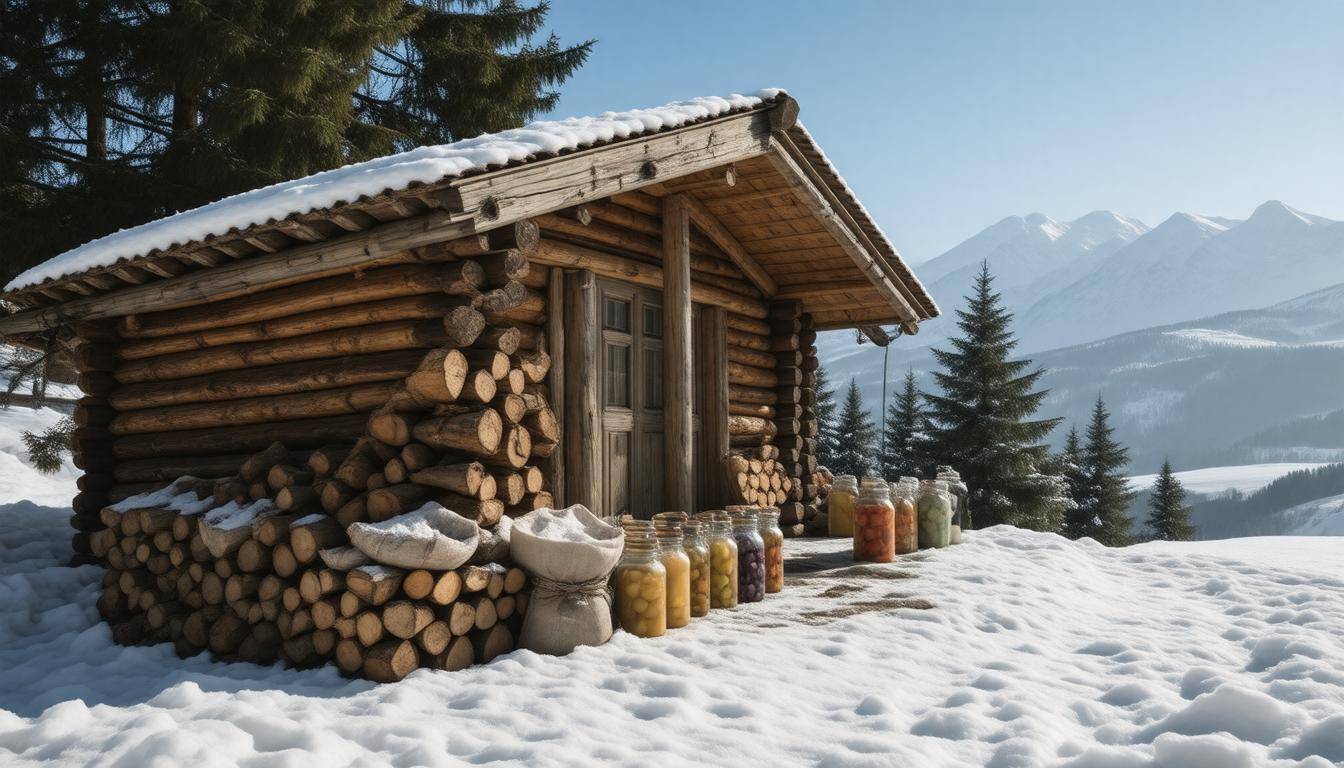
Stocking up on essential supplies is vital for survival during extended isolation. As the harsh winter months set in, it’s crucial to consider what you will need to sustain yourself and your family.
When it comes to food, focus on non-perishable items that can last for weeks without spoiling. Canned goods, such as vegetables, soups, and fruits, are perfect candidates. Aim for at least 14 cans of assorted items per person to form a solid base for meals. Additionally, dried grains like rice and pasta provide versatility – I recommend preparing at least 5-10 pounds per person.
The importance of hydration cannot be overstated; having clean drinking water readily available is essential. It’s advisable to store at least 1 gallon of water per person each day, meaning you’ll need a total of 14 gallons per individual for a two-week period.
Additional Supplies
Of course, stockpiling involves more than food and water. Medical supplies should also be part of your preparations, especially if anyone in your household has specific health needs or prescriptions. Make sure to assemble a basic first-aid kit containing items like adhesive bandages, antiseptic wipes, and pain relievers to cover common ailments. Keep at least a 30-day supply of any prescription medications on hand to avoid the panic that can come with running out during an emergency.
- Adhesive Bandages: 20-30
- Antiseptic Wipes: 20-30
- Pain Relievers: (Ibuprofen or Acetaminophen): 1 bottle each
- Prescription Medications: 30-day supply
As you gather all these important items, don’t overlook practical essentials for maintaining warmth and power in case of severe weather.
Fuel sources are equally critical when preparing for isolation; having enough firewood or propane can mean the difference between comfort and freezing conditions inside your home. Plan on securing at least one cord of firewood per household or a 20-pound tank of propane per month to support your heating and cooking needs.
| Item | Quantity | Purpose |
|---|---|---|
| Non-perishable food | 2-week supply | Sustenance |
| Water | 1 gallon/day | Hydration and basic hygiene |
| Batteries | Sufficient for devices | Power for flashlights, radios |
| Fuel/Firewood | Enough for 2+ weeks | Heating and cooking |
Lastly, maintain your communication and sanitation needs by being mindful of other essential items.
Don’t forget personal hygiene products such as toilet paper and soap. Setting aside a month’s supply of toiletries assures you won’t find yourself in uncomfortable situations if supplies run low. Additionally, consider communication tools like battery-operated radios and portable phone charges to keep you connected when temperatures drop and power outages occur.
By taking proactive measures today, you can effectively prepare for the challenges that winter isolation may bring. This preparation lays the groundwork for ensuring safety in the frigid months ahead.
Transitioning from gathering supplies, we’ll now explore how to stay warm and secure during these cold months.
Ensuring Shelter and Warmth
Keeping your home warm during those frigid winter months is absolutely critical. The chill can seep through your walls and windows, leaving you feeling uncomfortable and vulnerable. Prioritizing warmth is vital for maintaining a safe living environment. Understanding alternative heating options while ensuring proper insulation can make all the difference when snow piles up outside.
Step 1 – Alternative Heating Sources
When it comes to alternative heating sources, think beyond your conventional methods. Investing in propane heaters, wood stoves, or even solar-powered heaters can supplement your primary heat source effectively. Each type comes with its own set of benefits and concerns. For instance, propane heaters are quick to set up and provide instant warmth, but it’s essential to use them correctly to avoid carbon monoxide (CO) poisoning. Always ensure proper ventilation when using combustion-based heaters. Regularly checking for leaks and neutralizing any risks can help keep your family safe.
A rule of thumb: If the flame burns blue, it’s good; if it’s yellow or orange, that could be a warning sign indicating improper combustion.
Step 2 – Insulating Rooms
After securing heat, next comes insulation—one of the best defenses against the bitter cold. Start by utilizing heavy curtains on windows to create a barrier against drafts. Insulated windows retain both heat and comfort. Consider adding rugs on floors; they add warmth underfoot and trap heat into the room instead of being absorbed by cold floors.
You might also want to get creative by hanging blankets or tapestries on walls! These extra layers create insulation that keeps the warm air from escaping as quickly. Covering windows helps prevent heat from leaking out, while each tapestry adds another layer to combat those chilling gusts creeping in at night.
Don’t forget about the exterior! Ensure doors are sealed effectively—using weather stripping or door sweeps is often a simple yet effective way to maintain warmth.
Finally, having a backup plan is crucial for unexpected power outages. Stock up on portable heaters (like kerosene models), making sure they’re safe for indoor use, along with sufficient fuel supply to carry you through any unplanned isolation phase.
With these steps towards ensuring adequate shelter and warmth in place, staying connected and informed becomes equally significant for navigating winter challenges successfully.
Effective Communication Methods
Staying in touch with neighbors and friends can provide not only essential information but also emotional support during winter isolations.
With unpredictable weather causing disruptions, it’s crucial to have communication methods that are reliable and can operate even when traditional phone lines fail. High-quality two-way radios are an excellent investment for communities facing such challenges. They allow for immediate communication without depending on cellular signals or electricity, which can be particularly unreliable during heavy snowfall or storms.
Imagine being able to check in on a neighbor just by pressing a button; it’s a simple yet powerful way to keep the lines open.
Step 1 – Using Two-Way Radios
When choosing two-way radios, consider factors like range, battery life, and durability. Models designed for rugged outdoor use will stand up better to harsh winter conditions. Plus, ensure that everyone in your community knows how to use them effectively.
A little training can go a long way—so practice routine check-ins or conduct mock emergencies so everyone feels comfortable when it truly counts.
While two-way radios serve as a fantastic immediate solution, establishing a structured communication network enhances reliability.
Step 2 – Emergency Phone Trees
Creating an emergency phone tree is one of the best ways to disseminate information quickly throughout the community. In this system, one designated individual contacts others who are then responsible for reaching out to additional people based on a predetermined pattern. This strategy becomes especially effective in crisis situations where every second counts.
The beauty of the phone tree lies in its simplicity; it ensures that each person plays a crucial role in keeping channels of communication wide open. For example, if one person calls two others, those individuals can reach out to their own designated contacts—effectively covering more ground than any single communication method could alone.
During an actual emergency scenario, having this pre-established plan eliminates confusion and delays in getting critical updates about weather conditions, safety concerns, or community resources.
Of course, this community-centric approach has its limitations, particularly for those living far off the beaten path.
Step 3 – Satellite Phones
For individuals residing in very remote areas, where typical technology fails due to lack of infrastructure or power outages, satellite phones can be a literal lifeline. These devices operate independently of local cell networks and connect directly to satellites in orbit.
While satellite phones typically come with higher costs—considering both equipment and service fees—they provide unparalleled reliability when traditional means break down. It allows users to initiate SOS signals or contact family to alleviate worry over safety, both for themselves and loved ones back home.
Implementing these varied approaches will create a robust communication strategy that endures through the toughest winter months while adding a layer of security that every mountain community truly needs.
As we further explore community safety, we will look into strategies that specifically address the needs of those who may require additional assistance during these challenging times.
Supporting Vulnerable Residents
It’s crucial to identify and assist those who are most at risk, particularly during the bitter cold months when isolation can be more pronounced. Vulnerable residents often include the elderly, individuals with disabilities, and low-income families who may struggle with mobility or have limited resources. Creating a robust support network can make a significant difference in their quality of life and safety.
Creating a Support Network
One effective approach is to establish a neighborhood watch-like system where residents check on each other regularly. This informal network allows neighbors to share information about anyone who might be struggling or needs assistance. Imagine a scenario where Mary, an elderly resident living alone, receives a check-in call from her neighbor every few days. This simple gesture not only provides Mary with companionship but also serves as an early warning sign if she’s not responding or if she needs urgent help.
Engaging individuals to volunteer can significantly extend the reach of these supportive actions.
Volunteers can be assigned to assist elderly residents with daily tasks such as fetching water, shoveling snow, or even running essential errands like grocery shopping. Having someone reliable to help can make routine tasks manageable and reduce stress for vulnerable residents. This type of assistance fosters community spirit and helps build lasting relationships among neighbors.
Furthermore, coordinating regular wellness checks that go beyond just physical assistance is beneficial. Setting up phone calls or virtual chats can help combat feelings of loneliness and keep communication lines open. Many organizations offer resources that facilitate these interactions, but communities can also create their own by leveraging platforms that allow volunteers to sign up based on availability.
The implementation of these networks should be paired with informational outreach that educates residents on available local services—like food banks and medical facilities—that cater specifically to vulnerable populations. By ensuring that everyone is aware of these resources, communities create a stronger support framework for all residents.
Informational Access
To further enhance this initiative, consider providing:
-
Emergency Contact Information: Compile a list of local organizations and services along with contact numbers and service hours.
-
Health and Safety Resources: Document the availability of nearby clinics, hospitals, and mental health services within a specified radius.
-
Transportation Access: Assess accessible transportation options available for vulnerable residents during winter months.
By finding ways to proactively support vulnerable members in the community, we weave a safety net that aids individual care and enhances the collective resilience of the entire neighborhood during winter isolation challenges.
As we envision how to strengthen this network of support, it’s equally important to explore dedicated plans for community engagement that ensure no resident is left behind.
Community Assistance Plan
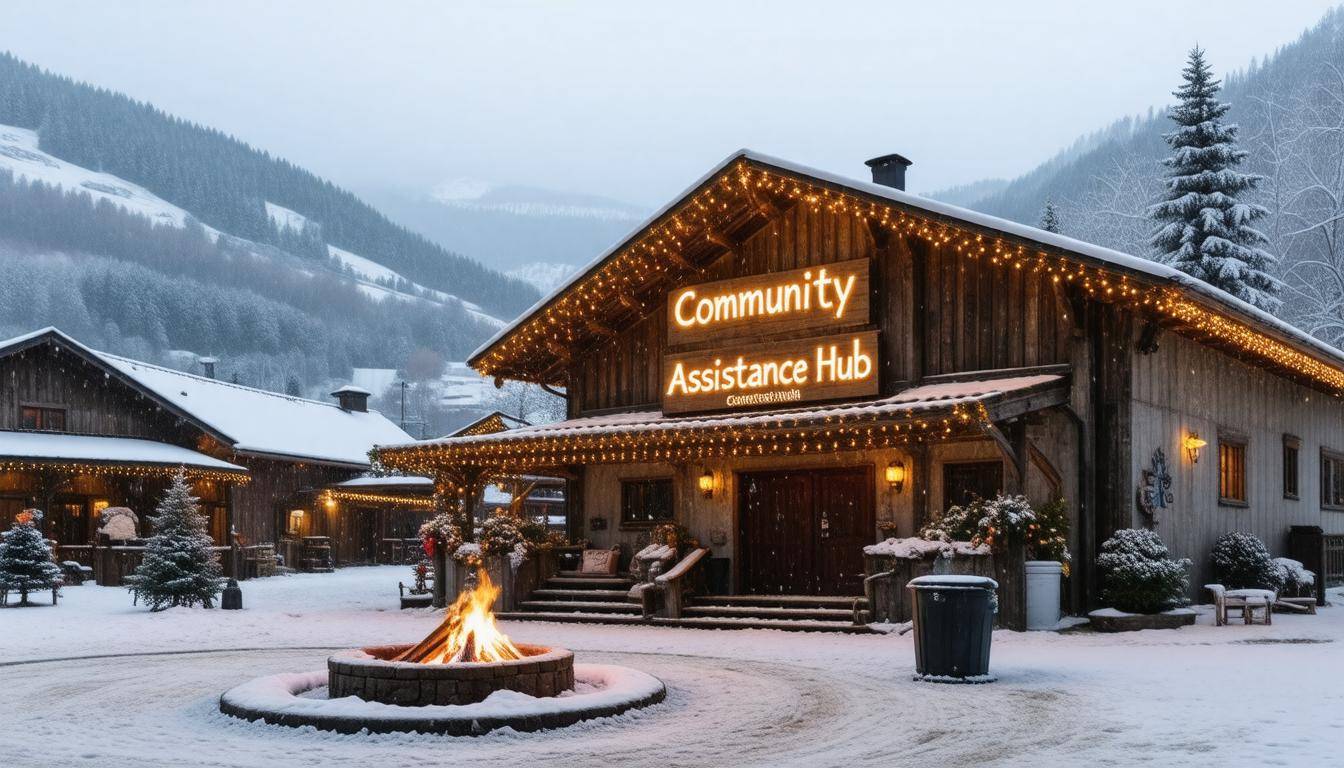
A coordinated community effort can significantly improve survival and comfort during isolation. The first step in this plan is to organize regular meetings. Holding quarterly community meetings before winter allows residents to discuss their plans, assess available resources, and address any concerns that might arise throughout the cold months. These gatherings foster a sense of belonging and facilitate valuable connections among participants, creating an environment where people feel comfortable reaching out for help when needed.
During these meetings, it’s beneficial to highlight any emerging issues within the community, such as identifying vulnerable residents who may need additional support or discussing potential volunteer opportunities. Effective communication cultivated in these meetings will also help residents feel empowered to take initiative if they notice their neighbors struggling.
Once the stage is set through community engagement, the next essential step is to form response teams.
Step 2 – Form Response Teams
Creating specialized response teams allows for efficient management of various situations during winter isolation. Think of it as delegating roles in a team sport; each member plays a crucial part in achieving success. Teams focused on areas like medical response, transportation, and food distribution ensure that every important aspect of community assistance is addressed. Each team should ideally have a captain responsible for coordinating efforts and communicating effectively with both team members and other groups.
Clear communication channels allow for streamlined coordination, making emergencies easier to tackle swiftly and efficiently.
Moreover, implementing shared resource pools serves as another pillar of the community assistance plan.
Step 3 – Shared Resource Pools
Imagine if your neighbors had access to all the tools they need right at their fingertips. By establishing a system for pooling equipment like generators, snow removal tools, chainsaws, and medical supplies, everyone benefits from shared resources without incurring additional expenses. This collective approach builds camaraderie among residents and ensures everyone has access to necessary equipment during challenging times. To manage these resources effectively, it could be useful to create a simple sign-up sheet or an online platform where community members can request tools or offer their own equipment for lending.
Additionally, consider including household items such as:
- Space heaters
- First aid kits
- Extra blankets
- Non-perishable food supplies
In conjunction with sharing these resources, it’s crucial that residents are encouraged to report damages, shortages, or needs promptly so gaps can be addressed swiftly. This maintains a resilient community that’s proactive and united in support of one another when isolation looms during harsh winter conditions.
With these foundational strategies in place, it becomes essential to explore further actions that can enhance well-being and preparedness within the community.
Health and Safety Activities
Maintaining health and morale is critical during prolonged isolation periods in mountainous regions. When snow surrounds your home and outdoor activities become limited, it’s imperative to cultivate a sense of community and wellness indoors. This not only uplifts the spirit but also reinforces essential health practices that can be implemented even when conditions are harsh.
1. Regular Exercise
Encouraging regular exercise is one of the most effective strategies for coping with isolation. Indoor activities such as yoga and calisthenics can be easily organized to keep spirits lifted and bodies active. You might set up a virtual fitness class or challenge friends to share their daily routines online. For those with exercise equipment, even small workouts can create a sense of accomplishment and increase energy levels.
Moreover, whenever weather conditions permit, seize opportunities to venture outside for community walks or snowshoeing trips. Not only does this allow you to appreciate the pristine winter environment, but it also fosters social connections, which are vital for emotional well-being. A brisk walk in fresh air has a refreshing quality that indoor exercise often lacks; it gives us space to breathe both literally and metaphorically.
“Regular physical activity helps elevate our mood while reducing feelings of anxiety,” a community wellness expert noted during a recent workshop.
2. Mental Health Support
In addition to physical activities, don’t underestimate the importance of mental health support during these cold months. Activities that encourage open communication foster resilience among community members. “Regular online meetups where we share stories and strategies for coping have really helped me during the long winter months,” said one community member.
Establishing weekly or bi-weekly virtual gatherings can provide participants an outlet for discussing their experiences, sharing tips on dealing with stress, or simply engaging in light-hearted conversation. Creating a shared online space encourages people to connect without feelings of isolation creeping back in. During these sessions, consider inviting a mental health professional to guide discussions or provide strategies on managing winter blues effectively.
3. Safe Cooking Practices
Another significant area of focus is safe cooking practices if alternative heating sources like wood stoves are utilized due to power outages or unavailability of other appliances. Safety in cooking must be prioritized during such times to avoid fire hazards. For instance, always ensure proper ventilation when cooking indoor meals over an open flame; never leave cooking unattended.
Encouraging families to incorporate healthy recipes using non-perishable ingredients can spark creativity in meal preparation while promoting nutritious eating habits. When sharing dishes at community gatherings, emphasize collaborative cooking efforts—these not only lighten the workload but allow families to mingle and strengthen connections while using food as a unifying force.
By implementing these health and safety activities—regular exercise, mental support systems, and upholding safety in cooking—we create resilient communities capable of thriving despite harsh winter conditions. Embracing these strategies sustains morale and promotes a strong sense of togetherness as we confront the challenges ahead.