
In our ever-changing world, having a solid emergency plan is like securing a safety net for your family. Whether it’s a natural disaster or just a sudden power outage, knowing everyone’s role and how to communicate can make all the difference when chaos strikes. This guide aims to help multi-generation households—where grandparents, parents, and children come together—map out practical strategies tailored to meet everyone’s needs. With thoughtful planning and practice, you can ensure that your whole family is prepared, calm, and ready to act, turning potential panic into organized action. Let’s dive into crafting an inclusive emergency plan that truly works for everyone in your family.
The Multi-Generation Household Emergency Plan guide outlines strategies for creating an inclusive and effective emergency plan tailored to the unique needs of varying age groups and abilities within a family. It includes sections on establishing communication, roles, responsibilities, assembling emergency supplies, and conducting preparedness drills to ensure every family member is ready for any situation.
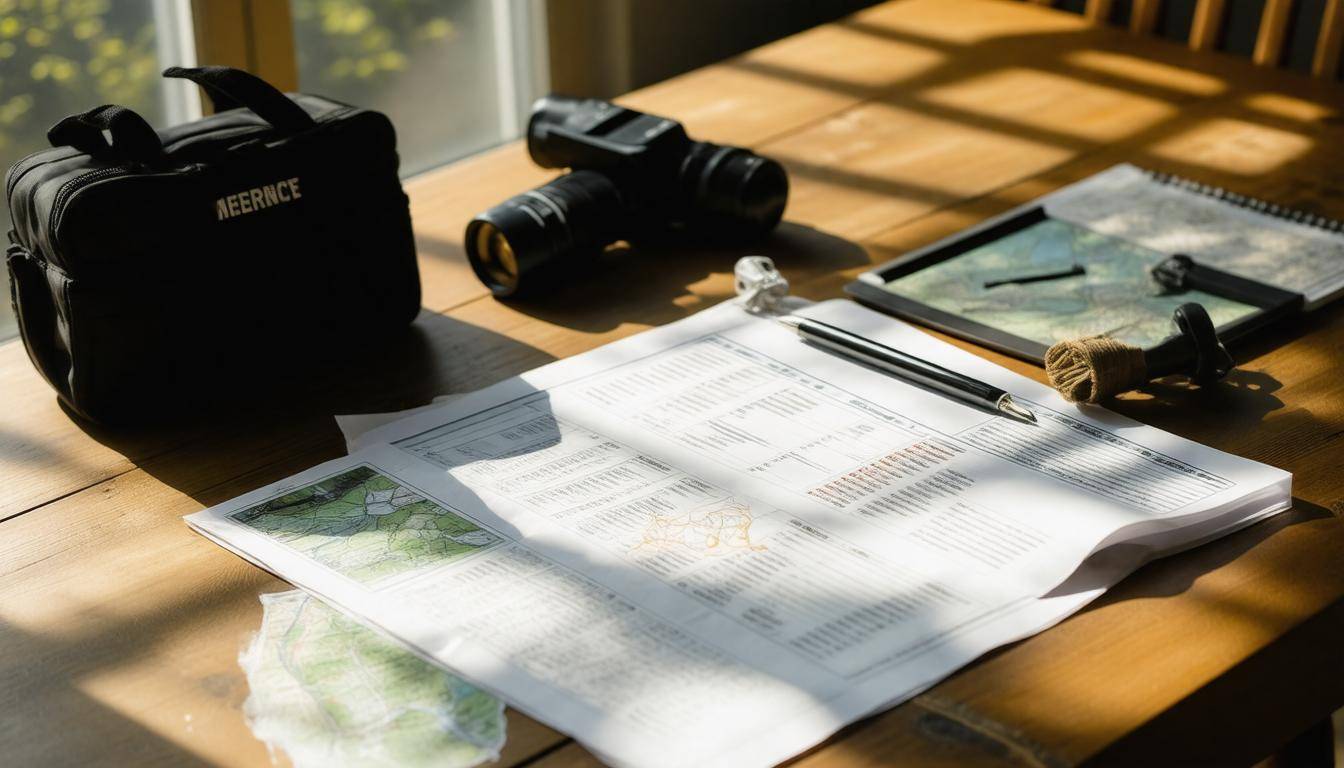
Designing Your Multi-Generation Household Plan
The key to an effective emergency plan lies in the distribution of roles and responsibilities among family members. It’s essential to recognize that each member, regardless of age or ability, can contribute uniquely. For instance, younger family members may be great at gathering information quickly using their smartphones, while older generations might excel at managing logistics and overseeing safety precautions. By leveraging these strengths, you ensure that everyone knows their part during a crisis.
Take a moment to visually outline these roles. You could create a simple chart or diagram where each family member’s name corresponds to specific duties during emergencies, such as checking on pets, making emergency calls, or leading evacuations. This not only clarifies tasks but also fosters accountability. In the heat of an emergency, it’s vital for each person to know what is expected of them without hesitation.
Another important aspect is ensuring effective communication amidst the chaos that emergencies often bring. Establish designated points of contact within your plan to prevent confusion. For example, select a bright color for emergency binders or use symbols everyone understands easily—like a compass for direction and movement.
Consider holding regular family meetings to practice these roles during drills. These sessions simulate real-life situations so everyone feels comfortable with their responsibilities when push comes to shove. You could also incorporate fun elements into these drills: perhaps reward the family with pizza after completing a successful rehearsal!
Along with assigning roles, make it a priority to assess the comfort levels of each family member regarding their assignments. A teenager may feel confident taking the lead on technology-based tasks like keeping in touch via social media, whereas an elderly relative might prefer performing less physically demanding tasks. Understanding personal preferences will help reduce stress during high-pressure scenarios.
With clear roles established and open lines of communication set in place, the next phase focuses on preparing necessary resources and supplies for any potential emergencies.
Identifying Family Roles and Tasks
Every family member should have a distinct role in an emergency, tailored to their abilities and strengths. This is not merely about assigning tasks; it’s about considering each individual’s skills, personalities, and even age. For instance, your teenager may be tech-savvy and best suited as the Communication Officer, while a younger child could take on the role of a Safety Monitor, ensuring that their younger siblings are secure and accounted for during stressful times.
Assigning these roles creates a sense of purpose among family members. When disaster strikes, knowing what to do lessens confusion and panic. A Primary Coordinator who oversees the entire plan is vital; this person can effectively direct others toward their assigned tasks, similar to a team captain steering the game. A Medical Responsable with first aid training becomes a lifeline for any medical concerns that may arise; their calmness can turn chaos into manageable situations.
Imagine you have someone trained in first aid during a home emergency – that’s a person who can step in confidently, providing immediate care while others manage logistical challenges.
The role of a Supply Manager ensures that survival kits are stocked with essential items like food, water, medications, first-aid supplies, and more. This role involves periodic checks to ensure everything is within expiry dates and readily available for use. Regular checks, much like routine maintenance on a car or smart device, help everyone feel prepared.
Highlighting the importance of regular checks cannot be overstated:
- Schedule regular inspections of your emergency supplies and update them as needed.
- Educate all family members about the location of these supplies so they can access them quickly.
- Encourage teamwork when creating or refreshing these kits to instill responsibility in younger family members.
Furthermore, consider how different personality traits can greatly influence the effectiveness of these roles. A steadfast family member with good communication skills can efficiently handle external contacts—neighbors or emergency services—as the Communication Officer. Their ability to keep information flowing smoothly helps bind the entire operation together.
Moreover, enlisting safety monitors—those tasked with overseeing children or elderly relatives—ensures that vulnerable members of the household are prioritized during chaos. Assigning specific individuals to stay close to those who may need extra assistance fosters trust and comfort throughout the crisis.
In one household I came across, a grandmother was assigned the role of Communication Officer due to her calm demeanor and capability to remain collected under pressure. Her wisdom helped navigate external communications while other family members executed their tasks effectively around her.
Remember that just like in a successful game strategy, your family’s emergency plan should benefit from ongoing dialogue about roles, adjustments based on individual growth or changes in circumstances, and consistent practice through drills. Practice makes perfect! Thus, confirming everyone understands their unique roles sets the stage for well-coordinated response efforts when faced with an actual emergency.
With defined roles clearly outlined, we can now shift our focus toward establishing effective communication pathways between family members before an emergency arises.
Coordinating Communication and Safety
Clear and consistent communication can save lives. In an emergency situation, panic can distract from what needs to be done, making it imperative that everyone knows their role and how to share vital information. By setting up mechanisms that allow for quick exchanges of information, you can elevate your family’s preparedness to a whole new level.
Utilizing technology is one of the easiest ways to achieve this: installing group messaging apps like WhatsApp provides an immediate way for all family members to stay connected.
Additionally, consider specialized emergency apps like Zello, which functions like a walkie-talkie. These apps are especially useful because they work on cellular data rather than relying solely on Wi-Fi—an important factor if your internet connection fails during an emergency. Ensuring everyone is familiar with these platforms and actively using them will build a strong foundation for communication when it matters most.
Another essential aspect of communication involves establishing a central meeting point within the home and an outside location as a backup in case evacuation becomes necessary. It could be something simple, like the kitchen table or the porch steps, with an alternate spot being a neighbor’s house or a local park. When emotions run high during an emergency, having predetermined locations allows families to avoid confusion and reduces anxiety over where to go.
To ensure everyone is aligned on where to congregate and how best to communicate, practice this communication plan through regular drills. Whether it’s once every few months or tailored around family gatherings, keeping the plans fresh in everyone’s mind ensures smooth execution should the situation arise. Engaging children by assigning them small roles within these drills can foster a sense of responsibility and understanding about safety protocols—consider it practice for life’s unexpected turns.
While effective communication is vital for safety, preparing your home with the right supplies can also significantly enhance survival during emergencies.
Essential Survival Supplies for Your Home
A well-stocked emergency kit can be a genuine lifesaver, especially considering the unpredictability of emergencies. FEMA recommends having enough supplies to last your household at least 72 hours. This not only helps you get through a short crisis but also gives you the confidence to face any situation that arises. The key is to create a thoughtful kit that will sustain each family member’s specific needs during this critical time.
In terms of water, it’s recommended to store at least one gallon per person per day. This may seem like a lot, but remember that this includes hydration as well as cooking and sanitation needs. For example, if your family consists of four people, you’ll want to have at least 12 gallons on hand for three days. Think about where you’ll store this supply—in the basement or under beds?
Next comes food, which should consist of non-perishable items—canned goods, granola bars, dried fruits, and ready-to-eat meals are excellent options. Don’t forget about a manual can opener, as it might prove invaluable when power is out and you need access to those canned goods. Plan ahead: include meals that everyone enjoys; not just what’s easy to pack.
A first aid kit is equally crucial; it should contain adhesive bandages, antiseptic wipes, gauze pads, scissors, and pain relievers. Check this kit periodically to ensure nothing has expired—we often overlook how quickly medicines can go bad!
After health and sustenance come tools and gear that can help you navigate unexpected hardships.
Flashlights with extra batteries are vital for navigating in darkness; in many emergencies, power outages are common! Instead of relying solely on traditional batteries, consider investing in rechargeable flashlights or solar-powered options for sustainability. Furthermore, don’t forget essential medications for all family members—their importance cannot be stressed enough. If someone requires specific prescriptions, aim to keep at least a seven-day supply readily available.
Personal hygiene items should also feature prominently in your emergency supplies. Here’s a quick rundown:
- Soap and hand sanitizer.
- Toothbrushes and toothpaste.
- Feminine hygiene products.
- Moist toilettes or wet wipes.
Lastly, important documents should be organized in a waterproof container. Include copies of insurance policies, identification cards, medical records, and even financial information that could be crucial in stressful times. Being prepared with these documents not only saves time during emergencies but ensures that vital information is accessible when needed most.
With your survival supplies meticulously assembled, it’s time to examine how these provisions can effectively serve you during an emergency by establishing secure zones in your home for shelter.
Setting Up Safe Shelters
Knowing which areas in your home can serve as safe havens is crucial during emergencies. Designating these spots should be a thoughtful process, especially since different types of disasters may require specific shelter characteristics. For example, basements are typically ideal for tornadoes due to their sturdy construction, while bathrooms can serve well during hurricanes since they often have fewer windows. This strategic thinking will enhance safety and offer peace of mind when the weather turns sour.
Once you’ve identified these safe areas, the next step is to stock them with essential emergency supplies. Think about what sustenance and items you would want at hand during an extended stay. A well-stocked kit should include:
- At least one gallon of water per person per day
- Non-perishable food
- A flashlight
- Batteries
- A first aid kit
- Any necessary medications
Imagine how reassuring it would be to know that all you need is within arm’s reach when chaos unfolds outside your door.
One family in Texas turned their spare room into a storm shelter by reinforcing the walls and stocking it with necessities like food and safety gear. That kind of proactive preparation can make all the difference when facing potential dangers.
But remember that it’s not just about having supplies; it’s crucial to regularly check and replenish your emergency kits as time passes, ensuring everything remains usable. This might also mean updating items based on family needs—for instance, including baby formula if there’s a new addition or ensuring there are enough medications for everyone.
Another important factor in setting up your safe shelters is considering space requirements and accessibility features for all family members. In multi-generational households, it’s especially critical to provide adequate space for comfort—at least 10 square feet per person in shelters is often recommended. Make sure that children and older family members feel included in this setup so they don’t feel excluded during emergencies. Think of it like inviting everyone into a cozy living room rather than pushing them into a cramped closet.
Preparation doesn’t stop here; understanding how to anticipate various emergencies tailored to your area’s climate or geographical concerns will further enhance your family’s resilience and readiness.
Preparing for Natural Disasters
Natural disasters require a proactive mindset and planning tailored to your specific situation. The Louisiana Governor’s Office of Homeland Security & Emergency Preparedness (GOHSEP) emphasizes that each type of disaster bears its own challenges. Understanding these nuances is crucial for a comprehensive emergency plan, especially in a multi-generational household where different age groups have unique needs.
Earthquake Preparation
When it comes to earthquakes, securing heavy furniture and appliances is the first line of defense. Imagine this: you’re sitting on your couch when suddenly the ground shakes. If your bookshelf hasn’t been strapped to the wall, that moment could quickly turn into an emergency with books and items flying towards individuals, including children or elderly relatives who may not react fast enough.
Teaching everyone in your family the “Drop, Cover, and Hold On” method is essential. This simple drill can significantly reduce injury during shaking, helping everyone think clearly amidst panic. Furthermore, knowing how to turn off gas, water, and electricity can prevent additional hazards after an earthquake strikes.
Flood Preparation
Students often learn about floods; however, they rarely understand their meaning until it impacts them directly. Having flood insurance is a preventative measure most people overlook until it’s too late. Your home should be equipped with elevated electrical appliances—this basic act can protect vital equipment from extensive damages if water intrudes.
Moreover, creating an early evacuation plan to higher ground can save lives. Think ahead: which route will you take? Determine safe meeting points outside your home where everyone’s transferred safely if separated.
Wildfire Preparation
With wildfires becoming increasingly prevalent in many areas, it’s time to create defensible spaces around your home actively. This includes clearing flammable vegetation and ensuring that fireproof materials are used when building and maintaining your home exterior.
Imagine waking up to orange skies and thick smoke; having an evacuation plan ready beforehand makes all the difference. Whether it’s gathering important documents or knowing where everyone should meet should evacuation become necessary, being prepared ensures you reduce chaos when every second counts.
As we reflect on these preparations across various emergencies, the focus now shifts toward understanding effective strategies for moving safely during unforeseen situations.
Evacuation Methods for Various Scenarios

Evacuation can be an overwhelming experience, especially when multiple generations are involved. Having a clearly defined plan alleviates some of that pressure. The first step is mapping out multiple evacuation routes tailored to the specific scenarios your family may face.
Let’s explore each of these routes.
Walking Routes
It’s important to designate walking routes for situations where driving isn’t possible, such as during an earthquake or heavy snow. Consider the accessibility of these routes for older family members or young children who may tire quickly. Ensure these paths have safe sidewalks and are away from potential hazards, like falling debris or busy streets.
Encourage family members to practice these walking routes together so everyone knows the way and feels comfortable moving quickly if needed. It fosters a sense of teamwork and builds confidence in your emergency plan. Using landmarks, such as local schools or parks, as meeting points along your walking route can provide direction and safety.
Driving Routes
It’s crucial to have alternative driving routes mapped out for emergencies like wildfires or hurricanes. Main roads can become congested, so identifying secondary paths will allow you to navigate around traffic bottlenecks effectively. Before any situation arises, ensure all drivers in your household are familiar with these routes.
In addition to knowing where to go, equip your vehicles with emergency kits that include essentials like water, non-perishable snacks, first-aid supplies, and a flashlight. This preparation can make all the difference should you encounter unexpected delays on your journey.
Public Transportation
In urban settings facing floods or other disaster scenarios, public transportation offers an alternative escape plan. Familiarize yourself with the schedules and emergency routes of local transport services; having this knowledge could be invaluable when roadways become impassable.
As part of your emergency planning:
- Identify Transportation Hubs: Know where nearby bus stops or train stations are located.
- Keep Updated Schedules: Ensure access to current transportation schedules as they may change during emergencies.
- Evaluate Affordability: Keep travel passes handy so that costs won’t impede urgent transportation needs.
| Types of Evacuation Routes | Scenarios |
|---|---|
| Walking Routes | Earthquake, heavy snow |
| Driving Routes | Wildfires, hurricanes |
| Public Transportation | Floods, urban hazards |
Planning and preparing for these various evacuation scenarios provides practical knowledge and peace of mind. Regularly revisit and update these plans during family meetings to make necessary adjustments based on circumstances or local changes.
With a solid understanding of evacuation methods in place, it’s time to consider how to address the unique needs that arise across different age groups within the household.
Addressing Needs of All Age Groups

Different age groups have unique needs that must be considered when formulating a household emergency plan. For children, emotional safety is just as important as physical safety. One effective approach is to pack comfort items such as toys or blankets, which can help them feel secure during distressing situations.
In fact, I once witnessed a family who always ensured their child had their favorite stuffed animal tucked under their arm when leaving home for emergencies, providing a sense of normalcy amidst chaos.
The elderly present another layer of complexity; they often have mobility limitations and specific medical requirements that require meticulous planning. It’s crucial to have assistive devices ready, such as wheelchairs or walkers, easily accessible during an evacuation.
Compiling a list of medications and the respective times they need to be taken plays an equally vital role in this process. Ensure that these medications are stored in easy-to-carry containers so nothing essential is left behind during a rush. Moreover, having health information on hand, including doctor contacts and medical histories, can be incredibly beneficial for both caregivers and emergency responders.
Considering the distinct needs of each age group not only fosters cooperation during planning but also enhances the effectiveness of your strategy when facing unforeseen circumstances.
While adults are more equipped for decision-making during emergencies, it’s still wise for those aged 20-64 to focus on resource management and basic preparedness skills, such as first aid training. Having all family members involved in practicing drills ensures that everyone knows what to do and when to do it.
This collaborative inclusion is further reinforced by recognizing that teens also crave involvement. Engaging them in discussions allows you to benefit from their tech-savvy nature while ensuring they understand the protocols. Perhaps even assigning them specific roles can encourage responsibility while enhancing their connection to the process.
By fostering open communication and understanding individual needs, you establish a solid foundation for a holistic emergency plan that’s not just focused on survival but also on maintaining comfort and dignity during challenging times.
Each step taken goes beyond mere preparation; it transforms into a unified effort essential for achieving well-being across generations.
In conclusion, preparing an emergency plan tailored to unique age group needs can greatly enhance family resilience during crises. By working together with awareness and empathy, families can navigate challenges more effectively.
How can technology aid in creating and implementing an effective multi-generational emergency plan?
Technology can significantly aid in creating and implementing an effective multi-generational emergency plan by facilitating communication, organization, and access to real-time information. Tools such as family group messaging apps allow for quick dissemination of important updates, while cloud-based shared documents ensure that all household members have access to emergency contacts, plans, and checklists from anywhere. Additionally, smart home devices can automate safety measures like alerts for fires or intrusions. According to a National Safety Council report, families who utilize technology in their preparedness strategies are 20% more likely to feel ready for emergencies than those who rely solely on traditional methods.
How often should we review and practice our multi-generation household emergency plan to ensure everyone is prepared?
It is recommended to review and practice your multi-generation household emergency plan at least twice a year. Regular reviews help ensure that all family members, regardless of age, are familiar with their roles and responsibilities during an emergency. According to FEMA, households that conduct regular drills are 30% more likely to respond effectively during actual emergencies. Additionally, practicing the plan helps identify any adjustments needed as family dynamics change or new information becomes available.
How can we effectively communicate our emergency plan to all members of a multi-generational household?
To effectively communicate your emergency plan in a multi-generational household, utilize a combination of clear, written materials and engaging group discussions tailored to each age group’s understanding. Regularly scheduled family meetings can ensure everyone, from children to grandparents, is aware of their roles and the specific steps to take during an emergency. According to FEMA, families that plan together are 40% more likely to respond appropriately during a crisis. Tailoring the communication style—using visuals for younger members and straightforward language for older adults—can bridge generational gaps and reinforce understanding.
What resources are available to help families create a more comprehensive emergency plan tailored for multiple generations?
Families can access a variety of resources to develop comprehensive emergency plans for multi-generational households. Government websites such as Ready.gov provide essential templates and guidelines specific to different age groups, while organizations like the American Red Cross offer workshops and online courses focused on emergency preparedness. According to the Federal Emergency Management Agency (FEMA), engaging all generations in planning discussions can improve response effectiveness by 30%, highlighting the importance of tailored strategies that respect the unique needs of both younger and older family members.
What specific needs should we take into account for seniors or children when developing our emergency plan?
When developing an emergency plan for a multi-generational household, it is crucial to account for the specific needs of seniors and children, such as mobility limitations and communication styles. Seniors may require assistive devices, medication management, and clear evacuation routes, while children need age-appropriate safety measures and understanding of emergency procedures. According to the U.S. Census Bureau, households with children under 18 made up 28% of the total families as of 2023, highlighting the importance of inclusive planning that addresses the physical and emotional needs of both vulnerable groups in high-stress situations.