
If you own a riverfront property, the serene views and calming sounds of running water can be a wonderful bonus, but these perks come with substantial risks. Flooding can transform your dream home into a nightmare in an instant. That’s why having a Riverfront Property Emergency Plan isn’t just smart; it can be life-saving—and it’s about more than just filling sandbags. In this guide, we’ll walk through essential preparations that will empower you to tackle floods head-on and safeguard your home and family. With each step, you’ll learn how to craft a comprehensive plan that anticipates challenges while building confidence in your ability to respond. So, let’s dive in!
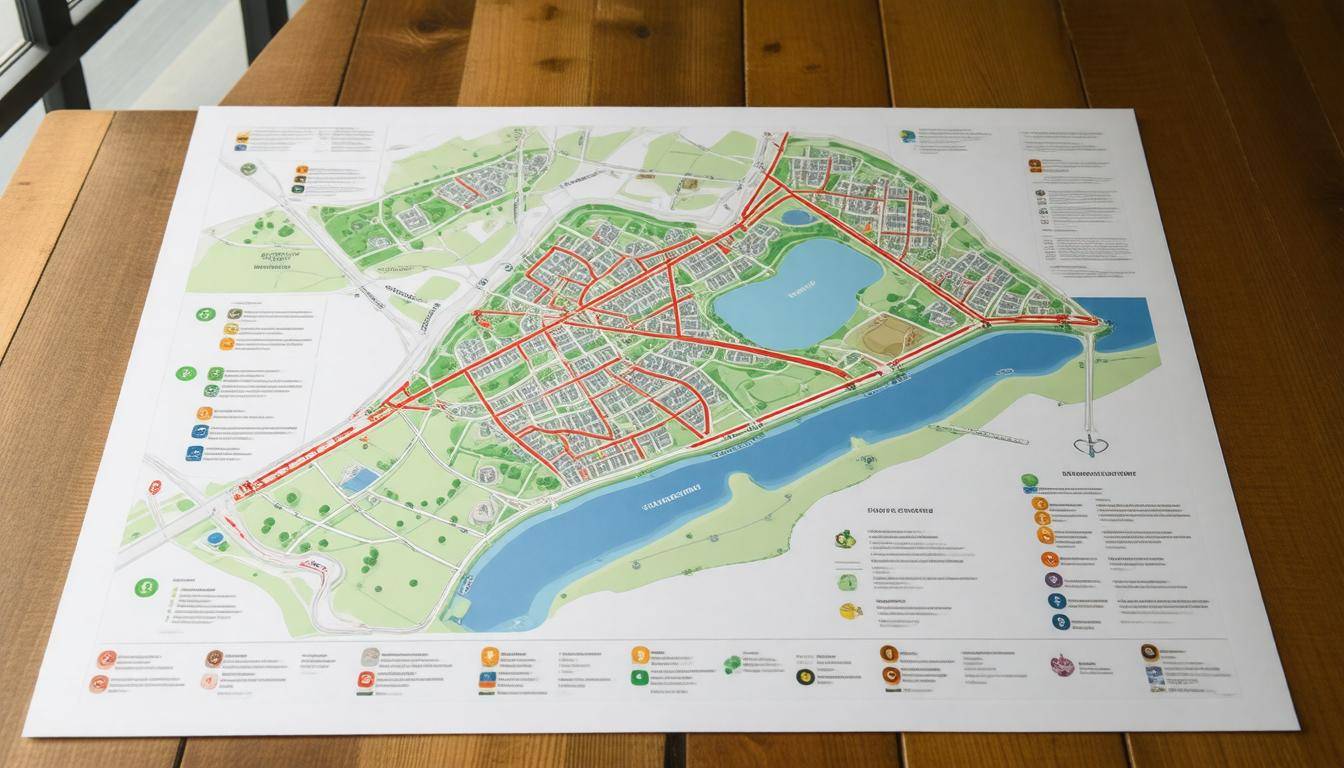
A Riverfront Property Emergency Plan should include an assessment of potential flooding scenarios, designated evacuation routes, key emergency contacts, and protocols for securing important documents. Additionally, regular drills and updates to the plan ensure that all family members are familiar with the procedures to follow during a flooding event.
Why You Need a Plan
An emergency plan serves as a lifeline when disaster strikes, especially in environments susceptible to flooding. The unpredictable nature of floods means that residents cannot afford to be caught off guard. Think of your plan as a roadmap; without it, navigating through chaos can feel overwhelming and confusing. Having a structured approach not only saves lives but also protects invaluable assets.
Each property is unique, with distinct challenges shaped by its location, construction, and proximity to water bodies. Understanding these specific risks allows homeowners to tailor their emergency plans effectively. For example, an elevation certificate can be crucial for homes located slightly above base flood level. This documentation helps secure better insurance rates while also providing peace of mind about potential flooding scenarios.
Creating a solid emergency plan involves multiple layers: identifying hazards, preparing actionable steps, and ensuring that everyone in your household knows their role.
To put it simply, planning isn’t just about having supplies on hand; it’s about fostering communication and coordination among family members during high-stress situations. For instance, establish safe evacuation routes ahead of time and communicate them regularly to everyone in the household. These small acts facilitate swift action when every second counts.
- Assess potential flood scenarios: Identify whether you face minor or major flooding risks.
- Establish roles: Designate who will take care of pets, grab essential documents, or check on neighbors.
- Maintain updated contact lists: Knowing how to reach family members or emergency services aids in effective communication during chaotic moments.
Just as importantly, regular practice of this plan can significantly improve response times in actual emergencies. Drills allow family members to familiarize themselves with the expected actions and identify any gaps in the plan. Think of these as warm-ups before the big game; rehearsal breeds confidence and clarity.
Lastly, staying informed is essential for successful flood preparedness. Reliable sources for flood warnings, such as local meteorological services or community alert systems, should be part of your plan. Living with constant awareness fosters an atmosphere where everybody is ready to react promptly—because when floodwaters rise, hesitation can have dire consequences.
Armed with a robust emergency plan, property owners can take proactive measures against impending threats. Up next, we’ll analyze the various factors affecting flood risks that every homeowner must consider.
Assessing Flood Risks
Different properties face varying levels of flood risk, and knowing yours is the first step in safeguarding your home. Flood Insurance Rate Maps (FIRMs) provided by FEMA are invaluable tools that identify flood zones and help you determine whether your property lies in a high-risk area.
If you’re unsure about your property’s status, I highly recommend visiting FEMA’s website to check its flood zone designation. An informed homeowner is better equipped to address potential flooding issues.
River Flood Risks Versus Flash Floods
Riverfront properties can face riverine flooding, which occurs when the river overflows its banks, often during heavy rainfall or rapid snowmelt. However, it’s essential to recognize that flash floods can strike with little warning as well.
These sudden surges of water, caused by intense storms over a short period, can be devastating. According to the U.S. Geological Survey, flash floods are responsible for more than 60% of flood-related fatalities each year. This statistic serves as a stark reminder of how critical it is to stay vigilant, even if your property isn’t directly near a large body of water.
With climate change contributing to increased precipitation events, both riverine and flash floods are becoming more frequent and severe. Homes in areas previously deemed safe may now be more vulnerable to flooding due to these changes in weather patterns. This makes it imperative for homeowners to reevaluate their property’s risks regularly and adjust their emergency plans accordingly.
Once you understand the general levels of risk your property faces, you’ll need to identify specific vulnerabilities unique to your home and surroundings.
Evaluating Your Property
A thorough evaluation of your property can pinpoint weak spots susceptible to flood damage. Start by examining the elevation of your property. The higher, the better when it comes to flood protection. Properties situated below ten feet above sea level are particularly vulnerable, especially during heavy rainstorms or rapid snowmelt events. If you live in such an area, you may want to contemplate raising your foundation to mitigate water intrusion during lesser floods.
Inspecting the Structural Integrity
As you assess your property, it’s vital to check for cracks or weaknesses in your home’s foundation that might allow water to seep in. Even hairline fractures can become avenues for moisture if left unchecked, leading not only to damaging flooding but also mold growth and structural compromises in the long term. Regularly inspecting these areas can save you from costly repairs down the line. I recommend taking the time each season to walk around your home and document any changes, such as new cracks or shifting soil around the foundation.
While evaluating the foundation, review the grading around your house to ensure water flows away from the structure. This involves inspecting how your yard slopes; ideally, it should incline gently outward from your home—like a bowl tipping away from its center. If water pooling near your foundation is evident, it’s crucial to rectify this issue. Notably, one homeowner in the flood-prone area of Louisiana found that re-grading their yard drastically reduced basement flooding during heavy rains.
By maintaining proper grading and ensuring there are no obstruction points in drainage paths, you significantly enhance your property’s defense against floods.
You should also consider examining any nearby storm drains or culverts for blockages that could cause overflow during significant rain events. Clearing debris and monitoring the effectiveness of these systems adds another layer of safety against potential flooding.
Having outlined the evaluation of your property and its urgent components, we will now focus on proactive strategies that can further protect your home from water-related threats.
Flood Prevention Measures
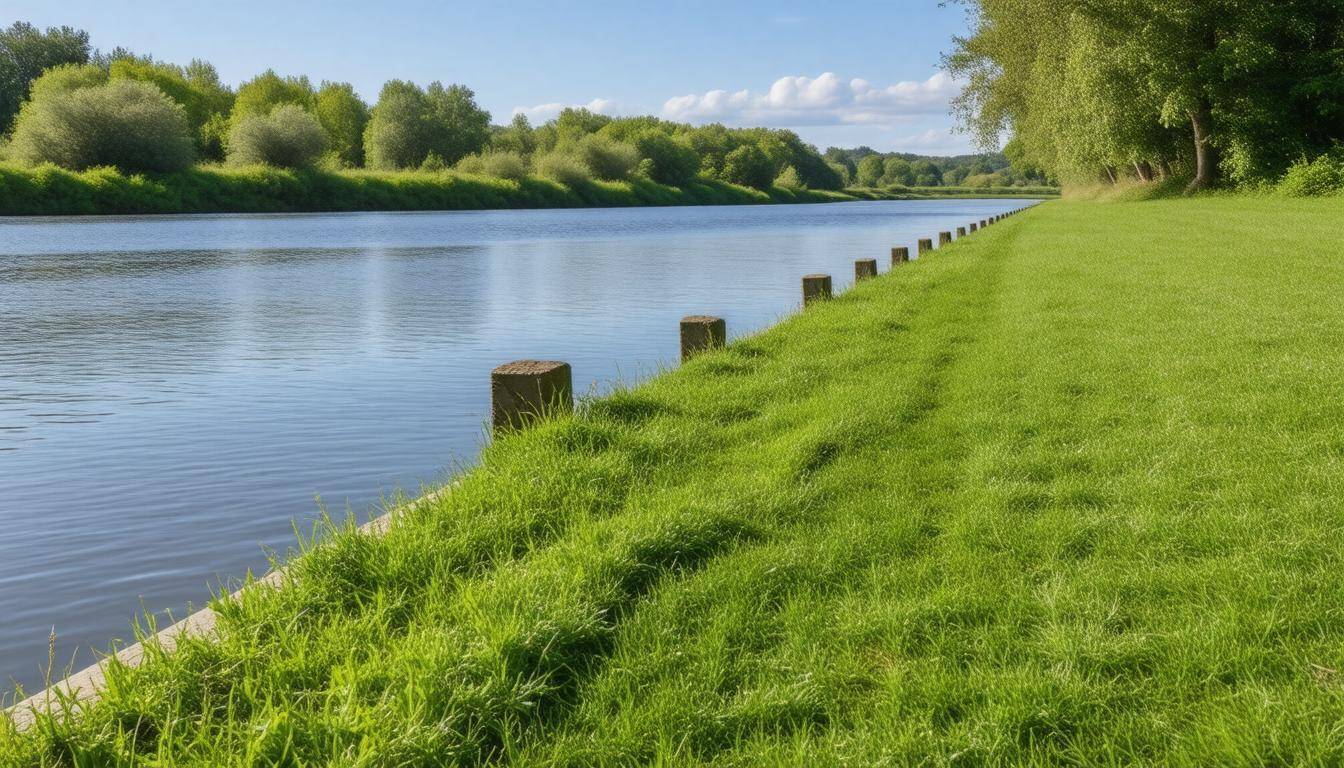
There are several practical steps you can take to protect your property from the potential threat of floods. One of the most effective methods is erecting physical barriers. These barriers include floodwalls, levees, or sandbags—all designed to redirect water away from your home. Imagine standing safely on your porch as the rain pours down, but you’re unaffected because a sturdy levee keeps rising waters at bay. According to FEMA, a properly constructed floodwall can reduce flood depth by as much as 30%. This significant reduction can mean the difference between minimal damage and catastrophic loss during heavy rainfall events.
However, merely constructing barriers is not enough; landscaping techniques play an equally vital role in flood prevention. By incorporating features such as rain gardens, swales, or hearty native plants into your yard design, you can effectively manage runoff and absorb excess water. For example, creating a rain garden—a depressed area planted with various indigenous plants—allows rainwater to collect and infiltrate naturally into the soil rather than pooling near your foundation. This not only assists in reducing excess water but also enhances the ecosystem by attracting local wildlife.
Many cities have recognized this approach’s value; one notable case is Portland, which implemented rain gardens throughout its urban landscape. These gardens have significantly mitigated flooding incidences, demonstrating how strategically planned landscaping can positively affect flood management. The takeaway here is simple: by harmonizing hard infrastructure with nature-based solutions, you create a multifaceted defense against potential flooding.
While these prevention measures are crucial for safeguarding your property, it’s also essential to prepare for action during a flooding event. Well-crafted plans that anticipate potential emergencies will play a pivotal role in ensuring safety and minimizing risk when disaster strikes.
Safety and Evacuation Protocols
Having a clear and practiced evacuation plan can save lives, especially when floods can arise without much warning. It’s vital to have these protocols in place and run drills regularly so everyone knows what to do in a panic. The American Red Cross emphasizes that establishing multiple evacuation routes is crucial, as one might become obstructed by floodwaters or debris. Knowing where to go ahead of time prevents chaos and panic when emergencies strike.
Start by identifying safe areas near your home. This means knowing which local buildings are designated as emergency shelters. In many communities, schools or community centers often serve this purpose because they are typically equipped with necessary resources like power and food. Familiarizing yourself with these locations ensures that you can make quick decisions during stressful situations.
Equally important is the preparation of an emergency kit tailored to meet your family’s needs. Your kit should include essential items such as water, non-perishable food, medications, and copies of important documents like insurance policies and identification. Experts recommend including enough supplies to last at least three days, as some areas may be isolated following severe weather. Imagine being able to rely on the contents of a well-organized kit instead of rushing around gathering essentials during a crisis.
When a sudden storm inundated a small town, it was reported that families who prepared their kits in advance were calmer and more efficient in evacuating than those who did not.
Communication becomes vital during emergencies; thus, establishing a communication plan for your family is essential too. Ensure all family members know how to reach each other if separated. Designate a family member outside the area who can act as a point of contact. Use text messages when possible — they’re often more reliable than phone calls during heavy network traffic. Regularly review your plan together, ensuring everyone is on the same page regarding meeting points and contact methods.
A family from New Orleans shared how having a previously arranged meeting point allowed them to reunite quickly after a sudden flood. They explained how clarity helped alleviate fears — they knew exactly where to go in case of separation.
While developing safety measures is important, understanding your rights and protections can enhance your security even further as you navigate potential challenges ahead.
Insurance and Legal Preparations
Homeowners often overlook their insurance policies until calamity strikes, leaving them vulnerable in times of crisis. Imagine the panic of discovering that standard homeowners insurance doesn’t cover flood damage. This revelation can leave many feeling helpless when they need it the most. The good news is that purchasing separate flood insurance can protect your property from such unfortunate events. It acts as a necessary safeguard, giving you a safety net when natural disasters like floods threaten your home.
To make a wise investment into flood coverage, securing an Elevation Certificate is highly recommended. This certificate provides critical data about your property’s elevation compared to local flood levels and can lead to lower premiums. In fact, one Miami homeowner experienced a remarkable 20% decrease in their annual flood insurance premium just by obtaining this certificate. It’s clear that a bit of paperwork can translate into significant savings and peace of mind.
Now, it’s essential to understand the details of your policy thoroughly to avoid surprises down the line. Reviewing your policy isn’t just a mundane task; it’s an opportunity to empower yourself. You should know what is explicitly covered and any exclusions that might leave you vulnerable during high-risk scenarios. This proactive approach helps build a strong foundation for your financial protection.
Furthermore, documentation plays a crucial role in any insurance claim process. Keeping precise records of your property—taking photos and maintaining itemized lists of valuables—is not just smart; it’s essential. Think of it as creating an inventory list for a family treasure; if something goes wrong, having these documents will simplify and expedite any claims you may need to file.
In the aftermath of disasters, claims could be denied due to insufficient proof of ownership or condition prior to the event. Thus, take pictures not only of your belongings but also any potentially problematic areas within your yard or home.
With a robust insurance policy and thorough documentation in place, remaining vigilant by staying updated with real-time weather information becomes equally crucial to respond effectively when storms approach.
Real-time Weather Monitoring
Advances in technology allow us to receive timely updates about impending weather conditions. The importance of having access to accurate and immediate weather information cannot be overstated, especially for those who own properties near rivers where flooding is a risk. Utilizing reliable weather applications can help you stay informed about your local conditions throughout the day. Such applications provide real-time alerts about severe weather, ensuring you’re not caught off guard when conditions go south.
It’s advisable to sign up for local emergency alerts as well. Many municipalities offer services that send text or email notifications regarding potential hazards like floods, storms, or other emergencies. Combining these notifications with weather apps creates a powerful safety net, allowing you to act quickly and decisively if conditions change unexpectedly.
According to studies by the National Oceanic and Atmospheric Administration (NOAA), homes equipped with continuous weather information systems—like NOAA Weather Radio—greatly increase residents’ response time during severe weather events. These radios broadcast 24/7, providing crucial updates and safety instructions directly from meteorologists.
When a storm is approaching, fast access to information can mean the difference between safety and danger. During the 2017 Texas floods, for instance, many residents credited timely weather alerts with giving them enough time to evacuate safely and securely, underscoring the value of staying updated.
Understanding the significance of monitoring weather updates leads us to the next series of steps necessary for safeguarding your home against various natural dangers that may arise.
Protecting Your Home from Natural Hazards
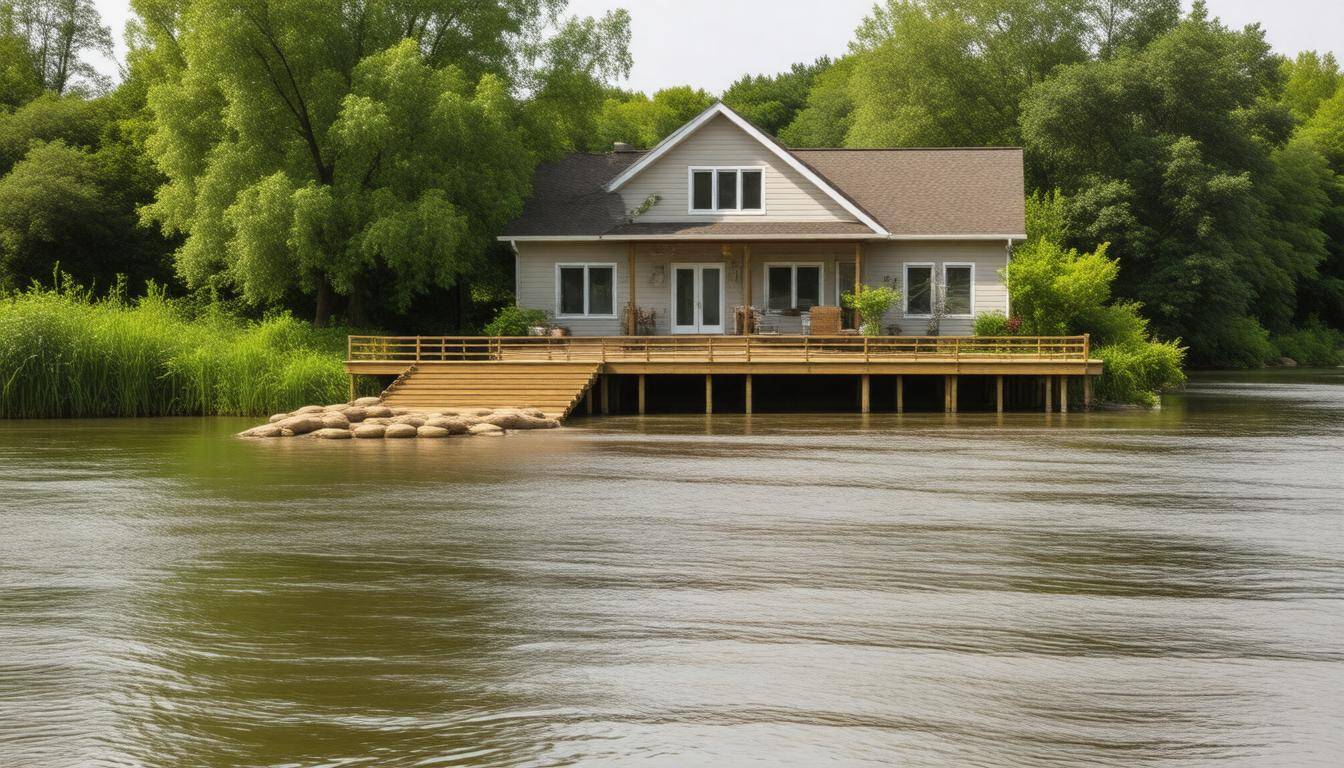
Floods and storms are only part of the equation when it comes to safeguarding your riverfront property. The effects of storm surges, heavy rainfall, and increased erosion can all pose substantial risks. Therefore, it’s crucial to adopt a multifaceted approach that combines both active measures and natural solutions to protect your home effectively.
Storm Surge and Erosion Control
One effective strategy involves fortifying your property against storm surges by installing seawalls and breakwaters. These structures act as barriers, helping to drastically reduce the impact of rushing waters on your land. According to the Coastal Protection and Restoration Authority, these protective installations can diminish artificial erosion by as much as 40%. For homeowners, this means less wear and tear on their property and potentially lower repair costs in the long run—after all, an ounce of prevention is worth a pound of cure.
In addition to physical barriers, maintaining healthy vegetation along riverbanks is an excellent erosion control method. Plants help absorb excess water during heavy rains, while their root systems stabilize soil, reducing the risk of landslides or ground loss. Using native plants is especially beneficial; they require less maintenance and are better adapted to their environment.
In fact, there was a homeowner in Mississippi who saw remarkable results after planting a variety of native species. Over time, these plants formed a natural barrier that helped protect the soil around their property from erosion caused by strong currents and storms.
A well-rounded approach to hazard protection integrates both engineered solutions like seawalls with ecological strategies such as planting vegetation. By employing this combination of methods, you not only enhance the longevity and safety of your investment but also improve the surrounding ecosystem.
By following the guidance in this comprehensive plan, riverfront property owners can significantly reduce risks associated with various natural hazards while ensuring their homes remain secure during emergencies.
In taking proactive steps to safeguard your property, you not only protect your home but also contribute positively to your community’s resilience against the forces of nature. Planning ahead is key to keeping both your family and home safe.