
In times of prolonged emergencies, it’s easy to feel overwhelmed and uncertain about how to cope. Whether it’s a global crisis, natural disasters, or community upheaval, our mental well-being can take a hit. But here’s the good news: taking care of ourselves during these challenging times is not only possible but essential. Just like we buckle up in a car for safety, we need a mental health plan that helps us navigate through these storms. This article will guide you through practical steps to build a solid self-care strategy tailored for unexpected situations, blending mindfulness, physical activity, nutrition, and social connections into a comprehensive approach. Together, let’s build resilience and find calm amidst chaos!
The complete plan for self-care during extended emergencies includes strategies such as maintaining a regular routine, engaging in mindfulness and physical exercise, and accessing mental health support services. It emphasizes the importance of understanding personal triggers and adapting coping mechanisms, while also highlighting resources that provide ongoing guidance and support to manage stress effectively throughout challenging times.
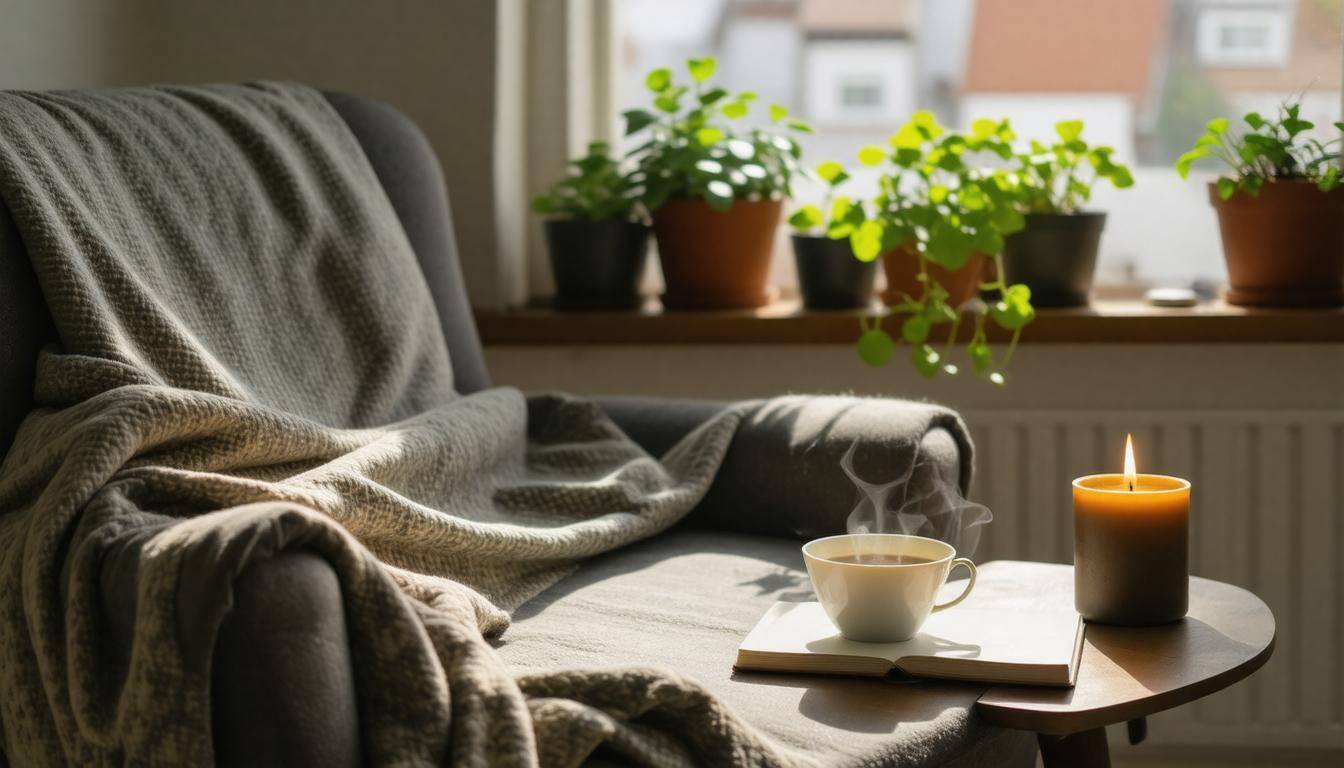
Establishing a Comprehensive Self-Care Plan
Creating a self-care plan is akin to crafting a personalized toolkit that equips you to handle life’s tough situations effectively. This begins with understanding your unique needs in the face of various crises, whether they be emotional upheavals, health concerns, or environmental stressors. Knowing what areas require attention transforms chaos into clarity and serves as guiding principles for your self-care journey.
Step I – Self-Assessment
Start by conducting a thorough self-assessment. Reflect on aspects such as your physical health, emotional well-being, and psychological state. What are your triggers? This is crucial because identifying what sets off stress can illuminate paths toward better coping mechanisms. Ask yourself questions like:
- Do you have chronic health conditions that demand more care?
- Are there emotional ties with friends or family that could bolster your resilience during tough times?
Write it all down. By acknowledging these factors, you create a detailed map of where you’re currently standing.
Research suggests that individuals who engage in regular self-assessment tend to experience a 30% increase in their overall well-being during stressful periods.
Step II – Setting Goals
Once you’ve completed your self-assessment, the next step is to establish clear and achievable goals for each segment of your self-care strategy. Consider committing to specific actions, such as engaging in daily exercise for at least 30 minutes or scheduling weekly virtual check-ins with friends or family members to help reinforce those supportive connections.
Each goal should resonate with your overarching aim of maintaining well-being amidst emergencies.
By outlining these goals, you create a structured plan that lays out a definitive path forward. Importantly, ensure these goals are manageable; small accomplishments will instill a sense of achievement and motivation to continue pursuing larger objectives over time. The act of setting goals itself reinforces agency in times that feel overwhelming.
With a solid foundation built through self-assessment and goal-setting, it’s essential to explore how physical activity can enhance not just our physical, but also our mental resilience during challenging periods.
Physical Fitness and Routine
Engaging in regular physical activity is crucial for mental health, particularly during challenging times. It acts as a natural stress reliever and can reduce feelings of anxiety and depression by up to 30%. This is especially important when navigating the emotional turmoil often accompanying emergencies or legal conflicts.
The World Health Organization recommends at least 150 minutes of moderate-intensity aerobic exercise weekly, which translates to about 30 minutes on most days. This might seem daunting, but breaking it down into manageable segments makes it far more approachable. A simple brisk walk can fulfill this criterion while allowing you to enjoy fresh air and gain clarity.
Home-Based Workouts
If gym access is limited or non-existent, home workouts offer incredible flexibility. You can utilize bodyweight exercises like push-ups, lunges, and squats, which effectively build strength without any equipment needed. Even something as straightforward as dancing around your living room can elevate your heart rate and improve your mood. To keep things interesting, consider exploring online fitness classes that guide you through different workout regimes.
However, regardless of how you’re exercising, consistency is key. Setting a daily schedule for your workouts—perhaps first thing in the morning or during lunch breaks—helps to establish a routine. When you work out at the same time every day, your body becomes accustomed to this rhythm. Over time, it shifts from being an effort to becoming second nature; you’ll find yourself craving that endorphin rush.
Flexibility should also be a focal point within your fitness regime. Incorporating stretching or yoga sessions into your week offers dual benefits: enhancing physical agility while calming your mind. Allocating persistent attention to flexibility will help alleviate tension built up in the body throughout stressful times.
As we explore how to maintain mental resilience, focusing on what you consume and ensuring restorative sleep are equally vital for effectively navigating challenges head-on.
Nutrition and Rest Strategies

Proper nutrition and adequate rest form the bedrock of not just physical well-being but also mental clarity and emotional resilience. During stressful times, it becomes critical to focus on what you eat and how you sleep. I remember a period when significant changes were happening in my life, and neglecting my diet made me feel sluggish and overwhelmed. That experience taught me the profound impact that food choices could have on my mood.
Step I – Balanced Diet
A balanced diet is vital for fueling both body and mind. You want to incorporate a variety of foods to ensure you’re receiving all necessary nutrients including protein, healthy fats, fruits, vegetables, and whole grains. Think of your meals as colorful creations; the more colors on your plate, the better! Each color represents different vitamins and minerals that are essential.
Eating lean protein such as chicken or fish provides your body with the building blocks it needs to repair tissues and create hormones that help regulate mood. Healthy fats, found in avocados, nuts, and olive oil, are crucial for brain health; they can improve cognitive function and maintain stable energy levels throughout the day. Fruits and vegetables should not be neglected either—aim for diverse colors, each packed with specific nutrients that promote health. Whole grains like quinoa, brown rice, and oatmeal offer lasting energy and keep you feeling full longer.
To easily incorporate these elements into your meals:
- Protein: Grilled chicken or baked salmon, complemented by lentils or chickpeas.
- Healthy Fats: Avocados in salads or mixed nuts for snacks.
- Fruits & Vegetables: Smoothies with spinach and berries or roasted carrots vs Brussels sprouts.
- Whole Grains: Oats for breakfast or brown rice as a dinner side.
Step II – Prioritizing Sleep
Adequate sleep is integral to managing stress effectively. Establishing a relaxing bedtime routine promotes good sleep hygiene. Activities like reading a book, taking a warm bath, or engaging in mindfulness meditation signal your body that it’s time to wind down.
While quantity of sleep—aiming for 7-9 hours—is important, we must also consider quality. Have you tried going to bed at the same time every night? This habit enhances your sleep cycle by helping your body know when to rest. Creating a comfortable sleep environment—cool temperature, dim lights, minimal noise—works wonders.
Good sleep hygiene practices not only improve your rest but also enhance cognitive function during waking hours.
As we explore ways to strengthen our mental health through nutrition and self-care practices, these foundational aspects become paramount for navigating through uncertainty and hardship with resilience.
Coping with Stress and Uncertainty

Stress is a universal experience, particularly during prolonged emergencies where uncertainty looms large. The way we cope with this stress matters. Mindfulness techniques such as deep breathing exercises, meditation, and even gentle stretches can create a soothing effect.
By focusing on our breath—taking a slow inhale and a longer exhale—we ground ourselves in the present moment and fend off anxiety that stems from worrying about the future. Imagine standing at the edge of an island of chaos while sweeping waves threaten to pull you under; mindfulness acts as that sturdy life preserver floating by your side, allowing you to navigate turbulent waters without succumbing to despair.
Journaling
A powerful strategy to combat uncertainty is keeping a daily journal where you can freely express your thoughts and feelings. It becomes not just a record but a therapeutic outlet for pent-up emotions that can feel overwhelming when bottled up inside. Each entry helps clear your mind like clouds parting on a stormy day.
Consider asking yourself reflective questions as you write: What am I grateful for today? What challenges did I face? How did I handle them? You might even integrate prompts designed specifically for resilience-building, allowing yourself to explore how you can grow through adversity.
Journaling apps such as Day One or Penzu offer user-friendly platforms if traditional paper and pen aren’t your style.
Moreover, incorporating apps like Headspace or Calm into your daily routine can provide guided mindfulness exercises, making practice easier than ever.
While coping with immediate stress is important, building long-term resilience will serve you well beyond the emergency phase.
Building Long-Term Resilience
Beyond immediate stress management, consider actively engaging in practices that foster long-lasting mental strength. This could include developing a support network of friends and family members who understand your struggles. Sharing experiences can lighten emotional burdens; after all, as the saying goes: “A problem shared is a problem halved.”
Embrace these connections by initiating conversations or simply checking in with loved ones as they may need support too. In addition to social connections, don’t underestimate the power of physical exercise in enhancing mental well-being. Regular activity releases endorphins—our body’s natural mood lifters—offering a double benefit by combating both physical and psychological discomforts.
To complement these strategies, educate yourself about self-care practices and mental health resources available in your community. Awareness provides empowerment; knowing when to seek help is crucial for breaking cycles of distress.
As you nurture these connections and practices, you’re preparing yourself not only to cope effectively but also to face life’s unpredictable challenges with newfound strength.
Long-Term Resilience Building
Resilience isn’t just a trait you either have or lack; it can be cultivated through conscious effort and practice over time. One effective way to strengthen your mental fortitude is to engage in activities that challenge your brain. Reading self-improvement books offers insights not only about overcoming obstacles but also about changing your thought patterns to build a more positive mindset.
Alongside reading, taking up challenging hobbies—maybe pottery or even rock climbing—can push your limits and help you develop a deeper understanding of yourself. These experiences teach resilience as you learn to navigate the discomfort inherent in trying something new.
Strengthening Mental Fortitude
To truly enhance your mental strength, consider integrating mindfulness practices into your routine. Just ten minutes a day of mindfulness meditation can significantly reduce stress levels over time. Notably, studies have shown that consistent mindfulness practice leads to a 30% decrease in stress after just three months! By focusing on the present moment, you equip yourself with the tools to handle stressors more effectively when they arise.
However, individual efforts alone might not be enough; community and connection play critical roles in building sustained resilience.
Building a Support Network
Surrounding yourself with supportive and positive individuals provides an invaluable buffer against life’s ups and downs. Regular interactions with friends and family offer emotional assistance and bolster your belief in your ability to overcome challenges. Studies indicate that individuals with strong social support networks report 50% lower levels of stress during emergencies. Creating space for these connections means being proactive; schedule regular catch-ups or even game nights, whether in person or virtually. It’s amazing how sharing laughter or a simple meal can create a sense of belonging and readiness to face adversity together.
** When considering building your network, remember it’s equally important to let go of toxic relationships. It’s hard to thrive when surrounded by negativity.
Skill Development
Continuing to cultivate resilience involves learning new skills that may prove beneficial in emergencies—such as first-aid knowledge, home repairs, or cooking efficiently under time constraints. Every new skill mastered increases self-reliance; it’s empowering! For instance, mastering basic first-aid techniques prepares you for immediate crises and boosts your confidence in everyday situations, enhancing overall well-being.
A vast body of research illustrates that consistent skill development leads to increased feelings of competence and lowered anxiety in stressful circumstances.
As we navigate this journey toward fortified resilience, reflecting on how to nurture your inner self while tapping into external resources can pave the way for greater stability and growth.
Accessing Support Systems
Support systems are more than just a safety net; they serve as lifelines, providing both emotional comfort and practical assistance when the going gets tough. It’s easy to overlook these resources, but reaching out for help can be transformative.
The best part? You have numerous options at your fingertips, whether it’s friends, family, community organizations, or professionals who specialize in mental health.
Utilizing Technology
In today’s digital age, technology can be our ally in fostering connections. Apps like Zoom and WhatsApp enable you to connect with loved ones no matter where they are.
Picture it: you’re having a rough day, and just the thought of seeing a familiar face—albeit through a screen—can lighten your mood. Engaging in virtual game nights or simply checking in over video calls can bridge the gap created by physical distance.
Even social media platforms like Facebook offer groups dedicated to various interests—from book clubs to mental wellness communities. Participating actively in these groups can create a sense of belonging and help combat feelings of isolation. Just remember that while social media is a wonderful tool for connection, it’s essential to set boundaries and manage your online presence to avoid overwhelming yourself with information overload.
Professional Help
While informal chats with friends can be immensely helpful, there’s no substitute for professional training when things get particularly heavy. Many therapists now offer virtual sessions, making it easier than ever to access expert advice from the comfort of your home.
It’s perfectly okay to seek help; think of it as investing in your own well-being. Therapists can guide you through complex emotions, helping you navigate anxiety or burnout that can arise during extended emergencies. They offer tailored strategies that enable you to better cope with stressors that might feel insurmountable on your own. In an increasingly disconnected world, having a licensed professional in your corner can provide reassurance and clarity.
Prioritizing access to timely professional support can be vital. Remember, seeking assistance is not just okay—it’s a courageous step towards healing.
By tapping into both your informal and formal networks, you’re not only fortifying your emotional resilience but also building a sustainable framework for long-term coping strategies during adversities.
As we navigate challenges together, remember that we’re all striving for balance amidst uncertainties; connecting with others—including professionals—can remind us that we are not alone in our journey toward mental wellness.
With these strategies in mind, let’s shift our focus to activities that nurture both our minds and spirits during difficult times.
Engaging in Self-Care Activities
At the core of self-care lies the idea that taking time for ourselves is essential, especially during prolonged emergencies. When you commit to nurturing your interests and hobbies, you’re not simply passing the time—you’re actively working to bolster your mental resilience. Think about those moments when you lose track of time while engaged in a creative pursuit or how the fresh air feels as you tend to your garden. These experiences enrich your life and direct attention away from stressors, allowing your mind to reset and gain perspective.
Hobbies and Interests
Dedicating time to hobbies you enjoy can be transformative. Engaging in activities like painting, gardening, or playing an instrument offers more than simple enjoyment—they evoke feelings of achievement and fulfillment. It could even be a return to an old passion that whispers joy during difficult times. Immersing yourself in these pursuits acts as a balm for anxiety, making you feel grounded amid chaos. Consider setting specific days for these hobbies—perhaps Friday evenings for painting or Sunday mornings for gardening. Consistency can make this self-care practice an anticipated joy rather than just an afterthought.
Daily Relaxation
Incorporating daily moments dedicated solely to relaxation is crucial. Aim to set aside at least 30 minutes each day for activities designed to calm your mind. This could mean curling up with a captivating book, practicing mindfulness meditation, or luxuriating in a bubble bath filled with calming scents. Such practices are scientifically backed; studies show that simple acts of relaxation significantly reduce stress levels and enhance emotional regulation.
Consider this: According to research by Jon Kabat-Zinn, regular mindfulness can help manage anxiety and improve overall emotional well-being.
Integrating hobbies, interests, and relaxation into your daily routine enriches your present and prepares you better for future emergencies with resilience rooted in personal fulfillment. Next, we will dive into proactive measures that can strengthen your mental preparedness through structured planning.
Future Emergency Preparedness
In our fast-paced world, the unexpected can strike at any time, making it crucial to be equipped and informed. By creating an emergency kit filled with vital items—think non-perishable food, clean water, medications, and copies of important documents like your ID or insurance information—you set a foundation for handling any crisis more effectively. Just imagine finding comfort in knowing that, no matter what happens, you have the essentials readily available without panic or last-minute runs to the store.
Financial Preparedness
Moreover, financial preparedness is equally critical; establishing an emergency savings fund can serve as a safety net during turbulent times. Ideally, this fund should cover a few months’ worth of expenses, allowing you to navigate unanticipated hardships without added stress. The peace of mind that comes from having your finances in order cannot be overstated—after all, when the world feels chaotic, having financial stability can ground you amidst the storm.
Continuous Learning
Another essential aspect of being prepared entails staying informed about potential risks that might affect your community. For example, if you live in an area prone to natural disasters like hurricanes or wildfires, it’s wise to keep abreast of local emergency protocols and updates. Consider joining community forums or attending information sessions—these not only provide valuable insights but also help foster connections and strengthen community ties.
An effective emergency plan isn’t static; it requires regular reviews and updates as circumstances evolve. As new threats emerge or as your personal situation changes—such as moving homes or welcoming a new family member—it’s necessary to adjust your preparedness strategies accordingly. Being proactive reduces anxiety during a crisis and empowers you to respond swiftly and effectively when challenges arise.
Emphasizing preparedness encompasses not just creating plans but actively engaging in learning and adapting over time. Such a mindset transforms the way we handle crises, equipping us to face the unknown with resilience and confidence.
In moments of uncertainty, maintaining a clear focus on preparedness can significantly enhance both mental well-being and practical readiness. Ensuring that you are prepared not only benefits you but also fortifies your community against potential challenges.
How can I create a sustainable self-care routine when resources are limited?
To create a sustainable self-care routine when resources are limited, focus on low-cost or free activities that promote mental well-being, such as daily walks in nature, mindfulness practices like meditation, and establishing a consistent sleep schedule. According to a study by the American Psychological Association, regular physical activity can reduce symptoms of anxiety and depression by up to 30%. Utilize online resources for mental health support and community connections through social media or local groups, enhancing your routine without significant financial investment. Remember, small daily practices can have a profound impact on your mental health over time.
What specific self-care practices are most effective during prolonged emergencies?
During prolonged emergencies, effective self-care practices include maintaining a structured daily routine, engaging in physical activity, practicing mindfulness or meditation, and fostering social connections, even if virtually. Research indicates that individuals who regularly exercise report a 30% lower level of stress and anxiety during crises. Additionally, mindfulness practices can enhance resilience, with studies showing a 25% improvement in emotional regulation among those who meditate regularly. These strategies not only help manage stress but also promote overall mental well-being in challenging times.
What role does community support play in personal self-care during emergencies?
Community support plays a crucial role in personal self-care during emergencies by providing emotional reinforcement, resources, and shared coping strategies. During crises, individuals often experience heightened stress and anxiety, and studies have shown that social connections can reduce the negative effects of these feelings—one study indicated that strong community ties can lower the risk of mental health issues by up to 50%. Engaging with others fosters a sense of belonging and resilience, ultimately enhancing individual well-being and encouraging proactive self-care practices that are essential for navigating extended emergencies.
How can I adapt my self-care plan if the emergency extends over an unpredictable period?
To adapt your self-care plan during an extended and unpredictable emergency, prioritize flexibility and sustainability in your routines. Incorporate a mix of daily activities that nurture your mental health, such as mindfulness practices, regular physical exercise, and social connections, which research shows can reduce anxiety by up to 40% (American Psychological Association). Additionally, set realistic goals that allow for adjustments based on changing circumstances, and use a variety of self-care techniques—like journaling or virtual meetups—to keep the routine engaging and responsive to your evolving needs.
Are there specific mental health strategies to incorporate into my emergency self-care plan?
Yes, incorporating specific mental health strategies into your emergency self-care plan is crucial. Techniques such as daily mindfulness meditation have been shown to reduce anxiety levels by up to 60%, while engaging in regular physical activity can improve mood substantially, with studies indicating a 30% reduction in depressive symptoms among active individuals. Additionally, establishing a routine can provide structure amidst chaos, helping maintain a sense of normalcy and control. Remember to include social connections, even virtually, as research indicates that maintaining relationships can significantly buffer against stress.