
Drought is a looming threat for many communities in Senegal, where the harsh reality of climate change hits hardest. Farmers often find themselves at the mercy of unpredictable weather patterns, facing challenges that can make or break their livelihoods. The stakes are high—without proactive measures, crops fail, families go hungry, and entire communities suffer. In this article, we’ll explore essential strategies designed to help farmers and communities prepare for drought conditions effectively. From innovative water management techniques to soil conservation practices, each action on our checklist plays a crucial role in building resilience against drought’s harsh impacts. Let’s dive into how these steps can foster sustenance and hope in the face of an uncertain climate.
The Senegal Drought Preparedness Checklist should include key strategies such as analyzing seasonal weather forecasts, implementing water-saving irrigation techniques, selecting drought-resistant crops, and maintaining community engagement through regular training sessions. These actions are crucial for enhancing resilience against drought-related challenges and ensuring the sustainability of agricultural practices in vulnerable regions.
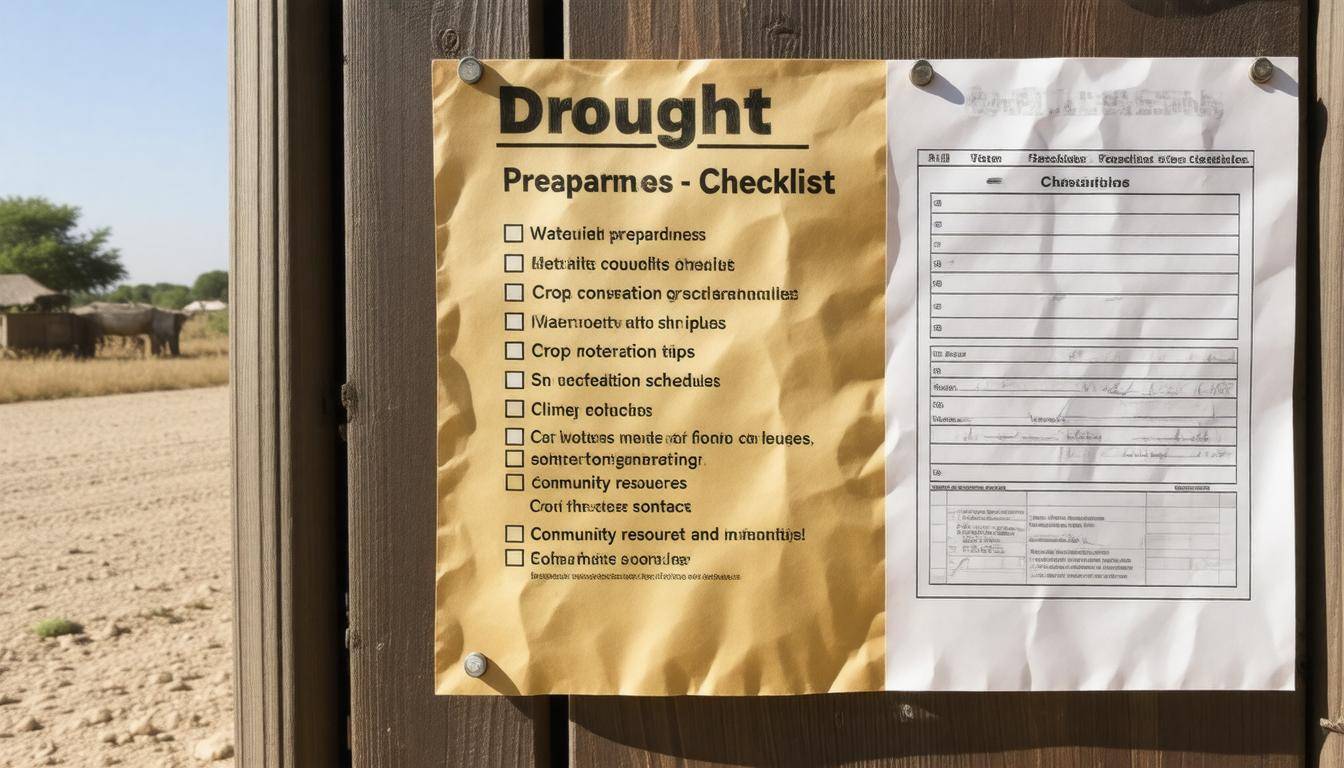
Overview of Drought in Senegal
Senegal, situated in the Sahel region of West Africa, finds itself in a precarious position when it comes to climate resilience. This area is notoriously vulnerable to climate fluctuations, making it one of the most susceptible regions globally.
The predominance of rain-fed agriculture means that farmers heavily rely on seasonal rains, which are becoming increasingly erratic due to climate change. As these patterns shift, the threat of drought looms larger than ever before, placing immense pressure on agricultural productivity and threatening the food security of many families.
Impact of Drought on Agriculture
It’s staggering to consider that approximately 70% of Senegal’s population depends on agriculture for their livelihoods. When drought conditions set in, crop yields can plummet by over 50%, resulting in severe ramifications not just for farmers but also for entire communities. Food insecurity becomes a harsh reality—not an abstract concept but a lived experience where families struggle to access essential nutrition.
Imagine a parent watching their child go hungry because their crops have failed; this isn’t just statistics—it’s heart-wrenching reality.
The ripple effects of such agricultural decline extend beyond mere food shortages. They can lead to increased poverty rates as families lose their primary source of income and face rising market prices for available food sources. Communities find themselves trapped in a cycle of vulnerability, with few resources available to adapt or recover from these hardships.
Historical Context
A look into the past reveals that drought is not a new phenomenon in Senegal. The country has endured increasingly frequent and severe droughts since the 1970s. A particularly notable instance was the devastating drought of 2011-2012, which decimated over half of the nation’s livestock and brought about significant crop failures along with widespread hunger.
This alarming trend highlights the urgent need for proactive measures to counteract the devastating consequences that drought can have on livelihoods.
These historical challenges underscore the importance of understanding effective water management practices to build resilience against future droughts and ensure community sustainability. Next, we will explore some innovative techniques for collecting and utilizing rainwater effectively.
Rainwater Harvesting Techniques
One practical approach to ensure a steady water supply is through effective rainwater harvesting. Farmers in arid regions like Senegal have been utilizing this technique to maximize their agricultural potential significantly. It begins with creating crescent-shaped holes, which may seem simple but are remarkably effective. These holes are shaped with the open end facing downhill, a clever design that allows rainwater to flow into them rather than run off. This method enables water to percolate deeper into the soil, providing moisture where it’s most needed during dry spells. As such, farmers employing this strategy have reported notable increases in crop yields.
Step I – Creating Crescent-shaped Holes
The process of digging these crescent-shaped holes not only optimizes rainwater retention but also minimizes labor while enhancing water accessibility for plants. When it rains, water collects within these holes and seeps into the surrounding earth, nourishing crops over an extended period rather than vanishing immediately into runoff. This means that when conditions turn dry again, plants still have access to moisture, allowing them to thrive even amid erratic climate patterns.
Let’s take the Kaffrine region as an example—many farmers implementing this technique there have seen a remarkable 20% increase in crop yields simply by adapting their practices to focus on sustainable water use. What might appear as modest adaptations can dramatically boost agricultural productivity and alleviate strain during droughts.
Step II – Installation of Water Storage Tanks
In addition to capturing rainwater directly through crescent-shaped holes, it’s vital to consider storage. Installing large water storage tanks can absorb rainwater from rooftops or other surfaces, providing a reliable source when dry spells persist. For instance, a 10,000-liter tank can sustain a small farm throughout an entire dry season, allowing farmers to manage their irrigation needs more effectively.
Consider the costs associated with these systems; while basic rooftop collection systems can range from $200 to $500 for setup and maintenance, larger community systems usually cost between $1,000 to $5,000. This investment often pays off quickly in terms of reduced household water bills and improved agricultural outputs.
Yet collecting and storing rainwater is only half the battle; managing soil health is equally crucial for ensuring successful farming practices in areas affected by drought.
Soil Conservation Practices
Proper soil management is crucial for maintaining crop productivity during drought situations. Understanding how to protect and enhance soil quality can significantly impact the health of plants and the livelihoods of farming communities. Farmers need effective techniques that harness the land’s natural properties while improving resilience against weather extremes.
Techniques
One of the simplest yet most effective techniques is mulching. By covering the soil with organic materials such as grass clippings or straw, we create a protective barrier that reduces moisture evaporation. This technique retains significant amounts of water in the soil, particularly during oppressive heat and dryness, allowing crops to use available resources more effectively. It’s an effective way to keep the ground cool and maintain consistent moisture levels—vital during critical growth periods.
Another strategy is contour plowing, which involves following the natural contours of the land when plowing fields. This technique reduces erosion by creating barriers that slow down water runoff and encourage absorption into the soil. Imagine carving out a landscape with gentle curves rather than straight lines; it helps manage rainwater efficiently while preventing topsoil loss during heavy storms—a true win-win.
Incorporating trees and shrubs into farmland through agroforestry not only improves aesthetics but also enhances soil structure and water retention capabilities. The roots of these plants hold the soil together, preventing erosion and increasing its fertility over time. By creating shaded areas, these plants help lower soil temperatures and reduce evaporation rates, providing a nurturing environment for crops. Consequently, foliage benefits both soil health and enhances biodiversity on agricultural land.
Implementing these conservation practices promotes sustainable agriculture while fostering an interconnected ecosystem that supports plant health and biodiversity.
Real-World Impact
These methods have real-world implications. For instance, in the Fatick region, empirical evidence shows that using mulch increased soil moisture levels by 30%. This increase allowed crops to survive the dry season far more effectively than those grown in unprotected conditions, nourishing plants with rainwater and enhanced moisture retention from mulching.
As rural communities face ongoing climate challenges, utilizing these particular techniques illustrates a proactive approach to agricultural resilience. These practices embody a sustainable means to ensure food security while combating adversities posed by changing environmental conditions.
By embracing comprehensive soil conservation practices, agricultural stakeholders can collectively contribute to maintaining healthy ecosystems that bolster crop yields and broader community resilience against climate change impacts.
With these foundational strategies in place for drought preparedness, let’s now explore how effective management of animals can further enhance sustainability in agricultural practices.
Livestock Management Solutions
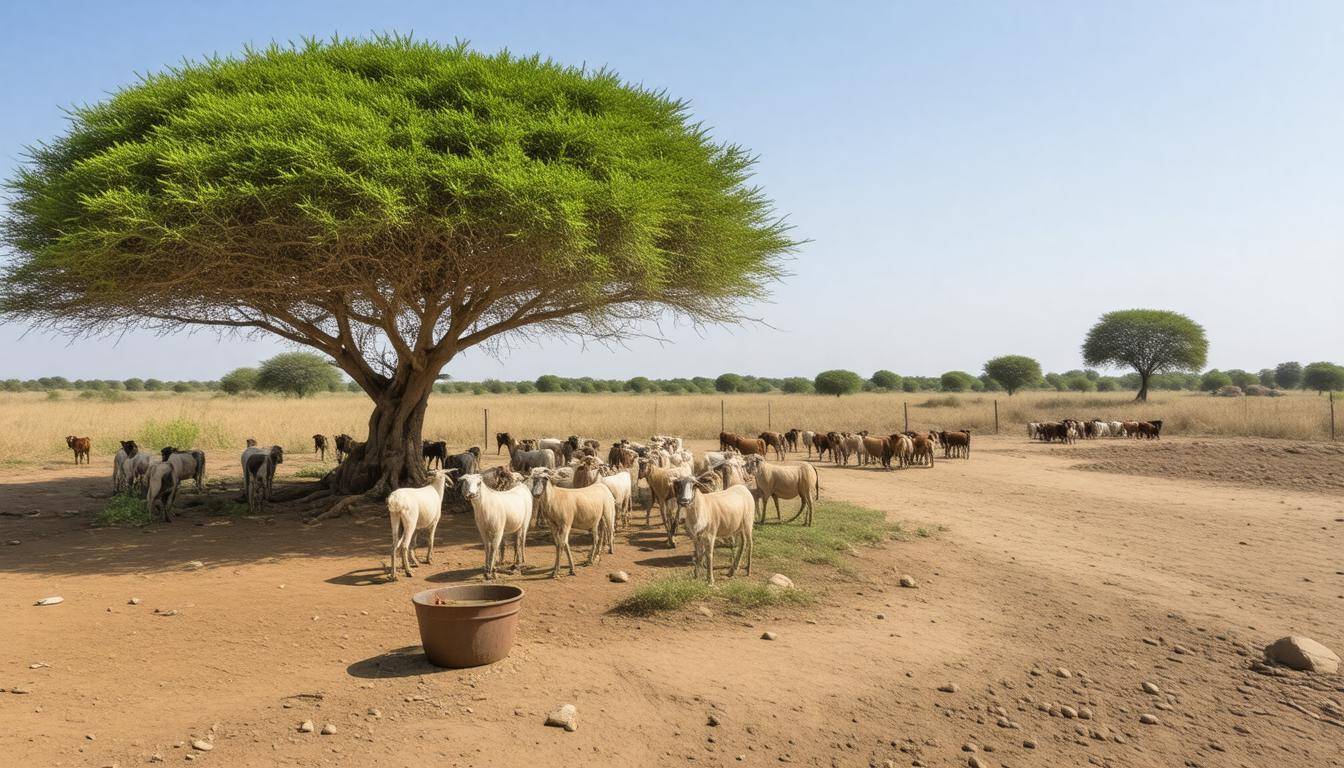
Effective management practices not only sustain livestock health but also support the livelihoods of farmers who depend on them for food and income. To navigate through periods of scarcity, implementing several key strategies can make all the difference.
For instance, rotational grazing involves moving livestock between pastures, allowing previously grazed areas to recover and regain their nutrients. This practice prevents overgrazing, which can lead to soil degradation—a critical consideration in arid regions like Senegal where land and resources are limited.
Alongside rotational grazing, providing supplementary feeding using drought-resistant forage crops is a smart strategy. These crops endure dry conditions while ensuring that livestock receive adequate nutrition. They can bolster animal weight gain during dry spells by as much as 20%, protecting farmers’ investments in their herds and reducing financial losses due to diminished livestock health.
Access to water further strengthens these efforts, making it vital to prioritize effective watering solutions.
Implementing portable water troughs allows for easy access to fresh water for livestock regardless of location. This method combats dehydration—a major concern during prolonged dry seasons—and helps conserve water by minimizing wastage during traditional watering methods. In areas with established rainwater harvesting systems, excess rainwater can be utilized efficiently, increasing the available supply significantly during drought conditions—up to 50% more in some cases.
Another crucial element of livestock management during drought is maintaining health through preventative measures like vaccinations. Diseases often spike amid dry conditions since animals are stressed and their immune systems may weaken. Vaccinating your herd against common threats can reduce mortality rates by up to 40%, ensuring that livestock remain healthy even through tough times.
It’s also worth considering the breeds of livestock being raised. Drought-tolerant breeds have been developed specifically for arid climates and require up to 20% less water than traditional breeds while maintaining productivity levels. This small adjustment can lead to significant improvements in sustainability and efficiency on your farm.
By integrating these thoughtful strategies into livestock management, communities enhance their ability to withstand challenges presented by drought while preserving animal well-being and supporting agricultural productivity.
Enhancing Community Resilience
At the heart of enhancing community resilience lies the ability for individuals to work together, especially in challenging times like drought. In Senegal, this collaborative spirit manifests itself vividly as initiatives unfold that not only address immediate climatic challenges but also foster long-term growth. One key aspect of this journey is community outreach, which involves engaging individuals in meaningful ways to help them adapt and thrive amidst environmental change.
Community Outreach
Engaging the community in regular training sessions forms a foundational step toward resilience. These sessions focus on essential skills related to drought preparedness, covering topics such as water conservation techniques, soil management practices, and sustainable farming strategies. Notably, local NGOs lead these efforts, tailoring their programs to meet specific regional needs. For instance, farmers learn how to utilize rainwater harvesting systems effectively or implement crop rotation methods that enrich the soil and preserve moisture.
“Our community’s ability to cope with drought has significantly improved after participating in the training sessions,” shares a farmer from Thies. This sentiment reflects a shift in mindset—rather than merely surviving droughts, communities are beginning to anticipate challenges and prepare proactively.
While collective efforts bolster community strength, it’s clear that individual farmers also bear a responsibility.
Individual Adaptation Strategies
Each farmer must embrace their unique circumstances while still collaborating with their neighbors. Adaptation strategies can vary based on personal experience and local climate conditions; however, they often include measures such as diversifying crops and implementing drought-resistant varieties. By exploring new agricultural advancements or traditional techniques tailored for current environmental realities, farmers enhance their food security and financial stability.
Additionally, leveraging technology can play a pivotal role in transitioning toward practices that enhance resilience. For example, many farmers turn to mobile apps designed for sustainable agriculture tips or weather predictions to keep informed about conditions likely to influence their operations.
The essence of enhancing community resilience thus becomes a beautiful tapestry woven from both community outreach and individual endeavor—a united front against the adversities of climate change.
With both collective action and personal initiative at play, there is an exciting opportunity to explore innovative practices that further support these efforts.
Climate Adaptation Strategies
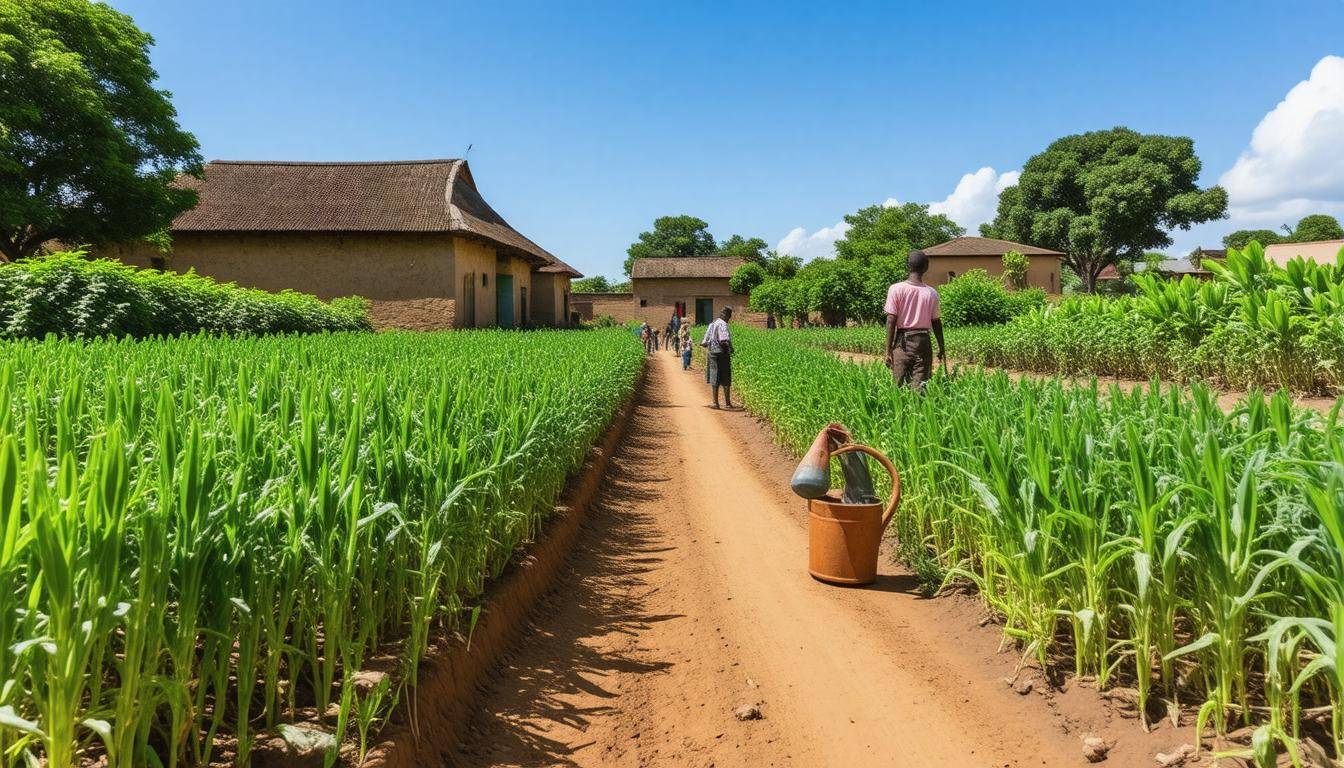
Adapting to climate change starts with thoughtful planning and innovative technologies that can mitigate risks. Farmers and communities in Senegal must focus on specific strategies to ensure their agricultural practices remain sustainable amid increasingly erratic weather patterns. One vital aspect of this is crop selection.
Crop Selection
When considering what to plant, opting for drought-resistant crops such as sorghum and millet can significantly enhance food security during dry spells. These robust crops are designed to withstand less-than-ideal conditions, making them invaluable in uncertain climates.
Research shows that sorghum requires about 30% less water than traditional maize while often yielding more during periods of drought. This not only protects farmers from crop failure but also helps maintain stable food supplies within the community. Imagine walking through fields of tall, swaying sorghum, thriving where once stood thirsty maize—this illustrates the power of informed choices leveraging nature’s resilience.
However, simply planting resilient crops isn’t enough; it’s crucial to couple this with practical techniques that enhance farm management.
Sustainable Land Management Practices
Sustainable land management involves practices that reduce erosion, maintain soil health, and improve productivity. Adopting these methods can be phenomenal, especially in areas prone to environmental stressors like drought or flooding. For example, terracing land can help retain moisture while preventing soil erosion. Incorporating cover crops into the farming schedule adds organic matter back into the soil, enriching it and fostering a healthier ecosystem.
Farm fields can tell a story of how farmers unearth hidden potentials when they embrace these techniques—working with nature rather than against it.
Improving financial access plays a pivotal role in empowering farmers to utilize these adaptive strategies effectively.
Improving Financial Models
To support farmers in their endeavors to adapt, improving financing models is crucial. Offering microloans or grants allows farmers to invest in essential resources needed for implementing these practices. Moreover, financial education helps them manage funds wisely while incorporating innovations into their farming.
Consider the impact of a farmer who accesses training on efficient irrigation practices—that investment could mean the difference between thriving crops and barren land come harvest time. Supporting local banks or establishing partnerships with agricultural organizations could provide the necessary framework for effective financing solutions.
Lastly, creating networks among farmers encourages knowledge exchange—sharing successes and failures breeds innovation and collective growth within communities facing similar challenges.
By addressing crop selection, sustainable land management, and financial accessibility holistically, communities positioned in vulnerable landscapes can empower themselves as they navigate the challenges ahead.
Comprehensive Preparedness Checklist
A thorough checklist not only streamlines processes but also empowers farmers with actionable steps to combat drought conditions effectively. Each item on this checklist provides immediate benefits, ensuring that farmers are well-prepared when the rains are sparse.
Categories of Preparedness
| Category | Actions |
|---|---|
| Water Management | Install rainwater tanks, create crescent-shaped holes to retain moisture. |
| Soil Conservation | Apply organic mulch, contour plow, and practice agroforestry to improve soil health. |
| Livestock Management | Develop rotational grazing schedules, utilize portable water troughs for efficient water access. |
| Community Actions | Participate in training sessions and engage in resource-sharing initiatives to bolster community resilience. |
The first category focuses on water management. Farmers can benefit from installing rainwater tanks to capture valuable precipitation during wet periods. Creating crescent-shaped holes—a technique adapted for arid regions—allows for improved moisture retention. These formations naturally catch rainwater and minimize evaporation, promoting better plant growth by ensuring crops have water long after the rains have stopped.
After securing water sources, attention must turn to preserving soil health.
That leads us to the second category: soil conservation. By applying organic mulch around crops, farmers can reduce evaporation rates by up to 70%. This saves moisture and promotes soil fertility as the mulch decomposes. Practices like contour plowing enhance soil structure while reducing erosion, allowing it to absorb more rainfall. Incorporating agroforestry techniques—where crops are interspersed with trees—nourishes the soil by adding nutrients back into the earth while providing shade that reduces moisture loss.
As crucial as plant health is, we must not overlook the balance of livestock management.
Moving on to livestock management, farmers implementing rotational grazing strategies reap multiple benefits; it prevents overgrazing and allows pasture lands time to recover. Utilizing portable water troughs ensures animals have consistent hydration without straining scarce resources during dry spells. These practices contribute to better livestock health and sustainable farming methods as a whole.
And finally, community actions stand at the heart of effective drought preparedness.
The last section—community actions—is vital for building resilience among farmers. Communities should participate in training sessions focused on drought preparedness and share resources whenever possible. Collaboration fosters unity where knowledge is exchanged, solutions discussed, and mutual support systems developed. This collective spirit can enhance individual efforts dramatically when facing weather-related challenges.
Regular adherence to this checklist ensures all bases are covered before and during drought conditions. By establishing a foundation for resilience through these categorically organized actions, we can then proceed to assess how effectively Senegal’s initiatives address these preparedness needs.
Evaluating Senegal’s Preparedness Efforts
Evaluating current efforts not only sheds light on the successes achieved but also uncovers areas that require greater attention and improvement. To truly grasp the effectiveness of drought preparedness initiatives, we must adopt a comprehensive approach in our assessment.
Assessment Methods
A vital part of this evaluation is to employ robust data collection and analysis methods. By focusing on agricultural outputs, water resource availability, and community feedback, we can build a clearer picture of what’s working and what isn’t.
Take, for instance, the recent reporting from farmers who have engaged in training programs; their insights can be precious in gauging the feasibility and impact of various strategies.
For example: Many farmers reported improvements in crop resilience after applying anticipatory measures such as analyzing seasonal weather forecasts. Such testimonials highlight successful practices, but also the need for persistent support systems for ongoing education and empowerment in communities.
Yet, there exists a compelling discussion among experts regarding the best tools for enhancing these evaluations. Some advocate for technological solutions like drones that can monitor crop health and analyze land conditions with precision. This cutting-edge method promises to provide data quickly and accurately. However, there are voices stressing that greater emphasis must be placed on grassroots-level training. The latter is often viewed as more practical, ensuring communities gain hands-on experience of their land while fostering local knowledge and innovations.
Current Status
According to a spring 2024 report from OCHA, Senegal has indeed made significant strides in its drought preparedness efforts. Community-based water management systems are now present in about 25% of rural regions, which is promising given that experts cite improved water access as crucial during drought periods. However, scaling successful models across all regions remains a challenge.
A survey indicates that 65% of farmers lack adequate access to drought-resistant crops—a clear signal that while some initiatives succeed, many still fall short in broader implementation.
Therefore, ongoing evaluation and adaptation become imperative for long-term resilience. As Senegal continues to confront increasing climate challenges, it is essential that programs evolve based on real-time data and community input. This iterative process helps ensure that both interventions and funding prioritize areas that need them most—ultimately enhancing food security and livelihoods across the nation.
As we reflect on these insights, recognizing the importance of collaboration among organizations becomes increasingly vital to strengthen Senegal’s overall response to climate challenges.
By actively working together and prioritizing evidence-based strategies tailored to local needs, Senegal can improve its preparedness against future droughts while fostering community resilience.