
Volcanic eruptions can seem like something out of a movie—a sudden explosion, clouds of ash, and chaos everywhere. But for those living near Mount Etna, it’s a very real possibility that requires careful preparation. While the thrill of living close to such a magnificent natural wonder is undeniable, the need for a solid safety plan should be paramount. Getting ready for any volcanic activity involves more than just packing your bags; it’s about understanding risks, knowing what to do in an emergency, and ensuring the safety of your family. This article aims to guide you through essential steps to take before, during, and after a volcanic event—helping turn what could be a scary situation into a manageable one. Let’s dive into how you can stay safe and make sure you’re prepared for whatever comes your way!
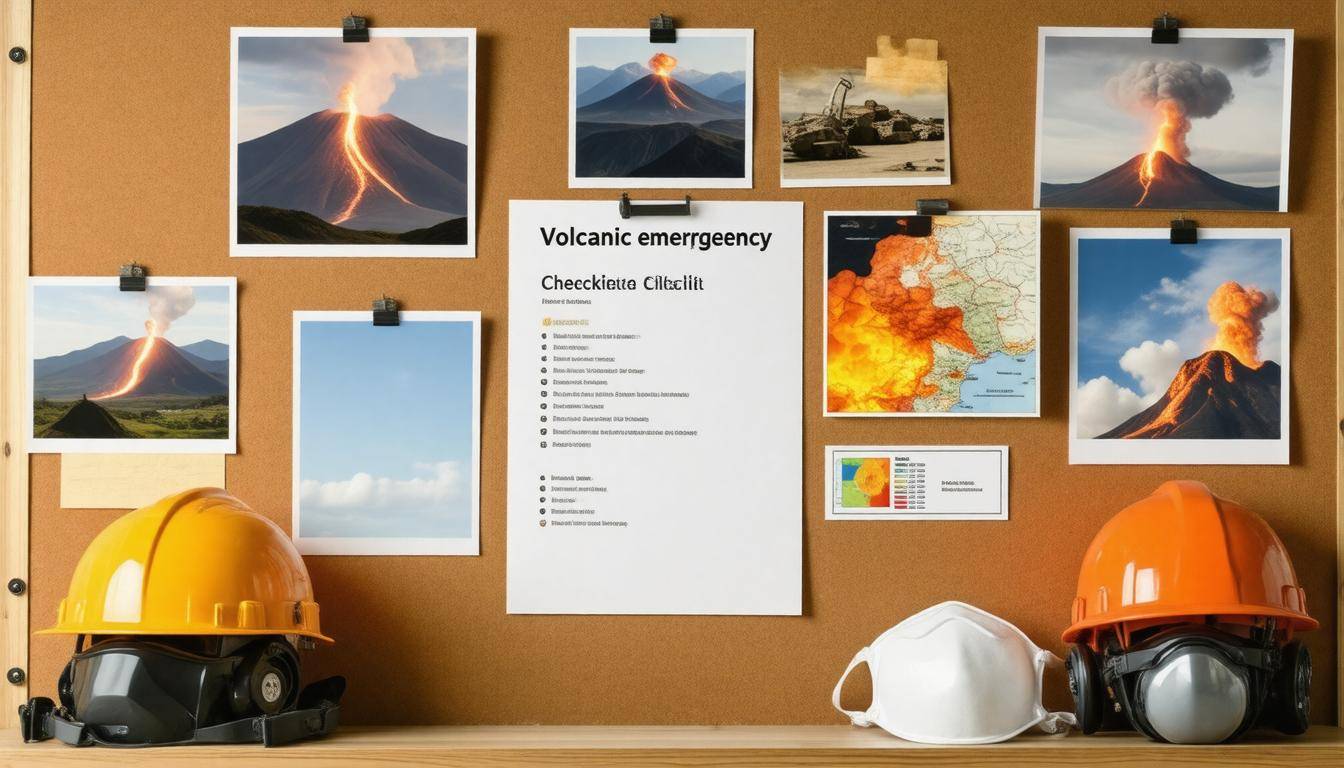
A Volcanic Emergency Checklist for Mount Etna should include essential items such as a reliable communication device, emergency contact information, adequate food and water supplies, protective gear like masks and goggles, a first-aid kit, and specific evacuation routes. Additionally, you should monitor local authorities for updates on volcanic activity and have a plan to ensure your safety and that of your loved ones in the event of an eruption.
Initial Preparations for an Eruption
Living near Mount Etna requires more than just a sense of adventure; it demands careful planning to help ensure your safety in the event of an eruption. The first step is to understand and familiarize yourself with local emergency plans that have been established by Sicilian authorities. These plans provide critical instructions on evacuation routes and designated shelters, which can vary depending on the situation. Knowing these details ahead of time not only provides peace of mind but also can save lives.
Home Safety Measures
Begin your preparations by focusing on home safety. Secure heavy furniture and any items that could become hazardous if seismic activity occurs. For example, bookcases or artwork should be anchored to walls to prevent them from tipping over. This step is vital because earthquakes often accompany volcanic eruptions, posing additional risks.
Furthermore, don’t overlook the importance of maintaining your home’s air quality systems. Before ash fallout becomes a concern, check and clean your air filters. A well-functioning ventilation system will help manage air quality and reduce the inhalation of ash, which can be harmful to health. It’s noteworthy that homes that have pre-secured windows with plastic sheeting not only prevent extensive ash infiltration but also play a significant role in keeping your living space cleaner.
It’s advisable to always keep your car’s fuel tank at least half full. In emergencies, fuel stations may not be operational, leaving you vulnerable should the need arise for a quick evacuation. Alongside this, maintain an updated emergency contact list that includes numbers for local emergency services, hospitals, and important family members. This ensures access to crucial information when it’s most needed.
All these preparations are part of creating a comprehensive emergency plan that gives you clear actions to take when minutes can make a significant difference during a volcanic crisis.
With your home prepped and safety precautions in place, let’s explore the next crucial component—securing vital supplies for effectively weathering any situation.
Assembling an Emergency Kit
To navigate the chaos following a volcanic eruption, having a well-stocked emergency kit can truly make all the difference. Not only does it ensure you have immediate access to crucial supplies, but it also gives a sense of security in uncertain times. Picture this: as ash falls from the sky and your surroundings darken, reaching for a backpack filled with essentials will feel like grabbing hold of peace amidst the storm.
So what exactly should you include in your emergency kit? Begin with water. Aim for at least one gallon per person per day for three days; this is vital not just for drinking but also for sanitation. You’ll also want to pack non-perishable food items that can last through those harrowing first days without refrigeration. Think canned goods, energy bars, and dried fruits—nutrient-dense options that require little preparation.
As you assemble your kit, don’t overlook a flashlight with extra batteries; power outages are common during emergencies. On top of that, having a first-aid kit stocked with necessary medications and supplies is essential for responding to any injuries that may occur. You’ll also need respiratory masks—N95 or better—to filter out harmful volcanic ash particles when outside becomes necessary.
Personal sanitation also deserves careful consideration. Including moist towelettes, garbage bags, and plastic ties will help maintain hygiene when resources are scarce.
Expanding Your Supplies
Think about including local maps and GPS devices too; in a world where landmarks might change overnight or be cloaked in ash, navigation becomes vital. And lastly, don’t forget a whistle! This simple yet effective tool allows you to signal for help should the situation unfold unfavorably.
Reflecting on past eruptions reveals the true value of being prepared. During the 2021 eruption, people who had pre-packed their kits navigated the demanding first 72 hours without needing to rely on external assistance. The insights gained from such experiences underscore the practicality of ensuring every family member has easy access to their emergency kit. This preparedness could be critical, offering both comfort and the potential to save lives.
By assembling these essential supplies, you’re setting the stage for effective responses under pressure. Let’s now shift our focus toward protocols that streamline communication during volcanic emergencies.
Communication Protocols
In the face of potential danger, having clear communication protocols is essential. You never know when a sudden eruption might occur, and without a plan in place, chaos can ensue.
Overcoming Communication Barriers
To handle potential communication disruptions, it’s important to prepare for the unexpected. One effective strategy is to have more than one way to communicate. While cell phones are commonly relied upon, they may not work well in emergencies due to network overload or power outages.
Incorporating tools like two-way radios can provide an alternative means of communication, ensuring you stay informed even when the situation grows tense.
When setting these protocols, planning becomes paramount. Pre-arranging a family meeting point and time, in case members are separated when a crisis occurs, is an essential step toward maintaining peace of mind. This designated location can serve as a safe haven where loved ones can regroup quickly, away from dangerous areas.
Moreover, developing a neighborhood communication tree is another excellent way to ensure vigilance within your community. This system encourages neighbors to share information vital for everyone’s safety: one person informs another, who then informs their circle, creating a cascading flow of updates.
Not only does this increase awareness, but it fosters a sense of collective effort in safeguarding one another.
Consider the 2011 Mount Etna eruption; areas with established communication trees reported fewer instances of missing persons during the evacuation. This example illustrates how communities that prioritize communication are more likely to succeed in navigating volcanic emergencies effectively.
With robust communication protocols set in place, grasping the subsequent steps in ensuring safety during volcanic events is crucial for personal and community welfare.
Evacuation Procedures
During a volcanic emergency, the clock is ticking. Evacuations need to be prompt and efficient to avoid hazards such as pyroclastic flows and ashfall. Authorities will issue evacuation orders through channels like local radio, social media updates, and emergency alert systems. As soon as you hear an alert, it’s essential to spring into action without panic.
To get started, first transition into the Pre-Alert Stage. This means gathering your family together and ensuring you have all necessary items packed in an emergency kit. Don’t forget your pets—make arrangements for their safety as well. Important documents such as identification, insurance papers, and medical records should also be readily accessible; consider placing them in a waterproof bag for added security.
-
Emergency Kit Essentials: Make sure your emergency kit includes food, bottled water, first-aid supplies, flashlights, batteries, and any medications you or your family may require.
-
Pet Supplies: Include food, water, leashes, and any necessary pet medications.
Once you’ve gathered everything, listen carefully for the Evacuation Alert from authorities. When this call comes through, follow your pre-designated evacuation routes. These routes are strategically planned to minimize risk by steering clear of areas prone to heavy ash fall or lava flow. It’s crucial not to take shortcuts; the safety of well-marked paths is often underestimated during such crises.
As you begin your drive towards safety, it’s important to proceed with caution. Volcanic ash can significantly affect visibility and create slippery road conditions, so keep your speed moderate. Remember that panicking can lead to hasty decisions that may compromise your safety.
What to Avoid
Absolutely avoid low-lying areas which could become more susceptible to lava flows and sudden flash floods caused by heavy rains mixing with volcanic ash. Instead, aim for higher ground that is open and clear of potential falling debris from eruptions.
Next up are essential personal protection measures you’ll want to keep in mind while navigating through these hazardous situations to ensure everyone’s safety.
Personal Protection Measures
Protecting yourself physically during a volcanic eruption involves simple but crucial measures that can make a significant difference in your safety and health. The first step to ensuring your well-being is to dress appropriately. It’s essential to wear long-sleeved shirts and full-length pants. These not only shield you from the sharp particles of volcanic ash but also create a barrier against the heat that can accompany an eruption. You want materials that are durable yet breathable, allowing you to stay comfortable while staying protected.
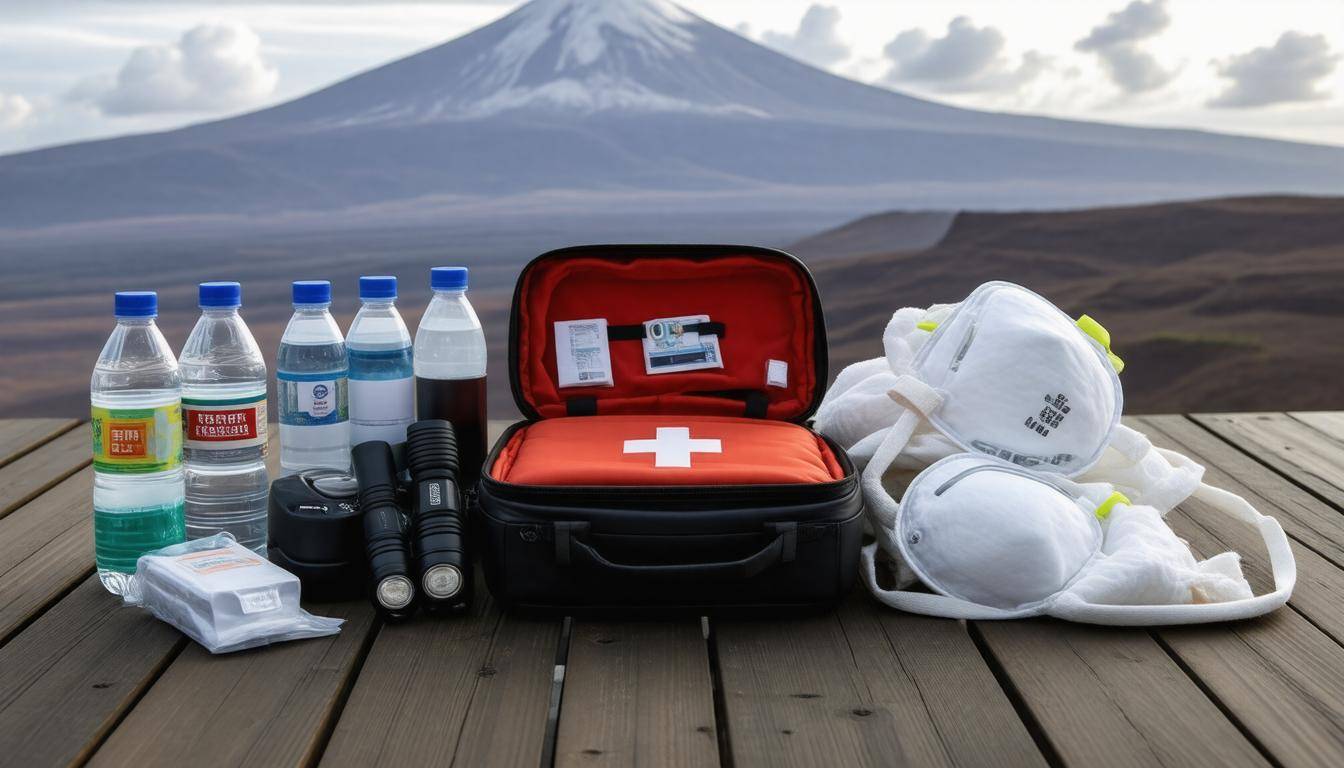
Beyond clothing, it is imperative to wear goggles and a respiratory mask to minimize exposure to hazardous ash. Goggles will protect your eyes from fine ash particles, which can cause irritation and impair vision. Respiratory issues can arise from inhaling volcanic ash, so utilizing a mask rated N95 or higher serves as a smart precaution. This level of mask is designed to filter out 95% of airborne particles, helping to safeguard your lung health amid the chaos.
According to data from previous eruptions, those who adhered to these protective guidelines experienced significantly fewer respiratory issues. Their proactive measures paid off in creating healthier atmospheres even in dire conditions.
It’s also wise to stockpile these protective items before any signs of volcanic activity escalate. Think about gathering enough masks and goggles for all family members, so you’re not scrambling last minute. Ensure you have a personal emergency kit ready with essentials, including non-perishable food, water, flashlights, batteries, and first aid supplies. This kit should always be within easy reach—because when the dust settles after an eruption (literally), you’ll want to feel prepared rather than panicked.
Additional Safety Tips
- Stay Indoors: When an eruption occurs, find shelter indoors if possible to minimize ash exposure and keep airways clean.
- Seal Windows and Doors: Use wet cloths to seal any gaps where ash may infiltrate your home. This prevents further contamination of your living space.
- Monitor Updates: Keep a battery-operated radio handy for receiving emergency updates from local authorities; information is your best defense during a chaotic event.
Being proactive about your personal protection measures not only aids in keeping you safe but also helps ease the overall anxiety associated with potential eruptions. Implementing these recommendations will allow you to navigate such emergencies with confidence, focusing on what truly matters—your well-being and that of your loved ones.
As we explore the next steps in ensuring safety during eruptions, it’s essential to maintain awareness of abnormal volcanic activity for timely reactions.
Monitoring Volcanic Activity
Keeping a watchful eye on Mount Etna is crucial. The mountain is one of the most active volcanoes in the world, and knowing what’s happening can help you act quickly and decisively. By staying informed, you can protect yourself and your loved ones from potential hazards associated with eruptions. One of the most effective ways to keep track of volcanic activity is by adhering to reliable monitoring techniques employed by scientists.
For instance, the Istituto Nazionale di Geofisica e Vulcanologia (INGV) provides invaluable insights into Etna’s status. They use advanced seismographic detection methods to monitor earthquakes and tremors that often precede eruptions. This technique has proven highly effective in helping predict when an eruption might occur, allowing for timely evacuations. Moreover, scientists measure ground deformation—a telltale sign that magma is moving underground. Changes in volcanic gas emissions can also indicate heightened activity levels, providing additional layers of data for assessing risk.
One excellent tip is to incorporate mobile apps that send real-time notifications about volcanic activity directly to your device. This way, you will always be one step ahead, receiving critical updates as they happen.
The effectiveness of these monitoring strategies shines through especially when viewed through historical examples. Take, for instance, the 1991 eruption of Mount Pinatubo in the Philippines; careful monitoring allowed for successful predictions that ultimately saved thousands of lives. Such stories underscore the importance of utilizing reputable sources for information.
| Source | Frequency | Type of Information |
|---|---|---|
| INGV | Hourly | Activity updates, safety guidelines |
| Local News Apps | Real-time | Evacuation notices, road closures |
| Social Media | As needed | Community updates, emergency alerts |
Utilizing multiple sources for monitoring enhances your preparedness against potential eruptions. While authoritative agencies like the INGV offer hourly updates regarding activity levels and safety guidelines, local news apps provide urgent information such as evacuation notices or road closures—information that’s vital during rapid changes in volcanic activity.
Being proactive means taking responsibility for your own safety by keeping track of Mount Etna’s status and understanding its patterns; however, once you’re aware of impending danger, knowing where to go becomes equally critical. In the following section, we’ll explore options for establishing safe zones and shelters during an emergency.
Shelter and Safe Zones
Identifying safe zones is essential for anyone in the vicinity of volcanic threats. These areas need to be carefully selected based on their distance from potential eruption paths and their structural integrity. Safety isn’t just about being far away from the danger; it’s also about finding reliable places to stay when an eruption occurs. Public shelters, often established by local emergency services, are the most straightforward choice; however, not all shelters are created equal.
Selecting Safe Shelters
When considering public shelters, ensure they are both ash-resistant and capable of accommodating large populations. A school or community center can serve as an effective shelter if properly equipped. It’s wise to verify with local authorities what precautions have been taken to ensure the safety of these designated areas. For instance, during the 2017 eruption of Mount Etna, many residents took refuge in predesignated shelters such as schools and community centers that were outfitted for emergencies.
If public shelters are unavailable or untrustworthy, consider private options like staying with friends or family whose homes are positioned well away from the affected zone. Having these alternatives lined up ahead of time can significantly reduce stress when an emergency arises.
Another important aspect to consider is the accessibility of these shelters. As eruptions create unpredictable circumstances, knowing multiple routes to your chosen safe zone can save precious time. Primary evacuation routes include major roads such as the SS120 and SS185, which lead away from potential danger zones.
After an eruption, safety becomes paramount once again. Considerations shift towards ensuring that your shelter remains secure from any ongoing hazards like falling debris or lingering ash clouds. Local authorities often provide updates on air quality and safety advisories post-eruption, so stay informed through official channels like the Civil Protection Department.
Always carry an emergency kit with essentials like water, food, medications, and first-aid supplies when heading to designated shelters—preparedness can make all the difference in a volcanic emergency situation. This leads us to examine critical steps for ensuring safety after the eruption has occurred.
Post-Eruption Safety
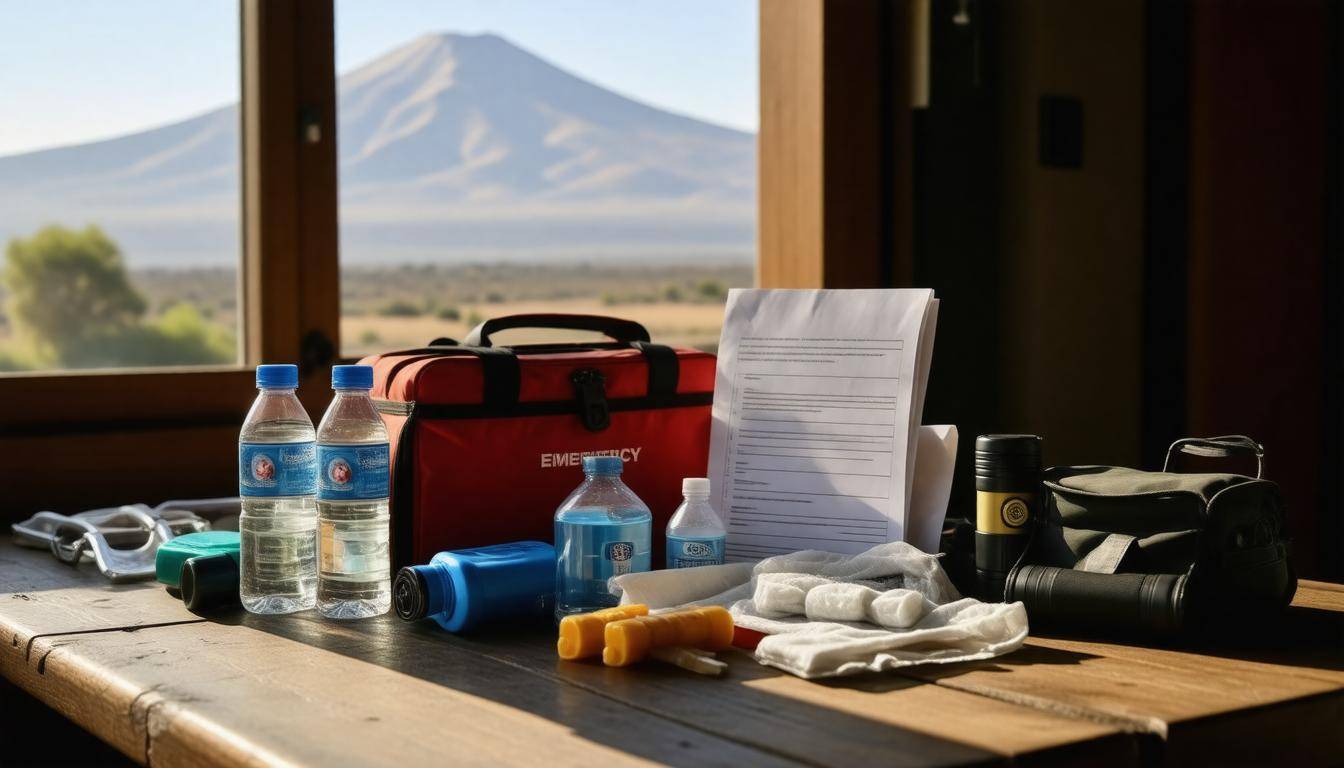
The dangers associated with a volcanic eruption extend beyond those fiery moments; they linger long after the lava cools. To navigate this challenging landscape effectively, it’s important to take calculated steps that prioritize safety.
First and foremost, always wait for official clearance from local authorities before returning home. Volcanoes can emit toxic gases or experience secondary eruptions, posing risks that may not be immediately visible but are nonetheless dangerous.
Once clearance is given and you’re back at your property, it’s essential to start the cleanup process carefully. Ash can be deceptively hazardous, both as an inhalation risk and with its potential to damage your home.
A simple yet effective method is to dampen the ash lightly with water before removal. This prevents the particles from becoming airborne and minimizes inhalation risks for you and anyone helping with the cleanup.
For instance, during the post-2013 eruption period, reports showed that homes which underwent prompt structural assessments were significantly less likely to suffer secondary collapses due to volcanic debris. It’s a stark reminder that proactive measures save lives and protect property.
Furthermore, once you’ve cleared your home of ash, focus on assessing any structural damage. Quick repairs are vital; areas left unstable expose you to continuous risks and can exacerbate existing issues over time. Timely maintenance ensures that you don’t have to deal with compounded problems later on.
Maintaining open communication with local emergency management agencies is paramount throughout this process. They can provide valuable updates on air quality—monitoring for hazardous ash levels or poisonous gases—and advise on when it’s safe to resume outdoor activities. This ongoing vigilance is essential for mental and physical health during volatile conditions.
By adhering to these post-eruption safety strategies, you’re actively mitigating potential hazards and protecting yourself while fostering resilience in the face of nature’s unpredictability.
In summary, staying informed, prepared, and proactive significantly enhances your safety after a volcanic eruption. Take these essential precautions seriously to safeguard both yourself and your loved ones whenever disaster strikes.