
Hiking in Slovenia’s Alpine and Karst regions is a thrilling way to explore nature’s beauty, but it requires a plan for safety. You might think preparing for a hike means just lacing up your boots and hitting the trails, but there’s much more to it than that. With stunning landscapes come unpredictable challenges—like sudden weather changes or tricky terrains that can turn a fun day out into a stressful situation if you’re not ready. From my own experiences on these trails, I’ve learned that proper preparation can make all the difference, ensuring every adventure is memorable for the right reasons. So, let’s dive into how you can keep yourself safe while enjoying the magnificence of Slovenia’s great outdoors!
A safety plan for the Slovenia Alpine & Karst Region includes preparing for unpredictable weather, choosing appropriate hiking routes based on your experience, and ensuring you have proper equipment. Additionally, hiring an experienced mountain guide is highly recommended for navigating challenging terrains safely and avoiding risks such as avalanches or getting lost in remote areas.
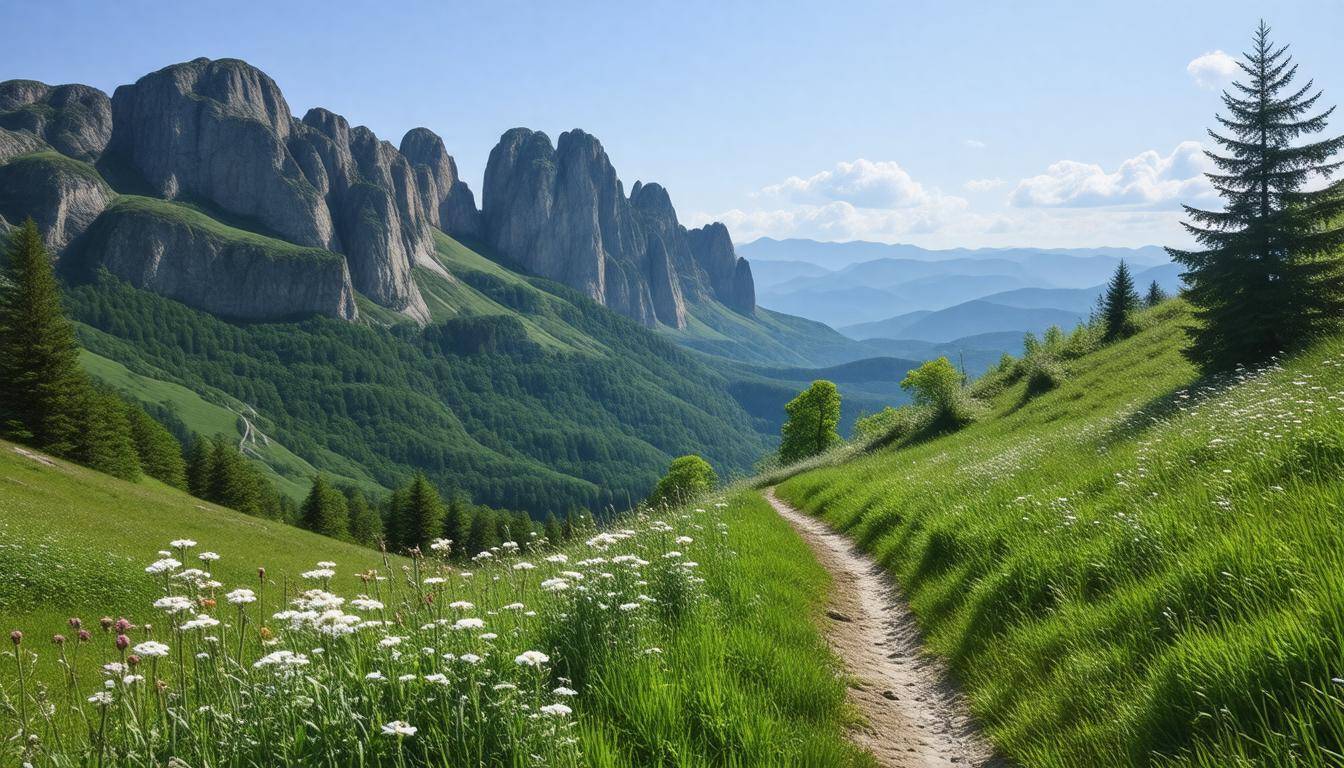
Safety Guidelines for Slovenia’s Alpine & Karst Regions
Ensuring your safety while navigating the breathtaking trails of Slovenia starts long before you lace up your boots. A key step is to always inform someone about your planned route and estimated return time. This simple act ensures that someone knows where to look for you in case something goes awry. It might seem trivial, but having a person outside of your hiking party aware of your whereabouts can be crucial; just imagine the peace of mind it offers both you and your loved ones.
Before embarking on any adventure, it’s essential to check the local weather forecasts. In the Alpine region, conditions can change rapidly, transforming a sunny day into a snowstorm in mere minutes. This unpredictability makes it vital to monitor not only the immediate forecast but also potential changes during the hours you’re out on the trail. Remember, the earlier you head out, the more likely you’ll face benign conditions instead of getting caught unaware later in the day.
As you prepare for your hike, ensure to pack ample food, water, and first-aid supplies. Your body will require sustenance and hydration to combat fatigue or altitude sickness as you traverse these majestic landscapes. It’s wise to include meal options that are quick to consume or high-energy snacks such as nuts or energy bars. Furthermore, being prepared with a well-stocked first-aid kit can serve as a lifesaver if an injury occurs; a bit of foresight can turn emergencies into manageable inconveniences.
It’s staggering to consider that over 70% of mountain rescues conducted by the Slovenian Mountain Rescue Service involve hikers who are either lost or inadequately equipped. Such statistics reflect not only a lack of preparation but also highlight how easily one can get off track in this rugged terrain.
I remember vividly an experience where I underestimated the terrain during my last hike in Triglav National Park. Thinking it was just another pleasant day out, I failed to dress adequately for the dropping temperatures. What started as an enjoyable stroll quickly turned into a fight against hypothermia. My lesson? Layering can be as crucial as packing enough food and water; keeping warm isn’t just about enjoying the views—it’s about survival.
Understanding and respecting the unique challenges posed by Slovenia’s natural environment will enhance your hiking experience immensely. Now, we’ll explore the specific areas and trails that promise unforgettable adventures while ensuring your safety remains paramount.
Designated Areas and Trails
Knowing which trails are designated for hiking in Slovenia’s Alpine and Karst Regions not only enhances your experience but also boosts your safety. The beauty of these landscapes—awash with lush forests, tranquil rivers, and serene valleys—can draw you in easily. Yet, wandering off the established paths can lead to unforeseen dangers. That’s why sticking to marked trails should be a top priority for every hiker.
Popular Trails
When planning your adventure, consider popular routes that are regularly trekked and thus better maintained. For instance, the trail leading up to Mount Triglav provides not only a fun challenge with various terrains but also panoramic views that are breathtaking at summits. Alternatively, the Soča Trail is another excellent choice; it runs alongside the stunning emerald river Soča, offering mesmerizing views that make for perfect photo opportunities. This trail is generally less demanding and caters well to those seeking awe without excessive strain.
While these well-known routes provide beauty and safety, you may find yourself drawn to more secluded paths.
Off-the-Beaten Path
If you’re after tranquility, exploring lesser-known trails like Velika Planina Plateau can prove rewarding. These trails offer unique landscapes and often fewer fellow hikers. However, it’s critical to do your research beforehand to ensure these routes are officially designated and maintained. These paths are equipped with signs and markers that keep you oriented while helping preserve the natural surroundings.
Although local authorities regularly monitor off-the-beaten-path areas, it remains essential for hikers to carry updated maps or GPS devices. The weather in mountainous regions can change rapidly, so knowing exactly where you are and how to navigate back safely is vital.
Always remember that even small trails require preparation; being aware of your surroundings can truly enhance not only your safety but your overall enjoyment of Slovenia’s magnificent landscapes.
Exploring Slovenia’s trails—whether popular or tucked away—can lead to incredible memories. It’s important to respect both nature and the guidelines set forth by local authorities for everyone’s benefit and safety.
As we continue our journey into the wilderness, let’s examine what essential gear will ensure your hiking experience is as safe and enjoyable as possible.
Essential Hiking Equipment
When preparing for a hike, especially in the winter months, having the right equipment can be the difference between an enjoyable experience and a risky situation. For anyone setting foot on the trails of Slovenia, it’s crucial to start with a sturdy pair of hiking boots. A waterproof and breathable option with good ankle support will keep your feet dry and enhance stability on rocky or slippery surfaces. Brands like Salomon, Merrell, or Lowa have great options tailored specifically for varying conditions, so do some research and pick the one that best fits your needs.
Once you’ve secured your boots, the next pivotal piece of equipment is clothing.
Layering is key when hiking as it allows you to adapt to fluctuating temperatures and exertion levels. Start with moisture-wicking base layers made from materials like synthetic fibers or merino wool, which help regulate your body temperature by moving sweat away from your skin. Add insulating mid-layers—think fleece—that provide warmth without bulk. Finally, a waterproof outer layer made from materials like Gore-Tex will protect you against rain or snow. This combination keeps you comfortable and ready for whatever nature throws at you.
Remember: The secret to successful layering is flexibility; being able to add or remove layers lets you maintain the perfect temperature whether you’re climbing steep inclines or taking a moment to enjoy breathtaking views.
Now that we have our boots and clothing sorted, let’s discuss navigation tools.
A reliable topographic map and compass are fundamental for any hiking adventure. Even though technology offers handy GPS devices and smartphone apps like Komoot or AllTrails, nothing beats traditional navigation skills in unpredictable backcountry environments. Ensure your maps are up-to-date with a scale of 1:25,000 for accurate detail on trails and terrain features. Familiarizing yourself with reading these maps enhances not just your confidence but also your overall hiking experience.
As you prepare your navigation kit, don’t forget to pack an extra battery pack; cold weather drains batteries faster than you might expect.
In addition to navigation tools, safety items like a first-aid kit are paramount on any hiking trip.
A lightweight first-aid kit containing essentials such as adhesive bandages, antiseptic wipes, pain relievers, blister treatment supplies, and personal medications ensures you’ll be prepared for minor injuries that could otherwise ruin your journey. Even if you plan a short hike, accidents can happen; having this kit within reach provides peace of mind that you’re equipped to handle unforeseen issues.
As you select gear and pay attention to preparation, understanding equipment essentials is vital for safe outdoor adventures in Slovenia’s Alpine region. With this knowledge under your belt, it’s essential to be mindful of potential dangers lurking in our beautiful landscapes.
Recognizing Natural Hazards
Hiking in Slovenia’s stunning Alpine and Karst regions is an adventure filled with breathtaking views, but it’s also a journey where nature shows its unpredictable side. One of the most pressing threats, especially in winter months, is avalanches. The Alpine region, with its staggering slopes, becomes a risk zone during heavy snowfall accumulations. Hikers should heed local advisories and utilize signposts that provide critical updates about avalanche risks.
Carrying an avalanche beacon can make a life-saving difference; this piece of gear assists in locating hikers should an avalanche occur. Each year, several accidents could be mitigated if more hikers took the time to understand these dangers and equip themselves accordingly.
Another hazard you must stay vigilant against involves the rockfall common in Karst areas. The limestone-rich landscape here might appear stable, but heavy rain showers can dislodge rocks from steep cliff faces. Sudden sounds of crumbling stones or noticeable debris on trails are indicators to turn back or alter your hike route. Before venturing out, checking recent trail reports for warnings about rockfalls is essential. This is particularly important because conditions can change rapidly; what might have been a safe path days ago could present unforeseen dangers today.
Weather-Related Hazards
Staying aware of weather patterns significantly enhances safety while hiking in these picturesque locales. One primary concern is thunderstorms, which can sweep across the mountains without much notice. If you hear thunder rumble or see flashes of lightning, it’s crucial to seek shelter immediately—preferably inside a building or a vehicle—and avoid open spaces or isolated tall trees that can draw lightning strikes. Prepare yourself for sudden storms by regularly checking weather forecasts before heading out.
Additionally, flash floods pose another significant threat during hikes—especially when navigating near rivers or streams. It’s vital to recognize the warning signs that indicate potential flash flooding. Be attentive to rapid increases in water levels or alterations in clarity; muddy waters can signal incoming rain upstream and imply action is needed now! Familiarize yourself with the terrain and always have an escape plan outlined should conditions take a turn for the worse.
As you embark on your hiking adventures through Slovenia’s dramatic landscapes, remembering these natural hazards ensures not just safety but also enhances your overall experience. A heightened awareness leads to well-planned excursions that allow you to fully appreciate the breathtaking natural beauty that Slovenia has to offer while remaining secure amidst its unpredictable wilderness.
When considering all eventualities, it’s vital to be prepared for any challenges you may face on your trek through this beautiful region. Let’s explore the essential strategies for dealing with emergencies when they arise.
Responding to Emergencies
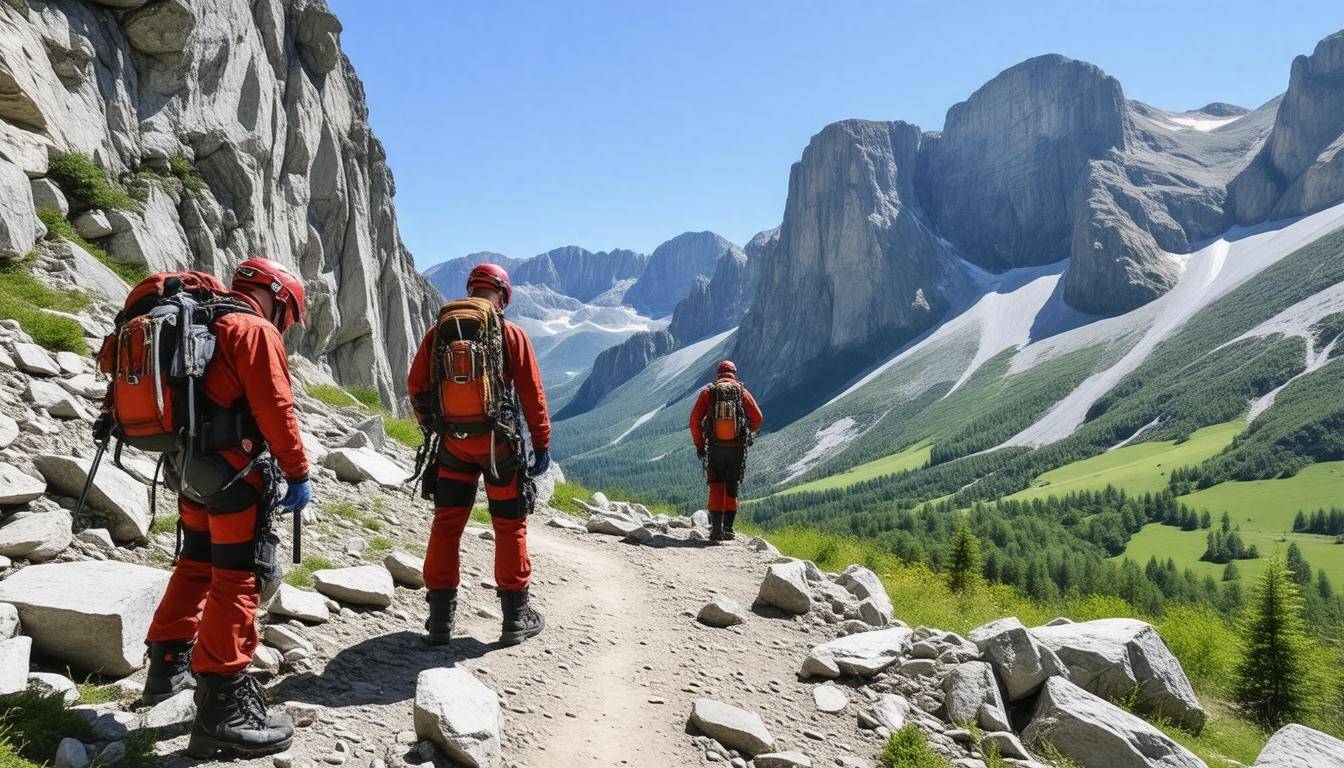
Knowing how to respond in an emergency can save lives. Imagine you’re hiking along a scenic trail in Slovenia’s stunning Alps when suddenly dark clouds gather overhead. Before you know it, rain transforms into a snowfall, and the temperature drops significantly; what do you do? A hiker named Jane once found herself in a sudden snowstorm near Lake Bled. Her quick thinking in seeking shelter and contacting local rescue services saved her. This determined response can also be part of your toolkit for handling emergencies while hiking.
Step-by-Step Emergency Response
The first step in any emergency is to stay calm. Panic will only cloud your judgment, making the situation worse. Take a deep breath and assess your immediate surroundings for any potential dangers, such as unstable rocks or exposed cliffs. Recognizing your environment allows you to make informed decisions about how to proceed safely.
Once you’ve assessed the situation, it’s wise to improve your chances of being located. Use a pre-packed emergency whistle to signal for help; it’s a crucial tool that can carry over long distances when shouting might exhaust you. Whistles are more effective than your voice because sound travels further, improving your likelihood of being heard by rescuers.
If you find yourself lost or injured, it’s essential to contact the local mountain rescue service efficiently. In Slovenia, the emergency number is 112. When making the call, provide clear details about your location, condition, and the nature of the emergency. Most importantly, be prepared to stay on the line until help arrives. Offering concise information ensures that rescue teams can act quickly and effectively.
Always keep in mind that preparation leads to better outcomes during emergencies. Pack essentials like your emergency whistle, a first aid kit, extra layers of clothing, and sufficient food and water before setting out.
Taking proactive steps is just as vital as knowing how to react in an emergency. By familiarizing yourself with the area beforehand—checking weather conditions and understanding the routes—you equip yourself with knowledge that can make navigating tricky situations easier. Should anything go wrong, your knowledge of local terrain and safe zones will come in handy, ensuring that you can act quickly when needed.
It’s crucial not only to prepare yourself for potential emergencies but also to educate fellow hikers and companions on these techniques; collective awareness creates a smarter and safer hiking experience for everyone involved. As we continue exploring hiking safety, let’s consider the value of expert advice from experienced individuals who can enhance our adventures.
Collaboration with Guides
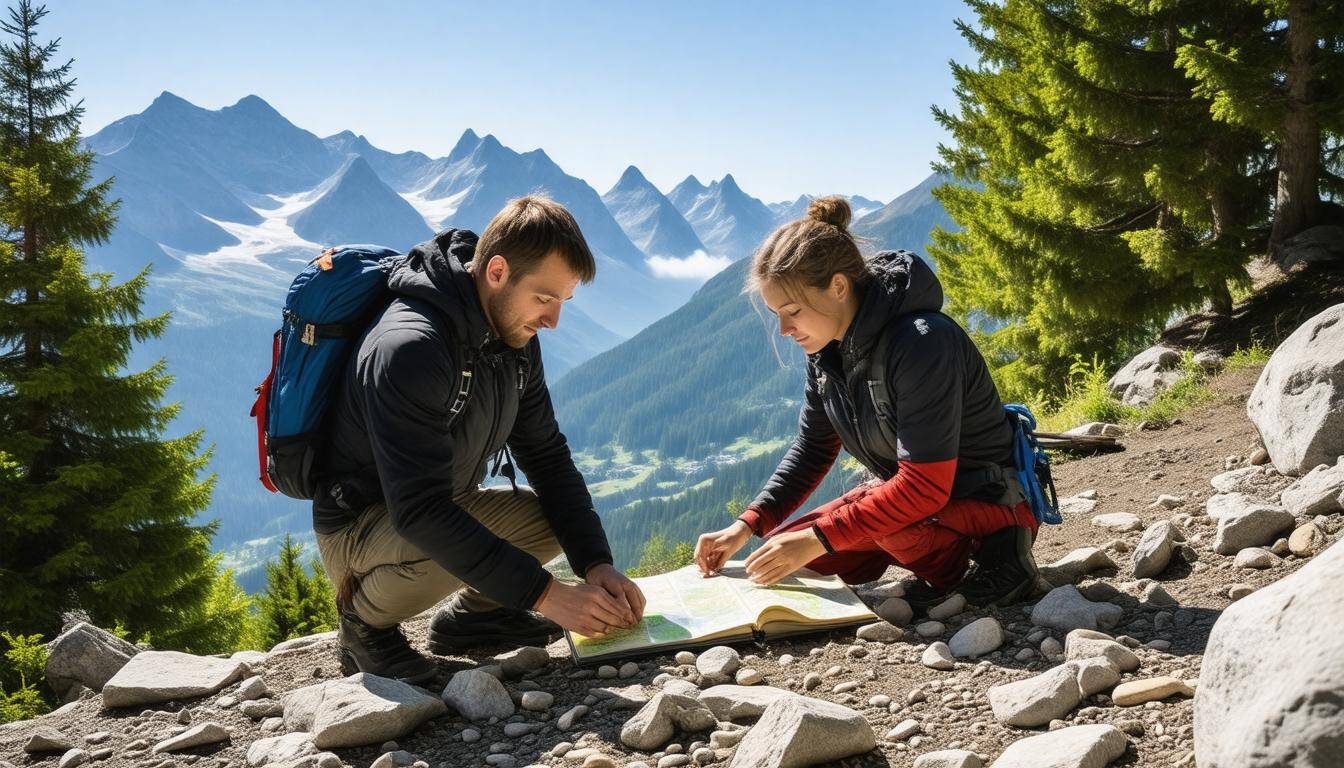
Employing a local guide elevates the hiking experience in Slovenia’s Alpine and Karst region significantly. These individuals are more than just navigators; they are experts who intimately know the terrain, flora, and fauna, as well as potential hazards that an unacquainted hiker may overlook.
Imagine standing at the edge of a breathtaking vista, your guide explaining the geological formation of the cliffs before you or recounting folklore about the area’s hidden trails—this is where the magic lies.
Many seasoned hikers recommend experienced guides from Slovenia Guided Tours. “Their knowledge of the terrain and weather patterns is unparalleled,” shares Mark, a frequent visitor who has explored these trails multiple times. He recalls a moment where their guide’s insights led them to a stunning waterfall that would have been easy to miss. Such unexpected discoveries create lasting memories, transforming a simple hike into an adventure filled with awe and wonder.
Aside from their navigation skills, guides provide real-time information regarding trail conditions, which can change swiftly due to snow or rain. When venturing into higher altitudes or unfamiliar terrains, having someone who can recalibrate your route based on current weather conditions is invaluable. They often carry essential equipment and have training in first aid—85% are certified in wilderness first aid—giving hikers an additional layer of safety during emergencies.
As travelers often say, “A guide isn’t merely someone who leads; they’re the compass that points out hidden treasures along your way.”
For instance, while hiking with a local expert, I recall discovering hidden caves adorned with ancient markings. These were not listed on any tourist map and showcased Slovenia’s deep historical roots—a context I would have undoubtedly missed without the guide’s keen eye for detail and knowledge of local lore. This illustrates another important aspect: guides help enrich your understanding of the land’s cultural significance.
Additionally, hiring a guide can reduce risks associated with winter hiking by up to 50%, especially for those without extensive alpine experience. Investing in such guidance doesn’t merely enhance your journey but can prove vital to your safety in an environment known for its unpredictability.
As we continue our exploration of safety, let’s consider important tools and resources to keep you informed and prepared on your adventures.
Risk Awareness Resources
Having access to the right information before your trip can be just as crucial as the hike itself. Before you set off on Slovenia’s scenic trails, it is essential to arm yourself with knowledge about the terrain, expected weather conditions, and potential risks. This encompasses more than just memorizing a map; it involves recognizing how different elements can affect your hiking adventure. That’s why utilizing tools and platforms specifically designed for hikers is vital.
One of the foremost resources is the Slovenian Alpine Association’s website. Their platform provides comprehensive trail maps that offer insights into difficulty levels, estimated durations, and elevation changes, along with real-time weather updates. Are you planning a trek through Triglav National Park? Their site includes up-to-the-minute safety tips regarding wildlife encounters and details on park regulations—which is crucial since some paths might have seasonal closures or restrictions in place.
Online Platforms
| Website | Information |
|---|---|
| Slovenian Alpine Association | Trail conditions, maps, weather |
| Triglav National Park | Park regulations, guided tours |
| Local weather services | Real-time weather updates |
In addition to these valuable resources,
following social media accounts of local hiking communities can provide an immediate pulse on trail conditions and safety tips. Think of these platforms as not just information hubs but as community centers where seasoned hikers share their recent experiences. You might find real-time updates about washed-out trails after heavy rain or advice on avoiding dangerous areas due to wild animal sightings. Engaging with posts or asking questions can yield personalized insights that generic resource websites sometimes miss.
For instance, joining a Facebook group dedicated to Slovenian hikers allows you to learn from others’ recent excursions. Often, members will share photos, discuss challenges encountered, and even suggest alternative routes if certain trails become impassable. This kind of up-to-date information can be invaluable when planning your day out in the beautiful but unpredictable landscapes of Slovenia.
By effectively leveraging these resources,
you’ll not only enhance your risk awareness but also improve your overall journey through Slovenia’s stunning Alpine and Karst Region. Knowing what to expect cultivates confidence, prepares you for various scenarios, and ensures that every hike remains an enjoyable exploration rather than a nerve-wracking endeavor influenced by unforeseen challenges.
Equipped with this knowledge fosters a proactive approach to traversing the region’s beautiful yet unpredictable terrains—leading us to consider how we might adapt our safety plans in response to evolving challenges.
Updating the Safety Plan
Continuous updating of your safety plan ensures you are prepared for any changes in conditions or regulations, allowing for an enjoyable hiking experience without unexpected challenges.
At its core, a safety plan must encompass important elements such as your chosen route, emergency contacts, and crucial details about the condition of your gear. This means not only listing the trails you’ll be traversing but also ensuring that you’ve got emergency numbers readily available and that you’re aware of any specific gear needs depending on the terrain and weather.
It’s imperative to incorporate regularly updated information on trail conditions and weather forecasts into your safety plan. Let’s say you’re planning a hike in the Julijske Alpe; knowing whether the trails have lingering snow or mud can make all the difference. Websites dedicated to outdoor conditions serve as reliable sources, while local hiking forums or social media groups can provide real-time updates from fellow hikers.
However, merely gathering this information isn’t enough; how you manage it matters too.
Store this safety plan digitally for easy sharing. Utilizing apps or cloud-based services can facilitate quick access to your plan. Imagine being on a trail with a fellow hiker when an unexpected storm rolls in—the ability to quickly pull up your safety plan and contact information could prove invaluable. Plus, sharing it with a trusted friend or family member adds an extra layer of assurance; they know where you are supposed to be and can alert help if you go missing.
By maintaining updated safety plans, you can address seasonal changes or newly identified hazards, enhancing your hiking experience. Remember, just because last week’s weather was perfect doesn’t mean this week will be! Make it a habit to review and update your safety plan before each hike—especially in dynamic places like Slovenia’s Alpine region where conditions can shift rapidly.
Ultimately, awareness and preparation will enhance your experience while also contributing to safer hiking trails for everyone who loves them.
Stay safe, stay informed, and enjoy all that Slovenia’s stunning landscapes have to offer.