
Disasters can turn our lives upside down, turning familiar routines into a whirlwind of uncertainty and fear. After such events, families often find themselves grappling not only with physical challenges but also the emotional toll that lingers long after the dust settles. It’s normal to feel lost or overwhelmed, as everyone processes trauma differently. That’s why having the right tools and strategies in place can make a significant difference in fostering emotional recovery. This guide aims to provide families with essential coping strategies and support resources that can help navigate the rocky path toward healing together. Think of it as your family’s roadmap through the storm—because rebuilding emotional strength after adversity is possible, one step at a time.
The “Emotional Recovery After Disasters: Family Guide” covers essential strategies for families to cope with trauma and rebuild emotional well-being, including common reactions to disasters, coping mechanisms for both adults and children, as well as available resources for support. It emphasizes the importance of maintaining routines, fostering open communication, and recognizing when professional help may be needed to navigate the recovery process effectively.

Recognizing Signs of Emotional Distress
Awareness is indeed the first step in addressing emotional distress within the family. An important part of this process is learning how to recognize the signs that indicate someone may be struggling.
It’s essential for family members to be observant and aware of one another’s behaviors and moods, especially after a traumatic event. Research indicates that nearly 40% of individuals experience significant emotional distress following disasters. This distress often manifests through excessive worry and anxiety, changes in sleep habits like insomnia or nightmares, and withdrawal from social activities that once brought joy.
Common reactions observed typically range from irritability to sad moods—each capable of significantly impacting family interactions. Specifically, children may exhibit clinginess or increased tantrums, expressing their fear and uncertainty. Adults too display noticeable shifts; they might become more irritable, lash out in anger over minor inconveniences, or find it difficult to concentrate on daily tasks.
For example, think about a father named John who noticed his daughter began having nightmares following a disaster. At the same time, he observed his wife throwing herself into work, spending late hours at the office rather than being present at home. These behaviors, while subtle, serve as crucial signals of underlying distress.
Recognizing such patterns may allow families to address issues before they escalate into something far more troublesome.
By staying vigilant and caring, families can create an environment that fosters support and healing amongst themselves.
What makes recognizing these signs even more critical is the reality that recovery is not linear; there will be ups and downs along the way. You may find your loved ones initially coping relatively well only to later demonstrate signs of distress as the true impact settles in.
This fluctuation can be unsettling but recognizing it opens up the opportunity for discussion and intervention.
The key then becomes maintaining open lines of communication within the family unit, allowing everyone to speak freely about their feelings without fear of judgment. Adopting a gentle approach when discussing these feelings can encourage more honest conversations. For instance, gently asking a child how they feel about recent events can lead to them sharing thoughts they may have kept bottled up inside.
Essentially, by creating an atmosphere where emotions are validated and normalized, families can better navigate through their shared experiences, enabling quicker recovery together.
Don’t hesitate to reach out for additional resources; hotlines or community counseling services are often available for those needing extra help in understanding emotion during tough times.
By acknowledging these signs early on together and seeking support whenever necessary, families equip themselves with the ability to foster deeper connections during challenging periods ahead.
With this awareness and readiness to communicate effectively as a family unit, we now look toward strategies that strengthen bonds and provide reassurance in tumultuous times.
Family Support and Communication
Engaging in heartfelt conversations can significantly bolster emotional recovery after a disaster. Families that share their feelings foster an atmosphere of trust, making it easier for each member to express their thoughts and concerns. This isn’t just nice; it’s essential for rebuilding emotional strength. When family members know they can talk openly without fear of judgment or ridicule, they feel supported, allowing them to navigate through the storm of emotions that often follows trauma.
Creating a Safe Space
Establishing a safe space is vital for nurturing these conversations. One practical approach is to hold daily check-ins where everyone can share their emotions freely. These sessions shouldn’t feel forced or robotic; instead, they should be filled with warmth and empathy.
It’s important to practice active listening during these discussions—this means genuinely engaging when someone speaks, maintaining eye contact, and resisting the urge to interrupt or rush ahead to provide solutions. Rather than jumping in with advice, sometimes just being a good listener can be more beneficial.
A common challenge might arise when children express feelings of fear or anxiety, particularly after something distressing has occurred. In these moments, offering reassurance and validation can help alleviate those unease—reminding them that their feelings are normal.
Consider Mary, who decided to implement weekly family meetings in her household after a troubling event in their community. With three kids ranging from ages 5 to 12, she noticed remarkable changes: “The kids began articulating their fears more clearly. Our weekly gatherings turned into a place of healing rather than just a family chore.” This simple step provided them with the opportunity to connect deeply while fostering emotional resilience.
Yet, while structured meetings might work wonders for families like Mary’s, others may find spontaneous conversations resonate better with them. Each family operates differently—some thrive on predictability while others flourish in flexible environments where discussions unfold naturally in everyday life scenarios like dinner or car rides. It’s crucial for families to identify their unique rhythm and what sparks genuine dialogues among members.
As open communication flourishes within the family unit, it lays the groundwork for encouraging emotional expression further. Being able to share emotions is one thing; knowing how to express them constructively is another step towards healing that should not be overlooked.
Transitioning from the foundation of open dialogue, we now turn our focus toward techniques for fostering deeper emotional expression in both children and adults alike.
Promoting Emotional Expression
Emotions are complex, and after a disaster, it is natural for family members to experience a wide array of feelings. Suppressing these feelings only delays recovery and can create more problems down the line. Acknowledging and expressing emotions helps individuals process their experiences, especially for children who may struggle to understand what they are feeling.
Encouraging family members to let their feelings out can take many forms. You might create an environment where sharing is welcomed—after dinner conversations can be an ideal time to reflect together. Consider initiating family-fun activities that bolster emotional expression. Drawing allows children to depict their feelings visually while writing journals offers teenagers a personal refuge to articulate their thoughts without judgment. These outlets not only promote emotional clarity but also foster deeper connections among family members.
-
Art Therapy for Children: Creating art provides kids with an avenue to express emotions that may be difficult for them to verbalize. Whether it’s finger painting or using crayons, children’s creativity often shines through when they’re offered the space without restrictions.
-
Journaling for Teenagers: Teens benefit from putting pen to paper, helping them navigate through complex feelings—even during turbulent times of change as they grow into adults. It’s a powerful tool that encourages self-reflection and validation.
-
Group Discussions for Adults: Open forums where family members share their thoughts and struggles can help normalize the conversation about emotional distress and encourage mutual support. Hearing other voices can lessen isolation and foster understanding.
Research backs up these methods; studies indicate that families engaging in creative expressions tend to report higher resilience ratings when navigating through crises. This insight serves as a reminder of how meaningful artistic dialogues can be—potentially enhancing coping strategies during emotionally taxing periods.
Take Jenny, for example. She initiated a ‘feelings drawing’ time every evening with her children. The simple act transformed their routine into a healing process filled with laughter and openness about emotions. As her children immersed themselves in drawing, they shared snippets of their feelings tied to the disaster they had experienced—a practice that led to greater emotional transparency within the family.
While expressing feelings is essential, recognizing when further assistance may be necessary is equally important. Families should ensure they have access to the best resources available as they navigate unforeseen challenges. This awareness opens the door to examining the different types of help families might pursue during particularly difficult times.
Seeking Professional Help
When it comes to navigating the emotional aftermath of a disaster, seeking professional help can be a crucial step towards healing. It’s not just about having someone to talk to; it’s about engaging with trained individuals who have developed specific strategies to support those grappling with trauma. Statistics estimate that around 20% of disaster survivors may require mental health services, so you’re certainly not alone if you find yourself overwhelmed.
Many therapists utilize evidence-based practices like Cognitive Behavioral Therapy (CBT) and Eye Movement Desensitization and Reprocessing (EMDR). CBT focuses on helping individuals reframe negative thoughts, shifting perspectives that can otherwise keep someone feeling stuck in their pain. Similarly, EMDR is effective for processing traumatic memories, allowing clients to integrate those experiences into their personal narrative without letting them dominate their lives. These therapeutic techniques allow for a structured approach to recovery that guides individuals on a path to healing.
With such compelling methods available, it’s vital to find the right person for your needs.
I recommend reaching out to licensed counselors or psychologists who specialize specifically in post-disaster recovery. Online directories and local behavioral health centers can provide lists of professionals available nearby. Remember, finding the right fit may take time; it’s perfectly fine to meet with several professionals before deciding who best understands your unique situation.
Take the story of Jane, for instance. After experiencing a disaster that left her feeling anxious and lost, she decided to seek therapy. Through her sessions, she learned techniques to manage her anxiety effectively. The supportive environment allowed her to express emotions without judgment, and over time, she felt equipped to handle distressing feelings that once seemed all-consuming.
Once you begin working with a therapist, remember that seeking additional help can enhance your emotional recovery journey even further. Exploring further resources will deepen your understanding of what it takes to foster resilience amid challenges.
Building Resilience
Resilience helps families bounce back from adversity, serving as a protective factor against the stressors that come with challenging times. When life throws a curveball, knowing how to constructively respond can make all the difference. Implementing strategies designed to build resilience in everyday life encourages family members to navigate emotional turbulence effectively. One fruitful avenue is practicing mindfulness activities such as meditation and deep-breathing exercises, which work wonders in enhancing mental fortitude and providing clarity amidst chaos.
Daily Resilience Practices
One way to embed resilience into your family culture is by establishing a daily routine that includes mindfulness practices. Imagine starting each day with a brief family meditation session—perhaps snuggled together in the living room or on the porch. This time doesn’t have to be lengthy; even ten minutes can set a positive tone for everyone’s day ahead. This simple act of quiet togetherness helps family members feel more connected and calms any lingering anxieties about challenges they may face later.
Beyond meditation, physical activity plays an equally crucial role in nurturing resilience. Engaging in sports or outdoor activities that get everyone’s blood pumping boosts endorphins—your body’s natural mood elevators. Maybe go for a bike ride through the park or organize a family game of soccer in the backyard. Not only does this foster bonding, but it also enhances everyone’s emotional health. For example, take a page from the Smith family’s book; they incorporated yoga into their morning routine, leading to noticeable improvements in their collective mood and more harmonious interactions throughout the day.
“Routines not only build habits; they create frameworks of stability during difficult times.”
With resilience-building underway through daily practices, it’s vital to address specific needs tailored to children, ensuring they have the necessary tools to cope effectively with their emotions as well.
Helping Children Cope

Children experience trauma differently than adults; their responses can be unpredictable and often require tailored approaches. One of the most effective ways to help them navigate these feelings is by providing age-appropriate support. This means recognizing that younger children thrive on routines, which are instrumental in creating a sense of stability amid chaos. For instance, maintaining a consistent bedtime routine can be a reassuring anchor for younger kids, allowing them to feel secure while their world seems uncertain.
Interestingly, research shows that resilience is quite common in children exposed to trauma when they receive appropriate emotional support afterwards. In fact, studies indicate that nearly 80% of children who engage in discussions about their feelings with trusted adults report improved emotional well-being post-disaster. This highlights the importance of open communication to help a child process their emotions effectively.
Concurrently, while it is vital to nurture younger children through structure, it’s equally important to grant teenagers some flexibility. Teenagers often desire more independence and control over their emotions—allowing them the space to express themselves provides an opportunity for healing. Perhaps inviting your teenager to articulate their feelings using journaling or encouraging them to engage in community service can make them feel empowered during tumultuous times.
Another key aspect is to limit children’s exposure to disaster media coverage. Overexposure can saturate young minds with anxiety-inducing images and narratives that skew their understanding of safety and security. A testimonial from one parent illustrates this well: she noted that by restricting access to news about the disaster, her son was able to immerse himself in creative activities like drawing and playing with friends instead—activities that grounded him and diverted his mind from fear.
This strategy reiterates how much environmental influences can stress fragile minds, emphasizing the need for mindful media consumption.
Empowering children through community resources is another significant route toward recovery. Local community centers and schools often have programs designed specifically for handling trauma in youth. Activities such as group therapy or art classes not only facilitate healing but also foster connections with peers who share similar experiences.
Each step plays an underlying role in nurturing resilience, guiding them through their recovery with the support they need to heal effectively.
As we explore more avenues for assistance, it’s essential to understand how community networks can bolster individual efforts in this journey towards healing.
Utilizing Community Resources
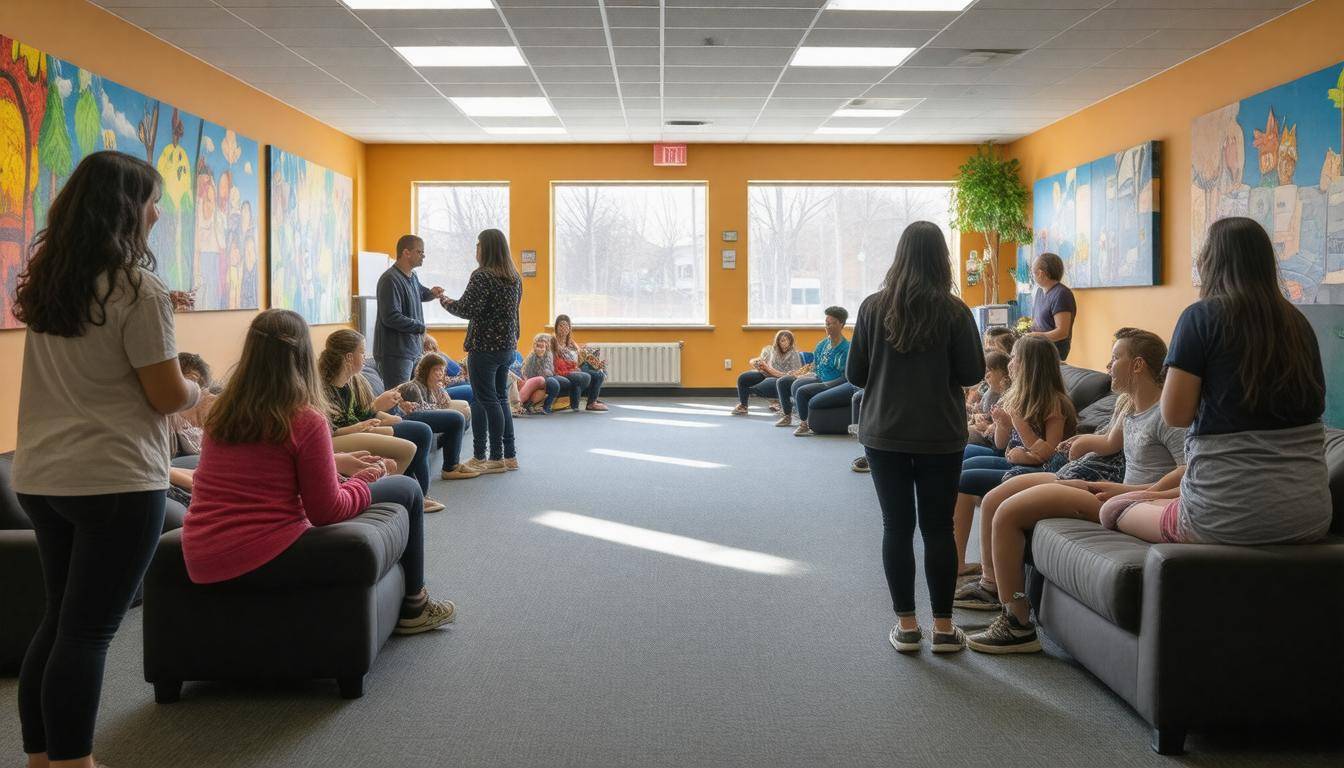
Community resources are more than just helpful; they can be life-changing during periods of emotional upheaval following disasters. These resources provide families with vital support, guidance, and a sense of belonging when the world feels uncertain. Cleaning up after a disaster often encompasses not only physical repairs but also rebuilding emotional resilience, and that’s where local services come in.
It’s wise to tap into local counseling services and support groups specifically catering to those who have experienced distressing events. For example, consider visiting a nearby community center that may offer therapy sessions conducted by qualified professionals who understand the unique mental health challenges faced by disaster survivors. Remember, these sessions aren’t just for individuals; families can attend together, fostering open communication and shared healing experiences.
Accessing Resources
One great way to find these resources is to visit community centers or reliable websites like FEMA and Red Cross. Both organizations frequently update their listings for available support programs tailored to meet the needs of affected families. Plus, many of these services are free or offered at a reduced cost, making them accessible for everyone in need.
Joining local support groups is another effective strategy. These gatherings provide safe spaces for individuals to share their personal stories and feelings. You’ll find comfort in knowing you’re not alone—others are navigating similar paths towards recovery. Hearing different perspectives can inspire you and even equip you with new coping strategies as you move forward.
Research shows that families who engage with community resources experience a 30% higher rate of emotional recovery compared to those who go it alone. This statistical insight underscores just how crucial community involvement is in healing processes after trauma.
So why not reach out today? Forge connections within your community—those ties can be invaluable on your journey to recovery. The strength found in communal support can empower families to face their challenges head-on. Don’t hesitate to knock on doors, whether it’s checking in at your local counseling office or attending a nearby support group meeting; these steps can lay the foundation for a strong recovery plan.
With these vital community connections established, it’s essential to translate this support into actionable steps that address your family’s specific situation.
Creating a Recovery Plan
The journey toward emotional recovery can be daunting, but a well-thought-out recovery plan is like a roadmap to guide your family through the healing process. A structured approach helps everyone understand where they stand and what steps they need to take next.
Start by defining both short-term and long-term recovery goals. These goals should focus on emotional milestones—such as learning coping strategies or rebuilding social connections—and tangible objectives, like attending therapy sessions or participating in community support groups. Setting these targets allows families to track their emotional progress while feeling a sense of accomplishment as they achieve each goal.
Once you have outlined your goals, it’s time to structure the daily routine that will support them.
Developing a daily routine is essential for establishing stability for the family. It’s important to involve all family members in this process; gathering input allows everyone to feel heard and valued, which fosters unity in challenging times.
Consider including activities that promote emotional bonding, relaxation, and self-care. This could range from reserved family time for discussions about feelings to playful activities aimed purely at enjoyment. Daily routines help establish predictability, which can be comforting for children and adults alike when everything else feels uncertain.
Another valuable tool to consider is creating a “Recovery Checklist.” This checklist could include practical tasks such as scheduling therapy appointments, keeping up with community resource engagements, or planning family outings that nurture interaction and connection. Having a physical checklist can serve as motivation and reminders of what actions need to be taken, reinforcing commitment toward recovery.
Practical tools can make the emotional journey more manageable for families.
Take the Davis family, for instance—they implemented their calendar to list recovery milestones clearly. This practice helped them stay focused, motivated, and accountable for each other during their recovery process. By marking key events or meetings on their schedule together, they turned daunting elements into shared commitments.
| Recovery Activity | Frequency | Responsible Member |
|---|---|---|
| Family Meetings | Weekly | Everyone |
| Therapy Sessions | Bi-weekly | Parental Guidance |
| Community Events | Monthly | Teenagers (Leadership) |
Having this detailed plan not only clarifies expectations but also makes the entire recovery process more straightforward.
Thus, creating a comprehensive recovery plan tailored to the needs of all family members equips them with the tools necessary for navigating their emotions in the wake of disaster. By establishing clear goals, incorporating routines, and utilizing checklists, you’ll foster resilience and create stronger familial bonds as everyone works together toward healing.
By taking proactive steps as a family, you not only enhance emotional recovery but also build a supportive environment that lasts beyond the immediate aftermath of a disaster.
What role does community support play in the emotional recovery process for families?
Community support plays a crucial role in the emotional recovery process for families, serving as a vital buffer against the stress and trauma experienced during disasters. When families engage with their communities, they gain access to shared resources, emotional connections, and collective coping strategies that can significantly enhance resilience. Studies have shown that individuals with strong social networks are 50% more likely to experience improved mental health outcomes after a disaster, which highlights the importance of community ties in fostering recovery and rebuilding a sense of normalcy.
What strategies can families use to support each other emotionally after a disaster?
Families can support each other emotionally after a disaster by fostering open communication, establishing routines, and promoting shared activities that encourage bonding. Engaging in regular family discussions about feelings can help members process their emotions and feel less isolated. According to the American Psychological Association, families who maintain strong communication during crises report a 30% higher rate of resilience compared to those who do not. Additionally, creating new family traditions or engaging in fun activities can offer a sense of normalcy and enhance emotional recovery for everyone involved.
How long does the emotional recovery process typically take after experiencing a disaster?
The emotional recovery process after experiencing a disaster varies significantly among individuals, but studies indicate that it can take anywhere from several months to a few years. Research suggests that about 30% of individuals may experience significant distress for longer than six months, while others may show resilience and recover within a few weeks. Factors influencing this timeline include the severity of the disaster, personal coping mechanisms, and social support available. Therefore, it’s important to approach recovery at one’s own pace and seek help when needed.
How can parents help children cope with the emotional impact of a disaster?
Parents can help children cope with the emotional impact of a disaster by providing a stable environment, encouraging open communication, and validating their feelings. Engaging in routine activities can foster a sense of normalcy, while actively listening to children’s concerns can help them process their emotions. According to studies, children who feel supported and have healthy coping mechanisms are less likely to develop long-term psychological issues; for instance, research indicates that 40% of children display resilience when they receive consistent parental support during stressful events.
Are there specific resources available for families dealing with emotional recovery after a traumatic event?
Yes, there are specific resources available for families dealing with emotional recovery after traumatic events. Organizations such as the National Child Traumatic Stress Network provide valuable information and support, including coping strategies tailored for children and families. Additionally, community mental health services often offer counseling and support groups. According to studies, approximately 10-20% of children who experience trauma may develop post-traumatic stress disorder (PTSD), highlighting the importance of these resources in promoting emotional recovery and resilience.