
When we think about natural disasters, images of crashing waves and volcanic eruptions often come to mind. But what happens next can be just as critical as the event itself—especially when it comes to tsunamis triggered by volcanic activity. The recent eruption in Tonga is a prime example of how swiftly nature can strike and how equally important it is for communities to be prepared for the aftermath. Learning from these dramatic events isn’t just about understanding geology; it’s about creating actionable plans that protect lives and promote safety. In this article, we’ll explore crucial steps you can take to enhance your community’s tsunami preparedness and response capabilities, drawing on lessons from the Tonga eruption to shine a light on effective safety measures.
A comprehensive tsunami preparedness plan should include establishing evacuation routes, ensuring access to real-time warnings, and conducting regular drills within your community. Additionally, individuals should create emergency kits with essential supplies and familiarize themselves with local tsunami alerts and response protocols based on lessons learned from the recent Tonga volcanic eruption.
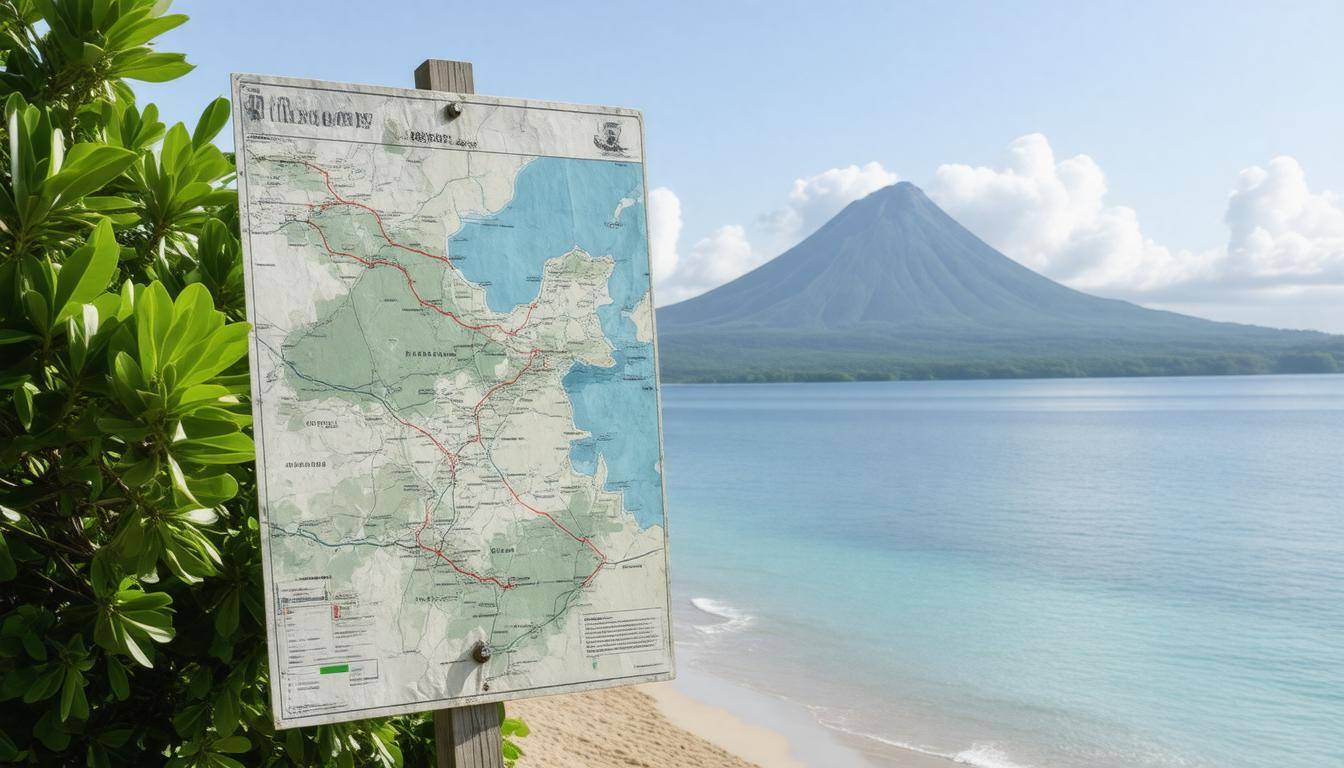
Tonga Volcanic Eruption Overview
The Hunga Tonga-Hunga Ha’apai volcanic eruption on January 15, 2022, marked a moment of profound significance within geological studies and disaster preparedness discussions. This cataclysmic event erupted with such force that it resonated throughout the atmosphere, generating shockwaves detectable as far away as the United States. This phenomenon was not just a local occurrence; it epitomized nature’s raw power and showcased the vulnerability of coastal populations.
As a testament to its severity, the eruption was assigned a Volcanic Explosivity Index (VEI) rating of 5. These ratings are critical because they allow scientists and disaster response units to assess potential dangers and prepare accordingly. To put it in context, a VEI of 5 signifies a large explosive event—akin to the infamous Krakatoa eruption of 1883 which forever changed the landscape of volcanic behavior study. The apex of this eruption occurred around 4:47 PM local time, following a series of preliminary rumblings starting on January 14 that hinted at the anguish brewing beneath the Earth’s crust.
Tsunami Impacts
The tsunami generated from this eruption serves as a stark reminder of how seismic activity can drastically transform sea levels in mere moments. In Tonga, waves reached extraordinary heights of up to 22 meters (72 feet) on Tofua Island alone. The impact was devastating, leading to four confirmed fatalities and an estimated $118 million USD in damages primarily from tsunami-related destruction. Each statistic is not merely numbers; they represent lives changed forever and underscore how quickly vulnerability can become reality.
Beyond immediate impacts, we need to consider what this tragedy revealed about our preparedness systems or lack thereof. For instance, scientific studies indicate that approximately 80% of populations living in coastal regions may not fully understand their risks when it comes to tsunamis. This calls for more robust public education initiatives aimed at enhancing community awareness and resilience against such threats.
Historical records remind us that volcanic eruptions have often led to tsunami occurrences. Therefore, it’s vital for communities situated near active volcanoes to prepare comprehensive evacuation routes and emergency response plans. Part of this readiness includes understanding elevation levels because low-lying areas are particularly susceptible. It’s widely recommended that during tsunami warnings, individuals should aim for an elevation at least 100 feet above sea level.
“Preparation is not just about preventing loss; it’s also about preserving lives.”
Such statements hold immense truth, emphasizing the importance of comprehensive disaster readiness strategies that include regular training drills orchestrated by local governments and community organizations. Added support could come from informative pamphlets distributed widely and mobile applications designed for real-time notifications during volcanic activity—which can save precious minutes during crucial moments.
Recognizing the invaluable lessons from disruptive natural events is essential for cultivating better safety measures moving forward. As we shift our focus now, it’s important to explore the historical context surrounding similar volcanic activities and their consequences across different regions.
Historical Tsunamis and Eruptions
While the Tonga eruption was particularly impactful, it’s essential to recognize that it fits into a long line of catastrophic natural events across history.
Take the Krakatoa eruption in 1883, for instance; it was a landmark disaster not just for its explosive power, but also for the tsunamis it generated. This eruption unleashed waves that soared up to 40 meters (131 feet), causing devastation across the region. The sounds of its explosion could be heard over 3,000 miles away! Most tragically, this led to over 36,000 fatalities—an enduring reminder of how powerful geological forces can be.
Another noteworthy event occurred with Mount St. Helens in 1980. Although this particular eruption didn’t trigger tsunamis per se, it caused landslides that significantly impacted nearby water bodies, alluding to how interconnected these geological phenomena can be. Each time we face such disasters, it underscores the unpredictability of nature and emphasizes the need for robust early warning systems and community preparedness.
In addition to Krakatoa and Mount St. Helens, several other volcanic eruptions throughout history have also caused significant tsunamis:
-
Santorini (circa 1600 BC): This ancient eruption created enormous tsunamis that influenced civilizations in the Mediterranean, highlighting how cultural histories can be altered by natural disasters.
-
Krakatoa (1883): As mentioned, this VEI 6 eruption was cataclysmic not just because of its deafening roar but also due to the tidal waves that made landfall with little warning.
-
Surtsey (1963-1967): Though more recent, Surtsey’s activities off Iceland added new insights into how volcanic eruptions interact with oceanic environments.
Understanding these historical contexts is crucial, especially in today’s world where coastal populations are expanding rapidly. Ignoring lessons from the past can lead to tragic consequences in light of insufficient preparedness.
These past events show the need for robust emergency alert systems and preparedness plans tailored specifically for volcanic activity along coastlines. Communities should engage residents in drills and education around tsunami preparedness—this engagement ensures that when nature strikes again, individuals will not just know what to do but have practiced it beforehand.
As we continue to explore safety measures, it’s important to understand how timely alerts and warnings can further bolster community readiness against unpredictable natural disasters.
Emergency Alerts and Warning Systems
The heart of any effective safety plan during volcanic eruptions and subsequent tsunamis lies within the Emergency Alerts and Warning Systems. These systems are designed to deliver timely warnings that can save lives, allowing communities to react swiftly when disaster strikes. When you think about it, timely and accurate alerts can truly make the difference between life and death.
For instance, let’s reflect on the 2022 Tonga eruption. The efficacy of the tsunami warning systems shone bright during this time; even with the eruption’s magnitude, effective communication and community preparation helped keep casualties remarkably low. This success underscores the importance of robust warning systems combined with public education.
How Modern Tsunami Warning Systems Work
Today’s warning systems utilize an intricate network of seismic sensors, ocean buoys, and satellite data. These tools work together to detect seismic activity as it occurs and monitor changes in ocean conditions that could indicate an impending tsunami. For instance, when a large earthquake is detected off the coast, seismic sensors rapidly communicate that data to analysts who evaluate whether a tsunami may follow.
It’s critical to stay informed about these alerts through local channels or NOAA updates. You’ll want to know how to decipher various warnings—such as “Watch,” which indicates a potential threat; and “Warning,” signaling immediate action is necessary.
A survivor from Mango Island once shared, “The warning system gave us crucial minutes to get to higher ground.” This serves as a powerful testimony regarding just how vital these alerts can be. Imagine hearing that quick alert; those few extra moments could mean finding safety on higher ground rather than facing danger.
However, we should recognize that for these advanced systems to function effectively, they must be complemented by strong infrastructural support. As we explore further, it’s essential to consider the frameworks that enhance our ability to monitor seismic activity effectively.
Infrastructure for Seismic Monitoring
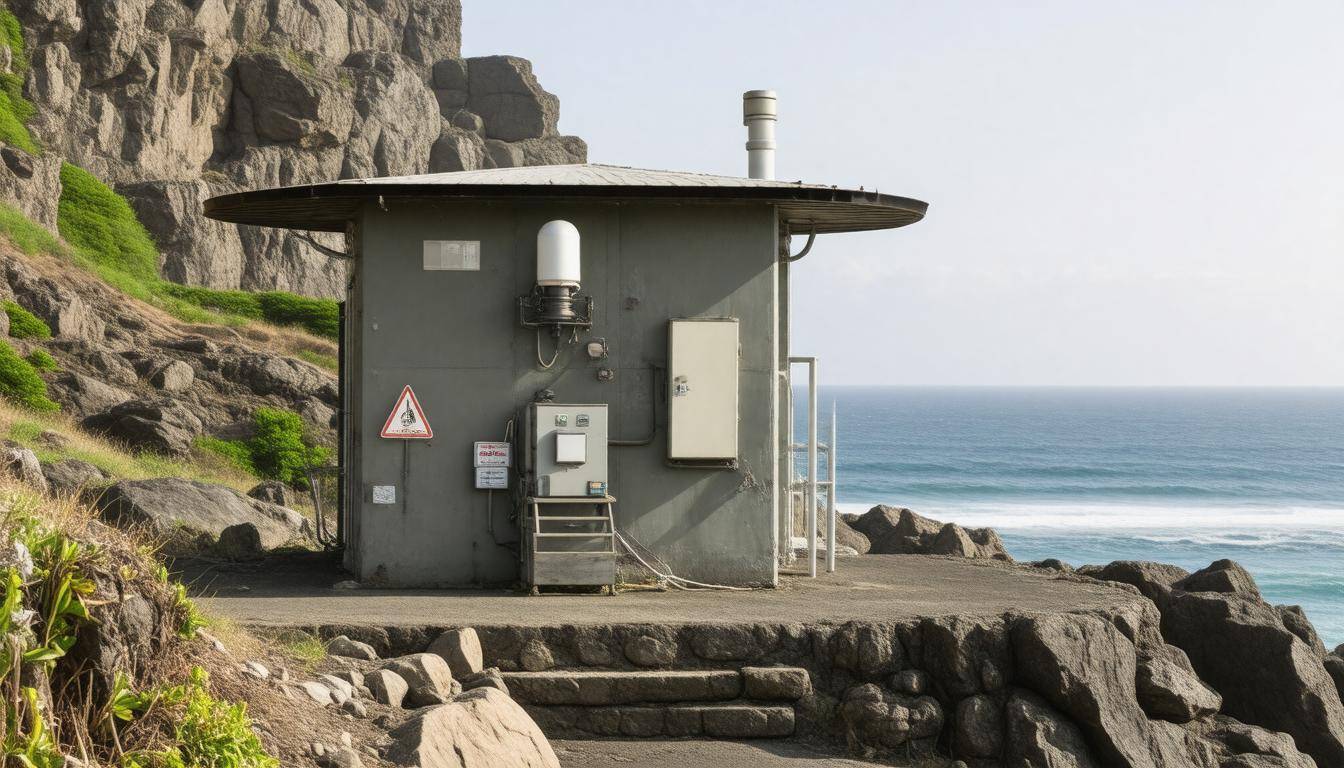
Reliable seismic monitoring infrastructure serves as our first line of defense against natural disasters like volcanic eruptions and tsunamis. Picture this: seismic stations dotted across landscapes, equipped with delicate instruments finely tuned to detect even the faintest vibrations or shifts in the earth. These can be as minuscule as a whisper compared to the roar of a full-blown eruption, yet they hold critical information locked within their readings.
Countries such as Japan and the United States have long recognized the importance of having extensive seismic networks to monitor volcanic activity. This proactive approach allows them to analyze ground movements in real-time, providing invaluable data that feeds into predictive models. For instance, when a subtle rumble hints at potential volcanic unrest, seismologists can begin to formulate alerts that, if heeded, may save countless lives.
The Tonga volcanic eruption of January 15, 2022, tested these systems against a real-world scenario, revealing not just strengths but also areas for improvement. Despite being far from the same scale as Japan’s systems, Tonga’s capability was reassuringly functional during the crisis. The infrastructure in place worked tirelessly behind the scenes, ensuring timely warnings reached communities before waves collided with shorelines.
Think of these seismic systems like fire alarms in your home. Without them, you might find yourself unaware of an impending disaster, and escape routes become a mere afterthought when time is critical.
Following such pivotal events emphasizes the need for communities worldwide to invest in their own seismic networks. Planning and funding for these infrastructures should be viewed not just as an expenditure but rather as an investment towards resilience—saving both lives and property. By universally enhancing these systems and creating strong inter-nation collaborations, responses to natural disasters get exponentially more effective.
Effective monitoring sets the stage for smooth evacuations; however, integrating comprehensive training and education about how to respond during emergencies based on lived experiences and data-driven insights is equally vital. Let’s explore how these aspects come together to ensure safety in times of crisis.
Effective Evacuation Plans
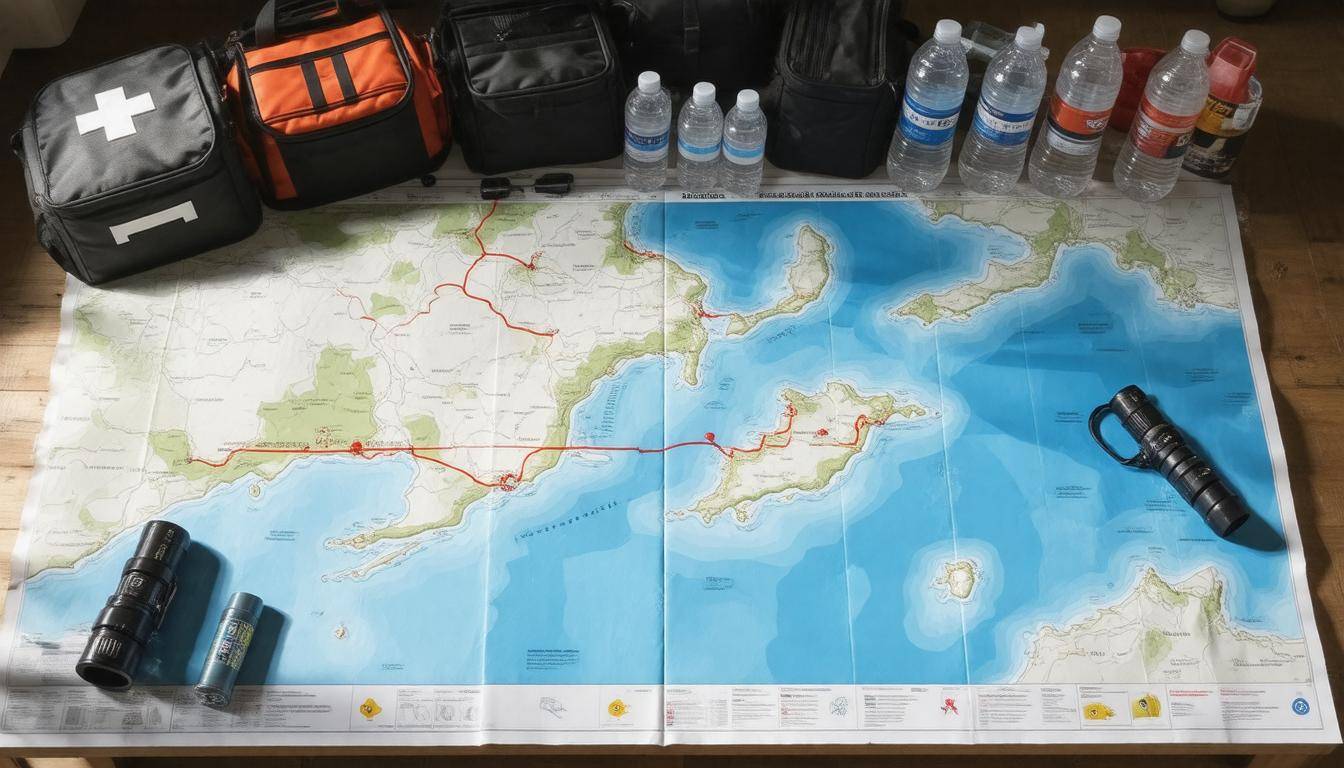
When the threat of a tsunami looms—especially following events like the Tonga volcanic eruption—having a well-structured evacuation plan is vital. It ensures communities can act swiftly and efficiently when time is of the essence. Central to any evacuation plan is the need to identify safe routes. These routes should lead individuals to higher ground or inward locations, away from coastal vulnerabilities.
Imagine standing at a community meeting discussing your plan: maps are spread out showing not just one path, but multiple, clearly marked routes that everyone can take.
Regular drills also play a crucial role in ensuring the success of these plans. Communities that practice evacuation procedures consistently find that familiarity breeds confidence. Conducting these drills allows residents to walk through scenarios, familiarizing themselves with the timelines and expectations.
In fact, studies highlight that communities engaging in routine disaster drills experience evacuation times that are 40% faster than those without such preparations. The practice can be as simple as organizing neighborhood walks along the safe routes to see them in action and identify potential obstacles.
“It’s not merely about knowing where to go; it’s about building muscle memory,” a local emergency manager once said.
Real-world applications of structured evacuation protocols during crises further illustrate their importance. During the Tonga eruption, communities with established evacuation strategies saw quicker and more organized responses, minimizing casualty numbers because people knew precisely what to do and where to go when they received alerts. Essential decisions were made quickly and effectively because they had practiced them beforehand.
However, an effective evacuation isn’t solely about having clear paths; ensuring public safety while responding to an eruption is equally paramount. As we explore measures for securing safety during natural disasters, it becomes clear how interconnected preparedness and response efforts are in safeguarding lives.
Public Safety During Eruption
When a volcanic eruption occurs, immediate safety measures become paramount. Residents are often caught off guard, and knowing what to do can make a significant difference. First and foremost, staying indoors is critical for safety. By sealing windows and doors, you can prevent harmful ash from infiltrating your living space. This simple habit can protect not only your home but also your health.
The ash produced during an eruption is abrasive, so wearing masks and goggles is essential to shield yourself from these particles, which can irritate the lungs and eyes. Ensuring that everyone in your household has protective gear ready is a proactive step that should not be overlooked. Preparation in these moments often translates to safety and well-being.
In addition to protective wear, having an emergency kit on hand is crucial. This kit should contain essentials like water, non-perishable food items, flashlights, and first-aid supplies. It’s beneficial to prepare this kit ahead of time because, in emergencies, every second counts. Take personal inventory now—do you have enough supplies for at least 72 hours?
Moreover, consider downloading mobile apps that offer real-time updates regarding the situation. These apps can provide critical information about evacuation routes or emergency alerts related to ashfall and lava flows. Understanding how to leverage technology during these crises enhances your preparedness significantly.
In moments of chaos, individual action is vital; however, it’s equally important to build a strong sense of community resilience.
Engaging with neighbors and local organizations can lead to more effective disaster response strategies. For instance, having designated meeting points where families can regroup after evacuating ensures that no one is left behind. Community drills focused on volcanic eruptions will not only enhance awareness but also strengthen bonds among residents.
Individual preparedness serves as a crucial foundation; however, community collaboration plays a significant role in amplifying response efforts and increasing overall effectiveness in times of crisis.
Role of Community and Government Collaboration
Community resilience thrives when local governments partner seamlessly with their residents. In Tonga, the recent volcanic eruption illuminated this truth, showcasing how partnerships built through mutual trust can save lives during moments of crisis. These collaborations revolve around sharing knowledge and resources, significantly bolstering the efficacy of emergency response efforts.
Historically, the scars of past disasters left an indelible mark on Tongan communities, prompting them to create robust networks between governmental agencies and citizens. Local leaders rallied together during times of need, recognizing that effective communication is essential for swift action. Residents trained in basic emergency protocols often stepped up as critical first responders, providing guidance and reassurance to neighbors during chaotic situations.
One of the most significant outcomes of these partnerships is the establishment of community-led initiatives supported by governmental frameworks. For instance, government agencies often provide training programs designed to equip community leaders with vital skills. This training leads to knowledgeable advocates within neighborhoods who can pass on crucial information about evacuation plans and safety measures to their fellow residents. Imagine a network where everyone knows what to do and where to go; this shared knowledge drastically reduces panic during uncertain times.
An excellent way to foster such an environment of preparedness is through the initiation of Community Emergency Response Teams (CERTs). These teams can be deeply ingrained in the fabric of neighborhoods, trained not only in first response tactics but also equipped with disaster management skills. Having members designated for specific roles during emergencies ensures a more organized approach, leading to improved outcomes for all involved.
“Effective collaboration between local authorities and communities not only enhances emergency response but can serve as a template for addressing long-term impacts as well.”
Beyond immediate responses, community engagement holds implications for environmental sustainability too. When collaboration is tight, there’s a greater focus on addressing prolonged effects—like those on ocean health—born from geological activity. This symbiotic relationship fosters awareness among residents regarding the interconnectedness of their actions on natural resources and public safety.
As communities and governments work hand-in-hand to navigate these challenges, we are prompted to consider how geological events influence not just immediate surroundings but also broader ecological systems.
Oceanic Impact and Environmental Response
The 2022 Hunga Tonga–Hunga Ha‘apai eruption was not just a local event; it sent ripples through the vastness of marine environments, triggering immediate and ongoing changes that warrant our attention. Volcanic eruptions, particularly when accompanied by tsunamis, can significantly disrupt marine ecosystems. The Tonga event highlighted how deeply interconnected our ocean health is with geological activities.
The force of the eruption displaced vast volumes of water, creating tsunamis that disturbed not only the surface but also the sediment layers beneath.
This disruption altered habitats for countless marine species. Local fisheries faced dramatic impacts as schools of fish migrated away from their usual breeding grounds. Coral reefs—known as the rainforests of the sea—also bore the brunt of the devastation. These underwater structures are crucial because they protect coastlines and provide a habitat for diverse marine life. As significant swaths were destroyed during the eruption, we witnessed firsthand the fragility of these ecosystems and the urgent need for restoration efforts.
In essence, addressing these seismic shifts in environment requires a concerted effort. Successful recovery relies on collaboration among international bodies, marine scientists, and local authorities who understand both the geographical challenges and ecological requirements of their regions.
Immediate and Long-Term Responses
To deal with the consequences effectively, a dual approach focusing on both immediate responses and long-term strategies is essential. Rapid assessments should be conducted in the wake of such an eruption to determine the extent of coral damage. Restoring these areas involves not just replanting corals but also implementing protective measures to minimize further degradation from factors like pollution or overfishing.
The following table outlines organized responses to specific impacts observed from the eruption:
| Impact | Immediate Response | Long-term Response |
|---|---|---|
| Coral Reef Damage | Assess and restore damaged areas | Implement marine conservation plans |
| Water Quality Issues | Immediate water testing and cleanup | Develop long-term pollution control systems |
| Disrupted Fisheries | Provide alternative livelihoods | Promote sustainable fishing practices |
Addressing water quality is also paramount. With sediment churned up by tsunamis potentially introducing harmful substances, immediate testing must be prioritized to ensure safety for local communities that rely on these waters for sustenance. Once initial clean-up operations are underway, attention should shift toward establishing long-term pollution control systems that monitor water quality regularly.
Importantly, communities themselves play a crucial role in these environmental narratives. Awareness programs can equip local fishers with knowledge about sustainable practices that benefit their livelihoods while actively protecting fragile ecosystems over time. By fostering a sense of stewardship towards their resources, these communities can help safeguard their natural habitats while ensuring economic stability.
Addressing these challenges not only helps restore ecological balance but underpins community resilience against future environmental shocks, safeguarding both human livelihoods and oceanic health alike.
In summary, it is vital to recognize that effective preparation and response plans strengthen not only our ecosystems but our communities as well. A proactive approach will pave the way for resilience against future disturbances.
What resources are available for educating the public about volcanic eruption and tsunami preparedness?
Resources for educating the public about volcanic eruption and tsunami preparedness include government websites like the U.S. Geological Survey (USGS), which offers detailed guides and educational materials. Additionally, organizations such as the National Oceanic and Atmospheric Administration (NOAA) provide emergency preparedness plans and awareness campaigns. According to FEMA, communities that engage in regular disaster preparedness training and drills can improve their response time by up to 30%, emphasizing the importance of accessible, well-structured information for public safety.
What specific steps should residents take during a volcanic eruption or tsunami warning?
During a volcanic eruption or tsunami warning, residents should immediately evacuate to higher ground, as tsunamis can strike within minutes of an eruption. It’s crucial to have a family emergency plan and a designated meeting place that is at least 100 feet above sea level. Staying informed through local news and alerts can significantly enhance safety; for instance, according to national statistics, communities with effective communication systems have reported up to 30% lower casualty rates during such disasters. Always pack an emergency kit with essentials including food, water, and first aid supplies, which can make all the difference in a critical situation.
How does Tonga’s government coordinate disaster response efforts during these events?
Tonga’s government coordinates disaster response efforts during volcanic eruptions and tsunamis through the National Emergency Management Office (NEMO), which collaborates with various stakeholders including local communities, non-governmental organizations, and international agencies. This multi-agency approach ensures a cohesive response strategy that leverages resources effectively. For instance, in the wake of the Hunga Tonga-Hunga Ha’apai eruption in January 2022, NEMO mobilized quickly to assess damage and provide aid to affected areas, demonstrating their capacity to respond swiftly under pressure. Effective communication channels and regular training exercises further enhance preparedness and responsiveness among officials and citizens alike.
How can communities engage in creating or improving their local disaster response plans?
Communities can engage in creating or improving their local disaster response plans by organizing workshops and training sessions that involve residents in identifying risks, resources, and effective communication strategies. Collaborating with local authorities and emergency services ensures a comprehensive approach, while regular drills can enhance preparedness—research indicates that communities that conduct such exercises can reduce response times by up to 30%. Collective participation fosters a sense of ownership and responsibility, making it more likely for individuals to follow through with emergency protocols when faced with actual threats like volcanic eruptions or tsunamis.
Are there any recent case studies illustrating successful disaster management in Tonga?
Yes, recent case studies illustrate successful disaster management in Tonga, particularly following the Hunga Tonga-Hunga Ha’apai eruption in January 2022. The Tongan government implemented an effective response plan that included timely evacuations and robust community awareness programs, which were crucial in minimizing casualties. Statistics show that while the eruption generated a significant tsunami threat, only 3 fatalities occurred, showcasing the effectiveness of preparedness measures. Additionally, international aid and local resilience played key roles in quick recovery efforts, further emphasizing the importance of strong disaster management frameworks.