
Flooding is a real threat in Trinidad and Tobago, especially during the rainy season when heavy rains can cause rivers to overflow and streets to become canals. It’s easy to overlook how quickly things can change, but staying prepared is the best way to protect yourself and your loved ones. By creating a Flooding Preparedness Kit filled with essential supplies—everything from water and food to first aid items—you can ensure you’re ready for whatever comes your way. Whether it’s a minor inconvenience or a major emergency, being proactive can make all the difference, keeping you safe and calm when faced with flooding situations.
Your Trinidad & Tobago Flooding Preparedness Kit should include essentials such as water, non-perishable food, a first aid kit, important documents, flashlights with extra batteries, a multi-tool, and personal hygiene items. Additionally, it’s wise to include local emergency contacts and a portable phone charger to ensure you stay informed during flooding situations.
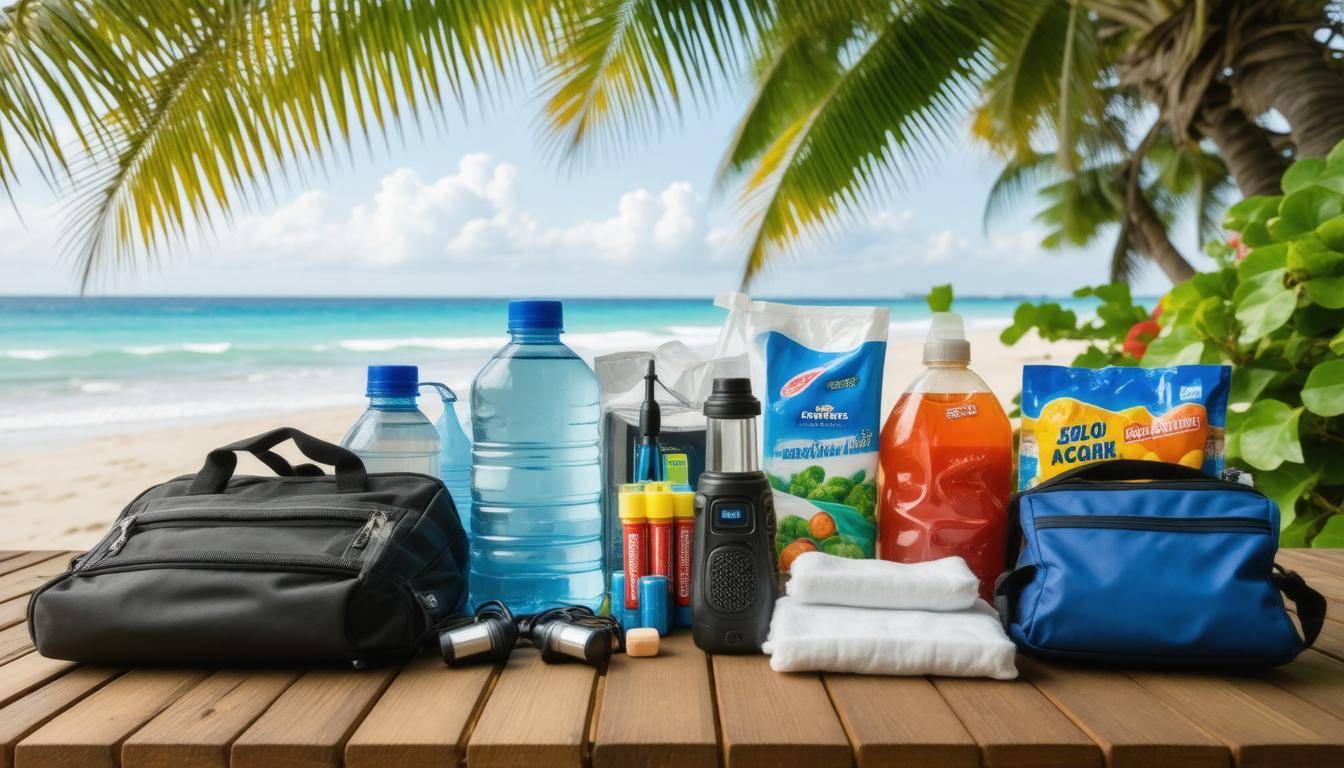
Essential Survival Supplies for Floods
As you start assembling your flood preparedness kit, think of it as your personal safety inventory. The goal is not only to survive but also to keep day-to-day discomfort at bay during an emergency situation.
It all starts with food and water, the cornerstone of your survival kit. Ideally, you should pack at least a three-day supply of non-perishable food. Canned goods, nuts, and high-energy protein bars are fantastic options. They provide the necessary energy while being easy to store. The key here is to select items that you and your family enjoy eating; the last thing you want during a crisis is to face unappetizing options.
Try choosing:
- High-energy foods like nut butters or granola bars.
- Fruits in syrup or packs of dried fruits which can uplift spirits.
- Comforting meals, such as beef stew or chili, that come in cans and can be easily heated up when the time comes.
Now that we’ve covered the basics of sustenance, let’s focus on health and safety.
Medical Supplies
Another vital aspect of your kit should be medical supplies. Having a first-aid kit filled with basic medical necessities is crucial during flooding emergencies when healthcare facilities may be inaccessible.
Beyond just band-aids and antiseptics, make sure you incorporate any prescription medications into your kit—at least a week’s worth if possible. Over-the-counter pain relievers and other essentials are equally important.
In 2018, many families experienced alarming difficulty accessing necessary medications due to pharmacies closing down indefinitely. Their stories highlighted how preparation could have made all the difference.
As we dive deeper into the essence of flood preparedness, tools and safety equipment come next.
Tools and Safety Gear
It’s time to equip yourself with tools that can aid both survival and safety during flooding events. A reliable flashlight with extra batteries is crucial as power outages commonly accompany severe weather.
Whether you’re navigating a darkened home or signaling for help, visibility is essential. You might also consider carrying a multi-tool or Swiss Army knife. This versatile tool can help with various tasks—everything from opening cans to making minor repairs.
Adding waterproof matches will ensure you can light up a fire or stove even amidst wet conditions, contributing additional warmth when days turn cool. When situation calls for it, having a whistle on hand allows you to signal for help without straining your voice—a small detail that could prove significant in an emergency.
Finally, don’t overlook practical items like local maps and a manual can opener, as they could make things much easier if electronic devices fail or become unusable.
Preparing wisely can instill confidence and peace of mind, ensuring that you’re ready for whatever comes your way during these unpredictable times. This proactive approach leads seamlessly into our next discussion about the specific components you should include in your flood preparation kit.
Preparing Your Flood Kit
Now, let’s explore the specifics of preparing your flood kit to optimize its functionality during a crisis. The first step begins with choosing the right container. Ideally, you want something that is not just waterproof but also durable and easy to transport. A sturdy backpack or duffle bag can provide the perfect balance between protection from water and portability, allowing you to grab it quickly if evacuation is necessary. Remember, time is of the essence during floods—your ability to respond quickly can make a significant difference.
Once you’ve secured your container, it’s time to think about how to pack it strategically for maximum efficiency.
When packing your kit, consider the weight distribution carefully. Start by placing heavier items like canned food and larger bottles of water at the bottom; this creates a stable base. Then, stack lighter items such as medical supplies and batteries on top where they are easily reachable. Utilizing ziplock bags is a smart move not only for organizing but also for adding an extra layer of waterproofing to smaller items like matches or personal documents. A common challenge during a flood can be identifying essential items in low light or chaotic conditions, so being organized gives you a leg up.
One local resident recalled how his well-organized flood kit made a significant impact during the 2019 floods. When power was out and chaos erupted, he was able to locate vital items like flashlights and medication without delay—a testament to the value of thoughtful preparation.
As you’re packing your kit, don’t forget to label everything clearly for quick access.
Labeling might seem like a small detail, but it holds tremendous importance in an emergency setting. Each ziplock bag should have contents labeled simply yet effectively; consider using a permanent marker to note what’s inside. This allows anyone in your household—especially children or elderly family members—to find what they need without confusion or frustration amidst stressful times. Having labels can save precious minutes when every second counts.
Now that we understand how to prepare an effective flood kit, let’s examine other crucial aspects of staying safe during unpredictable weather situations.
Safety and Weather Preparedness
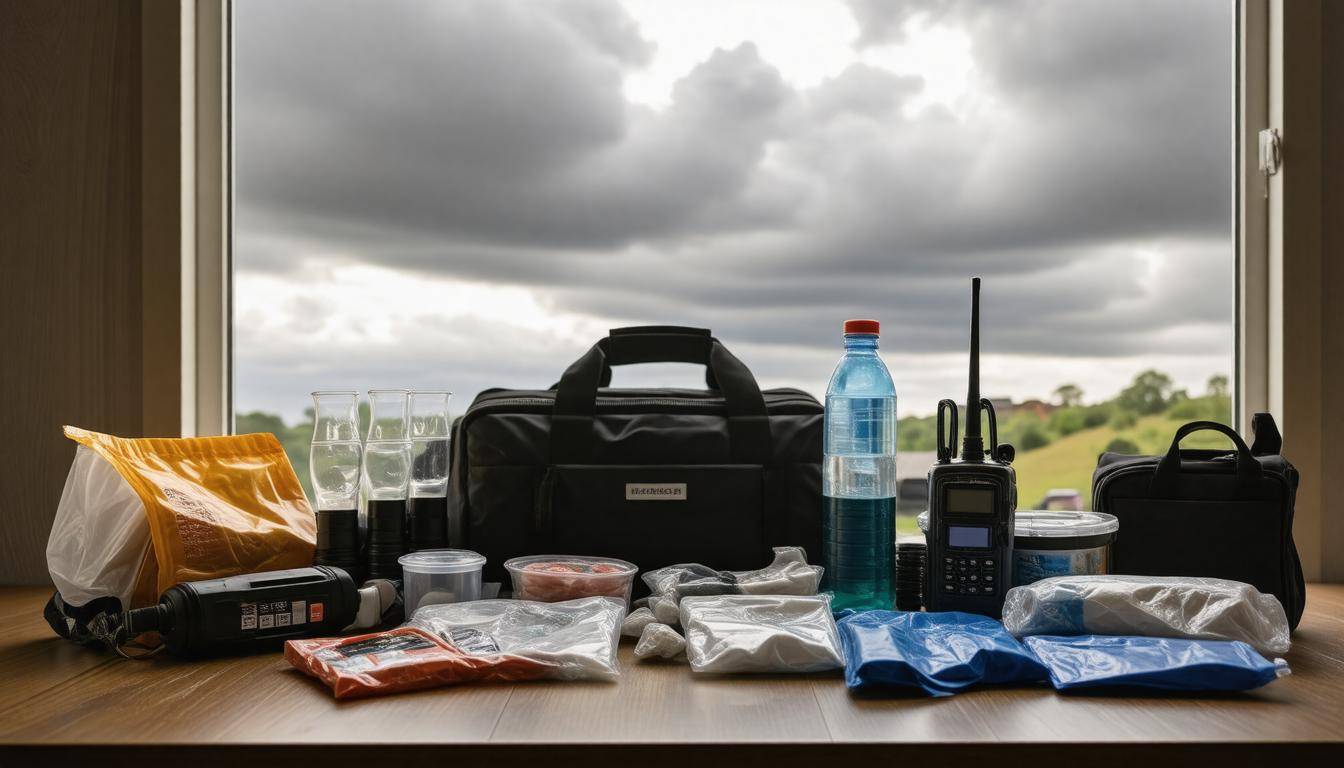
Flood safety reaches far beyond possessing a well-stocked survival kit; understanding weather patterns can make all the difference when emergencies arise. Staying vigilant about current weather conditions is your first line of defense against unexpected flooding. This means developing a habit of checking reliable weather sources, such as local meteorological services, to keep everyone in your household updated. Imagine the peace of mind that comes from knowing you are prepared.
Monitoring Weather Updates
Regularly check local weather updates through the Trinidad & Tobago Meteorological Service. Their website provides accurate forecasts and warnings, while specific weather apps on your smartphone can help ensure you’re receiving real-time alerts tailored to your location.
| Platform | Update Frequency | Reliability |
|---|---|---|
| Local TV News | Twice Daily | High |
| T&T Meteorological App | Real-time | Very High |
| Social Media Alerts | Hourly | Medium |
Utilizing this information not only keeps you informed but also empowers you to make critical decisions for your family’s safety without delay. If rain begins to fall heavily, and the forecast predicts worsening conditions, you might consider evacuating early or preparing those supplies in your flood kit sooner rather than later.
Identify Safe Zones
Knowledge about safe zones is essential too. It is crucial to know the safest routes to higher ground in your area, as well as potential community shelters that can provide refuge during an evacuation. Spend some time mapping these safe zones prior to any weather emergencies. Picture this: You’re with your loved ones at home when heavy rains become severe and flood warnings sound. By having clear knowledge of nearby shelters and routes, you can evacuate efficiently when the time comes.
Incorporate these routes into your family emergency plan. Discuss them often so everyone knows their role and response should disaster strike. A practiced approach will enable quick action and reduce anxiety during tumultuous situations, ultimately keeping everyone safer in the face of nature’s unpredictability.
Staying informed and knowing your surroundings creates a sense of readiness that no stockpile alone can match. Combine preparedness with active monitoring, establishing a solid foundation for keeping yourself and your loved ones safe during a flood event in Trinidad & Tobago.
With this knowledge in hand, you’re now ready to take the next vital step of creating a comprehensive strategy that ensures clarity and organization within your household when faced with emergencies.
Building a Family Emergency Plan
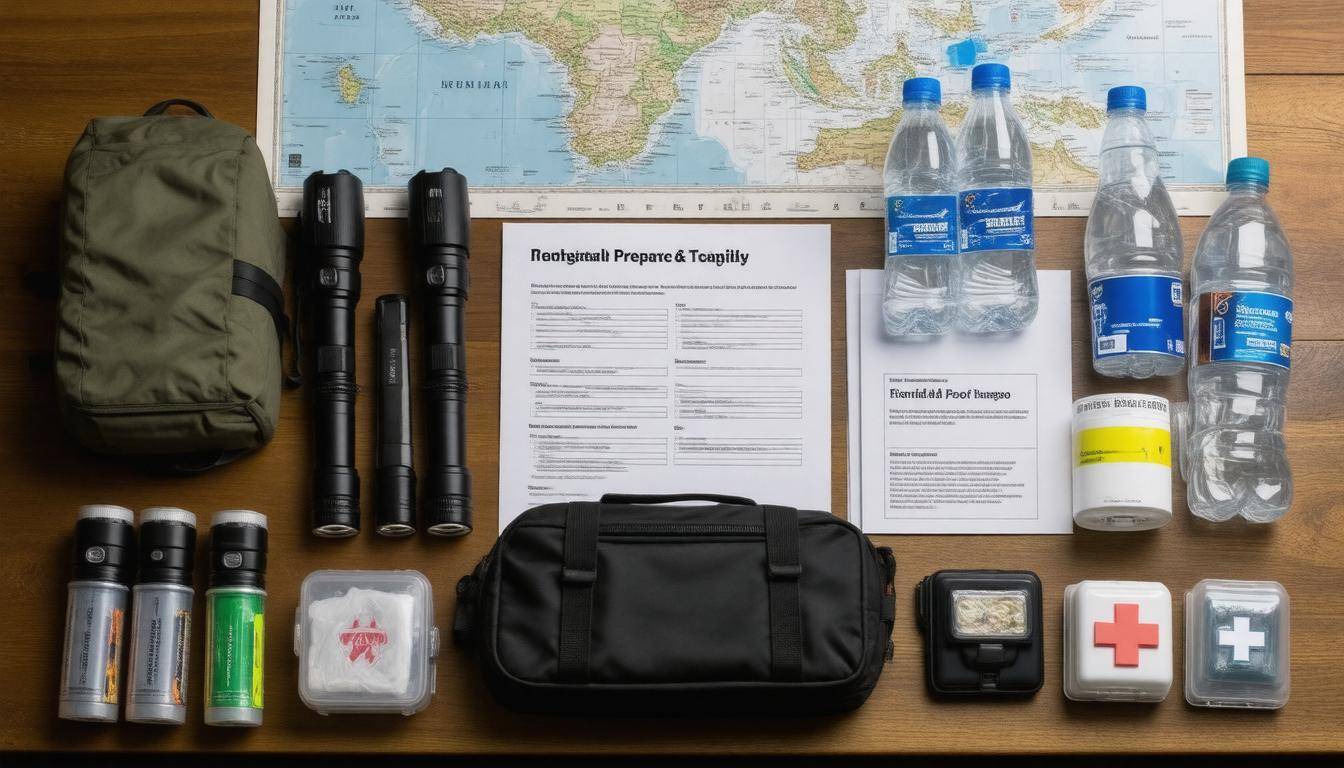
Creating an emergency plan ensures that every family member knows exactly what to do in the event of a flood. Your first step should involve role assignments. This means informing everyone about their responsibilities in emergencies, making it easier to function as a cohesive unit during stressful situations.
For instance, you might designate one family member to gather the emergency kit while another monitors the safety of vulnerable individuals, like young children or senior relatives. These role assignments help streamline your response and alleviate confusion when quick decisions are needed.
Once roles are assigned, consider where your family can regroup in case you become separated.
Meeting Points
Designating meeting points both inside and outside your neighborhood is a critical step in your emergency plan. Think of it as a fire drill, but tailored for floods. Ideally, your outside meeting point should be at a safe distance away from flood-prone areas—somewhere elevated such as high ground or a community center. This makes it easier to account for everyone after any evacuation and reduces anxiety since you know exactly where to find one another.
After establishing meeting points, the next vital component involves regular practice.
Practice Drills
Running through your plan regularly allows your family to stay sharp and prepared. Although this may seem tedious, consider it an investment in peace of mind. Regularly practicing the steps of your emergency plan will help everyone remember their roles, leading to quicker, more practiced responses during actual situations.
As circumstances change—like welcoming new members to your household or modifying your living arrangements—it’s important to update your plan accordingly. Remember that practice makes perfect, so holding drills not only ensures that everyone remains calm under pressure but also significantly reduces panic when disaster strikes.
Understanding and implementing these strategies ensures greater preparedness for unexpected flood events. Let’s now shift our focus to how effective communication can enhance safety and coordination during such emergencies.
Communication in Times of Floods
Clear communication is vital during flood events to keep everyone safe and informed. When disaster strikes, whether it’s a sudden rise in water levels or an impending storm, knowing how to stay connected becomes crucial. Traditional phone lines and cell towers may become overloaded or even go down entirely, leaving families feeling cut off from essential information.
Alternative Communication Methods
To maintain contact with loved ones and access vital updates, consider investing in battery-powered or hand-crank radios. These devices can provide emergency broadcasts and weather updates directly from official sources, ensuring you have accurate information as conditions change. Furthermore, they are invaluable when your regular power supply fails, thus offering peace of mind during troubling times.
Walkie-talkies are also a smart option for short-range communication with family members. They come in handy, especially if you’re separated while trying to evacuate or gather supplies. Just remember to check their range ahead of time to ensure they will serve your needs effectively.
Understanding how to contact emergency services when traditional methods fail is another critical aspect of your flood preparedness kit. Keep a list of emergency numbers written down and accessible—this could include local police, fire departments, and rescue services. In some areas, you might have access to SMS services or social media platforms that continue to function when voice calls don’t.
Drawing from past experiences, during the severe floods in Chaguanas in 2017, many residents reported that hand-crank radios were their primary source of information when cell towers were down. Those who had taken steps to establish alternative forms of communication found themselves better equipped to navigate safety challenges.
It cannot be stressed enough how essential it is to remain informed during flooding incidents. From understanding evacuation routes to receiving alerts about flash floods or landslides, having a reliable means of communication makes all the difference.
With the right tools and strategies in place, you can enhance your safety and readiness for potential flooding situations while also keeping your loved ones informed as circumstances evolve. Moving forward, let’s examine the key actions and essential items that should comprise your overall preparedness plan.
Final Steps and Checklist for Preparedness
Creating a Checklist
A final checklist can be one of the most significant aspects of your flood preparedness plan, serving as a reliable safeguard to ensure that nothing slips through the cracks when time is of the essence. As you finalize preparations, reflect on family dynamics and clarify each member’s specific role during an emergency. It’s essential that everyone understands what they need to do, whether that includes gathering supplies, moving to safety, or communicating with others.
With this in mind, take a look around your home and confirm that all supplies are not only gathered but also current. Check expiration dates on food items and medical supplies. There’s no advantage in having first aid kits or provisions that can’t serve you when needed. And let’s not forget the waterproof container! Ensure it’s sealed properly to protect everything inside from moisture.
Community Considerations
Once your individual preparations are in place, turn your attention to your neighbors, as community preparedness can significantly benefit everyone involved. Inform those nearby about your readiness plan; they might have valuable insights or resources of their own. From sharing evacuation routes to offering mutual assistance during a crisis, these conversations can enhance the collective safety of your immediate area.
Engaging with your community leads to a more robust response during emergencies since locals who know each other often respond faster than outside agencies. Whether it’s a simple communication exchange or forming small groups for shared responsibilities, fostering such connections creates a powerful safety net when disaster strikes.
As you take these critical steps towards personal and communal preparedness, it’s equally important to understand how to adapt and stay informed as flooding situations evolve. This knowledge will equip you with the tools necessary to navigate any unfolding scenario effectively.
Staying Informed and Adapting to Flood Situations
Once a flood situation arises, having real-time information can be the difference between safety and danger. It’s essential to stay connected with reliable sources. One of the first actions you can take is to subscribe to SMS alerts from local authorities. These messages often provide crucial updates about weather conditions, evacuation routes, and shelter locations. This direct line to accurate information helps you make quick, informed decisions during an emergency.
Social media can also play a role in keeping you updated when disaster strikes; however, it is vital to focus on reputable news sources. Major news organizations often have dedicated teams tracking weather events. Engaging with their updates through platforms like Twitter can help guide you toward critical information faster. Always double-check facts, especially if they’re shared by unofficial sources, as misinformation can lead you astray in times of crisis.
The fluid nature of emergencies means your plans may need to change at a moment’s notice.
Flexible Plans
When facing unexpected circumstances during a flood, it’s essential to remain flexible and ready to adjust your plans. Prioritize safety above all else; this means being prepared to shift gears depending on new developments in your area or advice from local authorities.
Imagine your preparedness plan as a living document—one that requires constant updates in response to current conditions. Just like an athlete must adapt their training based on progress and changing goals, being adaptable allows your emergency measures to evolve appropriately too.
If heavy rainfall begins unexpectedly or if a warning is issued shortly after you’ve made initial arrangements, don’t hesitate to reassess your situation quickly. Pack up essential items swiftly or evacuate if necessary, ensuring that each choice reflects the most current information available. Remember: your strategies should breathe; they should be dynamic enough to respond effectively when needed most.
Understanding how to navigate these shifting circumstances will empower you as you prepare for other natural challenges ahead.
Protection and Planning for Hurricanes
Trinidad & Tobago sits in a region vulnerable to hurricanes, making it crucial for residents to take proactive steps in their hurricane preparations. When we think about protection, it’s essential to consider both short-term supplies and long-term strategies that can significantly mitigate damage and enhance safety during severe weather events.
Double Duty Supplies
First on the list is ensuring your flood kit is equipped with double duty supplies that cater to hurricane situations. This means not just packing essentials like water and food but also including items like extra tarps and sandbags, which are invaluable before, during, and after a storm. You might also want to pack battery-powered lights, flashlights, portable chargers, and non-perishable snacks. The goal here is versatility; items should serve multiple purposes when the weather turns nasty.
Remember, the Atlantic hurricane season peaks from June to November, so aligning your preparedness efforts with these months is both practical and wise. A well-rounded supply kit will help you tackle flooding, power outages, and even evacuations with ease.
Long-Term Safety Plans
Beyond immediate supplies, consider systemic structural improvements to your home. If you live in high-risk zones prone to flooding or hurricane damage, upgrading to raised foundations or using flood-resistant materials can offer substantial protection. For instance, using permeable pavers for driveways can reduce flooding risk while enhancing drainage around your property.
Investing in comprehensive home insurance that specifically covers flood and hurricane damage also plays a critical role in long-term safety. This investment helps mitigate potential financial burdens after disasters while giving you peace of mind knowing that your home can be restored if disaster strikes. Comprehensive planning includes considering the installation of storm shutters or reinforced garage doors designed to withstand strong winds.
By cohesively linking these short-term measures with long-term strategies, you’re creating a holistic approach to flood and hurricane preparedness tailored specifically to the unique challenges of Trinidad & Tobago. Embracing both aspects prepares you not just for an immediate crisis but for sustained safety long after the storm has passed.
In preparing your home and yourself for hurricanes, you’re taking essential steps towards ensuring safety and resilience amidst nature’s unpredictability. Prioritizing both immediate supply needs and long-term structural strategies creates comprehensive protection against potential disasters.
Are there local resources or organizations that provide assistance or information regarding flooding preparedness in Trinidad & Tobago?
Yes, there are several local resources and organizations in Trinidad & Tobago that provide assistance and information regarding flooding preparedness. The Office of Disaster Preparedness and Management (ODPM) is a key agency that offers guidelines and resources for citizens to prepare for flooding events. Additionally, various community-based organizations work closely with ODPM to disseminate information on emergency plans and kits. According to reports, around 40% of Trinidad & Tobago’s population lives in flood-prone areas, highlighting the importance of these preparedness initiatives.
What steps should I take to ensure my family and pets are safe during a flooding event in Trinidad & Tobago?
To ensure your family and pets are safe during a flooding event in Trinidad & Tobago, first, create an emergency plan that includes evacuation routes and a communication strategy. Assemble a Flooding Preparedness Kit with essentials like water, non-perishable food, medications, and pet supplies. Elevate important documents and valuable items above potential flood levels. According to the Caribbean Disaster Emergency Management Agency (CDEMA), timely action can significantly reduce risk, as many flood-related incidents occur within rapid weather changes—being proactive is crucial for safety.
What specific items should be included in a flood preparedness kit for Trinidad & Tobago?
A flood preparedness kit for Trinidad & Tobago should include essential items such as non-perishable food, bottled water (at least one gallon per person per day for three days), a first aid kit, flashlight with extra batteries, a battery-operated or hand-crank radio, essential medications, personal hygiene items, important documents in waterproof bags, and sturdy footwear. In 2018, Trinidad experienced significant flooding that impacted thousands of residents, highlighting the importance of being prepared. Having these supplies ready can ensure safety and quick recovery during emergencies.
How can I tailor my flooding preparedness kit to suit the unique climate and geography of Trinidad & Tobago?
Tailor your flooding preparedness kit for Trinidad & Tobago by including items specific to its tropical climate, such as waterproof bags for important documents, insect repellent, and a first aid kit for potential injuries from debris or wildlife. Given that Trinidad experiences an average annual rainfall of about 2,500 mm, prioritize water purification tablets, non-perishable food that withstands humidity, and sturdy footwear for navigating flooded areas. Additionally, since the geography includes both urban and rural settings, consider including essential items for family members with differing needs, like medications or baby supplies, to ensure comprehensive preparedness across diverse situations.
How often should I review or update my flooding preparedness kit to ensure it remains effective?
You should review and update your flooding preparedness kit at least twice a year, ideally before the rainy season begins in Trinidad and Tobago. This ensures that all items are in working condition, food and water supplies are not expired, and any new recommendations or local hazards are considered. Studies show that regular reviews can improve readiness by up to 30%, decreasing response time during emergencies and enhancing overall safety for you and your family.