
Emergencies can strike without warning, turning a typical day on campus into a scramble for safety. Whether it’s a sudden storm, a health crisis, or an unexpected security threat, being prepared is essential for all university students and staff. Planning ahead can mean the difference between chaos and calm in high-pressure situations. In this guide, we will explore the vital components of a University Campus Emergency Plan, showcasing how to create a thriving culture of safety through clear procedures, regular training, and effective communication. Let’s dive into what makes a solid plan that keeps everyone informed and ready to respond when it counts.
A comprehensive University Campus Emergency Plan should include procedures for various types of emergencies, clearly defined roles and responsibilities for faculty and staff, communication protocols to alert the campus community, evacuation plans, and access to mental health resources. It is also crucial to engage in regular training drills and update the plan annually based on emerging risks and incident responses to ensure preparedness.
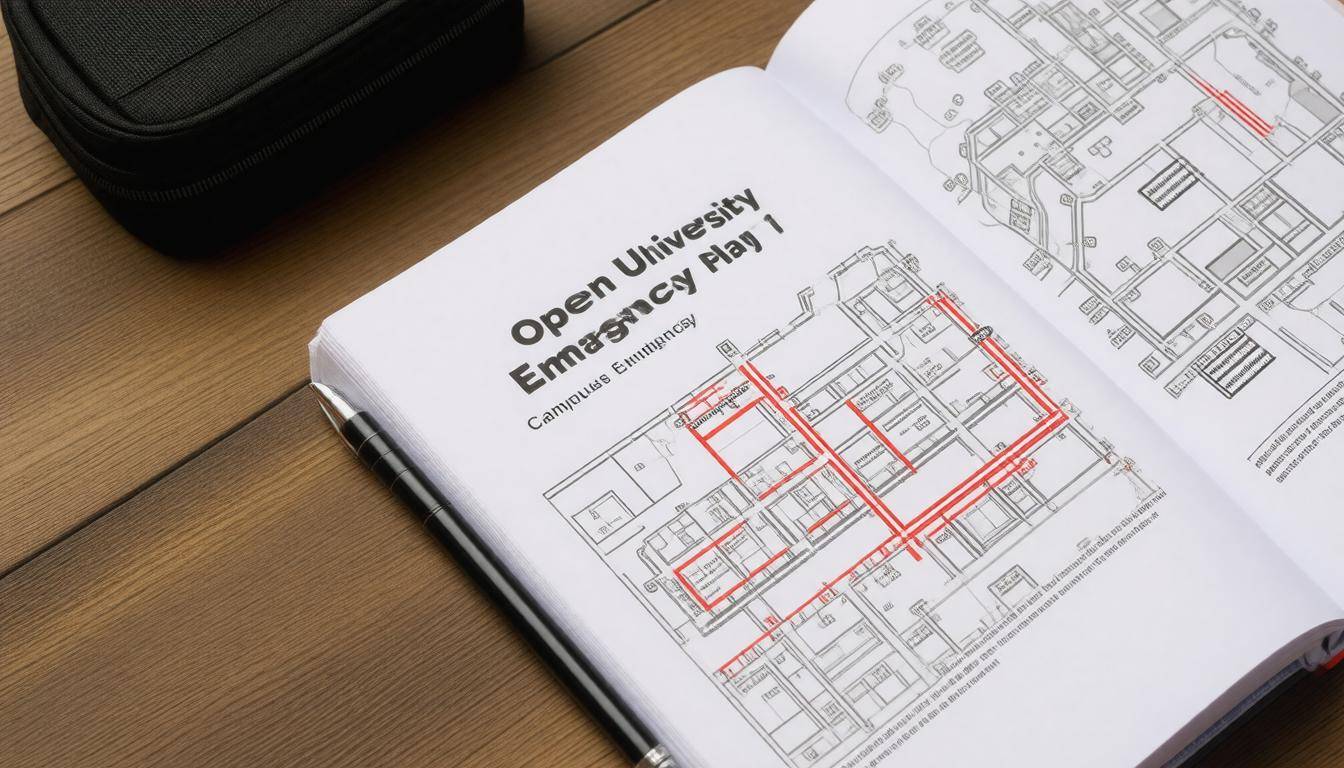
The Importance of a University Campus Emergency Plan
A well-thought-out university campus emergency plan serves as a lifeline during crises. It outlines essential procedures and fosters an environment where everyone knows their roles and responsibilities, enhancing coordinated responses when disasters strike. Regular drills and training sessions ensure that students, faculty, and staff are familiar with these procedures, reducing confusion and hesitation when seconds count. In fact, 85% of campus safety officials believe that ongoing training improves overall safety, making these plans indispensable.
One of the key aspects of an effective emergency plan is anticipating various scenarios that could affect the campus.
Emergencies encompass a broad spectrum—natural disasters like floods or hurricanes, health crises such as disease outbreaks, and security threats including active shooter situations. Comprehensive planning prepares the institution for these challenges while cultivating resilience among students and staff. Studies indicate that over 60% of emergency incidents on campuses relate to natural disasters. Engaging in proactive measures can significantly mitigate associated risks.
Furthermore, having a structured communication strategy is crucial for successful implementation.
Effective communication channels, such as text alerts or mobile applications, play a pivotal role in keeping the campus community informed during emergencies. Research shows that 70% of students prefer receiving notifications through mobile apps. When individuals know what to expect and how to respond, panic decreases, leading to better outcomes. Establishing updated emergency contact lists is essential; surveys reveal that more than 30% of students do not know whom to contact during an emergency.
Periodic reviews of the emergency plan are equally essential for ensuring effectiveness.
Institutions should commit to annual evaluations of their plans or review them following notable incidents. This allows campuses to incorporate lessons learned into future strategies and adjust protocols based on new insights or changing circumstances. According to experts from the National Association of College and University Business Officers, such iterative improvements can bolster preparedness dramatically—universities with engaged planning processes report up to a 50% reduction in response times during emergencies.
With these foundational elements in place, it becomes critical to understand the specific types of situations that could arise on college campuses.
Identifying Potential Emergencies
A university campus serves as a lively hub for learning, engagement, and occasional challenges, making it essential to prepare for various emergencies. From natural disasters like earthquakes and floods to human-caused events such as active shooter situations or cyber-attacks, each scenario poses unique threats that require tailored responses. It’s crucial to recognize the wide range of potential emergencies because they can disrupt the educational environment and, more importantly, affect the safety of students, faculty, and staff.
The primary categories of emergencies you should be aware of include:
-
Natural Disasters: These encompass events like earthquakes—with over 20,000 occurrences in the U.S. each year—hurricanes (approximately 12 named storms annually), and floods caused by heavy rain or snowmelt. Each of these can lead to significant disruption on campus if not properly prepared for.
-
Health Crises: Consider pandemics and outbreaks of infectious diseases, such as flu viruses that have dramatically impacted attendance rates. By preparing for health-related events, campuses can ensure protocols are in place to protect their communities.
-
Human-caused Events: These include threats from active shooters—a distressing reality with a significant increase in incidents from 2016 to 2020—and cybersecurity challenges such as data breaches. Additionally, hazardous material spills may occur if labs or facilities aren’t carefully monitored.
Step-by-Step Risk Assessment
Conducting a thorough risk assessment is an effective way to identify potential emergencies on your campus. This involves several key steps that should not be overlooked.
First, analyze historical data involving past incidents at your institution and similar ones nearby. Gathering insights about what has transpired previously informs current strategies—for instance, if a certain campus experienced flooding after heavy rainfall prior, it’s wise for another institution located similarly to factor flood preparedness into its planning.
Second, consulting weather patterns is crucial. For example, a campus situated in California will need heightened earthquake preparedness considering its geographic risks. By acquiring this data, universities can prioritize which emergencies warrant immediate attention.
Finally, engaging with local authorities can offer additional perspectives on vulnerabilities based on community experiences and expertise. Collaborating with first responders can enrich the university’s strategic approach while fostering strong partnerships essential during emergencies.
Once these potential risks are thoroughly identified and understood, it is essential to outline roles clearly to ensure efficient management when these situations arise.
Designating Key Personnel
In the complex world of campus emergencies, having a well-defined set of roles ensures that responses are not only swift but also effective. This is particularly true in universities, where thousands of students, faculty, and staff can be affected by a crisis in a moment’s notice. Think of it like assembling a dedicated team of superheroes, each with their unique powers ready to tackle different challenges.
Roles and Responsibilities
Start by identifying essential roles such as the Incident Commander, who oversees the entire response strategy, making pivotal decisions about evacuation methods or lockdown procedures. Next is the Public Information Officer, responsible for communicating vital information to all stakeholders, including students, families, and the media. Their role becomes crucial during a crisis when misinformation can spread rapidly. Additionally, consider appointing an Operations Coordinator to manage logistics—everything from securing safe transport routes to coordinating with local emergency responders.
It’s imperative that these roles come with clearly defined responsibilities so that each person knows exactly what is expected of them during an emergency. For instance, the Incident Commander must establish protocols quickly while the Operations Coordinator prepares resources and supplies for whatever might come next.
However, it’s not just about assigning roles; it’s equally important to ensure that communication systems are robust and efficient.
Communication should never be an afterthought. Establishing streamlined channels—whether through mass notification systems, text alerts, or social media—helps keep everyone informed in real-time. For example, at universities where students often rely on mobile applications for updates, having a dedicated Communication Liaison trained to relay messages effectively makes all the difference.
“In any crisis, clarity trumps chaos.” This adage rings true; students won’t benefit from unclear directives if they don’t know where to go or who to contact during emergencies.
Remember to update these contact lists annually and after any significant incident; this practice ensures accurate information dissemination during an emergency. Keeping contact data up-to-date is vital since surveys have shown that over 30% of students are unaware whom to contact in crises.
Proper training for designated personnel cannot be overstated either. Conduct regular drills that not only simulate various scenarios but also involve coordination among your key personnel. By practicing these emergency responses together, your team will become proficient in executing their tasks under pressure.
As you move forward with your planning efforts, it’s essential to address how individuals will safely relocate or remain sheltered during various situations requiring immediate action.
Evacuation and Shelter-in-Place Procedures
The very essence of an effective emergency plan rests in its evacuation and shelter-in-place protocols. By clearly defining these steps, universities can significantly reduce panic and confusion, ultimately saving lives when it matters most. Imagine that you’re situated in the middle of your lecture when suddenly there’s an alarm—this is where practicing these procedures comes into play.
Step-by-Step Guidelines
First and foremost, it’s essential to mark evacuation routes and exits prominently on campus maps. This allows students and staff to familiarize themselves with the safest ways to exit buildings before an emergency occurs. Knowing where to go can make a world of difference during chaotic situations, transforming confusion into action.
But simply marking routes isn’t enough; institutions must regularly conduct evacuation drills, ideally at least twice a year. These drills provide an opportunity for everyone—students, faculty, and staff—to practice the protocols they would follow in a real emergency. Think of it as a fire drill but applicable for various scenarios such as natural disasters or lockdown situations.
For instance, during a gas leak incident at Texas A&M University, their pre-established protocols came into play quickly when faced with an actual emergency. Evacuation routes were clear, students knew exactly what to do, and swift execution ensured safety.
However, effective evacuation is just one piece of the puzzle—sheltering in place is equally important and often necessary in certain emergencies.
In instances where leaving is not safe or feasible, such as hazardous material leaks or active shooter situations, knowing how to shelter-in-place can be a lifesaver. This means identifying a safe location within the building—often an interior room without windows—and staying put until authorities give the all-clear.
Institutions should communicate clear guidelines for sheltering-in-place: close windows and doors, turn off ventilation systems if necessary, and keep quiet until help arrives. This requires reliable communication systems to keep everyone informed about the situation to avoid chaos.
Regular testing of these systems—quarterly checks for functionality and effectiveness—is crucial in formulating trust within the community during emergencies. Just think about this: when students hear notifications being tested regularly, they’ll be more inclined to heed them during a real situation.
According to surveys conducted by safety organizations, having active notification systems leads to higher awareness—the success rate could be upward of 95% in reaching all students when these tests are performed regularly.
Both evacuation procedures and shelter-in-place protocols are foundational elements that ensure campuses are prepared for emergencies. Now we shift focus towards exploring how vital communication strategies enhance safety during critical situations.
Communication During Emergencies
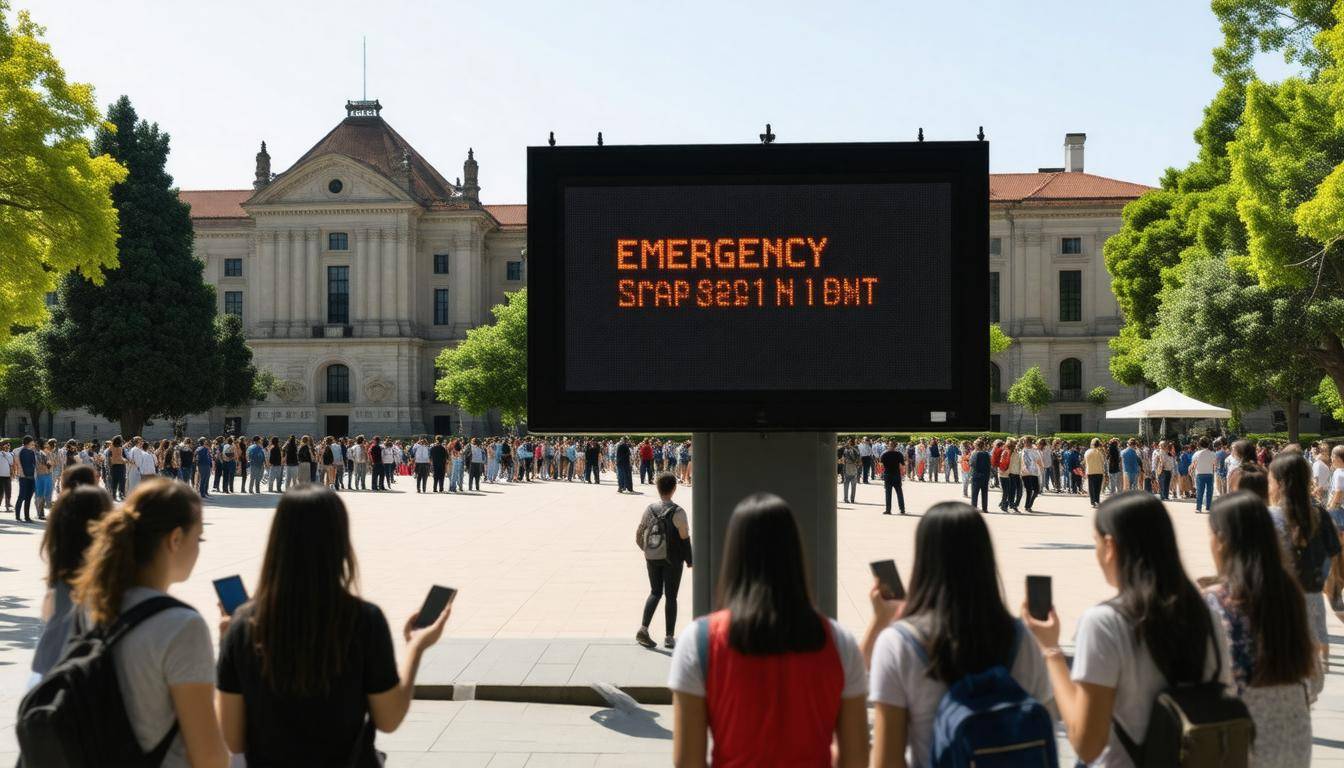
Clear communication can indeed make all the difference in mitigating confusion and panic during emergencies. Whether it’s a fire alarm, severe weather warning, or an active shooter situation, the way information is relayed can influence how individuals respond. The urgency and clarity of messages can either drive people to safety or contribute to chaos. Thanks to recent advancements by the Georgia Tech Police Department (GTPD), the landscape of emergency communications on campus has significantly shifted. Their implementation of cutting-edge communication technologies as of February 2025 exemplifies the future of safety protocols in educational settings.
A substantial percentage of students—about 70%, according to a survey by Ready.gov—express a preference for receiving emergency notifications through mobile applications. This trend emphasizes that modern communication methods are not just conveniences but necessities that align with how younger generations consume information. Messaging apps create real-time alerts that are immediate and accessible, factors critical during emergencies.
To ensure effective communication, campuses should adopt a multi-channel communication system that incorporates text alerts, emails, and social media updates. Such a strategy guarantees that messages reach everyone through their preferred medium, enhancing the chances that instructions will be followed. It’s also advisable for these notifications to come from a recognizable source—students should know it’s genuinely their university reaching out.
The advantages of integrated alert systems are clear; a study conducted in 2023 revealed that campuses using comprehensive alert systems experienced response times that were 40% quicker during emergencies compared to those relying on traditional methods. This efficiency can save lives and prevent injuries, underscoring why campuses must prioritize seamless communication infrastructure.
As we think about all these systems, it’s vital to underline the importance of training for both students and staff. Emergency drills must include detailed explanations of how communication tools function and what students should expect during serious incidents. This prepares them mentally and emotionally, creating a familiar environment when decisions must be made swiftly.
For instance, take the upcoming integration of AI-enabled two-way translation technology within GTPD’s communications framework. Not only will this allow call-takers to communicate with non-English-speaking callers directly in their native language, but it will also reduce response times because there won’t be any need for transferring calls between various services. Training staff on these technological advancements ensures everyone is well equipped to utilize these features effectively.
As we navigate these innovative communication solutions and their implications, understanding how to effectively train personnel becomes paramount. Seamless integration not only assures efficiency but also enhances preparedness across the campus community.
Conducting Training and Drills
Engaging in regular training and drills is crucial for ensuring that the campus community is prepared for emergencies. This preparation isn’t just about familiarizing everyone with safety protocols; it’s about building a culture of readiness where students, faculty, and staff feel confident in their ability to respond effectively when the unexpected occurs. By conducting realistic simulations and providing hands-on experience, individuals can transform theoretical knowledge into practical skills.
Annual Training Schedule
To maximize preparedness, it’s advised to conduct at least two emergency drills per academic year: one at the onset of the fall semester and another in the spring. These drills should cover various scenarios, such as fire evacuations, active shooter situations, or hazardous material spills. A well-planned schedule ensures everyone on campus stays sharp and remembers what to do in critical moments.
Take, for instance, the University of Florida’s comprehensive training program. They understand that mere presentations won’t suffice; instead, they implement a robust regime that includes fire drills, immersive active shooter simulations, and meticulous participation documentation to ensure safety compliance. This multifaceted approach not only prepares participants but also fosters an environment where everyone recognizes the importance of their role in ensuring safety on campus.
Imagine if a drill was held on pizza day—talk about motivation! Everyone knows it’s easier to mobilize a crowd when there are slices involved.
Beyond just execution, discussions following each drill play an integral role as well. These debriefings allow participants to voice concerns, share observations, and highlight any issues encountered during the exercises. They can reveal areas where further training is needed, and by encouraging dialogue, campuses build trust and foster a sense of community responsibility.
While thorough training cultivates confidence within individuals, understanding the available resources is essential to ensure an effective response during emergencies. By equipping students and staff with knowledge of support services and contact information for local emergency responders, they enhance their ability to seek help when it counts most.
Emergency Resources Available
A well-prepared campus doesn’t rely solely on good intentions; it has a structured inventory of essential emergency resources. Think of this as building a safety net that cushions the fall and aids in recovery when an unexpected event occurs. The goal here is to provide immediate assistance and technical support when crises arise, making a thorough inventory of these resources key.
For instance, first aid kits are scattered throughout administrative buildings, stocked with necessary medical supplies to treat minor injuries. Besides standard supplies like bandages, ointments, and antiseptics, some kits also contain emergency items such as splints and tourniquets. Automated External Defibrillators (AEDs) strategically placed in dormitories provide lifesaving measures during cardiac emergencies. These devices are user-friendly and guide anyone through the process of delivering potentially life-saving shocks.
Let’s take a look at a noteworthy initiative from Harvard University. Their resource repository includes not just the typical essentials but also mobile medical units equipped with advanced medical tools and mental health support teams ready to provide immediate care for emotional crises.
| Resource Type | Location | Capacity |
|---|---|---|
| First Aid Kits | Admin Buildings | 50 Units |
| AEDs | Dormitories | 20 Units |
| Emergency Generators | Maintenance Sheds | 10 Units |
| Stockpiled Food and Water | Dining Halls | Sufficient for 500 People |
While having these resources is critical, it’s equally important to regularly check and update them to ensure they’re functioning properly and available when needed most. With ongoing awareness and clear protocols in place, our campus can truly be prepared for any emergency situation that arises, paving the way for discussions on maintaining and refining these essential plans.
Updating and Monitoring Your Plan

Regularly updating your university campus emergency plan is crucial to adapting to new challenges and ensuring its viability. Think of it like tending to a garden; just as you wouldn’t expect plants to thrive without regular care, your emergency protocols can’t remain effective without consistent monitoring and revision. It’s not enough to draft a plan once; you need to nurture it continually.
A good rule of thumb is to review your emergency plan at least annually—or more frequently after any major incident. This allows you to incorporate lessons learned from real events into your strategy. For example, following a natural disaster or significant safety incident, gathering input from those involved can yield insights into what worked well and what needs improvement. These reflections are essential in developing a responsive plan that addresses specific campus needs.
A compelling case for this approach is illustrated by the University of Southern California’s experience after the devastating wildfires in 2022. Following these events, they didn’t just file away their existing plan; instead, they actively re-evaluated and enhanced it. The revisions included incorporating advanced fire detection systems and communication protocols that were informed by student feedback—proof that engagement can lead to substantial improvements.
In fact, research from the National Association of College and University Business Officers indicates that universities which commit to annual updates witness better emergency management outcomes, with an impressive 60% reporting improvement in their preparedness measures. This statistic highlights that being proactive doesn’t just ensure compliance—it significantly enhances safety on campus.
Furthermore, monitoring isn’t solely about revision; it also entails keeping an eye on emerging trends and technology that could impact safety protocols. Rapid advances in cybersecurity have made it increasingly important for educational institutions to integrate digital safety measures into their emergency plans. As emphasized in the Cybersecurity Annex Tip Sheet, understanding these evolving threats can help protect sensitive data and safeguard campus communities.
By intertwining regular checks with updates, you empower both staff and students to participate actively in maintaining a safe environment, reinforcing a culture of readiness throughout the academic year.
In conclusion, continuous evaluation and adaptation of your emergency plan not only promote safety but also foster community resilience against unforeseen challenges. Embrace the commitment towards a safer campus for everyone involved.
How should universities assess risks to develop tailored emergency response strategies?
Universities should conduct comprehensive risk assessments by analyzing historical data on campus incidents, identifying vulnerabilities, and engaging with stakeholders to prioritize potential threats. For instance, a survey showed that 65% of institutions experienced at least one significant emergency in the past five years, highlighting the need for tailored strategies. By employing a combination of quantitative data and qualitative insights from campus communities, universities can develop effective emergency response plans that address specific risks while enhancing overall safety and preparedness.
What resources are available for universities to create or enhance their emergency plans?
Universities can enhance their emergency plans by utilizing resources such as the Department of Education’s Campus Safety and Security website, which provides guidelines and best practices. Additionally, collaborating with local emergency services and utilizing resources like the National Fire Protection Association (NFPA) can help in developing comprehensive protocols. According to a 2023 study, institutions with updated emergency plans reported a 30% faster response time during incidents, highlighting the importance of robust planning in safeguarding campus communities.
What role does training and drills play in ensuring the effectiveness of a campus emergency plan?
Training and drills are crucial in ensuring the effectiveness of a campus emergency plan as they prepare students and staff to respond quickly and appropriately in crisis situations. Regular practice helps identify weaknesses in the plan, enhances coordination among responders, and builds confidence among participants. Research indicates that institutions with frequent drills see a 50% increase in response efficiency during actual emergencies, highlighting the importance of preparedness in mitigating risks and saving lives.
How can universities effectively communicate their emergency plans to students and staff?
Universities can effectively communicate their emergency plans by utilizing a multi-channel approach that includes emails, mobile alerts, social media, and engaging workshops. Research indicates that 70% of students prefer receiving important information through their smartphones, highlighting the need for mobile apps or text alerts. Additionally, regular drills and interactive sessions can reinforce understanding and retention of emergency procedures, as hands-on experience can increase preparedness by up to 60%. By combining digital communication with practical engagement, universities can ensure that both students and staff are well-informed and ready to act in emergencies.
What are the key elements that should be included in a university campus emergency plan?
A comprehensive university campus emergency plan should include key elements such as clear communication protocols, evacuation procedures, designated safe zones, team roles and responsibilities, and regular training exercises. Effective communication can reduce response times by up to 30%, while well-trained staff and students can significantly improve safety outcomes during crises. Additionally, incorporating mental health support resources is vital; studies show that over 50% of students experience some level of emotional distress during emergencies. Implementing these components ensures a proactive approach to campus safety, fostering a secure environment for all.