
As temperatures rise and urban areas become increasingly sweltering, cities worldwide face the daunting challenge of ensuring residents stay safe and cool. In Bangkok, where heat can feel unbearable, finding solutions is not just important; it’s a matter of survival for vulnerable communities. The need for action has never been more urgent, as the city grapples with the realities of extreme weather driven by climate change. This article explores the Bangkok Urban Heat Emergency Plan—a carefully crafted initiative aimed at tackling the urban heat island effect while promoting sustainable practices that could serve as a model for other cities. Through innovative strategies, this plan seeks to protect residents and foster a healthier living environment amidst rising temperatures.
The Bangkok Urban Heat Emergency Plan is a strategic initiative led by the Bangkok Metropolitan Administration aimed at mitigating the impacts of urban heat islands (UHIs) exacerbated by climate change and urbanization. This plan includes measures such as increasing green spaces, implementing reflective materials in construction, and raising public awareness about heat safety to ensure the well-being of residents during extreme temperature events.
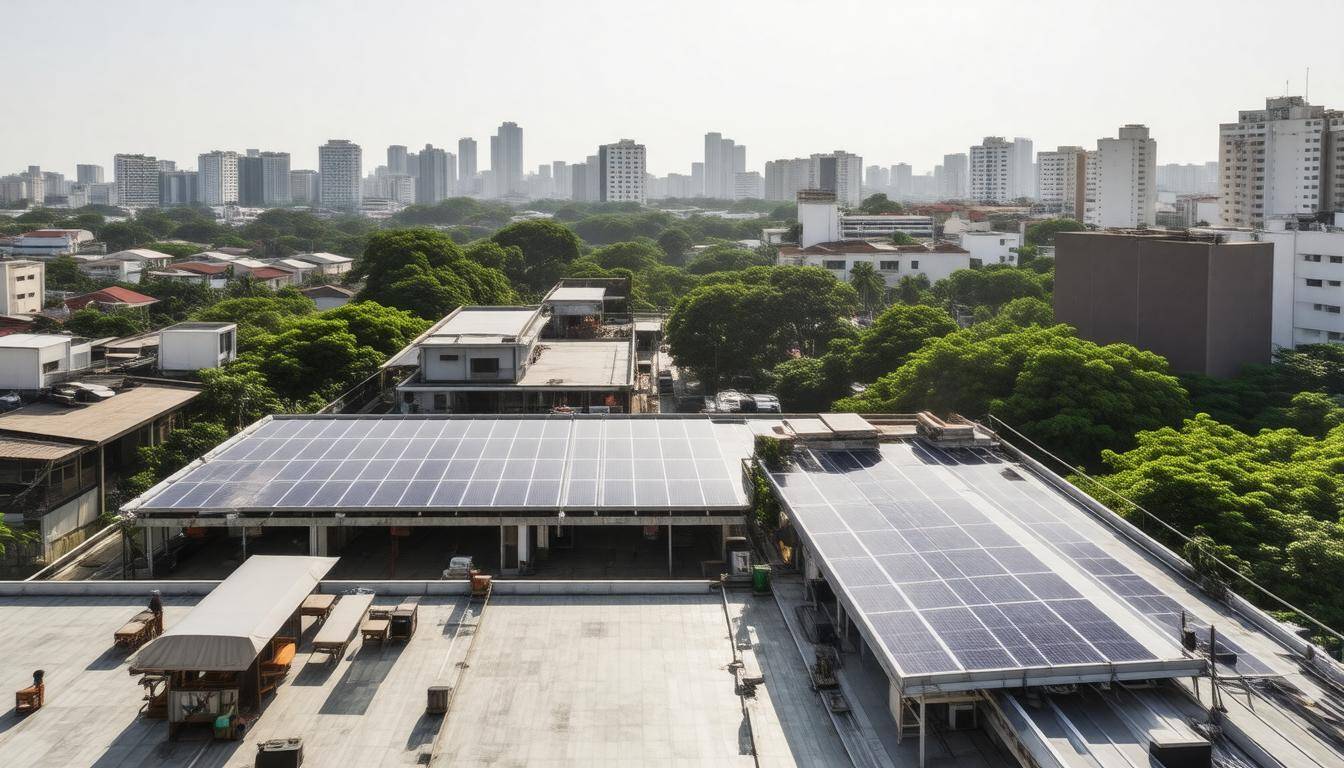
Overview of the Bangkok Urban Heat Emergency Plan
The Bangkok Urban Heat Emergency Plan is a strategic response to manage the adverse impacts of the urban heat island effect that has become increasingly pronounced in the city. The collaboration between the Bangkok Metropolitan Administration (BMA), environmental NGOs, and academic institutions highlights a collective recognition that addressing these heating issues is urgent.
The Urban Heat Island (UHI) effect occurs when urban regions experience notably higher temperatures than their rural counterparts due to human-induced factors—think densely packed buildings, widespread asphalt, and a remarkable loss of natural green spaces. Studies reveal that Bangkok consistently sees average UHI intensities around 6–7°C hotter than the surrounding areas. This temperature difference can exacerbate health problems among residents, particularly vulnerable populations such as the elderly or those with pre-existing conditions.
With this understanding of what leads to increased temperatures, we can explore the proactive measures laid out in the plan.
The initiative encompasses a wide range of strategies designed to directly tackle rising temperatures while promoting sustainable urban development practices. One key aspect involves investing in green infrastructure—such as parks and urban gardens—to provide shade and improve air quality. Research indicates that incorporating vegetation significantly cools urban landscapes. It’s like creating small pockets of nature amidst concrete jungles, which can absorb heat and release moisture back into the atmosphere.
- Increasing Tree Canopy: Planting trees along streets helps lower surface temperatures by blocking sunlight while providing cozy spots for pedestrians.
- Creating Blue Spaces: Engaging with the Mekong River’s cooling effects shows promising results for temperature mitigation.
- Promoting Sustainable Architecture: Encouraging building designs that utilize lighter materials can reflect rather than absorb heat, further contributing to a cooler environment.
This multi-faceted approach emphasizes immediate actions, such as responsive cooling centers during heatwaves, and long-term adaptations that integrate climate resilience into city planning and infrastructure development.
By addressing immediate needs while focusing on sustainable practices for the future, this urban heat emergency strategy may inspire similar initiatives in other rapidly urbanizing cities facing shared challenges. As we transition into discussing vulnerabilities inherent to urban environments, it’s crucial to assess how these plans align with local conditions and risk factors.
Identifying Risks and Vulnerabilities
The identification of at-risk populations and zones forms the backbone of the Bangkok Urban Heat Emergency Plan. Ultimately, it’s about recognizing those who need support the most—communities that face the brunt of rising temperatures without adequate resources. Whether it’s the elderly struggling with intense heat or low-income families unable to afford air conditioning, these vulnerabilities can lead to severe consequences during heat waves.
High-Risk Populations
-
Elderly populations: Aging bodies are often less capable of regulating temperature and can suffer from heat stress more acutely than younger individuals.
-
Children: Lacking fully developed systems, children are particularly sensitive to extreme heat and its associated health risks.
-
Low-income families: Often located in areas with fewer trees and green spaces, they may not have proper ventilation or cooling systems in their homes.
-
Outdoor workers: Individuals working outside, such as construction or agriculture workers, are continuously exposed to harsh conditions without relief.
-
People with pre-existing health conditions: Those suffering from respiratory issues or cardiovascular diseases are at greater risk during extreme weather events.
The statistics paint a stark picture: over 80% of Bangkok residents report that oppressive heat impacts their daily lives, which includes physical capabilities as well as mental clarity. Imagine trying to navigate daily tasks while feeling fatigued and unwell due to the relentless sun. Shockingly, more than 40% of residents experience heat-related illnesses each year during peak summer months. This reality highlights an urgent need to anticipate these challenges and adapt accordingly.
Recognizing these vulnerabilities allows for strategic decisions to be made aimed at enhancing resilience against climate threats.
As we progress towards understanding which areas are most affected, we move towards targeted interventions.
Mapping High-Risk Zones
To effectively address these challenges, mapping high-risk zones becomes essential. By identifying neighborhoods with high concentrations of vulnerable populations, city planners and policymakers can prioritize resource allocation. For example, areas lacking parks or cooling centers could benefit significantly from improved infrastructure and increased vegetation, helping alleviate some of the heat burden.
Additionally, integrating community feedback is vital. Local knowledge helps pinpoint not only the physical spaces requiring assistance but also cultural factors that may influence how heat is perceived and managed. Participatory approaches ensure that solutions resonate with those experiencing the problems firsthand.
Establishing a comprehensive understanding of both vulnerable groups and geographic hotspots will pave the way for actionable insights that inform policies aimed at reducing risk. By adopting this multi-faceted approach to vulnerability assessment, Bangkok can create a safer environment amidst escalating climate challenges.
With this foundation laid out, it becomes necessary to explore how specific high-risk areas can be identified and analyzed more thoroughly for effective intervention strategies.
Mapping High-Risk Zones
Mapping high-risk zones is crucial for addressing the urban heat issues faced by Bangkok, allowing authorities to pinpoint specific areas that require immediate attention. By utilizing advanced techniques like satellite imagery and ground-based temperature sensors, city planners can track which neighborhoods are experiencing the highest temperatures, thus enabling a more targeted response. This strategic approach ensures that resources are allocated where they are needed most, optimizing both time and funding in the battle against urban heat.
Take Bang Rak and Pathum Wan, for instance; these districts have been flagged as high-risk zones largely due to their dense population and minimal green spaces. In these areas, high-rise buildings absorb and retain heat, creating what is often referred to as an “urban heat island” effect. Notably, studies show urban cores like these can be up to 10 degrees Celsius hotter than surrounding rural areas—an alarming statistic that underscores the urgency for action.
Identifying these hotspots serves as the foundation for implementing effective measures aimed at mitigating extreme temperatures.
To combat the oppressive heat in identified zones, several pragmatic strategies must be employed. Increasing green cover is essential; planting more trees and developing parks can provide shade and naturally cool surrounding areas. The city’s planners can also look into retrofitting existing buildings with reflective materials designed to minimize heat absorption. This means employing light-colored roofs or specialized coatings that reflect sunlight rather than absorbing it—a simple change that can yield significant results.
Additionally, creating shaded walkways encourages pedestrians to walk rather than use motorized transport, further decreasing local temperatures. These shaded pathways could potentially link key areas such as markets, schools, and public transport hubs, ensuring accessibility while promoting a healthier lifestyle.
As we consider these interventions, it’s valuable to remember that the impact extends beyond mere temperature control.
Health implications are also significant; excessive heat can lead to dehydration, heatstroke, and exacerbate pre-existing health conditions. Thus, these high-risk zones need immediate cooling solutions and educational initiatives informing residents of the health risks associated with extreme temperatures. By engaging communities in climate education programs, individuals gain awareness of how personal behavior impacts their environment—and learn ways to adapt during heatwaves.
This focus on mapping risk zones effectively and implementing thoughtful interventions sets the stage for exploring how different infrastructures can support climate safety in the city.
Cooling Infrastructure Development
Cooling infrastructure development forms the backbone of Bangkok’s Urban Heat Emergency Plan, responding to the immediate effects of extreme heat while laying the groundwork for long-term urban climate resilience. By leveraging innovation in design and sustainable practices, the city aims to transform its landscape into a cooler, more livable environment. One critical approach in this mission is through the installation of green roofs and walls, which bring numerous benefits to urban settings.
Installation of Green Roofs and Walls
Green roofs and walls offer an effective solution for regulating building temperatures and contributing to overall urban cooling. By integrating living vegetation into buildings, they create a natural form of insulation that significantly reduces indoor temperatures. This method cools the immediate area while improving air quality by filtering pollutants and producing oxygen.
Research indicates that buildings equipped with green roofs can maintain lower indoor temperatures—sometimes by as much as 5°C—compared to those without such installations. The vegetation absorbs sunlight and evaporates moisture, both contributing to cooler surroundings. As part of a collective effort to combat rising temperatures, installing green roofs becomes imperative not just for aesthetic improvements but also for enhancing energy efficiency across urban infrastructures.
However, architectural innovations are not limited to plants atop buildings; expanding urban green spaces is another pivotal aspect of cooling infrastructure.
Increasing Urban Green Spaces
Currently, Bangkok provides only around three square meters of green space per person, starkly contrasting with Singapore’s impressive 66 square meters. Recognizing this disparity, officials have set ambitious goals within city projects, aiming for 30% of urban areas to become green spaces by 2030. This initiative focuses on transforming parks, community gardens, and recreational spaces that will enhance aesthetic appeal while serving critical cooling functions.
More greenery means improved shade coverage, reduced heat retention in concrete surfaces, and enhanced biodiversity—all contributing to lower urban temperatures. Increased green spaces invite residents outside, promoting community interaction while providing zones where people can cool off in warmer months. As such developments unfold, Bangkok could evolve into a model city showcasing how urban planning combined with greenery can lead to significant improvements in climate resilience.
Beyond these structural changes lies the need for coordinated actions to tackle unexpected heat emergencies swiftly.
Emergency Response Measures
Immediate response measures are essential when temperatures spike unexpectedly, posing severe health risks to the population. It’s crucial for a city like Bangkok, which faces increasing heat due to urbanization and climate change, to act swiftly and effectively. First on the list should be designating cooling centers—air-conditioned public buildings such as libraries, community centers, and schools that can serve as safe havens during soaring temperatures.
Step I – Establish Cooling Centers
These cooling centers play a vital role in safeguarding vulnerable populations. You can imagine how comforting it would be to have a cool space available when the relentless heat feels almost unbearable.
Accessibility is key; sturdy signage needs to direct people to these centers, ensuring that everyone, particularly those with mobility challenges or without transportation, can reach refuge from the oppressive heat easily.
But establishing these centers is just one part of the solution. Communities thrive on social connections, so ensuring these facilities offer a warm and welcoming environment can further foster a sense of belonging among residents while providing much-needed respite.
Step II – Medical Response Units
Equally important is enhancing medical response capabilities during heatwaves. Deploying mobile medical units equipped to handle heat-related illnesses can provide immediate care to those suffering from conditions like heat stroke and exhaustion. Imagine being in an overheated environment where every minute counts—these units can be life-savers.
Trained healthcare providers need to recognize these symptoms quickly and efficiently treat them before they escalate.
Training local healthcare workers on the specific risks associated with extreme heat is indispensable. Simple educational sessions on how to identify signs of distress or respond appropriately can make all the difference in effective treatment delivery in this context.
However, beyond setting up mechanisms for cooling and medical assistance, efficient communication remains paramount to successfully implementing these emergency response measures. This way, every resident is informed—knowing where to go when crises arise or what symptoms to look out for could mean saving a life in those critical moments of need.
Public Alert Systems
A strong public alert system does more than just transmit information; it creates a channel for meaningful communication between city officials and residents. Imagine a hot summer day in Bangkok when temperatures soar above 35 degrees Celsius. In such conditions, knowing what to do and where to go can make all the difference between safety and discomfort. That’s why utilizing a combination of tools—like SMS alerts, social media, and local news channels—is crucial for disseminating timely information about upcoming heatwaves. Consider this: receiving an SMS notification warning you of a heatwave not only informs you but also balances that immediate anxiety with actionable steps to stay safe.
It’s important for the public alert system to provide clear safety tips tailored to the specific conditions residents face. This means going beyond simple notifications to include resources such as hydration stations and cooling centers available in the community. By integrating these details into alerts, residents can equip themselves with knowledge on where to find shelter and refreshment during the most oppressive hours of the day.
The stakes are high: surveys show that nearly 70% of Bangkok residents experience discomfort from high humidity combined with urban heat, underscoring the urgent requirement for a robust alert system. When temperatures reach critical levels, small actions—like simply staying indoors or drinking plenty of water—can prevent serious health risks such as heat exhaustion or even heatstroke.
Beyond merely issuing alerts, a comprehensive public safety strategy enhances trust within the community and encourages proactive measures.
For instance, incorporating educational campaigns about recognizing symptoms of heat-related illnesses alongside predictive alerts can empower individuals to act decisively. People who are informed will feel more confident taking precautions for themselves and checking on vulnerable neighbors, particularly the elderly or those with health conditions. Community engagement becomes key here because shared knowledge can harness collective efficacy—a neighborhood united around the common goal of safety during extreme weather.
Additionally, partnerships with local businesses and organizations can amplify alert systems. Imagine local cafes displaying physical signs regarding heat advisories while offering water or shaded areas for those seeking refuge from the sun. It’s an adaptive model that serves both business interests and community well-being.
Crafting an effective public alert system isn’t just about technology; it’s about building relationships between communities and leaders that foster resilience against climate threats. This interconnectedness allows for a more unified approach to addressing challenges posed by rising temperatures.
Implementing Safety Strategies
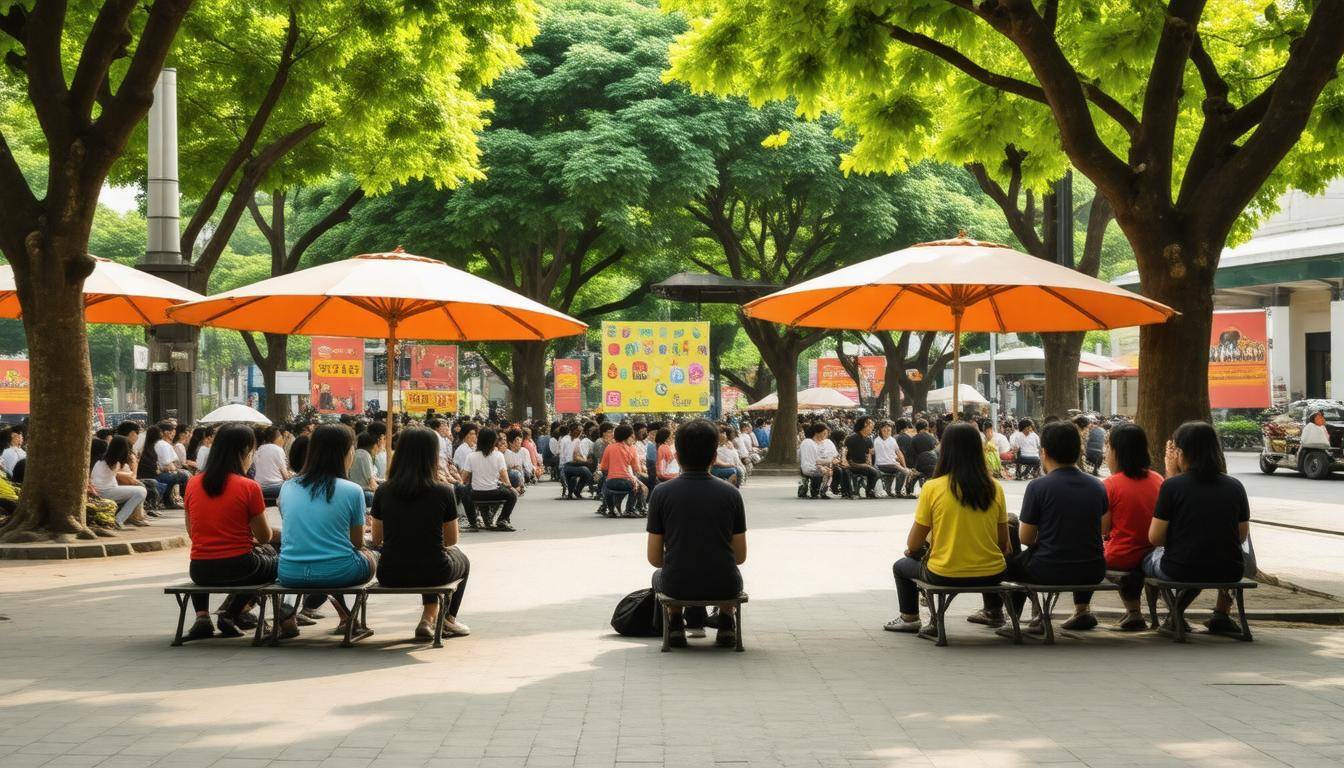
Implementing safety strategies is not solely about immediate protections; it also encompasses community education and strategic infrastructural changes designed to reduce heat exposure effectively. By fostering a culture of awareness, we arm residents with the tools and knowledge necessary to cope with extreme temperatures. Public awareness campaigns have proven essential in disseminating information about heat-related health risks. It’s more than just words on paper; it’s about instilling behaviors that can transform lives.
Public Education Campaigns
Launching public education campaigns is a vital first step in our comprehensive strategy to keep residents safe during peak heat hours. These campaigns can take many forms: informative flyers, engaging social media posts, or even community workshops hosted in local parks. They provide guidance on how to stay cool, emphasizing the importance of staying hydrated and identifying the signs of heat exhaustion.
“Educating the public about heat safety is crucial. Knowledge can save lives,” states Dr. Supachai, a local health expert. This quote underscores the significance of disseminating this information within the community and highlights that empowered individuals are better prepared for extreme conditions.
However, while community education lays the groundwork, infrastructural adjustments must follow closely behind to create a lasting impact.
Infrastructure Adjustments
To complement educational efforts, creating smarter urban environments is equally important. Infrastructure adjustments should focus on reducing heat absorption and improving public comfort during extreme weather conditions. For instance, constructing shaded walkways allows people to seek refuge from the sun’s harsh rays. Imagine wandering through tree-lined paths or walking under shaded structures on scorching days; this minimal investment could drastically enhance residents’ quality of life.
Another practical strategy involves installing public water fountains throughout the city. These fountains provide easy access to hydration for those out and about, encouraging individuals to drink more water during those sweltering afternoons. Similarly, utilizing heat-reflective materials on pavements can significantly lower surrounding temperatures.
- Shaded Walkways: Create paths lined with trees or awnings to offer respite from direct sunlight.
- Public Water Fountains: Ensure accessibility for hydration during peak heat.
- Heat-Reflective Materials: Implement these in urban infrastructure to help reduce overall temperature.
While these immediate measures are critical, considering further strategies for embedding resilience within our city’s fabric is essential. This will help ensure sustainability and adaptability in the face of ongoing climate challenges.
Long-Term Climate Adaptation
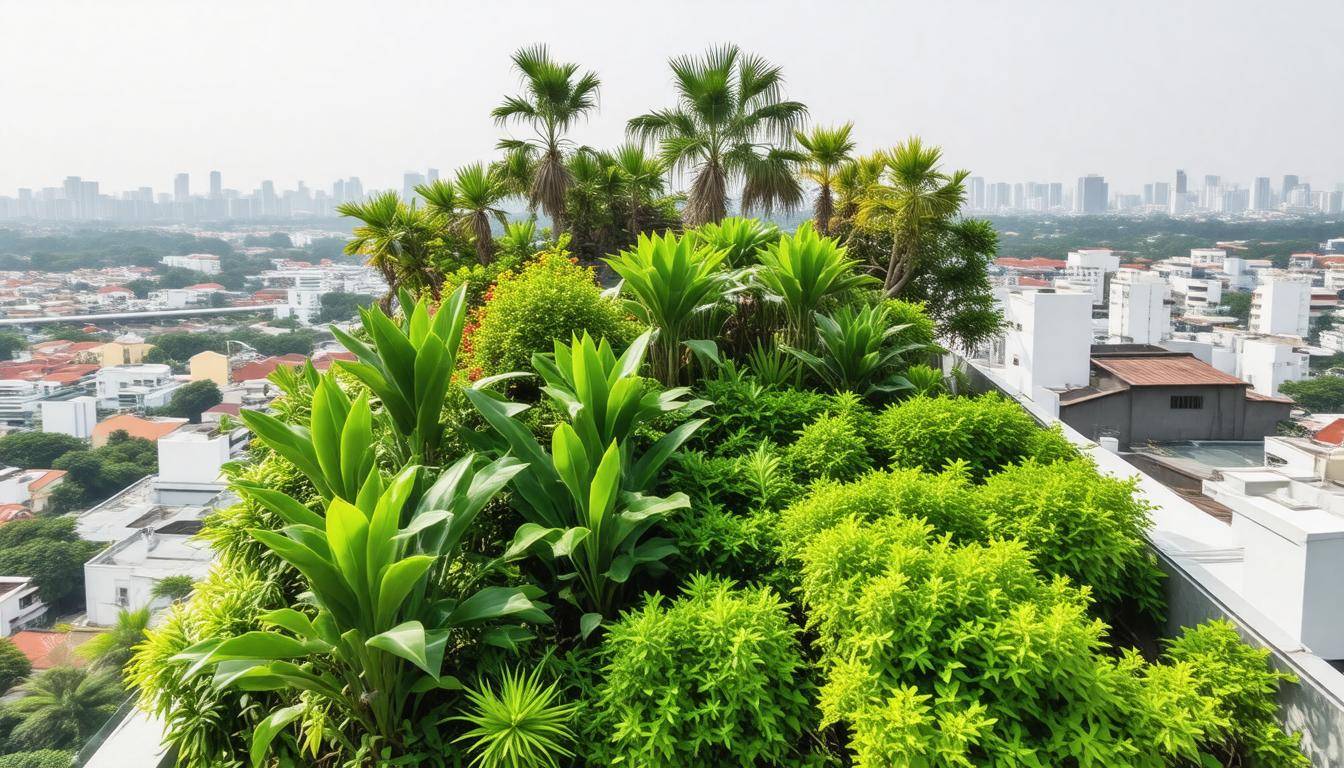
Long-term climate adaptation strategies are essential for ensuring that Bangkok not only survives but thrives amid future climate challenges. This means developing a city that can cope with its rising temperatures while managing the urban heat that plagues many densely populated areas. These strategies are proactive measures designed to create a more resilient and sustainable urban environment. By incorporating nature-based solutions and thoughtful urban planning, the city can respond effectively to climatic shifts.
Integrating Urban Planning and Climate Resilience
One of the most impactful steps lies in integrating climate-resilient designs into urban planning. This could involve creating expansive green belts throughout the city, providing natural cooling and enhancing biodiversity. The more greenery we introduce into our infrastructure, the better we can mitigate heat absorption. For instance, using reflective materials for rooftops and pavements in new constructions can significantly reduce surface temperatures, making a noticeable difference in our daily lives.
Over the last century, Bangkok’s average temperature has increased by approximately 2°C. Each degree of warmth adds stress not only to wildlife but also to human populations, calling for action that transcends temporary solutions.
Strengthening Policy Frameworks
Strengthening policy frameworks is another critical aspect of this longer-range approach. Local governments need to enforce building regulations that prioritize climate considerations, encouraging builders to adopt eco-friendly practices. For example, mandating green roofs or requiring energy-efficient installations could lead to a substantial decrease in urban heat intensity. These policies should be coupled with incentives for homeowners and developers who integrate sustainable practices into their projects.
The interconnection between urban design and climate resilience cannot be overstated. As policymakers work towards implementing these recommendations, it will set the tone for future developments and create a cultural shift towards sustainability in Bangkok’s society.
Such comprehensive approaches lay the groundwork for a cooler, more sustainable future for Bangkok, where every resident can enjoy a healthier living environment while contributing to global efforts against climate change.
In adopting these strategies, Bangkok can pave the way for other cities facing similar challenges. A united effort towards long-term adaptation can foster resilience and sustainability in the face of inevitable climate impacts.