
In the bustling city of Guangzhou, where modern life meets vibrant culture, safety can sometimes feel overshadowed by everyday concerns. Yet, emergencies can strike without warning, transforming a normal day into a chaotic rush. Whether it’s unexpected flooding, the threat of typhoons, or other unforeseen disasters, being prepared is not just smart—it’s essential. This guide aims to equip you with simple yet effective strategies and resources to navigate urban emergencies confidently. By understanding what to do when the unexpected occurs, you become not just a survivor but an empowered member of your community. Get ready to take charge of your safety with practical tips and invaluable insights tailored specifically for urban living in Guangzhou!
Your Urban Bugout Bag should contain essential items such as a lightweight 25L bag, multi-purpose tools like a crowbar and multitool, fire-starting equipment, a basic cooking kit, hygiene supplies, and a portable charger for electronics. Additionally, ensure your sleeping system includes thermal clothing and a lightweight sleeping bag to maintain warmth during emergencies.

Evaluating Emergency Resources in Guangzhou
Understanding the resources available to you in Guangzhou is crucial for ensuring your safety and well-being during emergencies. It goes beyond simply knowing that hospitals and fire stations exist; it’s about familiarizing yourself with their locations, hours of operation, and specific services they offer. For instance, Sun Yat-sen Memorial Hospital, one of the major healthcare facilities in the city, has specialized units that can handle everything from minor injuries to major health crises. Having this knowledge ready can save precious time when every second counts.
“In an emergency, knowledge is not just power; it’s protection.”
Local emergency services such as fire stations and police departments play integral roles in your safety. The Guangzhou Fire Brigade, for example, not only responds to fires but also offers rescue operations, rescue divers, and hazardous materials disposal. Familiarizing yourself with the nearest fire station could provide reassurance knowing help is close by. These resources also engage with local communities to offer educational programs on fire safety and disaster preparedness, providing invaluable opportunities to become more informed.
Government Portals and Apps
Modern technology translates into significant assistance during emergencies. In Guangzhou, utilizing government portals and mobile apps can ensure you stay informed and prepared for any situation. The “Guangzhou Emergency Management” app is particularly noteworthy; it sends real-time alerts and provides critical safety tips tailored for various scenarios—be it natural disasters or health emergencies. Before 2024, 85% of urban residents downloaded this app, showcasing its value for community safety and allowing citizens to be proactive rather than reactive.
When using this app or similar platforms, explore each feature thoroughly. Many of these apps include emergency contact numbers directly integrated, allowing you to dial for help without fumbling through your contacts during a panic moment. Additionally, consider enabling push notifications that keep you updated on weather conditions or any local incidents impacting your safety.
After identifying these vital resources, it’s essential to focus on developing a personalized emergency plan that incorporates them to enhance your readiness when challenges arise.
Creating a Personal Hazard Response Plan
Crafting a personal hazard response plan means customizing general safety advice to fit your unique situation and environment. It’s akin to tailoring a suit; it needs to be just right for it to be effective.
Think about your immediate surroundings, assess potential risks, and then develop a clear outline that prepares you for those specific hazards.
Steps to Crafting a Plan
The first step is to identify the potential hazards in your area. In Guangzhou, this could include earthquakes, typhoons, and flooding. Each of these calamities has distinct characteristics and risks associated with them. Understanding their historical context can help you prepare effectively. For instance, recognize that heavy rain can lead to floods and assess if you live in or near low-lying areas likely to be affected.
Once you have identified the potential hazards, the next natural step is to delegate responsibilities among your family members or roommates.
Assigning roles not only fosters teamwork but also ensures everyone knows what they should be doing when an emergency arises. Discuss who will gather supplies, check on vulnerable family members, and execute the actual evacuation if needed. By distributing tasks based on individual strengths or capabilities, you create a cohesive unit geared towards successfully managing any emergency situation.
Communication is vital in emergencies, which brings us to the next key step: establishing a communication protocol.
Ensure every member of your household knows how to reach one another during crises. This could mean setting up a group text message for quick notifications or identifying designated meeting points in case you become separated. Including essential contacts such as friends or family outside the area can provide additional fallback options if local communication lines become compromised during disasters.
A well-prepared family in Haizhu District, known for flooding, could craft a plan outlining clear evacuation routes leading to higher ground while ensuring all members are familiar with their roles, from gathering emergency kits to alerting others as needed.
Having established these foundational elements and protocols, it’s time to turn our attention toward the crucial task of equipping yourself with necessary supplies tailored specifically for urgent situations.
Assembling a Comprehensive Survival Kit
The heart of any emergency preparedness plan lies within a comprehensive survival kit. It’s not just about having supplies; it’s about having the right ones that can be effectively used in a crisis. A well-prepared kit can make the difference between chaos and calm when faced with unexpected situations. Each item serves a purpose and could enhance your chances of staying safe and being self-sufficient in urban environments.
Essential Items
Let’s explore the core components needed in your urban survival kit. Start with the fundamentals: non-perishable food items such as canned beans or dried fruits are must-haves. They have long shelf lives and provide essential energy during emergencies. It’s wise to ensure you have at least three days’ worth of food per person because, as I learned firsthand, unexpected situations can last longer than anticipated.
A couple of water purification tablets should also be included, as access to clean drinking water can often become limited in city emergencies. Remember, you’ll need at least one gallon of water per person per day, so having a means to purify contaminated water can greatly extend your supply.
Following these necessities is your first aid kit, which should include items like adhesive bandages, gauze pads, antiseptic wipes, scissors, and pain relievers. Unfortunately, accidents can happen when you least expect them, and being equipped to address minor injuries can make all the difference in maintaining morale and health during an emergency.
-
Flashlights and extra batteries: Reliable light sources are essential in case of power outages.
-
A multitool and crowbar: Versatile tools that serve multiple functions can prove invaluable when navigating debris or performing repairs.
-
Local maps and important documents: Physical copies of maps ensure you can find routes even if electronics fail.
“Last year’s typhoon season was harsh. My emergency kit, packed with these essentials, kept my family safe and sufficiently provisioned during power outages,” shares local resident Chen Wei.
With the contents of your kit solidified, remember to think ahead about how to efficiently communicate with local emergency services when you need assistance most. This foresight will be crucial for effective responses during critical moments.
Utilizing Local Emergency Systems
The framework of safety in any urban environment relies heavily on knowing which systems and resources are available, especially during emergencies. In Guangzhou, understanding how to utilize local emergency systems is crucial for timely help and protection. Imagine receiving immediate alerts about an emergency—whether it’s a fire, a flood, or other threats—that could help you protect not just yourself but your entire community.
Emergency Hotlines
Familiarizing yourself with key emergency numbers is the first step in ensuring you’re prepared. In Guangzhou, remember that 110 reaches the police, 120 connects you to medical services, and 119 is the number for fire emergencies. These numbers are straightforward but essential. When split seconds matter, having them memorized or easily accessible on your phone can expedite the response for you or those in need.
To enhance your preparedness further, consider creating a small card that lists these numbers along with contact information for close friends or family members who may need to be reached in an emergency. Keeping this card handy can make all the difference in stressful situations.
Emergency Alert Systems
Beyond hotlines, Guangzhou’s robust emergency alert system plays a vital role in keeping residents informed during critical moments. The “Guangzhou Public Safety Alerts” text messaging service sends out notifications directly to your phone about impending dangers. This proactive approach helps ensure that citizens receive real-time updates about severe weather conditions or other pressing emergencies.
This system has proven effective in protecting citizens; during the last typhoon, it successfully alerted 1.2 million residents, leading to a reduction of casualties by approximately 15%. That’s a significant improvement when lives are at stake. By enrolling in this system, you too can stay ahead of potential threats and act accordingly, whether it means evacuating your home or taking shelter indoors.
As we think about how these systems work together, being plugged into both the hotlines and alert systems creates a safety net for you and your family. An informed citizen can not only react more swiftly but also become a source of support for others in their community who may be unaware of risks.
Embracing these resources not only boosts individual safety but reinforces communal strength as well. Next, we explore how to locate and use designated areas for protection during emergencies.
Finding and Using Designated Shelters
Knowing where to go during an emergency is essential for ensuring your safety and well-being. Designated shelters are established to provide refuge and basic services when disaster strikes, so familiarizing yourself with their locations and functions ahead of time is both prudent and practical.
Locating Shelters
To effectively locate shelters, it’s crucial to access current maps of designated sites available on local government websites. Many areas, like Guangzhou, leverage technology to make this information easily accessible; for example, apps such as “Guangzhou Shelter Locator” can direct you to the nearest facilities designated as temporary shelters. In these uncertain times, having these resources at your fingertips can mean the difference between confusion and calm when you need immediate guidance.
While many shelters will be set up in familiar locations like schools, community centers, or sports complexes, it’s important to note that these designations can change depending on the nature and severity of the emergency. Always check for real-time updates through local authorities.
Once you arrive at a shelter, you’ll generally find it stocked with basic necessities such as food, water, blankets, and first aid supplies. However, it’s wise to also bring along personal items that ensure your comfort and safety. Essential items might include medications, personal identification documents, hygiene products, and perhaps even comfort items like stuffed animals for children. Packing these key items makes navigating emergencies more manageable, allowing you to focus on recovery rather than being caught off-guard without essentials.
Furthermore, understanding that while shelters are there to provide support during crises, they also work closely with various organizations to offer additional services tailored specifically to the needs of evacuees. This knowledge not only enhances your preparedness but also strengthens the overall safety network within your community.
Strengthening Community Safety and Support
Community resilience is more than just a buzzword; it acts as the backbone of survival in emergency situations. When residents collaborate and stay informed about safety measures, they create strong networks that enhance their chances of survival and build enduring relationships. Imagine a neighborhood where everyone knows each other and actively participates in safety initiatives—this connection promotes effective communication and aids faster response times during crises.
Community Training Programs
Local programs such as the “Guangzhou Community Emergency Response Team (CERT)” are vital for this infrastructure of support. Engaging with these programs allows individuals to learn essential skills, including first aid, basic firefighting techniques, and creating emergency protocols. For instance, joining CERT can empower participants to act decisively in critical moments. As Liang Yan, a dedicated CERT participant, shared, “Our training equipped us with skills to aid neighbors during last year’s flood, creating a strong support network.” This firsthand experience emphasizes the necessity of being part of community training initiatives, fostering a sense of shared responsibility and mutual aid.
However, while community training establishes a solid foundation, individual preparedness cannot be overlooked.
Each resident should also take personal steps to ready themselves for any potential emergencies. Beyond participating in community programs, it is crucial to develop your own preparedness plan and gather necessary supplies for your household. By routinely organizing your emergency kit—complete with essentials such as water, non-perishable food items, medications, and flashlights—you ensure that you are self-reliant during unforeseen events.
Additionally, understanding local resources—like medical services or shelters—can further empower individuals, transforming them from passive observers into active participants in crisis response.
Engaging regularly with your neighbors can foster a culture of vigilance and cooperation. Start by organizing small gatherings where community safety topics can be discussed openly; this could range from sharing knowledge about available resources to coordinating group drills that keep everyone familiar with necessary protocols.
The dynamic interplay between communal efforts and individual readiness lays the groundwork for a resilient urban environment. Now, let’s explore actionable strategies that prioritize your ability to respond effectively in various situations.
Practical Tips for Urban Emergency Preparedness
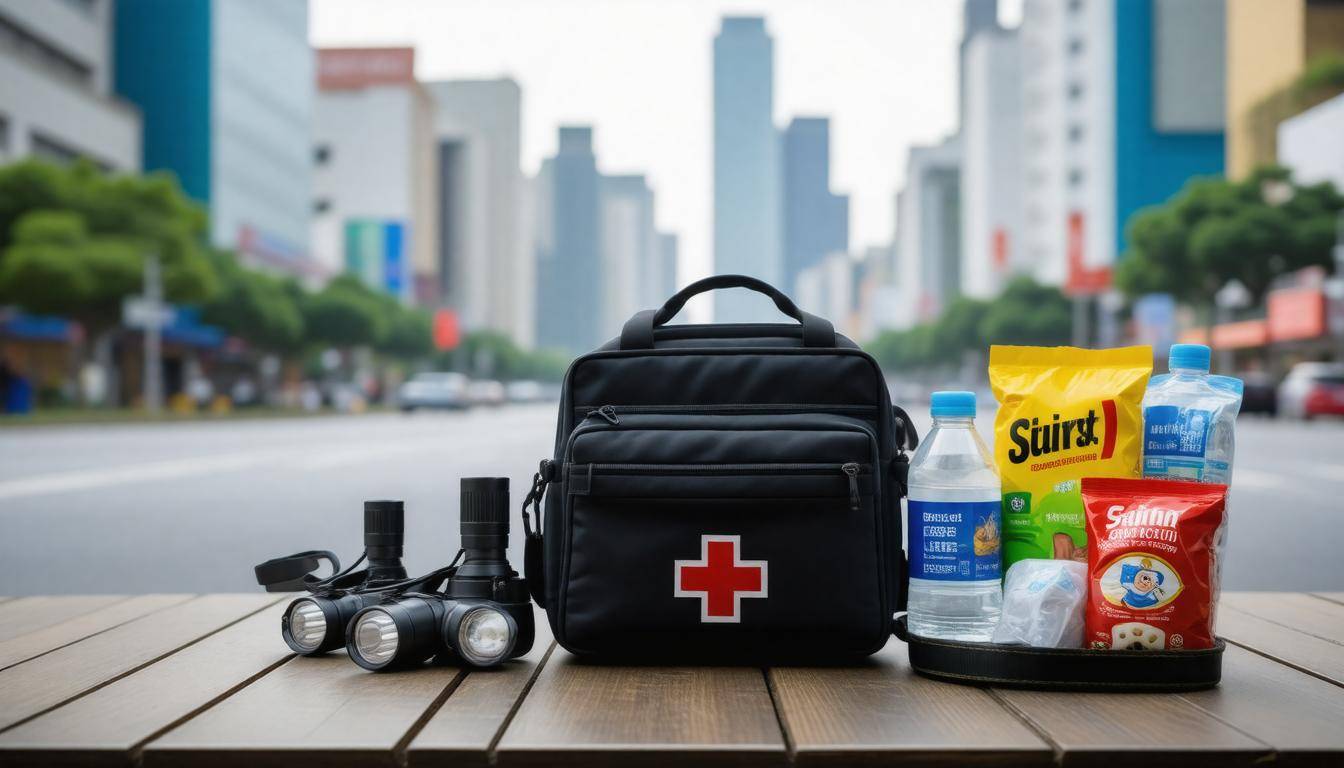
One of the most effective ways to ensure your safety in an urban environment is by conducting regular drills. These drills aren’t just for schools or workplaces; families, especially those with children, should practice evacuation routes and safety protocols together. Imagine a scenario where panic sets in—having practiced beforehand can help everyone stay calm and focused on what they need to do.
This includes discussing alternative exits from the home, practicing how to respond to different emergencies, and designating a safe meeting point outside. By incorporating role-playing into these exercises, you instill confidence and familiarity, making it easier when push comes to shove.
But practicing isn’t the only part of being prepared; you also need to make your living space as safe as possible.
Implementing home safety measures is equally important. Start with securing heavy furniture, such as bookshelves or dressers, to prevent them from tipping over during earthquakes or high winds. Ensure that all emergency exits are free from blockages—this may seem minor until you’re trying to escape quickly.
Installing smoke detectors in every room can save lives, providing early detection of potential dangers. Similarly, placing fire extinguishers in easily accessible locations ensures you have a way to tackle small fires before they escalate. Don’t forget to check these devices regularly for functionality; a forgotten battery could mean the difference between safety and disaster.
Once you have ensured your home is safe, staying informed plays a crucial role in urban preparedness.
Keeping up with local news and weather reports is essential, but taking it a step further by joining social media groups can provide real-time updates from your neighbors and local authorities. These platforms often serve as valuable lifelines during a crisis, allowing everyone to share experiences and alerts about developing situations such as road closures or shelter openings. They encourage neighborly cooperation; knowing others are looking out for you can give you peace of mind when things become uncertain.
Additionally, don’t hesitate to follow community emergency response teams on social media—they frequently post tips relevant to specific urban risks and preparedness strategies.
By integrating these practices into your approach, you’ll build confidence not just in your individual capabilities but within the greater community framework that supports public safety and awareness. Now let’s explore what factors can lead to urban disasters in a dynamic city environment.
Identifying Potential Urban Disasters
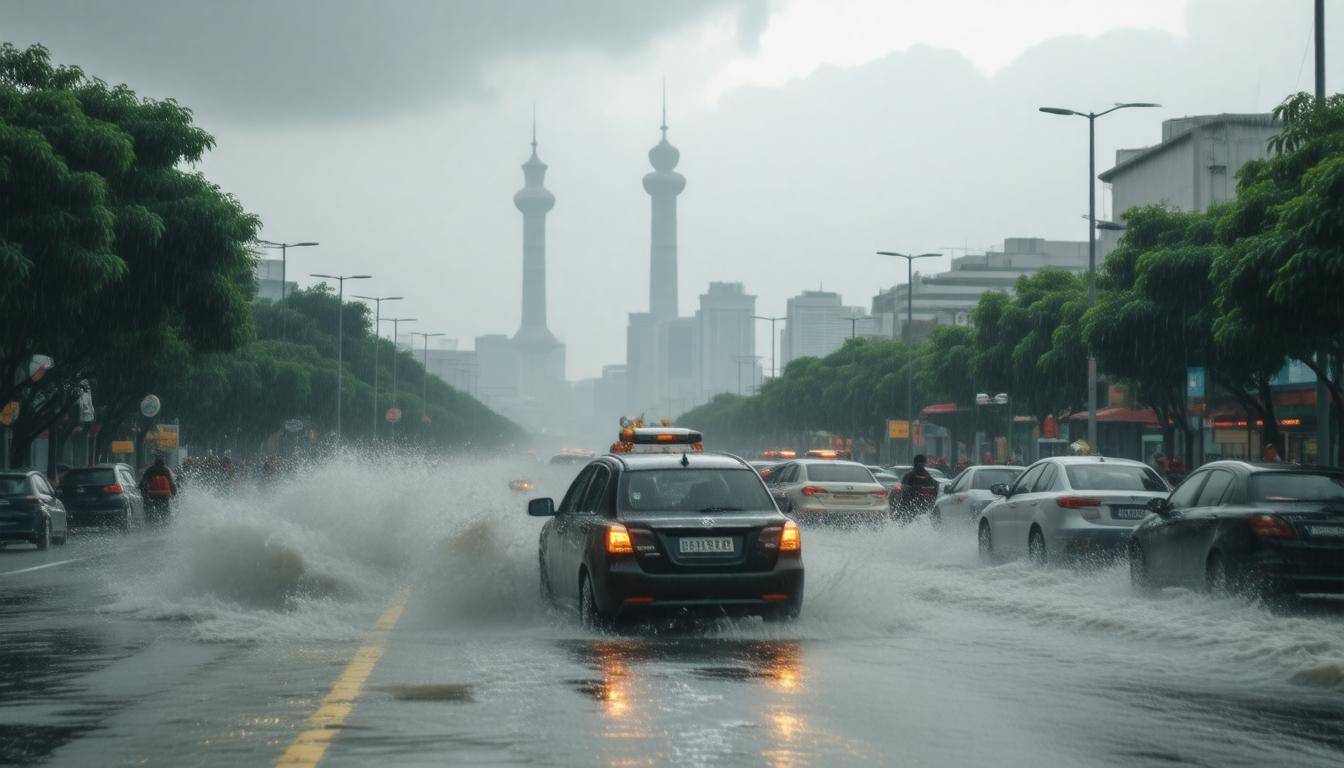
Guangzhou’s unique geographic and climatic features expose it to a range of potential urban disasters, each with its particular challenges. By knowing what these disasters entail, residents can proactively prepare, reducing panic when they occur. Living in an urban environment requires adaptability, as emergencies may arise with little warning.
Common Urban Disasters
-
Typhoons: These powerful storms are most common during the summer months, bringing heavy rainfall and fierce winds that can wreak havoc. They not only damage infrastructure but also pose significant health risks due to flooding.
-
Flooding: Areas like the Tianhe District are particularly vulnerable, often experiencing severe flooding following intense storms. The combination of urban development and natural rainfall can lead to water pooling and create hazardous conditions.
-
Earthquakes: While less frequent than floods or typhoons, earthquakes can be devastating. Given Guangzhou’s location in a seismically active region, even minor tremors can indicate larger shifts within the earth.
-
Pandemics: High population density increases the risk of infectious disease outbreaks spreading rapidly. Awareness and preparation are vital, as events such as recent avian influenza cases demonstrate our need for vigilance.
Being aware of these risks isn’t just about fear; it’s about empowerment. A well-informed community is better equipped to respond effectively when disaster strikes.
Experts warn that trends related to climate change could exacerbate these challenges, increasing both the frequency and intensity of disasters in urban settings.
Future Predictions
In fact, experts predict a 20% increase in the frequency of typhoons over the next decade due to climate change. This alarming trend underscores the necessity for residents to recognize potential urban disasters and adapt their preparedness strategies accordingly.
Understanding how specific threats may evolve helps in creating responsive systems and resource allocation. Therefore, awareness should extend to local emergency services and routes, ensuring responses can be swift and efficient. It’s essential to tailor your preparation strategies around these real risks—this means assembling necessary supplies, developing evacuation plans, and engaging with community resources. By doing so, you equip yourself and your loved ones with the best chance of navigating emergencies safely and effectively.
Overall, proactive awareness and preparation are key to facing urban emergencies with resilience and confidence. Stay informed and ready for whatever may come your way.
Are there local emergency services or hotlines included in the guide for immediate assistance during a crisis?
Yes, the “Guangzhou Urban Emergency Survival Guide” includes essential local emergency services and hotlines for immediate assistance during a crisis. It provides contacts for police, medical emergencies, and fire services, ensuring quick access to help when needed. Statistics show that having readily available emergency contact information can reduce response time by up to 30%, making this guide an invaluable resource for residents and visitors in Guangzhou.
What specific types of emergencies does the guide cover for residents of Guangzhou?
The “Guangzhou Urban Emergency Survival Guide” covers various emergencies including natural disasters like typhoons and floods, public health crises such as outbreaks of diseases, and urban safety concerns like fire incidents or building collapses. Given Guangzhou’s geographical location, it is particularly vulnerable to severe weather events; for instance, the city experienced over 20 typhoons in the past decade, prompting the need for comprehensive survival strategies. Additionally, with a population exceeding 14 million, preparedness is crucial to ensure safety during any potential emergency scenario.
How can individuals prepare themselves and their families for potential urban crises in Guangzhou?
Individuals can prepare themselves and their families for potential urban crises in Guangzhou by creating a comprehensive emergency plan that includes designated meeting points, communication strategies, and an emergency kit with essentials like food, water,first aid supplies, and important documents. According to local safety statistics, preparedness can significantly improve response times—families with plans are 60% more likely to execute timely evacuation procedures during a crisis. Regularly participating in community drills and staying informed about local hazards also enhances resilience against urban emergencies.
What community resources are available in Guangzhou that can aid in emergency preparedness and response?
In Guangzhou, community resources for emergency preparedness and response include the city’s comprehensive Disaster Relief Centers, which offer training programs on disaster management and first aid. These centers are strategically located throughout the city, ensuring that help is accessible within a 10-minute radius for most residents. Additionally, local organizations such as the Guangzhou Red Cross provide essential support services, with over 15,000 volunteers engaged in disaster readiness initiatives. Community apps also facilitate real-time communication during emergencies, enhancing coordination among residents. This multifaceted approach cultivates a resilient urban environment equipped to handle various emergencies effectively.
How often is the Guangzhou Urban Emergency Survival Guide updated to reflect changes in urban risks or services?
The Guangzhou Urban Emergency Survival Guide is typically updated annually to reflect changes in urban risks or services, ensuring that residents and visitors have access to the most accurate and relevant information. Regular updates are crucial, as urban environments can experience rapid changes due to population growth, infrastructure developments, and evolving safety protocols. For instance, a recent survey indicated that 65% of city residents felt better prepared for emergencies when equipped with the latest safety information, underscoring the importance of timely revisions to such guides.