
Foraging in urban spaces might sound a bit unusual, but it’s actually a fun and rewarding way to reconnect with nature right in your own neighborhood! Imagine strolling through a city park and discovering not just concrete and buildings, but also an array of tasty edible plants that you might have never noticed before. This guide will walk you through identifying various wild foods hiding in plain sight, while also keeping you safe from potential hazards. So whether you’re curious about dandelions popping up in your yard or want to learn how to utilize the hidden flavors of local greens, this journey into urban foraging has something special in store for you. Let’s dive in and discover the bountiful treats our cities offer!
A Safe Urban Plant Foraging Guide on identification provides essential details on recognizing various edible plants that thrive in urban environments, along with safety considerations regarding contamination and chemical treatments. Additionally, it includes practical tips for safely harvesting plants, effective identification techniques, and advice on distinguishing between edible and non-edible species to ensure a successful foraging experience.
Finding Edible Plants in Urban Areas
Urban environments are often overlooked when it comes to foraging. Yet, they are treasure troves of wild edibles – just waiting for you to discover them. As surprising as it sounds, many common edible plants can be found right in our own backyards or local parks. Engaging with nature through foraging can transform the way we perceive our surroundings, allowing us to develop a deeper appreciation for the simple yet rich life that flourishes around us.
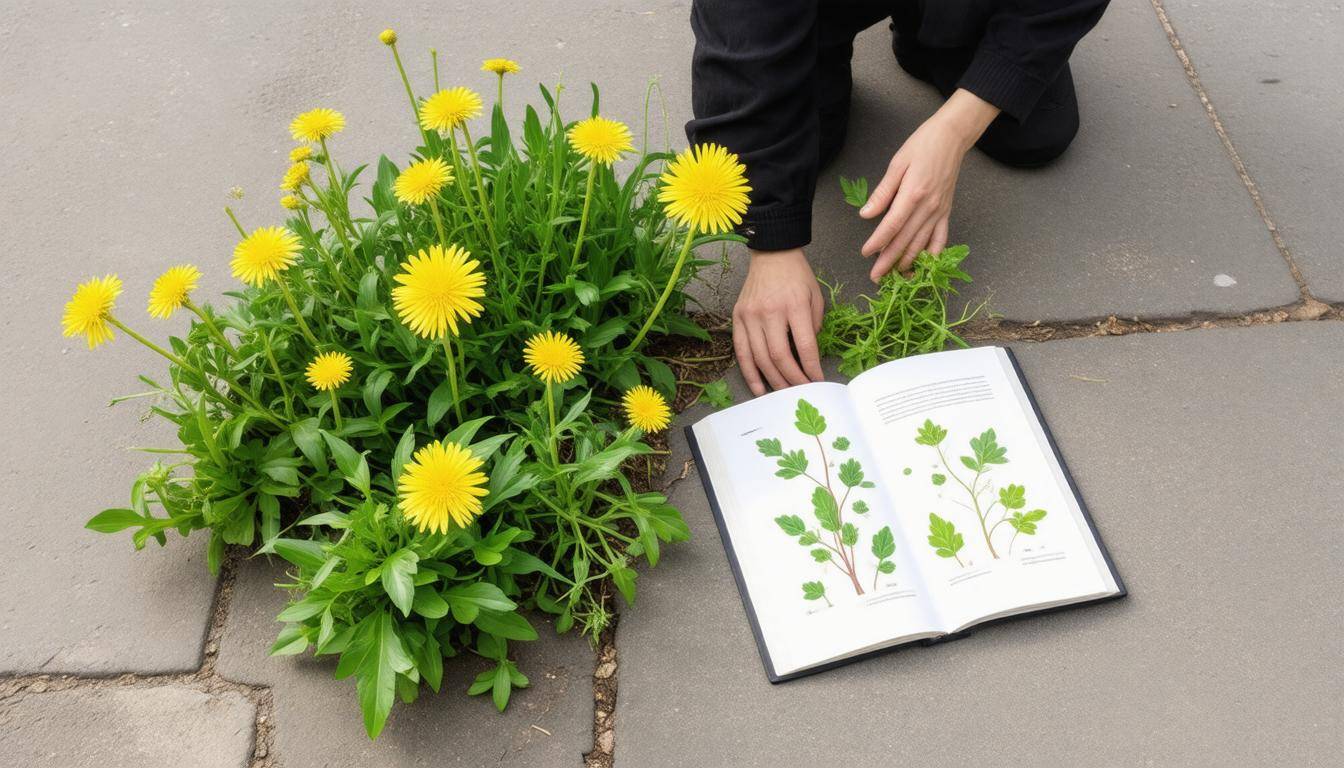
Among the most frequently encountered urban edibles is the humble dandelion. This resilient plant thrives in lawns, parks, and even those neglected cracks in pavement. In the springtime, tender young leaves are less bitter and make excellent additions to fresh salads or sautéed dishes. But dandelions aren’t just tasty; they’re packed with nutrients like vitamin A and C. So next time you see this sunny flower, remember it’s not just a weed!
Alongside dandelions, another urban champion is chickweed, which gracefully grows in shady, moist areas like garden beds and underneath trees.
The entire chickweed plant is edible, adding a mild green taste to salads or serving as an excellent addition to vegetable blends. If you’re looking to up your nutritional game, chickweed brings essential vitamins and minerals while being delightful in the kitchen. Its almost delicate appearance belies its tenacity—it can handle varying weather conditions while providing nourishment right under our noses.
Next, keep an eye out for plantain, a plant that commonly entrenches itself in compacted soil and sidewalk cracks—but also along trails or open fields. The broad leaves of plantain can be used raw in salads or steeped in teas for their medicinal properties, which include soothing digestive issues. The versatility of plantain is its strength; whether you’re dealing with a scrape or need greens for dinner, this adaptable herb has got you covered.
As warmer months roll in, look for purslane thriving in sunny spots—often found where the sun’s rays hit hard, such as pavement cracks—and exhibiting its fleshy, succulent leaves.
Purslane not only offers a unique tart flavor but is also one of the most nutritious leafy greens available, boasting high levels of Omega-3 fatty acids and antioxidants. Its ability to thrive in seemingly hostile environments speaks volumes about nature’s resilience and provides nutrition that’s easy to access during summer outings.
Lastly, don’t overlook garlic mustard, which boldly inhabits trails and roadsides.
The leaves have a distinctive garlicky aroma and pack flavor into various dishes—from pasta sauces to soups. This invasive plant tends to spread quickly but can be favorably utilized all spring long before it flowers. By incorporating garlic mustard into your meals, not only do you enhance flavor but you also help control its spread by reducing seed viability for the next season.
Knowing what you’re looking for can considerably streamline your foraging adventures—making each outing productive and empowering. With practice and observation, you’ll find these urban edibles reveal themselves more readily as you learn their patterns and preferred habitats within cityscapes.
As we uncover these incredible resources washed across asphalt jungles, we can now move toward understanding where exactly to find them in your concrete landscape.
Best Locations in the City to Forage
Parks and Green Spaces
The charm of parks cannot be overstated when it comes to urban foraging. These green havens host a rich variety of plants while mitigating the impacts of heavy foot traffic and pollutants. When exploring a park, aim for those that are less crowded as you’ll likely find lush patches of edibles just waiting to be discovered.
Imagine stumbling upon clusters of wild dandelions, vibrant clover blossoms, or even juicy blackberries nestled amongst the leaves. Each step you take can reveal a new flavor you never knew thrived right in your neighborhood.
Community Gardens
Community gardens stand out as treasured resources within urban settings. Usually filled with an array of herbs, fruits, and vegetables, they not only foster community spirit but also provide ample opportunity for foraging.
When you visit these spaces, it’s crucial to approach with respect. Always ask for permission before reaching for the thyme or mint—there might be guidelines on harvesting what’s available. Some gardens actively encourage visitors to enjoy their bounty, but it’s good etiquette to check any signage or notices that indicate restrictions or rules about foraging. This consideration helps maintain community relations and contributes to the overall health of these shared spaces.
Abandoned Lots
Abandoned lots may seem like an unlikely choice but they can surprise you by being overrun with wild edibles! In these forgotten corners of the city, nature has reclaimed space often hosting resilient plants like prickly pear cactus and mustard greens.
However, we can’t stress enough the importance of safety here: soil contamination can be a serious issue in such areas due to previous land use or pollution. Limit your picks to plants that grow high off the ground—those accessible without digging into potentially harmful earth. This cautious approach maximizes both enjoyment and safety on your culinary adventures.
As we navigate through these urban landscapes, understanding how to correctly identify the various plants will enhance your foraging experience and ensure a safe harvest.
Plant Identification Techniques
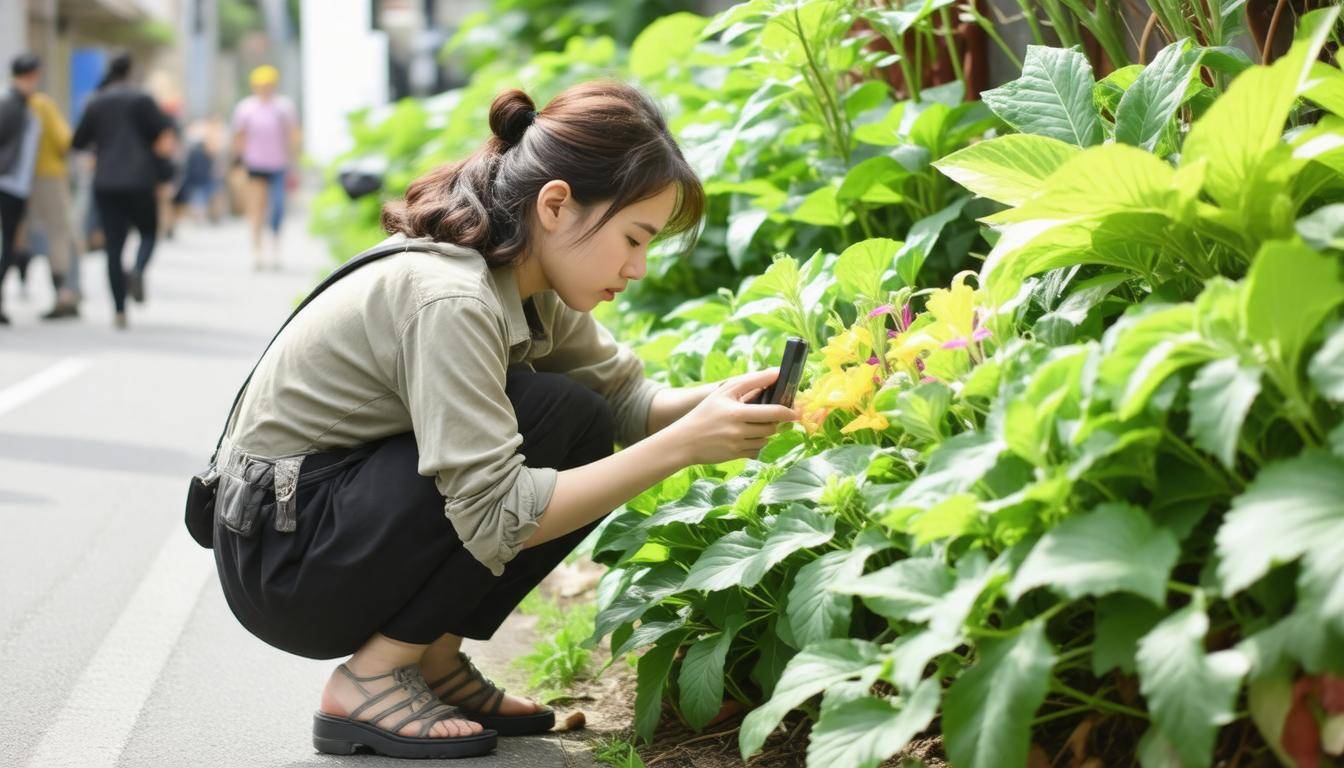
Proper identification is crucial to safe foraging. Misidentifying plants can lead to consuming harmful species, but with a few techniques, you can become adept at recognizing edible plants.
For starters, using technology to your advantage can transform the foraging experience into a fascinating exploration. Incorporating apps like PlantSnap or PictureThis allows you to simply snap a photo of an unfamiliar plant and receive potential matches within seconds. This efficiency not only provides instant feedback but also encourages curiosity, prompting you to learn more about what grows in your area.
However, relying solely on technology isn’t always foolproof. There are instances when you might find yourself without service or have low battery life in a remote location. In these moments, having a physical field guide on hand becomes invaluable. Books such as “Edible Wild Plants” by John Kallas serve as trusted resources that empower you with detailed descriptions, illustrations, and anecdotal experiences from seasoned foragers. By flipping through pages and examining plants side by side in the field, you can develop a deeper understanding of their characteristics—an interaction that no app can replicate.
Beyond technology and books, one of the most enriching ways to learn is through community engagement. Joining local foraging groups provides opportunities to learn from mentors who share their expertise and firsthand experiences. These seasoned foragers often have insights that are nuanced and specific; they can demonstrate how to distinguish edible plants from toxic look-alikes. The perspectives gained in group settings help learners grasp the complexities involved in plant identification—such as environmental contexts or seasonal variations—which can be easy to overlook when studying alone.
It’s worth noting that even with practice, some plants can be dangerously similar. For instance, wild carrots (Daucus carota) bear a resemblance to poison hemlock (Conium maculatum), which can be deadly if ingested. Therefore, it’s essential to recognize poisonous look-alikes by focusing on key identifying features like leaf shape, flower color, and growth patterns.
Another effective approach is documenting plant appearances through different seasons in your wild foraging journal. This practice aids long-term retention and hones your recognition skills over time—meaning that what once seemed unrecognizable eventually becomes familiar territory. Each entry not only contributes to your knowledge base but also personalizes your journey through the world of wild edibles.
As you embark on this path of discovery, understanding the dangers lurking among the foliage will further enhance your foraging abilities and awareness of nature’s diverse offerings.
Recognizing Poisonous Species
Identifying poisonous plants is crucial for any aspiring forager. Many toxic species resemble their edible counterparts, and distinguishing between them can mean the difference between a tasty meal and serious health risks. One notorious example is Poison Hemlock, which looks remarkably similar to wild carrot but carries deadly consequences if ingested.
The most prominent clue? Look closely at its stems – they often display purple spots that stand out against the green backdrop. These subtle characteristics might seem insignificant, but they are vital markers that could save your life.
Common Poisonous Look-Alikes
Another plant worth mentioning is Foxglove, easily mistaken for comfrey due to similar foliage. However, closer inspection reveals key differences. Foxglove flowers exhibit distinct bell shapes, vibrant colors, and cluster together, making them easily identifiable once you know what you’re looking for. In contrast, comfrey has irregularly shaped blooms that do not resemble bells at all. Familiarizing yourself with these nuances is essential for your safety while foraging.
Keeping your eyes peeled for these features can significantly reduce the risks of encountering something harmful while exploring your urban landscape.
Safety Rule
Perhaps the most vital rule to remember when foraging is simple yet profound: Never consume a plant unless you are 100% sure of its identity. This principle acts as the cornerstone of safe foraging practices. It’s easy to become excited about discovering new plants, but even a momentary lapse in judgment can lead to dire consequences. Embracing a cautious mindset ensures better outcomes, and if ever in doubt, it’s always safer to walk away from an uncertain find.
This mindset seamlessly connects to essential guidelines that every urban forager should adopt—understanding how to navigate the challenges of gathering wild plants ensures a more successful and secure experience in nature.
Safety Precautions for Urban Foraging
When you decide to forage for wild edibles in an urban setting, a plethora of considerations comes into play, particularly surrounding safety. To start with, it’s essential to understand the environment you’re entering. Urban areas are often treated with chemicals that can be hazardous when ingested.
Check for Chemical Use
Before even considering harvesting plants, it’s advisable to avoid areas where pesticides or herbicides are used. Look for any visible signs that indicate chemical treatments—flags marking spray zones, or recent legislation from local authorities about pesticide application in parks. Asking park staff or nearby residents can yield critical information. Imagine coming across a beautiful patch of wild mustard only to discover later that it had been sprayed with glyphosate; your efforts would have been wasted and could potentially expose you to harmful substances.
As you consider where to forage, keep in mind the importance of being aware of environmental contaminants. Urban soils can carry hidden dangers such as heavy metals like lead, often due to historical development practices or proximity to industrial sites. Research indicates that certain plants tend to absorb these toxins more than others; leafy greens, for instance, are particularly susceptible. Accordingly, it’s wise to stick to clean, unpolluted areas—think well-maintained public parks or green belts far from roads and factories.
Personal Safety
In addition to environmental hazards, don’t forget about your personal safety while out foraging. Always strive to forage during daylight hours and opt for well-trafficked areas. The more people around, the safer you’ll likely be. Picture yourself exploring an abandoned lot versus a bustling community park; the latter will provide a buffer of safety against potential security risks.
Finally, as you embark on your foraging adventure, remember to wear gloves when handling unknown plants. This precaution helps prevent skin irritation and potential allergic reactions. Taking a few moments to prepare ahead of time not only ensures your health but also smooths the process along the way. Cleanliness is key; wash all foraged plants thoroughly under running water once you return home to remove dirt, insects, and any lingering chemical residues.
With safety firmly in place, we must also embrace the responsibility that comes with enjoying nature’s bounty ethically and thoughtfully.
Gather with Care and Respect
Responsible foraging means engaging with nature in a way that acknowledges its fragility. The concept of sustainable harvesting is critical in this practice, urging foragers to only take what they need.
Imagine walking through a wild patch of land, surrounded by lush greenery; it’s tempting to pick every herb you see. However, uprooting entire plants can doom their survival. By limiting your harvest to 10-20% of a plant population, you provide adequate space for regrowth, ensuring that future foragers can enjoy the same bounty you did. This simple act of mindfulness can lead to an abundant future.
Another important aspect is understanding property boundaries. Foraging on private property or in areas with established regulations without permission can lead to legal repercussions and disrupt community relationships. Always approach these spaces with respect; seek permission when necessary and follow local guidelines scrupulously. Treat every opportunity you have to forage as a privilege, not a right.
The act of gathering should always carry a sense of gratitude toward the plants and ecosystems that support us. A small offering, like sprinkling water at the site where you’ve foraged, can create a connection between you and nature. It’s a gesture rooted in many indigenous cultures that encourages a respectful relationship with the earth. This can be done quietly or vocally—a momentary gratitude expressed to acknowledge the vital role that plants play in our lives.
Engaging ethically in foraging lays down a foundation built on respect and care; however, practical insights pave the way for successfully navigating urban landscapes while harvesting wild edibles.
Practical Tips for Urban Foraging
One of the best aspects of foraging is how enjoyable it can be. However, having the right tools is essential to make your experience safe and efficient. Start by packing a small knife and scissors to help cut stems or snip off delicate parts of plants without damaging them. Think of these tools as your trusty sidekicks in the wild, making it easier to gather your edible treasures.
Alongside those tools, reusable bags should be at the top of your packing list to collect your finds. Not only are they environmentally friendly, but they also keep your plants secure and separate during transport.
To provide a clearer understanding, here’s a quick reference to an essential foraging kit:
| Item | Purpose |
|---|---|
| Small Knife | Cutting stems and roots |
| Scissors | Snipping delicate parts |
| Reusable Bags | Collecting plants |
| Field Guide | Quick plant identification |
| Water Bottle | Staying hydrated |
Staying hydrated during your foraging adventure is crucial; this can easily be overlooked until you find yourself feeling fatigued. Urban foraging often involves walking long distances or spending time under the sun, so don’t forget to fill up a water bottle before heading out. Taking regular breaks allows you to hydrate and gives you the chance to appreciate your surroundings while reflecting on what you’ve found along your journey. The rhythm of nature has a way of rejuvenating your spirit.
With these essential tips in hand, you’re prepared to embark on your urban foraging adventure with confidence. Next, we’ll explore various avenues that will enrich your experience even further.
Resources for Urban Foragers
Expanding your knowledge can significantly increase your foraging success. A great starting place is to explore Books and Publications. Two standout recommendations are “The Forager’s Handbook” by Josie Jeffery and “Urban Foraging” by Lisa M. Rose. These books cover a wide variety of edible plants and vital safety tips, including how to identify seemingly edible plants from their toxic lookalikes. Imagine flipping through these pages on a sunny afternoon in your local park, taking notes on the various plants around you, feeling a sense of excitement at the thought of what you can create from nature’s bounty.
But books are just the beginning; let’s talk about connecting with others on this journey.
Online Communities present a wealth of collective wisdom. Platforms like Reddit’s r/foraging or Facebook groups devoted to urban foraging provide invaluable spaces to share experiences, seek advice, and exchange recipes. It’s fascinating how many foragers have found mentors or friends through these online gatherings. They share tips and tricks about foraging while discussing preparation techniques and cooking ideas that can lead to delightful culinary experiences.
Engaging with fellow urban foragers might introduce you to local gatherings or meetups where individuals collaborate in exploring different urban settings together. Imagine wandering through a community garden with newfound friends while learning about unassuming plants that inhabit your city.
With these resources at your disposal, you’re well-equipped to forage confidently and safely; however, it’s important to understand the ethical considerations that accompany this newfound experience.
Always remember that with the joy of foraging comes responsibility. Being part of online communities also means contributing back—sharing your findings or knowledge assures that the cycle continues, enriching both your understanding and that of others in the gathering community.
By transforming urban spaces through informed exploration, you enhance your connection with food and foster a deep appreciation for the local ecosystem itself. So grab those books, log into those forums, and embark on an exciting journey as an urban forager!