
Survival in the great outdoors often comes down to one fundamental question: how do you protect yourself from the elements? Whether you’re on a weekend camping trip or find yourself unexpectedly lost in the wild, knowing how to build an effective shelter is a crucial skill. Imagine being caught in a sudden rainstorm with no place to escape—your safety and well-being hang in the balance. In this guide, we’ll break down the different techniques for constructing shelters using simple materials found around you. By understanding the basics of shelter building, you can create a safe haven that offers comfort and protection, ensuring you’re ready to face any challenge nature throws your way. Let’s dive into the techniques that can make all the difference when survival is at stake.
In the Shelter Building Techniques: Step-by-Step Guide, you will find essential methods for constructing effective shelters using available materials, including detailed steps for building structures such as lean-tos and debris huts. The guide also covers necessary equipment, important knot-tying techniques, and practical tips to ensure your shelter can withstand different environmental conditions and provide adequate protection.

Importance of Shelter in Survival Situations
In the wild, exposure to harsh weather conditions can be life-threatening, especially if a person is stranded without adequate clothing or gear. Indeed, statistics reveal that exposure to the elements accounts for roughly 30% of all survival-related deaths. This underscores the vital necessity of constructing a reliable shelter as your first line of defense. Through simple yet effective construction techniques, you can create a barrier between yourself and the often unforgiving environment.
Think about it: when temperatures plummet during the night, our bodies lose heat rapidly—up to 1.5 degrees Fahrenheit per hour without sufficient protection. A well-designed shelter can reduce this heat loss by an astonishing 80%, significantly boosting your chances of enduring cold conditions unharmed. It acts not only as a physical barrier against rain, wind, and cold but also provides warmth by trapping body heat inside.
Depending on the materials available in your surroundings, you can build various types of shelters such as lean-tos, debris huts, and even A-frame structures—all serving different needs while providing that essential coverage. For instance, a simple lean-to built against a sturdy tree can fend off rain and wind while allowing you easy access to resources nearby. Each design brings something unique to the table, tailored for specific environmental factors.
Picture yourself caught in a downpour during a hike—a scenario many have faced at some point. As raindrops pelt down and fatigue sets in, finding refuge in a makeshift shelter may be your best bet for survival. The psychological comfort offered by a secure hideaway cannot be overstated; it reduces anxiety and helps maintain focus so you can think clearly about your next steps.
With these key considerations in mind, preparing to identify the right spot for shelter construction becomes even more crucial for ensuring your safety and comfort in challenging situations. Let’s now turn our focus to how you can choose the perfect site for your structure.
Selecting the Ideal Location
Choosing the right spot for your shelter is about more than just finding a flat surface; it’s about looking for a harmonious balance between safety and accessibility. An ideal location should be strategically elevated to avoid water accumulation during rain, which can transform your cozy refuge into a soggy nightmare. To this end, finding a site that stands at least six inches above ground level can make all the difference.
1. Survey the Area
Start by taking a leisurely walk around your surroundings, keeping your eyes peeled for potential hazards like dead branches teetering overhead or uneven terrain that could lead to accidents. You want to ensure you’re not setting up shop next to an animal trail or any signs of wildlife that might take offense to your presence.
Note: Visual cues from nature can guide you well! If you notice lots of animal tracks leading elsewhere, it’s a safer bet to avoid that area altogether.
2. Check for Resources
After you’ve scouted out any immediate dangers, it’s time to think practically about what resources are available. Ideally, you’ll want your shelter within proximity of natural materials such as fallen branches, leaves, and stones—these can act as building blocks for your structure. Having these elements close by will save you energy when it’s time to gather materials for construction.
Additional Considerations
Beyond the basic necessities, consider environmental factors like wind direction and sun exposure. Locating your shelter in a spot shielded from prevailing winds protects against cold breezes and helps maintain warmth, particularly in colder climates. Additionally, positioning it in a way that allows morning sunlight to filter through can help warm up your sleeping space upon waking.
Moreover, keep these additional tips in mind:
-
Proximity to Water: Aim to set your shelter within 200 feet of a water source but don’t place it directly beside one to avoid flooding and unwanted wildlife encounters.
-
Terrain Stability: Avoid steep slopes greater than 30 degrees that might lead to landslides or falling debris.
-
Wildlife Considerations: Stay at least 100 yards away from known habitats to further minimize encounters with animals.
Once you’ve established an understanding of the ideal location based on these criteria, the next logical step involves collecting the essential items that will help you create an effective and secure structure.
Gathering Essential Materials

The first task is to source the materials you’ll need for constructing an effective shelter. A skillful outdoor survivalist knows that using readily available materials makes this process smoother and more successful. Branches and sticks serve as the backbone of your shelter, creating the structure and frame that will protect you from the elements. Look for sturdy, long branches, around 6 to 8 feet in length, which can be easily tied together. Utilize fallen branches – these are typically safe and won’t compromise other trees.
Once you’ve established a solid framework, it’s time to focus on insulation and waterproofing.
Here’s where leaves and grass come into play. These natural materials provide excellent insulation by trapping warm air inside your shelter. Collect around 20 square feet of leaves or grass, aiming for a thickness of about 6 inches. This may sound extensive, but it’s essential for maximizing warmth—especially in cooler climates. As you gather these materials, remember that layers count; thicker layering means better protection from cold winds.
Similarly, while assembling your shelter, rocks provide stability. Use them to anchor down your structure where needed; riverbeds often yield smooth stones perfect for this purpose. In situations where wind is a factor, placing rocks at the base helps prevent unwanted movement of your shelter.
Now that you have your structure and insulation planned out, let’s talk about securing everything together.
For tying and securing parts of your shelter, paracord is invaluable. Its strength and versatility make it ideal for various applications within your shelter construction—from creating tension lines to binding frame parts securely. Having paracord in your survival kit is nearly non-negotiable; it’s durable and can take a good amount of strain without breaking under pressure.
Lastly, consider using a tarp or large leaves for added waterproofing. If rain threatens your safety, a tarp can act as an efficient barrier against moisture when draped over your frame. When you’re looking at tarps, be mindful that they are light enough to carry yet robust enough to withstand weather conditions.
| Material | Purpose | Example Source |
|---|---|---|
| Branches | Frame and structure | Deadfall and live trees |
| Leaves/Grass | Insulation | Forest floor |
| Rocks | Stabilization | Riverbeds, hills |
| Paracord | Securing parts | Survival kit |
| Tarp | Waterproofing | Backpack, trading |
With all materials gathered, it’s time to start building the protective space that will secure you against the elements while you explore the great outdoors. The next step focuses on shaping the very skeleton that will hold your refuge together.
Constructing the Shelter Frame
The shelter frame serves as the backbone of your structure, essential for providing stability and form. With the right design and materials, you can create a strong frame that withstands wind, rain, and whatever nature throws your way.
Whether you’re considering an A-frame, lean-to, or debris hut, each design has unique advantages tailored to different environments.
Understanding Frame Types
The A-frame is particularly advantageous in areas with steep terrain because it allows rain and snow to slide off easily. It consists of two Y-shaped sticks at either end supporting a horizontal ridgepole, creating a triangular shape that enhances strength against wind forces.
On flatter land, the lean-to might be your best option; its one-sided slope efficiently sheds rainwater while providing easy access. Lastly, if you’re amidst thick woods, a debris hut utilizes natural materials, blending seamlessly into its environment and providing excellent insulation.
Choosing the right type of frame based on your location will enhance your shelter’s efficacy and influence how quickly you construct it. This adaptability is vital in outdoor survival situations where conditions can change rapidly.
Steps to Construct an A-Frame
To get started with building an A-frame:
-
Choose Two Sturdy Y-Shaped Branches: Look for branches that are robust and have a clear fork at the top—these will act as foundational supports.
-
Place the Ridgepole: Select a long branch and lay it horizontally across the tops of your two Y-shaped branches. Make sure it’s securely placed; it should nestle comfortably in their forks.
-
Lean More Branches Against the Ridgepole: Arrange additional branches against this ridgepole to form the walls of your frame. Space them evenly to ensure adequate support, ensuring they reach down to ground level for added stability.
As you build your frame, think about reinforcement. Adding diagonal bracing by crossing shorter sticks between verticals will fortify your structure significantly. This isn’t just about sturdiness; it’s about safety—especially during storms or high winds when an improperly secured shelter could become perilous.
After constructing your frame, pause to assess its stability and alignment before moving forward with weatherproofing or insulating it. A poorly built frame can compromise your entire endeavor.
With a solid frame now in place, the next focus shifts to essential techniques that ensure your shelter remains secure against unpredictable weather conditions and external elements.
Weatherproofing Techniques
When building a shelter, one must consider how to keep dry and warm by weatherproofing it effectively. Start with layering leaves and grass. This method serves as a natural insulation blanket, trapping air while creating an effective barrier against rainwater. The thickness of this layer matters; think of it as wrapping your shelter in a cozy blanket that keeps discomfort at bay. It’s important to gather plenty of foliage—combat any thinning areas that might expose your frame to the elements.
Utilizing local vegetation can be invaluable; don’t underestimate what nature provides.
If you have access to a tarp, this can be a game-changer. Laying a tarp over the framework significantly reduces water penetration and is especially useful during unexpected downpours. Securely fastening the tarp is vital; using knots like the trucker’s hitch will help ensure it remains taut and doesn’t flap wildly in strong winds.
- Make sure the tarp covers the entire structure.
- Create a slight angle for drainage—aim for a pitch of at least 30 degrees to prevent water from pooling.
Additionally, insulating the base cannot be overlooked. A thick layer of leaves or pine needles on the ground prevents moisture from creeping up into your sleeping area. Picture laying down a soft, sponge-like layer beneath you—it makes all the difference in keeping harsh chill at bay during cool nights.
In colder climates, taking the extra step to add more insulation can mean saving yourself from frostbite or other uncomfortable experiences brought about by excess humidity in your shelter.
Lastly, remember to consider wind exposure when constructing your shelter. Positioning your structure so that its entrance faces away from prevailing winds greatly alleviates exposure; doing so can cut wind impact by nearly half! Observe the landscape around you for natural windbreaks like trees or large rocks, utilizing them as additional barriers against harsh gales.
Implementing these techniques ensures you stay protected from various elements, enhancing your overall experience outdoors. Let’s now turn our focus to enhancing the living conditions within your newly constructed refuge.
Ensuring Safety and Comfort Inside
The safety of those within your shelter begins with a solid structure. Before settling in for the night, take a moment to inspect for stability. Assess every joint and support beam you can see—give each one a gentle shake to check for any weaknesses. You don’t want to be caught off guard by a sagging roof or collapsing wall during a storm. This simple act can save you from potential injuries and a more daunting predicament. Proper construction techniques empower you to craft not just a protective shell but a fortress against nature.
Fire safety is another critical consideration when making your space cozy and warm. If you’re thinking about using fire inside your shelter, double-check that your ventilation openings are adequately sized to allow for smoke escape. Inhaling smoke can quickly turn a camping adventure into a medical emergency, so it’s wise always to err on the side of caution.
Transitioning from safety measures to comfort, let’s talk about floor padding. A thick layer of dry leaves or grasses does wonders for creating an inviting sleeping area while providing much-needed insulation against cold ground temperatures. Picture yourself snuggled up surrounded by the soft rustle of nature outside; it can be quite tranquil if set up right! Employ natural materials underfoot to elevate your resting experience, transforming simple survival into an enjoyable respite amidst the wild.
Alongside comfort, ventilation is pivotal in maintaining a pleasant microclimate indoors. Small openings allow airflow, effectively preventing moisture buildup within your shelter. Imagine waking up in the morning greeted by fresh air instead of a humid cloud—it makes all the difference! Condensation can create dampness, leading to discomfort and even health risks, so ensure these tailored spaces remain open and unobstructed.
Finally, there’s the art of space optimization. In small shelters, clutter can quickly become troublesome. Maximize your area by arranging gear smartly and creating side pockets using woven leaves or sturdy vines for storage. This frees up precious floor space and keeps essentials within arm’s reach when you’re inside. Think about how you would organize a tiny kitchen: everything needs its designated spot so that it’s accessible yet tidy.
By focusing on these elements—safety inspections, fire precautions, floor padding, ventilation systems, and effective use of space—you’ll transform an ordinary structure into a haven away from home amidst nature’s grandeur.
Different environments call for different approaches, paving the way to explore what types of structures suit varying terrains and climates.
Shelter Types for Different Environments
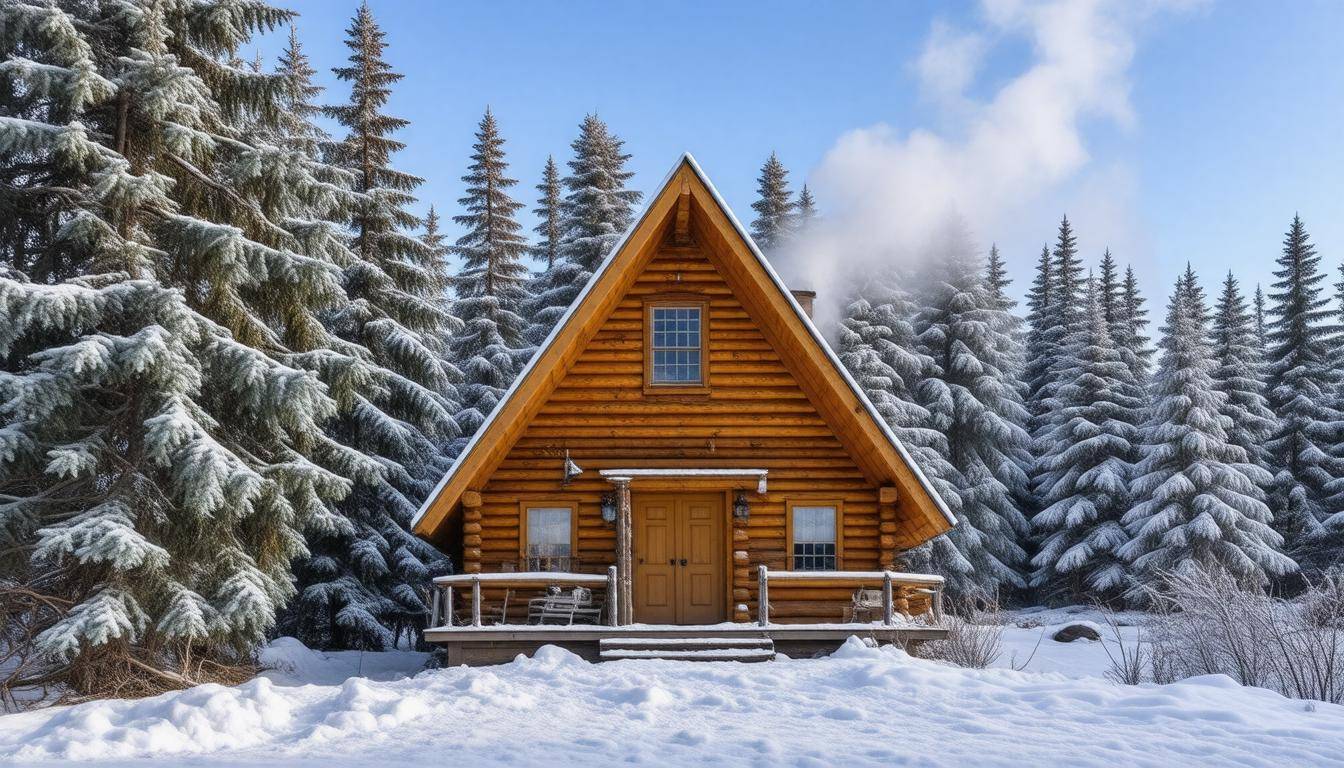
The type of shelter you need can vary widely based on the landscape around you, and knowing which structure to build can mean the difference between comfort and discomfort in survival situations. Each environment presents unique challenges, but with the right techniques, you can create a protective refuge tailored to those conditions.
Desert Shelters
In desert areas, where temperatures can soar during the day and plummet at night, the main priority is to create a shade that will protect you from the blistering sun while still allowing airflow. An effective shelter could be as simple as a tarp stretched between two sturdy trees or poles, angled in such a way as to catch any breeze. This not only provides shade but helps maintain a cooler temperature underneath. Remember, ventilation is key: without it, you risk overheating during the day.
Forest Shelters
Transitioning to wooded areas, the abundance of resources significantly informs your shelter choices. Lean-tos are a popular option due to their simplicity and effectiveness. These structures can be constructed by leaning branches against a sturdy tree at an angle. They provide sufficient cover from rain while using natural materials that are readily available all around you.
Debris huts are another excellent choice; they involve creating a frame and piling leaves, sticks, and moss for insulation. Here’s a tip: ensure your entrance is small; this helps retain heat generated inside.
Snow Shelters
In snowy environments, such as mountainous regions or during winter camping, igloos or snow caves can be lifesavers. These shelters utilize snow’s insulating properties effectively—still surprisingly warm despite being made of ice! To build an igloo, start by piling snow into a mound and allow it to settle before hollowing out the interior. Aim for walls that are at least 12 inches thick for optimal insulation against harsh winds. As an added benefit, snow reflects sunlight well, keeping your space bright inside even during blizzard conditions.
Mountain Shelters
Finally, when navigating mountain terrains, where steep slopes present unique challenges, consider A-frame shelters. Their triangular shape sheds snow efficiently and provides structural stability against wind gusts—a common occurrence in elevated regions. Building these involves creating a frame with long branches or logs and reinforcing them with tarps or sturdy foliage for protection against moisture. If you’re constructing on uneven ground, secure the base well to avoid collapsing under pressure.
Understanding these varied shelter types based on your environment arms you with practical techniques that enhance your ability to survive outdoors comfortably. Equipped with these skills, you’ll be ready to explore essential strategies for ensuring your shelter’s durability over time.
Practical Tips for Long-Term Durability
When you find yourself in a survival situation that stretches on for days or weeks, ensuring that your shelter remains intact and effective becomes paramount. Regular inspections are crucial—make it a daily habit to examine your structure for any signs of wear and tear. Just like one would check the foundation of a house, look for loose branches or shifted logs that may compromise the integrity of your shelter. Ignoring these signs may lead to bigger problems down the line, leaving you vulnerable to the elements.
In addition to routine checks, reinforcement plays an essential role in maintaining a secure environment. As you inspect, don’t hesitate to enhance weak points by adding extra branches or rocks. This not only fortifies the structure but also contributes to a more stable resting area. Imagine a bridge that sways under pressure; similarly, your shelter needs support to weather gusty winds or heavy rainfall.
It’s important to remember that pests can pose a considerable threat in survival situations. Regularly sweep out any leaves or food particles left from cooking or sitting inside the shelter—these attract insects and rodents which can soon become unwelcome guests. Keeping a clean space is as critical outdoors as it is indoors, ensuring safety from infestation.
Moreover, adapting your shelter to changing weather conditions is vital for sustaining comfort and protection.
If you’re in an area where temperatures fluctuate sharply—like a snowy landscape—be prepared to modify your insulation accordingly. Remove snow accumulation from the roof daily to prevent potential collapse under the weight. This small act can save you from extensive reconstruction efforts later on. Similarly, when transitioning into warmer seasons, consider removing excess insulation to ensure airflow, maintaining a livable temperature within your shelter.
To further enhance durability against water damage, utilize natural resources such as pine resin. Applying this sticky substance seals joints and gaps effectively while building a waterproof barrier. It’s akin to crafting nature’s own caulking material, providing added protection against moisture intrusion.
In summary, regular maintenance through inspections, reinforcement of weak spots, pest control, adaptations to weather changes and effective sealing techniques form the backbone of long-term durability for your outdoor shelters. With these proactive measures in place, you can transform a basic refuge into a sturdy sanctuary that stands resilient against whatever nature throws your way.